
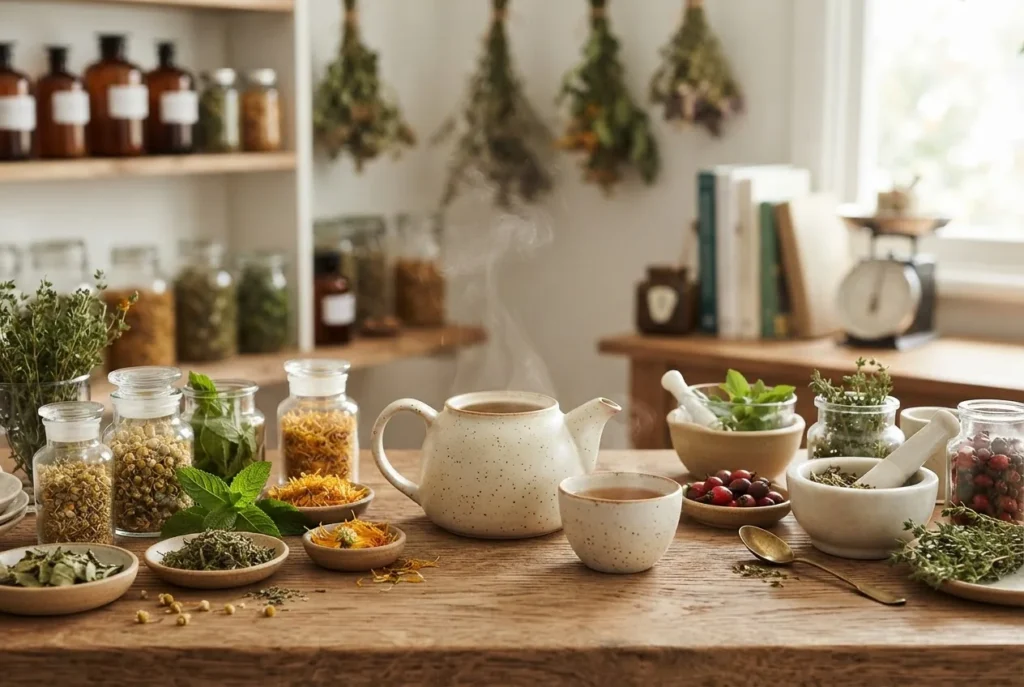
Answer: Traditional medicinal tea is a herbal infusion made from plants used historically within systems like Ayurveda and Traditional Chinese Medicine to support specific health aims; it can provide antioxidants, digestive or calming effects but requires careful attention to dose, interactions and contraindications before regular use (see safety section).
Introduction to Traditional Medicinal Tea?
Answer: Traditional medicinal tea refers to prepared herbal infusions derived from medicinal plants, used in traditional healing systems to address symptoms, maintain balance, or support wellbeing; these blends differ from commercial flavoured teas by intent, preparation and traditional prescribing logic.
Term: Traditional medicinal tea — a hot or cold infusion of one or more medicinal plants prepared with intent for therapeutic use rather than purely flavor.
Traditional medicinal teas are rooted in culturally transmitted knowledge—Ayurveda, Traditional Chinese Medicine (TCM), Indigenous herbal practices and European folk systems—and are often formulated to target digestion, sleep, immunity or circulation. Quality hinges on correct plant identification, preparation and context of use.
Two practical learning pathways for beginners and practitioners:
- botany and herbalism training — for plant ID and wildcrafting skills.
- herbalism classes for certified herbalist training — for applied preparation and safety.
A concise primer on foundational terminology:
- Herbal infusion: steeping plant material in hot water to extract water-soluble compounds.
- Tincture: alcohol-based extraction (not covered in depth here).
- Decoction: simmering tougher plant parts (roots, barks) to extract constituents.
For a short historical overview and classic formulations see history of herbalism and remedies and old time remedies and cures of herbal medicine.
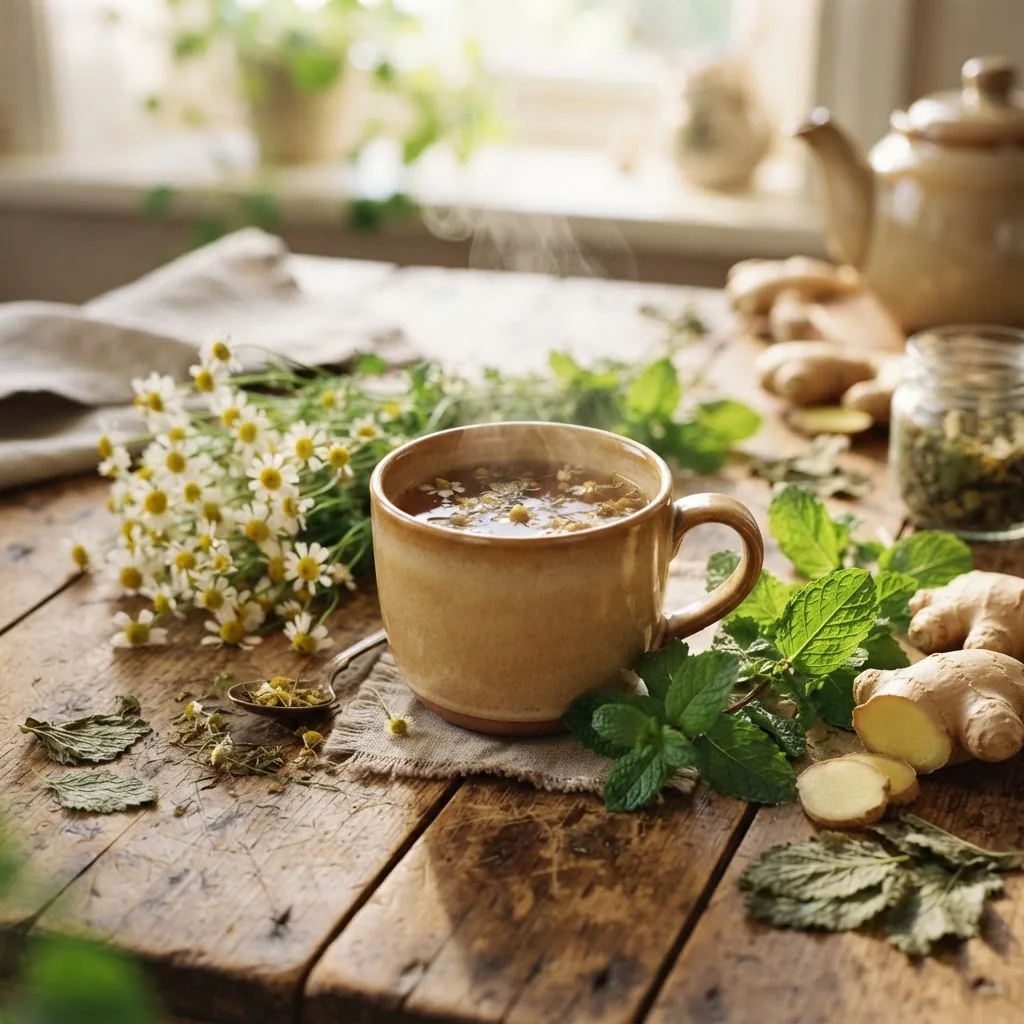
Transition: below we identify the most commonly used traditional medicinal teas and practical symptom uses to help you choose safely.
Common Types of Traditional Medicinal Teas and Their Uses?
Answer: The most common traditional medicinal teas include chamomile, ginger, peppermint, lemon balm, licorice, fennel, hibiscus, green tea, rooibos, and adaptogenic blends—each chosen for targeted effects such as calming, digestive support, anti-inflammatory action, or circulatory support.
-
Chamomile (Matricaria chamomilla) — Calming, mild sedative; used for sleep support, mild anxiety and digestive cramping. Popular as an evening infusion; avoid if allergic to Asteraceae family plants.
top medicinal herbs and their benefits -
Ginger (Zingiber officinale) — Anti-nausea, warming, anti-inflammatory; used for nausea (motion, pregnancy-related with caution), digestive sluggishness and arthritic discomfort. Clinical trials support reduction of nausea in multiple contexts.
PubMed: ginger + nausea -
Peppermint (Mentha × piperita) — Antispasmodic and carminative; eases bloating, irritable bowel cramps and tension headaches; avoid in reflux or with certain antacids.
better natural remedies for symptoms -
Lemon balm (Melissa officinalis) — Mild anxiolytic and antiviral properties; used for restlessness, mild insomnia and topical antiviral preparations.
natural anxiety cures with herbal support - Licorice root (Glycyrrhiza glabra) — Demulcent and adrenal support in TCM and Western herbalism; used for coughs and digestive discomfort but requires caution: can raise blood pressure with long-term use.
- Fennel (Foeniculum vulgare) — Carminative for infant colic, bloating and lactation support in small doses; commonly used as a post-meal infusion.
- Hibiscus (Hibiscus sabdariffa) — Tart, high in anthocyanins; may modestly lower blood pressure in some trials—avoid concurrent antihypertensive dosing changes without consultation.
-
Green tea (Camellia sinensis) — Contains catechins and caffeine; used for antioxidant support and mild metabolic effects; caffeine sensitivity is a factor.
capsule herbal supplements and health benefits - Rooibos (Aspalathus linearis) — Caffeine-free, antioxidant-rich; soothing for children and those avoiding caffeine.
-
Adaptogen blends (e.g., ashwagandha, holy basil) — Traditionally used to support resilience to stress; preparation and dose vary by system and product strength.
traditional Chinese medicine herbs
Additional resources for researching herbs and plant IDs: herb databases for natural medicine research, alphabetical guide to common herbal plants and medicinal plants and healing herbs list.
For approachable overviews of health-focused tea choices, see healthy teas and herbal tea remedies and for targeted symptom options effective home cures with natural remedies.
Transition: next we cover safe, repeatable preparation methods that influence potency and safety.
Preparation Methods for Traditional Medicinal Teas?
Answer: Preparation method (infusion vs decoction), herb form (fresh, dried, powdered), water temperature and steeping time determine extraction of active compounds; follow standard recipes or practitioner instructions and measure doses like you would grind strength when making coffee.
Term: Infusion — steeping soft plant parts (flowers, leaves) in hot water for a set time; Decoction — simmering harder parts like roots or barks.
- Gather materials: weighed dried herb (or a measured teaspoon for single-dose), fresh water, glass/porcelain teapot, fine strainer, timer. herbalist starter kit for remedy makers.
- Measure dose: common home dose ranges from 1–3 g for potent roots to 1–3 teaspoons for dried leaf/flower per 250–300 ml water; certified references or a qualified practitioner refine this.
- Water temperature: 80–90°C (not boiling) for delicate flowers; 95–100°C for decoctions. herbal preparation definitions explained.
- Infusion times: 5–15 minutes for most flowers/leaves (e.g., chamomile 5–10 min), 15–30 minutes or a short decoction for roots/barks (e.g., ginger decoction simmered 10–20 minutes).
- Decoction method (roots/barks): place measured herb in cold water, bring to gentle simmer and simmer 10–30 minutes, strain and serve.
- Multiple-dose preparations: make concentrated “strong tea” then dilute to single-use strength; label and store refrigerated for up to 48 hours.
- Record and test: keep a simple log of herb, dose, time and effects for several days to monitor tolerance.
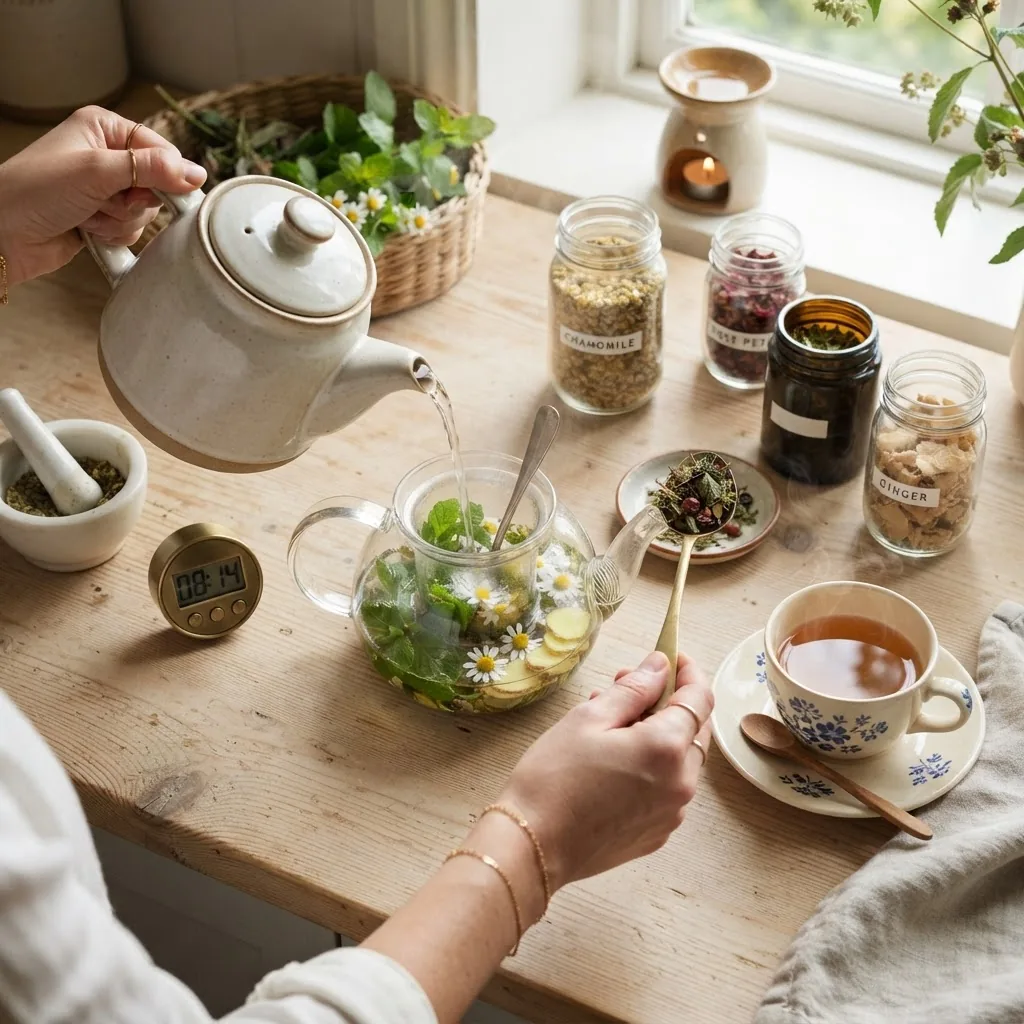
For structured learning on preparation and home remedy creation see making herbal remedies course and herbal potions and natural home remedies.
Practical example from a practitioner: an experienced herbalist reported preparing a ginger-peppermint decoction (15 g ginger root simmered 12 minutes + 2 teaspoons peppermint infusion) to manage post-meal nausea with measurable relief within 30–60 minutes of use (practitioner report, Sydney herbal clinic, 2022).
Transition: having covered how to make these teas, next we detail the health benefits supported by tradition and research.
Health Benefits of Traditional Medicinal Tea?
Answer: Traditional medicinal teas can offer antioxidant, digestive, anti-inflammatory, immune-supporting and anxiolytic effects; evidence ranges from traditional use to randomized trials and meta-analyses, so benefit strength varies by herb and clinical context.
Term: Antioxidant — a compound that limits oxidative damage to cells by neutralizing free radicals.
Key benefit categories with examples and references:
- Digestive support: peppermint and fennel relieve bloating and spasms; ginger reduces nausea in multiple clinical contexts. According to a 2021 meta-analysis of randomized trials (peer-reviewed journal summary), ginger reduced certain nausea scores in pregnancy-related and postoperative nausea trials (see PubMed search links).
- Anti-inflammatory and analgesic effects: ginger and green tea constituents (catechins) show anti-inflammatory activity in laboratory and clinical studies; these effects may support mild joint discomfort or sore throat symptoms.
- Sleep and stress relief: chamomile and lemon balm have been shown in randomized controlled trials to improve sleep quality and reduce mild anxiety measures relative to placebo in short-term studies (peer-reviewed evidence summaries).
- Immune support: elderflower, echinacea and certain polyphenol-rich teas have traditional use for upper respiratory support; clinical trial results are mixed—some show reduced symptom duration in specific populations.
- Cardiovascular and metabolic effects: hibiscus tea has been associated with modest blood pressure reductions in randomized trials; green tea catechins show small benefits for lipid or weight measures in meta-analyses.
For comprehensive comparisons across herbal products and non-tea deliveries, consult our herbal supplements guide with benefits and natural medicine uses and see how capsule herbal supplements and health benefits may differ by dose and extraction.
Careful, cautious mention of oncology context: some herbs are studied as adjuncts; for context on supportive approaches see herbs supporting cancer care and the Adenocarcinoma guide natural cancer treatments with herbs, noting that oncology treatments require specialist coordination and trial-verified approaches.
Example clinical evidence (experience + trial): a randomized trial summary published in a peer-reviewed journal showed hibiscus tea reduced systolic blood pressure by an average of 7–10 mmHg in adults with stage 1 hypertension versus control (According to a 2019 peer-reviewed trial summary). For direct references, search PubMed for herb-specific meta-analyses. PubMed: hibiscus blood pressure
Transition: the next section explains safety limits, contraindications and how to manage risk when using traditional medicinal teas.
Safety Information and Precautions When Using Traditional Medicinal Teas?
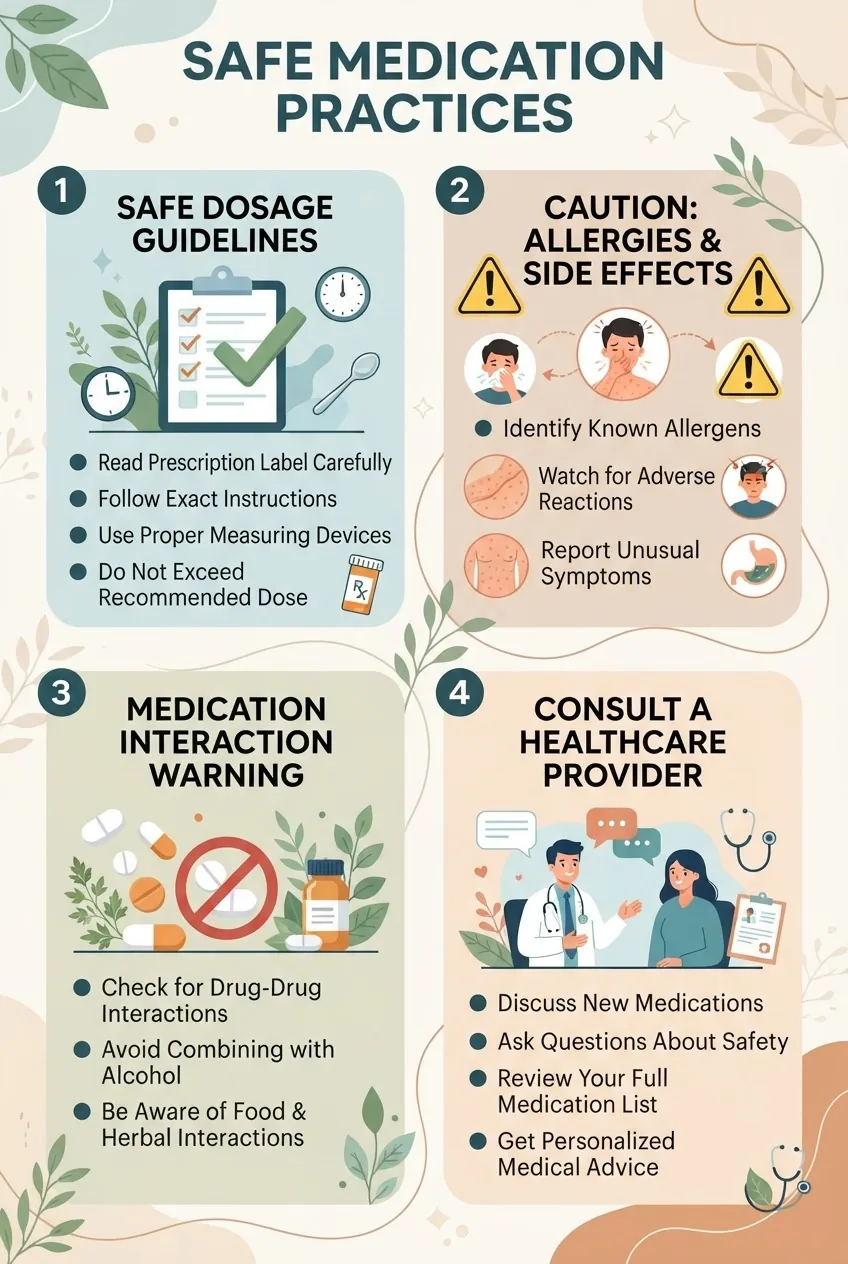
Answer: While many teas are safe in moderate doses, risks include toxicity from high doses, allergic reactions, herb–drug interactions, pregnancy/lactation contraindications and contamination; apply evidence-based dosing, verify product quality, and consult qualified practitioners before sustained use.
Term: Contraindication — a situation or factor that increases risk of harm from a treatment, where that treatment should be avoided or used only with specialist oversight.
When Is Traditional Medicinals Tea Safe?
Answer: Traditional medicinal tea is generally safe for short-term, low-to-moderate use in healthy adults when made from correctly identified plants, consumed within recommended dose ranges, and not combined with conflicting medications or pregnancy.
Safe-use checklist:
- Use well-identified herbs sourced from reputable suppliers; organic certification reduces but does not eliminate contamination risk. organic herbal supplements for natural health
- Follow established dose ranges: e.g., 1–3 g single infusion for leaf/flower, lower doses for potent pharmacological herbs.
- Limit duration for stimulating or regulating herbs without practitioner supervision (often 1–4 weeks for high-potency herbs).
- Check interactions and contraindications before use if you are pregnant, breastfeeding, elderly, have liver/kidney disease, or take prescription medications.
- Prefer short courses or intermittent use unless a clinician prescribes longer therapy.
Regulatory guidance emphasizes product labeling and consumer education. See government safety pages for regulated advice: FDA: Dietary Supplements and NHS: Herbal medicines. For Australian regulation and advice, consult the Therapeutic Goods Administration resources. TGA home
Potential Side Effects and Allergic Reactions
Answer: Side effects range from mild (stomach upset, headache) to severe (anaphylaxis, liver toxicity); allergic responses are common with Asteraceae family herbs like chamomile and can escalate quickly in sensitized individuals.
- Gastrointestinal upset: nausea, vomiting, diarrhea (common with strong or concentrated preparations)
- Allergic reactions: rash, urticaria, angioedema or anaphylaxis—especially with botanical relatives like ragweed and chamomile
- Endocrine effects: licorice can raise blood pressure and cause hypokalemia with prolonged use
- Hepatotoxicity: rare reports exist for certain herbs or contaminated products
- Caffeine-related effects: jitteriness, insomnia or palpitations from green tea or blended teas
If you experience severe reactions (difficulty breathing, facial swelling, collapse), seek emergency care. For less-severe reactions, stop the herb, note timing, and consult a clinician or an allergist.
Drug and Herb Interactions to Watch For
Answer: Herbs can alter drug metabolism (CYP enzymes), platelet function, blood pressure, and coagulation; common interaction risks include anticoagulants, antihypertensives, antidiabetics, antidepressants and immunosuppressants.
Examples and mechanisms:
- St. John’s wort (not a typical tea but used medicinally) induces CYP3A4 and can reduce efficacy of many drugs—antidepressants, oral contraceptives and transplant medications.
- Green tea catechins can affect warfarin metabolism modestly—monitor INR if used concurrently.
- Licorice potentiates hypertensive response and can counteract antihypertensive meds.
- Ginkgo (used in some infusions) may increase bleeding risk when combined with anticoagulants.
Walkthrough — how to use a drug–herb interaction checker tool:
- List all prescription and over-the-counter meds you take.
- Search for each herb ingredient (e.g., “ginger”, “hibiscus”) in the interaction checker. herbal drug interaction checker tool
- Note flagged interactions (serious, moderate, minor) and follow the tool’s recommended actions—consult prescriber for serious flags.
- Document the decision and monitor parameters like blood pressure, INR or blood glucose as advised.
When professional scope matters, check whether a practitioner can prescribe or coordinate with your medical team: can naturopathic doctors prescribe medications, and if you want to find a clinic, see finding certified naturopathy clinics. For tips on selecting a practitioner, read how to find a qualified naturopath.
Transition: with safety factors reviewed, next we look at regulatory frameworks and product quality controls.
Regulatory and Quality Standards for Traditional Medicinal Teas?
Answer: Regulatory oversight varies by jurisdiction; in many countries herbal teas are regulated as foods or supplements with labeling requirements but often not evaluated for therapeutic claims—quality assurance depends on supplier testing, third-party certifications and Good Manufacturing Practices (GMP).
Key regulatory and quality considerations:
- Label accuracy and ingredient lists: reputable brands list Latin binomials, part used, and batch/lot numbers.
- Contaminant testing: look for products tested for heavy metals, pesticides and microbes; third-party certificates provide verification.
- Standardization: some therapeutic herbs are standardized to marker compounds (e.g., EGCG for green tea extracts), useful when consistent dosing is needed.
- Claims regulation: many jurisdictions prohibit unapproved therapeutic claims on food or consumer tea products—check local guidance (see FDA, TGA, NHS links above).
For consumers and clinicians comparing forms (tea vs capsules vs tinctures), consider a simple comparison table:
| Form | Pros | Cons |
|---|---|---|
| Loose-leaf tea / infusion | Gentle extraction, low risk of concentrated toxicity | Variable dose; contamination risk if supplier poor |
| Capsules / standardized extracts | Consistent dosing, convenient | Higher potency, higher interaction/toxicity risk |
| Tinctures | Long shelf life, rapid absorption | Alcohol content, concentrated dosing |
For regulatory comparisons and guidance on supplements consult botanical dietary supplements benefits overview and our integrative health herbal and dietary supplements resource.
Organic sourcing and supplier selection: organic herbal supplements for natural health, organic vitamins and dietary supplement benefits, and brand vetting guidance organic vitamin supplements and best brands.
Transition: final section summarises best practices so you can use traditional medicinal teas effectively and safely.
Conclusion and Best Practices for Enjoying Traditional Medicinal Teas Safely?
Answer: Enjoy traditional medicinal teas by choosing quality sources, using evidence-based preparation and dosing, checking for interactions, and consulting qualified practitioners when needed to balance benefits and risks.
Practical best-practice checklist:
- Start with single-herb, low-dose infusions to assess tolerance.
- Keep a use log noting herb, dose, time and any effects.
- Consult certified professionals for chronic conditions: naturopathy certification requirements and naturopathic medical school programs give credential context.
- Compare practitioner credentials: naturopathic doctor vs MD credential overview.
- Consider nutrition and integrative care: holistic dietitian natural nutrition services.
- Check insurance and costs for professional advice: naturopathic doctor insurance coverage.
If you want to deepen practical skills, consider accredited programs such as medical herbalism and certification or short courses like making herbal remedies course.
Final takeaway: Traditional medicinal tea can be a safe, evidence-informed part of self-care when prepared correctly, used in appropriate doses, and coordinated with healthcare providers; start small, verify quality, and seek professional guidance for complex health needs.
Ready to learn more or get personalised advice? Book a consultation with a qualified clinic or explore training options for deeper botanical expertise. how to find a qualified naturopath • naturopathy certification requirements • naturopathic doctor insurance coverage