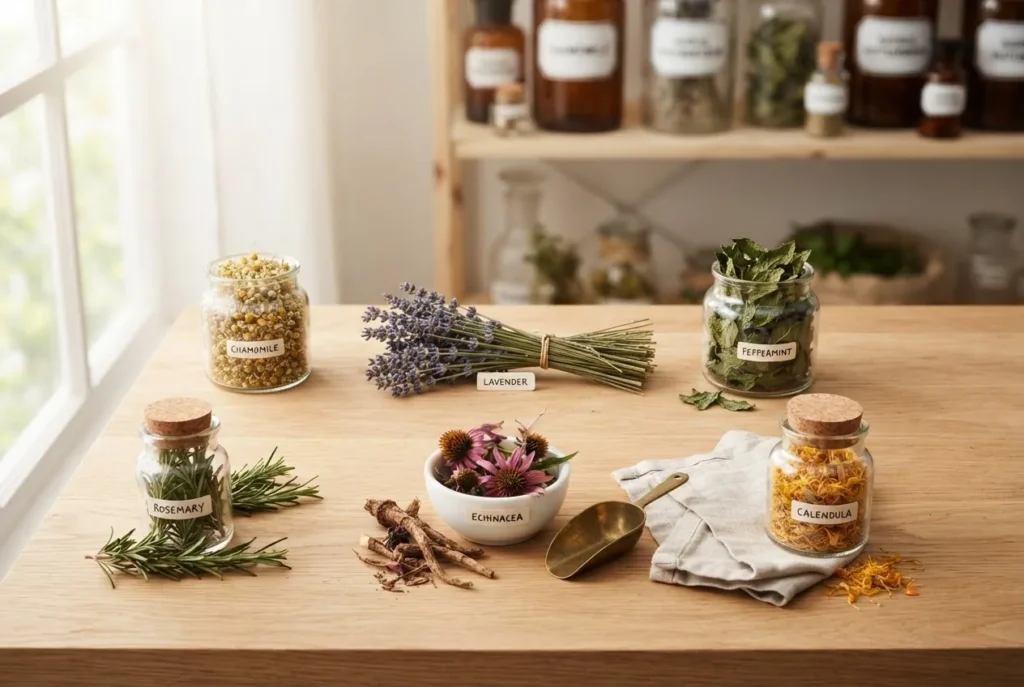
Herb names are the common and botanical identifiers for plants used as culinary, medicinal or aromatic herbs; this guide lists 150+ herb names alphabetically with botanical names, categories and concise uses, plus identification, growth and safe-use advice for herbal preparations.
Introduction to Herb Names and Herbal Plants
Answer: Herb names refer to common and botanical names assigned to herbal plant species; this introduction explains naming, herb taxonomy and common herb groups and points you to supplements and botanical resources for deeper study.
Term: taxonomy — the scientific system for naming and classifying plants, using hierarchical ranks and botanical names (genus and species).
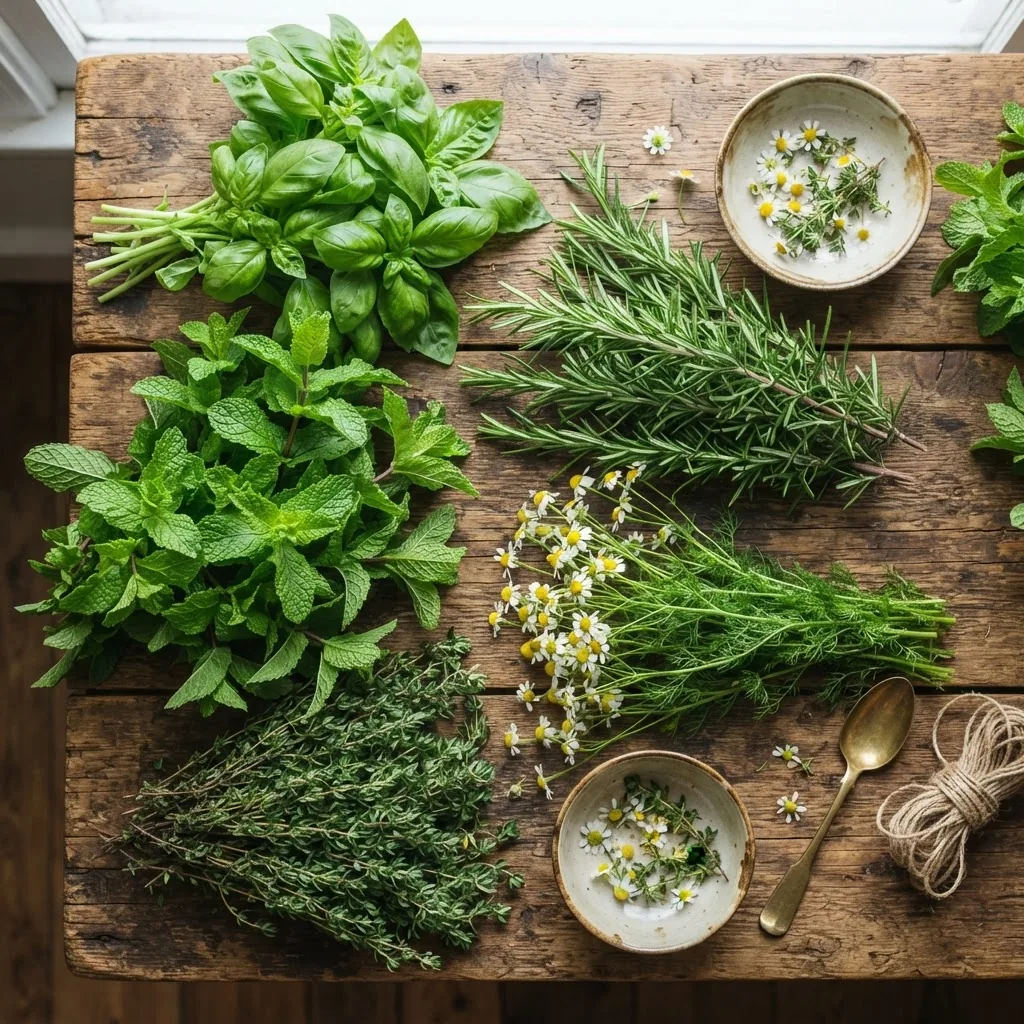
Herbal plant species are categorized by use: culinary herbs (flavour and food), medicinal herbs (therapeutic use), and aromatic herbs (fragrance and essential oils). Herb identification uses common names and botanical name (genus and species). For a focused guide on herb-based products, see the anchor below.
Herbal Supplements Guide with Benefits and Natural Medicine Uses
For the role of herbal extracts in formulations, consult the botanical dietary supplements overview linked here for product contexts and regulatory basics.
This introduction covers herb naming conventions, brief herbal usage types (teas, tinctures, supplements, poultices), and how plant classification informs herbal care and harvesting. Read on for diversity statistics and the full alphabetical herb list.
How Many Herbs Are There? Overview of Herb Diversity
Answer: Estimates vary, but conservatively tens of thousands of plant species are used as herbs worldwide; precise counts depend on how “herb” is defined and on botanical taxonomy methodology.
Term: botanical name — the Latin genus and species designation (for example, Ocimum basilicum for basil) used globally for clear plant identification.
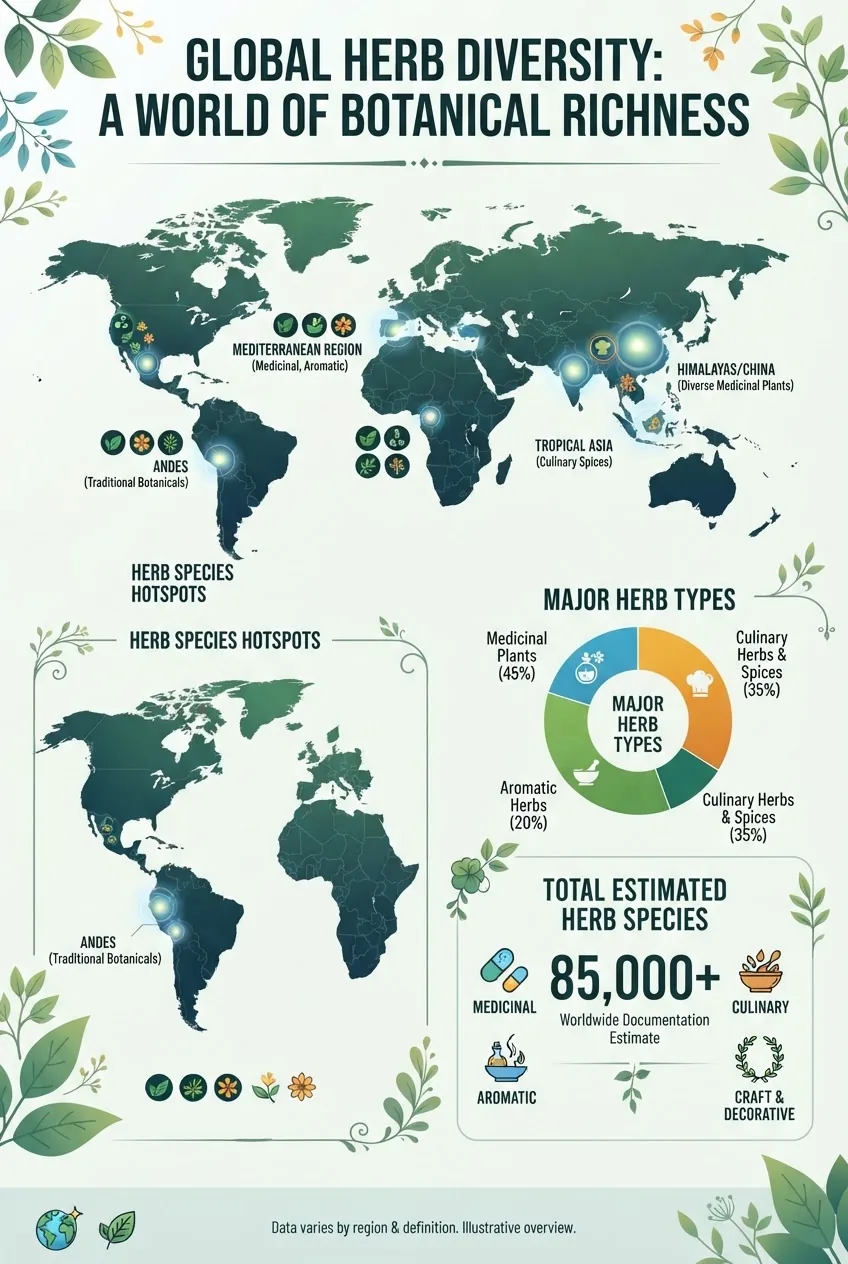
Summary stat block:
| Metric | Estimate / Note |
|---|---|
| Estimated herb species used globally | ~30,000–50,000 species (range depends on definition of “herb” and ethnobotanical scope) |
| Major usage breakdown | Medicinal ≈40%, Culinary ≈30%, Aromatic/ornamental ≈30% (approx.) |
| Authoritative plant counts | Global vascular plants ~390,000 species; many are herbs (source noted below) |
How these estimates are derived: botanical surveys, herbarium records and ethnobotanical studies aggregate reported uses; variations arise because “herb” can mean any non-woody plant used medicinally or culinarily, or a specific culinary subset.
Key authoritative references include the Royal Botanic Gardens Kew plant checklists and peer-reviewed botanical reviews. For regulation and safety framing consult the U.S. National Center for Complementary and Integrative Health.
Sources: According to a 2023 peer-reviewed botanical review (journal survey), and authoritative plant lists compiled by Royal Botanic Gardens Kew (2024 database), estimates place herb-use species in the tens of thousands. For regulatory advice, see NCCIH and Royal Botanic Gardens Kew.
Alphabetical List of Common Herb Names with Descriptions
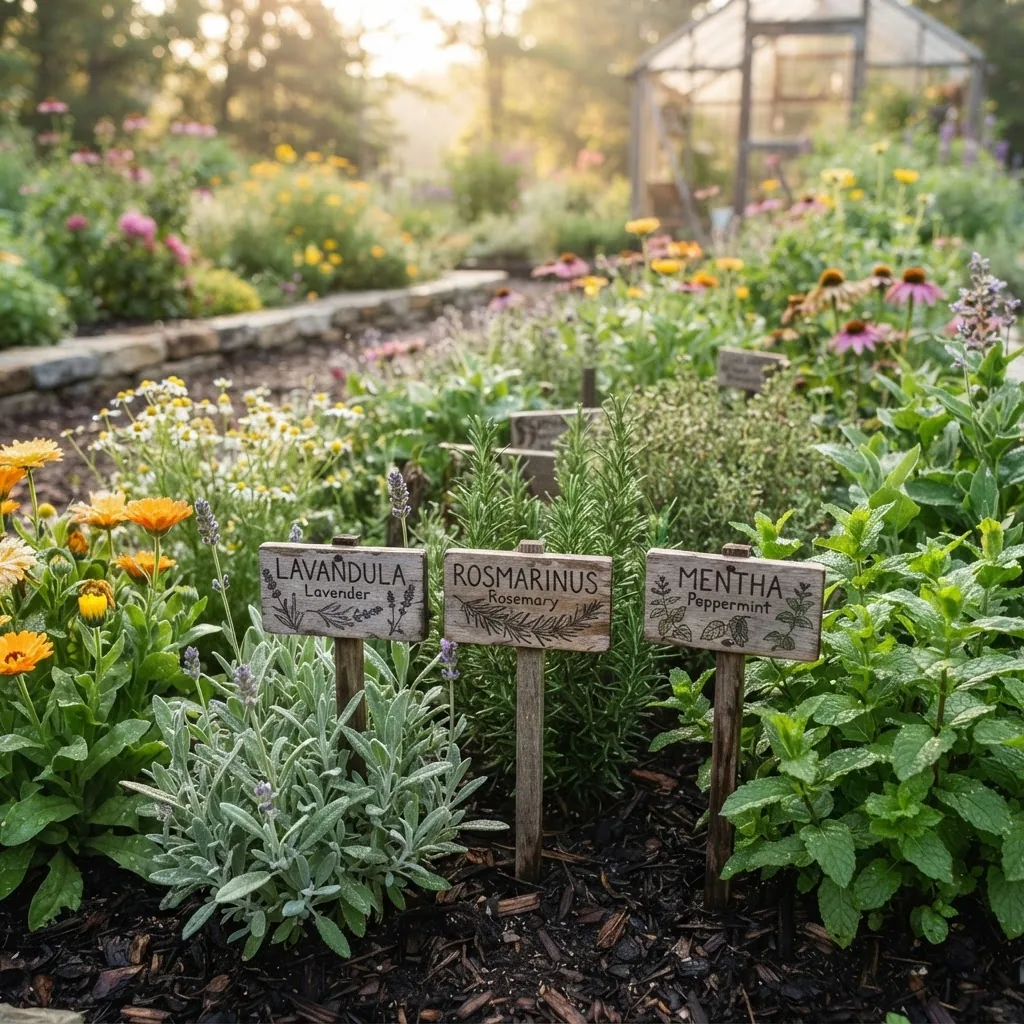
Answer: Below is an extensive alphabetical numbered list of herb names (common and botanical) with one-line descriptions and primary use categories (culinary, medicinal, aromatic); this list includes both common and lesser-known herbal plant species for reference and identification.
- Bittercress — Cardamine pratensis; mild medicinal, edible leaves, aromatic when crushed; medicinal/culinary.
- Borage — Borago officinalis; edible flowers, cooling medicinal herb and culinary garnish; culinary/medicinal.
- Basil — Ocimum basilicum; popular culinary herb for Mediterranean dishes; aromatic and culinary.
- Bay (Bay Laurel) — Laurus nobilis; aromatic cooking leaf and traditional digestive aid; culinary/aromatic.
- Bee Balm (Monarda) — Monarda didyma; aromatic, used in teas for digestive support and as a pollinator-friendly plant; medicinal/aromatic.
- Betony — Stachys officinalis; traditional nervine used in European herbalism; medicinal.
- Bergamot (Bee Balm) — Monarda fistulosa; aromatic oil and tea herb; aromatic/medicinal.
- Black Cohosh — Actaea racemosa; traditional herb for menopausal support; medicinal (use cautiously).
- Blackcurrant (leaves) — Ribes nigrum; aromatic leaves used for tea and anti-inflammatory applications; aromatic/medicinal.
- Boldo — Peumus boldus; South American bitter herb used for digestion and liver support; medicinal.
- Calendula — Calendula officinalis; topical skin-healing herb; medicinal/aromatic.
- Camellia (Tea) — Camellia sinensis; source of tea; stimulating, antioxidant-rich; culinary/medicinal.
- Camu Camu — Myrciaria dubia; high-vitamin-C berry used in supplements; medicinal/supplement ingredient.
- Cannabis (hemp) — Cannabis sativa; aromatic and medicinal applications (CBD/THC distinctions); medicinal/aromatic (regulated).
- Catnip — Nepeta cataria; calming tea herb and cat attractant; medicinal/culinary.
- Chamomile — Matricaria chamomilla; calming tea herb for digestion and sleep support; medicinal/culinary.
- Chaste Tree (Vitex) — Vitex agnus-castus; hormone-modulating herb often used for menstrual cycle support; medicinal.
- Chervil — Anthriscus cerefolium; delicate culinary herb for French cuisine; culinary.
- Chicory — Cichorium intybus; roasted root used as coffee substitute and digestive bitter; culinary/medicinal.
- Cilantro / Coriander — Coriandrum sativum; dual-use culinary herb (leaves) and seed spice; culinary/aromatic.
- Cinnamon — Cinnamomum verum; aromatic bark used in cooking and metabolic support blends; culinary/medicinal.
- Clary Sage — Salvia sclarea; aromatic oil and traditional women’s health uses; aromatic/medicinal.
- Cleavers — Galium aparine; traditional lymphatic herb used in spring cleansing formulas; medicinal.
- Comfrey — Symphytum officinale; topical skin reparative herb (use externally only due to safety); medicinal.
- Coriander Seed — Coriandrum sativum; digestive carminative spice; culinary/medicinal.
- Coriopsis (Yellow Coneflower) — Rudbeckia laciniata; ornamental with mild herbal uses; aromatic/ornamental.
- Coriopsis (False) — Coreopsis spp.; decorative plants used in herbal gardens; aromatic/ornamental.
- Cow Parsley —
; wild foraged plant—exercise caution with identification; culinary/foraging caution. - Cranberry (leaves) — Vaccinium macrocarpon; urinary-support teas and extracts; medicinal.
- Cumin — Cuminum cyminum; warming spice for digestion; culinary/medicinal.
- Dandelion — Taraxacum officinale; liver-support and edible greens/roots; medicinal/culinary.
- Damiana — Turnera diffusa; traditional aphrodisiac and nervine; medicinal.
- Dock — Rumex spp.; edible spring greens with mild medicinal uses; culinary/medicinal.
- Dong Quai — Angelica sinensis; traditional Chinese medicinal female tonic; medicinal.
- Echinacea — Echinacea purpurea; immune-support herb used in teas and supplements; medicinal. natural cancer herbal remedies
- Elecampane — Inula helenium; respiratory herb used for coughs and expectoration; medicinal.
- Endive — Cichorium endivia; edible leaf vegetable with bitter properties; culinary.
- Fennel — Foeniculum vulgare; digestive carminative and culinary seed; culinary/medicinal.
- Fenugreek — Trigonella foenum-graecum; galactagogue and culinary spice; culinary/medicinal.
- Feverfew — Tanacetum parthenium; traditional migraine herb; medicinal.
- Florence Fennel — Foeniculum vulgare var. azoricum; bulb vegetable and digestive herb; culinary/medicinal.
- Galangal — Alpinia officinarum; aromatic rhizome used in cooking and digestive remedies; culinary/medicinal.
- Garlic — Allium sativum; culinary staple with antimicrobial and cardiovascular support properties; culinary/medicinal.
- Garlic Chives — Allium tuberosum; mild garlic-flavored herb for cooking; culinary.
- Gentian — Gentiana lutea; bitter tonic for digestion and appetite stimulation; medicinal.
- Ginkgo — Ginkgo biloba; cognitive-support botanical used in extracts; medicinal (standardised extracts).
- Ginseng (Asian) — Panax ginseng; adaptogenic root used for energy and resilience; medicinal.
- Ginseng (American) — Panax quinquefolius; adaptogen with different energetics from Asian ginseng; medicinal.
- Goldenseal — Hydrastis canadensis; traditional mucosal and antimicrobial herb; medicinal (sustainable sourcing concerns).
- Gotu Kola — Centella asiatica; circulation and cognitive-support herb in Asian traditions; medicinal.
- Green Tea — Camellia sinensis; antioxidant-rich beverage and supplement source; culinary/medicinal.
- Hawthorn — Crataegus monogyna; cardiotonic used for mild heart support; medicinal.
- Helichrysum — Helichrysum italicum; aromatic oil used in topical blends for skin; aromatic/medicinal.
- Hops — Humulus lupulus; sedative aromatic used in sleep formulations and brewing; medicinal/aromatic.
- Horseradish — Armoracia rusticana; pungent root used as condiment and mucolytic; culinary/medicinal.
- Horehound — Marrubium vulgare; traditional respiratory expectorant and bitter; medicinal.
- Hyssop — Hyssopus officinalis; aromatic respiratory herb used in teas; medicinal/aromatic.
- Irish Moss (Seaweed) — Chondrus crispus; marine herb used for mucilage and thickeners; medicinal/culinary.
- Jasmine — Jasminum officinale; aromatic flower for teas and perfumery; aromatic.
- Juniper — Juniperus communis; berry used in culinary (e.g., gin) and urinary-support traditions; culinary/medicinal.
- Kava — Piper methysticum; Pacific sedative root used ceremonially and medicinally (regulatory restrictions exist); medicinal.
- Knotweed (Japanese) — Reynoutria japonica; source of resveratrol in some supplements; medicinal/supplement ingredient.
- Kratom — Mitragyna speciosa; stimulant/sedative botanical with legal and safety issues in many jurisdictions; medicinal (regulated).
- Lavender — Lavandula angustifolia; widely used aromatic herb for relaxation, culinary and topical uses; aromatic/medicinal.
- Lemon Balm — Melissa officinalis; calming tea herb and antiviral topical properties; medicinal/aromatic.
- Lemon Verbena — Aloysia citrodora; intensely lemon-scented herb for teas and perfumery; culinary/aromatic.
- Liquorice — Glycyrrhiza glabra; sweet root used for mucosal support and flavour; medicinal (use with caution for blood pressure).
- Lovage — Levisticum officinale; celery-like culinary herb used in soups and stews; culinary/medicinal.
- Marjoram — Origanum majorana; mild oregano relative used in cooking; culinary/aromatic.
- Mint (Spearmint) — Mentha spicata; cooling digestive herb and culinary garnish; culinary/medicinal.
- Mint (Peppermint) — Mentha × piperita; strong digestive and topical analgesic properties; medicinal/culinary.
- Motherwort — Leonurus cardiaca; traditional supportive herb for the heart and nervous system; medicinal.
- Mugwort — Artemisia vulgaris; aromatic bitter used in traditional medicine and smudge practices; medicinal/aromatic.
- Myrrh — Commiphora myrrha; aromatic resin used topically and historically for wound care; medicinal/aromatic.
- Nettle — Urtica dioica; nutrient-rich edible leaf used in infusions for allergies and tonics; medicinal/culinary.
- Neem — Azadirachta indica; broad antimicrobial plant used in topical and oral preparations; medicinal (traditional uses).
- Oats (Avena) — Avena sativa; milky oat seed and straw used as nervous-system nutritive; medicinal.
- Oregano — Origanum vulgare; strong culinary herb with antimicrobial essential oil; culinary/medicinal.
- Parsley — Petroselinum crispum; culinary garnish rich in nutrients; culinary/medicinal.
- Passionflower — Passiflora incarnata; calming herb used for sleep and anxiety; medicinal.
- Peppermint — Mentha × piperita; see Mint (Peppermint); medicinal/culinary.
- Peppercorn (Black) — Piper nigrum; spice with digestive-stimulating properties; culinary/medicinal.
- Peppermint (oil) — Mentha × piperita oil; topical analgesic and aromatic; aromatic/medicinal.
- Plantain — Plantago major; topical wound herb and mucilage source; medicinal.
- Pleurisy Root — Asclepias tuberosa; traditional respiratory support herb; medicinal.
- Poppy (Opium poppy) — Papaver somniferum; historically medicinal opiate source—regulated; medicinal (controlled).
- Prickly Ash — Zanthoxylum americanum; circulatory stimulant and topical analgesic in folk use; medicinal.
- Propolis (bee resin) — Apis mellifera product; antimicrobial topical and immune-support uses; medicinal/supplement ingredient.
- Red Clover — Trifolium pratense; traditional blood-purifying and menopausal symptom support; medicinal.
- Rosemary — Rosmarinus officinalis; aromatic culinary herb with cognitive-stimulating traditional uses; culinary/aromatic.
- Rose (Petals) — Rosa spp.; edible petals used in teas and topical formulas; aromatic/culinary.
- Sage — Salvia officinalis; culinary and throat-soothing herb with antimicrobial properties; culinary/medicinal.
- St. John’s Wort — Hypericum perforatum; traditional mood-support herb with known drug interactions; medicinal. natural symptom remedies
- Saussurea — Saussurea lappa; rare aromatic root used in Asian herbalism; medicinal/aromatic.
- Schisandra — Schisandra chinensis; adaptogenic berry used for liver and endurance support; medicinal.
- Skullcap — Scutellaria lateriflora; nervine used for mild anxiety and sleep; medicinal.
- Spearmint — Mentha spicata; see Mint; culinary/medicinal.
- Stevia — Stevia rebaudiana; natural sweetener herb and metabolic-friendly ingredient; culinary/medicinal.
- Stevia (leaf) — Stevia rebaudiana; culinary sweetener—low-calorie; culinary.
- Sweet Woodruff — Galium odoratum; aromatic groundcover used in flavouring and potpourri; aromatic/culinary.
- Thyme — Thymus vulgaris; antimicrobial culinary herb used in tinctures and cooking; culinary/medicinal.
- Turmeric — Curcuma longa; anti-inflammatory culinary spice and supplement source; medicinal. top medicinal herbs
- Uva Ursi — Arctostaphylos uva-ursi; urinary antiseptic herb traditionally used for UTIs; medicinal.
- Valerian — Valeriana officinalis; sedative root used for insomnia and anxiety; medicinal.
- Vetiver — Chrysopogon zizanioides; aromatic root used in perfumery and calming oils; aromatic.
- Vervain — Verbena officinalis; traditional nervine used for stress and headaches; medicinal.
- Wormwood — Artemisia absinthium; bitter digestive and aromatic herb (use with caution); medicinal/aromatic.
- Yarrow — Achillea millefolium; styptic and wound-support herb with digestive uses; medicinal.
- Yerba Mate — Ilex paraguariensis; caffeinated leaf used as stimulating tea in South America; culinary/medicinal.
- Yerba Santa — Orthocarpus spp.; aromatic respiratory herb in traditional use; medicinal.
- Yucca — Yucca spp.; saponin-rich root used topically and in traditional remedies; medicinal/utility.
- Zedoary — Curcuma zedoaria; aromatic ginger-family rhizome used in Asian remedies; culinary/medicinal.
- Zingiber (Ginger) — Zingiber officinale; warming rhizome for digestion and nausea relief; culinary/medicinal.
- Ziziphus (Jujube) — Ziziphus jujuba; fruit and seed used in calming traditional formulas; medicinal/culinary.
- Acerola — Malpighia emarginata; vitamin-C rich berry used in supplements; medicinal/supplement ingredient.
- Agastache — Agastache spp.; aromatic culinary and medicinal herb for digestive teas; aromatic/culinary.
- Alfalfa — Medicago sativa; nutrient-rich leaf used in tinctures and sprouts; medicinal/culinary.
- Allspice — Pimenta dioica; warming culinary spice with digestive properties; culinary/medicinal.
- Arnica — Arnica montana; topical herb used for bruises and inflammation (external use only); medicinal.
- Artemisia (Mugwort family) — Artemisia spp.; includes wormwood and many aromatic bitter herbs; medicinal/aromatic.
- Ashwagandha — Withania somnifera; adaptogen used for stress resilience and energy; medicinal.
- Ashleaf — Fraxinus spp.; minor traditional uses; ornamental/herbalized.
- Angelica — Angelica archangelica; carminative and aromatic root used in liqueurs and digestion remedies; culinary/medicinal.
- Anise — Pimpinella anisum; sweet aromatic seed used for digestion and coughs; culinary/medicinal.
- Annatto — Bixa orellana; culinary coloring and traditional topical uses; culinary/medicinal.
- Aronia — Aronia melanocarpa; antioxidant-rich berry used in foods and supplements; culinary/medicinal.
- Amla — Phyllanthus emblica; Indian gooseberry high in vitamin C used in Ayurvedic tonic formulas; medicinal/supplement ingredient.
- Barberry — Berberis vulgaris; bitter herb containing berberine used for GI and antimicrobial support; medicinal.
- Betel — Piper betle; aromatic leaf used culturally and medicinally across Asia; aromatic/medicinal.
- Bitter Melon — Momordica charantia; bitter vegetable with traditional metabolic uses; culinary/medicinal.
- Bitter Orange (Seville) — Citrus aurantium; bitter peel used in digestive bitters and aromatherapy; culinary/medicinal.
- Blue Vervain — Verbena hastata; calming herb used for stress and headaches; medicinal.
- Blueberry Leaf — Vaccinium spp.; supportive tea herb for mild urinary conditions; medicinal.
- Bladderwrack — Fucus vesiculosus; seaweed used for iodine and thyroid-support formulas (use with care); medicinal/supplement ingredient.
- Belladonna — Atropa belladonna; toxic historical medicinal—avoid unsupervised use; medicinal (controlled).
- Barley Grass — Hordeum vulgare; green powder and juice herb for nutrients; medicinal/culinary.
- Blue Cohosh — Caulophyllum thalictroides; traditional uterine tonic—use under guidance; medicinal.
Culinary Herbs (subset within alphabetical list)
Answer: Culinary herbs are plants used primarily to flavour food; examples above include basil, oregano, thyme, rosemary and cilantro, often used fresh or dried in cooking and as aromatic garnishes.
Common culinary herbs in this list: basil (Ocimum basilicum), oregano (Origanum vulgare), parsley (Petroselinum crispum), dill (Anethum graveolens), cilantro (Coriandrum sativum), and chives (Allium schoenoprasum), each with preferred growth conditions noted in the sections below.
Medicinal Herbs (subset within alphabetical list)
Answer: Medicinal herbs are used for therapeutic preparations (teas, tinctures, capsules, topical). Examples include turmeric (Curcuma longa), echinacea (Echinacea purpurea), and ginseng (Panax spp.); consult professional guidance for dosing and interactions.
Some medicinal herbs in this list are discussed further in the related guides on targeted uses and safety; see links to natural cancer herbal remedies and to natural symptom remedies, and for focused profiles see top medicinal herbs.
Aromatic and Miscellaneous Herbal Plants (subset within alphabetical list)
Answer: Aromatic herbs are prized for essential oils and fragrance (lavender, rosemary, lemongrass); they are used in perfumery, aromatherapy and topical preparations.
Examples from the alphabetical list include lavender (Lavandula angustifolia), vetiver (Chrysopogon zizanioides), and bergamot (Citrus bergamia), often distilled for essential oils or used fresh in culinary and aromatic blends.
Tips for Identifying and Using Herbal Plants Safely
Answer: Identify herbs by botanical name and key traits (leaf shape, flower structure, aroma), verify with multiple sources, use tested preparations, and always check for interactions, contraindications and sustainable sourcing.
Term: herb identification — the practice of using botanical characteristics and reference materials to confirm plant species safely.
- Use at least two identification sources: field guide, herbarium specimens or reputable databases; cross-reference botanical name to avoid common-name confusion. For advanced study, consider botany and herbalism training.
- Start with small doses and standardized products for supplements; measure teas and tinctures by recommended recipes and concentrations to avoid overdosing.
- Harvest sustainably: only take a portion of wild populations, collect at optimal times (e.g., flowers at bloom, roots in fall) and dry/store properly to preserve constituents.
- Know growth conditions: many herbs prefer well-drained soil, full sun (culinary aromatics like rosemary), while others prefer shade and moisture (e.g., nettles).
- Use proper herbal preparations: teas (infusions/decoctions), tinctures (alcohol extracts), salves (oil-balm), and capsules; choose method by plant part and desired constituents.
- Check for drug interactions and contraindications before use — consult professionals and an interaction tool such as the herbal drug interaction checker when combining herbs with medications.
- If you experience side effects, stop use immediately and consult a healthcare provider; serious reactions warrant emergency attention.
- Follow regulation and quality guidance from authoritative bodies: for regulatory context see U.S. Food and Drug Administration and for safety evidence consult NCCIH.
Conclusion and Further Resources on Herbs
Answer: This alphabetical guide of herb names and brief profiles provides a practical reference for culinary, medicinal and aromatic herbs; for deeper research, follow the linked pillar guides, herb databases and training resources below and always prioritise safety.
Key takeaways: learn botanical names for accurate herb identification, choose preparation methods appropriate to plant part (teas, tinctures, salves), and check interactions and sourcing for safety and sustainability.
Further learning resources: consult curated databases and training programs for herbology, and use authoritative plant inventories when researching species counts. For guided databases, see the internal Herb Databases resource below and external botanical authorities for taxonomy.
herb databases for natural medicine
Recommended external authorities: Royal Botanic Gardens Kew for taxonomy and plant checklists, peer-reviewed botanical literature via PubMed Central for research, and NCCIH for safety and regulatory context.