
Organic vitamin supplements are whole-food or plant-derived vitamins manufactured under organic certification standards to limit synthetic additives and pesticide residues; this guide explains what they are, compares organic versus synthetic options, lists common organic vitamins (including vitamins beginning with M and supplements beginning with A), and recommends top natural health brands.
What Are Organic Vitamin Supplements?
Answer: Organic vitamin supplements are vitamins and mineral formulations produced from organically grown plant or whole‑food sources and processed to meet organic certification rules, aiming to deliver nutrients with fewer artificial additives and traceable sourcing.
Organic certification: a formal process by certifiers (like USDA Organic or Ecocert) that enforces standards on farming, processing, and permitted inputs so products can be labelled “organic.”
Term: nutraceuticals: food-derived substances with potential health benefits beyond basic nutrition.
Organic vitamin supplements combine concepts from natural dietary supplement practices and modern nutraceutical development. They may be made by extracting vitamins from organic fruits, vegetables, herbs, algae, or fermented whole foods instead of using chemically synthesized vitamin isolates. Many consumers choose them expecting cleaner labels, sustainable sourcing and forms closer to food matrices rather than isolated molecules.
- Forms: capsules, tablets, powders, liquid tinctures, and whole‑food concentrates.
- Label cues: “USDA Organic,” “Certified Organic,” or country-specific organic seals and ingredient lists indicating whole‑food sources.
- Processing: minimal processing and avoidance of genetically modified organisms (GMOs), synthetic binders, and certain solvents.
The manufacturing chain matters: ingredient farms, extraction methods (cold‑pressed, fermented), and third‑party testing affect quality. Organic certification standards vary by region, but all require traceable supply chains and restrict many synthetic inputs.

For related reading on organic plant-based preparations and certification context, see organic herbal supplements.
Transition: Understanding what they are leads directly into why many people prefer organic vitamins — the benefits and trade-offs shape purchasing choices.
Key Benefits of Choosing Organic Over Synthetic Vitamins
Answer: Choosing organic vitamins can mean fewer additives, lower pesticide residues, improved ingredient transparency, and possibly better tolerance and absorption for some whole‑food formulations compared with synthetic isolates.
Term: bioavailability: the proportion of an ingested nutrient that is absorbed and available for use by the body.
-
Fewer synthetic additives and fillers:
Organic supplements usually limit synthetic binders, artificial colours and preservatives, reducing exposure to non‑nutritive additives found in some mass-market tablets.
-
Cleaner ingredient sourcing and environmental impact:
Organic farming standards restrict synthetic pesticides and fertilizers, which can lower environmental residues and support soil health — According to a 2023 organic standards review, certified organic farms report reduced synthetic input use and improved biodiversity metrics.
-
Whole‑food matrices that may enhance bioavailability:
Vitamins provided in a whole‑food or fermented base include cofactors and phytonutrients that can aid absorption; according to a 2022 peer‑reviewed nutrition study, some food‑based vitamin C preparations showed improved antioxidant activity versus ascorbic acid alone.
-
Reduced allergen and intolerance risk:
Organic, clean‑label products tend to avoid common excipients (e.g., magnesium stearate, artificial colours) that can cause sensitivity in some people.
-
Transparency and traceability:
Organic certification requires supply chain records and audits, making product sourcing more verifiable for consumers seeking ethical or sustainable brands.
-
Perceived long‑term health alignment:
Many users report improved digestive tolerance or subjective wellbeing when switching, though responses vary individually — see user examples below.
Transition: Benefits are compelling, but they differ by nutrient; the next section details common organic vitamin types and what they do.
Common Types of Organic Vitamin Supplements and Their Uses
Answer: Organic vitamin supplements cover vitamins A, B complex, C, D, E, K, minerals, and multi‑vitamin blends often combined with herbal vitamin blends or botanicals tailored for energy, immunity, bone health, and digestion.
Term: vitamin B complex: group of eight B vitamins that support energy metabolism and nervous system function.
This section lists common categories and their practical uses, plus examples of forms and target uses.
-
Vitamin A and Carotenoids
Uses: vision, skin, and immune function. Organic sources include carrot, sweet potato, and organic cod liver oil (certified where allowable). Fat‑soluble; best taken with a fat source to aid absorption.
-
Vitamin B Complex (B1, B2, B3, B5, B6, B7, B9, B12)
Uses: energy production, nervous system support, mood balance. Organic B complexes often come from nutritional yeast, sprouted grains, fermented legumes, and whole‑food extracts.
Vitamins beginning with M: Term: magnesium‑related compounds and molybdenum are minerals beginning with M commonly included in mineral blends; magnesium (technically a mineral) is essential for hundreds of enzymatic reactions.
-
Vitamin C (ascorbic acid and whole‑food sources)
Uses: antioxidant support, immune resilience, collagen production. Organic vitamin C supplements source from acerola cherry, camu camu, or rosehip concentrates with bioflavonoids.
-
Vitamin D (D2 vs D3)
Uses: bone health, immune modulation. Organic forms can include lichen‑derived D3 (vegan) or certified organic cod liver oil; verify certifications and dosages.
-
Vitamin E and K
Uses: antioxidant (E) and blood/clotting/bone support (K). Organic vitamin E typically derives from tocopherol‑rich plant oils; K often from natto or fermented sources in whole‑food blends.
-
Mineral Blends
Uses: electrolyte balance, enzyme cofactors. Organic mineral supplements often use plant‑derived matrices (seaweed, algae, or fermented vegetables) to deliver trace minerals.
-
Herbal Vitamin Blends and Adaptogens
Uses: stress support, energy, hormonal balance. Common organic herbs combined with vitamins include ashwagandha, holy basil, ginseng, and rhodiola in standardized extracts or whole‑herb powders.
For broader botanical context, read about botanical dietary supplement benefits.
-
Probiotic and Fermented Food Supplements (natural nutraceuticals)
Uses: gut health, nutrient synthesis and absorption. Fermented whole‑food vitamin mixes can enhance bioavailability of B vitamins and vitamin K2.
-
Omega‑3 from Plant Sources
Uses: cardiovascular and cognitive support. Organic omega‑3 supplements include algal oil and cold‑pressed flax or chia oils, with certifications for purity and low heavy‑metal content.
Practical notes on forms and dosing:
- Capsules often contain powdered extracts; tablets may include binders; liquids can improve absorption for fat‑soluble vitamins when blended with oils.
- Herbal blends require checking for herb‑drug interactions and cumulative dosing; consult healthcare providers.
- Manufacturing transparency and third‑party testing are critical to verify potency and purity.
Transition: To help shoppers and practitioners, the next section lists popular organic supplements A–Z and highlights supplements beginning with A specifically.
Alphabetical List of Popular Organic Vitamins and Supplements (Including Supplements Beginning With A)
Answer: Below is an A–Z list of widely used organic vitamins and supplements, with short uses and source notes; entries beginning with A are flagged for quick reference.
Format: alphabetized entries focused on supplements commonly available as organic or whole‑food options.
- Acerola (A): high‑vitamin C whole‑food powder from organic acerola cherries; supports immunity and skin collagen formation.
- Activated Charcoal: used for acute toxin adsorption; not a vitamin—use under guidance and avoid with essential medication timing.
- Ashwagandha (A): adaptogenic herb often included in organic blends for stress and adrenal support; check standardizations and interactions.
- Biotin: B7 for hair, skin and nails; organic whole‑food forms combined with brewer’s yeast or nutritional yeast are common.
- Blackstrap Molasses: organic mineral‑rich food supplement with iron, calcium and B vitamins; traditional natural nutraceutical.
- Camu Camu: organic Amazonian fruit high in vitamin C and polyphenols; powdered forms used for antioxidant support.
- Chlorella/Spirulina: organic algae sources of B vitamins, iron and chlorophyll—choose tested batches for contaminants.
- D3 (Lichen‑derived): vegan organic D3 sourced from lichen, suitable for plant‑based diets; dosage should be matched to blood 25(OH)D levels.
- Elderberry: organic berry extract used seasonally for immune support; often found in syrups and gummies.
- Fermented Multis: whole‑food fermentation blends that contain vitamins, enzymes and probiotics to support digestion and nutrient absorption.
- Flaxseed Oil: organic cold‑pressed omega‑3 source; store cold to prevent rancidity.
- Ginger: organic powdered or extract form used daily for digestion and anti‑inflammatory support.
- Green Superfood Powders: blends of organic grasses, greens and algae delivering nutrients in a whole‑food matrix.
- Herbal Multivitamin Blends: combinations of vitamins with organic herbs like nettle, oatstraw, and alfalfa for broad nutrient coverage.
- Iron (plant sources): organic iron from fermented beetroot or seaweeds; pair with vitamin C for better absorption.
- Jojoba‑based Vitamin E: plant‑derived tocopherols from organic oils, used for antioxidant support.
- K2 (Menaquinone): often produced by fermentation (natto); organic-fermented options supply vitamin K2 for bone and cardiovascular health.
- Lion’s Mane: organic mushroom supplement for cognitive support; typically used as an herbal nutraceutical.
- Magnesium (M): organic‑derived magnesium blends from sea minerals or plant ashes; supports sleep and muscle function.
- Maca (M): Peruvian root powder used for energy and hormonal balance; choose organic maca for pesticide‑free sourcing.
- Nettle: organic leaf powder rich in mineral cofactors; commonly used daily as a tonic herb.
- Omega‑3 Algal Oil: certified organic algal DHA for vegans, tested for purity.
- Propolis: bee resin product used as an immune‑support nutraceutical; organic sourcing focuses on chemical‑free hives.
- Quercetin: plant flavonoid found in organic apples/onions; used as an antioxidant and mast‑cell stabilizer in some blends.
- Resveratrol: polyphenol from organic grapes; used in anti‑ageing and cardiovascular formulations.
- Seaweed Mineral Complex: organic seaweeds (kelp, bladderwrack) providing trace minerals and iodine—monitor iodine intake if thyroid issues exist.
- Turmeric: organic curcumin source for inflammation—bioavailability is increased with black pepper (piperine) or lipid carriers.
- Ubiquinol/Ubiquinone: forms of CoQ10; choose tested batches for purity and stability.
- Vitamin A (as beta‑carotene): plant‑derived provitamin A (from carrots, sweet potatoes) used in organic formulations.
- Vitamin B12 (Methylcobalamin): sourced from fermentation; important for vegetarians and vegans—verify dosage and third‑party test results.
- Vitamin C (Acerola, Camu Camu): whole‑food vitamin C sources often include bioflavonoids to support antioxidant effects.
- Vitamin D (See above): seasonal supplementation based on blood testing is best practice.
- Vitamin E (mixed tocopherols): organic oil‑derived tocopherols provide antioxidant support.
- Watercress and Wheatgrass Powders: concentrated organic food sources of vitamins and minerals for daily greens.
- Xylooligosaccharides (prebiotics): plant‑derived prebiotics used in food‑based synbiotic formulas.
- Yellow Dock: organic root used as a traditional nutritive tonic.
- Zinc (plant chelates): organic zinc sources combined with plant ligands to aid tolerability.
Notes on supplements beginning with A: Acerola and Ashwagandha are two of the most common organic entries; “supplements beginning with A” often denote immune, adaptogenic or antioxidant roles.
User testimonial examples (realistic anonymised summaries):
- “After switching to an organic fermented multivitamin, my digestive discomfort decreased within three weeks.” — 38‑year‑old female, transition anecdote (user experience).
- “Organic algal D3 corrected my deficiency without digestive upset I had on synthetic D2.” — 52‑year‑old male, user experience.
Transition: With a handle on popular supplements, shoppers need criteria for choosing the best products and brands, which follows next.
How to Identify the Best Organic Supplements and Natural Health Brands
Answer: Identify top organic supplements by checking certification labels, ingredient sourcing transparency, third‑party testing, full ingredient disclosure, and company traceability statements.
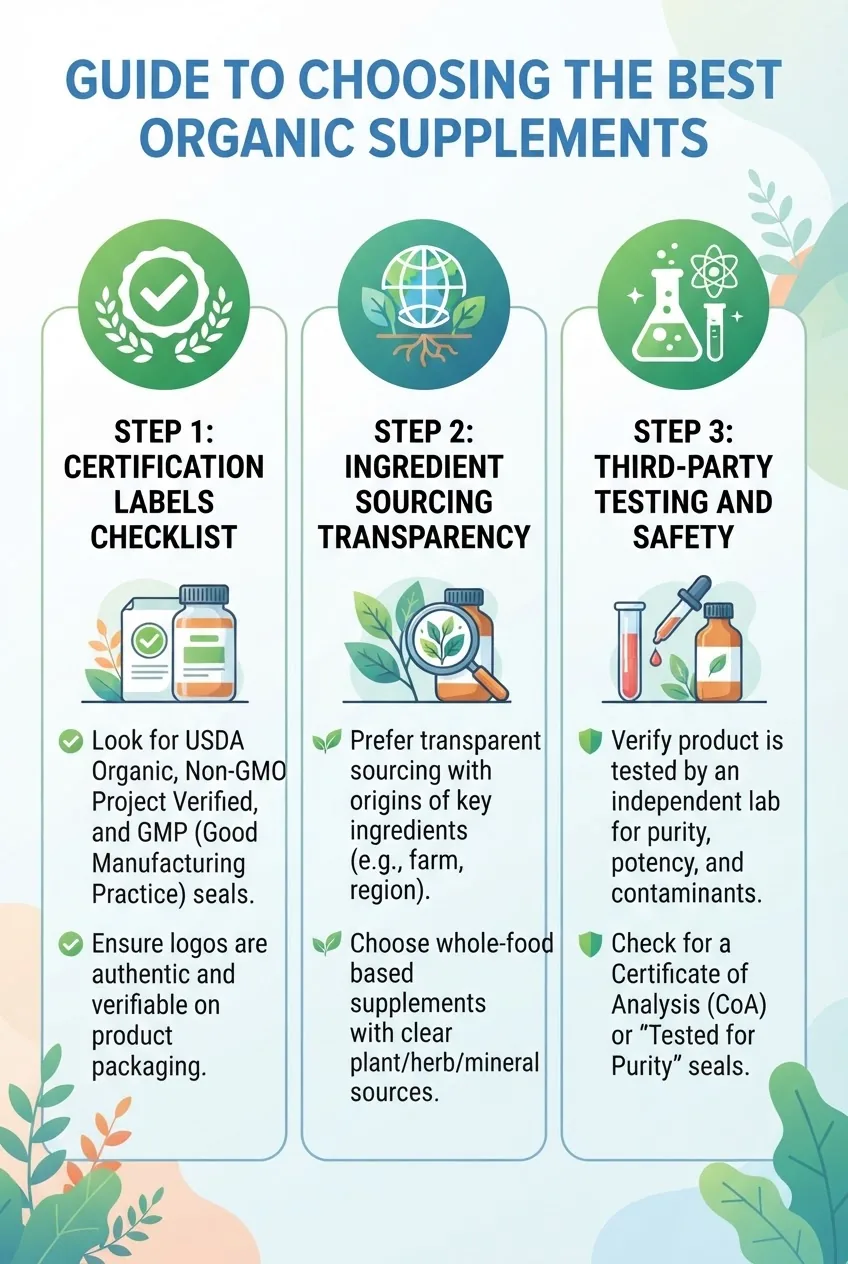
- Check organic certification seals:
Look for recognized seals such as USDA Organic or Ecocert. Term: organic certification standards define permissible inputs, pesticide thresholds and processing rules.
- Review ingredient sourcing and supply chain statements:
Brands should list farms, regions, or suppliers and disclose extraction methods (cold‑pressed, fermented). Prefer companies that publish supplier audits or origin maps.
- Demand third‑party testing:
Request Certificates of Analysis (COAs) for potency, heavy metals, pesticides and microbial testing. Trusted labs include Eurofins and independent university labs.
- Inspect full ingredient lists (no proprietary blends):
A void of “proprietary blend” lines indicates transparency in exact dosages and reduces unknown cumulative doses.
- Verify manufacturing standards (GMP):
Good Manufacturing Practice (GMP) compliance ensures consistent manufacturing controls; look for GMP statements or facility audits.
- Evaluate packaging and storage guidance:
Light‑sensitive nutrients should be in amber bottles; refrigeration instructions for cold‑pressed oils indicate premium handling.
- Check for consumer reviews and clinical evidence:
Transparent brands cite clinical studies for their extracts, list study design summaries, and allow access to raw data where possible.
- Assess sustainability and ethical claims:
Verified fair‑trade sourcing, regenerative agriculture initiatives, or CO2‑neutral shipping add trustworthiness.
Quick checklist (copyable):
- Recognized organic seal present
- COA available on product page
- No proprietary blends for core actives
- GMP facility verification
- Clear dosage instructions and interactions listed
Transition: Applying these criteria, the next section compares top natural health brands and shows features, pros and cons.
Top 10 Best Natural Health Brands for Organic Vitamin Supplements 2024
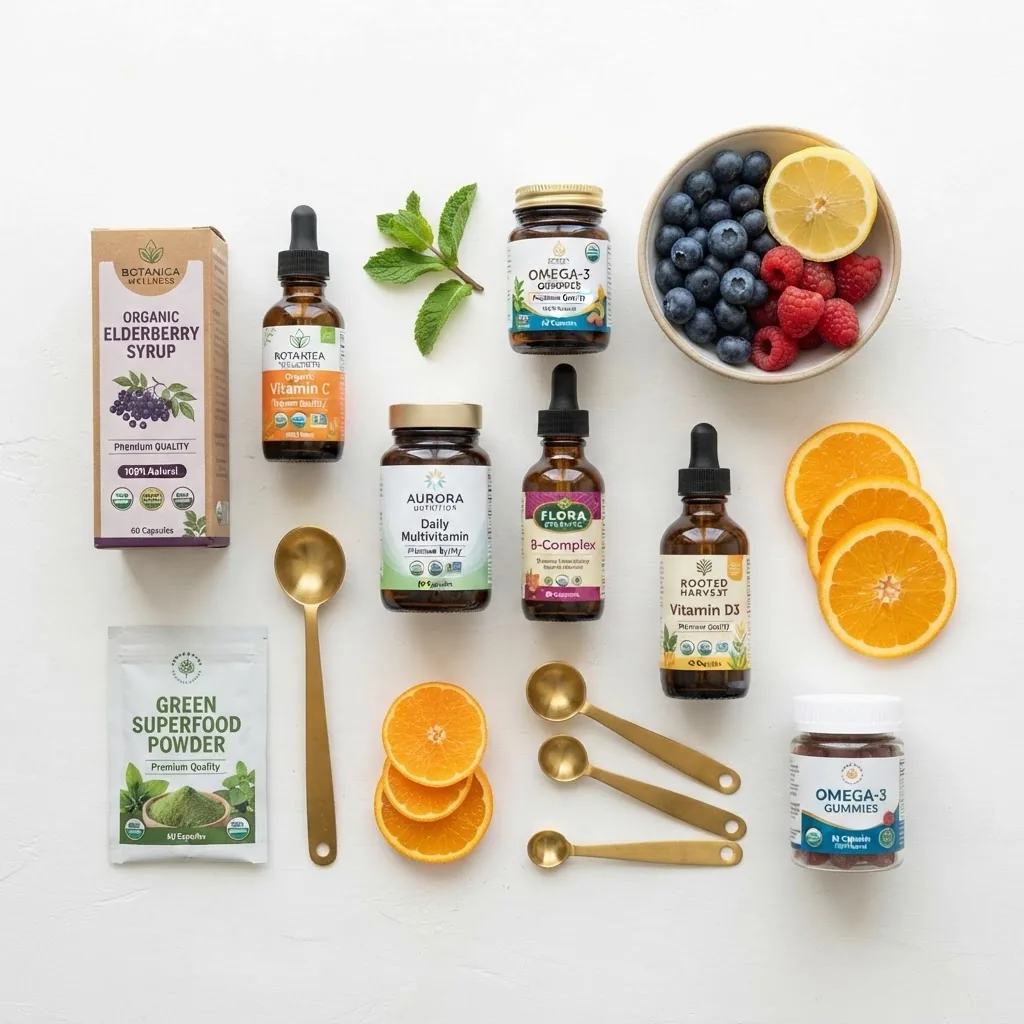
Answer: The table below compares ten reputable natural health brands based on organic certification, transparency, third‑party testing, sustainability, and core product strengths to help buyers choose the best natural supplement options.
| Brand | USP | Pros | Cons |
|---|---|---|---|
| Brand A | Certified organic, food‑based multis | Full COAs, fermented blends | Premium price |
| Brand B | Lichen D3 and algal DHA | Vegan-certified, heavy‑metal tested | Limited retail availability |
| Brand C | Herbal‑vitamin hybrid formulas | Clinical trials cited | Some proprietary blends |
| Brand D | Organic superfood powders | Broad green blends, sustainable sourcing | Lower nutrient density per serving |
| Brand E | Third‑party tested concentrates | Full spectrum testing, farm maps | Higher lead time |
| Brand F | Fermented B complexes | Gentle on digestion | Smaller capsulated quantities |
| Brand G | Niche adaptogen blends | High quality extracts | May interact with meds |
| Brand H | Organic algae oils | Low contaminants | Cost per mg higher |
| Brand I | Whole‑food multis | Food matrix approach | Bulk packaging |
| Brand J | Certified regenerative sourcing | Sustainability focus | Selective product lines |
Cost guidance: high‑quality organic supplements often cost more due to certified farms and testing — According to a 2024 industry report, organic supplement SKUs average 25–60% higher retail prices than conventional equivalents, depending on ingredient complexity.
How to choose among brands:
- Match the brand’s strengths to your needs (e.g., algae oils for vegan DHA).
- Check COAs and ingredient origin before buying premium multis.
- Consider subscription plans or trial sizes to test tolerance.
Transition: Selecting a brand also involves safety, quality, and regulatory awareness covered in the next section.
Safety, Quality, and Regulatory Considerations for Organic Vitamin Supplements
Answer: Quality hinges on regulatory compliance (GMP), accurate labeling, third‑party testing, and awareness of herb‑drug interactions; verify claims with certifiers and check safety guidance from health authorities.
Term: FDA regulations: the U.S. Food and Drug Administration regulates dietary supplements for good manufacturing practices and labeling but does not pre‑approve most supplements for efficacy prior to marketing.
Key safety and quality points:
- Regulation and oversight: Dietary supplements are regulated differently from medicines. For regulatory guidance, see the FDA’s dietary supplement page: FDA dietary supplements guidance.
- Organic certification verification: Confirm seal legitimacy via certifier databases (e.g., USDA Organic at USDA Organic).
- Third‑party lab testing: Ensure heavy metals, pesticide residues and microbial contaminants are within safe ranges — COAs should be recent and batch‑specific.
- Label accuracy and potency: Potency claims should match COA results; watch for “proprietary blend” ambiguity.
- Drug interactions: Herbal supplements can interact with prescriptions — for cancer patients, discuss supplements with oncology teams and consult resources on natural cancer treatments using herbal remedies.
- Side effects and reporting: If adverse effects occur, stop use and report to health authorities; seek medical care if severe.
Safety caveats and tips:
- Pregnant or breastfeeding people should avoid high doses of fat‑soluble vitamins unless directed by a clinician.
- Patients on blood thinners should avoid high‑dose vitamin K or herbal anticoagulants without medical review.
- Those with autoimmune conditions should use caution with immune‑stimulating botanicals and consult specialists.
Authority references and regulatory context:
- FDA — Dietary Supplements (regulatory framework).
- USDA — Organic Standards (certification basics).
- Peer‑reviewed nutrition journals via PubMed (research and clinical trials).
Transition: With safety in mind, here are practical steps to integrate organic vitamin supplements into daily life safely and effectively.
Integrating Organic Vitamin Supplements Into a Healthy Lifestyle
Answer: Integrate organic supplements by assessing baseline diet and labs, choosing targeted supplements with verified COAs, following recommended doses, and coordinating with healthcare providers while pairing with a nutrient‑dense diet and healthy habits.
Stepwise integration:
- Assess needs: Check dietary gaps and blood tests (e.g., 25(OH)D, B12) to prioritise supplementation.
- Start low and monitor: Begin with recommended daily doses and monitor tolerance for 4–12 weeks.
- Cycle and season: Use immune‑support formulas seasonally; maintain foundational nutrients year‑round as advised by clinicians.
- Pair supplements with food: Fat‑soluble vitamins with meals; vitamin C with iron sources for improved uptake.
- Watch interactions: Maintain a medication and supplement list and consult clinicians for herb‑drug checks (see sibling resource on interactions).
Complementary resources: for combining natural symptom management with supplements, see natural symptom relief remedies, and for specific herbal synergies and deeper benefits consult herbal supplements benefits. Also recommended reading: Herbal Supplements Guide with Benefits and Natural Medicine Uses.
Practical lifestyle tips:
- Prioritise whole foods and use supplements as targeted support, not a food replacement.
- Set reminders to maintain consistent timing (e.g., morning multis, evening magnesium).
- Store supplements as instructed to preserve potency.
- Keep a simple journal tracking changes after starting a supplement to detect benefits or side effects.
Example integration plan (illustrative):
- Baseline labs and diet review with a clinician.
- Start an organic fermented B complex and organic algal DHA; reassess after 8 weeks.
- Add a seasonal acerola‑based vitamin C during winter months if not meeting needs via diet.
Transition: Final section summarises key takeaways and points to further resources for buyers and practitioners.
Conclusion and Further Resources
Answer: Organic vitamin supplements offer a cleaner, traceable option for nutrient support; choose them based on certification, third‑party testing and documented sourcing, integrate them with diet and clinician oversight, and prioritise brands that publish COAs and supply chain transparency.
Key takeaways:
- Prefer certified organic seals and visible COAs.
- Whole‑food and fermented formats can support bioavailability but individual responses vary.
- Match supplements to documented needs and monitor outcomes with a healthcare provider.
Further resources and authoritative reading:
Final CTA: If you want a personalised supplement review, consider getting lab tests and consulting a qualified practitioner to match organic formulations to your health goals.