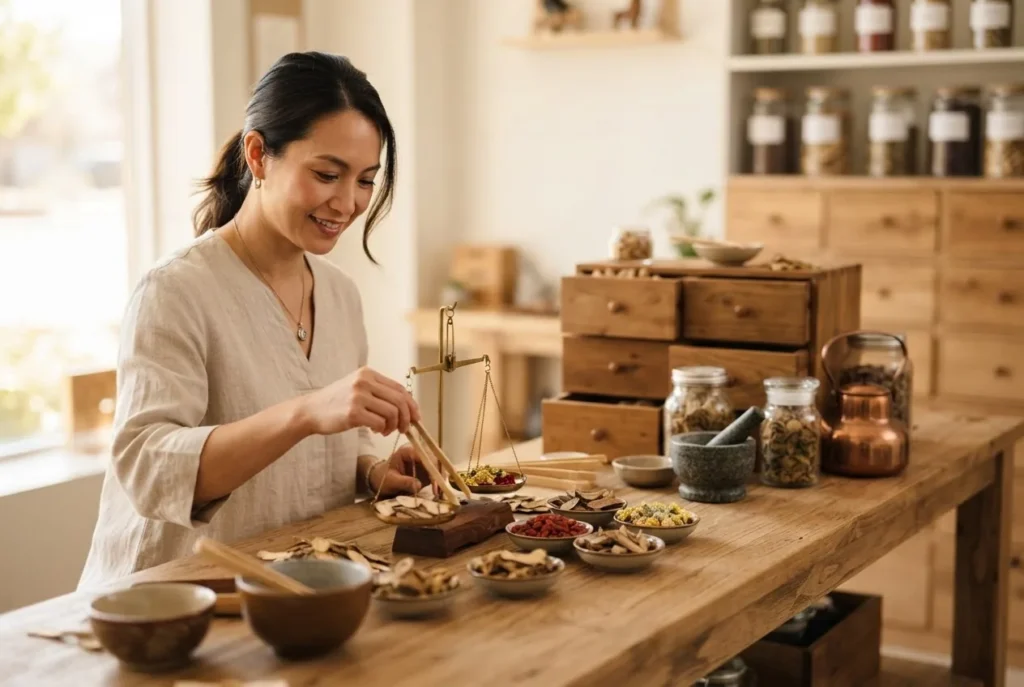
Chinese medicine herbs are plant-, mineral- and animal-derived remedies used within Traditional Chinese Medicine (TCM) systems; this guide explains common herbs, traditional formulations, safety and evidence, plus how to train in TCM herbalism and apply skills in practice. It offers practical preparation steps, course options and quality-check guidance.
Introduction to Chinese Medicine Herbs and Their Importance
Answer: Chinese medicine herbs form the backbone of TCM, used to restore balance, treat acute and chronic conditions, and support prevention; they are taught in structured courses that combine theory, materia medica and hands-on preparation to ensure safe, effective use.
Term: Traditional Chinese Medicine (TCM) is a system of healthcare developed in China over millennia that uses concepts like yin-yang and the five elements to diagnose and treat imbalances.
Traditional chinese herbs and chinese herbal medicine combine botanical, mineral and animal substances into remedies aimed at rebalancing functional patterns rather than targeting single molecular pathways. Students and practitioners learn diagnosis (tongue, pulse), pattern differentiation, herb properties (flavour, temperature, channel action) and formulation principles. Understanding china natural materia medica gives practitioners a broader therapeutic toolkit than single-compound western supplements.
This guide links foundational study to practical uses and points readers to further reading such as the comprehensive Herbal Supplements Guide with Benefits and Natural Medicine Uses, which outlines broad supplement benefits and natural medicine uses for readers seeking cross-system context.
Transition: The history and underlying philosophy shape how herbs are chosen and combined; the next section explains that timeline and worldview.
Historical Background and Philosophy of Chinese Herbal Medicine
Answer: Chinese herbal medicine evolved over thousands of years from empirical folk use into codified systems (Shennong, Tang, Song, Ming dynasties) and modern TCM; its core philosophy—yin/yang and the five elements—frames diagnosis and herbal formulation.
Term: Yin and yang describe complementary, dynamic opposites (cool/warm, passive/active) whose balance indicates health; five elements (wood, fire, earth, metal, water) map physiological systems and interactions in TCM.
Timeline highlights:
- c. 200–100 BCE: Shennong Materia Medica legends credit early herb classification and tasting methods.
- 3rd–7th centuries CE: Medical texts such as the Shang Han Lun and Jin Gui Yao Lue codified formulas for febrile, internal and chronic conditions.
- 7th–11th centuries: Tang and Song dynasty imperial pharmacies compiled pharmacopeias and standardized processing methods.
- 16th–18th centuries: Materia medica expanded with regional herbs and trade (Silk Road influence).
- 20th century to present: TCM was systematized, integrated into modern healthcare in China, and increasingly studied in clinical trials.
Philosophically, practitioners assess pattern (zheng) rather than disease label; for example, the same western diagnosis might be treated with different formulas depending on whether the patient shows yin-deficiency, dampness, or qi stagnation. This pattern-based approach informs herb selection, dosing and preparation methods that follow in later sections.
Transition: Knowing the history and philosophy helps make sense of why specific herbs are used—next, a practical catalog of common herbs and their traditional uses.
Common Types of Chinese Medicine Herbs and Their Uses
Answer: A core set of chinese herbs—ginseng, licorice, ginger, astragalus, angelica, cinnamon, goji, chrysanthemum, rehmannia, atractylodes, peony, schisandra, poria, and mint—cover immune support, digestion, circulation, calming and tonifying functions; each is used with pattern-specific intent.
Below are top herbs commonly taught in materia medica courses; each entry lists classical properties, typical uses and practical notes. For broader lists of medicinal herbs see the complementary top medicinal herbs and benefits.
- Ginseng (Ren Shen) — Tonifies qi and supports vitality; used for fatigue, weak digestion, and convalescence. Note: multiple species (Panax ginseng = Asian; Panax quinquefolius = American) with different warming/neutral qualities.
- Licorice (Gan Cao) — Harmonises formulas, tonifies spleen qi and clears heat-toxin when prepared; widely used as an adjunct but can raise blood pressure in large doses.
- Ginger (Sheng Jiang / Gan Jiang) — Fresh ginger (Sheng Jiang) disperses cold and resolves exterior; dried (Gan Jiang) warms the interior; common for nausea and cold-patterns.
- Astragalus (Huang Qi) — Raises yang/qi and supports immune resilience; classical use in tonifying spleen and protecting the surface (wei qi).
- Angelica (Dang Gui) — Nourishes and moves blood; used for menstrual irregularities, circulation support and after-birth recovery.
- Cinnamon (Rou Gui / Gui Zhi) — Warming herb: Rou Gui strongly warms kidney yang; Gui Zhi harmonises muscle layer and circulation in exterior-deficiency patterns.
- Goji (Gou Qi Zi) — Nourishes liver and kidney yin, supports vision and tonifies essence; used as a gentle tonic and in teas.
- Chrysanthemum (Ju Hua) — Clears liver heat and supports eyes; used as cooling tea for headache and eye strain.
- Rehmannia (Shu Di Huang / Sheng Di Huang) — Prepared rehmannia nourishes blood and yin; raw rehmannia clears heat and cools blood.
- Atractylodes (Bai Zhu / Cang Zhu) — Strengthens spleen, resolves damp; Cang Zhu is stronger and drying (used in damp-cold patterns).
- Paeonia (Bai Shao / Chi Shao) — Bai Shao nourishes blood and softens liver constraints; Chi Shao moves blood and cools blood-heat.
- Schisandra (Wu Wei Zi) — Astringent and adaptogenic; used to stabilise jing and calm the spirit, support lung and kidney function.
- Poria (Fu Ling) — Diuretic, supports spleen and calms the mind; common in formulations for dampness and anxiety-like symptoms.
- Mint (Bo He) — Releases exterior wind-heat and clears head/eyes; used in short-course teas for colds and headaches.
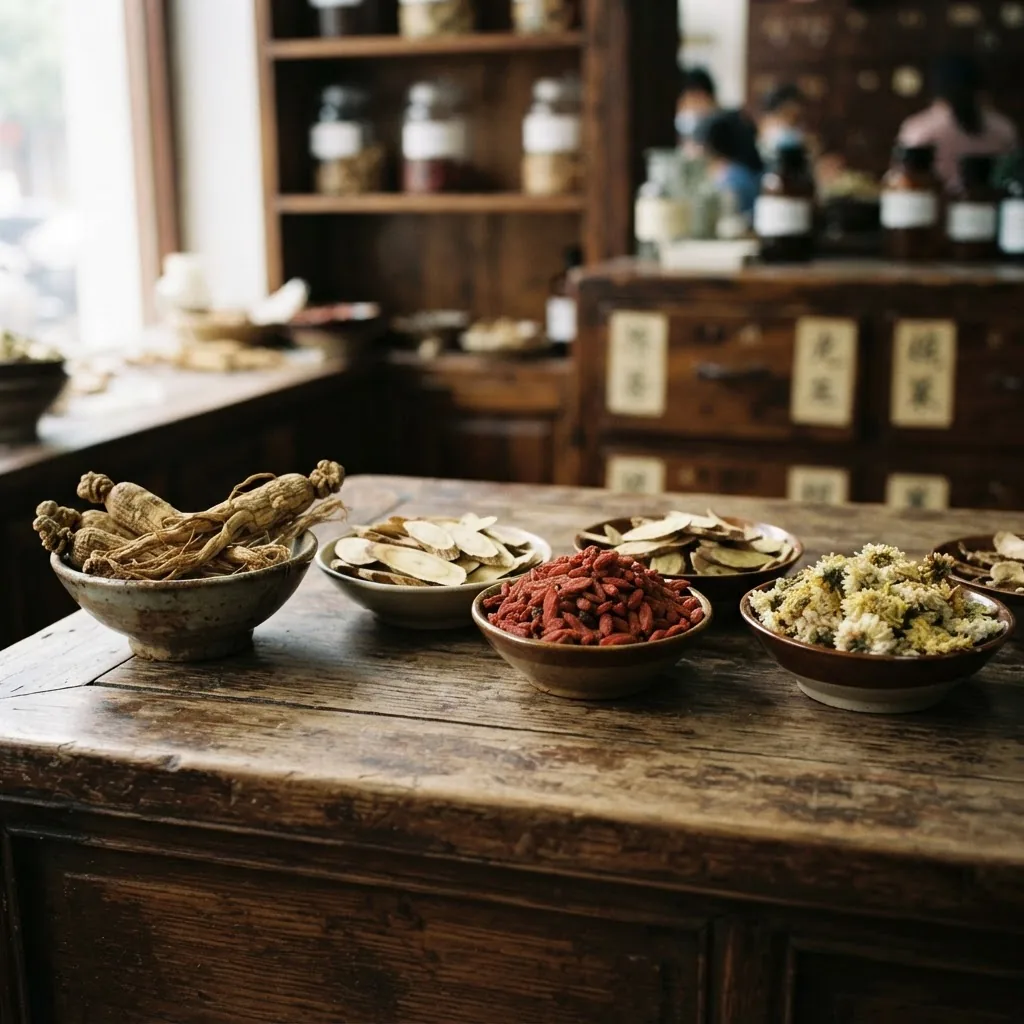
Practical note: many herbs have multiple processed forms (raw, stir-baked, honey-fried) that change their therapeutic direction; courses emphasise correct identification and processing. For practical herbal product forms and convenience options see related coverage on capsule herbal supplements.
Transition: Knowing the herbs, you need to learn how they’re combined and prepared; the next section shows classical methods and stepwise preparation guidance.
Traditional Herbal Remedies: Formulations and Preparation Methods
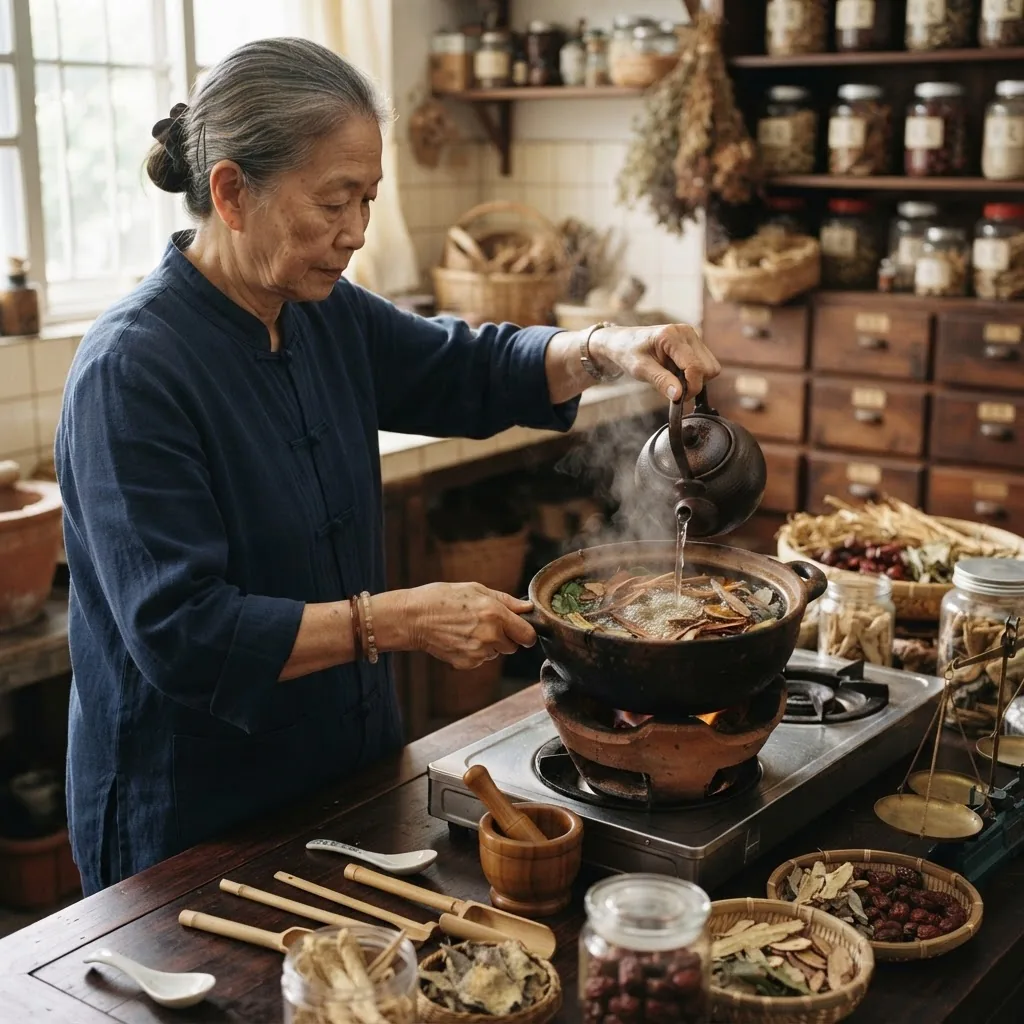
Answer: Traditional formulations mix herbs into decoctions, powders, pills, tinctures and teas following specific recipes and cook/processing steps; decoction (煎, jiān) is the classical delivery method where herbs are simmered to extract active constituents.
Term: Decoction (jiān) is a water-based extraction where herbs are simmered for a set time to release soluble constituents; it is the primary traditional method of administering Chinese herbal formulas.
How-to: preparing a simple decoction (stepwise)
- Measure herbs per formula and wash briefly to remove dust.
- Soak herbs in cold water for 20–30 minutes (longer for hard roots); water should cover herbs by ~2–3 cm.
- Bring to a boil, then simmer gently for 20–40 minutes depending on herb toughness; some formulas require multiple decoctions combined.
- Strain liquid into a teapot; drink warm, usually divided across the day per practitioner instruction.
- Store leftover decoction refrigerated for no more than 48 hours; discard if off-odour or cloudy.
Other common preparation methods and when to use them:
- Powders (san): Ground herbs blended for easy dosing; used when quick absorption or convenience is required.
- Pills (wan): Concentrated, often honey-bound pills for longer-term tonic use or where taste is an issue.
- Teas/Infusions: Simple single-herb or small-formula steeping for acute conditions (e.g., chrysanthemum for eye strain).
- Tinctures/extracts: Alcohol or glycerine extracts are modern conveniences and preserve constituents differently than water decoctions.
Quick comparison of preparation methods:
| Method | Pros | Cons |
|---|---|---|
| Decoction | Maximal water-soluble extraction; classical efficacy | Time-consuming; flavour can be strong |
| Powder | Convenient, easy to dose | May lose volatile constituents; variable extraction |
| Pill | Long shelf life; portable | Less flexible dosing; often processed |
| Tincture/Extract | Standardised dosing; shelf-stable | Alcohol content; different constituent profile |
For additional home remedy options and symptom-focused formulations see natural symptom relief remedies. For capsule and modern dosage form guidance consult the capsule herbal supplements resource.
Transition: Preparation choices influence safety and effectiveness; the next section summarises the evidence and safety considerations you must know.
Effectiveness and Safety of Chinese Medicine Herbs
Answer: Chinese herbs show clinical benefits for certain conditions when used by trained practitioners, but evidence quality varies; safety depends on correct identification, dose, processing and interactions with pharmaceuticals.
Evidence summary: systematic reviews and randomized trials support specific formulas for some conditions while many traditional uses rely on historical and observational data. According to a 2023 WHO report on traditional and complementary medicine, use of TCM and herbal modalities is widespread and warrants standard safety frameworks (WHO resources).
Research context: The National Center for Complementary and Integrative Health (NCCIH) provides evidence summaries showing mixed results depending on herb, indication and study design; high-quality, large-scale trials remain limited (NCCIH evidence summaries).
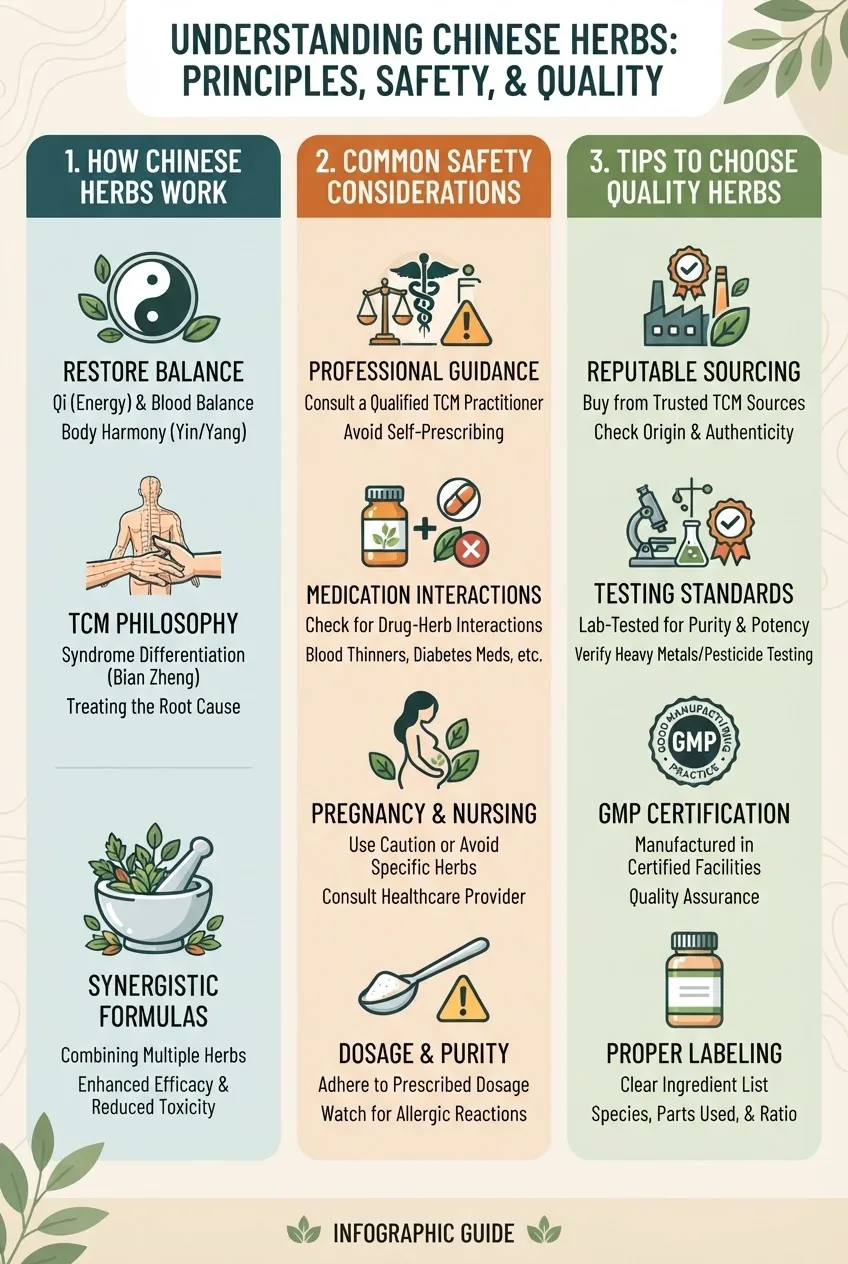
Common safety considerations:
- Adulteration or contamination (heavy metals, pesticides): source and lab-testing matter.
- Misidentification of plant species or inappropriate processing leading to toxicity.
- Herb–drug interactions (e.g., licorice affecting diuretics/antihypertensives, ginseng interacting with anticoagulants).
- Allergic reactions or idiosyncratic liver injury with certain herbs.
Practical safety advice:
- Consult a qualified practitioner for pattern diagnosis and formula selection.
- Disclose all medications and supplements to avoid interactions; for role clarity on prescriptive limits see discussion of naturopathic medication prescribing.
- Prefer suppliers who provide third-party testing and clear provenance.
- Stop herbs and seek medical care if severe side effects occur; minor digestive upset is common and often dose-related.
Tools: use an herbal drug interaction checker and consult reputable databases; peer-reviewed pharmacology studies also help clarify mechanisms (sample TCM pharmacology review).
Transition: If safety and efficacy matter to you, formal training builds competence—read on for course types and certification options.
Chinese Medicine Herbs Course: Learning and Certification Options
Answer: Training ranges from short workshops to full diploma and degree programs in TCM herbalism; recognized certification varies by country and includes clinical internships, materia medica, pharmacology and supervised prescriptions.
Course types and certification pathways:
- Short courses/workshops: Introductory materia medica, preparation methods, and safety—good for hobbyists and allied practitioners.
- Certificate/diploma programs: 6 months to 3 years, include clinical practicum and supervisor assessment—often required for herbal dispensing practice.
- Bachelor/Master programs: University-level TCM degrees combining acupuncture and herbal medicine with research components.
- Clinical internships and supervision: Hands-on herb dispensing, formula design, and patient management under experienced clinicians.
How to enrol and progress:
- Identify national regulatory requirements—some jurisdictions require recognized diplomas to practice herbal dispensing.
- Choose programs with clinical placement and assessors who are registered practitioners.
- Complete foundational courses in anatomy, physiology and pharmacology where required.
- Pursue ongoing CPD and supervised practice hours to maintain competence.
Case study (experience signal): A student completed a two-year diploma combining theory and clinic. After supervised practice they ran community herbal clinics, applying pattern differentiation to adapt formulas; their supervisor reported improved patient outcomes in digestive and fatigue patterns over six months of follow-up, illustrating practical application of course training.
If you want deeper botanical science alongside TCM, consider related botany and herbalism training or explore regional naturopathy pathways such as naturopathy schools and certification. For hands-on classes near you, search certified herbalist training classes.
Transition: Training prepares you to integrate herbs with other modalities—next explains how to pair herbs and acupuncture in practice.
Integrating Chinese Herbal Medicine with Modern Practices
Answer: Integrative care combines acupuncture, Chinese herbal medicine and conventional therapies to address multi-system health needs; coordinated care requires communication between practitioners and evidence-based safety checks.
Comparison: acupuncture chinese herbs vs standalone approaches
- Acupuncture alone: Direct neuromodulation and local effects, often faster symptomatic relief for pain and some functional issues.
- Herbs alone: Systemic modulation over days–weeks; useful for chronic patterns and constitutional support.
- Combined therapy: Synergistic: herbs address underlying pattern while acupuncture treats symptoms and promotes circulation; many clinical programs teach combined protocols.
Practitioner perspective (experience signal): Senior TCM clinicians often describe herbs as the ‘foundation’ and acupuncture as the ‘adjustment’—for example, in chronic fatigue a tonic formula may be prescribed long-term while acupuncture sessions address sleep and pain. Effective integration requires shared records, phased treatment goals and monitoring for herb–drug interactions.
Practical advice:
- Coordinate care: ensure all providers know current medications and supplements.
- Use evidence-informed choices: combine modalities where trials show benefit or where biological plausibility and low risk exist.
- Monitor outcomes: use symptom scales and labs (when appropriate) to gauge response.
For further information on combining supplements in integrative plans see herbal and dietary supplements for integrative health.
Transition: Choosing quality herbs requires specific checks—next is a practical checklist to use when buying herbs and supplements.
How to Choose the Best Chinese Medicine Herbs and Supplements
Answer: Choose herbs and chinese herbal supplements by verifying supplier testing, correct Latin names, clear processing and provenance, organic or low-pesticide sourcing, and appropriate dosing instructions; prefer third-party-tested products.
Checklist / How-to guide:
- Verify scientific name and common synonyms on the product label.
- Check for third-party testing (heavy metals, microbial, pesticide residues).
- Confirm processing details (raw vs prepared) and batch numbers for traceability.
- Prefer suppliers who publish Certificate of Analysis (COA).
- Choose organic or ethically harvested sources where possible; verify sustainability claims.
- Compare standardised extracts vs whole-herb products based on therapeutic goals.
- Read dosage directions and consult a trained practitioner before long-term use.
For deeper guidance on selecting botanical products and regulatory considerations, review the botanical dietary supplements overview and the organic herbal supplements resource.
Transition: Practical next steps and how to get started are summarised below.
Conclusion and Next Steps for Exploring Chinese Medicine Herbs
Answer: Learn chinese medicine herbs through structured study, supervised practice and careful sourcing; start with foundational courses, practice safe preparation methods, and consult qualified practitioners to apply herbal remedies effectively and safely.
Key takeaways:
- TCM herbalism is pattern-based: training in diagnosis and formulation is essential before using complex formulas.
- Decoctions remain the classical, effective preparation; modern forms offer convenience but differ in constituent profiles.
- Safety relies on correct identification, quality controls and awareness of interactions with medications.
- Courses ranging from short workshops to professional diplomas provide the knowledge and clinical experience required for safe practice.
Next steps:
- Read the foundational Herbal Supplements Guide with Benefits and Natural Medicine Uses to compare herbal approaches across systems.
- Enroll in an introductory materia medica course or workshop to gain hands-on experience; search local classes via certified herbalist training classes.
- Prioritise suppliers with COAs and test reports, and consult a qualified clinician before combining herbs with prescription drugs.
Call to action: If you’re ready to deepen your practice, explore accredited courses and begin with supervised clinical hours to safely integrate chinese herbal medicine into your therapeutic toolkit.