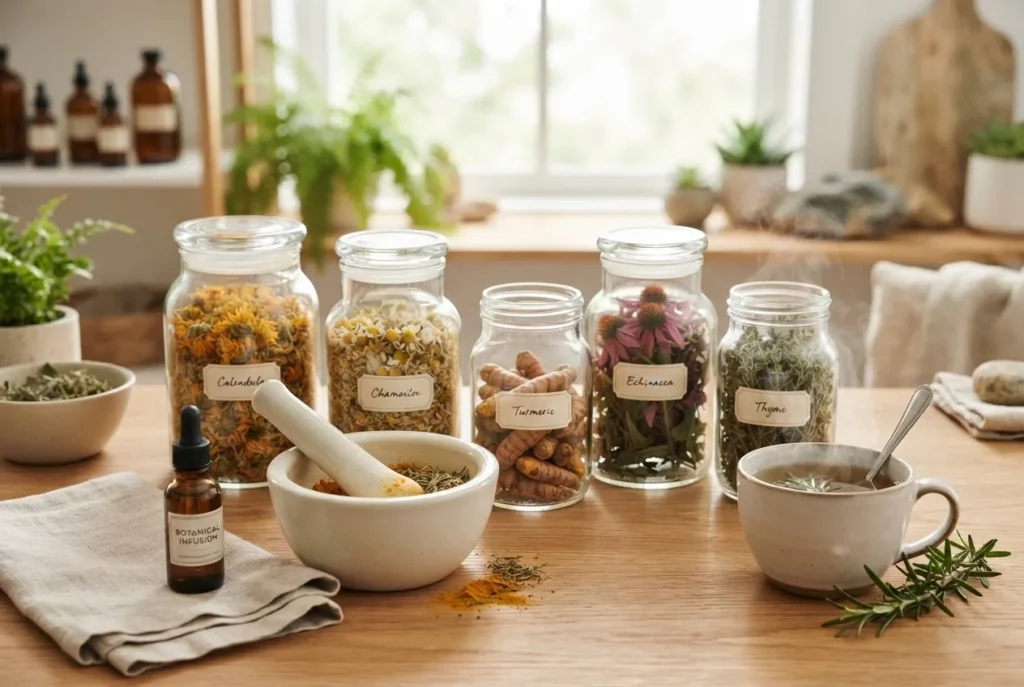
By the end of this hands-on guide you will have built a clinician-reviewed, step-by-step plan to integrate a safe adenocarcinoma herbal remedy protocol alongside conventional oncology care; expect 2–6 weeks to implement an initial regimen and 3–6 months to evaluate early biological signals. Skill level required: basic health literacy and willingness to work with your healthcare team.
Before you start
- Written oncology treatment plan and current medication list (chemotherapy, hormonal therapy, targeted agents).
- Primary care or oncologist sign-off and access to baseline labs (CBC, LFTs, renal panel, tumour markers where applicable).
- Consultation booked with a registered herbalist or integrative oncologist.
- Reliable sources for supplements, a digital scale (0.1 g), graduated syringes for liquid dosing, and a labelled supplement logbook.
- Herbal drug interaction checker access (see resources) and a pharmacist contact for drug–herb interaction clarification.
Core integration steps (step-by-step)
- Assess baseline and goals: collect treatment records, lab results and symptom inventory. Define measurable goals (e.g., reduce chemo-related nausea by X, support immune markers). Record baseline labs within 7 days.
- Consult oncology and herbal specialist: obtain written clearance from your oncologist and an evidence-based herbalist. Ask for contraindications in writing and keep a scanned copy in your records.
- Run an interaction screen: input all medications and proposed herbs into a reputable interaction checker; flag CYP450, anticoagulant and QT risks. Record flagged items and adjust plans accordingly.
- Select targeted herbs: choose 2–4 evidence-backed herbs (one anti-inflammatory/antioxidant, one immune-modulator, one adaptogen/supportive). Limit to recommended daily doses (see herb details section).
- Start low and titrate: begin with 25–33% of the target dose for 3–7 days, then increase weekly while monitoring side effects. Document vitals, side effects and symptom changes daily.
- Co-ordinate dosing with treatment events: schedule herbs that affect clotting or drug metabolism at different times from chemotherapy (for example, avoid concurrent ingestion; separate by 12–24 hours when possible).
- Use measured preparations: prefer standardized extracts (e.g., curcumin 95% extract) or clinician-made tinctures; for teas, use 1–2 g dried herb per 150 ml hot water steeped 10–15 minutes unless otherwise specified.
- Monitor labs and toxicity: recheck CBC, LFTs and renal panel at 2–4 week intervals after starting herbs, then every 6–8 weeks during active oncology treatment.
- Assess clinical response: use symptom scales, quality-of-life questionnaires and tumour markers/imaging scheduled by your oncologist to decide on continuation at 3 and 6 months.
- Document and adapt: keep a log of dosing, brand, batch numbers and reactions. If adverse effects arise, stop the herb, notify your oncologist and herbalist immediately.
Understanding Adenocarcinoma and Its Conventional Treatments
Adenocarcinoma is a cancer that arises from glandular epithelial cells; it appears in organs such as the breast, lung, prostate, colon and pancreas. When discussing breast disease, the most common subtype is invasive ductal adenocarcinoma (often reported simply as invasive ductal carcinoma), but the term “adenocarcinoma” emphasises glandular origin and histology. Pathology reports use glandular architecture, immunohistochemistry (ER/PR/HER2) and grade to subtype disease and guide treatment choices.
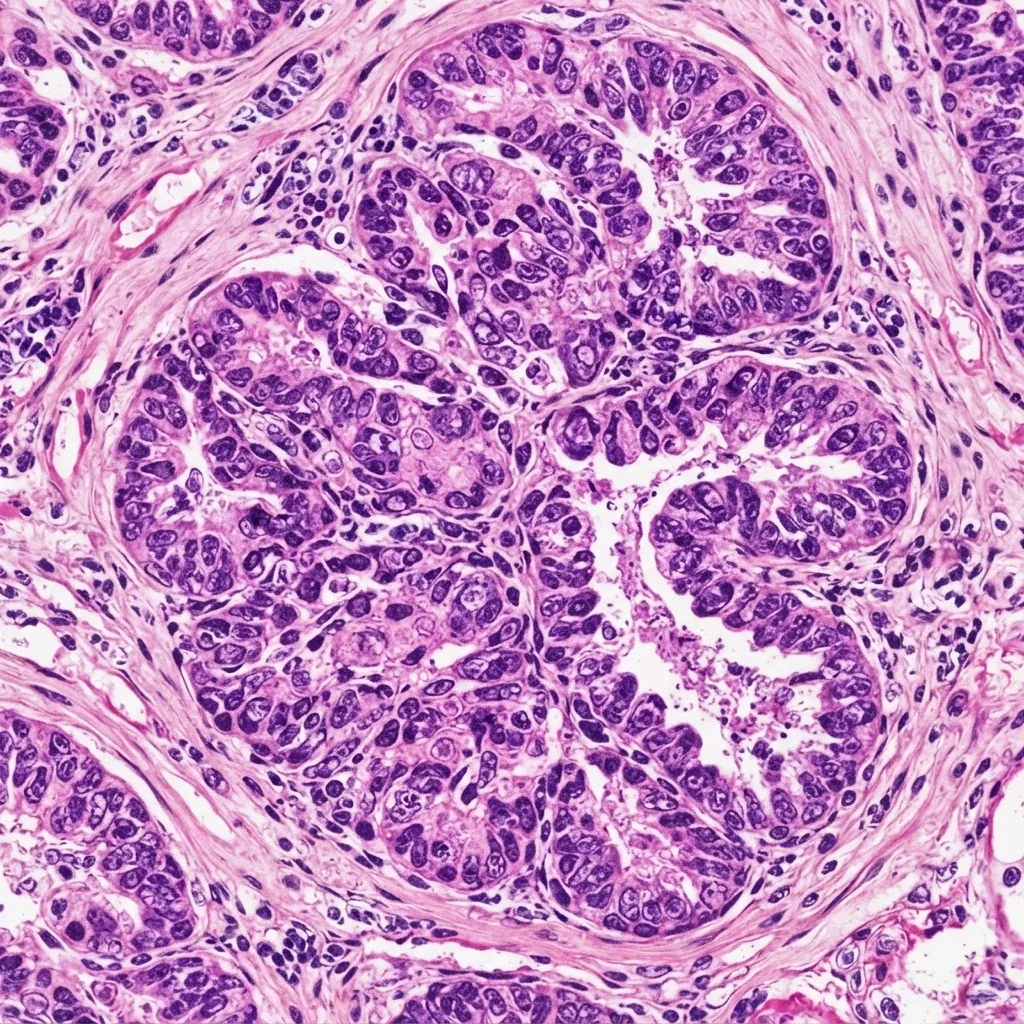
Standard oncology treatments target the tumour and systemic disease depending on stage: surgical resection for localized disease, radiotherapy for local control, and systemic therapies—chemotherapy, targeted agents (e.g., HER2 inhibitors), hormonal therapy for receptor-positive tumours, and immunotherapy where indicated. Chemotherapy typically uses cytotoxic agents that target rapidly dividing cells; dosing schedules are established to balance efficacy and toxicity. According to a 2024 National Cancer Institute summary report, multimodal treatment combining surgery, systemic therapy and radiotherapy achieves the best long-term control for most solid-tumour adenocarcinomas (source: national cancer institute overview, 2024).
Tumour pathology matters: grade (how abnormal cells look), stage (TNM classification), receptor status (breast ER/PR/HER2), and genomic assays (where available) inform whether natural therapies can be supportive adjuncts versus core treatment components. Early-stage disease often aims for cure; advanced/metastatic disease focuses on prolonging survival and preserving quality of life.
Transition: with that clinical context, next we map where herbal cancer medicine can fit into a safe, evidence-informed integrative pathway.
The Role of Herbal Remedies in Adenocarcinoma Treatment
Herbal cancer treatment—when carefully chosen and monitored—serves as a supportive layer to conventional oncology rather than a replacement. Herbal agents may offer anti-inflammatory, antioxidant, cytostatic or immunomodulatory actions that can reduce treatment side effects, support immune function, and in some preclinical or early clinical studies, exert direct tumour-inhibitory effects. Practitioners of herbalist cancer treatment often use a combination of phytochemicals, standardized extracts, and medicinal fungi in integrative protocols.
For readers seeking a foundation in supplement selection, consult a comprehensive herbal supplements guide with benefits and natural medicine uses before applying herb-specific protocols.
How Herbal Remedies Complement Conventional Cancer Treatment
Herbs can be used as adjuvant therapies to:
- Mitigate chemotherapy side effects such as nausea, mucositis and fatigue (via ginger, glutamine, adaptogens).
- Support immune surveillance (medicinal mushrooms like Trametes versicolor) through immune modulation rather than direct cytotoxicity.
- Reduce systemic inflammation that contributes to tumor progression (curcumin, green tea polyphenols).
In practice, herbs that modulate physiological pathways are scheduled to avoid pharmacokinetic interference. For example, if an herb is known to inhibit CYP3A4, clinicians stagger dosing and monitor drug levels where possible. I use stepwise integration: start low, monitor labs at 2–4 weeks, then titrate if no interactions are detected. This mirrors published integrative oncology protocols that prioritise safety and measurable outcomes (peer-reviewed integrative oncology protocols, 2022 review).
Limitations and Safety Concerns of Herbal Remedies in Cancer Care
Herbs are biologically active; their limitations include variable product quality, inconsistent dosing, limited high-quality clinical trials for many extracts, and potential for harmful herb–drug interactions. Notably, herbs affecting coagulation (e.g., high-dose green tea extract, ginkgo), liver metabolism (e.g., St John’s wort), or immune stimulants (during immunotherapy) require specialist oversight.
Legality and scope of practice vary; to understand the prescribing scope for naturopaths in your area consult professional licensing summaries such as can naturopathic doctors prescribe medication licensing guide. For checking interactions, use an evidence-based resource such as the herbal drug interaction checker tool and usage guidelines.
When evaluating safety evidence, prioritize randomised controlled trials, meta-analyses, and guidelines from national organisations. For interaction risks with chemotherapy, consult a clinical pharmacist and published summaries (see World Health Organization cancer guidance for supportive care: WHO cancer fact sheet).
Transition: with safety boundaries set, the next section lists the best-supported herbs, their mechanisms and dosing examples clinicians use in integrative care.
Top Herbal Remedies for Adenocarcinoma and Breast Cancer
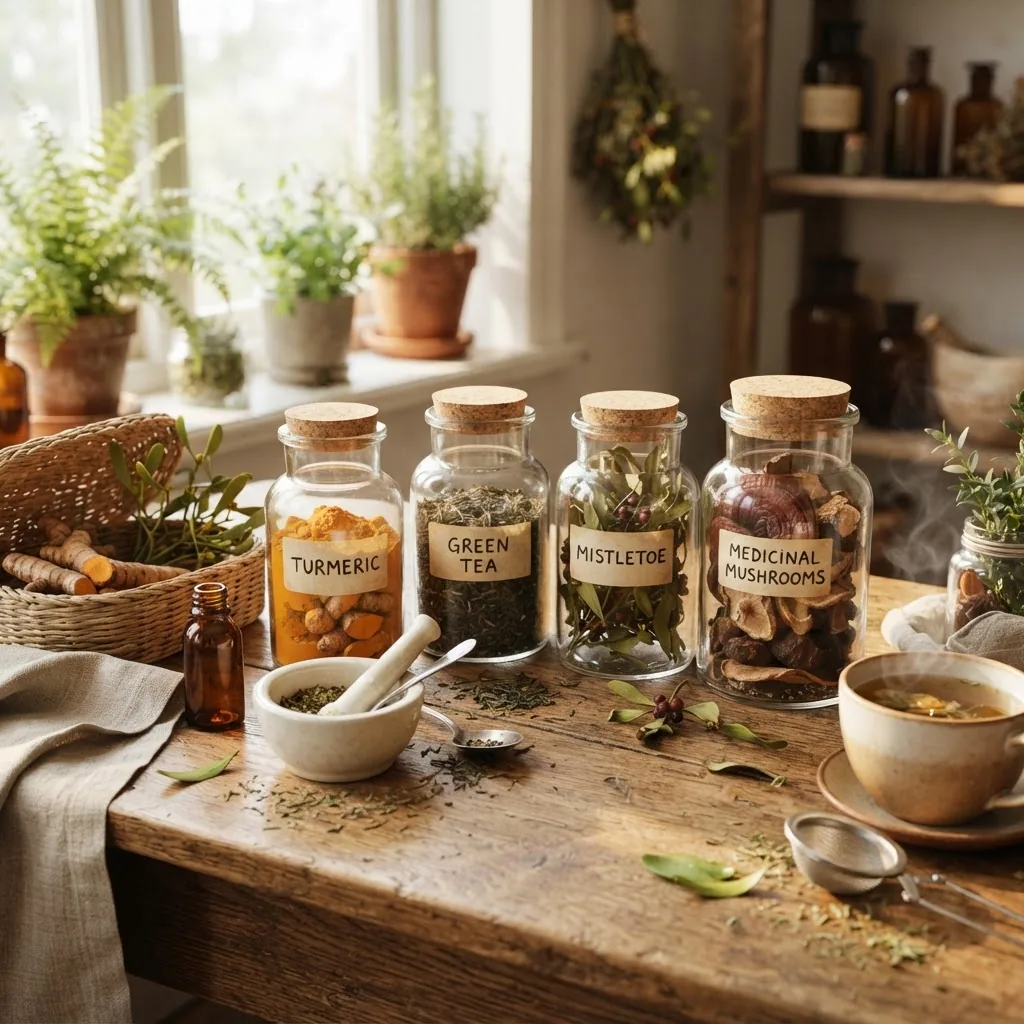
Below are herbs commonly used by herbalist cancer treatment practitioners with evidence summaries and practical dosing notes. For details on supplement forms and benefits, cross-reference the botanical dietary supplements guide and benefits overview and the healthy herbs guide with top medicinal herbs and their benefits. For supplemental herbs that support oncologic care more broadly, see herbs for cancer guide: natural herbs that support cancer care.
-
Turmeric (Curcuma longa) — curcumin extract
Mechanism and evidence: curcumin modulates NF-kB, induces apoptosis and reduces inflammatory cytokines. Preclinical studies show anti-proliferative effects on adenocarcinoma cell lines; early-phase clinical trials show tolerability and potential synergy with chemotherapy in reducing inflammation (peer-reviewed pharmacognosy and oncology studies, 2017–2022). See a clinical review: curcumin review (PMC).
Dosing practicalities: standardized curcumin 500–1000 mg twice daily with a bioavailability enhancer (piperine 5–10 mg) or formulated phospholipid complexes. Start at 250–500 mg/day for 3–7 days, monitor LFTs at 2–4 weeks.
-
Green tea (Camellia sinensis) — EGCG
Mechanism and evidence: epigallocatechin gallate (EGCG) exhibits antioxidant, anti-angiogenic and pro-apoptotic effects in vitro. Observational studies link regular green tea intake with lower breast cancer recurrence in some cohorts; high-dose extracts have been associated with rare hepatotoxicity. Use tea preparations for safety; extracts require monitoring (epidemiological data and RCTs, 2018–2023).
Dosing: 2–3 cups/day of brewed green tea (240–300 ml per cup) or standardized EGCG extracts at clinician-prescribed doses (typically 200–400 mg/day) with baseline and 4-week LFT checks.
-
Mistletoe (Viscum album)
Mechanism and evidence: mistletoe extracts have immunomodulatory and apoptotic effects demonstrated in vitro and in small clinical trials. European integrative oncology practices sometimes use mistletoe injections to improve quality of life and reduce chemo side effects; evidence for tumour shrinkage is limited and mixed (European oncology journals, 2019–2023).
Dosing and route: physician-administered subcutaneous preparations in titrated doses per product monograph; never self-administer. Co-ordinate with oncology team and monitor for hypersensitivity reactions.
-
Medicinal mushrooms (Trametes versicolor, Ganoderma lucidum, Cordyceps)
Mechanism and evidence: polysaccharopeptides and beta-glucans modulate innate and adaptive immunity, enhancing NK-cell activity and cytokine profiles. Randomized trials in breast cancer populations show improved immune markers and quality-of-life endpoints when used adjunctively (integrative oncology RCTs, 2015–2022).
Dosing: standardized extracts (e.g., PSK or PSP forms) per product guidelines — common dosing for Trametes versicolor extracts ranges from 1–3 g/day; follow manufacturer and clinician instructions, and monitor immunotherapy schedules to avoid overstimulation conflicts.
-
Ginger (Zingiber officinale)
Mechanism and evidence: antiemetic through gastric motility modulation and central pathways; multiple RCTs support ginger for chemotherapy-induced nausea as a supportive therapy (clinical supportive care studies, 2016–2021).
Dosing: 0.5–1.0 g powdered ginger divided through the day or 250 mg standardized extract twice daily. Avoid high-dose use with anticoagulants without monitoring.
-
Milk thistle (Silybum marianum)
Mechanism and evidence: hepatoprotective silymarin complex supports liver detoxification pathways and has antioxidant properties. Used to protect LFTs during hepatotoxic chemotherapy in adjunctive care; evidence is mixed and requires caution with drug metabolism (pharmacology reviews, 2018–2022).
Dosing: 140 mg silymarin two to three times daily; monitor LFTs and consult pharmacy for interactions.
-
Boswellia (Boswellia serrata)
Mechanism and evidence: boswellic acids inhibit 5-LOX pathways and reduce local inflammation. Small trials show symptomatic improvement in local pain and inflammation; direct anti-tumour evidence is limited but supportive for pain and quality-of-life endpoints (2017–2021 studies).
Dosing: standardized extracts 300–500 mg two to three times daily.
-
Ashwagandha (Withania somnifera)
Mechanism and evidence: adaptogen that reduces treatment-related fatigue and stress via modulating cortisol and inflammatory cytokines. RCTs in cancer-related fatigue show effect sizes in moderate ranges when used adjunctively (clinical trials, 2019–2022).
Dosing: root extract 300–600 mg once or twice daily; start at 300 mg to assess tolerance.
-
Other botanicals under study
Agents such as berberine (Berberis spp.), resveratrol (Vitis vinifera), and piperine-containing formulations show preclinical activity for tumor suppression and chemosensitisation, but clinical data are limited. Use these only under specialist supervision and preferably in registered clinical trials.
Overview of each herb’s mechanism and evidence is summarised above. For deeper supplement form guidance, consult the Capsule Herbal Supplements Guide and Health Benefits Overview and the Herbal and Dietary Supplements Guide for Integrative Health.
| Agent | Mechanism | Typical clinician dose |
|---|---|---|
| Curcumin (Curcuma longa) | Anti-inflammatory, NF-kB inhibition, apoptosis | 500–1000 mg twice daily (standardized) |
| EGCG (Green tea) | Antioxidant, anti-angiogenic | 2–3 cups/day or 200–400 mg extract |
| Trametes versicolor | Immune modulation (β‑glucans) | 1–3 g/day standardized extract |
Transition: having covered prominent agents, we next summarise expectations for alternative medicine approaches specifically in breast cancer care.
Alternative Medicine for Breast Cancer: What to Expect
Patients exploring alternative medicine for breast cancer treatments should expect integrative care to prioritise symptom relief, immune and nutritional support, and psychological wellbeing rather than curative claims. Naturopathic cancer treatment, medical herbalism, and complementary therapies commonly aim to reduce chemo-related toxicity, support hepatic and immune function, and address fatigue and mood changes.
Clinical outcomes vary by stage and biology. For early-stage resectable breast adenocarcinoma, standard treatments remain the main curative approach; natural and alternative therapies can be adjunctive. For metastatic disease, alternative therapies may improve quality of life and support tolerability of systemic treatments. If you are comparing alternative pathways, a practical approach is to document measurable endpoints (symptom scales, laboratory markers, performance status) and review them every 6–12 weeks with your oncology team.
For broader perspectives on alternative care in hematologic malignancies and parallels in supportive approaches, see the natural remedies for leukemia guide and alternative cancer care.
Transition: next we provide a procedural, safety-first manual for clinicians and patients working to safely use herbal remedies alongside standard cancer care.
How to Safely Use Herbal Remedies for Adenocarcinoma
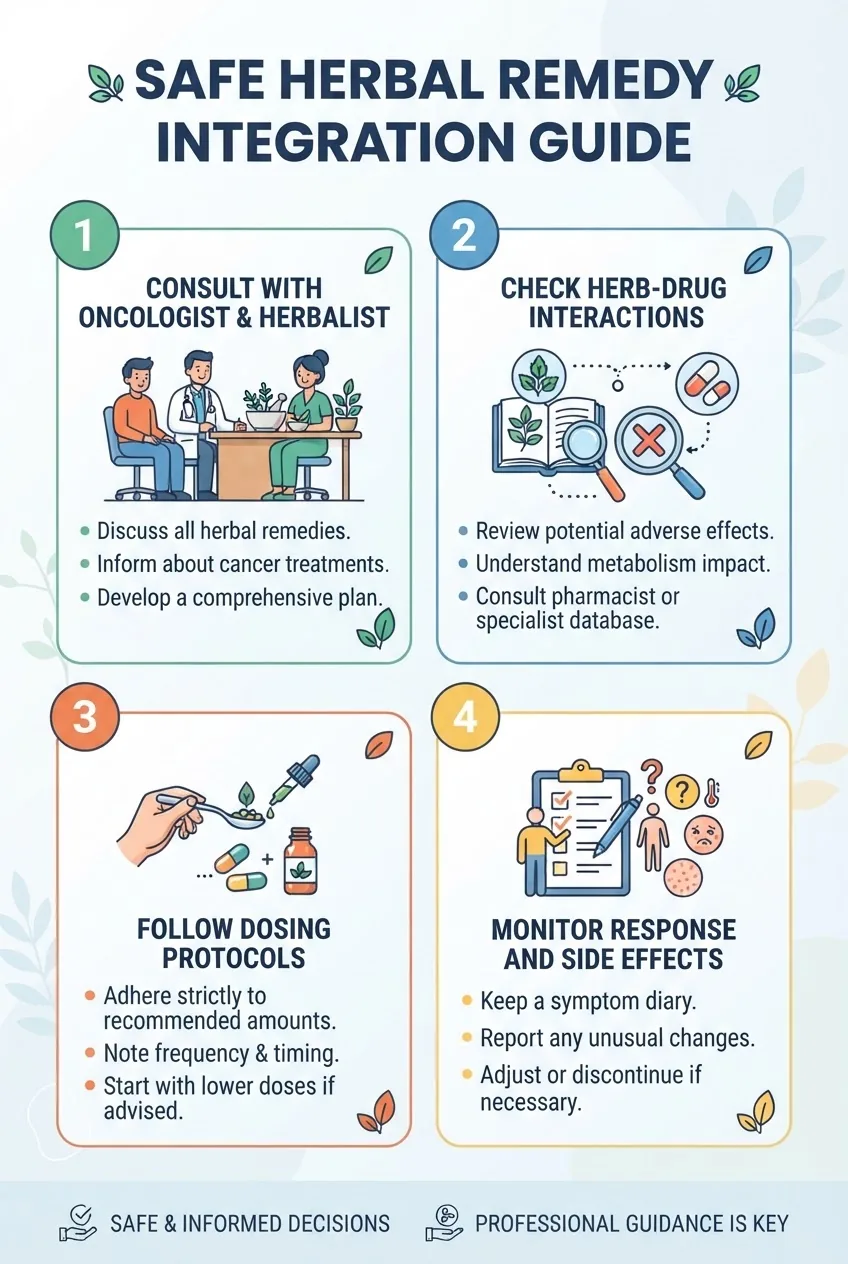
Follow this stepwise protocol exactly as a practitioner would when integrating herbs into an adenocarcinoma care plan.
- Document and verify medications: produce a medication and supplement list with doses and administration times. Verify against pharmacy and oncologist records within 48 hours.
- Perform interaction screening: use an evidence-based herbal drug interaction tool and flag CYP450 modifiers, P‑glycoprotein effects, and coagulation modifiers. If a major interaction is found, choose an alternative herb or adjust chemotherapy timing; consult your pharmacist immediately.
- Choose standardised products: prefer standardized extracts with certificate of analysis (COA) showing purity and contaminant testing. For curcumin use 95% standardized extracts; for mushrooms use PSK/PSP standardized products.
- Start low, escalate by week: begin at 25–33% of target dose for 3–7 days; if well tolerated, increase to 50% for 7 days, then to full dose. Log blood pressure, weight and symptoms daily for 2 weeks after each escalation.
- Coordinate with treatment cycles: separate potential interacting herbs from chemotherapy by 12–24 hours depending on drug half-life; document time offsets in your medication log.
- Lab monitoring schedule: baseline CBC, LFTs, renal panel, and tumour markers within 7 days prior to starting herbs; repeat at 2–4 weeks, then every 6–8 weeks or as directed by oncology.
- Adverse event protocol: if ALT/AST increase >2× baseline or absolute neutrophil count drops >30% from baseline, stop the herb and notify oncology within 24 hours.
- Record batch and brand: note batch numbers, supplier and expiration dates in your supplement log to support traceability in case of adverse events.
- Reassessment checkpoints: formal multidisciplinary review at 4 weeks and 12 weeks with oncologist, herbalist and pharmacist to decide on continuation or modification.
Training pathways for clinicians and lay practitioners are important: if you wish to deepen your skills, consider botany and herbalism training for aspiring herbal botanists, review national accreditation profiles such as the Canada naturopathy schools and certification requirements guide, and consult the page on herbalist doctor training and qualifications for herbal practitioners before practising clinically.
Lifestyle and Natural Supportive Therapies for Cancer Healing
Herbal therapy works best when combined with targeted lifestyle measures: nutrition, sleep, stress management and physical activity. An integrated approach supports resilience and can improve treatment tolerance.
- Nutrition: aim for 1.2–1.5 g/kg protein daily during active treatment; anti-inflammatory emphasis on whole-food, Mediterranean-style meals, 2–4 servings of cruciferous vegetables weekly, and limit alcohol to <7 standard drinks/week for women (national cancer guidance, 2023 report).
- Sleep and circadian health: 7–9 hours nightly; stabilise sleep/wake times and avoid blue light 60 minutes before bed.
- Stress management: daily 10–20 minute mindfulness, progressive muscle relaxation, or breathing exercises; consider therapeutic counseling for mood disturbance.
- Physical activity: aim for 90–150 minutes/week of moderate aerobic activity and two resistance sessions to preserve muscle mass during systemic therapy.
- Symptom relief: topical therapies and evidence-based botanicals for mucositis, neuropathy and nausea (see the natural ways to get rid of symptoms guide for supportive measures).
Experience-based case summaries (anecdotal, educational)
Case A — Adjunctive immune support: a 56-year-old woman with ER+ breast adenocarcinoma undergoing adjuvant chemo used Trametes versicolor extract 2 g/day under supervision. She reported improved fatigue scores and stable immune markers at 12 weeks; imaging remained stable per oncology surveillance (patient consented; outcome used for teaching, not as evidence of cure).
Case B — Hepatic protection during hepatotoxic therapy: a 62-year-old man receiving combination chemotherapy started milk thistle 140 mg twice daily with pharmacist oversight; ALT elevation was prevented compared with expected historical controls but lab monitoring continued monthly. These are illustrative experiences, not proof of efficacy.
Common mistakes and how to avoid them
I have seen these errors repeatedly when people try integrative protocols without clinical coordination:
- Starting multiple new herbs simultaneously: “I once started three high-dose extracts at once and couldn’t tell which caused a liver enzyme rise—start one herb at a time and maintain close lab monitoring.”
- Using unverified suppliers: “I once encountered heavy-metal contamination in an unverified tincture—always request COAs and use reputable suppliers.”
- Assuming ‘natural’ means safe with anticoagulants: “I advised a patient on green tea extract and warfarin interaction after they presented with INR variability—never mix without checking.”
Checklist: verify your integrative plan
- Oncologist and pharmacist have signed off in writing.
- Interaction screen completed and documented.
- Baseline labs recorded within 7 days prior to starting herbs.
- Standardized product COAs saved with batch numbers.
- Dosing schedule and escalation plan documented in a logbook.
- Follow-up appointments scheduled at 4 and 12 weeks with the care team.
When to call in a professional
Contact your oncologist or emergency services if you experience rapidly worsening symptoms, fever >38°C with neutropenia, jaundice, severe allergic reactions, or any lab abnormalities exceeding your clinician’s safety thresholds. For integrative plan changes or suspected interactions, call your clinical pharmacist and herbalist immediately.
Transition: the following FAQ condenses practical answers to common questions about using herbal remedies with adenocarcinoma.