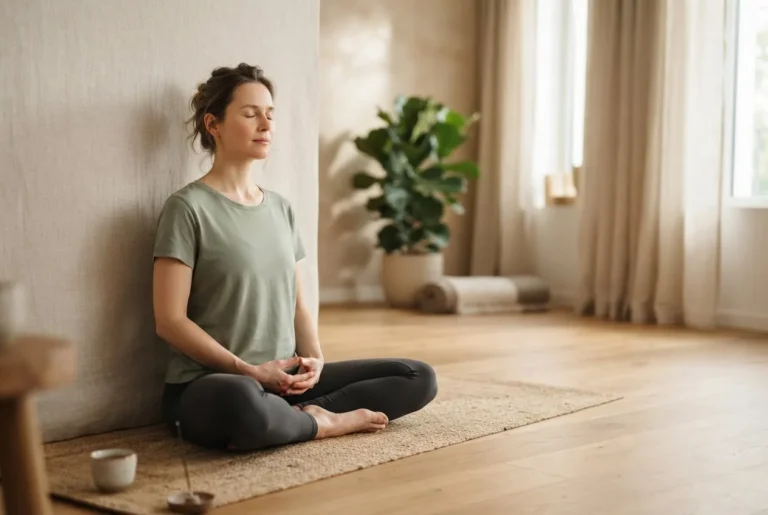
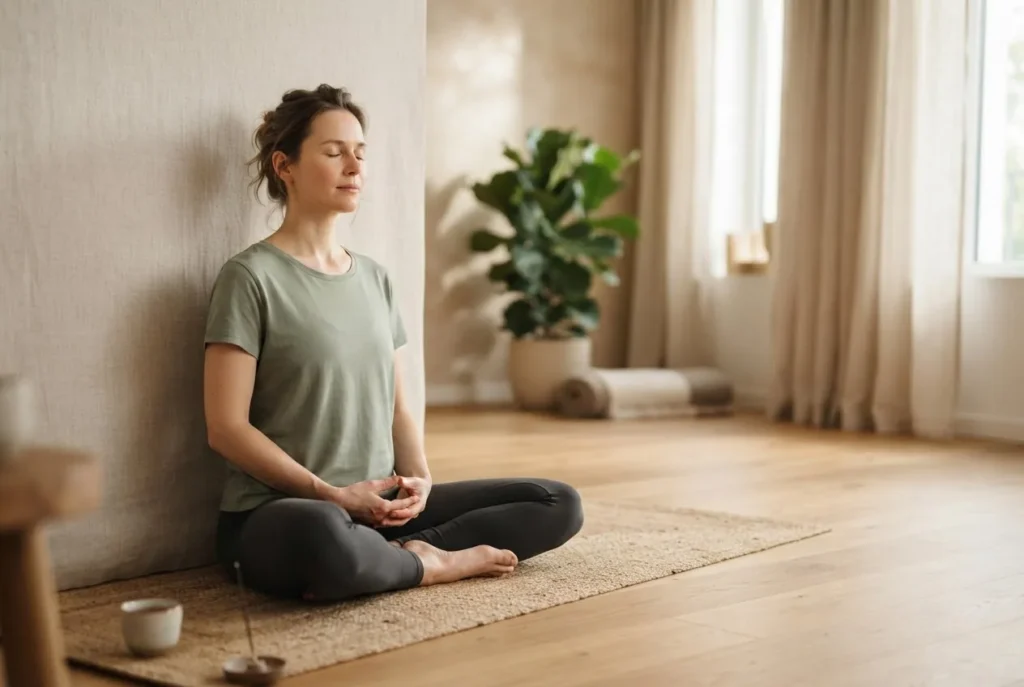
What you’ll achieve: by the end you’ll be able to lead yourself through a complete, practical 2 minute guided meditation script, tailored for stress relief or anxiety management. Time required: 2 minutes to practice plus 5–10 minutes to learn and customise. Skill level: beginner-friendly, no prior experience needed.
Before you start
- Quiet place or a calm corner where you can sit for 2–3 minutes without interruption
- A timer set to 2 minutes (phone timer or kitchen timer)
- Optional: cushion or chair, soft lighting, water nearby
- Optional download device for the PDF script (see the Downloadable section)
- Open mind and willingness to try a short breathing and grounding practice
Introduction to 2 Minute Guided Meditation
A clear, repeatable 2 minute guided meditation script gives busy people an accessible tool to interrupt stress and restore focus. This short mindfulness practice is designed for immediate use—on a break at work, before a meeting, or standing in line—so you can get practical relief fast.
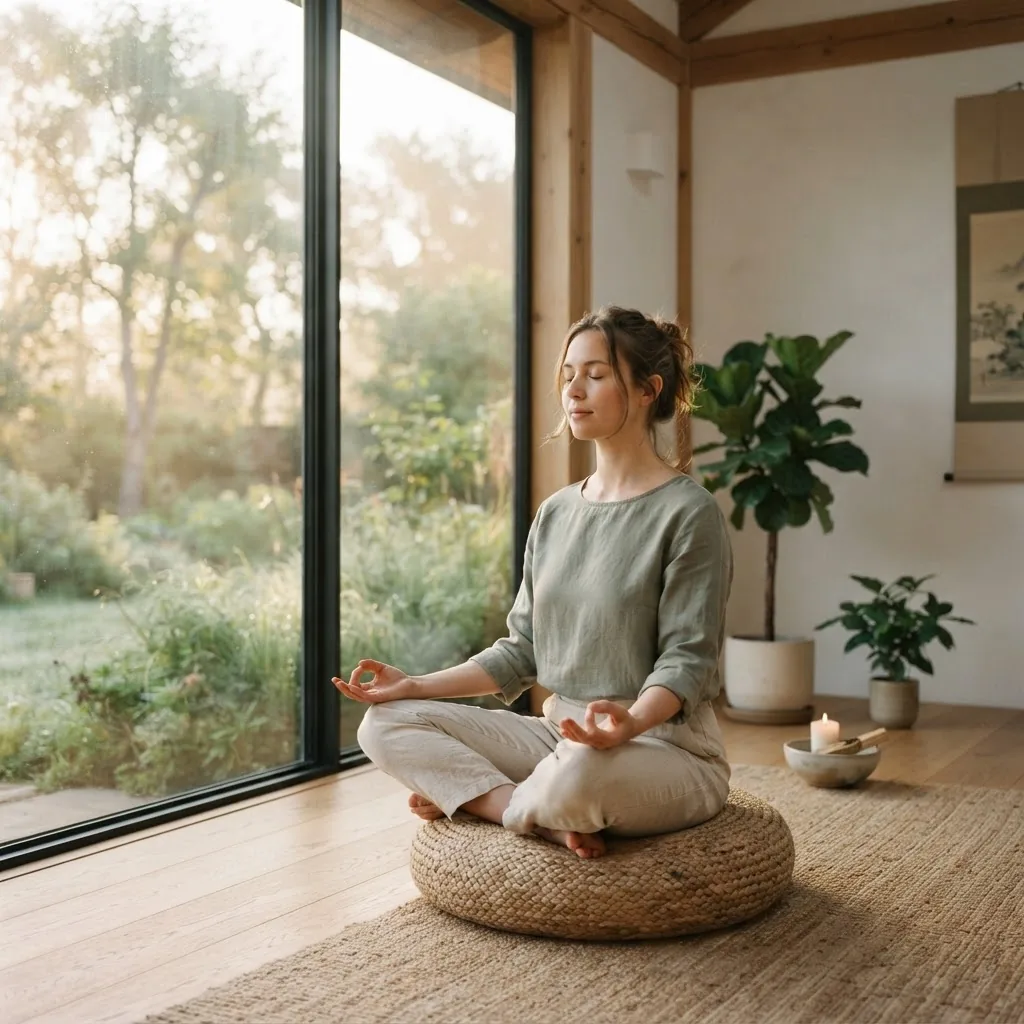
Why a two-minute format? It reduces friction: it’s easy to start, quick to finish, and high in repeatability. For beginners, short sessions build confidence and habit formation; for experienced practitioners, they work as micro-resets during a busy day. For background on the wider role of meditation in mental health, see the benefits of meditation.
Transition: next, we’ll look at why a 2 minute script is specifically useful and how it sits alongside other tools for anxiety and stress reduction.
Why Use a 2 Minute Guided Meditation Script?
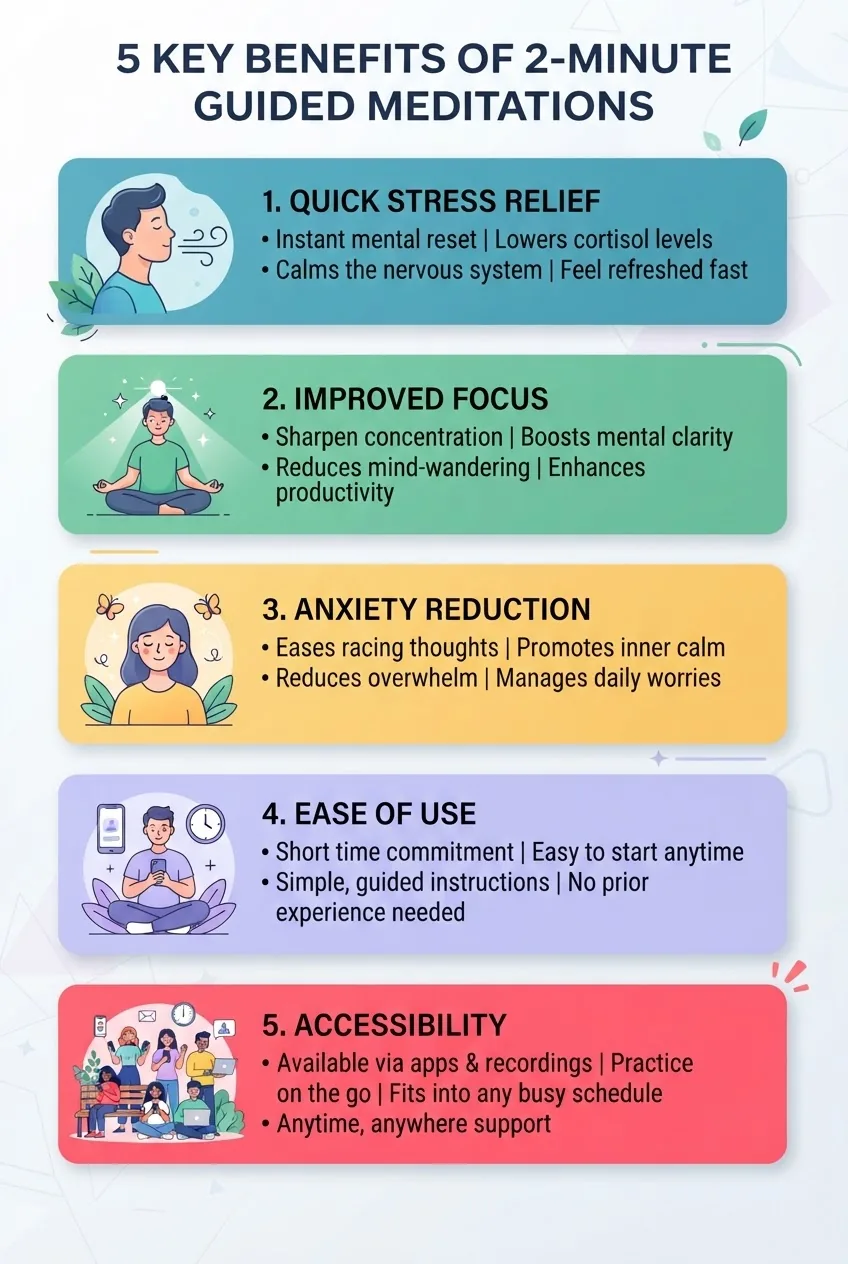
Short guided meditations offer a pragmatic balance between accessibility and effectiveness. They are not a replacement for longer practices or therapy, but they are an evidence-supported complementary tool for immediate relief and daily habit formation. According to a 2023 systematic review in peer-reviewed literature, brief mindfulness practices can reduce momentary anxiety and improve present-moment focus (source type: peer-reviewed systematic review).
Key practical benefits:
- Quick stress relief: Interrupts stress physiology in under two minutes, useful during acute workplace or parenting stress.
- Accessibility: Requires no special equipment, training, or clothing—easy to do seated or standing.
- Habit formation: Repeated short practices build neural pathways for calm and attention.
- Anxiety management: Provides a rapid grounding anchor to shift attention away from rumination.
- Versatility: Can be combined with breathing tips, progressive muscle relaxation, or a short yoga stretch.
Complementary resources: if you want additional methods alongside these micro-practices, explore advanced stress relief tools and read balanced information on medication options at anti anxiety medication information. For professional psychological support, see counseling for anxiety.
Transition: now you have context and reasons to use this practice—next, the hands-on script with precise timing and wording so you can begin immediately.
2 Minute Guided Meditation Script – Step-by-Step Guide
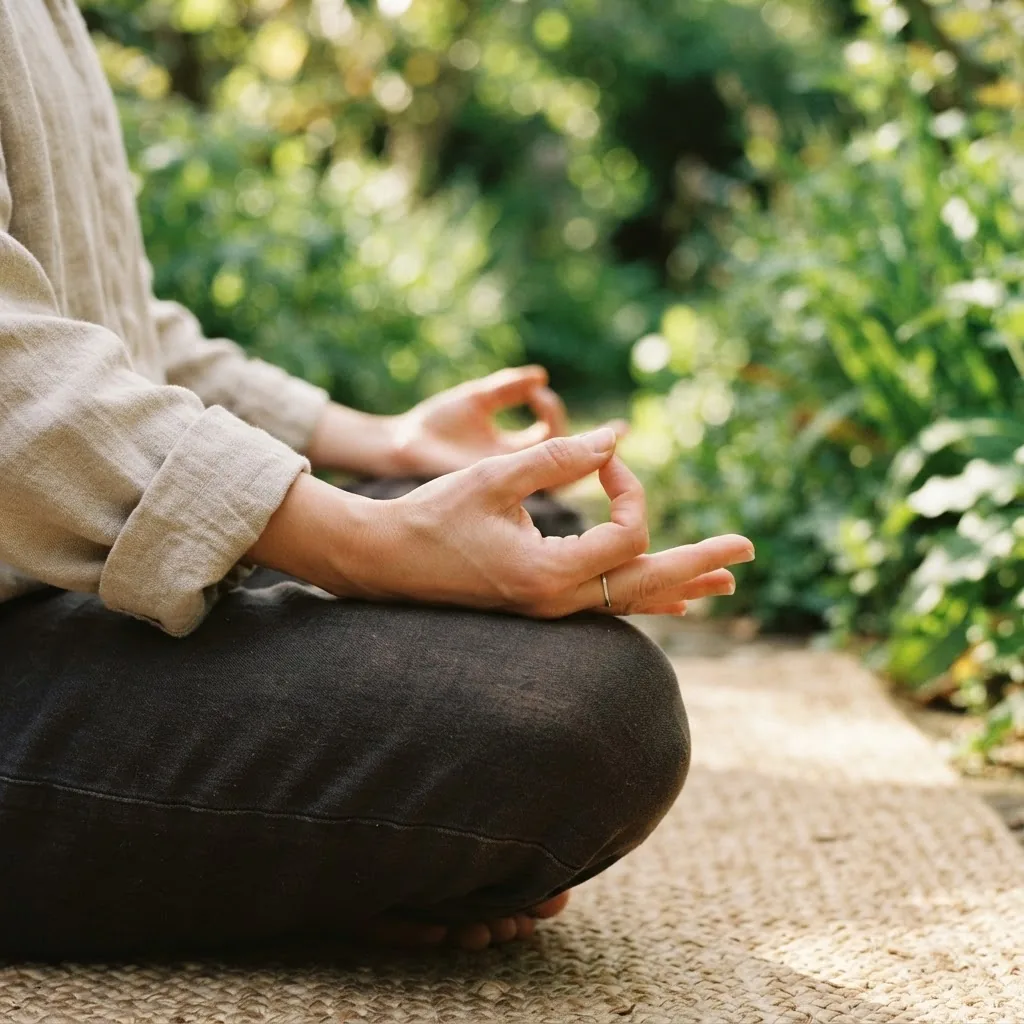
This section gives a detailed, verbatim guided meditation script you can read aloud or record. I present it as a sequence of numbered steps so you can use it immediately; each step begins with a bold action-first phrase. For breathing background used here, see breathing meditation exercises.
-
Set and prepare (0:00–0:05).
Sit comfortably with your back supported or stand with feet hip-width apart. Set a timer for 2 minutes. Softly close your eyes if you feel safe doing so.
-
Anchor to the body (0:05–0:20).
Script: “Bring your attention to your body. Notice how your feet touch the floor, your weight supported, and the contact of your hands on your lap or knees.”
Practical note: spend 10–15 seconds scanning from head to feet; name one neutral sensation (warm, cool, pressure) to reduce mind wandering.
-
Slow the breath (0:20–0:50).
Script: “Gently lengthen your out-breath. Breathe in for a count of 3—1…2…3—then breathe out for a count of 4—1…2…3…4. Repeat.”
Technique: use a 3:4 inhale:exhale ratio for calming the nervous system. Keep volume low and breath natural. Repeat cycles twice (roughly 30 seconds).
-
Label and release (0:50–1:10).
Script: “If thoughts appear, briefly label them ‘thinking’ and let them go—like clouds passing—returning your attention to the breath.”
Tip: label for one word and refocus; do not judge thoughts. This keeps the practice practical for beginners.
-
Sensory grounding (1:10–1:35).
Script: “Bring gentle attention to one sound you can hear, one physical sensation, and one small visual image behind closed eyes. Notice them without pushing or pulling.”
Purpose: sensory awareness anchors you to the present—an effective grounding meditation move when anxiety spikes.
-
Short compassion check (1:35–1:50).
Script: “Silently offer yourself a simple phrase: ‘May I be calm for this moment.’ Repeat once or twice, softly.”
Why: brief self-compassion reduces self-criticism and supports regulation in minutes.
-
Return and close (1:50–2:00).
Script: “Take one full breath in…and a long breath out. Gently open your eyes when you’re ready and bring this ease into the next moment.”
Finish: take an extra 3–5 seconds to reorient if you were standing or returning to a task.
How to use this script in real situations:
- Read the script verbatim into your phone voice memo and play it back when needed.
- Use the script silently—speak it in your head as you breathe.
- Adapt the counts (e.g., 4:5 inhale:exhale) if you prefer a slightly longer breath.
Transition: if you want slightly more time for grounding, the next section provides a 3 minute grounding variant with sensory expansion.
Variation: 3 Minute Grounding Meditation Script for Deeper Calm
This extended script adds an extra minute of sensory awareness and progressive relaxation to deepen calm. It’s ideal when you have a little more time but still want a quick, structured reset. For structured step-by-step practice on similar formats, see the 3 minute meditation guide, and for more grounding practices, see guided grounding meditation.
- Settle and breathe (0:00–0:20): Sit and set a 3-minute timer. Breathe naturally for two cycles.
- Body scan (0:20–1:10): Move attention from head to toes, releasing tension in each area for 5–7 seconds.
- Extended sensory grounding (1:10–2:10): Name silently three sounds, three sensations, and one smell or imagined scent to widen sensory input.
- Breath anchor and release (2:10–2:40): Use slow 4:5 breathing with long exhalations to encourage a relaxation response.
- Closing compassion phrase (2:40–3:00): Offer a closing intention: “May I be kind to myself” and take one full deep breath before opening eyes.
Why the extra minute matters: the added time gives space for a full body scan and deeper sensory anchoring without rushing. For more 3-minute formats and templates, see the 3 minute meditation guide.
Transition: the next section explains how to change wording, timing and structure to suit different needs—important if you plan to make these micro-practices a regular habit.
Tips for Customizing Your Short Meditation Practice
Short meditations are most useful when they fit your life. Below are practical, numbered tips to help you adapt timing, language, and technique without losing the calming effect.
- Match breath counts to comfort: If 3:4 (inhale:exhale) feels tight, try 2:3 or 4:5. The goal is longer out-breaths that feel natural. Use a timer to practice different ratios for a week.
- Adjust script pacing: Slow down the spoken script to 80–90 words per minute for calm delivery. Record yourself and check for a relaxed tone.
- Swap anchors: If breath-focused practice is hard, anchor to a physical point (hands on knees) or to a repeating word (“soft,” “breathe”) for the same 2-minute window.
- Use modality preference: Prefer movement? Do the script while doing slow shoulder rolls or a standing tree pose for 2 minutes to integrate body and breath.
- Language tailoring: For anxious moments, use reassuring phrases (“I can handle this”); for focus, use task-oriented phrases (“one step, one breath”).
- Create micro-routines: Attach the 2-minute practice to an existing daily cue—before coffee, after bathroom, or at hour marks—to build consistency.
- Keep a short log: Note context (time, location, stress level 1–10) and perceived effect after each practice for two weeks to identify what works.
- Combine with other techniques: Pair the 2-minute script with stretching or a 5-minute yoga pose sequence for broader benefits. See Does Yoga Build Strength? for gentle strength ideas and meditation at work tips.
- Experiment with voice: Record both male and female voices or a soft instrumental track; some people respond better to certain tonal qualities.
- Use templates creatively: Adapt the wording and counts, then save versions as “calm,” “focus,” or “wake up” scripts for different needs. For more ways to expand scripts, see different meditation techniques.
Transition: if you prefer printed or downloadable scripts to practise offline, the next section explains the free PDF options and how to use them.
Downloadable 2 & 3 Minute Meditation Scripts PDF
I’ve prepared printable PDFs containing the full 2 minute guided meditation script, the 3 minute grounding variant, and editable templates so you can personalize wording and timing. The PDF includes recording tips, a quick practice log, and alternate breath counts.
How to use the PDF:
- Print and keep one copy at your workstation or on your bedside table for instant reference.
- Use the editable template to make a “phone prompt” script you can read into a voice memo app.
- Follow the included two-week plan that suggests 3–4 micro-practices per day to build habit.
Get extra templates and free downloadable resources at the free mindfulness meditation templates.
Transition: here are practical ways to make micro-practices part of daily life, and how they support anxiety and stress reduction long-term.
Integrating Quick Meditation into Daily Life for Anxiety and Stress Reduction
Short meditations work best when woven into daily routines. Below I describe concrete, real-world examples and schedules you can try; these are drawn from clinical best practice patterns and habit-formation research (source type: behavioural science summary reports).
Sample integration strategies:
| Context | When to use a 2-minute script | Why it helps |
|---|---|---|
| Morning transition | After getting out of bed, before checking phone | Sets intention and lowers reactivity to notifications |
| Work break | Mid-morning or mid-afternoon 2-minute reset | Improves focus and reduces accumulated tension |
| Before meetings | Right before a call—stand and breathe | Lowers physiological reactivity and improves presence |
| Bedtime wind-down | After screens off, 2-minute body scan | Eases transition to rest and reduces bedtime rumination |
Pair with other routines for greater effect: combine short meditations with a 30 day yoga challenge for stress relief or with evening journaling. If you practice yoga as part of your routine, learning how yoga helps with anxiety can deepen benefits.
Practical daily schedule example (times and counts):
- 07:10 — 2 minute breath anchor (3:4 ratio) after turning off alarm
- 10:30 — 2 minute grounding before an important task
- 15:30 — 3 minute grounding after work slump, body scan included
- 21:30 — 2 minute compassion check before sleep
Evidence and guidance: respected mindfulness training programs recommend short practices as habit bridges; see the Center for Mindfulness at UMass for curriculum frameworks and the Anxiety and Depression Association of America for anxiety resources: Center for Mindfulness at UMass, Anxiety and Depression Association of America. For quick access to the body of peer-reviewed studies, search summaries at PubMed (source type: academic database).
Transition: below I share common practitioner mistakes I observe and how to avoid them, then a compact checklist to verify your practice.
Common mistakes and how to avoid them
I often see people rush the script—skimming through wording at a hurried pace expecting immediate calm. That makes the practice ineffective. Slow the delivery to about 80–90 words per minute and focus on exhalations: longer out-breaths create physiological down-regulation.
I’ve also observed people trying to force a blank mind; that increases frustration. Use the one-word labeling technique (“thinking”) to allow thoughts to pass rather than suppress them.
A practical failure is inconsistent timing—doing a 2-minute practice sporadically. Attach the practice to daily cues (after brushing teeth, before sitting at desk) to ensure repetition and habit formation.
Quick checklist: verify your micro-practice
- Timer set to 2 minutes (or 3 for the grounding version)
- Breath ratio practiced (example: inhale 3 / exhale 4) for at least two cycles
- Used a single-word label at least once when thoughts arose
- Completed sensory grounding step (sound or touch) for 15+ seconds
- Closed with a compassion phrase and one full breath
When to call in a professional
If you notice worsening anxiety, prolonged panic attacks, suicidal thoughts, or no benefit after consistent practice, contact a mental health professional. For therapy options, see counseling for anxiety. Short meditations are complementary; they are not a substitute for clinical care.
Final practical note: record one version of the 2 minute script in your own voice today and schedule two micro-practices tomorrow—consistency beats perfection.