Answer: “Herbal” describes preparations, remedies, or practices derived from plants used for therapeutic or supportive health purposes; it covers raw plant parts, processed extracts and finished dosage forms made using traditional and scientific extraction methods, and is central to herbalism and naturopathy as plant-based medicine.
What is the herbal meaning and definition?
Answer: The herbal meaning refers to anything made from or involving plants for health—this includes whole herbs, extracts, teas, salves and supplements traditionally used to prevent or assist healing. Below we define the term and related concepts with examples grounded in both tradition and science.
Herbal: relating to plants (herbs) used for medicinal, culinary or aromatic purposes; in medicine it specifically means plant-derived substances intended for therapeutic use.
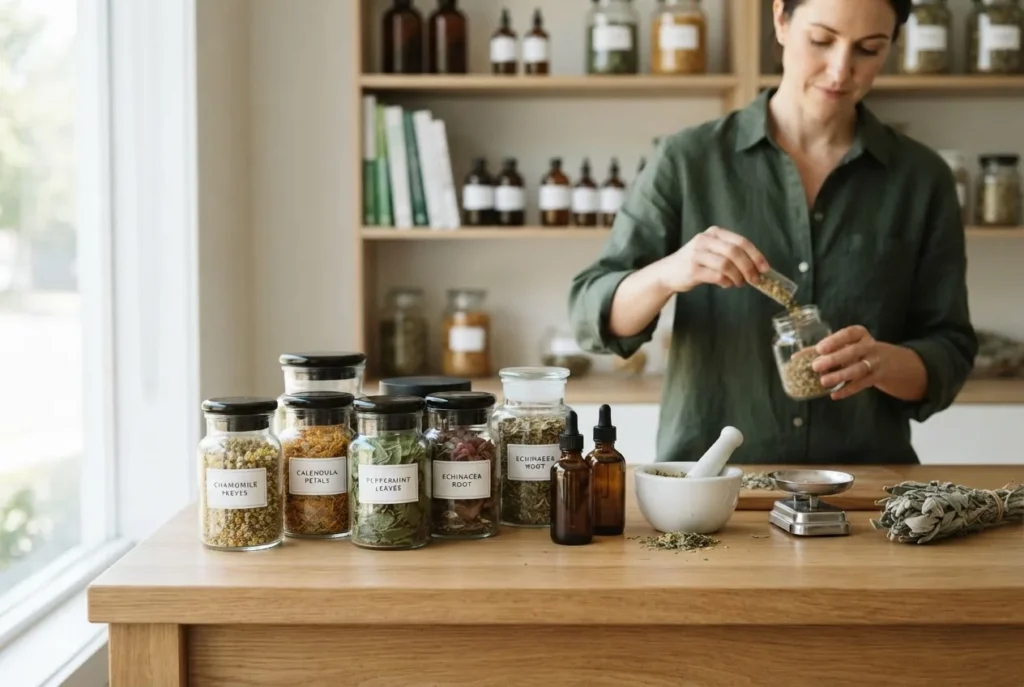
Herbalism, the practice of using plant remedies, blends centuries of traditional use with modern phytochemistry and pharmacology to understand how plant components—alkaloids, glycosides, flavonoids, tannins, essential oils—exert biological effects. For example, a chamomile infusion uses the dried flowers to deliver volatile oils and flavonoids in hot water; a peppermint tincture extracts menthol and other constituents into alcohol for longer shelf life and different dosing.
When people ask “what does herbal mean,” they often want to know the difference between a raw plant, a manufactured supplement, and a clinically prepared extract. Here are clear distinctions:
- Whole-herb preparations: dried leaves, flowers or roots used directly (e.g., teas, poultices).
- Extracts and tinctures: concentrated forms produced by solvents like alcohol or glycerin.
- Dosage forms: capsules, tablets, syrups, salves—processed for ease of use, standardisation and stability.
If you want formal study options for this field, see herbalism training, herbalism certification classes, and online herbalist schools.
For practical lists of plant examples and classical uses, consult top medicinal herbs, common herbal plants, and the historical overview in history of herbalism.
Terminology note:
Herbalism: the study and practice of using plants as medicine, combining empirical tradition with clinical and phytochemical knowledge.
Naturopathy: a system of primary care emphasizing natural therapies (including herbal medicine), preventive care and whole-person approaches.
Transition: Now that the core definition is clear, the next section lists precise herbal preparation definitions you will encounter when learning or making remedies.
What are common herbal preparation definitions and examples?
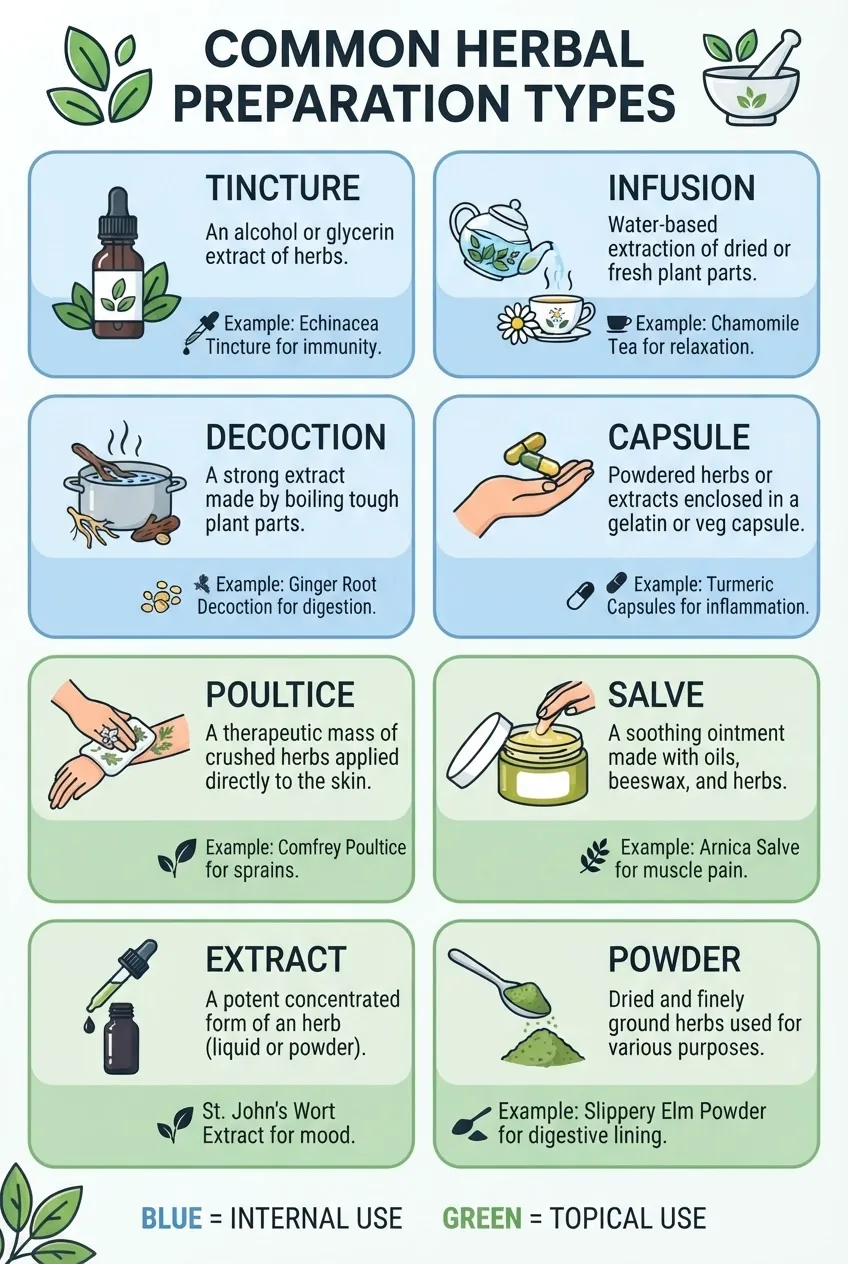
Answer: Common herbal preparation types include tincture, infusion, decoction, poultice, extract, salve, powder and capsule—each has a specific preparation method, solvent and typical use; the following glossary defines each with examples and when to choose them.
-
Tincture
Term: an alcohol-based extract of fresh or dried plant material, produced by maceration, concentrating active constituents for oral dosing or topical use.
Example: a 1:5 tincture of valerian root in 40% ethanol used for sleep support; tinctures preserve volatile and non-polar compounds and last years when stored properly.
-
Infusion
Term: a hot-water extraction similar to tea where herb parts are steeped briefly, extracting water-soluble compounds like flavonoids and tannins.
Example: chamomile infusion (tea) for mild anxiety or digestive comfort; best for leaves and flowers. Simple home method: pour boiling water over herb, steep 5–15 minutes, strain.
-
Decoction
Term: a simmered water extraction used for tougher plant materials (roots, barks, seeds) that require longer heat to release constituents.
Example: decocting licorice root for 20–40 minutes to extract glycyrrhizin; used when infusion is insufficient to access therapeutic molecules.
-
Poultice (cataplasm)
Term: a soft, usually warm application of fresh or cooked herb mash applied directly to the skin to deliver local action.
Example: crushed comfrey leaves applied to bruises; poultices are topical, short-term, and useful for drawing, soothing or warming effects.
-
Extract
Term: a concentrated, standardized preparation where active constituents are isolated and measured—can be solvent, CO2, or water-based.
Example: standardized ginkgo extract (24% flavone glycosides); extracts aim for consistent dosing across batches and are common in commercial supplements.
-
Salve (ointment)
Term: a semi-solid topical formulation of herb-infused oil combined with waxes to protect and deliver lipid-soluble constituents to the skin.
Example: calendula salve for minor skin irritation; salves are for barrier protection, anti-inflammatory or wound support.
-
Powder
Term: dried herb milled into fine particles used directly, encapsulated, or formulated into pills and teas.
Example: powdered turmeric root used in capsules; powders are flexible but may vary in potency unless standardized.
-
Capsule
Term: a solid dosage form containing powder or extract inside a gelatin or vegetable shell for controlled oral dosing.
Example: capsule herbal supplements containing specified milligrams of echinacea extract for immune support; capsules aid dosing accuracy and shelf stability.
See capsule herbal supplements for more details.
-
Glycerites (glycerin extracts)
Term: non‑alcoholic sweet extracts using glycerin as solvent, suitable for children or alcohol‑sensitive users.
Example: glycerite of lemon balm for calming effects; milder extraction efficiency for some constituents compared with alcohol.
-
Essential oil
Term: volatile aromatic compounds concentrated by steam-distillation or cold pressing, highly potent and primarily used topically or aromatically.
Example: lavender essential oil distilled from flowers for relaxation; essential oils require dilution before skin use and are not the same as whole-herb extracts.
Traditional systems such as Traditional Chinese Medicine (TCM) or Ayurveda use specific preparation vocabularies and combinations; for historical recipes and TCM context see traditional herbal remedies.
For research and databases to check constituents and evidence, consult herb research databases and formulations courses such as making herbal remedies or herbal potions making.
Transition: With definitions set, the following section explains how to prepare key herbal remedies at home or professionally, step-by-step.
How are common herbal remedies prepared step-by-step?
Answer: Preparation methods vary by plant part and target constituents: dry and store properly, use maceration for tinctures, heat infusions for flowers/leaves, decoction for roots/barks, and topical methods (infused oils, salves, poultices) for skin applications—below are stepwise procedures and rationale.
How to make a basic herbal infusion (tea)
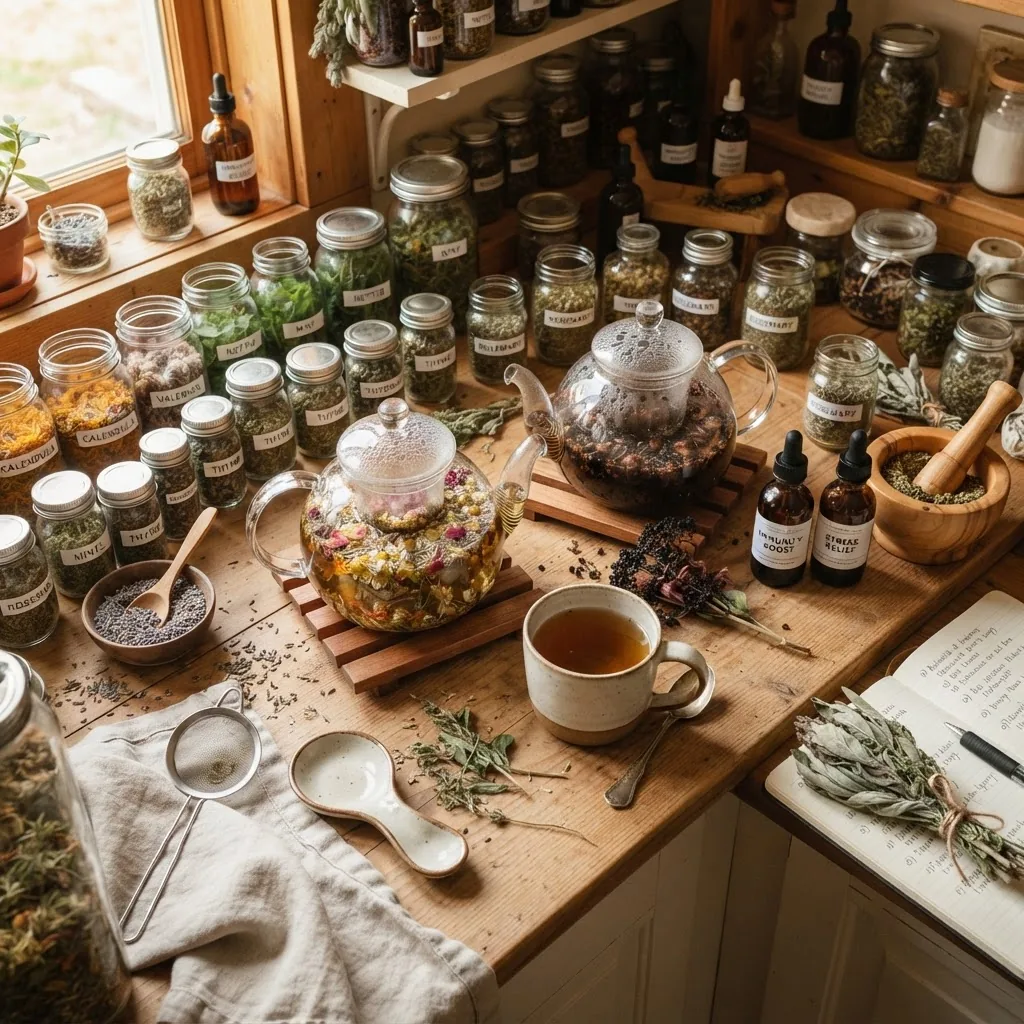
Answer: Steep 1–2 teaspoons of dried herb (or 1–2 tablespoons fresh) per 250ml boiling water for 5–15 minutes, then strain; drink warm and consume within 24 hours for best potency.
- Measure herb: 1–2 tsp dried or 1–2 tbsp fresh per cup.
- Boil water; pour over herb in a heatproof vessel.
- Cover and steep 5–15 minutes (longer for tougher leaves; delicate flowers use shorter times).
- Strain through fine sieve; serve plain or with honey.
- Store unused infusion refrigerated up to 24 hours; discard thereafter to avoid microbial growth.
Why: Heat releases water-soluble components and volatile oils; covering preserves volatile aromatics. This method suits leaves and flowers (e.g., chamomile, peppermint).
How to make a decoction
Answer: Simmer 1–2 tablespoons of coarsely chopped root/bark/seed in 250–500ml water for 20–40 minutes, strain, and cool; use when infusion is insufficient for woody materials.
- Chop tough materials to increase surface area.
- Add herb and cold water to a pot; bring to a gentle boil.
- Lower heat and simmer 20–40 minutes until reduced by ~25–50%.
- Strain; serve warm or cool; refrigerate up to 48 hours.
Why: Prolonged heat breaks down plant cell walls to free larger molecules (saponins, tannins), common in roots like ginger or barks like cinnamon.
How to make a tincture (alcohol extraction)
Answer: Combine plant material with ethanol (40–80% depending on herb) in a jar at a 1:3 to 1:10 herb-to-solvent ratio, macerate 2–6 weeks with daily agitation, then strain and bottle.
- Choose solvent strength: 40% for delicate glands, 60–80% for resins/alkaloids.
- Chop or coarsely grind herb; pack jar loosely.
- Pour alcohol to cover by 2–3cm; seal and label with date and ratio.
- Macerate in dark place 2–6 weeks, shake daily to aid extraction.
- Strain through muslin; press solids; bottle in amber dropper bottles.
Why: Alcohol dissolves a wide range of constituents and preserves tinctures for years when kept cool and dark.
How to make an infused oil and salve
Answer: Gently heat herb in carrier oil (slow-cook or use warm maceration) to transfer lipid-soluble constituents, strain, then mix infused oil with beeswax to create a salve.
- Choose oil: olive, almond or jojoba.
- Use a slow-cooker or bain-marie: herb-to-oil ~1:5; warm 4–8 hours at 40–60°C (no boiling).
- Cool and strain; press solids to recover oil.
- To make salve: melt infused oil with beeswax (typical 10–20% beeswax), pour into containers.
Why: Heat in oil extracts lipid-soluble actives (resins, essential oils) for topical delivery; salves protect wounds and extend contact time.
How to prepare a poultice
Answer: Crush fresh herbs or rehydrate dried herb to a moist paste, warm slightly, place in cloth and apply directly to skin for 15–60 minutes as needed; use fresh preparations and brief durations.
- Mash fresh herb or hydrate dried herb with hot water to a paste.
- Wrap in clean cloth; warm gently to comfortable temperature.
- Apply to affected area; secure with bandage for 15–60 minutes.
- Discard after use; do not reuse poultices to avoid contamination.
Why: Poultices deliver plant mucilage, oils and astringents locally and are useful for drawing or soothing effects.
How to dry and store herbs
Answer: Dry herbs in a warm, well-ventilated, dark area at temperatures below 40°C until brittle; store airtight in amber jars away from light and heat labeled with date and part used.
- Harvest herbs ideally in morning after dew evaporates.
- Bundle and hang or use dehydrator set <40°C; dry until stems snap or leaves crumble.
- Label with plant, part and date; store in cool dark place in sealed containers.
Practical considerations and safety during preparation:
- Use correct herb identification (botanical name) and part of plant.
- Record ratios, solvent strengths and dates for reproducibility and safety.
- Follow hygiene to reduce contamination; discard if mold or off-odour is present.
Scientific perspective: extraction method choice affects phytochemical profile. According to a 2022 review in a peer-reviewed journal, solvent polarity and temperature critically change yield and biological activity (source type: peer-reviewed herbal medicine review).
Refer to pharmacopoeia or clinical guidelines for standard extraction ratios and solvent choices: herbal supplements definition and making herbal remedies for practical laboratory-aligned recipes.
Transition: After learning how to prepare herbs, understanding the professional roles and naturopathic frameworks helps integrate plant-based therapies safely into care plans.
What is the role of herbalism and naturopathy in natural medicine?
Answer: Herbalism provides plant-based therapeutics and clinical approaches within naturopathy’s philosophy of whole-person care, prevention and minimally invasive interventions; practitioners integrate traditional knowledge, phytochemistry and evidence to support health goals.
Herbalism (term): clinical practice using plants as primary therapeutics, often individualized through consultations and dosing adjustments.
Naturopathy (term): a healthcare system that combines natural remedies—including herbal medicine, nutrition, lifestyle counselling and physical modalities—with an emphasis on supporting the body’s self-healing.
In integrative settings, herbalists and naturopaths assess history, current medications and lab data to recommend appropriate herbal supplements or topical therapies. This blending aims to maximise benefit while minimising interactions and risks. For example, many clinics now use standardized extracts for consistent dosing, informed by clinical evidence and pharmacognosy.
Education and credentialing shape scope of practice. If you’re exploring professional pathways, see naturopathy certification, finding certified naturopathic clinics, and pathway comparisons in naturopathic vs MD.
Herbal supplements play a widespread role across primary care and supportive therapy; understand their classification and how they relate to dietary supplements: botanical dietary supplements and integrative health supplements explain overlap and regulatory context.
For a detailed exploration of product benefits and applications, read Herbal Supplements Guide with Benefits and Natural Medicine Uses.
Herbal therapies can be used adjunctively in serious conditions under supervision; for context on supportive cancer protocols see natural cancer treatments with herbs and curated listings in Herbs for Cancer Guide (used with oncology oversight).
Training options range from community herbalist apprenticeships to clinical medical herbalism; for advanced credentials see medical herbalism training and naturopathy certification resources.
Transition: Understanding professional roles and contexts helps frame safety concerns; next we examine safety, quality and legal considerations when using herbal preparations.
How can you ensure safety and quality in herbal preparations?
Answer: Safety and quality depend on correct identification, sourcing, standardized processing, contamination testing, clear dosing, and healthcare-provider review to avoid interactions; follow regulatory guidance and lab testing to reduce risks.
Key safety tips and quality checks:
- Source: buy from reputable suppliers with certificates of analysis (COA) for contaminants and active marker compounds.
- Identification: verify botanical name and plant part; adulteration with other species is a known risk.
- Contaminants: test for heavy metals, pesticides, microbial load, and mycotoxins; follow standards by regulators.
- Dosing clarity: use standardized extracts where possible for consistent active constituent levels.
- Drug interactions: always check for interactions with pharmaceuticals and conditions; use tools like herbal drug interactions to screen combinations.
- Practitioner scope: know that prescribing capabilities vary—see prescription capabilities of naturopaths for local rules.
- Insurance and access: check coverage before treatment—see naturopathic coverage.
- Storage and expiry: follow storage guidelines to prevent degradation and contamination.
Regulatory and evidence references: For safety standards and label requirements consult the U.S. regulator at FDA: Dietary Supplements, and international monographs such as WHO monographs on selected medicinal plants. For extraction and contamination science see peer-reviewed studies such as a 2022 peer-reviewed review on herbal extraction and quality.
Actionable practise checklist:
- Consult a qualified herbalist or naturopath before starting new herbals.
- Disclose all medications and supplements to your provider.
- Start with low doses and monitor for side effects.
- Prefer tested, standardized products for chronic or high-risk use.
If adverse effects occur, stop use and seek medical advice promptly; for guidance on symptom management with natural products see natural symptom remedies.
Transition: Ready to start? The final section gives practical next steps and resources for beginners.
How can beginners start exploring herbal preparations safely?
Answer: Begin with simple, low-risk methods (infusions, infused oils), study basic herb properties, purchase a starter kit, take an introductory course, and consult qualified practitioners to build safe, evidence-informed practice.
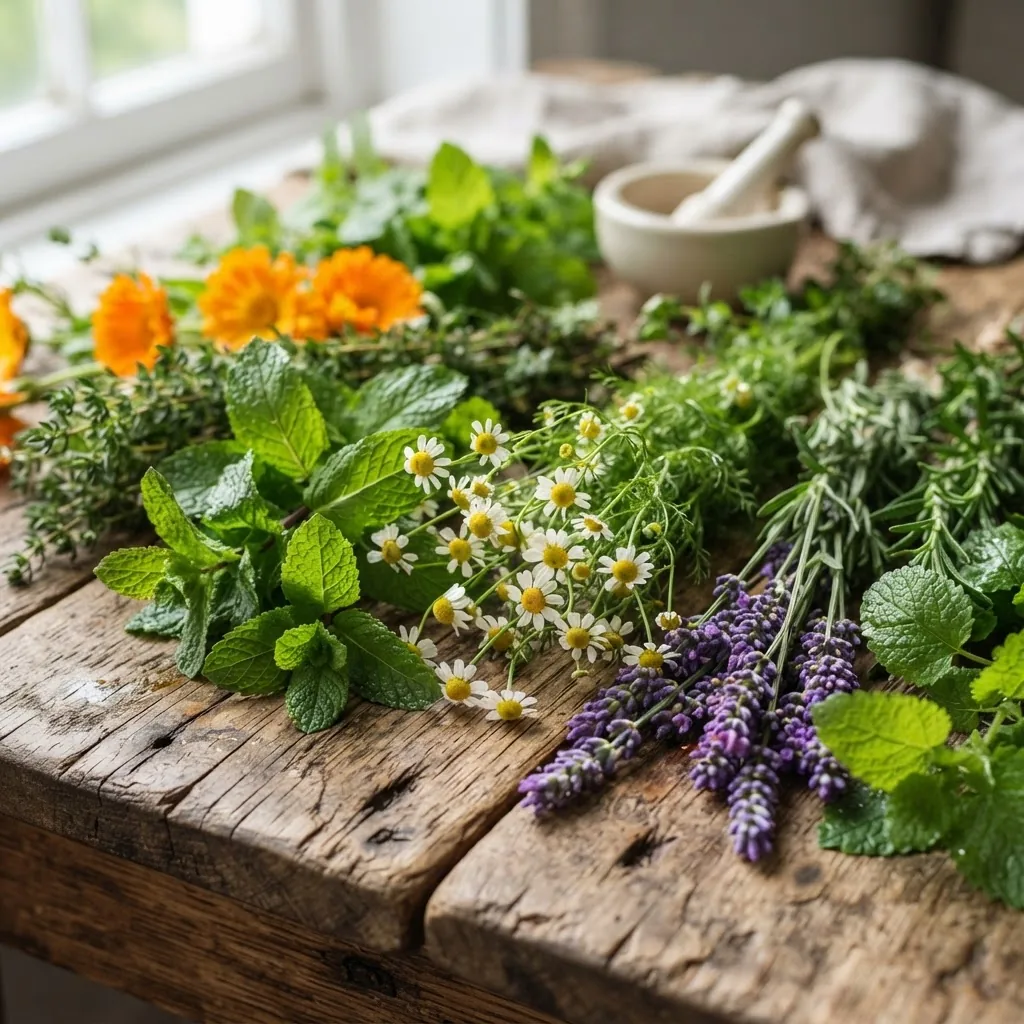
Recommended first steps for a beginner:
- Learn identification: use reputable guides or classes; consider herbalist definition resources and local herbalism certification classes.
- Start with culinary/commonly used herbs: chamomile, peppermint, lemon balm—see top medicinal herbs.
- Buy or assemble a basic kit: jars, scale, funnel, muslin, amber bottles; consult herbalist starter kits.
- Take a foundation course in preparation techniques—see herbal potions making or making herbal remedies.
- Keep records: note herb name (botanical), part, date, method and batch notes for safety and reproducibility.
Resources to deepen study include institutional courses such as medical herbalism training and accessible herb databases: herb research databases.
Final practical note: begin with low-risk internal preparations like infusions and topical salves, consult a qualified practitioner for chronic conditions or if taking prescription medicines, and keep safety checks in place.
Summary takeaways: “herbal” denotes plant-derived therapeutic substances; preparations differ by solvent and target constituents; safety and standardisation are essential; start small, learn identification, and consult professionals for complex or high-risk use.
Call to action: If you want a guided starting kit and beginner course, explore herbalist starter kits and consider a foundational course to build safe, effective skills.