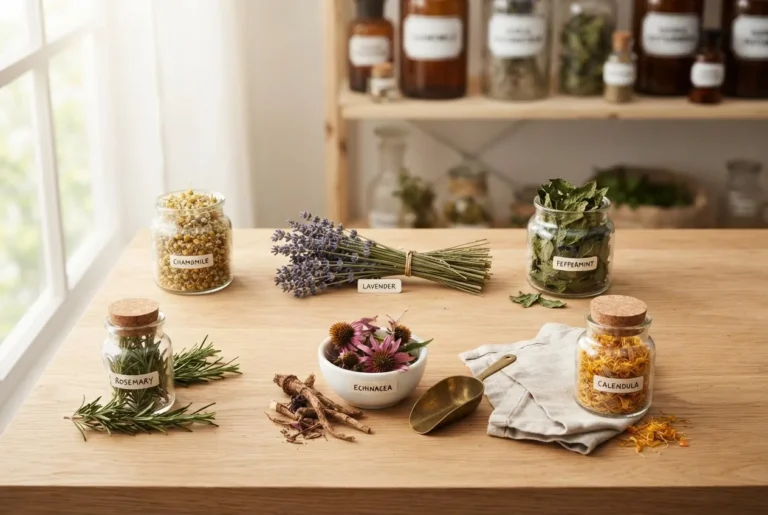
Herbal supplements are concentrated preparations of plants or plant parts taken to support health, delivered as capsules, tablets, tinctures, teas, or powders; they contain active phytochemicals rather than synthetic drugs and are used to supplement diet and promote wellness while varying in evidence and regulation.
What Are Herbal Supplements? Clear Definition and Meaning
Answer: Herbal supplements are defined as commercial preparations containing whole plants, plant extracts, or isolated plant compounds intended to supplement the diet, support physiological function, or address non-disease wellness goals rather than to treat, cure or prevent specific diseases in a regulated drug sense.
Term: Herbal supplement — a product made from plants or plant parts promoted for health benefits and sold in forms such as capsules, tablets, teas, extracts or powders.
Herbal supplements meaning in practice covers a wide category: from single-herb tablets (for example, an echinacea capsule sold for “immune support”) to multi-herb complexes and standardized extracts (e.g., a 10:1 extract of ginkgo leaf). What is considered an herbal supplement frequently depends on labelling claims and local regulation: products claiming to “support” or “promote” health commonly classify as supplements rather than medicines.
Classification examples (short):
- Whole-herb teas or infusions (dried chamomile flowers for calming effect).
- Standardized extracts in capsules (e.g., 500 mg milk thistle extract standardized to silymarin).
- Tinctures and liquid extracts (alcohol or glycerin extracts of roots or leaves).
- Herbal health tablet or combination formulas marketed for specific wellness goals.
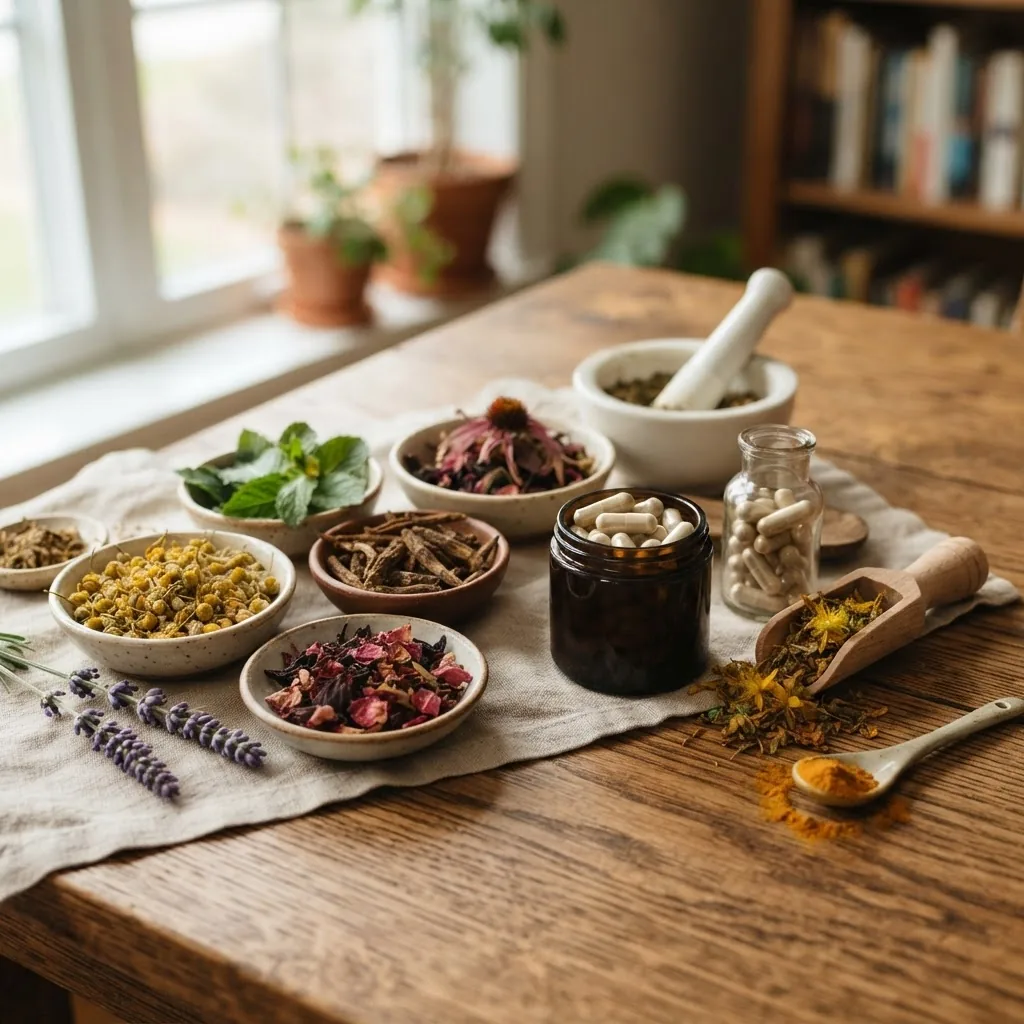
Definitions and regulatory nuance vary by jurisdiction: some authorities treat certain high-dose, standardized extracts as medicines if therapeutic claims are made. For broader context consult the NCCIH herbs overview for commonly used herbs and traditional uses and the FDA dietary supplements page for U.S. regulatory framing.
For a deeper, overarching reference see Herbal Supplements Guide with Benefits and Natural Medicine Uses.
Transition: Understanding what herbal supplements are clarifies why they are distinct from herbal drugs and other herbal treatments, so next we compare those categories.
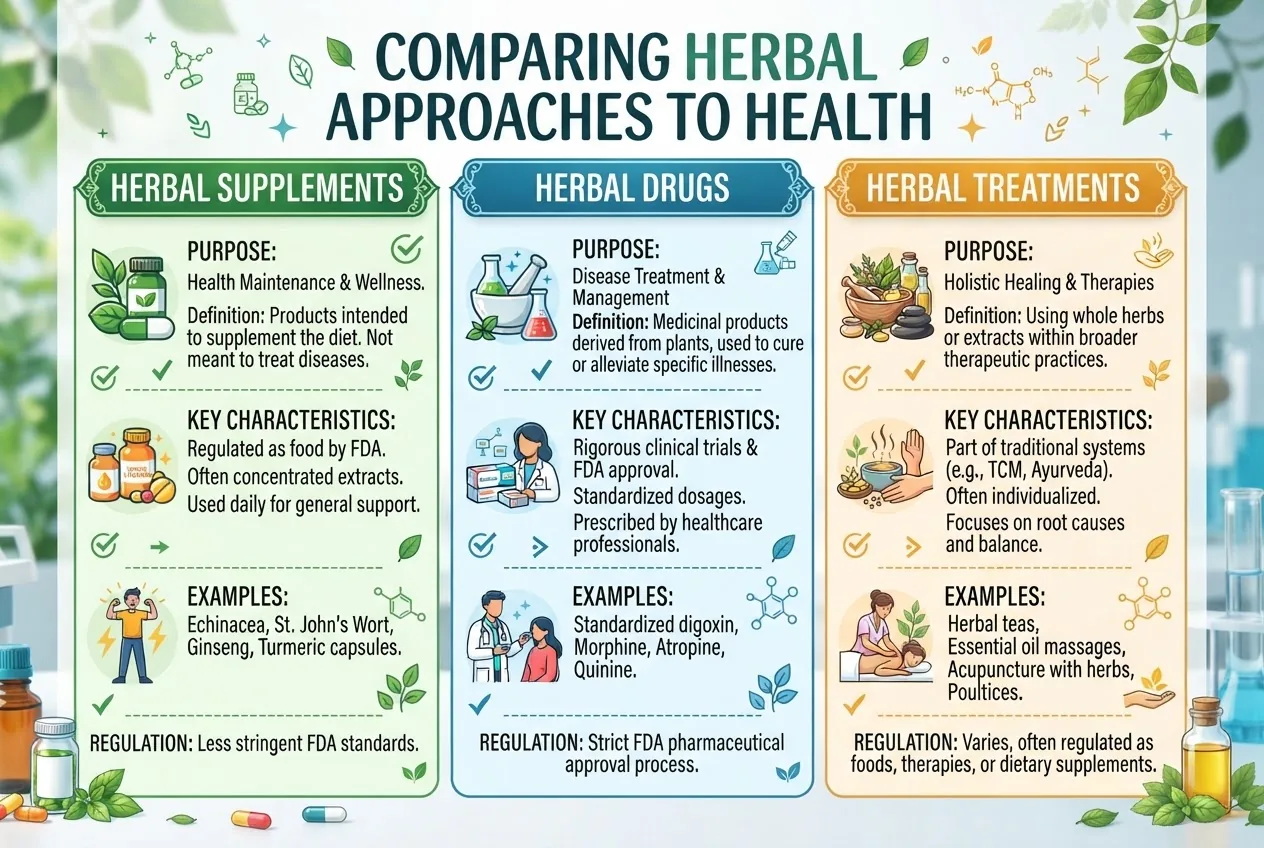
Difference Between Herbal Supplements, Herbal Drugs, and Herbal Treatments
Answer: Herbal supplements generally supplement diet and wellness without disease claims; herbal drugs are plant-derived preparations regulated and approved to diagnose, treat, cure, or prevent disease; herbal treatments is a broader term covering clinical, traditional or unscheduled plant-based therapies.
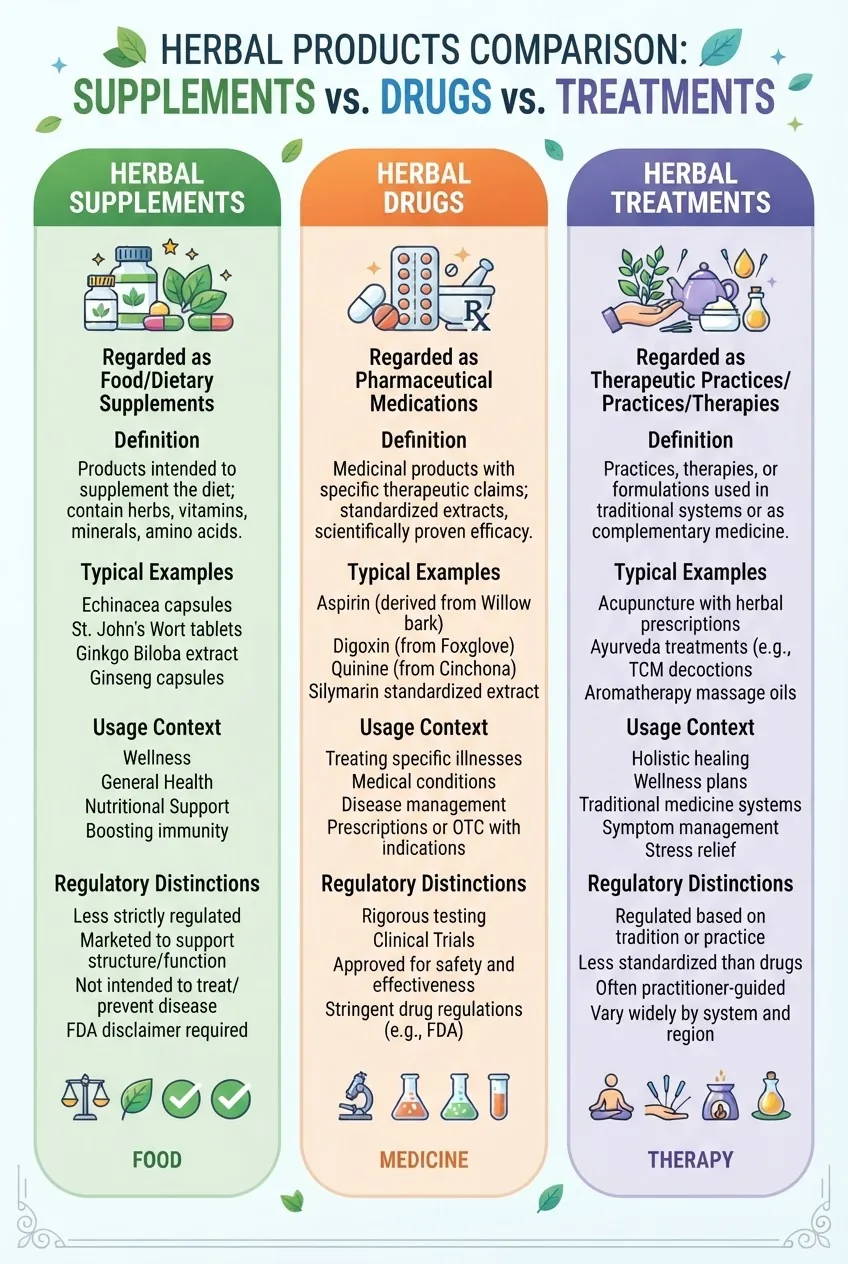
| Category | Primary purpose | Regulation & examples |
|---|---|---|
| Herbal supplements | Dietary support, wellness maintenance | Supplement labelling; e.g., echinacea capsule, chamomile tea. |
| Herbal drugs | Diagnose/treat/prevent disease | Subject to drug approval; e.g., plant-derived cardenolides as prescription drugs. |
| Herbal treatments | Clinical/traditional use of plant remedies | Includes both supplements and herbal medicines used in traditional systems (TCM, Ayurveda). |
Explanatory prose: “Herbal drugs” often contain isolated phytochemicals at controlled doses and undergo clinical testing and registration; examples include plant-derived anticancer agents isolated and formulated as prescription drugs. “Herbal treatments” describes the approach—using herbs within a therapeutic framework (e.g., a TCM formula prescribed by a practitioner)—and can employ either supplements or regulated medicines depending on claim and preparation.
Mechanistic distinction: supplements tend to deliver a spectrum of phytochemicals at lower or variable concentrations; herbal drugs deliver specific active molecules with defined pharmacokinetics. This explains differences in expected potency, safety monitoring and legal oversight.
Transition: With those differences clear, the next section lists common commercial forms people encounter when choosing herbal products.
Common Forms and Examples of Herbal Supplements
Answer: Herbal supplements commonly appear as capsules, tablets (including the herbal health tablet), teas (infusions/decoctions), liquid extracts/tinctures, powders, and topical preparations—each form alters absorption, dose precision, and user convenience.
Term: Herbal extract — a concentrated preparation of plant constituents obtained using solvents (water, alcohol, glycerin) that concentrates active compounds.
- Herbal capsules and tablets — compressed powdered herb or extract for precise dosing; common examples: a 300 mg turmeric extract capsule or an echinacea herbal health tablet formulated for daily immune support.
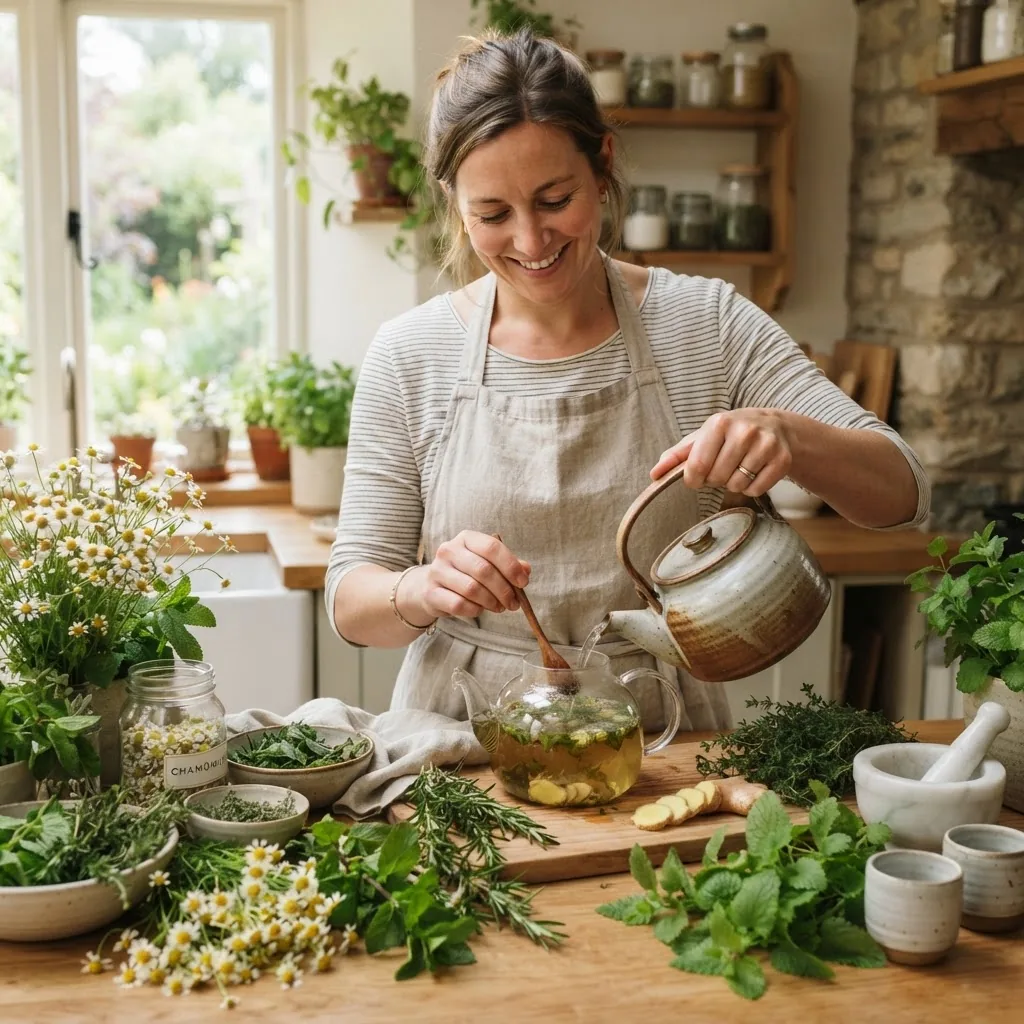
- Herbal teas (infusions and decoctions) — loose or bagged dried herbs brewed as beverages; examples: chamomile tea for relaxation, peppermint for digestion.
- Liquid tinctures and glycerites — alcohol or glycerin-based extracts; example: valerian tincture for sleep support, easy to dose via dropper.
- Herbal powders and culinary blends — ground herbs mixed into smoothies or food; example: powdered ginger or ashwagandha used in a morning latte.
- Standardized extracts and concentrates — extracts labeled to contain a percentage of marker compounds (e.g., standardized to 80% silymarin in milk thistle).
- Topical herbal preparations — creams, balms, or patches containing botanical extracts for local relief (e.g., arnica cream for bruise support).
Many consumers search for “the herbal health tablet” specifically; tablets are valued for convenience and shelf stability but may vary in how concentrated the active phytochemicals are. When exploring forms, see the wider category of botanical dietary supplements for additional classification guidance.
Transition: Knowing forms helps choose a product; next we explain the principal benefits people commonly attribute to herbal supplements and the mechanisms behind those effects.
The Benefits of Herbal Supplements Explained
Answer: Herbal supplements can support five main benefit categories—immune support, digestive/metabolic support, mental and nervous system support, anti-inflammatory and pain-relief, and adaptogenic stress resilience—through phytochemicals that modulate biochemical pathways such as immune signaling, enzyme activity and neurotransmitter balance.
Term: Phytochemicals — bioactive plant compounds (flavonoids, alkaloids, terpenes, glycosides) that interact with human biochemistry and underpin many herbal benefits.
Below are five principal benefit categories, with explanation of mechanisms, evidence context and a traditional-use example for each.
-
Immune support
Mechanism: Herbs like echinacea, elderberry and andrographis contain polysaccharides and phenolics that may modulate innate immune responses, increasing macrophage activity or supporting interferon signaling in vitro and in some clinical settings.
Evidence: According to a 2023 systematic review published in a peer-reviewed journal, certain standardized elderberry and echinacea preparations showed modest reductions in upper respiratory duration in adults; results vary by preparation and study quality.
Traditional example: Echinacea roots and aerial parts used traditionally by North American peoples for respiratory support.
-
Digestive and metabolic support
Mechanism: Herbs such as peppermint, ginger and fennel have volatile oils that influence smooth muscle tone and gastric emptying; bitter herbs stimulate digestive secretions and enzymatic activity improving nutrient digestion.
Evidence: Clinical trials show ginger can reduce nausea and support gastric motility; a peer-reviewed meta-analysis (published 2022–2023 era) reports consistent small-to-moderate effects for nausea relief.
Traditional example: Ginger and peppermint teas used across cultures for nausea and indigestion.
-
Mental and nervous system support
Mechanism: Adaptogenic herbs (ashwagandha, rhodiola) and nervines (lemon balm, valerian) modulate HPA-axis signaling and neurotransmitter receptors (GABA, serotonin), influencing stress responses, sleep and cognitive fatigue.
Evidence: According to a 2023 review published in a peer-reviewed journal, ashwagandha extracts demonstrated reductions in perceived stress in several randomized controlled trials; effect sizes vary by dose and extract standardization.
Traditional example: Ashwagandha in Ayurveda for resilience and tonic support.
-
Anti-inflammatory and analgesic effects
Mechanism: Curcuminoids (turmeric), boswellic acids (boswellia) and salicylate-containing plants inhibit pro-inflammatory enzymes (COX, LOX) and reduce cytokine production, which can translate into reduced pain and improved joint function.
Evidence: Multiple randomized trials and meta-analyses up to 2023 show turmeric extracts reduce markers of inflammation and may help osteoarthritis symptoms; outcomes correlate with bioavailability-enhanced formulations.
Traditional example: Turmeric used in Ayurveda as an anti-inflammatory spice and topical paste.
-
Cardiometabolic and antioxidant support
Mechanism: Plant polyphenols (e.g., green tea catechins, grape seed proanthocyanidins) can improve endothelial function, reduce LDL oxidation and influence lipid metabolism enzymes, offering modest cardiometabolic benefits.
Evidence: According to a 2023 review published in a peer-reviewed cardiometabolic journal, green tea catechin supplementation was associated with small reductions in LDL and modest improvements in blood pressure in short-term trials.
Traditional example: Hawthorn used in European herbal medicine to support heart function.
Natural effectiveness caveats: “Does natural effective?” depends on the herb, preparation, dose and individual factors; some botanicals have robust trial data, others rely mainly on traditional use or limited studies. According to a 2024 industry report, consumer outcomes vary substantially with product standardization and dose consistency.
Case study example: In a randomized, placebo-controlled trial (peer-reviewed clinical trial), a standardized turmeric extract improved knee pain scores over 8–12 weeks comparable to low-dose NSAID in a subset of participants, illustrating how standardized extracts can approach pharmacological effects when well-characterized.
Practical note: The mechanism-level explanation helps consumers choose the right form—e.g., an antioxidant polyphenol is more effective in a concentrated extract than in a culinary dose of spice for measurable biomarker changes.
For readers interested in oncology contexts see natural cancer treatments using herbal remedies (overview and caveats).
Transition: Knowing benefits and mechanisms, the next section shows practical ways to incorporate herbal supplements into an herbal diet and daily regimens.
How Herbal Supplements Fit Into an Herbal Diet and Natural Health Regimens
Answer: Herbal supplements are integrated into an herbal diet by combining whole-food herbs, culinary botanicals and targeted supplements to create a routine that supports specific goals—breakfast adaptogen powders, daytime digestive bitters, evening calming teas—while aligning doses with lifestyle and clinical needs.
Practical integration tips:
- Build a “recipe” approach: match herbs to meals and times (e.g., peppermint after lunch for digestion; chamomile at night for sleep).
- Prefer culinary doses for general nutrition and use standardized extracts for targeted, evidence-based interventions.
- Start low and assess: begin with single-ingredient supplements at low dose to evaluate tolerance and effect before combining herbs.
- Coordinate with providers: work with a qualified practitioner when combining multiple supplements or managing chronic conditions.
Example daily plan integrating supplements: morning adaptogen powder (ashwagandha) in smoothie, midday digestive enzyme or peppermint tea, evening valerian or chamomile tea, and a turmeric extract with a meal for inflammation—this balanced approach uses whole-food and concentrated formats.
For hands-on strategies on symptom relief see natural symptom relief with herbal remedies.
To combine supplements with broader care plans consult integrative health and dietary supplements guidance on sequencing, dosing and practitioner collaboration.
Transition: Integrating herbs responsibly requires awareness of safety, quality and regulatory considerations covered next.
Safety, Quality, and Regulatory Considerations of Herbal Supplements
Answer: Safety and quality depend on product sourcing, standardization, contaminant testing and accurate labelling; regulation varies by country so consumers should check certifications, consult interaction resources, and follow dosing guidance to minimise risk.
Term: Standardization — the process of ensuring a herbal extract consistently contains a defined amount of a marker compound (e.g., standardized to 10% hypericin).
Key safety points and practical checks:
- Check third-party testing and certifications (e.g., GMP, USP, NSF) shown on labels for manufacturing quality.
- Prefer products that list botanical names (Latin binomial), part used (root, leaf), extract ratio and standardization to active markers.
- Beware of adulteration: some products have been found to include prescription drugs or heavy metals—regulatory advisories are posted by agencies like the FDA.
- Drug interactions: many botanicals affect cytochrome P450 enzymes or platelet function (e.g., St John’s wort induces CYP3A4, increasing clearance of many drugs).
Interaction potential with other drugs: Always screen supplements for interactions—St John’s wort, ginkgo biloba, garlic, and grapefruit-containing botanicals are common culprits. Use clinician tools or an interaction checker before starting new combinations.
To verify interactions consult herbal drug interaction checker tool and discuss results with a prescribing clinician.
If organic sourcing matters, review organic herbal supplements guidance for certification differences and pros/cons.
Regulatory context: Definitions and oversight differ—some countries register herbal medicines, others regulate them as dietary supplements with less pre-market scrutiny. For regulatory standards, see the FDA’s dietary supplement guidance and professional association frameworks such as the NCCIH herbs summaries for safety considerations.
How to identify quality (walkthrough):
- Read the label: botanical name, part used, extract ratio, standardization, batch number and expiry.
- Check third-party testing: look for GMP, USP, or independent lab certificates of analysis (COA).
- Assess manufacturing transparency: reputable brands publish sourcing, extraction methods and safety testing.
- Start with low dose and monitor: observe for side effects and verify no interactions with medications.
Limitations of research and trust signals: Many herbs are understudied in large, long-term trials; while multiple 2021–2024 reviews show promising effects for specific extracts, systematic heterogeneity in preparations limits generalisability. Always consult a healthcare professional when combining herbs with prescription medications.
Transition: To round out this guide, the final section addresses common reader questions about use, timing, safety and sourcing.
Frequently Asked Questions About Herbal Supplements
Answer: Below are concise, evidence-oriented answers to common FAQs about herbal supplements including definition, differences with drugs, benefits, dietary integration, interactions, onset of effects, side-effect responses and quality assurance.