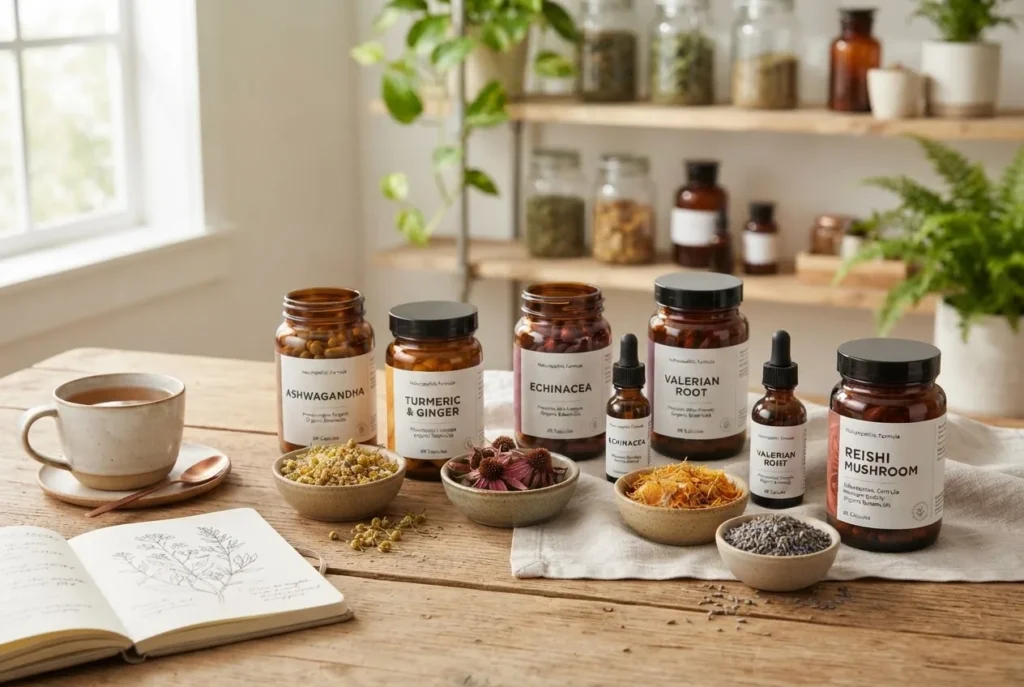
Herbal supplements are concentrated preparations of plants used to support health, deliver botanical nutrients and target symptoms or systems; they can be teas, capsules, tinctures or food supplements and are used in natural medicine to promote wellness, manage mild conditions and complement conventional care when used safely and appropriately.
Introduction to Herbal Supplements
Answer: Herbal supplements are plant-based products taken to support health, supply herbal vitamins, or provide therapeutic compounds; they range from single-herb extracts to complex botanical formulas used in naturopathy and traditional systems.
Term: Herbal supplements — concentrated preparations of plants or plant parts (roots, leaves, flowers, seeds) taken to support health or address specific symptoms.
Herbal supplements sit at the intersection of dietary supplements and botanical medicine: many are marketed as herbal dietary supplements or herbal food supplement products, while practitioners use them as part of herbal therapy or naturopathic care. Distinguishing labels — “botanical supplements,” “herbal vitamins,” or “phytochemical extracts” — describes the intended use and concentration.
Those seeking a single comprehensive resource on usability and benefits can find foundational concepts explained in our pillar piece: Herbal Supplements Guide with Benefits and Natural Medicine Uses.
Term: Botanical medicine — clinical use of plants and plant extracts for therapeutic effect within traditional and contemporary systems.
This introduction defines common terms and sets context for practical use, regulation and safe choice. Read on for the forms, benefits, mechanisms, safety steps and how herbal supplements integrate into holistic health.
Transition: Next we break down the many types and physical forms you’ll encounter when choosing herbs and herbal remedies.
Types and Forms of Herbal Supplements
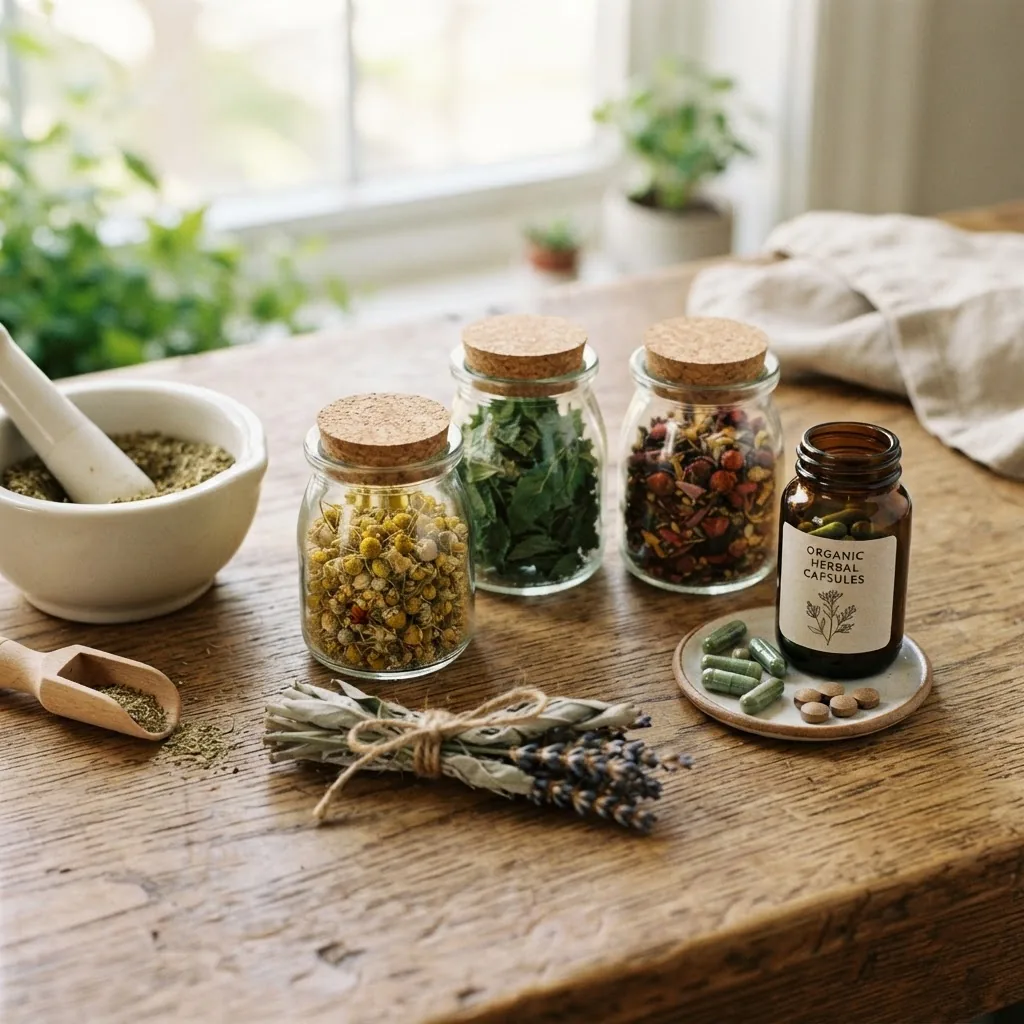
Answer: Herbal supplements come in multiple forms—capsules, pills, tinctures, teas, powders and food supplements—each designed for different dosing accuracy, speed of effect and user preference.
Below is a numbered list of primary types and short examples to help match a form to a goal.
- Capsules and pills — dry powdered herbs or standardized extracts in gelatin or vegetarian capsules for accurate dosing and convenience. Example: turmeric extract capsules; see our deep dive on capsule herbal supplements.
- Tinctures (alcohol/glycerine extracts) — liquid concentrated extracts taken by dropper for fast absorption and adjustable dosing; common in clinical herbalism where practitioner titration is needed.
- Teas and infusions — dried plant parts steeped in hot water; ideal for gentle, short-term use (e.g., chamomile for sleep). For safe brewing and tea choices, consult our guides on herbal tea remedies and medicinal tea safety.
- Tinctured food supplements & extracts — botanical dietary supplements blended into foods or drinks (e.g., adaptogen blends in powders). For broader categories see botanical dietary supplements.
- Standardized extracts — extracts labeled to contain a specific percentage of an active substance (e.g., 95% curcuminoids); useful for reproducible dosing and clinical study translation.
- Powders and superfood blends — whole-herb or extracted powders mixed as smoothies or capsules; commonly sold as herbal health supplements or herbal vitamins.
- Topical preparations — salves, oils and creams made from herbal extracts for local use (e.g., calendula for minor skin irritation).
- Combined formulations — multi-herb products that act as complex botanical formulas, often used for holistic support (sleep blends, immune blends).
- Medicinal herbal pills — traditional pill forms used historically in some systems; see additional context in medicinal herbal pills.
- Herbal food supplements — herbs incorporated into fortified foods or nutrient combos labeled as supplements.
Transition: With forms clear, the next section lists common herbs and concise benefit profiles to match herbs to outcomes.
Common Herbal Supplements and Their Benefits
Answer: Many common herbs—such as turmeric, ginger, Echinacea, garlic, valerian and lavender—have evidence-backed uses for inflammation, digestion, immune support and sleep; benefits vary by formulation and dose.
Below is an informative list of widely used herbal supplements, with short benefit summaries and practical notes on typical uses, evidence level and common preparations.
- Turmeric (Curcuma longa) — anti-inflammatory and antioxidant effects from curcuminoids; used for joint comfort and metabolic health. Common as capsules or standardized extracts (95% curcuminoids). For organic sourcing options see organic vitamins benefits.
- Ginger (Zingiber officinale) — supports digestion and reduces nausea; effective as fresh tea, powdered capsules or tincture.
- Echinacea spp. — immune-stimulating herb used short-term at the start of upper-respiratory symptoms; found as tincture, capsule or tea.
- Garlic (Allium sativum) — cardiovascular support and mild antimicrobial properties; typically consumed as aged extracts or food supplements.
- Valerian (Valeriana officinalis) — supports sleep onset and quality; commonly used as tincture or capsules in sleep blends.
- Lavender (Lavandula angustifolia) — used for anxiety and sleep support; effective as aromatherapy, tea or low-dose oral supplement.
- St John’s Wort (Hypericum perforatum) — evidence for mild-to-moderate depression; significant drug interaction risks — consult a practitioner.
- Milk Thistle (Silybum marianum) — liver-supporting antioxidant flavonolignans (silymarin); usually taken as standardized extract.
- Ginkgo biloba — cognitive support and circulation; used as standardized leaf extract; interacts with anticoagulants.
- Ashwagandha (Withania somnifera) — adaptogen for stress resilience and energy; available as powder, capsules or tincture.
- Rhodiola rosea — adaptogen for fatigue and mental performance; standardized extracts used in capsules.
- Chamomile (Matricaria recutita) — relaxing tea for mild anxiety and sleep; gentle and widely used.
- Holy Basil (Ocimum sanctum) — adaptogenic and stress-modulating; used as tea or capsule.
- Oregano and Thyme — culinary herbs with antimicrobial phytochemicals useful in respiratory or digestive support when used as extracts or essential oils in appropriate forms.
- Aloe vera — used topically for minor burns and internally for bowel support in specific, commercial preparations.
- Propolis — bee-resin product often used for immune support as a tincture or lozenge.
- Chamomile, Peppermint, Fennel — common digestive-support herbs used as teas or herbal blends.
- Traditional Chinese and Ayurvedic herbs — such as ginseng, licorice, schisandra (TCM/Ayurveda), used within system-based formulas; explore cultural preparations in traditional Chinese herbal remedies.
- Herbal vitamins and fortified botanicals — multivitamin-like products delivering botanical extracts plus nutrients to cover dietary gaps; review organic options in organic herbal supplements.
- Herbs used in cancer support — certain herbs may support wellbeing during cancer care but require specialist guidance; for targeted resources see natural herbs supporting cancer care and herbs supporting cancer care.
- Top medicinal herbs lists — for a broader inventory of effective plants, see top medicinal herbs and list of common herbal plants.
Transition: The next section explains how these herbs exert effects—what active substances they contain and how botanical medicine translates plant chemistry into therapeutic action.
How Herbal Supplements Work: Active Substances and Botanical Medicine
Answer: Herbal supplements work through phytochemicals—bioactive plant compounds (alkaloids, flavonoids, terpenes, glycosides) that interact with human physiology to modulate inflammation, neurotransmission, immunity and metabolism.
Term: Phytochemicals — naturally occurring plant chemicals that produce biological effects in humans, including antioxidants, anti-inflammatories, and hormone-like molecules.
The science of botanical medicine studies how whole plants or standardized extracts deliver therapeutic compounds. Mechanisms include:
- Receptor modulation — some phytochemicals bind neurotransmitter or hormone receptors (e.g., GABAergic activity in valerian).
- Enzyme inhibition/activation — curcumin inhibits inflammatory enzymes; some herbs modulate metabolic enzymes affecting drug metabolism.
- Antioxidant and free-radical scavenging — flavonoids and polyphenols reduce oxidative stress.
- Microbial modulation — certain herbs have antimicrobial constituents that alter gut or respiratory microflora.
- Immune signalling — complex polysaccharides or glycoproteins can stimulate innate immune responses (e.g., beta-glucans).
Standardization (labelled active percentages) helps translate traditional use into reproducible dosing. Clinical evidence varies: some herbs have robust randomized trials and meta-analyses, while others rely on observational or traditional-use data. For researcher resources consult herb databases for research and scientific literature on pharmacognosy and phytochemistry.
Botanical extracts can overlap with pharmaceutical development—many pharma drugs are derived from plants (“plants for drugs”)—but pharma herbal products undergo separate regulatory and standardization processes; read more about the botanical-to-pharma bridge in plants for pharmaceutical drugs.
Transition: Knowing how herbs work helps choose and dose them safely; next are practical safety and usage steps with regulatory context.
Using Herbal Supplements Safely and Effectively
Answer: Use herbal supplements safely by checking quality, matching dose to evidence, reviewing interactions, starting low-and-slow, tracking effects, and consulting qualified practitioners for complex conditions or concurrent medications.
Term: Herbal drug interaction — a pharmacological interaction where a botanical compound alters the effect or metabolism of a prescription or OTC medication.
Follow these stepwise best-practice tips:
- Identify your goal — define whether you want daily nutritional support, symptom relief, or a short-term intervention; this determines form and potency.
- Read labels carefully — check ingredient lists, standardized active percentages, serving sizes, contraindications and batch/lot numbers. Look for clear manufacturer contact information and third-party testing claims. Use this walk-through when shopping: read the supplement facts panel, active ingredient amount per dose, and any standardization note for extracts; if the label lacks specifics, treat it as lower-quality.
- Start low, go slow — begin with the lowest effective dose and monitor for adverse effects for at least 7–14 days for most oral herbs.
- Check interactions — compare your herbs with prescription medications using reputable tools; see our interactive herbal drug interaction checker. FDA guidance on dietary supplements and TGA resources offer regulatory safety perspectives; according to a 2023 government report from the TGA, adverse events are often tied to poor manufacturing practices or undisclosed ingredients.
- Consider population-specific cautions — pregnancy, breastfeeding, children, immunocompromised people and those with liver or kidney disease need specialist advice; St John’s Wort, for example, is contraindicated with many drugs.
- Consult qualified practitioners — work with a medicinal herbalist, naturopath or pharmacist for complex care; see options for finding care in finding qualified naturopaths. Insurance guidance is available in insurance coverage for naturopathic care.
- Track outcomes and adverse effects — keep a simple log: herb name, dose, start date, symptom changes, side effects; stop and seek advice if unexpected reactions occur.
- Prefer tested products — choose brands with third-party testing (e.g., USP, NSF), batch testing, or certificates of analysis; organic certifications reduce pesticide risk but don’t guarantee potency.
- Avoid multi-ingredient overload — too many active botanicals can obscure causality for benefits or side effects; prefer single-herb trials when testing a new product.
- Legal and regulatory check — confirm product claims don’t promise to treat or cure diseases (regulated differently); consult official guidance such as FDA dietary supplement pages and peer-reviewed reviews like a 2018 review on herbal safety and efficacy.
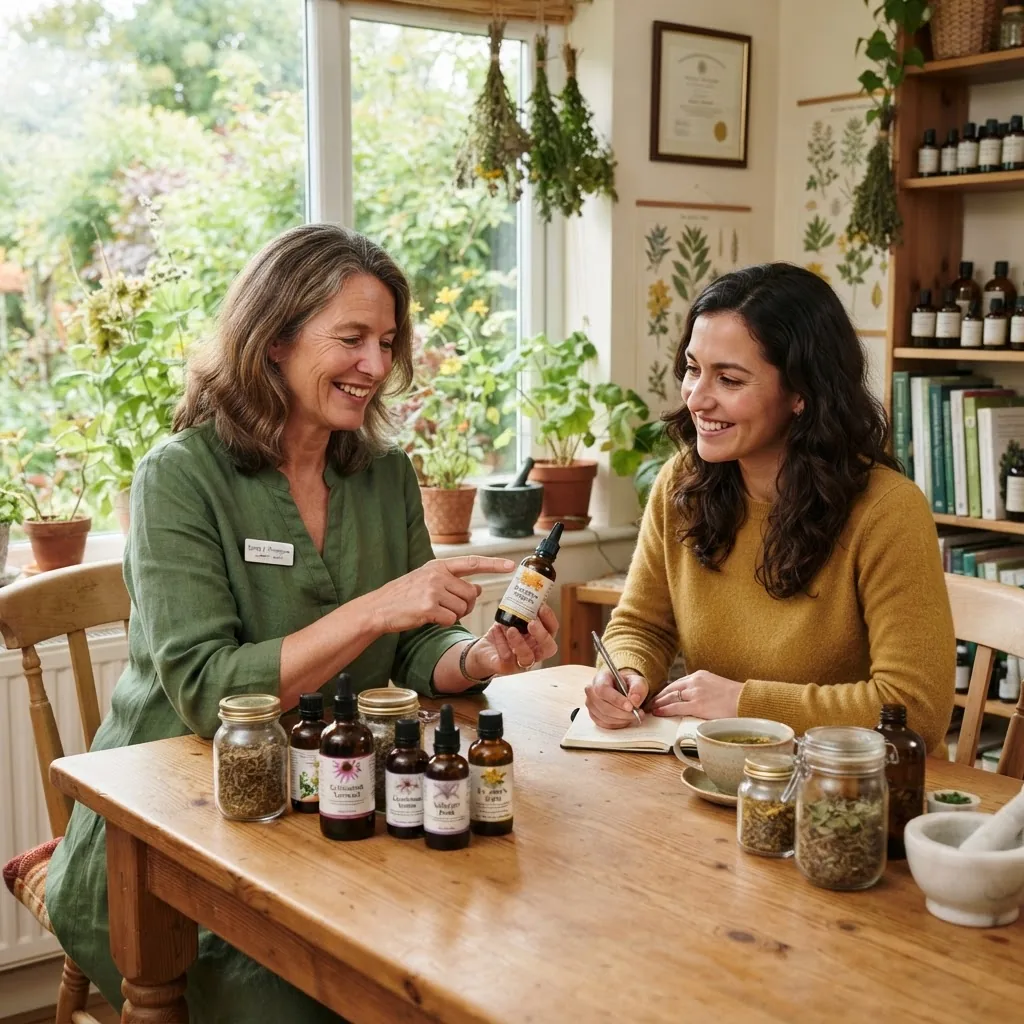
Case example: A 45-year-old with intermittent insomnia tried low-dose valerian capsules (standardized extract) for two weeks, tracked sleep quality, reported improved sleep latency and mild daytime grogginess; after consulting a medicinal herbalist they adjusted timing and dose, resolving grogginess while keeping benefits.
Transition: Safe use is integral to integrative care—next, how herbal supplements function within holistic and natural medicine practices.
Herbal Supplements in Holistic and Natural Medicine Practices
Answer: Herbal supplements are used within holistic practices to support systems (digestion, immunity, stress), complement nutrition and therapies, and as part of individualized naturopathic treatment plans alongside lifestyle, diet and conventional medicine when indicated.
In naturopathy and integrative clinics, herbs are integrated with diet, physical therapies and mental health strategies. Naturopathic doctors and medicinal herbalists may prescribe or recommend botanical formulations; see scope details at naturopathic doctors and herbal prescriptions and learn about combining nutrition and herbs in naturopathic nutrition and supplements.
Examples of integrative uses:
- Chronic stress and sleep — adaptogens (ashwagandha, rhodiola) plus lifestyle counselling and sleep hygiene.
- Digestive complaints — peppermint or fennel teas, herbal bitters with diet adjustments.
- Support during illness — short-term immune support herbs combined with rest and medical care; for symptom-targeted herbal approaches see natural ways to relieve symptoms with herbs.
- Nutrition synergy — combining herbs with holistic diet plans delivered by practitioners such as holistic dietitians; explore holistic nutrition and supplements.
Integrated care often uses both herbal and dietary supplements; for broader integrative approaches see herbal and dietary supplements in integrative health.
Transition: Balanced understanding requires weighing advantages and limitations; the next section summarizes both in a clear comparison.
Advantages and Limitations of Herbal Supplements
Answer: Herbal supplements offer natural-origin benefits and holistic support but have limitations: variable potency, potential interactions, inconsistent regulation and variable evidence levels—choose carefully based on needs and risk profile.

| Advantages | Limitations |
|---|---|
| Natural origin; aligns with traditional and cultural practices. | Variable potency between batches and brands. |
| Often fewer or milder side effects at appropriate doses. | Potential for significant interactions with prescription drugs. |
| Supports holistic, system-based approaches (stress, digestion, immunity). | Regulation and quality control can be inconsistent across jurisdictions. |
| Accessible as teas, capsules, tinctures and food supplements. | Variable evidence: robust for some herbs, limited for others. |
| Can complement conventional therapy when used adjunctively. | Risk of adulteration, contamination or undeclared pharmaceutical agents in low-quality products. |
| Cultural resonance and long histories of empirical use. | Dosing uncertainty without practitioner guidance for some formulations. |
Transition: Understanding trade-offs prepares you to choose quality products; the next section gives practical buying criteria and red flags.
How to Choose Quality Herbal Supplements and Avoid Risks
Answer: Choose quality herbal supplements by verifying third-party testing, clear standardization, identifiable botanical names, transparent sourcing, good manufacturing practices, and avoiding unsupported health claims or undisclosed ingredients.
Use the following checklist when evaluating products, and watch for red flags.
- Clear botanical identification — label should show Latin binomial (e.g., Curcuma longa) and plant part used (root, leaf, flower).
- Standardization and active amounts — look for % of active constituents or milligram amounts of standardized extract.
- Third-party testing or certificates of analysis — USP, NSF, ConsumerLab or independent labs increase trust.
- Manufacturer transparency — company contact, batch/lot numbers, expiry dates and manufacturing site listed.
- Good Manufacturing Practice (GMP) — product should be produced in GMP-certified facilities.
- Ingredient simplicity — prefer single-herb or clearly formulated blends with known doses when testing a new herb.
- Organic certification (where relevant) — reduces pesticide exposure but doesn’t guarantee potency; see organic herbal supplements.
- Avoid unrealistic claims — products claiming to “cure” serious diseases or promising rapid weight loss are red flags.
- Price vs. quality — extremely cheap products may compromise sourcing and testing; compare to trusted brands in best natural health brands.
- Check for contaminants — especially heavy metals, pesticides or microbial contamination in wildcrafted herbs.
Transition: If you’re considering professional guidance, the next section outlines the medicinal herbalist’s role and training pathways.
Role of Medicinal Herbalists and Certification Overview
Answer: Medicinal herbalists assess health history, prescribe individualized herbal regimens, monitor outcomes and advise on interactions; formal training varies from vocational certificates to degree-level herbal science programs.
Medicinal herbalists (sometimes called clinical herbalists) combine plant pharmacology, case-taking skills and safety knowledge to tailor botanical medicines. Term: Medicinal herbalist — a practitioner trained in the clinical use of plant-based medicines.
Training pathways differ by region and role: short courses and diplomas for community herbalists, degree-level medical herbalism and naturopathic doctor programs for clinical practice. For training opportunities, see options like herbalism training for aspiring botanists, herbalism classes and training, and advanced programs such as medical herbalism training.
Regional certification and naturopathy licensing vary; for country-specific pathways, consult resources like naturopathy certification and for finding clinics see finding certified naturopaths.
Transition: To finish, we summarise the practical takeaways for safely embracing herbal supplements in your health routine.
Conclusion and Summary: Embracing Herbal Supplements for Natural Health
Answer: Herbal supplements can be valuable adjuncts for wellness when chosen for quality, used at evidence-based doses, monitored for interactions, and integrated under practitioner guidance; they complement, not replace, conventional medical care.
Key takeaways: verify product quality and standardization, start with realistic expectations, use reliable resources and consult qualified herbalists or NDs for complex care. According to a 2024 industry report, consumer safety improves with better labelling and third-party testing.
If you’re ready to explore herbs, begin with a clear health goal, choose a high-quality single-herb product, track effects, and seek professional guidance to create a safe, personalised plan.
Next step: explore our related practical guides on formulations, training and integrative use throughout the site to build a responsible herbal plan.