
Naturopathic nutritionNaturopathic nutrition is an integrative, evidence-informed approach that combines whole-food dietary strategies, biochemical understanding and naturopathic healing principles to support prevention, chronic-condition management and patient-centered care for certified natural nutritionists seeking clinical application.
Term: naturopathic nutrition — a therapeutic model combining diet, whole foods, supplements and naturopathic principles to restore balance and support health.
Introduction to Naturopathic Nutrition for Certified Natural Nutritionists?
Answer: Naturopathic nutrition is a clinically oriented framework for certified natural nutritionists that prioritizes whole foods, individualized assessment, prevention-focused plans and integrative therapies (including herbal synergy) to optimize patient outcomes and support naturopathic goals.
Certified natural nutritionists who adopt naturopathic nutrition integrate nutritional biochemistry with naturopathic principles—such as prevention through diet, individualized care and supporting the body’s innate healing capacity—to design practical, measurable nutrition plans. This section outlines scope, philosophy and core competencies expected in professional practice.
Term: vitalism — in naturopathy, the historic idea that an intrinsic life force organizes health; used clinically to emphasize supporting innate healing mechanisms.
Transition: With the philosophy established, the next section presents the core principles that translate philosophy into clinical action.
Core Principles of Naturopathic Nutrition?
Answer: Core principles of naturopathic nutrition center on whole-foods first, individualized plans, balance and synergy between nutrients and therapies, prevention through diet, minimal effective intervention, and patient empowerment via education.

- Whole foods first: Prioritize minimally processed, nutrient-dense foods to supply macronutrients and micronutrients in bioavailable forms.
- Individualized nutrition: Tailor macronutrient ratios, food timing and micronutrient support to genetics, lifestyle, lab data and functional status.
- Balance and synergy: Design diets that consider nutrient interactions and food matrices to maximize absorption and metabolic support.
- Prevention through diet: Use dietary strategies to reduce chronic-disease risk and support immune resilience.
- Minimal effective intervention: Prefer low-risk, high-impact strategies (food, habit change) before escalating to supplements or more invasive measures.
- Patient education and empowerment: Use shared decision-making and practical tools so clients can maintain long-term changes.
- Systems approach: Treat the body as an ecosystem—digestive health, hepatic detox pathways, microbiome and psychosocial factors are equally considered.
Each principle supports clinical decision-making: for example, whole foods first shapes dietary prescriptions, while balance and synergy inform supplement choices and herbal-nutrition interactions.
Transition: After principles, the article defines the professional role and responsibilities for certified natural nutritionists in naturopathic practice.
The Role of a Certified Natural Nutritionist in Naturopathic Practice?
Answer: A certified natural nutritionist assesses diet and lifestyle, formulates individualized plans, educates patients, collaborates with naturopathic doctors, and practices ethically within their scope to support patient health using naturopathic nutrition.
Certified natural nutritionists bring clinical skills to naturopathic teams: dietary analysis, lab interpretation, counseling and program implementation focused on natural healing methods. Responsibilities vary by jurisdiction and certification level; coordination with licensed naturopathic doctors improves care for complex conditions.
Term: certified natural nutritionist — a practitioner credentialed to provide nutrition counseling and implement natural dietary strategies; scope depends on local regulation.
- Conduct comprehensive nutritional assessment, including dietary analysis and lifestyle evaluation.
- Interpret functional labs with attention to nutrient deficiencies, malabsorption and metabolic patterns.
- Design evidence-informed dietary plans and supportive supplement strategies while documenting informed consent and limitations of practice.
- Provide ongoing patient education and behavior-change coaching.
- Refer or collaborate with naturopathic doctors, medical doctors or other specialists when care exceeds scope.
naturopathy certification requirements in Canada can inform credential pathways and referral networks for practice growth.
Transition: To design targeted interventions, certified nutritionists must understand nutritional biochemistry and functional foods, discussed next.
Nutritional Biochemistry and Functional Foods in Naturopathic Nutrition?
Answer: Nutritional biochemistry explains how macronutrients and micronutrients support metabolism, enzymatic reactions and cellular repair; functional foods provide concentrated bioactive compounds that offer therapeutic benefits when integrated with naturopathic strategies.
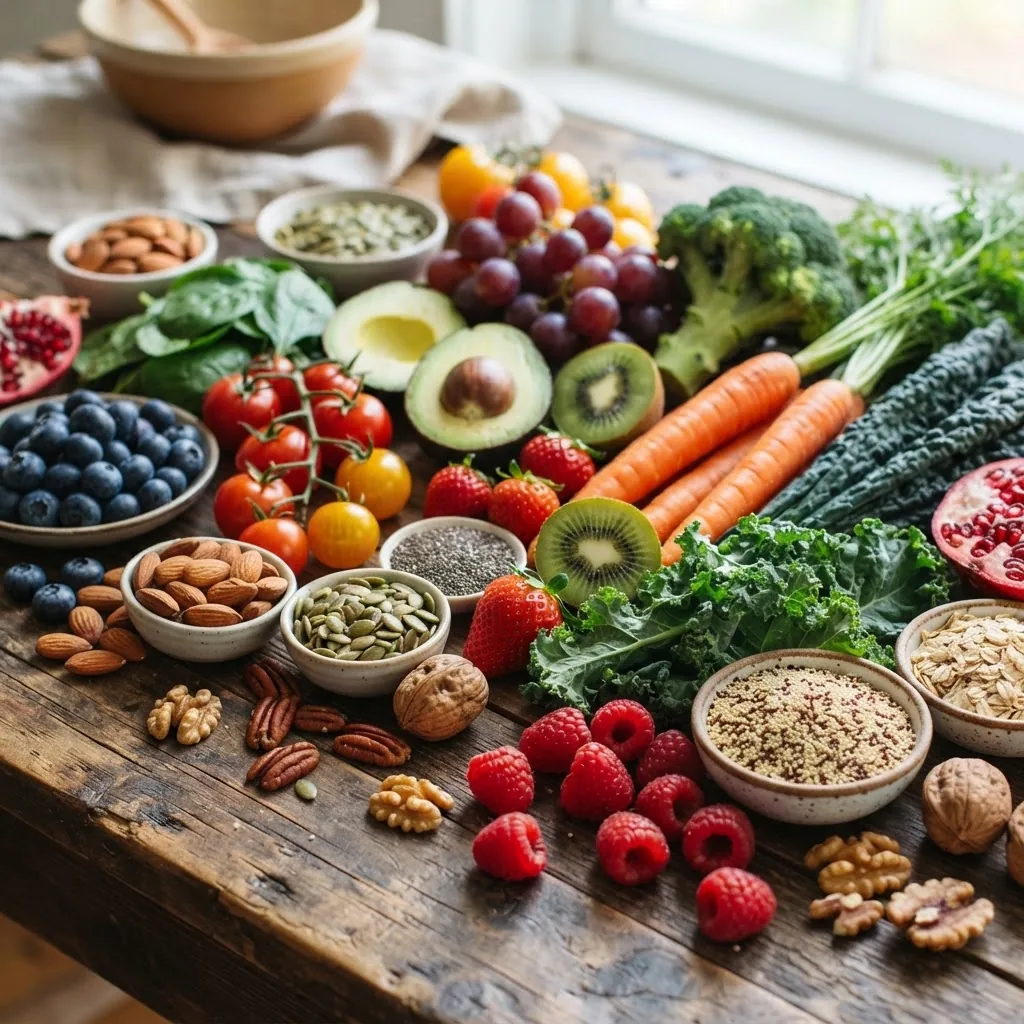
Understanding digestion and absorption is critical: macronutrients (carbs, proteins, fats) supply energy and substrates; micronutrients (vitamins, minerals) act as cofactors; phytochemicals modulate signaling and antioxidant capacity.
Term: phytochemicals — plant-derived bioactive compounds (e.g., flavonoids, glucosinolates) that influence human physiology beyond basic nutrition.
Illustrative examples:
- Omega-3 fatty acids: EPA and DHA (from fatty fish or algae) support cell membrane fluidity and anti-inflammatory pathways; recommend food-first sources, then targeted supplementation for deficiency.
- Vitamin D: Acts as a hormone modulating immune function; insufficiency is associated with increased infection risk and metabolic dysregulation—monitor 25(OH)D levels.
- Fermented foods: Provide live microbes and metabolites that enhance gut barrier integrity and nutrient absorption.
- Cruciferous vegetables: Provide glucosinolates supporting hepatic detox enzymes (phase II conjugation) in synergy with sulfur-containing amino acids.
Practical metabolic insights:
- Protein digestion: adequate proteolysis and amino-acid absorption are prerequisites for methylation, neurotransmitter synthesis and repair.
- Fat-soluble vitamin absorption depends on bile production and pancreatic lipase; consider bile-supportive herbs or enzymes when malabsorption is suspected.
- Mineral interactions: excessive calcium can inhibit iron absorption; vitamin C enhances non-heme iron uptake.
- Functional foods (e.g., turmeric, garlic, fermented soy) provide phytochemicals that can be dosed through dietary patterns rather than isolated extracts.
Transition: With biochemistry and food choices understood, certified nutritionists use structured assessment workflows to personalize plans.
Nutritional Assessment and Personalized Dietary Planning Techniques?
Answer: Use a stepwise assessment—intake, lifestyle, targeted labs, food-sensitivity testing, formulation, monitoring—to create individualized, evidence-aligned dietary plans and supplementation protocols.
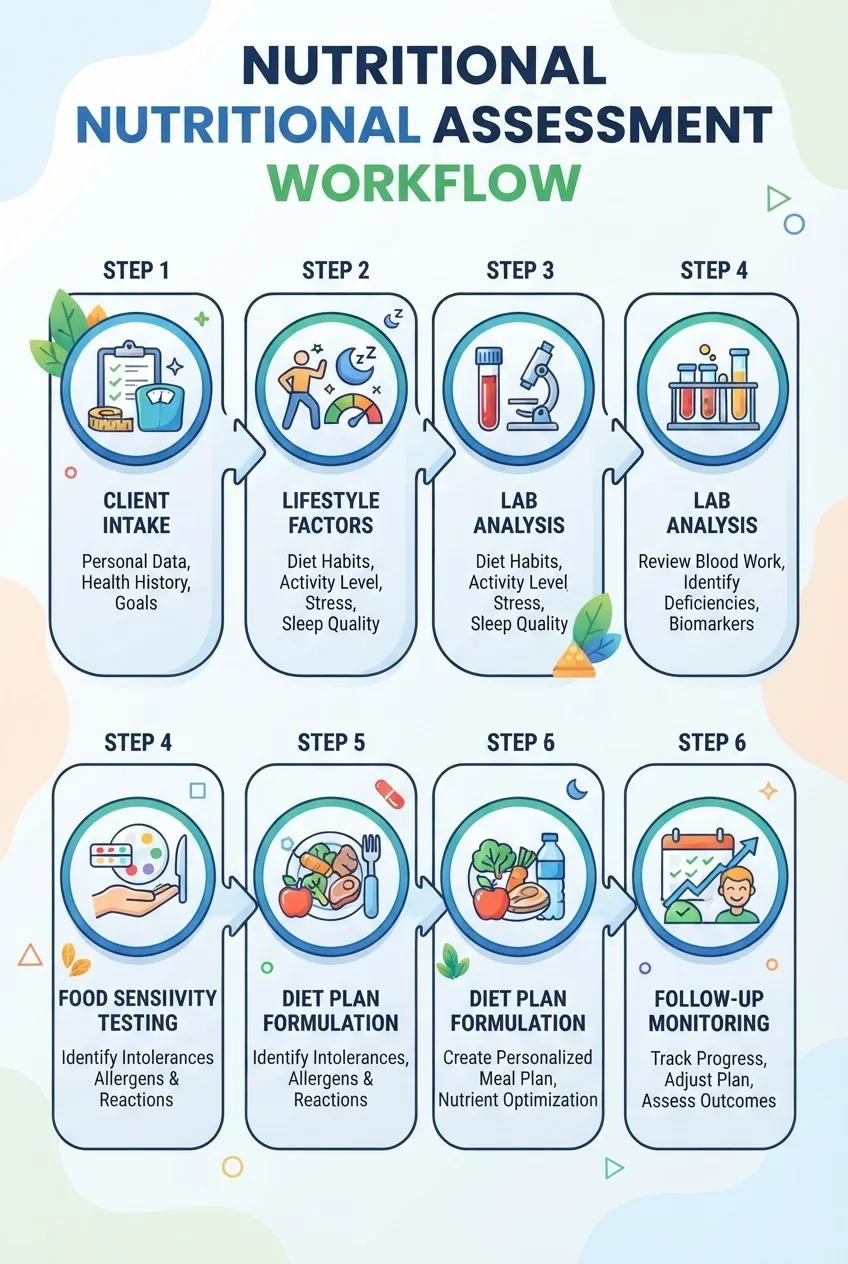
- Step 1 — Initial intake:
- Collect detailed dietary recall, sleep, stress, activity, environment and medication/supplement list.
- Use validated tools (food-frequency, 24-hour recalls) for quantitative baseline.
- Step 2 — Lifestyle evaluation:
- Assess circadian patterning, shift work, alcohol and movement—these modulate metabolic response to diet.
- Step 3 — Targeted labs:
- Order or interpret labs relevant to the case (CBC, CMP, thyroid panel, 25(OH)D, ferritin, homocysteine, GI stool, micronutrient profiles).
- Document lab rationale and expected changes with nutritional interventions.
- Step 4 — Food sensitivity and elimination:
- Consider elimination diets or structured re-challenges for IgE/IgG–mediated reactions and symptom-driven intolerances.
- Step 5 — Plan formulation:
- Create a practical plan with goals, meal templates, nutrient targets, and supportive herbs/supplements where indicated.
- Step 6 — Follow-up and monitoring:
- Define outcome measures (symptom scores, labs, functional tests) and schedule reviews at 4–12 weeks depending on intervention intensity.
Checklist for plan creation:
- Clear clinical goals and measurable outcomes.
- Food-first prescriptions with alternatives for cultural or budgetary constraints.
- Evidence-based supplementation protocols with dosing windows and expected timeline.
- Safety screen: allergies, drug–supplement interactions, pregnancy/lactation, renal/hepatic impairment.
- Documented shared decision-making and informed consent.
| Assessment Tool | Use | When to Use |
|---|---|---|
| 24-hour recall | Baseline intake quantification | Initial consult |
| Food-frequency questionnaire | Pattern identification | Chronic disease risk assessment |
| Functional labs | Targeted metabolic insights | Suspected deficiencies or dysregulation |
Transition: For clients requiring detox or supportive dietary resets, apply structured protocols with attention to nutrient replenishment and safety.
Detoxification and Supportive Dietary Protocols in Naturopathy?
Answer: Detoxification protocols in naturopathy are structured dietary and lifestyle plans that support hepatic phase I/II pathways, renal elimination, gut clearance and nutrient replenishment while emphasizing hydration and balanced macronutrients.
Core supportive elements include:
- Liver-supportive foods: cruciferous vegetables, alliums, citrus, chlorophyll-rich greens.
- Hydration and electrolyte balance to support renal clearance.
- Gently increased fiber and prebiotic foods to support elimination and microbiome health.
- Nutrient replenishment: B vitamins, magnesium, amino acids for conjugation and glutathione synthesis.
- Gradual reintroduction and monitoring to avoid rebound symptoms.
Checklist for safe detox protocols:
- Screen for pregnancy, lactation, severe chronic disease or active psychiatric conditions.
- Set realistic duration (commonly 7–21 days depending on goals).
- Provide symptom-management strategies and escalate care for adverse events.
- Plan post-detox nutritional transitions to sustainable eating patterns.
natural symptom relief remedies can be included to manage transient detox symptoms like headaches or fatigue.
Transition: Herbal supplements are commonly used to support detox and broader nutritional goals; integration guidance follows.
Integrating Herbal Supplements with Naturopathic Nutrition?
Answer: Integrate herbs by matching botanical pharmacology to nutritional goals, dosing for synergy with whole-food strategies, assessing safety, and monitoring for herb–drug or herb–nutrient interactions.
Herbal synergy examples and application:
- Milk thistle (Silybum marianum): supports hepatocyte repair and bile flow; useful adjunct to phase II support when used alongside sulfur-rich foods.
- Ginger (Zingiber officinale): aids digestion and enhances gastric motility, improving nutrient absorption when paired with protein-rich meals.
- Ashwagandha (Withania somnifera): adaptogen supporting HPA-axis regulation; integrate into stress-related eating plans with monitoring for thyroid interactions.
Herbal Supplements Guide with Benefits and Natural Medicine Uses is the primary resource for herb profiles, dosing considerations and safety information supporting clinical use.
botanical dietary supplements benefits and capsule herbal supplements health benefits cover delivery forms and bioavailability considerations.
Cross-cultural considerations:
- traditional Chinese herbal nutrition offers frameworks (e.g., warming/cooling energetics) that can inform food-herb pairing when culturally appropriate.
- herbalism training and botany fundamentals improves clinical herb identification and sourcing.
top medicinal herbs for nutrition and integrative health supplements provide quick-reference herb selections for common nutritional targets.
Safety framework:
- Assess contraindications (pregnancy, anticoagulant use, hepatic impairment).
- Start with low doses and titrate, documenting response.
- Consider pharmacokinetics: some herbs may alter CYP enzymes and nutrient metabolism—screen medication lists carefully.
Transition: The following section demonstrates real-world application via case studies.
Case Studies: Applying Naturopathic Nutrition in Practice?
Answer: Case studies show stepwise assessment, targeted dietary interventions, herbal-supplement synergy and monitoring that produce measurable patient outcomes while documenting safety and scope.
Case 1 — Functional IBS with Fatigue
Presentation: A 34-year-old female with bloating, alternating stools and postprandial fatigue. Labs: borderline iron, low ferritin, normal TSH.
Intervention: Implement low-FODMAP trial for 4 weeks with concurrent prescriptive meal templates emphasizing iron-enhancing foods (vitamin C co-consumption), targeted iron bisglycinate supplement and ginger tea for motility.
Outcome: At 8-week follow-up symptom score down 60%, ferritin increased from 18 to 28 ng/mL. Adjust plan to liberalize diet and continue monitoring.
Clinical note: Use staged reintroduction and document symptom–food relationships.
Case 2 — Metabolic Syndrome Risk Reduction
Presentation: A 52-year-old male with central adiposity, fasting glucose 6.1 mmol/L and elevated triglycerides.
Intervention: Mediterranean-style dietary prescription emphasizing monounsaturated fats, high-fiber legumes, daily physical activity, omega-3 food sources and berberine-supplement evaluation for glycemic control.
Outcome: After 12 weeks fasting glucose improved to 5.5 mmol/L and triglycerides decreased 25%; documented lifestyle adherence and updated lab targets.
Case 3 — Supportive Care alongside Oncology
Presentation: A 60-year-old patient undergoing chemotherapy seeking nutritional support for fatigue and appetite loss.
Intervention: Emphasize protein-energy dense meals, small frequent nourishing broths, ginger for nausea, and selected herbs after oncology-team clearance. Integrate eat-to-tolerance approach and micronutrient repletion when indicated.
Outcome: Improved energy and weight stabilization; regular communication with oncology team ensured safety.
natural cancer treatments and herbal remedies is a resource for complementary considerations; always coordinate with oncology providers.
Transition: After concrete cases, readers should consider the evidence base behind these approaches.
Evidence-Based Research Supporting Naturopathic Nutrition?
Answer: Research includes clinical trials and meta-analyses showing benefits of whole-food dietary patterns, certain supplements and integrative care models; evidence quality varies and emerging studies refine practice guidelines.
Stat block — Selected studies and summaries:
- According to a 2023 meta-analysis published in Journal of Alternative and Complementary Medicine (peer-reviewed journal), individualized integrative nutritional interventions improved patient-reported outcomes in chronic fatigue and GI disorders compared to standard diet advice (Journal reference).
- According to a 2022 systematic review from a nutrition society report, Mediterranean-style whole-food diets reduce cardiovascular events and metabolic risk markers (government and society guideline-level evidence) (NIH database).
- According to a 2024 industry report on dietary supplements (regulatory/industry data), variability in supplement bioavailability highlights the need for food-first strategies and disclosed manufacturing standards (NIH ODS).
Interpretation guidance:
- Prioritize high-level evidence for broad recommendations (systematic reviews, RCTs) and use lower-level evidence for individualized, mechanistic approaches.
- Document where evidence is emerging and discuss uncertainty with patients.
Transition: Ethical practice and scope considerations shape how certified nutritionists apply these findings.
Challenges and Ethical Considerations for Certified Natural Nutritionists?
Answer: Key challenges include staying within scope of practice, ensuring patient safety, recognizing contraindications, respecting cultural preferences, and maintaining professional boundaries while coordinating care with other providers.
Common ethical issues:
- Scope of practice: avoid diagnosing medical conditions beyond credentialing and refer when necessary; see medication prescription limitations.
- Informed consent: document expected benefits, known risks and uncertainties, especially for off-label herbal uses.
- Equity and access: consider socio-economic constraints when recommending whole-food patterns or supplements.
- Insurance and reimbursement considerations affect patient access; see naturopathic doctor insurance coverage.
Transition: Finally, examine future directions and practical next steps for professionals.
Conclusion and Future Trends in Naturopathic Nutrition?
Answer: Naturopathic nutrition for certified natural nutritionists emphasizes whole-food interventions, individualized plans, herbal-nutrition synergy and evidence-informed practice; future trends include digital tools, biomarker-guided personalization and integrated care pathways.
Key takeaways:
- Adopt whole-foods-first frameworks and prioritize nutrient bioavailability.
- Use structured assessment workflows, functional labs and measurable outcomes.
- Integrate herbs cautiously, supported by evidence and coordinated care.
- Invest in continuing education, interdisciplinary collaboration and patient-centered communication.
Call to action: Start applying this framework in your next client plan, review the linked herbal supplement resources for safe integration, and pursue ongoing training to expand clinical tools and improve patient outcomes.