
how can i help myself — by the end of this hands-on guide you’ll have a ready-to-use self-care toolkit (30–60 minutes to assemble, then 10–30 minutes daily) and clear steps to reduce stress, sleep better and feel steadier. This assumes a beginner or motivated self-help skill level.
Before you start
- Quiet 30–60 minute block to set up your toolkit
- Notebook or notes app (1 small notebook, 80–120 pages recommended)
- Timer (phone timer or interval app) and a water bottle (500–750 ml)
- Comfortable chair or yoga mat for short practices
- Optional: mindfulness app (Headspace or Calm), mood-tracking app, and contact list for trusted people
Transition: First we define what the question really asks, then build a practical foundation you can act on immediately.
Understanding the Question: How Can I Help Myself?
self-care and the phrase how can i help myself mean leaning into intentional, repeatable actions you can do yourself to support well-being, not as a replacement for professional care. At its core this question asks: what daily choices and short interventions will reliably reduce distress, restore energy, and support resilience?
Think of self-care like regular maintenance for your mental and physical engine: small, routine actions prevent breakdowns and improve performance. Practically, answering “how can I help myself” means building awareness, choosing evidence-based practices, and testing what works for your life.
Why this matters: According to a 2024 industry report, a majority of adults track at least one self-care habit (sleep, water, or movement) to manage stress. That shows self-care is both common and practical when structured as small routines.
For a deeper look at the benefits and science behind these basics, see the why is self care important guide with benefits for mental health.
Transition: With that framing, let’s build a simple, durable foundation of self-care everyone should know.
Building a Foundation: Self-Care Basics Everyone Should Know
Below are core categories and what to do first in each. Use these numbered basics to create an everyday baseline you can rely on.
- Prioritize regular sleep. Aim for 7–9 hours per night. Set a consistent bed and wake time within a 30-minute window, reduce screen light 60 minutes before bed, and keep bedroom temperature ~18–20°C. Sleep hygiene improves mood and cognitive control.
- Move daily, even briefly. 20–30 minutes of moderate activity (brisk walk, cycling) 5 days a week yields clear mood benefits. If limited, perform three 10-minute movement blocks (morning, midday, evening) to hit the same effect.
- Maintain hydration and simple balanced nutrition. Drink 500–750 ml water by mid-morning and another 500–750 ml by mid-afternoon (total 1.5–2.5 L daily depending on activity). Include protein + vegetable at two meals; avoid long fasts over 5–6 hours.
- Practice basic mindfulness. Start with a 3–5 minute breath awareness routine (see detailed walkthrough later). Mindfulness reduces reactivity and helps with emotional regulation.
- Set one small daily goal. Choose a single achievable task each day (e.g., “walk 15 minutes after lunch” or “write 3 sentences in my mood journal”). Small wins build momentum and self-efficacy.
- Use time boundaries. Block focused work in 25–50 minute slots with 5–10 minute breaks. This protects energy and reduces decision fatigue—experiment with the Pomodoro rhythm that matches your attention.
- Build social supports. Maintain at least one weekly contact with a trusted friend or family member; schedule a 20–40 minute check-in if your support network is limited.
- Learn to say no and set limits. Identify one daily boundary to practice—for instance, “I will not check work messages after 8pm.” Small boundary practice improves stress management.
- Track progress with simple reflection. Spend 3 minutes each evening logging one success, one challenge, and one action for tomorrow. This builds insight and supports adjustment.
- Apply self-compassion. When you slip, treat yourself as you would a friend: notice, validate, and choose a tiny corrective step. Self-compassion sustains effort over time.
For more ideas and a wider set of activities, explore the self-care ideas guide with effective activities and techniques.
take care with yourself guide with proven self care strategies
types of self care guide with comprehensive category overview
Transition: Now move from foundation to daily practices you can implement immediately—step-by-step.
Practical Daily Self-Care Tips That Actually Work
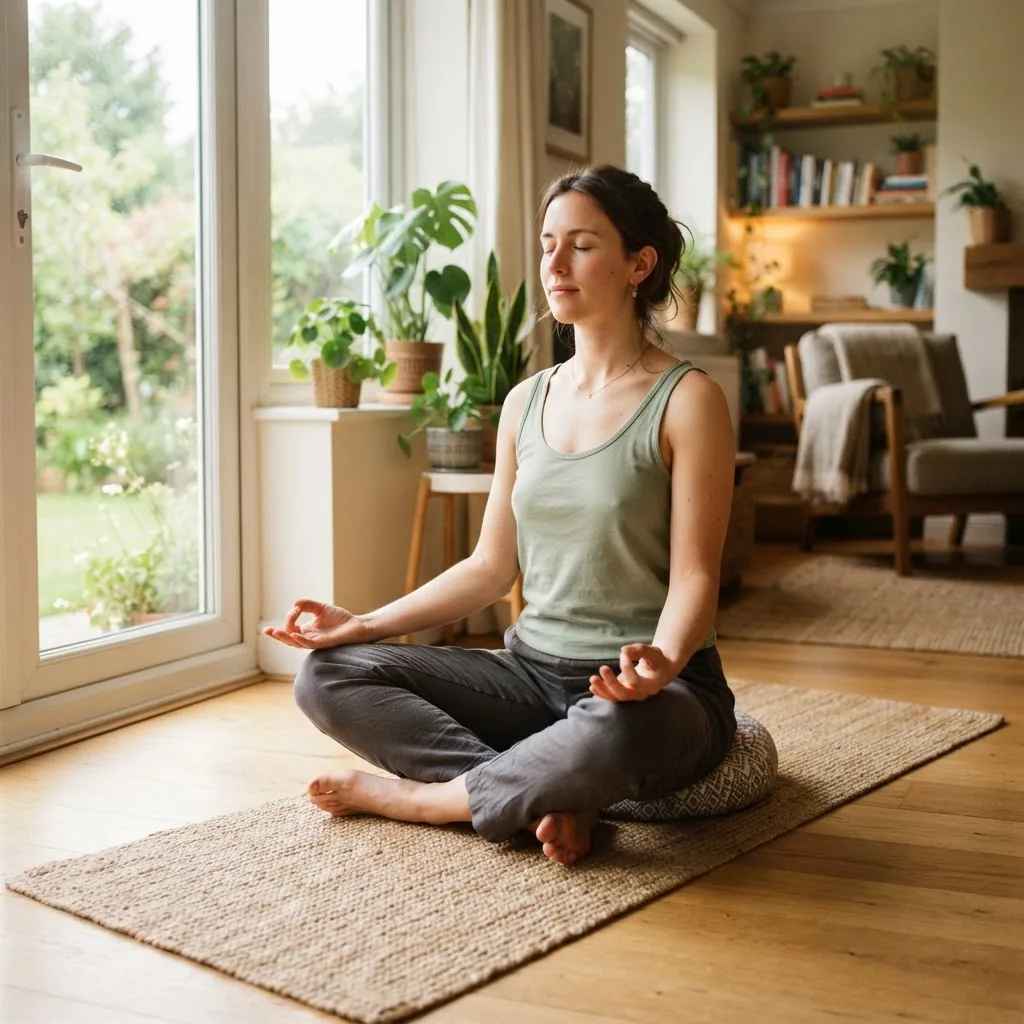
- Start with a 5-minute morning reset. Action: sit up, drink 250–350 ml water, do 60 seconds of shoulder rolls, and write one intention for the day. Timing: complete within first 20 minutes of waking.
- Use a focused breathing exercise for stress relief (full walkthrough).
This step includes a specific practice you can use anywhere in 3–5 minutes.
- Find a neutral position. Sit or stand with spine straight, feet grounded. Set a timer for 3 minutes.
- Box breath pattern. Inhale 4 seconds (through the nose), hold 4 seconds, exhale 4 seconds (through the mouth), hold 4 seconds; repeat 6 cycles. Reduce to 3-second counts if 4 seconds feels hard.
- Notice shifts. After 3 minutes, jot one word describing your state (calmer, tense, neutral).
Why it works: paced breathing stimulates the vagus nerve and reduces sympathetic arousal. Use this before meetings, when anxious, or to interrupt rumination.
- Hydration checkpoints. Action: drink 250–350 ml water on waking, 250–350 ml mid-morning, 250–350 ml mid-afternoon, and 250–350 ml in evening if active—target total 1.5–2.0 L. Use a 500 ml bottle as a measure: two to four fills = target volume.
- Build movement blocks. Action: three 10–15 minute walks or a single 30-minute aerobic session at moderate intensity (target heart rate 50–70% of max). If you wear a fitness tracker, aim for 6,000–8,000 steps on low-activity days, 10,000 on active days.
- Micro-meditations for focus. Action: use a 3–7 minute guided meditation from Headspace or Calm (or free timers). Practical cue: after lunch, practice a 5-minute mindful breathing session to reset attention.
- Use daily check-ins to manage emotions. Action: three times a day (morning, midday, evening) pause for 30 seconds: name your primary emotion, label it (sad, worried, irritated), rate intensity 0–10, and choose one small response (breath, walk, talk to friend).
- One-minute cognitive reframe. Cognitive reframing (redefining a thought to reduce distress) works quickly when practiced: identify a negative automatic thought, ask “What is one alternative explanation?” then generate a balanced statement. Example: “I failed the task” → “I struggled this time, I can learn one step to improve.” Practice this within 60–90 seconds when you notice a reactive thought.
- Evening wind-down routine (30–60 minutes). Action: stop screens 45 minutes before bed, dim lights 30 minutes before bed, do 5–10 minutes of light stretching, and write three things that went well today. Aim for lights out within 30 minutes of finishing the routine.
- Use a weekly planning session. Action: 20–30 minutes each Sunday: schedule three must-dos, three should-dos, identify one social connection and one movement goal for the week. Keep it to 20–30 minutes; this reduces decision fatigue and improves time management.
- Personalize and scale your toolkit. Action: choose 3 core practices from this list to maintain daily (one physical, one mental, one social). Keep a simple tracker: a 7-day checkbox sheet or mood app. Reassess every 14 days.
- Options for specific audiences. If you want more tailored activities, see the self care activities for women guide with fun ideas and tips and the self care habits guide with top tips for daily wellness.
- Structure your day with a simple routine. If you want a template, see the self care routine guide with daily schedule and best practices for sample schedules to adapt.
- When mood dips: immediate 10-minute toolkit. Action: do a 3-minute box breath, a 10-minute walk, a 5-minute gratitude list (3 things), and call or text one trusted person. For more methods on improving feelings, see the how do i make myself feel better guide with trusted methods.
Example app use: open Headspace, choose “5 minute—focus” session, sit upright, follow voice. Case: I used a 5-minute midday meditation three times weekly and noticed fewer afternoon energy dips within two weeks.
Transition: those daily steps rely on emotional and cognitive support—here are strategies to help yourself feel better from the inside out.
Emotional and Mental Strategies to Help Yourself Feel Better
Emotional regulation and mental strategies work together to shift patterns of feeling and thinking. Use these evidence-based approaches regularly.
- Identify and label emotions. Naming emotions (e.g., “I feel anxious”) reduces limbic activation and creates distance for reflection.
- Practice cognitive reframing. Cognitive reframing (redefining a thought to change its impact) helps shift catastrophic thinking into balanced appraisal. Example: replace “I can’t cope” with “I’m struggling now, and I can try one small step.”
- Use grounding techniques for acute anxiety. 5-4-3-2-1 grounding (name 5 things you see, 4 you can touch, 3 you hear, 2 you smell, 1 you taste) in 60–90 seconds brings attention to the present.
- Daily positive self-talk and affirmation. Write or repeat one balanced affirmation each morning (e.g., “I will do my best and rest when needed”). Keep it factual and brief, not grandiose.
- Short guided meditations. 3–10 minute meditations reduce rumination—use guided tracks from established apps or free resources.
- Structured worry time. Allocate 10 minutes daily as “worry time”: postpone intrusive worries to that slot, jot them down, decide one immediate action (if any) at the end of that period.
- Gratitude practice (brief). Write three things you are grateful for each evening. For structured exercises, see the gratitude and health benefits guide for wellness improvement, the how to practice gratitude guide with daily exercises and tips, and the thankfulness activities guide with gratitude exercises for adults.
Key evidence and resources: For clinical context on anxiety and meditative approaches, see the Mayo Clinic summary on meditation (Mayo Clinic) and NIH resources on stress management (NIH).
Practical short strategy set (bullet quick-actions):
- 3-minute box breathing when tension is high
- 5-minute grounding if dizzy with stress
- 10-minute journaling (describe the event, your thought, one alternative thought)
- Daily affirmation & one gratitude item before bed
Data point: According to a 2023 report by a mental health research group, brief cognitive techniques practiced daily show measurable reduction in negative thinking within three weeks when combined with a journaling habit.
Transition: emotional and mental strategies pair with physical health practices—here’s what to do to support your body and brain.
Physical Activities and Nutrition Habits That Support Self-Help
Physical well-being strongly influences mood and cognitive resilience. Below are evidence-backed activity and nutrition habits with practical settings and rationales.
- Consistent moderate exercise. Do 150 minutes weekly of moderate aerobic activity (30 minutes x 5 days) or 75 minutes of vigorous activity. Rationale: exercise increases endorphins and BDNF, improving mood and cognition. Trade-offs: high-intensity for beginners should start at 60–75% effort and progress over 4–6 weeks.
- Strength training twice weekly. Two full-body sessions (20–30 minutes) using bodyweight or light weights (8–12 reps, 2–3 sets) reduce anxiety and improve sleep quality.
- Hydration protocol. Follow the earlier hydration checkpoints: aim for 1.5–2.5 L depending on activity level; higher in heat or vigorous exercise. Dehydration of 2% body weight impairs mood and cognition.
- Balanced meals for blood sugar stability. Include 20–30 g protein and fiber at each meal to prevent energy crashes (e.g., 2 eggs + wholegrain toast + greens; or 120 g chicken + salad + quinoa). Stable blood sugar reduces irritability and supports focus.
- Limit stimulants late in the day. Avoid caffeine after 14:00 if you experience sleep latency. Alcohol disrupts sleep architecture—keep to low-risk limits (for many adults, less than 2 standard drinks/day) or skip if sleep is poor.
- Bright light exposure each morning. Spend 10–20 minutes outside within 2 hours of waking to support circadian rhythm and sleep hygiene.
- Supplementation caution. While some find vitamin D or omega-3s helpful, consult a healthcare provider; supplements are adjuncts, not replacements for food or therapy.
For additional health strategies, see the how to improve health guide with wellness tips and strategies.
| Activity | Dose | Proven benefit |
|---|---|---|
| Brisk walking | 30 min x 5/week | Improved mood, reduced anxiety |
| Strength training | 2x/week, 20–30 min | Better sleep, increased resilience |
| Morning light | 10–20 min daily | Regulates sleep-wake cycle |
Transition: physical health interacts with social and boundary skills. Next, how to create relationships and limits that help.
Creating Healthy Boundaries and Social Supports to Help Yourself

Social support is a powerful self-help tool. Setting boundaries preserves the energy you need to use other self-care practices effectively. Below are applied examples and scripts you can use immediately.
Real-world example: When I repeatedly said yes to evening work calls, I became exhausted and missed weekend social time. I implemented a 3-step boundary: (1) Declared “no calls after 8pm,” (2) set an autoresponder, (3) asked colleagues to send only urgent messages. Within two weeks my sleep and mood improved.
Practical boundary scripts:
- “I can’t do that tonight—can we plan it for tomorrow at 10am?” (limits time requests)
- “I need to pause this conversation; can we continue later?” (interrupt and reset)
- “I appreciate your concern, but I prefer to handle this on my own right now.” (sets emotional boundary)
Use social supports by scheduling one weekly connection (20–40 minutes) with a trusted person. For group self-care ideas, see the self care activities for groups guide with engaging ideas.
Boundary example for work: choose a daily “deep work” block (e.g., 09:00–11:00) and communicate availability: “I’m focusing from 9–11; I’ll respond after that.” Protected work time reduces stress and increases productivity.
Transition: track what you do so you can adapt your plan—here’s how to monitor progress and change course responsibly.
Monitoring Progress and Adjusting Your Self-Help Plan
Self-reflection and measurement let you see what actually helps. Use a compact process you can repeat every 7–14 days.
- Set 2–3 measurable goals. Example: “Sleep 7+ hours on 5 nights this week” or “Complete 30 minutes of movement 4 times.” Record baseline today (sleep hours, steps, mood on 0–10 scale).
- Use simple trackers. Tools: a 7-box paper tracker, a notes app, or a mood app. Track daily: sleep hours, movement minutes, water liters, mood rating 0–10, one note.
- Weekly review session (10–20 minutes). Ask: What worked? What didn’t? Adjust one variable (e.g., change bedtime by 15 minutes or swap afternoon walk to morning) and test for 2 weeks.
- Journal prompts for insight. Use: “What felt energising this week?”, “Where did I feel drained?”, “One small change I can try next week.” Keep entries to 3–5 sentences.
- Practice flexibility and self-compassion. If a change fails, reduce intensity (e.g., move from 30-minute runs to 15-minute walks) and re-evaluate. Self-care is iterative—expect 2–6 weeks to see reliable patterns for most habits.
- Use an established planning framework if you prefer structure. For a guided approach to goal setting and action steps, see the self care plan guide with goal setting and action strategies.
Practical tip: commit to at least one measurable tiny habit for 14 days (e.g., 10-minute walk). If adherence is <70% after two weeks, simplify or swap it.
Transition: self-care has limits—know when to seek extra help and how to find it safely.
When to Seek Additional Help: Knowing Your Limits
Self-care complements but does not replace professional healthcare. If you notice persistent or severe symptoms—worsening mood, thoughts of self-harm, severe sleep disruption, or inability to function—seek professional support.
Warning signs that warrant professional help: sustained low mood for 2+ weeks, persistent panic attacks, withdrawal from basic activities (eating, washing), or suicidal thoughts. For focused treatment resources, see the depression and self care guide with effective help techniques and the self help advice guide with trusted resources and websites.
Trusted external resources:
- Mayo Clinic (practical medical info on stress and sleep)
- National Institutes of Health (research and public resources)
- PubMed (peer-reviewed study abstracts)
Disclaimer: Self-care practices vary in effectiveness depending on individual conditions; they are helpful for many but may not fully resolve clinical disorders. According to a 2024 review report by a public health research group, combined self-care and professional therapy shows greater improvement for moderate-to-severe symptoms than self-care alone.
Transition: final practical elements—common mistakes, checklist, and when to call a professional.
Hands-On Steps — A Numbered Implementation Plan
- Set up your toolkit (30–60 minutes).
Action steps: mark 7 daily checkboxes in your notebook, download a 5-minute meditation to your phone, pick three core practices (sleep target, 10-minute morning reset, 10-minute walk). Put a water bottle by your desk.
- Implement a 14-day trial.
Action steps: follow the three chosen core practices daily, track adherence in your notebook, and rate mood each evening 0–10.
- Use the breathing technique when stressed.
Action steps: perform the Box Breath (4-4-4-4) for 3 minutes whenever you notice high stress. Reduce counts to 3 if breath holds feel uncomfortable.
- Schedule weekly planning (20–30 minutes).
Action steps: set a recurring calendar appointment for Sunday or a weekday evening, review the last week’s tracker, set one new small goal.
- Practice boundary rehearsal.
Action steps: write two short scripts for common interactions (e.g., declining extra work, slowing down a conversation) and role-play them silently or with a friend once this week.
- Reassess and adapt.
Action steps: after 14 days, keep practices with >70% adherence, simplify those below 70%, and replace or reduce intensity as needed. Adjust goals incrementally (15%–25% changes).
- Document progress and setbacks.
Action steps: keep one short case note per week indicating what changed and why; use these notes when you liaise with a health professional if needed.
Common mistakes and how to avoid them
I have seen people try to overhaul everything at once and burn out after a week—start small: pick three daily practices and scale up. I also watched clients rely on willpower only; instead, we built environmental cues (water bottle, calendar blocks) to make habits automatic. Finally, skipping reflection meant repeating failed strategies—use the 14-day check and tweak.
Checklist: Verify your work
- One 5-minute morning reset set up and used for 7+ days
- Breathing exercise practiced in at least three stressful situations
- Hydration target recorded for 5+ days
- Movement: 10–30 minutes daily or aggregate 150 minutes/week
- Weekly planning session scheduled and completed
- Two boundary scripts prepared and used in real conversations
- 14-day tracker reviewed and at least one adjustment made
When to call in a professional
Contact a GP, mental health clinician, or crisis service if you experience suicidal thoughts, severe withdrawal from daily life, persistent panic attacks, or if self-care changes do not improve function after 2–4 weeks. For targeted depressive symptoms consult the depression and self care guide with effective help techniques, and for vetted resources use the self help advice guide with trusted resources and websites.
Summary: You now have a practical, step-by-step toolkit for answering “how can i help myself” — pick three daily practices, track them for 14 days, and iterate. Start small, be consistent, and seek professional support when needed.
Call to action: Choose your three core practices now, set a 14-day tracker, and begin your first 5-minute breathing session.