
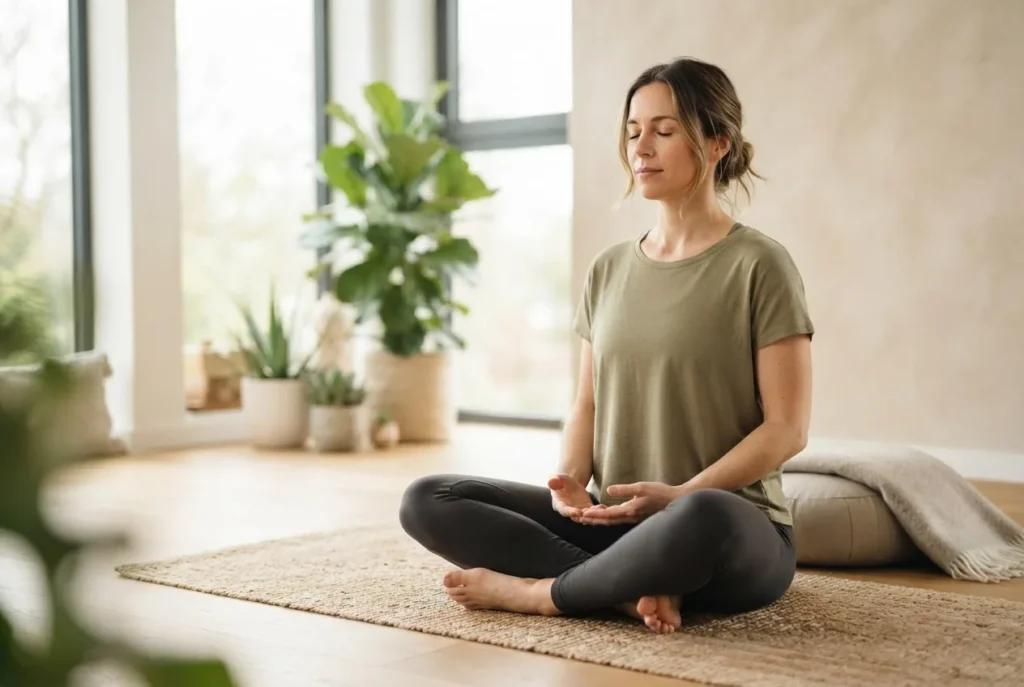
Short answer: No — stress and anxiety are related but not identical. Stress is the body’s short-term response to external pressure; anxiety is a longer-lasting internal state with excessive worry and persistent physiological arousal that can develop into a diagnosable disorder. Recognising the difference guides appropriate coping and treatment.
Understanding Stress: Definition and Symptoms
Answer: Stress is the body’s adaptive response to a perceived demand or threat that triggers short-term physiological and psychological changes designed to help cope; symptoms vary by duration and intensity.
Stress: a physiological and psychological reaction to external demands; it activates the sympathetic nervous system and hormones like cortisol to support short-term coping.
Acute stress is a brief, immediate reaction (e.g., catching a deadline), while chronic stress persists (e.g., prolonged caregiving, ongoing financial strain) and affects health through sustained cortisol elevation and recurrent fight-or-flight activation.

Physiological mechanisms: the fight-or-flight response (sympathetic nervous system) increases heart rate, blood pressure, and releases adrenaline and cortisol; cortisol mobilises energy but prolonged elevation affects immune, metabolic and neural systems.
Common symptoms of stress are primarily situational and reversible when the stressor resolves. Below are typical physical and psychological symptoms:
- Physical symptoms: tension headaches, muscle tightness (neck/shoulders), elevated heart rate, sweating, stomach upset, sleep disruption, frequent colds or lowered immunity.
- Psychological symptoms: irritability, short-term concentration problems, feeling overwhelmed, reduced patience, difficulty making decisions, heightened alertness toward the stressor.
- Behavioural signs: changes in appetite, increased use of stimulants (caffeine) or substances, social withdrawal during high-stress periods.
Clinical framing: stress is not a psychiatric diagnosis in DSM-5 terms but is recognised as a factor that can influence mental health and is included in guidance from organisations such as the American Psychological Association for workplace and life stress management. For practical recognition, track duration, intensity, and whether the response resolves after the stressor ends.
Understanding Anxiety: Definition and Symptoms
Answer: Anxiety is an internal emotional state characterised by excessive worry, cognitive preoccupation, and persistent physiological arousal that may occur with or without external triggers and can meet DSM-5 criteria for anxiety disorders when severe or long-lasting.
Anxiety: an emotional state involving apprehension and heightened arousal, which can be normal but becomes a disorder when it is disproportionate, persistent, and impairs functioning.
Clinical definition and types: Anxiety disorders (per DSM-5) include generalized anxiety disorder (GAD), panic disorder, social anxiety disorder, specific phobias, and others; each has characteristic criteria such as duration, frequency of symptoms, and functional impairment.
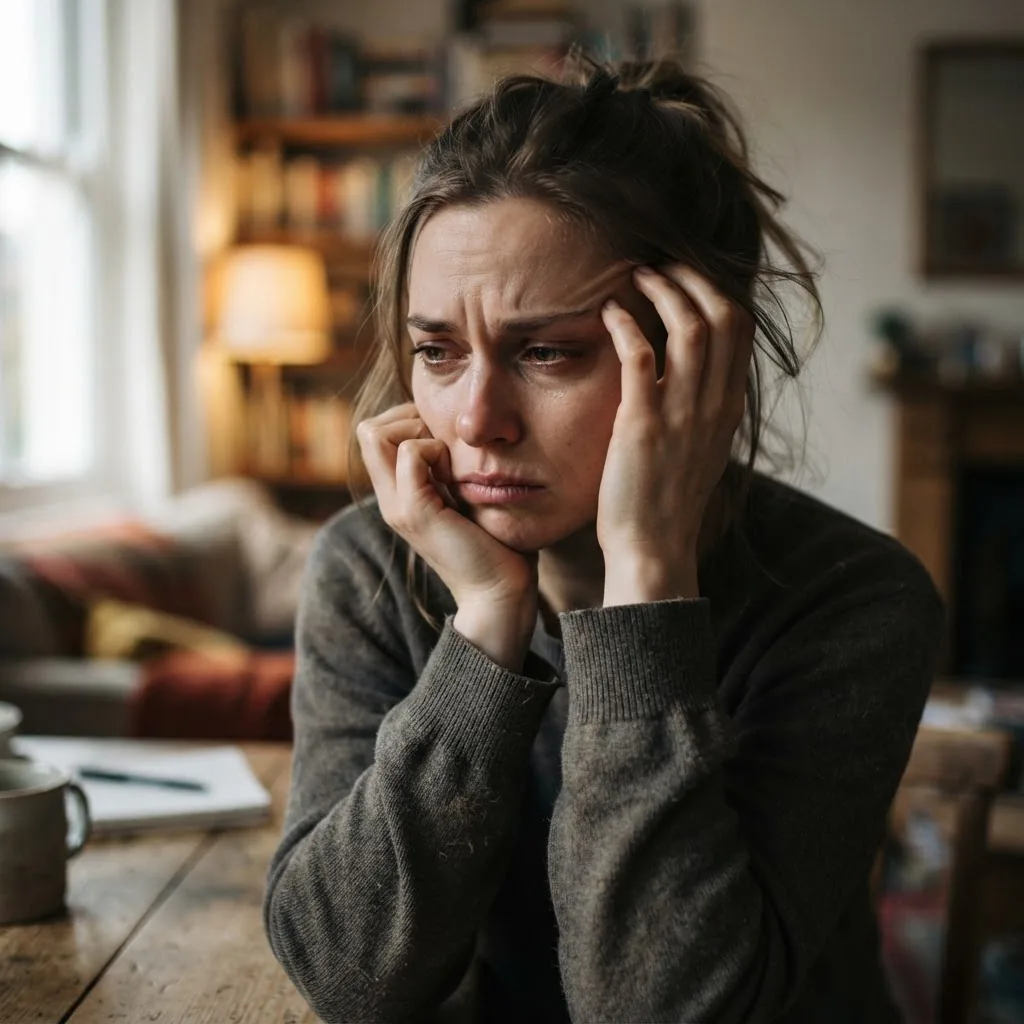
Key features that distinguish anxiety from simple stress include pervasive worry not limited to a specific situation, anticipatory fear, and often cognitive patterns like catastrophic thinking that persist across contexts. Anxiety is maintained by avoidance, hypervigilance, and sometimes by learned associations.
Common symptoms of anxiety (including chronic anxiety disorders):
- Psychological symptoms: persistent and excessive worry, difficulty controlling worry, rumination, intrusive thoughts, fear of losing control.
- Physical symptoms: restlessness, muscle tension, trembling, shortness of breath, palpitations, dizziness, gastrointestinal discomfort, insomnia.
- Behavioral symptoms: avoidance of feared situations, safety behaviours (reassurance seeking), decreased social or occupational functioning.
- Panic attacks: sudden episodes of intense fear with acute physical symptoms (chest pain, choking sensation)—can occur within anxiety disorders like panic disorder.
Diagnostic basics: for Generalized Anxiety Disorder (GAD), DSM-5 requires excessive anxiety and worry occurring more days than not for at least six months, plus three or more associated symptoms (e.g., restlessness, fatigue, concentration problems). For authoritative criteria, refer to clinical guidelines from the National Institute of Mental Health and DSM-5 summaries.
Key Differences Between Stress and Anxiety
Answer: Stress is usually time-limited and tied to an external cause, while anxiety is more internal, persistent, and may lack a clear external trigger; they overlap in symptoms but differ in duration, cognitive patterning, and diagnostic status.
Below is a direct comparison of common dimensions where readers most often confuse the two. Rows alternate shading for ease of reading.
| Dimension | Stress | Overlap | Anxiety |
|---|---|---|---|
| Typical trigger | External event or demand (deadline, conflict) | Triggers can intensify both physical arousal and worry | Often internal or anticipatory, sometimes without clear external cause |
| Duration | Short-term (acute) or linked to ongoing stressor (chronic) | Chronic stress can resemble anxiety over time | More persistent; GAD requires ≥6 months |
| Primary focus | Problem-solving and coping with external demands | Both involve heightened physiological arousal (heart, muscles) | Worry about future, uncertainty, or internal states |
| Function | Adaptive short-term response to motivate action | Both can be adaptive initially but maladaptive if prolonged | Often maladaptive when excessive—impairs functioning |
| Diagnosis (DSM-5) | Not a psychiatric disorder by itself | Stress-related conditions (adjustment disorder) overlap with anxiety symptoms | Several diagnosable disorders (GAD, panic disorder, phobias) |
| Treatment approach | Stress management, problem-solving, lifestyle changes | Mindfulness, relaxation, cognitive strategies help both | Psychotherapy (CBT), medication, targeted interventions |
Explanation: symptom overlap (e.g., sleep problems, tension) makes lay differentiation difficult, but clinicians focus on temporal patterns, degree of worry, avoidance behaviours, and impairment. Organisations such as the American Psychological Association provide guidance distinguishing stress reactions from anxiety disorders.
How Stress Can Lead to Anxiety: Causes and Mechanisms
Answer: Repeated or prolonged stress can dysregulate neurobiology (cortisol, sympathetic activation), reinforce anxious cognitive patterns and avoidance, and therefore increase risk for persistent anxiety or diagnosable disorders in susceptible individuals.
Below are stepwise mechanisms and risk factors that explain how stress may progress into anxiety:
- Acute stress response: initial activation of the sympathetic nervous system and cortisol release mobilises resources; usually adaptive and resolves when the trigger ends.
- Repeated activation and habituation failure: chronic or repeated stress prevents full recovery; baseline arousal remains elevated, increasing sensitivity to future stressors.
- Neurobiological changes: prolonged cortisol exposure affects hippocampal and prefrontal regulation of emotion and fear extinction, which can bias the brain toward worry and hypervigilance.
- Learning and cognitive patterns: persistent stress trains cognitive habits (rumination, catastrophic thinking) that generalise beyond the original stressor, creating internal triggers for anxiety.
- Avoidance and reinforcement: avoidance reduces immediate distress but prevents learning that feared situations are safe, thereby maintaining or worsening anxiety over time.
- Biopsychosocial risk factors: genetic predisposition, early life adversity, poor sleep, substance use, and lack of social support increase vulnerability to stress-to-anxiety progression.
Clinical and research signals: longitudinal studies and reviews show that chronic stress and traumatic stress are predictors for later anxiety disorders; for a recent review on stress-related neurobiology and mental health outcomes see a peer-reviewed synthesis published in a psychology journal.
Population-level data and prevalence: According to a 2023 report from the National Institute of Mental Health, prolonged stressors (economic hardship, global crises) correlated with increased rates of anxiety symptoms in representative surveys, with notable individual differences in resilience and recovery.
Recognizing When Stress Becomes Anxiety: Signs to Watch For
Answer: Stress becomes anxiety when worry is excessive, persistent (weeks to months), interferes with daily functioning, includes avoidance behaviours, or meets DSM-5 duration and symptom thresholds for disorders like GAD.
Use this checklist to self-monitor; items in bold are higher-risk warning signs that warrant professional evaluation if they persist:
- Worry frequency: worry occurs most days for weeks or months rather than only during identifiable stressors.
- Impairment: avoidance of work, social activities, or daily tasks because of fear or worry.
- Physical persistence: continual muscle tension, sleep disruption, or gastrointestinal symptoms despite removing obvious stressors.
- Ruminative thought patterns and difficulty controlling worry.
- Escalating safety behaviours (reassurance-seeking, checking) that maintain anxiety.
- Episodes of panic or intense fear that feel disproportionate to situations.
- Substance use to blunt persistent nervousness or insomnia.
Practical self-awareness tool: keep a two-week log noting triggers, intensity (0–10), duration, and whether symptoms subside when the situation ends; persistent high-intensity ratings outside clear triggers suggest an anxiety disorder trajectory.
Managing Stress and Anxiety: Practical Tips and Resources
Answer: Manage acute stress with immediate calming strategies and manage persistent anxiety with cognitive and behavioural tools, lifestyle adjustments, and professional care when needed; combine short-term relief with long-term resilience building.
Start with practical, evidence-informed steps that map to symptom type and severity:
- Immediate relief (minutes): paced breathing, grounding (5 senses), and brief guided practices to interrupt physiological arousal — these reduce sympathetic tone quickly. For quick options try quick guided meditation techniques and short mindfulness meditations.
- Daily routines (weeks): regular sleep, moderate exercise, consistent meals, and screen-time boundaries reduce baseline arousal; yoga and structured movement help regulate physiology — consider a yoga challenge for stress reduction as a longer-term habit.
- Skill-based approaches (CBT, ACT): cognitive restructuring, exposure to avoided situations, and acceptance skills alter the learning processes that maintain anxiety. If basic strategies are insufficient, consult a clinician for structured therapy.
- Mindfulness and awareness: non-judgmental observation of thoughts and sensations reduces reactivity and rumination; start with guided options and practices. Explore the pillar resource mindfulness exercises for anxiety and related breathing work such as breathing meditation techniques.
- When symptoms are intense: advanced self-regulation tools (biofeedback, intensive breathing protocols) can help — see advanced stress relief tools.
- Complementary supports: meditation benefits are well-documented for stress and mild anxiety; review the evidence and practical benefits in mental health benefits of meditation and consider breathing-focused practices in breathing meditation techniques.
- Movement and long-term resilience: yoga and structured movement reduce cortisol and support emotion regulation; resources such as benefits of yoga for anxiety and the yoga challenge for stress reduction can be useful long-term.
- Practical habit flow: morning grounding (5–10 minutes), mid-day movement, evening wind-down (technology cut-off), and a weekly check-in with a trusted person or clinician helps spot escalation early.
For short practices and guided scripts consult related content such as quick guided meditation techniques, short mindfulness meditations, and the broader collection in Great Meditation Techniques Guide for Better Mindfulness.
Additional supportive resources available here include breathing and grounding guides such as breathing meditation techniques, and practice-based benefits in mental health benefits of meditation. For brief, structured programs see yoga challenge for stress reduction.
When to Seek Help: Professional Diagnosis and Treatment Options
Answer: Seek professional help when worry or physiological symptoms are persistent (weeks to months), impair functioning, include panic or avoidance, or don’t respond to self-help — clinicians use DSM-5 criteria to diagnose and recommend therapy, medication, or combined approaches.
Diagnostic basics: the DSM-5 provides specific criteria for anxiety disorders (duration, number of symptoms, impairment); a qualified clinician (GP, psychologist, psychiatrist) will assess history, rule out medical causes, and apply diagnostic criteria. For summaries, see the National Institute of Mental Health guidance on anxiety disorders (NIMH: Anxiety Disorders).
Treatment options commonly recommended:
- Psychological therapies: cognitive behavioural therapy (CBT), exposure therapy, acceptance and commitment therapy (ACT). For therapy options see counseling and therapy for anxiety.
- Pharmacological options: selective serotonin reuptake inhibitors (SSRIs), SNRIs, benzodiazepines (short-term), and other agents under psychiatrist guidance — review anti-anxiety medication options for more information.
- Combined approach: therapy plus medication often yields better outcomes for moderate-to-severe anxiety.
- Specialist referral: consider psychiatric assessment for medication management or complex comorbidity (substance use, severe depression).
If you experience chest pain, fainting, thoughts of self-harm, or severe panic, seek urgent medical attention. For non-urgent pathways, start with your GP or a licensed mental health professional to obtain assessment, screening tools, and a care plan tailored to your needs.
External clinical guidance: authoritative organisations (NIMH, APA) outline stepped-care approaches; see APA resources on stress management and anxiety treatment for clinician-endorsed pathways (APA: Stress).
Conclusion
Key takeaways: stress and anxiety share physiological features but differ in time-course, cognitive patterning, and diagnostic status; chronic stress can precipitate anxiety through biological and behavioural mechanisms; monitor duration and impairment, use short- and long-term coping strategies, and seek professional care when symptoms persist or worsen. If you recognise persistent worry or avoidance, start with a primary care assessment or a mental health clinician to get a clear diagnosis and personalised plan.
Call to action: if this guide helped you recognise patterns, consider a short practice today (see quick guided meditation techniques) and schedule a consultation with a health professional if symptoms persist.