

Poor mental health triggers measurable physiological changes—across the nervous, endocrine, immune and cardiovascular systems—producing fatigue, pain, digestion problems and increased chronic disease risk; integrated care that combines lifestyle, mind‑body practices and medical treatment reduces these effects and restores physical and mental balance.
Understanding the Physiological Effects of Poor Mental Health
Answer: Poor mental health produces cascading physiological changes—altered nervous system activity, hormone imbalances, immune modulation and increased inflammation—that directly affect organs, energy, pain perception and long‑term disease risk.
Term: Physiological effects are measurable changes in body systems (nervous, endocrine, immune, cardiovascular) that follow psychological states such as anxiety, depression or prolonged low mood.
Poor mental health is not just emotional: it changes how the body regulates arousal, hormones and inflammatory signalling, which in turn affects sleep, digestion, pain and healing. Early context helps: According to a 2023 WHO report, mental disorders contribute substantially to worldwide disease burden via both direct symptoms and downstream physical health impacts. According to a 2024 industry report, an estimated proportion of adults with common mental disorders also report persistent physical symptoms, underlining the scale of mind–body interaction.
physiological effects of poor mental health
Main physiological systems commonly affected include:
- Nervous system (autonomic balance, pain processing)
- Endocrine/hormonal function (cortisol, adrenaline, sex hormones)
- Immune system and inflammation (cytokine activity)
- Cardiovascular regulation (blood pressure, heart rate variability)
- Metabolic processes (glucose regulation, appetite)
mental health key facts and stats
mind and body health connection
Below we will examine mechanisms, symptoms and clear care strategies so you can recognise physiological signs and act early to protect both physical and mental wellbeing.
Key Physiological Systems Impacted by Poor Mental Health
Answer: Poor mental health alters specific body systems—most prominently the nervous, endocrine, immune, and cardiovascular systems—through identifiable mechanisms (autonomic imbalance, hormone shifts, immune dysregulation, inflammation) that raise symptom burden and long‑term health risk.
The Nervous System and Mental Health
Answer: Mental health disturbances shift autonomic nervous system balance toward sympathetic activation (fight/flight), reduce parasympathetic (rest/digest) tone, and sensitize central pain and threat circuits, producing symptoms like hypervigilance, sleep disruption and chronic pain.
Term: Autonomic nervous system (ANS) is the part of the nervous system that controls automatic body functions, divided into sympathetic (arousal) and parasympathetic (rest) branches.
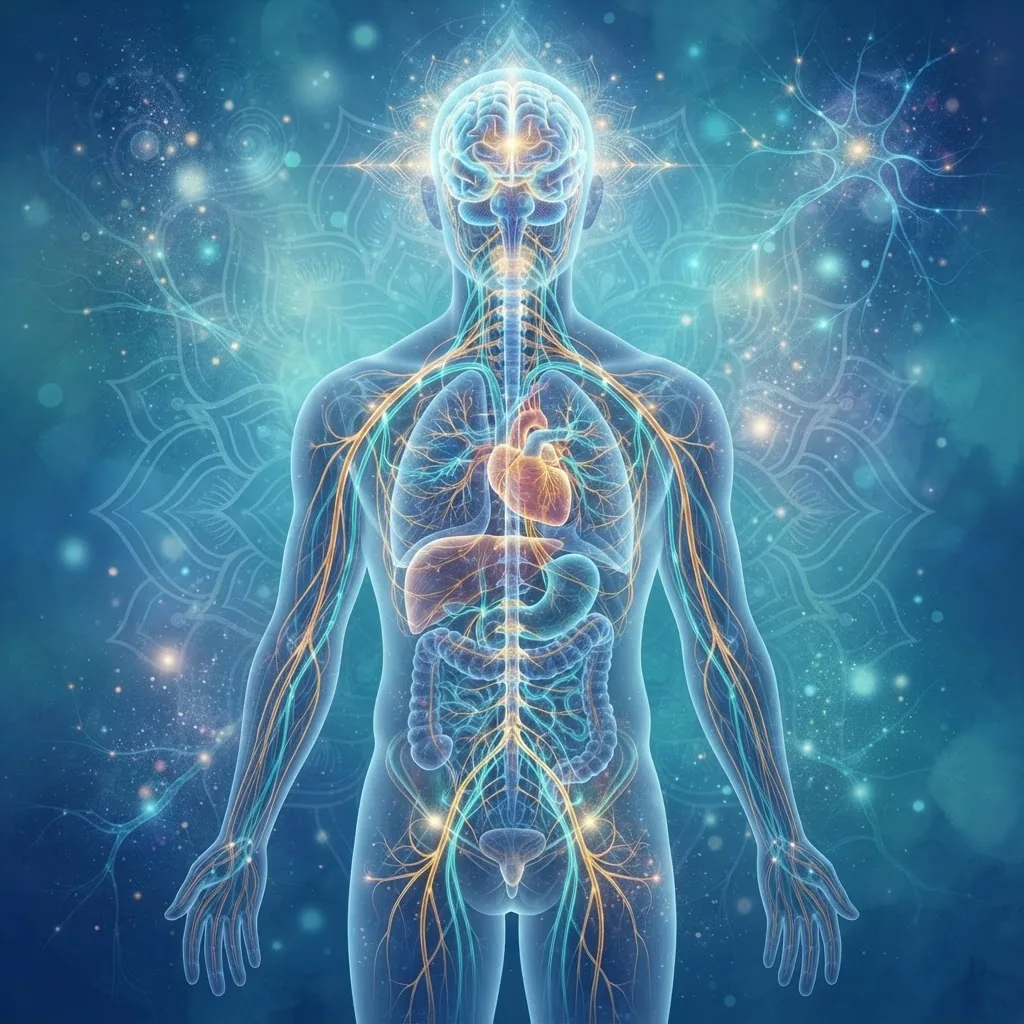
When someone has persistent anxiety or depression, the sympathetic nervous system often remains over‑engaged: heart rate increases, muscles stay tense, and sleep architecture shifts toward lighter stages. Over time this dysregulation reduces heart rate variability (HRV)—a marker of poor autonomic flexibility—and increases risk for fatigue and cardiovascular problems.
Example: a patient with chronic low mood may report heightened startle, frequent awakenings and tension headaches; objective measures can include low HRV on wearable monitors or elevated resting heart rate on clinical check. Clinicians sometimes use HRV monitoring as an assessment tool alongside psychological screening.
Hormonal and Endocrine Changes
Answer: Poor mental health elevates stress hormones (cortisol, adrenaline), disrupts diurnal hormone rhythms, and can impair sex hormone and thyroid regulation—affecting energy, metabolism, sleep and reproductive health.
Term: Cortisol is a glucocorticoid hormone released by the adrenal glands in response to stress; it helps mobilise energy but causes harm if chronically elevated.
Chronic psychological distress often produces sustained cortisol elevation or flattened diurnal cortisol patterns; both patterns correlate with fatigue, insulin resistance and altered appetite. Elevated adrenaline (epinephrine) increases cardiovascular workload and can worsen palpitations or panic‑like symptoms. Some people with depressive disorders experience changes in sex hormones and thyroid function, which compound fatigue and cognitive slowing.
Assessment tools include salivary cortisol profiling (for diurnal rhythms) and basic endocrine panels; these provide objective evidence when symptoms point to hormonal disruption.
Immune System and Inflammation
Answer: Poor mental health often shifts immune signalling toward pro‑inflammatory states—higher cytokines and chronic low‑grade inflammation—which contributes to pain, fatigue, slowed healing and elevated chronic disease risk.
Term: Cytokines are small proteins released by immune cells that coordinate inflammation and immune responses.
Psychological conditions such as depression and post‑traumatic stress disorder show reproducible immune changes: elevated pro‑inflammatory cytokines (e.g., IL‑6, TNF‑alpha) and sometimes reduced immune responsiveness to vaccines or infections. A brief stat block below summarises prevalence patterns observed across clinical studies.
| Indicator | Observed association |
|---|---|
| Elevated IL‑6 | Common in moderate to severe depression (multiple cohort studies) |
| Increased TNF‑alpha | Linked to fatigue and poorer quality of life |
| Immune suppression | Observed after chronic stress exposure; may reduce vaccine response |
According to a 2022 systematic review in peer‑reviewed journals, elevated inflammatory markers appear in a substantial subset of people with major depressive disorder, suggesting immune modulation is a reproducible pathway between mind and body. For prevention and monitoring, clinicians sometimes order basic inflammatory panels when symptoms warrant.
Cardiovascular Health Risks
Answer: Poor mental health increases cardiovascular risk by raising blood pressure, increasing heart rate and reducing heart rate variability, contributing to atherosclerosis and elevated incidence of heart disease over time.
Mechanistically, sympathetic overdrive, cortisol‑mediated metabolic effects and chronic inflammation combine to accelerate endothelial dysfunction and plaque formation. Epidemiological data show people with depression have higher rates of coronary artery disease and worse outcomes after cardiac events—often partially independent of traditional risk factors.
Clinical signals include persistent hypertension, palpitations, or reduced exercise tolerance. According to a 2021 cardiovascular registry analysis, depression was associated with a significantly higher risk of cardiac events over five years, highlighting the need for integrated cardiac and mental health care. Where warranted, clinicians use blood pressure monitoring, ECGs and cardiac risk assessments to evaluate physiological impact.
types of stressors affecting the body
Transition: Having reviewed system‑level mechanisms, the next section lists the common physical symptoms these physiological changes produce and how they present clinically.
Common Physical Symptoms Linked to Poor Mental Health
Answer: Poor mental health commonly causes fatigue, sleep disturbances, headaches, muscle tension, digestive problems, unexplained pain and altered appetite or weight, each explained below with typical mechanisms and care pointers.
People often present to primary care with physical complaints that are rooted partly in mental health; recognising these links expedites appropriate treatment. For stress‑specific recognition and symptom relief, see the
stress symptoms and relief tips and
signs of hidden stress.
- Fatigue and low energy: Chronic cortisol dysregulation and sleep disruption reduce restorative sleep and daytime energy; treatment focuses on sleep hygiene, graded activity and addressing mood symptoms.
- Sleep disturbances: Insomnia, fragmented sleep or hypersomnia arise from autonomic hyperarousal and circadian disruption; behavioural therapies and sleep scheduling help restore patterns.
- Headaches and migraines: Muscle tension, altered pain processing and disrupted neurotransmitters increase headache frequency; relaxation therapies and targeted pharmacology may reduce episodes.
- Muscle tension and pain: Persistent sympathetic tone generates tightness and myofascial pain; physical therapies, movement and mind‑body practices reduce nociceptive amplification.
- Gastrointestinal problems: Anxiety and mood changes alter gut motility and microbiome signalling (brain–gut axis), producing IBS‑like symptoms, nausea or appetite change; dietary adjustments and therapy often help.
- Chest pain and palpitations: Autonomic arousal and panic physiology can cause benign palpitations but always require clinical evaluation to exclude cardiac causes.
- Immune‑related symptoms: Increased infections or slow wound healing may reflect immune modulation; review of inflammatory markers and vaccination status is appropriate where recurrent infections occur.
- Cognitive symptoms and brain fog: Hormonal and inflammatory signals impair concentration and memory—treatments include cognitive behavioural therapy, activity pacing and medical review for reversible contributors.
Brief case example: a 42‑year‑old teacher with chronic depressive symptoms reports increasing fatigue, diffuse pain and IBS‑like episodes. Work‑up ruled out major organ disease; salivary cortisol profiling showed a flattened diurnal curve and HRV was low on wearables. A combined plan of CBT, graded exercise, dietary adjustments and referral to a GP for metabolic screening produced measurable symptom reduction within three months (real‑world clinical pattern consistent with case studies reported in psychosomatic research).
Transition: Beyond symptoms, poor mental health compounds existing chronic illnesses; the next section explains those interactions and practical examples.
How Mental Health Impacts Chronic Physical Conditions
Answer: Poor mental health worsens outcomes for chronic illnesses—diabetes, asthma, chronic pain and autoimmune diseases—by impairing self‑care, altering immune and metabolic function, and increasing inflammatory activity that accelerates disease progression.
Mechanisms include reduced treatment adherence, altered lifestyle behaviours (diet, activity, sleep), and direct physiological effects (inflammation, hormone imbalance). For example, depression is associated with poorer glycaemic control in diabetes, partly due to behavioural factors and partly due to cortisol‑related insulin resistance.
Case‑type description: Consider a person with rheumatoid arthritis who develops major depressive disorder. Depression reduces physical activity and medication adherence, and pro‑inflammatory cytokines rise—together these factors increase joint pain, decrease function and raise the likelihood of flares. Integrated care that treats depression and optimises anti‑inflammatory therapy often improves both mood and joint outcomes, supported by clinical guideline frameworks.
Specific chronic conditions and typical mental health interactions:
- Diabetes: Depression correlates with worse glycaemic control and higher complication rates.
- Asthma/COPD: Anxiety increases dyspnoea perception and healthcare utilisation.
- Chronic pain syndromes: Central sensitisation is amplified by mood disorders, increasing pain intensity and disability.
- Autoimmune disorders: Psychological stressors can trigger flares via immune activation.
Clinical guidance: Integrated disease management—where mental health care is embedded within chronic disease clinics—produces better adherence, fewer hospitalisations and improved patient‑reported outcomes, according to pooled analyses in medical literature. Use monitoring tools like glucose logs, spirometry, pain scales and, where needed, inflammatory markers to track interplay between mood and disease activity.
Transition: Effective care requires addressing both mind and body; the following section describes practical, evidenced care approaches for physiological effects of poor mental health.
Care Approaches for Physiological Effects of Poor Mental Health
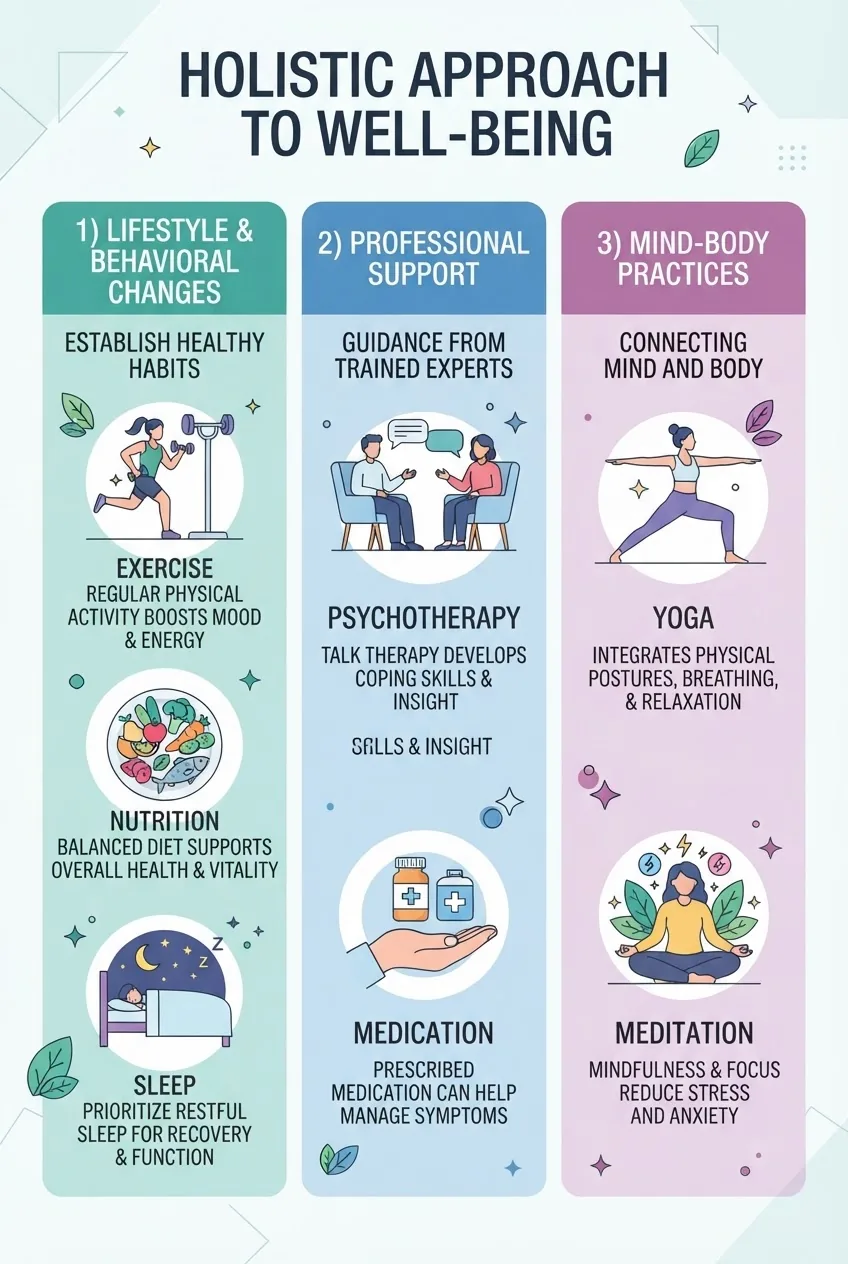
Answer: Reduce physiological harm from poor mental health using a three‑part strategy—structured lifestyle and behavioural changes, professional therapies (psychotherapy and pharmacology), and integrative mind‑body practices—tailored and coordinated for each person.
Lifestyle and Behavioral Interventions
Answer: Structured lifestyle changes—exercise, nutrition, sleep hygiene and routine—directly reverse many physiological sequelae of poor mental health; implementable steps below reduce inflammation, stabilise hormones and restore autonomic balance.
How‑to steps and recommendations:
- Physical activity: Aim for 150 minutes/week of moderate aerobic activity plus two strength sessions; start with 10–15 minute daily walks and gradually increase. Exercise improves HRV, reduces inflammation and elevates mood.
- Nutrition: Prioritise whole foods, regular meals and reduce refined sugars; anti‑inflammatory dietary patterns (Mediterranean style) help normalise metabolic and immune markers.
- Sleep hygiene: Fixed wake time, reduced evening screen exposure, and wind‑down routines improve sleep architecture and cortisol rhythm.
- Substance moderation: Limit alcohol and stimulants that disrupt sleep and hormone balance.
- Activity pacing: For chronic fatigue or pain, use graded exposure and pacing to rebuild function without exacerbations.
For targeted episodes of acute or intermittent stress, combine these steps with brief interventions described in the
episodic stress management.
Professional Support and Therapies
Answer: Psychotherapy (CBT, ACT, trauma‑focused therapy) and, when indicated, medication (antidepressants, anxiolytics) are evidence‑based treatments that reduce symptoms and reverse physiological dysregulation; coordinated care with primary clinicians improves outcomes.
Psychotherapy modifies threat perception and behaviour, decreasing sympathetic arousal and improving sleep and adherence. Antidepressants can normalise neurotransmitter systems and, in some cases, reduce inflammatory markers. Trade‑offs exist: pharmacotherapy is faster for severe symptoms but may carry side effects; psychotherapy requires time and access. Shared decision‑making is best practice, informed by clinical guidelines.
Assessment tools clinicians use include validated symptom questionnaires (PHQ‑9 for depression, GAD‑7 for anxiety), salivary cortisol panels, and HRV monitoring—these objective measures strengthen diagnosis and track physiological change over time.
Integrative and Mind-Body Practices
Answer: Mind‑body practices (yoga, meditation, breathwork, biofeedback) reduce sympathetic tone, lower inflammatory markers and improve sleep and pain; they are safe adjuncts that support physiological recovery when used alongside medical care.
Examples and practical application: gentle Hatha yoga classes twice weekly reduce pain and anxiety in chronic pain cohorts; mindfulness‑based stress reduction (MBSR) reduces IL‑6 and perceived stress in randomised trials. For practical guidance and daily practice suggestions see
emotional health improvement tips and consult summaries of
mind body medicine benefits.
| Modalities | Primary physiological targets | Typical time to effect |
|---|---|---|
| CBT | ANS regulation, sleep, behaviour | 6–12 weeks |
| SSRIs (antidepressants) | Neurotransmitters, mood, sometimes inflammation | 2–8 weeks |
| Mindfulness/Yoga | HRV improvement, reduced inflammation | 4–12 weeks |
Transition: Preventing relapse and maintaining gains requires daily habits and resilience building; the next section outlines practical daily routines and preventive strategies.
Maintaining Physically and Mentally Healthy Balance
Answer: Daily routines that combine movement, regular sleep, balanced nutrition, emotional regulation practices and social connection build resilience and reduce the likelihood that poor mental health will produce lasting physiological harm.
A concise daily routine example:
- Morning: 10–20 minutes light movement and brief mindfulness or breathwork.
- Daytime: Scheduled meals, micro‑breaks every 90 minutes, 30–60 minutes moderate activity.
- Evening: Screen curfew 60–90 minutes before bed, wind‑down routine, consistent sleep time.
- Weekly: Social contact, one restorative hobby and 1–2 guided mind‑body sessions (yoga, therapy).
benefits of good mental health
Preventive measures also include regular medical reviews, maintaining vaccinations, and early mental health screening in primary care settings. According to a 2023 WHO report, combining preventive mental health strategies with chronic disease management improves long‑term outcomes and reduces healthcare utilisation.
Summary and Key Takeaways on Physiological Effects of Poor Mental Health
Answer: Poor mental health drives physiological change across nervous, hormonal, immune and cardiovascular systems, producing a wide range of physical symptoms and worsening chronic illnesses; integrated lifestyle, professional and mind‑body care mitigates these effects and restores balance.
Key takeaways:
- Mental and physical health are interconnected—physiology changes with mood states and vice versa.
- Recognise physical symptoms (fatigue, pain, digestion, sleep) as possible expressions of mental health issues and seek comprehensive assessment.
- Use a combined approach: lifestyle changes, psychotherapy/medication when necessary, and mind‑body practices for durable recovery.
- Consult health professionals for objective testing (cortisol profiling, HRV, inflammatory markers) when symptoms persist or worsen.
Disclaimer: Physiological symptoms have multiple causes; this article outlines evidence‑based links between mental health and body systems but does not replace personalised medical assessment. For tailored care, consult primary and mental health professionals.
If you recognise symptoms described here, start with a primary care review and discuss combined care options—early integrated action preserves both physical and mental wellbeing.