

Answer: Yes — you can be stressed and not know it; unconscious or low-level stress often shows as vague fatigue, recurring aches, sleep disruption, digestive upset and lowered immunity before you feel “stressed.” Recognising subtle body signals links physical symptoms to unseen psychological load so you can act earlier.
Term: Unconscious stress is stress that occurs without clear conscious awareness, often because it is chronic, normalized, or masked by routine.
Understanding If You Can Be Stressed Without Knowing
Answer: Yes — unconscious stress exists when the nervous system runs at a heightened baseline without clear subjective distress; the body shows signs while conscious awareness lags. Subtle stress signs can be normalized habits, low-grade tension, or persistent physical complaints that are not immediately recognised as stress-related.
Unconscious stress often develops slowly. Because the brain learns to tolerate a steady state of hyperarousal, feelings of anxiety or urgency can fade into background acceptance while the body continues responding with physiological changes. This is why many people ask, “can you be stressed and not know it?” — the answer is that the nervous system and endocrine responses can remain activated without clear conscious alarm.
What makes stress go unnoticed?
- Habituation: Repeated exposure to stressors flattens emotional reactivity so you stop noticing the strain.
- Attribution: Symptoms like headaches or fatigue are attributed to aging, poor sleep, or work, not stress.
- Cultural or gender norms: Expectation to “cope” can suppress recognition and reporting of stress.
- Co-occurring conditions: Depression, chronic pain, or medical conditions can mask stress signals.
Because the mind and body are linked, subtle signals—muscle tightness, shortness of breath during routine tasks, or frequent minor infections—are valid clues that unconscious stress is present. To learn common sources, see common stressors explained and to explore the holistic interaction between mental and physical health see mind and body connection.

Transition: Next we’ll list the typical and less obvious symptoms so you can map what you feel to possible hidden stress.
Common and Less Recognized Stress Symptoms
Answer: Stress symptoms include emotional, cognitive, physical and behavioural signs—many are subtle: persistent muscle tension, gastrointestinal upset, recurring headaches, low-grade infections, irritability, concentration problems and sleep fragmentation. Below are common and less recognised symptoms with brief explanations.
Term: Psychosomatic symptoms are physical complaints that originate or are amplified by psychological processes rather than structural injury.
- Persistent muscle tension and unexplained aches — Chronic low-level tightening (neck, shoulders, jaw) that builds into pain without an obvious injury; stress triggers continual muscle guarding.
- Recurring headaches and migraines — Tension-type headaches often correlate with sustained cortisol/adrenaline activation and postural tension.
- Digestive disturbances — Nausea, bloating, changes in bowel habit; stress alters gastrointestinal motility and sensitivity via the gut–brain axis.
- Sleep fragmentation or non-restorative sleep — Waking feeling unrefreshed despite adequate time in bed; arousal systems remain active overnight.
- Low-grade immune changes — Slow wound healing, frequent colds, or prolonged recovery from illness can signal chronic stress lowering immune responsiveness.
- Fatigue and slowed recovery — Not just tiredness: a sensation of effort for routine tasks and longer recovery after exertion.
- Chest tightness, breathlessness — Subtle shortness of breath during calm activity is a common somatic sign of autonomic dysregulation.
- Increased pain sensitivity — Previously tolerable aches feel worse; stress amplifies pain perception via central sensitisation.
- Appetite and weight changes — Emotional eating, loss of appetite, or weight shifts without intentional change.
- Concentration and memory lapses — “Brain fog,” difficulty holding attention, or short-term memory slips under chronic stress.
- Irritability and flattened affect — Subtle mood changes, impatience or numbness that aren’t recognised as stress reactions.
- Risk-taking or withdrawal behaviours — Increased substance use, social avoidance, or compulsive habits that mask emotional load.
- Autonomic symptoms — Dizziness, palpitations, sweaty palms or cold hands without clear medical cause.
- Menstrual irregularities and sexual changes — In women, cycle changes or low libido; in men, erectile changes or lower sexual interest can be stress-related.
- Skin and hair changes — Flare of eczema, psoriasis, or increased hair shedding tied to prolonged stress hormones.
Statistical context: According to a 2024 industry report on adult stress trends, a large minority of working adults report physical complaints linked to stress even when they do not identify feeling stressed; checking symptom clusters increases detection.
Clinical red flags requiring medical review:
- New or worsening chest pain, severe breathlessness, fainting or neurological deficits.
- Rapid unexplained weight loss, severe GI bleeding, or high fevers.
- Any progressive symptom that interferes with daily function.
Transition: Understanding symptoms leads to grasping how stress affects the immune system and can actually make you sick.
How Stress Can Make You Sick: Physical and Immune System Effects
Answer: Chronic stress alters hormones (cortisol, adrenaline), disrupts immune regulation, increases inflammation, and changes pain pathways, which together raise susceptibility to infections, prolong recovery, and can worsen chronic illnesses.
Term: Cortisol is a stress hormone produced by the adrenal glands that helps regulate metabolism, inflammation and the body’s stress response.
When stress becomes persistent, the body’s acute “fight-or-flight” responses shift into longer-term patterns: elevated cortisol and catecholamines (adrenaline, noradrenaline) alter immune cell distribution, suppress vaccine responses, and promote pro-inflammatory signaling. This is how stress can make you sick beyond just feeling tired.
Short stat block
- According to a 2021 systematic review in the Journal of Psychosomatic Research, chronic stress correlates with higher inflammatory markers such as CRP and IL-6.
- According to a 2024 CDC report, prolonged psychological stress is associated with increased reports of poor physical health days.
- According to a 2012 clinical study, higher stress levels increased susceptibility to common cold infection following viral exposure; this mechanism remains supported in later reviews.
Mechanisms linking stress to sickness:
- Immune suppression: Sustained cortisol can down-regulate antiviral and antibacterial defenses, making infections more likely and recovery slower.
- Inflammation: Paradoxically, stress can increase chronic low-grade inflammation that worsens conditions such as asthma, cardiovascular disease and chronic pain.
- Autonomic imbalance: Constant sympathetic activation reduces parasympathetic (“rest and digest”) activity, impairing digestion, sleep and repair processes.
- Pain modulation: Stress alters central pain processing and can convert acute nociceptive pain into persistent, centrally amplified pain (psychosomatic pain).
Practical consequences:
- More frequent colds, slower wound healing, and flares of autoimmune or inflammatory conditions.
- Increase in functional gastrointestinal disorders (irritable bowel symptoms) linked to stress-driven gut–brain axis changes.
- Exacerbation of chronic illnesses such as hypertension, diabetes and chronic pain syndromes.
For a deeper review of how poor mental health produces measurable bodily effects see physiological effects of poor mental health and for numerical data and broader statistics see mental health facts and statistics.
External authoritative resources:
- Journal of Psychosomatic Research for peer-reviewed studies on stress and physiology.
- Mayo Clinic for symptom overviews and clinical guidance.
- Centers for Disease Control and Prevention (CDC) for public health reports on mental health and stress trends.
Transition: Next we compare how stress signs often differ between women and men, including hormonal and behavioural differences.
Gender Differences: Signs of Stress in Women vs. Men
Answer: Women and men commonly share core stress symptoms, but presentations differ: women more often report internalising symptoms (anxiety, GI complaints, menstrual changes) while men show externalising signs (irritability, substance use, risk-taking) and variable pain expression linked to hormonal interactions.
| Women | Men |
|---|---|
| Emotional: More anxiety, rumination, sadness, tearfulness; higher reported fatigue. | Emotional: More irritability, anger, emotional numbing; lower help-seeking. |
| Physical: GI upset, headaches, pelvic pain, menstrual irregularities, increased musculoskeletal pain. | Physical: Back/shoulder pain, headaches, sleep disruption, cardiovascular symptoms (palpitations). |
| Behavioral: Tendency to withdraw or over-function (caretaking), changes in eating, disrupted sleep. | Behavioral: Risk-taking, increased alcohol or substance use, workaholism, aggression. |
| Hormonal notes: Oestrogen and progesterone interact with stress systems; menstrual cycles may show sensitivity to stress. | Hormonal notes: Testosterone and cortisol interactions influence aggression, libido and energy under stress. |
Clinical notes: Gender differences are averages and do not determine any individual’s experience; social and cultural roles shape expression and reporting. If you want symptom-specific guides, look at gender-informed resources in primary care or mental health settings.
Transition: The following section uses case examples to show how hidden stress can present in real life.
Examples and Case Studies of Hidden Stress Effects on the Body
Answer: Hidden stress often shows through case patterns: a busy parent with chronic neck pain, a manager with recurrent colds, or a student with persistent GI problems—each example links psychosocial load to bodily symptoms and illustrates detection and outcome.
Case 1 — “Emma,” 42: chronic neck pain and fatigue
Presentation: Emma, a working mother, had months of neck and shoulder pain and ongoing tiredness. She reported no anxiety but described “constant busy-ness.” Examination and history found posture strain and nightly jaw clenching.
Interpretation: Chronic low-level hypervigilance, teeth clenching (bruxism) and poor restorative sleep produced musculoskeletal tension and sensitised pain pathways. With targeted sleep hygiene, physiotherapy and stress-awareness work, pain reduced over 8–12 weeks.
Case 2 — “Rahul,” 29: frequent colds and delayed recovery
Presentation: Rahul had repeated upper respiratory infections and prolonged fatigue after minor illnesses. He worked long hours and perceived his mood as “fine.”
Interpretation: Repeated acute stressors suppressed antiviral immune responses, consistent with research linking chronic stress to infection susceptibility (see Journal of Psychosomatic Research). A regime to reduce chronic load and improved sleep helped reduce illness frequency.
Case 3 — “Lily,” 26: severe GI sensitivity
Presentation: Lily experienced abdominal pain and loose stools that fluctuated with exam periods and job stress. She dismissed these as “sensible” reactions to deadlines.
Interpretation: The gut–brain axis is highly stress-sensitive; functional GI disorders often worsen under perceived pressure. Psychological strategies alongside dietary management improved her symptoms.
Clinical takeaway: These scenarios show how people can be “stressed for no reason” on the surface but actually carry unresolved or chronic stressors that manifest physically. For more real-life strategies and supportive resources see emotional wellness examples.
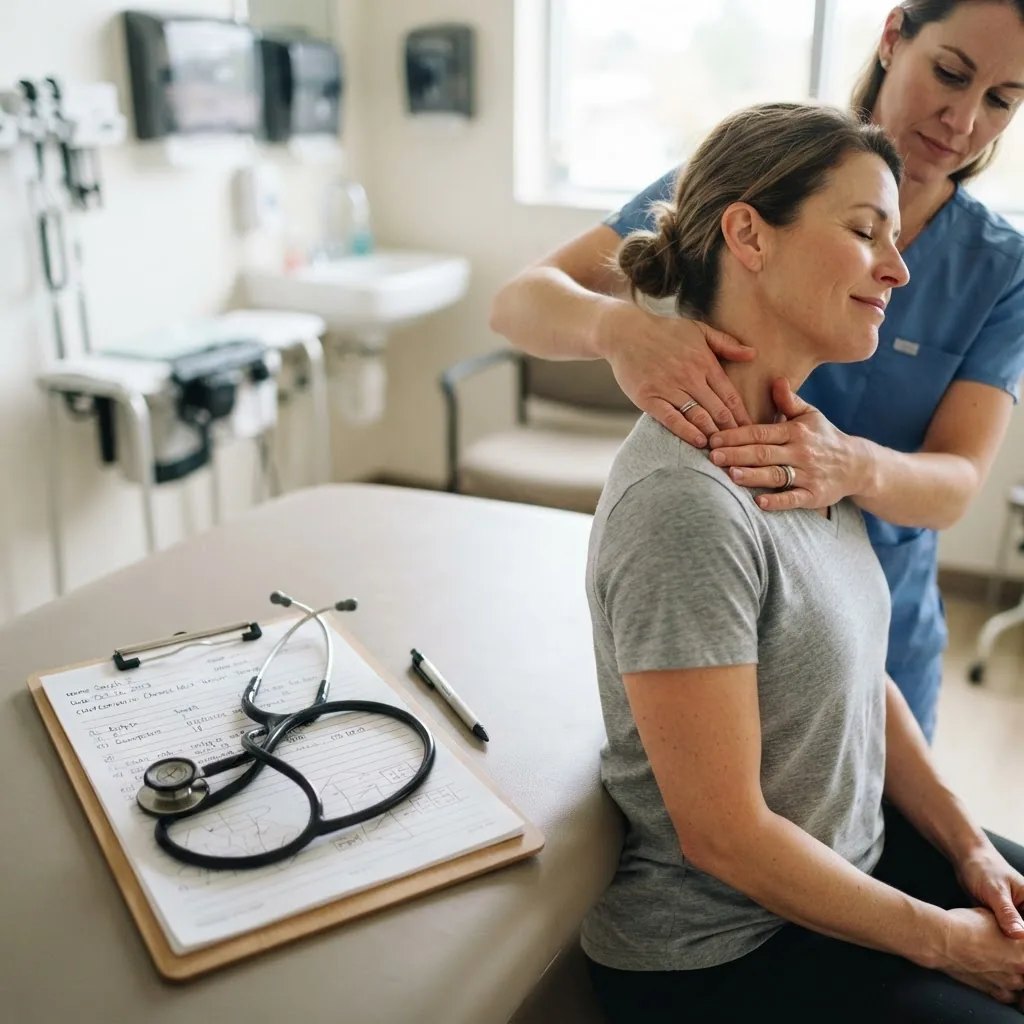
Research notes: According to a 2022 systematic review in the Journal of Psychosomatic Research, psychosomatic presentations are common in primary care, and early recognition reduces unnecessary investigations and speeds effective care.
Transition: After examples, the next section gives step-by-step detection techniques to spot unrecognised stress in daily life.
How to Identify Unrecognized Stress: Tips to Detect When You’re Stressed Without Feeling It
Answer: Identify unrecognised stress by tracking patterns: keep symptom and activity logs, monitor sleep and mood, use brief physiological checks (resting heart rate, breath pattern), and try mindful body scans to reveal tension. These steps reveal stress signals before conscious worry appears.
Practical step-by-step guidelines:
- Start a two-week symptom diary: Note time, activity, mood, food, sleep quality and physical symptoms. Patterns (worse after meetings, at night, or before deadlines) reveal hidden triggers.
- Measure simple physiology: Record resting heart rate for a week and note changes during stress periods; consistent elevation suggests chronic sympathetic activation.
- Practice a daily 5-minute body scan: Quietly note areas of tension (jaw, shoulders, gut) without judgement; label sensations to build mind-body awareness.
- Check sleep objectively: Track wake times, number of awakenings and perceived restfulness; fragmentation often precedes conscious stress recognition.
- Audit behaviours: Note increases in caffeine, alcohol, smoking, or social withdrawal—behavioural changes may mask stress.
- Use brief validated scales: Short questionnaires (stress or burnout screeners) provide quick snapshots; share results with a clinician if high.
- Ask close contacts: Partner or friends can notice irritability or withdrawal before you do; objective feedback is valuable.
- Try timed experiments: Reduce a common daily stressor for a week (e.g., limit email) and observe symptom change.
- Learn the language of your body: Reframe symptoms (e.g., “tight shoulders” as stress signal) to increase detection and prompt supportive actions.
For a fuller symptom checklist and stepwise relief strategies consult Am I stressed guide and for short-term cycle management see episodic stress types and management.
Self-monitoring tips that actually work:
- Use concrete markers (heart rate, number of headache days) rather than vague impressions.
- Share diaries with a trusted clinician to triangulate causes versus medical issues.
- Focus on small tests (one change for one week) to identify causal relationships.
Transition: If you recognise stress signs or bodily symptoms, this section explains when to seek professional help.
When to Seek Professional Help for Stress and Its Physical Symptoms
Answer: Seek professional help if symptoms are severe, persistent, worsening, or if physical signs suggest organic disease (chest pain, sudden neurological changes, severe weight loss). Consult a GP, mental health clinician, or specialist when stress impacts daily functioning or you suspect stress-related illness.
Guidance on pathways to care:
- See your GP for new, unexplained physical symptoms, to rule out medical causes and get baseline tests as needed.
- Ask for mental health assessment if sleep, mood or functioning are impaired; many primary care clinicians offer brief interventions or referrals.
- Consider specialist input (gastroenterologist, rheumatologist, pain clinic) if symptoms persist after initial management or tests.
- Access psychotherapy (CBT, ACT, trauma-informed approaches) when stress patterns are entrenched or when psychosomatic amplification is present.
- Use integrated care combining physical rehab (physiotherapy), pain management, and psychological therapy for persistent body aches with stress drivers.
If you suspect stress is making you sick but feel “mentally fine,” ask your clinician for a combined medical and psychosocial assessment to examine both possible organic and stress-linked causes.
For actionable lifestyle and long-term improvement strategies see tips for wellness improvement.
Final clinical encouragement: When in doubt, seek assessment—early detection reduces unnecessary testing, shortens recovery, and prevents escalation into chronic conditions.
Limitations and safety note: Self-assessment has limits; symptoms overlap with medical conditions. This content does not replace professional diagnosis. If symptoms are severe or new, contact your healthcare provider or emergency services.
Transition: Below are concise FAQs addressing common quick questions about hidden stress and the body.