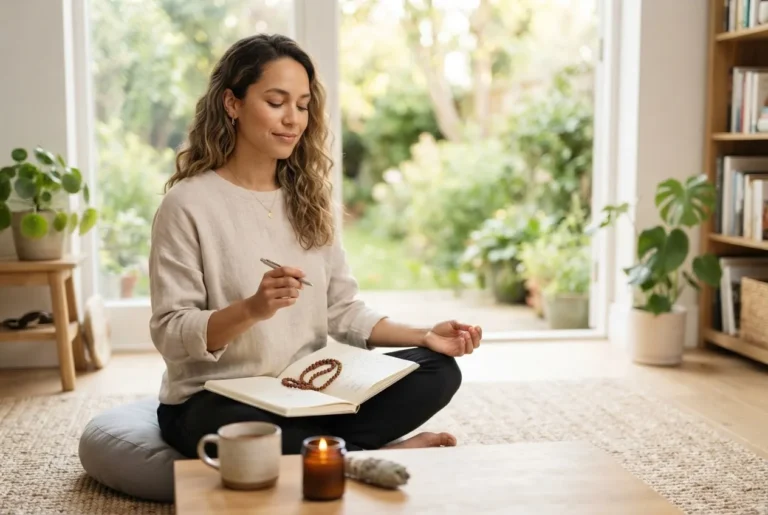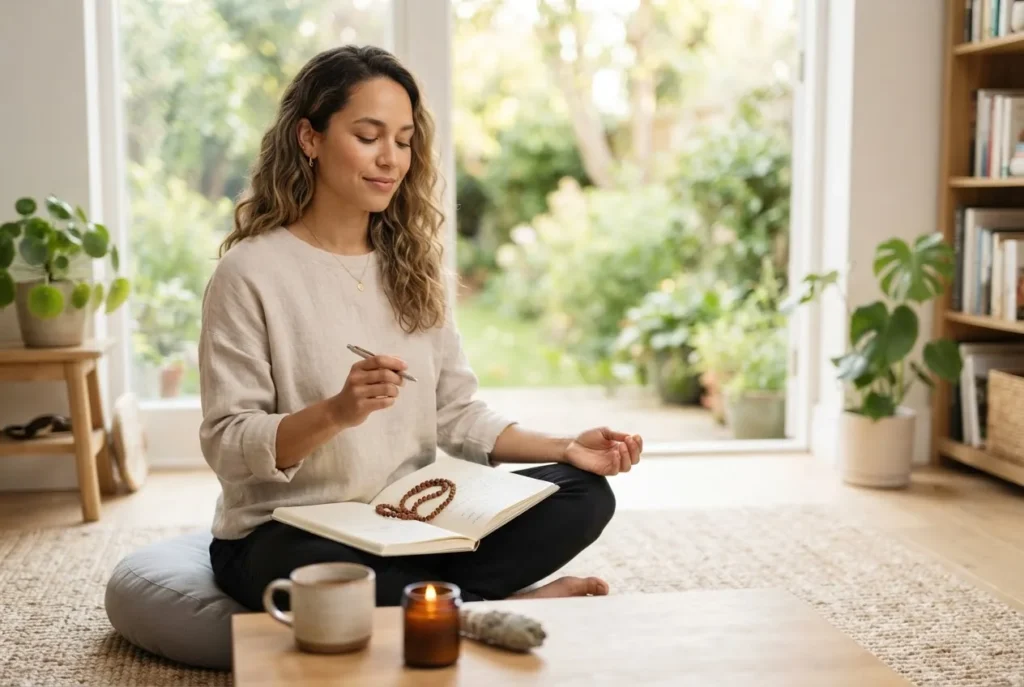
Examples of spirituality include religious and secular traditions, contemplative and mystical paths, nature-based and community practices, plus personal techniques such as meditation, prayer, breathwork, journaling and rituals that cultivate meaning, connection, healing and purposeful living across cultures and life stages.
Understanding Spirituality: What Are Examples of Spirituality?
Answer: Examples of spirituality range from formal religious beliefs and communal rituals to secular contemplative practices, nature-based reverence, mystical experiences, and personal routines—each offering ways to seek meaning, connection, ethical guidance, and transcendence.
Term: Spirituality: a broad concept involving a search for meaning, connection with something larger than oneself, and practices or beliefs that support inner life and values.
Spirituality can be both institutional and private. Institutional or religious spirituality ties to organised faith systems (e.g., Christianity, Islam, Hinduism), while personal or secular spirituality emphasizes inner experience, ethics, and practices without formal doctrine. Examples of spirituality include:
- Religious devotion and liturgy (weekly services, sacraments, scripture study).
- Contemplative practices (silent meditation, contemplative prayer, study).
- Mystical or esoteric paths (Sufism, Kabbalah, mystical Christianity, certain forms of Advaita Vedanta).
- Nature-based spirituality (animism, modern earth-based paths, indigenous seasonal rites).
- Secular spiritualities (humanist values, secular mindfulness, philosophical inquiry seeking purpose).
- Community and service-oriented spirituality (social justice, service as sacred practice).
Different cultural contexts shape how spirituality appears: a village elder leading harvest rites differs from an urban meditator using breathwork to manage stress, yet both are valid examples of spiritual expression. For readers exploring inner signs and deeper drives, consider reading about deep soul connection signs and what draws people toward practice in spiritual connection meaning. For guided reflection prompts that surface motivation and purpose see deep reflection and spiritual questions.
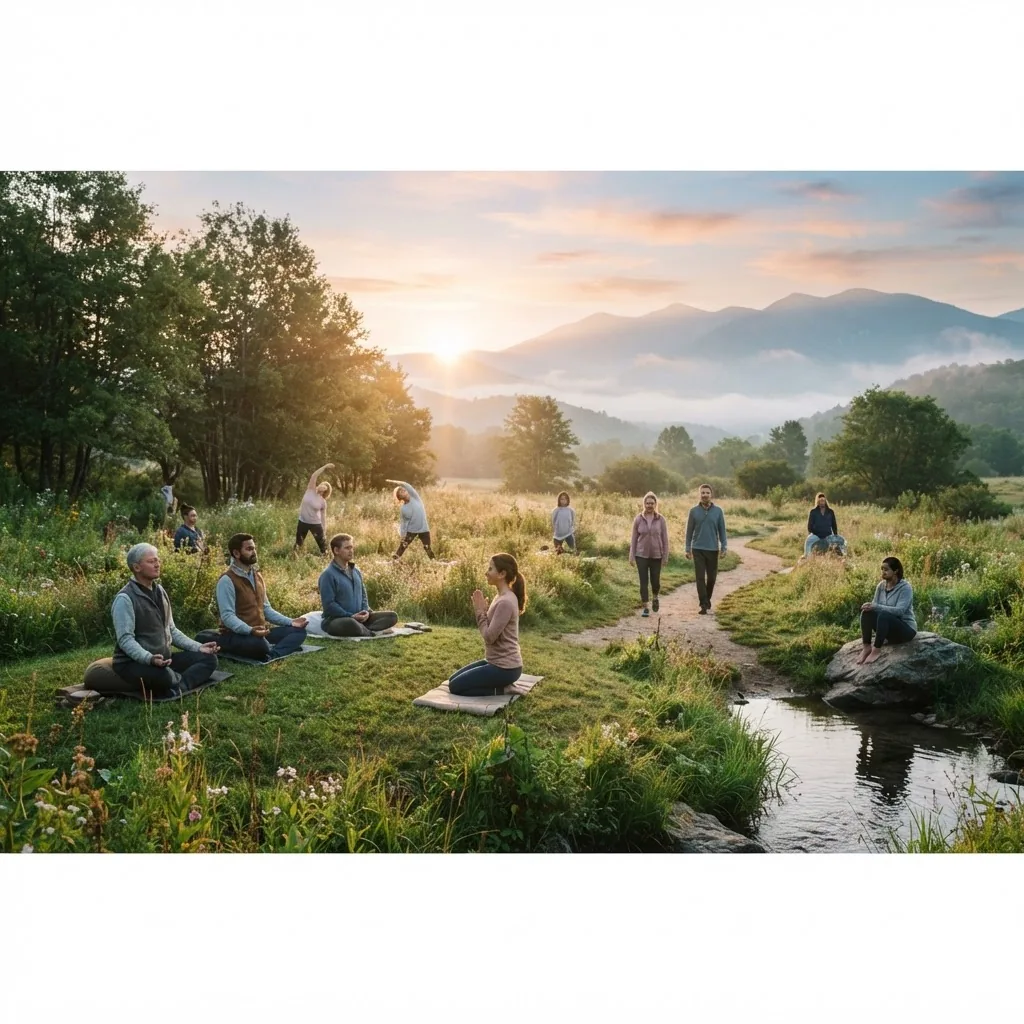
Categorizing Types of Spiritual Practices?
Answer: Spiritual practices are typically categorized as contemplative, ritual, energy-healing, mindfulness-based, and community practices, each serving different needs such as reflection, connection, bodily balance, present-moment awareness, or relational belonging.
Term: Contemplative practice: practices focused on inward attention, reflection, and awareness (e.g., silent meditation).
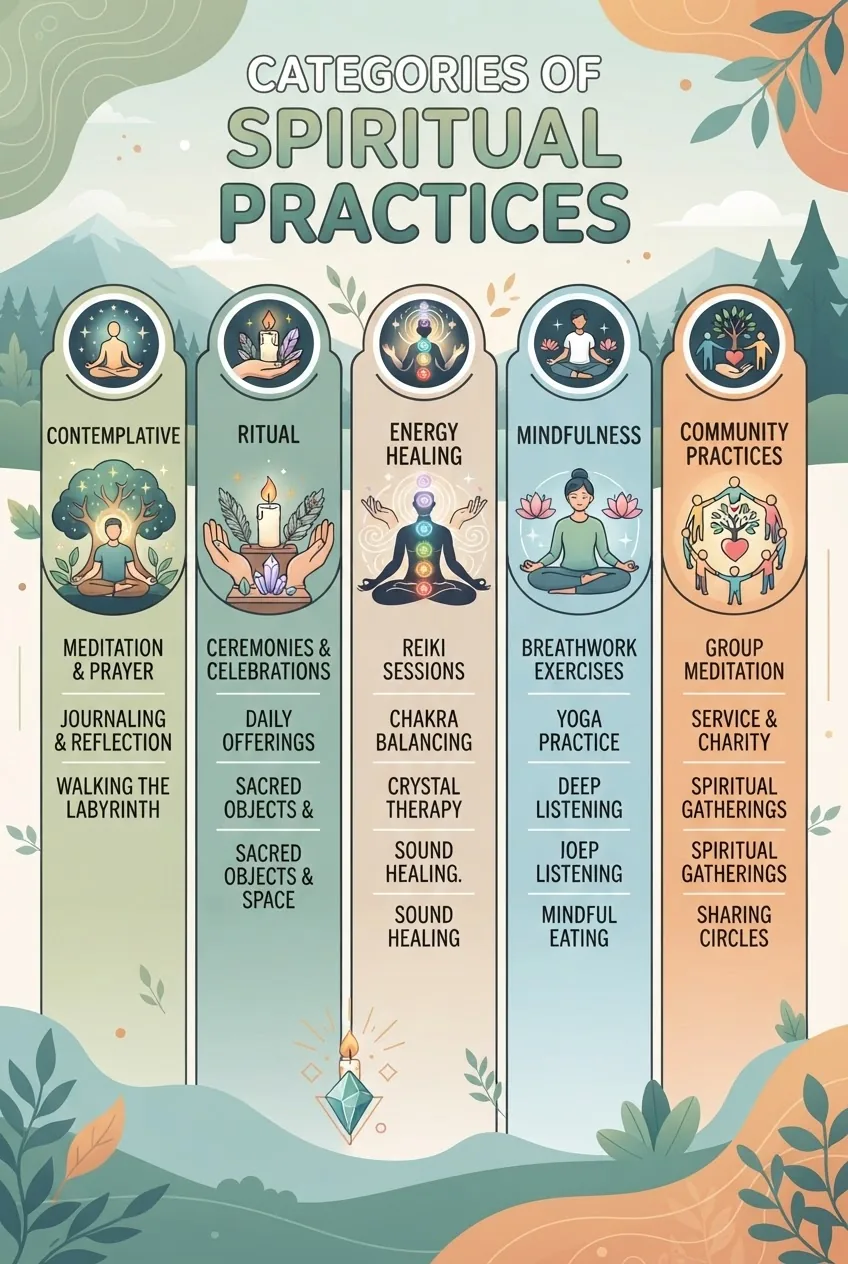
Below is a practical categorization with short descriptions and typical examples. This taxonomy clarifies how techniques (the “how”) map to broader practices (the “what”):
| Category | Essence | Common Examples |
|---|---|---|
| Contemplative | Inward-focused reflection, silence, insight | Meditation, contemplative prayer, Lectio divina |
| Ritual | Symbolic actions marking transitions or intentions | Rites of passage, altar making, ceremonial offerings |
| Energy healing | Practices aimed at balancing subtle energy systems | Reiki, acupuncture (as energetic tradition), qigong |
| Mindfulness-based | Present-moment awareness and stress reduction | Mindfulness meditation, mindful walking, MBSR techniques |
| Community / Service | Shared practice that builds social and moral support | Sangha groups, volunteer service seen as sacred |
Each category uses techniques—like breathwork or visualization—that appear across categories; a single practice can span categories (e.g., contemplative ritual: a guided meditation in a group service). This categorization helps choose practices aligned with the needs you wish to address (connection, meaning, regulation, service).
Comprehensive List of Spiritual Practices Examples?
Answer: A wide range of spiritual practices includes meditation, prayer, breathwork, journaling, chanting, ritual-making, pilgrimage, nature rites, service, fasting, energy work, breath-based practices, and community worship—each supports specific spiritual functions.
Term: Ritual: repeated symbolic actions that create meaning, mark transitions, or focus intention.
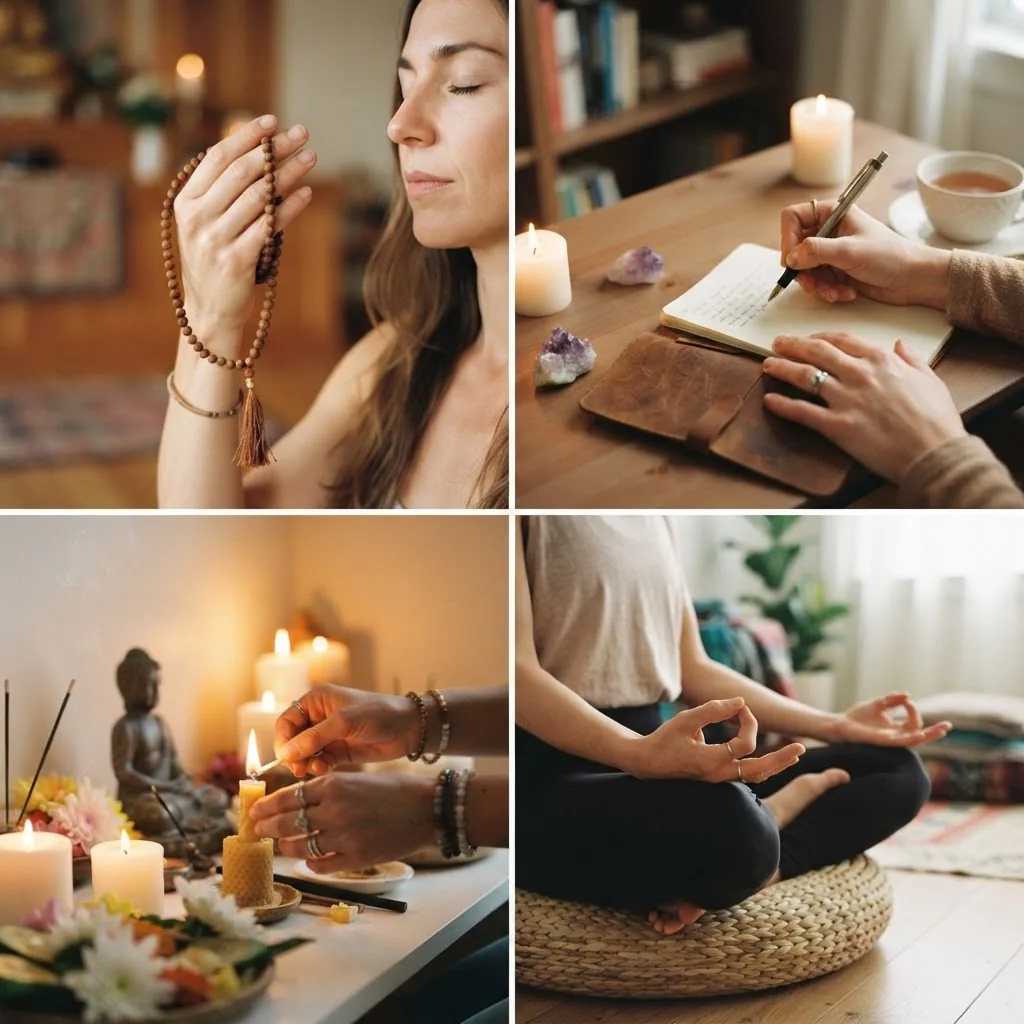
- Meditation — Silent or guided attention training; commonly used for concentration, compassion cultivation, and insight; benefits include stress reduction and improved attention.
- Prayer — Directed communication or relation with the sacred; can be petitionary, contemplative or intercessory; supports connection and moral orientation.
- Mindful walking — Walking with present awareness; useful for grounding, embodiment, and integrating meditation into movement.
- Breathwork — Intentional breathing patterns used to regulate the nervous system and access altered states for healing or clarity.
- Visualization — Creating mental imagery for healing, guidance, or manifesting intentions; often used in contemplative and therapeutic contexts.
- Chanting and mantra — Repeated phrases or sounds that stabilize attention, create communal resonance, and shift emotional states.
- Journaling — Written reflection to process meaning, notice patterns, and set spiritual intentions; supports self-awareness and integration.
- Ritual and altar practice — Creating physical ceremonies or altars to mark intention, grief, gratitude, or transitions.
- Pilgrimage and retreat — Temporarily leaving routine for dedicated spiritual focus; deepens perspective and commitment.
- Community worship and sangha — Shared practices that strengthen belonging and ethical accountability.
- Service as spiritual practice — Volunteering and justice work framed as sacred duty to cultivate compassion and purpose.
- Energy healing — Modalities like Reiki or qigong that work with body energy systems for balance and somatic change.
- Fasting and ascetic practices — Intentional abstention to sharpen awareness, discipline, or dependence on the sacred.
- Dream work and active imagination — Working with dreams and images to access unconscious material and guidance.
- Nature-based rites — Seasonal ceremonies, offerings, and walking meditations that foster connection to the natural world.
- Sacred study — Reading scriptures, poetry, and philosophical texts with reflective practice (e.g., Lectio divina).
- Sacred music and art — Expressive arts used to evoke transcendence, process grief, and celebrate mystery.
- Marriage of disciplines — Combining psychotherapy, somatic practice, and spiritual ritual to address whole-person concerns.
Each practice serves purposes such as calming the nervous system, creating social belonging, clarifying values, supporting moral action, or inducing profound insight. Below is a brief mapping of practice to common purpose:
- Meditation, breathwork, mindfulness — emotional regulation and presence.
- Prayer, ritual, community worship — relational connection and moral grounding.
- Journaling, visualization, study — clarity, meaning-making, decision aid.
- Energy modalities, somatics — body-mind balance and trauma-sensitive regulation.
- Nature rites, pilgrimage — perspective shift, awe, and ecological belonging.
Common Spiritual Techniques Used Across Practices?
Answer: Common spiritual techniques include breath control (breathwork), visualization, chanting/mantra, focused attention, journaling, movement-based awareness, and ritual enactment; they provide repeatable methods to enter reflective states and shift cognition or felt experience.
Term: Visualization: a technique using mental imagery to evoke desired emotional states, intentions, or symbolic guidance.
Techniques operate as the tools that make practices effective. Below are technique explanations and short how-to steps for practical use.
Breathwork (basic calming technique)
Direct answer: Breathwork uses intentional breathing patterns to regulate the nervous system and can quickly reduce agitation.
- Find a comfortable seated position and soft focus.
- Breathe in slowly for 4 counts, hold for 1–2 counts, breathe out for 6 counts (extend exhale).
- Repeat 6–10 cycles, noticing bodily sensations and return to normal breathing.
Walkthrough note: this simple paced breathing engages the parasympathetic system; for trauma-sensitive approaches shorten the breath counts and maintain choice.
Visualization (quick guidance)
Direct answer: Visualization guides the mind to imagine a calming or goal-relevant scenario, which alters emotion and focus.
- Close eyes and take two grounding breaths.
- Construct a vivid scene: sensory details, colours, sounds, emotions.
- Hold the image for 30–90 seconds and end with an affirmation or slow breath.
Journaling for Spiritual Clarity
Direct answer: Journaling organizes inner life, surfaces values, tracks patterns, and supports intention setting.
- Set a time-limited window (10–20 minutes).
- Use prompts: “What mattered to me today?” or “What do I want to invite?”
- Close by noting one small next step or gratitude item.
Chanting and Mantra
Direct answer: Chanting repeats sound or words to stabilize attention, create group coherence, and shift affect.
Technique: choose a short phrase or sound, set a comfortable rhythm, repeat for several minutes and sit quietly to notice shifts.
Mindful Movement
Direct answer: Movement-based techniques (yoga, qigong, mindful walking) integrate somatic awareness and reduce dissociation.
- Move slowly with attention on sensation and breath.
- Pause to notice posture and grounding points (feet or seat).
- Use movement to reconnect thoughts with bodily presence.
These techniques are modular—breathwork can be used in meditation, ritual, or energy healing. A brief case illustrates practical use: a client named “Sarah,” a 42-year-old teacher, combined nightly journaling and 10-minute breathwork to manage chronic anxiety; after eight weeks she reported improved sleep and focus (self-report, combined with therapeutic support), showing how technique integration increases resilience.
The Role of Spiritual Practices in Wellbeing and Purpose?
Answer: Spiritual practices support wellbeing by enhancing meaning, community, emotional regulation, resilience, and purpose; they often complement psychological care and can clarify values and life direction.
Term: Spiritual wellbeing: a sense of meaning, connectedness, and peace that contributes to overall health.
Research and frameworks support these claims. For example, spiritual practices often align with Maslow-inspired models where belonging, meaning, and self-transcendence appear above basic needs. Practices can address core spiritual needs—connection, meaning, coherence, and transcendence—which correlate with improved mental health metrics.
According to a 2023 peer-reviewed study, spiritually integrated interventions were associated with reductions in reported depressive symptoms in some populations (source type: peer-reviewed study; see PubMed for research examples).
Practical trade-offs and considerations:
- Individual vs organised: personal spirituality offers flexibility; organised religion provides structure and community.
- Secular vs religious: secular practices can provide wellbeing benefits without theological commitments; religious frameworks may offer deeper ritual contexts and community support.
- Safety and cultural competence: some energy practices may require trained practitioners; trauma-sensitive adaptations are essential.
Spiritual practices help people clarify priorities and values; see resources on defining your core life values and how practices align with spiritual needs and their importance. To explore how spirituality supports direction and meaning, also see links to guides on how to find your path in life, find meaning in life, and how to find your purpose.
Spiritual practices are also linked to measurable health outcomes. According to a 2022 meta-analysis (source type: systematic review), mindfulness and meditation interventions produced moderate effects on anxiety and stress reduction; see open-access literature at PMC for examples. Caveat: practices complement but do not replace professional medical or psychological care.
Practical supports: to achieving mental and spiritual calm or to building meaning and balance in life, consider combining reflective techniques (journaling, visualization) with community practices. To refine goals, consult identify your values and goals and resources on advantages of spirituality. For improving overall spiritual health see enhance your spiritual health and wellness.
Authority note: cultural and historical scholarship reinforces that spiritual practices are embedded in social systems—refer to humanities and anthropology resources at Encyclopaedia Britannica for comparative context.
Cultural and Historical Perspectives on Spirituality and Practices?
Answer: Spirituality and its practices vary widely across history and cultures—indigenous rites, classical religious liturgies, medieval mysticism, and modern secular mindfulness show diverse aims, cosmologies, and rituals shaped by ecology, social structure, and historical change.
Term: Indigenous spiritual practices: practices rooted in local cosmologies and relationships with land, ancestors, and community-specific rituals.
Comparative points:
- Indigenous traditions often integrate daily life, land stewardship, and cyclical calendars; their rites are communal with deep ecological knowledge.
- Classical religious systems (e.g., Buddhism, Christianity, Hinduism) developed formal doctrines, texts, and institutional rituals transmitted across centuries.
- Mystical movements emphasize direct experiential knowledge beyond doctrine (examples include Sufi whirling, Christian mystics, and Daoist inner alchemy).
- Modern secular spirituality often extracts techniques (mindfulness, breathwork) from traditional contexts and reframes them for psychological wellbeing.
Historically, practices have migrated and transformed—e.g., mindfulness roots in Buddhist practice but has been secularised in MBSR programs. While modern adaptations can make practices accessible, scholars caution about cultural appropriation and the loss of ritual context; respectful, informed engagement is recommended. For comparative scholarship see academic religious studies and anthropology sources (source type: scholarly articles and textbooks).
Tips for Integrating Spiritual Practices into Daily Life?
Answer: Start small, choose practices tied to clear intentions, create cues and short routines, track effects, seek community or guidance when needed, and adapt practices to safety and culture—consistency matters more than intensity.
Term: Intention setting: deliberately choosing an aim or quality to focus on during practice, which directs attention and frames outcomes.
- Start with 5–10 minutes: shorter daily practices build habit and reduce resistance.
- Set a clear intention before practice (e.g., cultivate patience) and close with one sentence summarising experience.
- Use environmental cues (a specific time, a candle, a short tune) to anchor practice into routine.
- Keep a simple log for two weeks to see patterns and benefits; notice mood, sleep, and behaviour changes.
- Combine practices: 3 minutes breathwork before a 10-minute journaling session increases clarity.
- Seek community if you need accountability; shared practice strengthens continuity.
- Address challenges: if you feel disconnected, shorten sessions, change technique, or consult a teacher.
- Respect cultural origins—seek training and give credit when using practices from other traditions.
If you want a structured starting place, follow the daily spiritual practice guide. For guidance on growing practice and connection, explore the be more spiritual guide.
Frequently Asked Questions
What are some common examples of spirituality?
Common examples include organised religious worship, contemplative meditation, nature-based rites, prayer, chanting, journaling, breathwork, service-based practices, and secular mindfulness—each fosters meaning, connection, or inner transformation in culturally specific ways.
How do spiritual practices differ from religious rituals?
Spiritual practices are any actions that cultivate inner life or connection; religious rituals are formalised, communal acts embedded in a doctrine or institution. Rituals are a subset of spiritual practice with communal, symbolic, and often prescribed forms.
What types of spiritual practices can beginners try?
Beginners can try short guided meditation, 5-minute breathwork, journaling prompts, mindful walking, or attending a community sangha; these low-barrier practices build consistency and reveal what supports wellbeing.
How can I incorporate spiritual techniques into my daily routine?
Anchor a brief practice to an existing habit (e.g., 3-minute breathwork after brushing teeth), set an intention, use environmental cues like a candle, and keep sessions short and trackable to foster a lasting routine.
How long does it usually take to experience benefits from spiritual practices?
Benefits vary: some people notice immediate physiological shifts (calmer breathing, reduced heart rate) while cognitive or meaning-related changes often take weeks of consistent practice; individual results differ widely.
What should I do if I feel disconnected during spiritual practice?
Shorten the session, switch techniques, focus on grounding (feet on floor, breath), seek group practice or guidance, and treat disconnection as data rather than failure—adjust practice to your current needs.
How can I ensure the quality and authenticity of a spiritual practice?
Seek teachers with lineage or training, prioritise trauma-informed approaches, research cultural origins, and choose practices aligned with your values; community recommendations and scholarly sources help verify authenticity.
What are the main differences between meditation and prayer as spiritual techniques?
Meditation emphasizes nonjudgmental awareness or concentration; prayer typically involves directed communication with a deity or sacred presence. Both cultivate attention and meaning but differ in orientation: inward observation versus relational address.