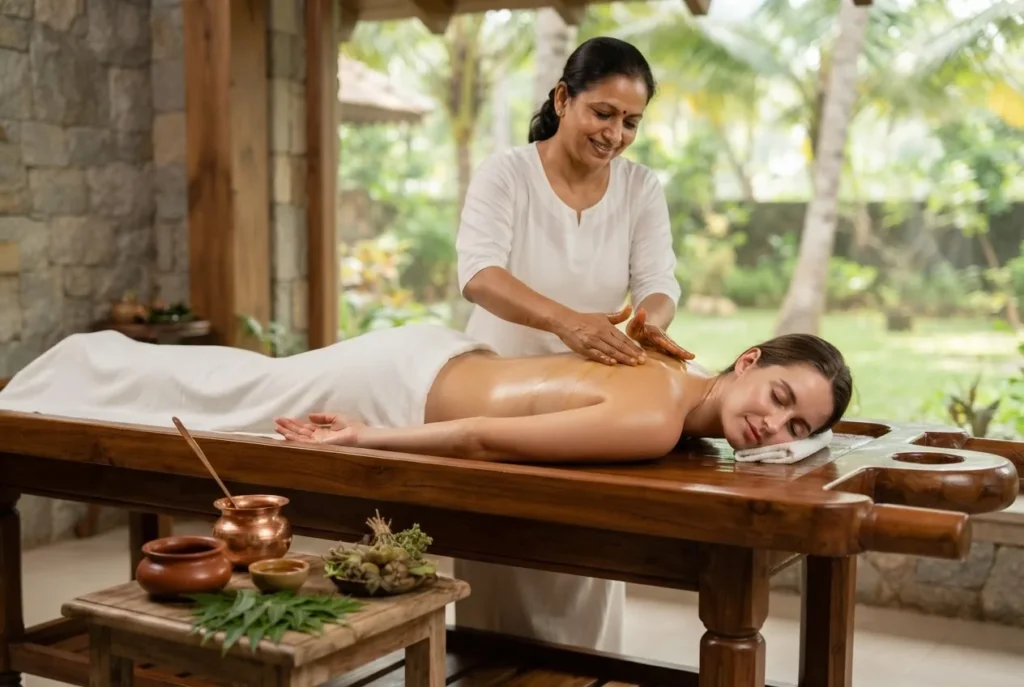
By the end of this hands-on guide you will confidently plan and begin an ayurveda detox focusing on Panchakarma methods, know which therapies match your dosha, and be able to perform safe home-support practices; realistic timeline: 1–6 weeks planning and a 7–21 day clinical or retreat protocol. Skill level assumed: motivated beginner with basic health literacy and willingness to follow practitioner guidance.
Before you start
- Medical clearance from your GP or licensed practitioner (especially if you have chronic disease, are pregnant, or on medication).
- Lists of current medications, allergies, and recent lab results (last 6 months).
- Therapist/clinic contact for follow-up, or a trusted person at home if self-practicing.
- Basic supplies: unrefined sesame oil or warmed coconut oil (500–1000 mL), mild castor oil, herbal decoctions as prescribed, warm towels, a neti pot, soft massage cloths, and a quiet space.
- Planner: schedule 30–90 minutes daily for pre/post care tasks, and 2–4 hours for clinic sessions if attending a retreat.
Introduction to Ayurveda Detox and Panchakarma
Ayurveda detox refers to traditional, systematic cleansing methods from classical Ayurvedic texts that remove accumulated metabolic waste (ama) and restore dosha balance. Unlike a quick juice fast, Panchakarma is a staged detoxification process—rooted in centuries of practice—combining preparatory therapies, targeted eliminations, and restorative measures to rebalance physiology and improve resilience.
This guide draws on clinical-style protocols used in modern Ayurvedic hospitals and retreat centers and includes practical at-home steps you can safely perform to support a full Panchakarma under professional supervision. For readers who wish to study the classical sources informing these therapies, see the Comprehensive Guide to Ayurveda Books. Also review your body type fundamentals via the Vata Pitta Kapha Dosha Types and Ayurveda Body Type Guide.
Transition: Now that you understand the purpose and history of an ayurveda detox, we will map the five core Panchakarma therapies in detail and explain exactly when and how they are used.
What is Panchakarma? Understanding the Five Detoxification Therapies
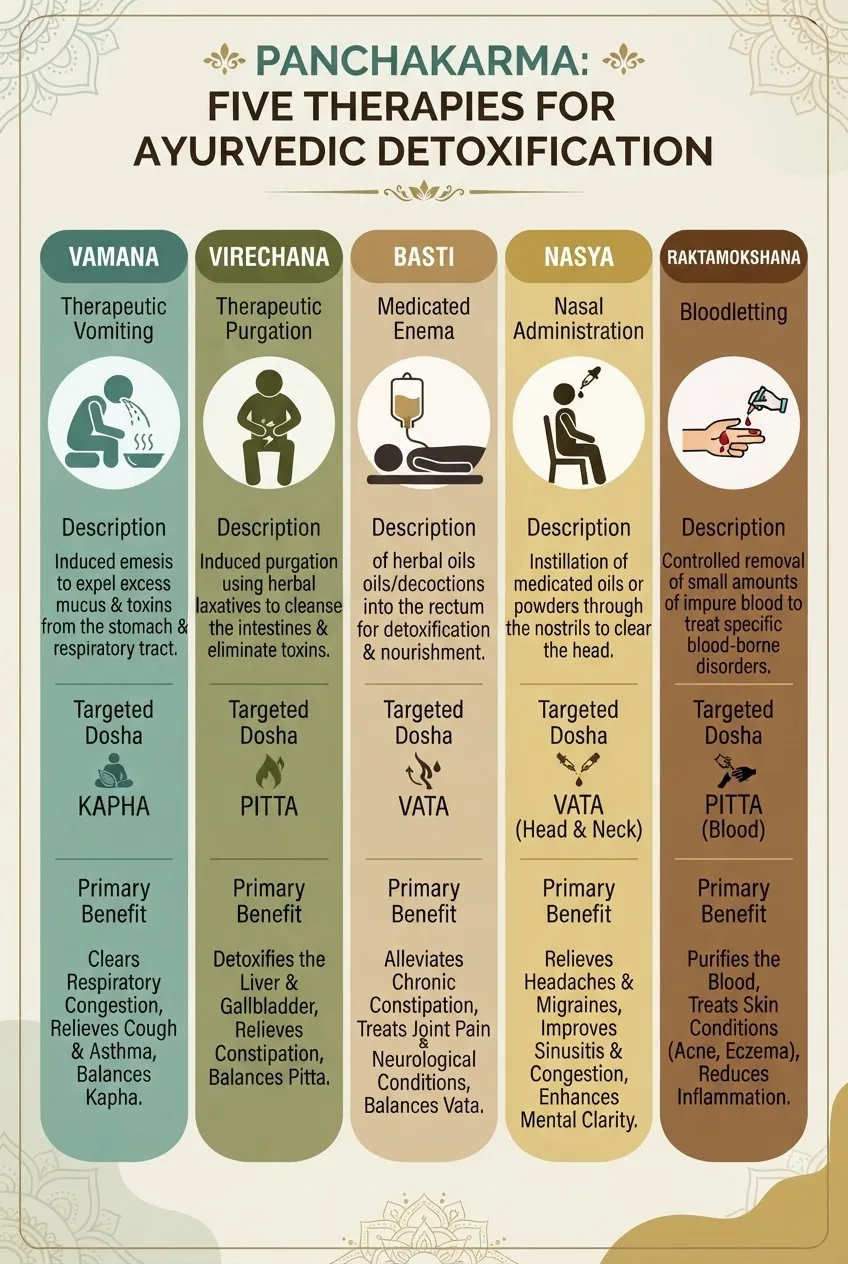
Panchakarma—literally “five actions”—is the central therapeutic framework in classical Ayurveda for deep cleansing and resetting of bodily systems. Each therapy targets a primary channel of elimination and is chosen according to the patient’s imbalanced dosha and clinical signs. Below are the five therapies, their intent, and practical notes for each.
-
Vamana — Therapeutic Emesis
Purpose: Remove excessive Kapha from the upper gastrointestinal and respiratory channels. Typical clinical indication: chronic mucus congestion, recurrent respiratory infections, obesity with sluggish digestion, and Kapha-related skin conditions.
Procedure summary: After Snehana (oleation) and Swedana (fomentation), the patient receives emetic herbal preparations (e.g., licorice and milk-based formulations in classical texts) under supervision to induce controlled vomiting until mucus-laden material is expelled. Typical session count: 1–3 focused emesis sessions within the cleansing phase. Recovery: Rehydration with clear herbal broths and light diet for 3–7 days.
Training info and professional pathways: see Best Ayurveda Certification and Training Courses and Ayurvedic Practitioner Training and Medical Certification Guide for formal learning.
-
Virechana — Therapeutic Purgation
Purpose: Purge excessive Pitta and toxins from the small intestine, liver, and biliary channels. Indications: chronic inflammatory conditions, hyperacidity, dermatitis with heat signs, and certain hepatic imbalances.
Procedure summary: Following oleation and sudation, prescribed purgative herbal formulations (commonly based on Triphala, senna-like herbs) are given to induce controlled bowel evacuations. Typical course: single or series of purgation days (1–5) with monitored fluid and electrolyte replacement.
Caution: Virechana is potent; fluid management and electrolyte monitoring are essential. See clinical reviews in the Journal of Ayurveda and Integrative Medicine review (journal) for modern clinical context.
-
Basti — Therapeutic Enema
Purpose: Restore and pacify Vata by cleansing the colon and supporting neural-gut communication. Indications: chronic constipation, neuropathic pain, certain reproductive or gynecological imbalances, and vata-related degenerative issues.
Procedure summary: Basti uses medicated decoctions or oils administered rectally via retained or non-retained enemas over a course (classically 16–30 sessions for full Shodhana Basti in severe vata disorders; shorter courses for maintenance). There are oil-based (Anuvasana) and decoction-based (Niruha) bastis.
-
Nasya — Nasal Administration
Purpose: Clear excess dosha from the head region, sinuses, and upper respiratory tract; support cognitive clarity and relieve chronic rhinitis. Indications: sinus congestion, chronic headaches, certain neurological tension states.
Procedure summary: After facial massage and steam, medicated oils or herbal drops are administered into the nostrils in measured drops (typically 2–6 drops per nostril per session). Usually repeated daily during the cleansing phase and as maintenance 1–3 times weekly.
-
Raktamokshana — Bloodletting (selective)
Purpose: Remove corrupted blood in certain skin disorders and toxin-heavy blood states (used selectively and less commonly in modern Panchakarma practice). Indications: specific dermatological conditions with blood involvement, as assessed by a trained practitioner.
Procedure summary: Includes traditional methods (leeches, controlled venesection) and modern selective approaches; practiced under strict aseptic conditions and contraindicated in anemia, bleeding disorders, pregnancy, or frailty.
Transition: With the five therapies clear, let’s review the evidence-backed benefits and how they map to modern health goals.
Benefits of Ayurveda Detox and Panchakarma Treatments
A structured panchakarma detox aims to remove ama, recalibrate digestion and elimination, and restore dosha equilibrium—outcomes that translate to measurable functional benefits reported across clinical and observational literature.
Common, reported benefits include:
- Improved digestion and regular bowel function—many clinics report reduced bloating and normalized appetite within 1–2 weeks of treatment.
- Enhanced immune resilience—detoxification reduces chronic inflammatory load and may lower incidence of recurrent infections (According to a 2023 integrative medicine review, immune markers changed after structured Panchakarma programs; review source: peer-reviewed journal).
- Reduced systemic inflammation and skin clarity—clinical case series often show dermatological improvement post-procedure.
- Stress relief and improved sleep—restorative phases and oil-based therapies have parasympathetic-promoting effects.
- Rejuvenation effect: clearer mental focus, improved joint mobility, and increased energy reported by patients after 7–21 day programs.
For a broader exploration of wellness concepts that complement detox benefits, see Ayurveda for Wellness Explained.
Clinical context: while many observational studies and small clinical trials report positive outcomes, systematic reviews note variable quality of evidence and call for larger randomized trials (According to a 2023 integrative medicine review in a peer-reviewed journal). For modern safety and protocol standards, consult authoritative bodies such as the Journal of Ayurveda and Integrative Medicine and national institutes.
Transition: Next, a step-by-step walkthrough of a Panchakarma detoxification course: preparation, the treatment phase, and recovery.
The Panchakarma Detoxification Process: Preparation, Treatment, and Aftercare
This section is the practical core. Follow the numbered steps below precisely. Quantities, timings and exact practices are provided for standard adult protocols; always adapt after professional consultation.
See dietary specifics for pre- and post-care in the Ayurvedic Diet Principles and Nutrition Guide.
-
Prepare — Comprehensive assessment and baseline
Duration: 1–7 days before active therapies. Actions:
- Obtain a full health assessment, blood tests, and if needed, liver/kidney panels within 4 weeks prior.
- Record baseline vitals and symptoms (stool frequency, sleep quality, skin concerns).
- Begin lightening diet: unctuous warm porridge (kitchari) or simple soups for 48–72 hours; reduce heavy dairy, fried foods, alcohol, and caffeine.
Rationale: reduces digestive load and mobilizes ama for safer elimination.
-
Snehana (Oleation) — Internal and external lubrication
Duration: 3–7 days (shorter for mild cleansing, longer for entrenched ama). Actions:
- Internal oleation: prescribed medicated ghee or warm sesame oil 15–60 mL each morning with warm water—dose individualized by practitioner. Example: 30 mL/day for 3–5 days for adult patients without digestive compromise.
- External oleation: daily full-body oil massage (Abhyanga) for 20–40 minutes using warmed sesame oil; follow with a 10–15 minute gentle steam or warm shower.
- Monitor: watch for loose stools; if persistent, reduce internal oil and consult practitioner.
Purpose: loosen toxins and prepare tissues for removal.
-
Swedana (Sudation) — Induced sweating
Duration: daily during the oleation phase, typically 15–30 minutes per session. Actions:
- Use dry steam, herbal steam cabinet, or hot packs. Home alternative: warm towel packs applied sequentially to the torso for 15–20 minutes.
- Do not use high-temperature sauna for fragile patients; maintain moderate warmth that produces gentle sweating—target: 300–600 mL sweat loss per session for healthy adults.
Purpose: mobilize fluids and toxins toward gastrointestinal and hepatic channels for elimination.
-
Main Elimination Therapies — Apply the appropriate Panchakarma
Timing: immediately after adequate Snehana and Swedana. Professional-only procedures (Vamana, Virechana, Raktamokshana) require clinical setting. Basti and Nasya have both clinic and limited home-support elements described later.
- Vamana (if indicated for Kapha): Single supervised session in clinic. Prepare with 24–48 hour Kapha-light diet. Emetic dose and duration are clinician determined; typical acceptable vitals: BP >110/70, stable electrolytes. Recovery: 48–72 hours of light diet.
- Virechana (if indicated for Pitta): Administered in clinic with clinician-selected purgatives. Expect 2–6 bowel evacuations per treatment day; fluids, oral rehydration, and electrolyte monitoring recommended.
- Basti (for Vata): Clinic-based Niruha (herbal decoction enemas) and Anuvasana (oil enemas). Typical therapeutic series: 8–16 sessions over 2–4 weeks for moderate conditions; shorter maintenance bastis can be done at home only under direct professional instruction.
- Nasya: Clinically supervised initial administrations; maintenance can be daily at home with practitioner-prescribed medicated oil. Home practice: 2–4 drops per nostril after steam and facial massage; remain supine with head tilted back for 2–5 minutes.
- Raktamokshana: Selective and clinic-only; aseptic technique and post-procedure wound care required.
-
Post-elimination RejUvenation — Rasayana and gradual dietary build-up
Duration: 7–30+ days depending on intensity of purification. Actions:
- Eat light, warm, nourishing foods: kitchari (150–300 g cooked per day divided into 2–3 meals), bone or vegetable broths: 300–600 mL/day for first 3 days.
- Introduce cooked vegetables and steamed grains after 3–5 days; avoid raw salads for 7–10 days.
- Use restorative herbal rasayanas as prescribed: Ashwagandha 250–500 mg twice daily, Triphala 1 tsp in warm water at night for gentle bowel regulation (as practitioner advises).
- Monitor energy, bowel regularity (1–2 formed stools daily is a practical threshold), sleep, and mental clarity. If severe fatigue or dizziness occurs, contact your practitioner immediately.
Purpose: stabilize tissues, replenish nutrients, and integrate therapeutic shifts.
-
Aftercare and maintenance — Lifestyle and follow-up
Duration: ongoing. Actions:
- Daily Abhyanga (self-massage) with 10–30 mL warm oil, 10–20 minutes, then warm shower—continue for at least 21 days post-elimination for deeper benefits.
- Regular mild exercise: 20–30 minutes brisk walking, yoga, or pranayama daily. Avoid heavy exertion for 7–14 days after intensive elimination therapies.
- Schedule follow-up with practitioner at 7 days and 30 days to review labs and clinical response.
Clinical evidence and safety context: small trials and observational studies report clinical improvements but emphasize practitioner-led protocols; for safety standards review official guidance such as the National Institute of Ayurveda protocols or regional health advisories.
Transition: Now that you have stepwise guidance for professional Panchakarma, we compare therapy types and indications for dosha-specific planning.
Panchakarma Therapy Types and Their Specific Uses
The table below maps each Panchakarma therapy to the targeted dosha, a concise procedure summary and common clinical indications. For personalised dosha testing and body-type correlation, refer to the Ayurvedic Body Types and Dosha Test Guide.
| Therapy | Targeted Dosha | Procedure (summary) | Common Indications |
|---|---|---|---|
| Vamana | Kapha | Supervised emesis after oleation and sudation to expel mucus-laden toxins. | Chronic congestion, obesity with Kapha signs, certain skin disorders. |
| Virechana | Pitta | Clinician-guided purgation using herbal laxatives following oleation and sudation. | Inflammatory disorders, hyperacidity, some liver conditions. |
| Basti | Vata | Series of medicated enemas (oil-based and decoction-based) to cleanse the colon and pacify Vata. | Constipation, neuropathic pain, chronic degenerative disorders. |
| Nasya | Predominantly Kapha and Vata in the head region | Measured nasal instillation of medicated oils/drops after head and neck preparations. | Sinusitis, chronic rhinitis, headaches, cognitive fog. |
| Raktamokshana | Depends on condition (often Pitta-related blood disorders) | Selective bloodletting or leech therapy in strict clinical settings. | Specific dermatological and toxin-laden blood conditions (careful selection required). |
For deeper dosha-specific diet and lifestyle support, see Kapha Dosha Explained, Pitta Ayurveda Diet and Dosha Guide, and Vata Dosha Diet and Ayurveda Tips.
Transition: Panchakarma is powerful, but it is only one axis of a complete Ayurvedic body cleansing program. Below are complementary, evidence-aligned methods to support and extend detox outcomes.
Ayurvedic Body Cleansing Beyond Panchakarma: Complementary Methods
Panchakarma pairs well with herbal, dietary and lifestyle measures to maintain benefit. Below are practical complementary techniques, formulations and resources for ongoing cleansing and resilience.
See the Ayurvedic Supplements and Herbal Medicine Explained Guide for how supplements support detoxification protocols.
- Herbal support: Triphala (1 tsp at night in warm water), Guduchi for immune support (250–500 mg twice daily), and Turmeric (250–500 mg/day) for anti-inflammatory support. For powder or capsule sourcing, see Guide to Ayurvedic Herbs Powder and Herbal Supplements and Complete Ayurvedic Medicine List and Herbal Formulas.
- Dietary adjustments: Seasonal kitchari cleanses (3–7 days) and mindful meal timing. For full protocols, consult the Ayurvedic Diet Principles and Nutrition Guide and the Ayurveda and Weight Loss Guide if weight management is a goal.
- Lifestyle: Daily oil massage (Abhyanga), tongue scraping each morning, and regular sleep-wake cycles to stabilise circadian rhythms.
- Therapies: Supportive Ayurvedic massage (Panchakarma preparatory and post-care massages). To locate hands-on services, see Locate Ayurveda Massage Near Me.
Further reference lists: Complete Ayurvedic Medicine List and Herbal Formulas and the Guide to Ayurvedic Herbs Powder and Herbal Supplements.
Transition: Many readers will want to integrate simplified Panchakarma elements at home. The next section explains what you can safely do yourself and the clear limitations of at-home detox.
Panchakarma Treatment at Home: Safe Practices and Limitations
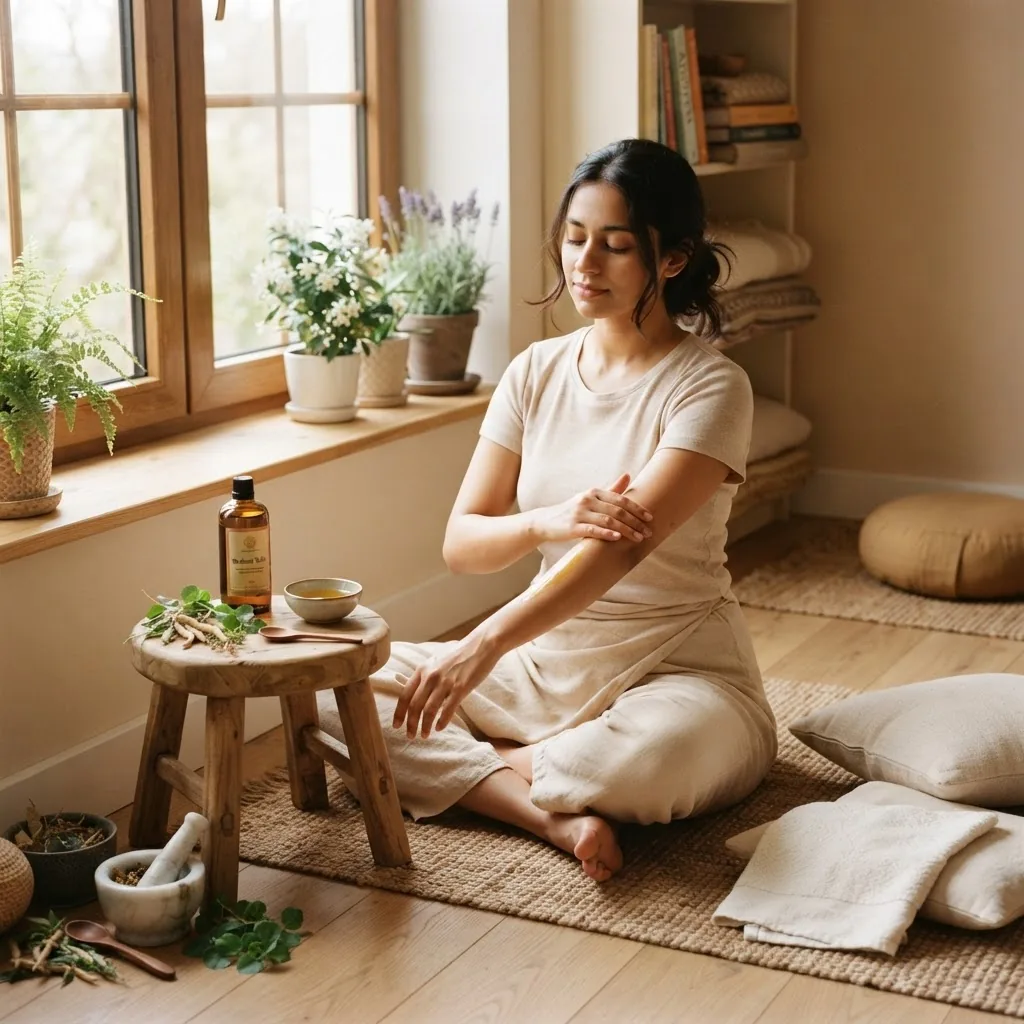
You can safely perform preparatory and maintenance practices at home; however, full elimination therapies (Vamana, Virechana, Raktamokshana and many Basti procedures) require clinic supervision. Below are safe, evidence-informed home practices with strict safety caveats.
- Perform daily Abhyanga (self-massage) — 10–30 minutes, warm sesame oil 10–30 mL, massage toward heart, end with 5–10 minutes warm shower. Frequency: daily for 21 days after clinical Panchakarma or ongoing for maintenance.
- Use Nasya maintenance drops at home — After facial steam, tilt head back and use 2–4 drops per nostril of practitioner-prescribed oil, lie supine for 2–5 minutes. Frequency: daily or as directed. Stop if burning, excessive drainage, or nosebleed occurs.
- Gentle home Basti (only in very limited maintenance forms) — Some practitioners teach small, oil-retention enemas using sterile equipment and pre-mixed clinical enemas; this must be performed only after in-clinic training and with strict hygiene; never attempt complex Niruha decoction enemas at home without supervision.
- Dietary cleanses (kitchari) — 3–7 day kitchari plan: 1 cup cooked kitchari per meal (approx. 300 g cooked), warmed spices (1/4 tsp cumin, 1/8 tsp turmeric per meal). Hydration: 2–3 L warm fluids per day unless contraindicated.
- Use gentle herbal supports — Triphala 1 tsp in warm water at night, or practitioner-approved capsules (eg. 500 mg) — stop if diarrhea or severe cramping occurs.
Limitations and safety caveats:
- Do not attempt Vamana, Virechana or Raktamokshana at home. These require sterile settings, medical oversight, and fluid/electrolyte management.
- Stop home treatments immediately and seek professional care for signs of severe dizziness, fainting, uncontrolled bleeding, high fever, severe abdominal pain or neurological changes.
- Pregnancy, active infection, severe cardiac disease, advanced kidney or liver disease are absolute contraindications to intensive detox procedures at home and in clinic; consult a licensed practitioner.
Case example (anonymized): A 48-year-old client with chronic constipation performed a supervised 14-day program including Snehana, Basti series and post-care rasayana; within 4 weeks they reported normalized bowel frequency and improved energy. This illustrates how combined clinic-home plans work best.
Transition: If you plan a full-course Panchakarma, a retreat or clinical setting offers the safest and most supported pathway—here’s what to expect.
Panchakarma Retreats and Ayurvedic Wellness Centers: What to Expect
A professionally run Panchakarma retreat or clinical center provides medical screening, daily therapies, on-site herbal formulations, and multidisciplinary support. Typical program features include:
- Initial medical and Ayurvedic assessment (60–120 minutes).
- Daily therapies: Abhyanga, Swedana, supervised Nasya or Basti, and scheduled main elimination sessions (Vamana/Virechana) as indicated.
- On-site kitchen providing phase-specific meals (kitchari, broths); personalised diet plans.
- Access to herbs, clinical-grade medicated ghee, and practitioner-prescribed rasayanas.
- Follow-up planning and remote support for 30–90 days post-retreat.
If you need help finding a clinic or retreat, see Find Ayurveda Center Near Me and the directory Panchakarma Retreats and Ayurvedic Wellness Center Options.
Duration and cost: Typical retreat durations are 7, 14 or 21 days. Costs vary widely by region and service level—budget-friendly clinics may offer AUD 1,000–2,500 for a week, boutique centers AUD 3,000–8,000+; some high-end international programs exceed this. Compare package inclusions (labs, herbs, post-care) when estimating cost.
Transition: With options and preparations clear, understand the risks and who should avoid Panchakarma.
Risks, Precautions, and Who Should Avoid Panchakarma
Panchakarma is generally safe when delivered by trained professionals but carries risks if misapplied. Commonly reported side effects include transient fatigue, electrolyte shifts, diarrhoea, local irritation after Nasya, or procedural reactions. Always prioritise clinical screening and laboratory monitoring for intense protocols.
- Contraindications: pregnancy, severe anemia (Hb <10 g/dL), uncontrolled hypertension, severe cardiac disease, advanced renal or hepatic failure, bleeding disorders, malignancy under active treatment.
- Medications interactions: immunosuppressants, anticoagulants, certain psychiatric medications—consult your prescribing physician before detox.
- When to seek immediate care: fainting, uncontrolled bleeding, severe abdominal pain, persistent high fever, confusion, or severe shortness of breath.
For pre-treatment medical review or urgent questions, locate a qualified practitioner: Find Ayurvedic Doctor Near Me. Additionally, review government safety guidance such as the Australian Department of Health guidance on complementary therapies.
Transition: Before we finish, here are common pitfalls I have witnessed and precise steps to avoid them.
Common mistakes and how to avoid them
I have seen well-intentioned clients attempt intensive purgation at home without medical checks; this led to dehydration and emergency care. To avoid this: always get bloodwork and clinician approval for Virechana, hydrate with 1.5–2.5 L/day of electrolyte-containing fluids during purge days, and arrange post-procedure supervision. Other mistakes:
- Skipping preparatory oleation and proceeding to elimination—this increases adverse effects. Always complete Snehana (3–7 days) and Swedana phases.
- Using non-sterile equipment for home enemas—this risks infection. Only use sterile, single-use kits and training from a practitioner.
- Returning to heavy foods too quickly—follow the 3–7 day progressive refeeding plan to prevent digestive relapse.
Checklist before, during and after your Panchakarma
- Medical clearance and recent labs done (within 4 weeks).
- Clear, scheduled plan with practitioner including emergency contact.
- Pre-treatment diet started (kitchari/soups) 48–72 hours prior.
- Sufficient supplies of clinical-grade oil and herbs on hand.
- Post-care food plan for at least 7–21 days.
- Follow-up appointment booked for 7 and 30 days after therapy.
When to call in a professional
Call a licensed Ayurvedic practitioner or your medical doctor if you experience fainting, prolonged vomiting (>6 hours), severe abdominal pain, persistent fever above 38.5°C (101.3°F), heavy bleeding, chest pain, or new neurological symptoms. If in Australia and uncertain, contact local health services or consult your GP immediately.
Transition: As you move from planning to practice, these final notes will help you personalise and prioritise safe Ayurvedic detoxification.
Conclusion and Next Steps for Ayurveda Detox Enthusiasts
You now have a full operational roadmap to plan and begin an ayurveda detox with Panchakarma: assessment and preparation, detailed therapy explanations, clinic vs home practice boundaries, and aftercare. Next steps: book a practitioner consultation, complete baseline testing, and choose a 7–21 day program that matches your dosha and life constraints. If you want to deepen your understanding or train professionally, consider the resources listed earlier and accredited training pathways.
Strong CTA: If you are ready to plan your detox, gather your medical reports and schedule an Ayurvedic assessment to define a safe, personalised Panchakarma path.