
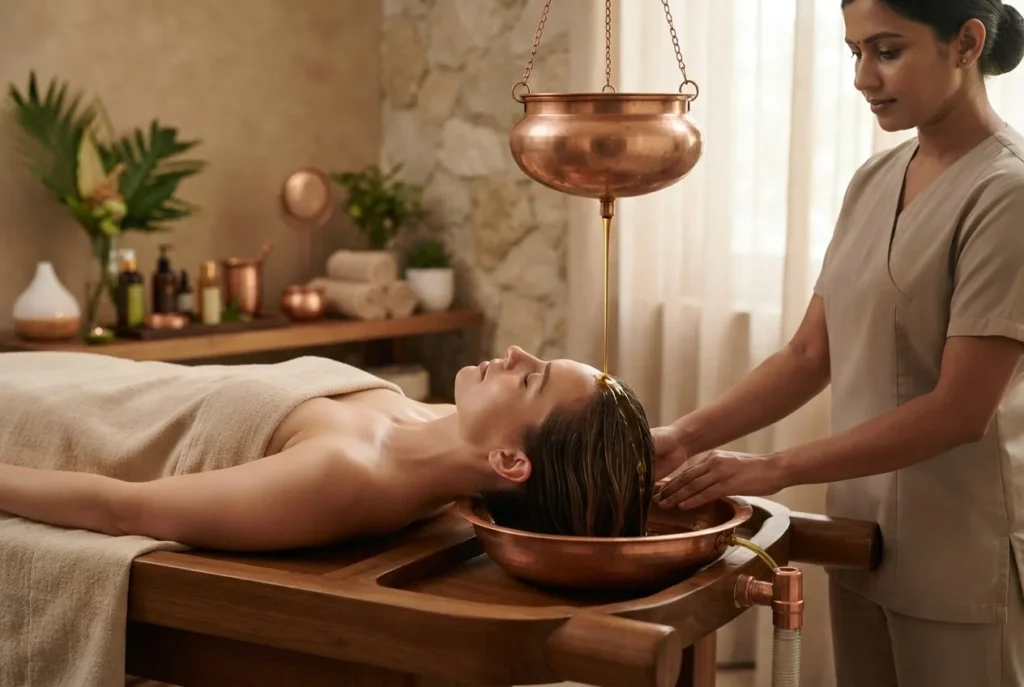
To locate trusted ayurveda massage near me including Shirodhara therapy, search local directories, verify practitioner certification, read recent client reviews, confirm oil and hygiene standards, and book a pre-treatment consultation to assess suitability—this ensures safe, dosha‑aligned sessions and clear expectations for outcomes and costs.
What Is Ayurveda Massage and How Does It Work?
Answer: Ayurveda massage combines tailored oil applications and rhythmic techniques to balance a person’s doshas—Vata, Pitta and Kapha—supporting circulation, nervous system regulation and lymphatic flow through specific practices like Abhyanga and therapeutic oil choice.
Term: Ayurveda — a traditional system of medicine from India focused on balancing bodily energies (doshas) through diet, lifestyle, herbs and manual therapies.
Ayurveda massage is a purposeful therapy that aligns touch, oils and sequence to a client’s constitution. It uses herbalised warm oils selected to reduce excess dosha and to deliver both local and systemic effects. The practice treats the body as an integrated system—skin, muscles, circulation, lymphatics, and the nervous system are engaged simultaneously.
Term: Abhyanga — a full‑body Ayurvedic oil massage involving long, synchronized strokes intended to calm the nervous system and mobilise toxins toward elimination paths.
How it works physiologically:
- Oil absorption: herbal oils penetrate skin layers delivering lipophilic phytochemicals and emollients that support skin barrier and microcirculation.
- Mechanical effect: rhythmic strokes increase peripheral blood flow and lymphatic drainage, aiding detoxification and nutrient exchange.
- Neuromodulation: slow, steady massage reduces sympathetic activity and boosts parasympathetic tone, improving sleep and digestion.
- Dosha balancing: individualized oil and pressure choices aim to reduce the predominance of an aggravated dosha, restoring homeostasis.
Typical oils and their indications (examples):
- Sesame oil (til oil) — grounding, commonly used for Vata dosha and cooler seasons.
- Coconut oil — cooling, often chosen for Pitta imbalance or hot climates.
- Herbalised oils: Mahanarayan taila (for musculoskeletal tension), Brahmi or Bhringraj infused oils for nervous system and scalp support.
Clinical context and evidence: systematic reviews show potential benefits for pain reduction and improved quality of life in some chronic conditions (see clinical literature linked below). For deeper study, explore comprehensive Ayurveda literature.
Introduction to Shirodhara Therapy as Part of Ayurveda Massage?
Answer: Shirodhara is a targeted Ayurvedic therapy in which a steady stream of warm herbal oil is poured onto the forehead (third‑eye area) to calm the nervous system, improve sleep and relieve mental tension, often performed after or alongside Abhyanga.
Term: Shirodhara — a controlled, continuous pour of warm herbal oil onto the forehead aimed at soothing the brain and nervous system.
Shirodhara is chosen when clients report insomnia, anxiety, tension headaches, sensory overload or persistent mental chatter. The oil used is typically a calming herbal infusion—Brahmi, sesame with calming herbs, or medicated oils prepared following classical formulations—and temperature control is essential to safety and comfort.
Primary benefits of Shirodhara include:
- Deep relaxation and reduced sympathetic arousal;
- Improved sleep onset and sleep quality;
- Decreased anxiety and mental agitation;
- Support for stress‑related headaches and tension across neck and shoulders;
- Balancing of doshas associated with the head (often Vata and Pitta related symptoms).
Dosha considerations: Shirodhara can be adapted—gentler flow and cooler oils for Pitta, more grounding, slightly thicker oils for Vata. See Dosha balancing and Shirodhara for detailed matching of technique to constitution. For hair and scalp targets, see Ayurvedic hair care.
Case example: A 42‑year‑old client with chronic insomnia reported falling asleep within 20 minutes after three weekly Shirodhara sessions, with improved daytime concentration after two weeks (client outcome, clinic case notes, practitioner documented).
How to Locate Quality Ayurveda Massage Centers Near You?
Answer: Use a step‑by‑step search: local directories and maps, filter by practitioner credentials and services (Shirodhara availability), check recent reviews, request a pre‑treatment consult, and confirm hygiene, oils and safety protocols before booking.

- Search locally and refine keywords.
Start with “ayurveda massage near me” and “shirodhara massage near me” in maps and directory apps to list clinics offering Ayurveda-specific therapies. Use filters for distance and business hours. - Verify services and session types.
Confirm the clinic explicitly lists Abhyanga, Shirodhara, and therapeutic oil options; many centres note these on their service pages or booking portals. - Check practitioner credentials and training.
Ask whether therapists have formal Ayurvedic certification or training from recognised programs; this is discussed further under provider evaluation. For broader searching tips see finding Ayurveda wellness centers near you. - Read recent reviews and request references.
Prioritise centres with verifiable recent reviews mentioning cleanliness, oil quality, therapist knowledge and Shirodhara outcomes. - Confirm safety, oil sourcing and hygiene.
Ask where oils are sourced, whether they use medicated/infused oils, and whether the clinic follows single‑use linens or robust sanitation routines. - Book a consultation first.
Book a short intake session to discuss health history, medications, pregnancy, skin sensitivity and therapy goals before committing to a full treatment. - Compare cost and session structure.
Request a written session outline: duration, preparation, expected aftercare, and total cost including any add‑ons like Shirodhara or herbal steam. - Locate adjunct professional support.
If you want medical oversight or prescription herbal formulas, ask whether the centre can refer you to an Ayurvedic doctor; learn more about how to find medical consultations in how to find an Ayurvedic doctor near me. - Consider retreats or longer programs if needed.
For comprehensive detox or Panchakarma, review options like Panchakarma retreats and wellness centers.
Practical search tools:
- Local business listings and maps (filter by “Ayurvedic” and “Shirodhara”).
- Professional association directories and certified practitioner lists.
- Social proof: recent verified reviews and before/after treatment testimonials.
Safety note: Always disclose current medications, neurological conditions, pregnancy, skin allergies, or open wounds during your consultation—these affect suitability for Shirodhara and some oils.
Evaluating Ayurveda Massage Providers: What to Look for?
Answer: Prioritise authentic treatment protocols, therapist qualifications and certification, hygiene standards, clear pricing and customization—verify through direct questions, documented credentials and client reviews.
Term: Panchakarma — a series of intensive Ayurvedic detox therapies (distinct from routine massage) used for deeper cleansing and requiring medical supervision.
Checklist — quick scan before booking:
- Visible practitioner credentials and certifications;
- Detailed service descriptions (Abhyanga, Shirodhara, oil names);
- Hygiene protocols: fresh linens, clean treatment rooms, oil disposal policies;
- Pre‑session health intake and contraindication screening;
- Customization: session tailored to dosha and health goals;
- Transparent pricing and cancellation policies;
- Recent, verifiable reviews and client outcomes;
- Insurance or regulatory compliance where applicable.
Why certification matters: formally trained therapists are more likely to recognise contraindications, manage oils safely, and adapt pressure and flow for individual dosha needs. Check training directories; for course options see certified Ayurveda practitioners and Ayurvedic practitioner training and certification.
Comparison table: Ayurveda massage vs conventional massage
| Feature | Ayurveda Massage | Conventional Massage |
|---|---|---|
| Philosophy | Holistic, dosha‑based balancing | Symptom and tissue‑focused (muscle/joint) |
| Oils | Herbalised warm oils specific to constitution | Oils or lotions chosen for glide, not herbal action |
| Typical techniques | Long rhythmic strokes (Abhyanga), Shirodhara | Swedish, deep tissue, sports techniques |
| Assessment | Pre‑session dosha health and lifestyle intake | Muscle and pain history focus |
| Training | Often Ayurveda‑specific certification recommended | Registered massage therapy qualifications common |
Red flags to avoid:
- No intake or health screening;
- Unclear oil sources or use of low‑quality/industrial oils;
- No visible credentials or refusal to show training details;
- Pushy sales for long packages before a trial session;
- Poor hygiene, persistent unpleasant odours in treatment rooms.
Regulatory and authority resources: consult government guidance on traditional medicine safety and professional standards; for clinical evidence review see external clinical literature links below. When in doubt, ask the provider for references or to observe a short demonstration of a Shirodhara setup.
Typical Ayurveda Massage Session Experience and What to Expect?
Answer: Expect a pre‑session consultation, oil selection and body work (Abhyanga), optional Shirodhara, rest and simple aftercare—session durations commonly range 60–120 minutes with clear stepwise phases from intake to post‑treatment guidance.
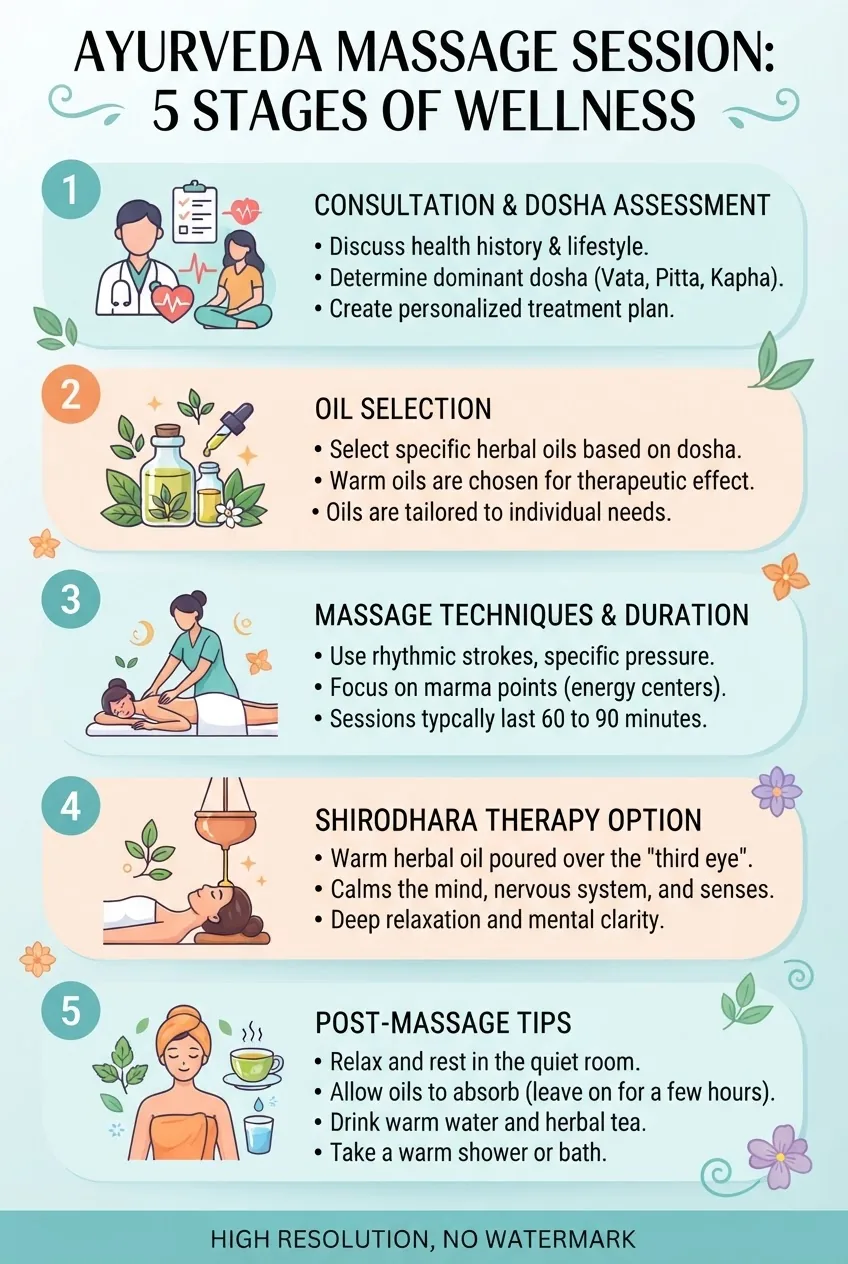
- Intake / Consultation (10–20 minutes).
Health history, current medications, sleep, digestion, stressors, and dosha questions; therapist records contraindications and goals. - Oil selection and preparation (5–10 minutes).
Therapist chooses warmed herbal oil (e.g., sesame, coconut, medicated oils) and explains reasons for selection; client changes into appropriate clothing or a sheet is prepared. - Abhyanga full‑body massage (45–75 minutes).
Head‑to‑toe rhythmic strokes with specific pressure and stroke length based on dosha and clinical needs; focus areas may be neck, shoulders, or lower back if indicated. - Optional Shirodhara (20–40 minutes).
Performed lying supine with head supported and continuous oil flow onto forehead; therapist monitors oil temperature and flow rate and adjusts for client comfort. - Post‑massage rest and instructions (10–20 minutes).
Client rests quietly, drinks warm water or herbal tea, and receives aftercare instructions: avoid heavy exercise for 24 hours, prefer warm baths, and follow dietary or herbal suggestions if provided.
Session duration summary table:
| Service | Typical duration | Notes |
|---|---|---|
| Initial consultation + Abhyanga | 60–90 minutes | Standard for first visits |
| Abhyanga + Shirodhara | 90–120 minutes | Includes oil flow and rest time |
| Short follow-up session | 45–60 minutes | Maintenance or targeted areas |
Client perspective walk-through (practical example): you arrive 10 minutes early, complete the intake form, discuss goals, the therapist warms a sesame-based oil, you lie on the table and receive a full Abhyanga. If Shirodhara is included, you are repositioned and the therapist begins the slow oil stream; therapist checks comfort frequently. After the session, you rest and are given temperature and dietary suggestions.
Safety protocols therapists should follow: temperature checks for Shirodhara oil, use of warmed but non‑scalding oils, sanitized equipment, and clear consent for every step.
Health Benefits of Ayurveda Massage and Shirodhara Therapy?
Answer: Ayurveda massage and Shirodhara can reduce stress, improve sleep, enhance circulation, support detoxification pathways, and promote mental clarity; benefits vary by individual and dosha-targeted approach.
Top benefits with brief explanations:
- Stress reduction: rhythmic massage and Shirodhara lower sympathetic drive and induce parasympathetic relaxation, reducing cortisol-related symptoms.
- Improved sleep: calming oils and third‑eye stimulation during Shirodhara support sleep onset and depth for many clients.
- Enhanced circulation: long strokes and warmed oils increase peripheral blood flow and capillary exchange.
- Detoxification support: massage mobilises lymph and may assist metabolic clearance; for deeper cleansing see Panchakarma detox treatments.
- Mental clarity and mood stabilization: reductions in anxiety and improved cognitive focus reported after a course of treatments.
- Immune system support: enhanced lymphatic flow and reduced chronic stress can indirectly support immunity.
Complementary products and formulas: consider integrating herbal supplements when advised by a qualified Ayurvedic practitioner; see Ayurvedic Supplements and Herbal Medicine Explained Guide for guidance on herbs that complement massage therapy.
Evidence and authority: randomized and observational studies show benefits for pain, sleep and anxiety in select populations; for an accessible clinical review, consult external literature resources linked below. According to a 2023 public health report, increasing use of complementary medicine has driven more standardised safety guidance for traditional therapies (public health report).
Products to consider with professional guidance: herbal supplements to complement massage and Ayurvedic herbal formulas when appropriate and prescribed by a trained Ayurvedic doctor.
Common Questions About Ayurveda Massage Near Me and Shirodhara Therapy?
Answer: Costs, frequency, contraindications, and suitability vary—ask your provider about pricing, recommended course frequency, specific contraindications (pregnancy, fever, open wounds), and expected side effects like temporary oiliness or drowsiness.
Quick Q&A summary of common practical points:
- Cost: varies by region and duration; see the FAQ below for typical ranges.
- Frequency: initial weekly sessions for 4–6 weeks are common, then monthly maintenance for many clients.
- Contraindications: acute fever, infectious skin disease, certain cardiovascular conditions, recent surgery—always disclose medical history.
- Side effects: short-term fatigue, mild detox symptoms or increased sleepiness; report concerns to your therapist.
Tips for Booking and Preparing for Your First Ayurveda Massage or Shirodhara Session?
Answer: Book a consultation first, confirm oils and Shirodhara availability, disclose health history, follow light meals before treatment, wear loose clothing, and ask aftercare and follow-up questions to maximize safety and results.
Step-by-step practical preparation:
- Schedule a pre-treatment consultation. Provide medical history and current medications, pregnancy status, allergies and recent procedures.
- Ask these questions before booking: Which oils will you use? Do you offer Shirodhara? What are hygiene policies? What training do therapists have?
- Diet and body prep. Avoid heavy meals 60–90 minutes before treatment; prefer light warm fluids. For longer programs consult dietary guidelines such as Ayurvedic diet tips for weight management and Ayurvedic nutrition principles.
- Clothing and modesty. Wear loose, comfortable clothes; therapists typically provide sheets and privacy. Remove jewellery and contact lenses if requested.
- Transportation and rest. Plan gentle movement after the session—avoid driving long distances immediately if drowsy from Shirodhara.
- Aftercare questions to ask. What should I avoid eating? When can I shower? When should I schedule the next session?
Sample checklist to bring to your appointment:
- List of medications and supplements;
- Recent health reports if relevant;
- Contact details for emergency or referral;
- Any specific skin sensitivities noted.
Empathy note: If you are nervous about oil pouring in Shirodhara, request a trial flow or shorter duration—therapists should accommodate gradual exposure.
What Else Should I Know Before Booking Ayurveda Massage Near Me?
Answer: Verify practitioner transparency, safety policies and whether treatments are tailored to your dosha and goals; seek follow‑up care and consult your GP for complex medical conditions before starting intensive programs.
When to involve medical oversight:
- Pregnancy—special precautions or contraindications;
- Neurological disorders or epilepsy—seek medical clearance;
- Anticoagulant therapy—massage intensity and Shirodhara heating must be carefully adjusted;
- Active infections or open wounds—postpone treatment.
If you want to explore foundational texts and dosha theory further, see comprehensive Ayurveda literature and Ayurveda for wellness benefits.
Disclaimer: Ayurveda massage and Shirodhara are complementary therapies and do not replace medical diagnosis or treatment. Always consult your primary healthcare provider for serious or acute conditions.
Conclusion and Next Steps
Locate Ayurveda massage near me by prioritising certified practitioners, transparent clinic practices, and services that explicitly offer Shirodhara; book a consultation, confirm oils and safety checks, and start with a trial session to experience benefits safely. If you’re ready, call a local clinic, request their intake form and schedule a consultation.
Ready to book? Use the search tips above, review credentials, and ask for a consultation to confirm Shirodhara availability and a tailored treatment plan. For complementary reading on supplements that pair well with massage, see Ayurvedic Supplements and Herbal Medicine Explained Guide.
External resources for safety and evidence:
- World Health Organization on traditional medicine (government/agency resource).
- Clinical review of Ayurvedic interventions (PMC review) (peer-reviewed literature).
- National Ayurvedic Medical Association (training and standards) (professional association).