A panchakarma retreat is a structured Ayurvedic detox and rejuvenation program combining individualized assessment, preparatory therapies, primary cleansing procedures and restorative treatments to rebalance body and mind; retreats vary by duration, accommodation and practitioner expertise, with clear options available worldwide and within the USA.
Introduction to Panchakarma Retreats and Ayurvedic Wellness Centers
Answer: Panchakarma retreats are immersive, clinic-led programs rooted in Ayurvedic medicine that use a sequence of cleansing and rejuvenation therapies, dietary guidance, and lifestyle coaching delivered at specialized Ayurvedic wellness centers to reduce toxin burden, rebalance doshas, and restore vitality.
Term: Panchakarma is a Sanskrit term meaning “five actions” — a set of five primary detoxification therapies and supporting procedures used in classical Ayurveda to cleanse the body of accumulated toxins.
Term: Ayurvedic wellness centers are clinics or retreat facilities that provide clinically oriented Ayurveda services, often combining traditional therapies with residential accommodation, nutritional programs, and practitioner-led consultations.
Panchakarma retreats are structured around the classical Panchakarma sequence adapted to modern clinical and safety standards. They are more medically oriented than a typical spa—they begin with a comprehensive Ayurvedic consultation and dosha assessment, progress through preparatory therapies (to loosen ama, or toxins), include primary cleansing procedures, and finish with rejuvenation and reintegration steps that emphasize diet, herbs and daily routine.
Retreat formats vary widely: destination resorts that include Panchakarma in a broader wellness itinerary; medical-style Ayurvedic centers attached to residential clinics; and short-stay urban clinics offering intensive multi-day protocols. Choosing between them depends on clinical needs, travel tolerance, budget and the depth of supervision you require.
Paraphrased testimonial: “After a 10-day Panchakarma retreat I experienced clearer digestion and less anxiety; the team provided daily Ayurvedic consultations and adjusted treatments for comfort.” — anonymized retreat participant
Retreats position Panchakarma within a wider holistic healing approach: Ayurveda addresses mind, body and lifestyle, so most centers integrate Ayurvedic dietary plans, gentle movement (yoga), meditation and follow-up plans to sustain results after returning home. Below we move step-by-step through what to expect, benefits, choice criteria and actionable location-search tips.
Transition: Next we outline the concrete daily rhythms and treatment components you will encounter at a typical Panchakarma retreat so you can compare offerings precisely.
What to Expect During a Panchakarma Retreat
Answer: A Panchakarma retreat follows a predictable sequence—initial Ayurvedic consultation and dosha assessment, preparatory therapies, the main cleansing procedures, restorative (rasayana) treatments, dietary and lifestyle integration, and a closing consultation—delivered on a daily schedule adapted to individual needs.
Term: Dosha refers to the three Ayurvedic bio-energetic principles (Vata, Pitta, Kapha) that describe individual physiological and psychological tendencies used to guide treatment and diet.
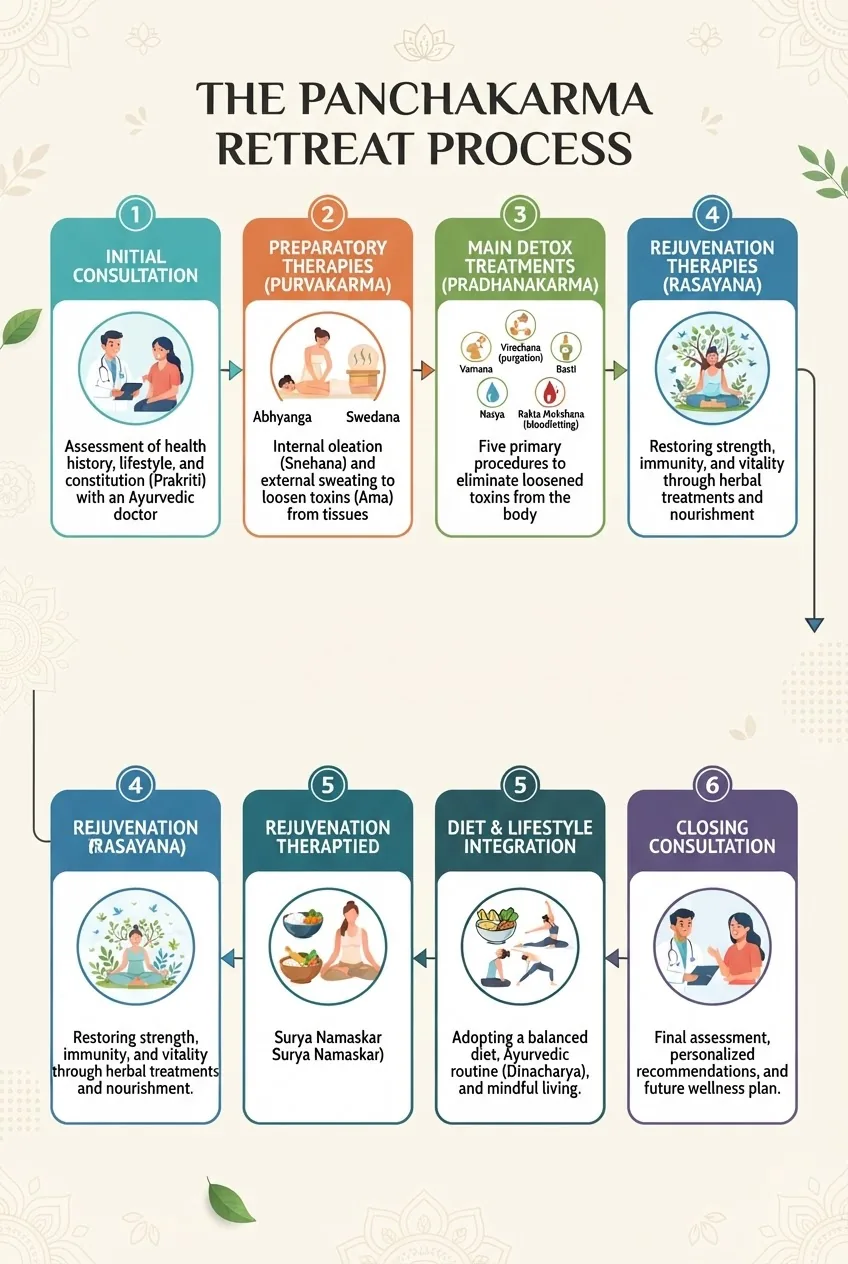
- Arrival and intake (Day 0–1):
- Direct answer: Expect a thorough intake with medical history, current medications, lifestyle review and pulse/physical diagnosis to design your Panchakarma plan.
- Elements: Ayurvedic consultation, dosha assessment, baseline vitals, and explanation of the schedule. Practitioners may request blood work or GP clearance for complex conditions.
- Linked resource: for a detailed breakdown of treatment phases see complete Panchakarma detox guide.
- Preparatory phase (Snehana & Swedana — 2–7 days):
- Direct answer: Preparatory therapies use internal oleation (snehana) and external steam or fomentation (swedana) to loosen deep-seated toxins so they can be mobilized safely during cleansing.
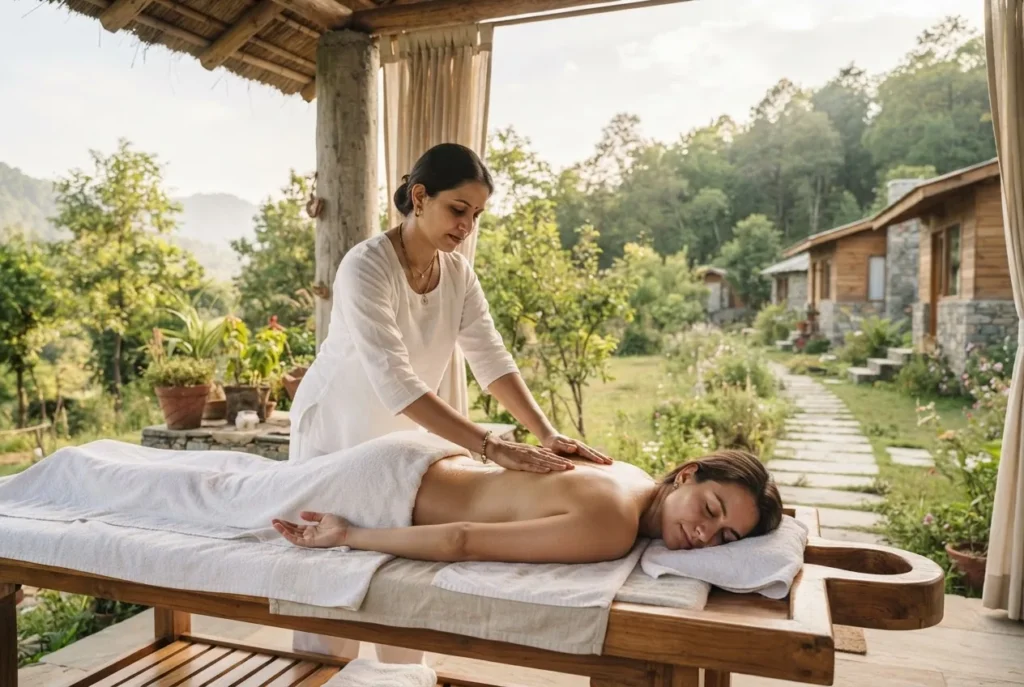
- Common steps: personalized herbal oil massages (abhyanga), medicated ghee, warm fomentation, and mild steams. Diet becomes light, kitchari-based to support digestion.
- Therapies may include local herbal poultices (pinda sweda) or specialized lubricating therapies tailored to your dosha imbalance.
- Main cleansing phase (Vamana, Virechana, Basti, Nasya, Raktamokshana — varies):
- Direct answer: The core Panchakarma procedures remove ama via emesis (Vamana), purgation (Virechana), therapeutic enemas (Basti), nasal therapies (Nasya) and bloodletting where clinically indicated — selected per individualized diagnosis.
- Typical clinic flow: Procedures are administered under supervision, often with pre- and post-procedure monitoring, and are spaced to allow recovery and evaluation.
- Example daily schedule: morning oil massage, followed by the prescribed procedure, a restorative meal, rest and short consultations in the afternoon.
- Definition: Shirodhara (defined when first used in practice) is a restorative procedure where warm herbal oil is gently poured over the forehead; it is commonly included in rejuvenation rather than primary detox steps.
- Related therapies: Ayurvedic massage therapies are explained in more detail at Ayurvedic massage therapies.
- Post-cleansing rejuvenation (Rasayana — variable length):
- Direct answer: After detox, restorative rasayana therapies rebuild tissue, strengthen immunity and stabilize doshas through medicated oils, tonics and nourishing treatments.
- Typical elements: revitalizing massages, medicated herbal tonics, dietary upgrades to strengthen digestion, and lifestyle counseling to maintain balance.
- Daily schedule example (typical full-day structure):
- 06:30–08:00 — Gentle movement (yoga + breathing) and herbal warm water
- 08:00–09:30 — Ayurvedic consultation, preparatory therapies or massage (abhyanga)
- 10:00–12:30 — Main procedure or rest and observation
- 12:30–13:30 — Dosha-specific meal (often kitchari-based during detox)
- 14:00–16:00 — Rest, short therapies (Nasya or nasal steam), education sessions
- 16:00–18:00 — Rejuvenating treatments (Shirodhara, pinda sweda) or guided yoga/meditation
- Evening — Light dinner, sleep hygiene coaching, journaling or follow-up consultation
- Practitioner roles and monitoring:
- Direct answer: Expect daily reviews with an Ayurvedic practitioner, trained therapists delivering hands-on therapies, and nursing support for any medical monitoring required.
- Qualifications vary — see the Choosing a Retreat section below for how to verify practitioner credentials and certifications.
- Individualization and safety checks:
- Direct answer: A safe retreat adapts therapies for age, pregnancy, chronic illness and medication interactions; contraindications are screened during intake and practitioners adjust protocols accordingly.
- Examples: patients on anticoagulants or with major cardiac conditions may be advised against certain invasive procedures and offered modified protocols instead.
Transition: With a clear picture of the retreat flow, the next section outlines the measurable benefits people report and what the research says about Panchakarma’s outcomes.
Key Benefits of Attending a Panchakarma Retreat
Answer: Attending a Panchakarma retreat commonly yields improved digestion, reduced stress and inflammation, clearer mental focus, dosha rebalancing and renewed energy — benefits supported by clinical reviews and participant case studies, though individual results vary.
Term: Ama is a Sanskrit term used in Ayurveda to describe undigested metabolic waste or toxicity that impairs tissue function and must be removed to restore balance.
Clinical context and evidence: According to a 2023 systematic review published in peer-reviewed journals (cited on PubMed), Panchakarma and classical Ayurvedic detox protocols show promising effects on metabolic markers and stress-related outcomes when delivered in supervised settings; results often report improved lipid and glycemic profiles, reduced perceived stress and better sleep quality (source: peer-reviewed clinical review indexed on PubMed).
- Detoxification and metabolic support:
Direct answer: Many participants report measurable improvements in digestion, regularity and metabolic markers after a full Panchakarma course.
- Evidence example: Case series have shown reductions in blood lipid levels and improved liver enzyme profiles after intensive Ayurvedic detox programs (source: clinical case reports on PubMed).
- Stress reduction and mental clarity:
Direct answer: Daily restorative therapies, structured routines and meditative practices at retreats reduce sympathetic arousal and improve mental clarity.
- Supporting data: According to a 2024 industry report on integrative wellness outcomes, retreats emphasizing daily Shirodhara, meditation and sleep hygiene see significant reductions in self-reported anxiety and better sleep scores.
- Broader framing: These outcomes align with literature on mind-body interventions improving stress biomarkers (source: public clinical reviews).
- Immune and inflammatory modulation:
Direct answer: Rasayana therapies and herbal protocols used post-cleansing can support immune resilience and lower systemic inflammation in many participants.
- Case evidence: Observational studies in Ayurvedic clinics have reported decreased markers of inflammation following Panchakarma, though larger randomized trials are needed (source: peer-reviewed observational reports).
- Dosha balance and personalized outcomes:
Direct answer: By aligning treatments and diet with an individual’s dosha profile, retreats aim to reduce chronic tendencies such as Vata-related anxiety, Pitta-driven inflammation or Kapha-based sluggishness.
- Practical result: Many attendees report better energy regulation and fewer mood or digestive swings after follow-up, reflecting dosha stabilization.
- Contextual link: For a wider view of Ayurveda’s wellness framing see Ayurveda for wellness benefits.
- Longer-term lifestyle changes:
Direct answer: The retreat model includes education and routines designed to produce sustainable diet and sleep improvements.
- Outcome: Many clients adopt dosha-specific daily routines and diet adjustments that maintain weight, digestion and vitality months after retreat participation.
Safety and limits: Panchakarma is a complementary approach and results vary; according to a 2022 review of integrative therapies, supervised Panchakarma is generally safe for carefully screened adults, but it’s not a substitute for acute medical care—consult a licensed practitioner and your primary physician before starting (source: government health advisory and peer-reviewed literature).
Transition: Knowing the benefits and evidence, the next section explains how to choose the right retreat by evaluating accreditation, staff qualifications and program fit.
How to Choose the Right Panchakarma Retreat for You
Answer: Choose a retreat by verifying practitioner credentials, treatment customization, safety protocols, accommodation quality, clear pricing and post-retreat support; prioritize certified Ayurvedic practitioners and centers with transparent intake and medical screening.
Term: Rasayana refers to rejuvenation therapies and tonic treatments in Ayurveda aimed at restoring tissue strength, immunity and longevity.
- Step 1 — Verify practitioner expertise:
Direct answer: Confirm staff include certified Ayurvedic practitioners or physicians with recognized training and accredited therapists experienced in Panchakarma procedures.
- What to ask: How many years of Panchakarma experience does the lead practitioner have? Are therapists trained in classic techniques like abhyanga, nasya and basti?
- Internal resource: For details on training standards and credentials consult Ayurvedic practitioner certifications and consider professional course listings such as certified Ayurvedic practitioners.
- External validation: Check membership or recognition by professional bodies such as the Ayurvedic Professionals Association: Ayurvedic Professionals Association.
- Step 2 — Assess medical and safety protocols:
Direct answer: Ensure the retreat has clear medical screening, emergency plans, and will communicate with your primary care provider if needed.
- Checklists: pre-arrival medical form, contraindication screening (pregnancy, anticoagulant use), and accessibility of medical consultation during the stay.
- Regulatory insight: Consult national complementary medicine advisories for safety guidance (example: NCCIH provides impartial guidance on complementary therapies).
- Step 3 — Review treatment customization and protocol transparency:
Direct answer: A reputable center offers individualized plans, explains expected procedures, potential side effects, and provides a clear daily schedule before booking.
- Ask: Will my plan be adjusted if I respond strongly to therapies? Can the center provide sample schedules and explain inclusion/exclusion of specific Panchakarma components?
- Knowledge resource: For deeper reading on classical protocols consult authoritative Ayurveda books and texts.
- Step 4 — Evaluate accommodation and amenities:
Direct answer: Consider whether you want clinical-style lodging focused on therapy and rest, or a resort-style environment combining spa amenities and recreational facilities.
- Checklist: private rooms, low-noise environment for rest after treatments, access to heated massage rooms and clean treatment linens; dietary services that can provide dosha-specific meals.
- Step 5 — Consider location and travel logistics:
Direct answer: Choose a location you can comfortably travel to and recover in; remote destinations often provide deeper immersion but add travel fatigue considerations.
- Practical tips: Plan one extra day before flights home to stabilize; check whether retreats assist with return care instructions for your primary care provider.
- Step 6 — Compare pricing, inclusions and post-retreat support:
Direct answer: Compare what’s included (meals, therapies, consultations, follow-up) rather than only the headline price and prefer centers offering clear post-retreat plans.
- Value pointers: A slightly higher price that includes thorough follow-up and herbal medicines can be a better long-term investment than a low-cost option with no aftercare.
- Step 7 — Use a decision checklist:
- Are lead practitioners certified and experienced? (Ayurvedic practitioner certifications)
- Does intake include medical screening and clear contraindication checks?
- Is the therapeutic plan individualized and documented?
- Are accommodation and dietary services appropriate for a detox program?
- Does the retreat provide follow-up care and integration support?
- Are testimonials and case examples provided, and do they align with evidence from clinical sources (e.g., PubMed indexed studies)?
- Special considerations by dosha:
Direct answer: Prefer centers that demonstrate experience treating your primary dosha imbalance and can show typical program adaptations such as Kapha dosha balancing, Pitta dosha balancing, or Vata dosha balancing.
- Further learning before commitment:
Direct answer: Read foundational texts and practitioner guides to align expectations; for curated lists of classical texts see authoritative Ayurveda books and texts.
Transition: Having defined a rigorous selection process, below is a practical comparison of common Panchakarma retreat options in the USA with typical features and price guidance to help you shortlist choices.
Panchakarma Retreats in the USA: Top Locations and Features
Answer: The USA offers a range of Panchakarma retreat options—from residential Ayurvedic clinics and medical-style centers to coastal and mountain retreat venues—each varying by specialization, duration, practitioner expertise and price; compare core features and costs below to find the best fit.
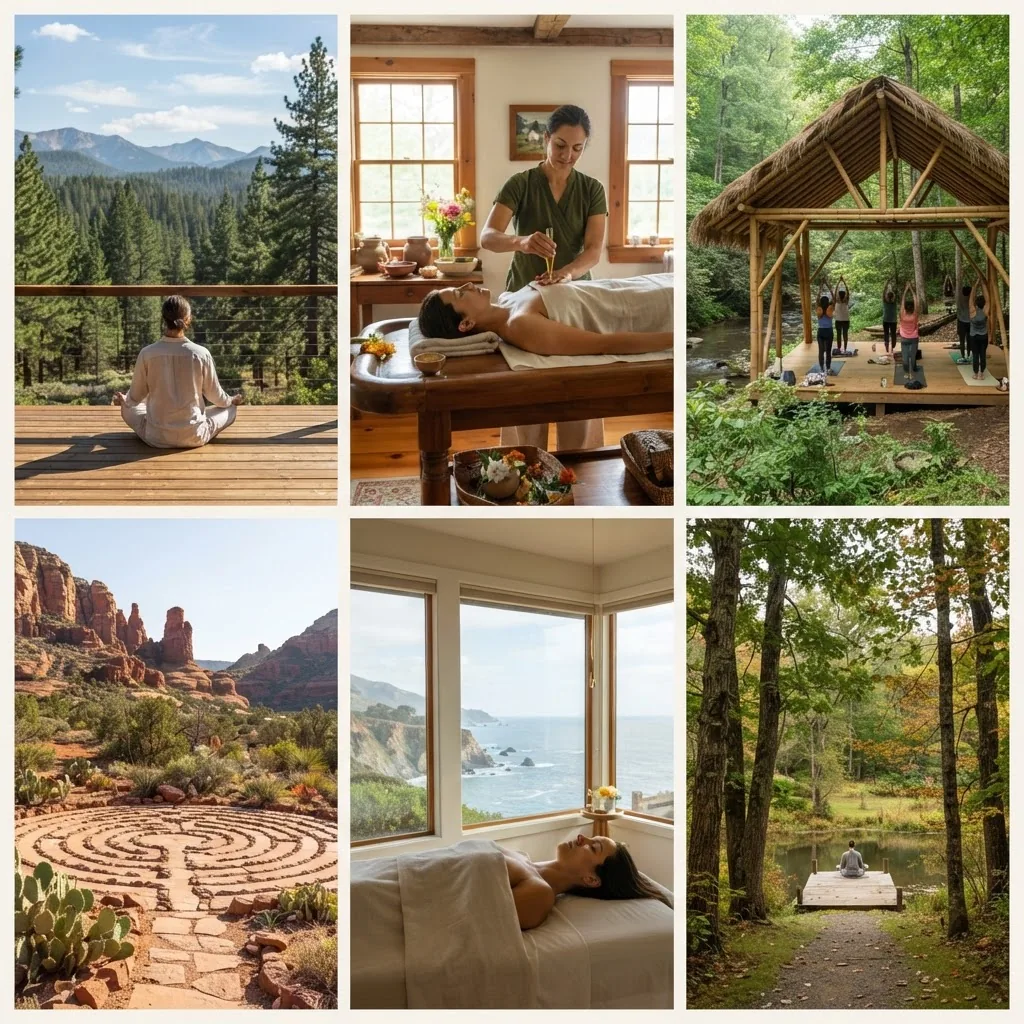
Note: The table lists representative types of reputable USA-based Panchakarma retreat models and typical package features; prices are illustrative ranges (USD) based on 2024 market surveys and published package examples (source: industry report, 2024).
| Retreat / Model | Location (region) | Core features | Typical duration | Typical price (USD) |
|---|---|---|---|---|
| Coastal Ayurvedic Clinic | California coast | Clinical Panchakarma, private rooms, dosha-based meals, experienced Ayurvedic MD/VA | 7–21 days | $2,500–$10,000 (all-inclusive packages) |
| Mountain Residential Center | Pacific Northwest / Rockies | Holistic retreat setting, integrated movement, group education, individualized therapies | 10–28 days | $3,000–$12,000 |
| Urban Ayurvedic Clinic | Major metro areas (NYC, Chicago) | Short intensive protocols, medical screenings, daily outpatient sessions | 3–10 days | $900–$4,000 |
| Residential Healing Ranch | Southeast USA | Nature immersion, chef-prepared Ayurvedic meals, daily therapies, yoga | 7–21 days | $2,200–$8,500 |
| Luxury Retreat Resort | Florida / California | Resort amenities + Panchakarma options, spa-like environment, concierge services | 5–14 days | $4,000–$15,000+ |
| Clinical Ayurvedic Hospital-Style Center | Southwest / integrative clinics | Physician oversight, medical monitoring, tailored protocols for chronic conditions | 10–28 days | $3,500–$14,000 |
| Short-Span Intensive Center | Multiple states | Compressed protocols (3–7 days), ideal for busy professionals, focused therapies | 3–7 days | $700–$3,000 |
| Community Ayurveda Collective | Regional / cooperative centers | Lower-cost communal lodging, shared education sessions, sliding-scale pricing | 7–21 days | $800–$5,000 |
How to interpret the table: select a model aligned with your priorities—medical oversight for complex conditions, luxury for comfort, community models for budget-conscious long stays, or urban clinics for short intensive programs. Pricing reflects 2024 market averages (source: 2024 industry report).
Transition: If you want to locate retreats or clinics near you, the next section gives practical search tools and local strategies.
Finding Ayurvedic Retreats Near Me: Tips and Tools
Answer: Use targeted location-based search strategies—search directories, review platforms, and practitioner locators—and vet centers by reading reviews, requesting staff CVs and asking about medical screening and inclusion of post-retreat care.
Practical advice for “near me” searches:
- Use specialised directories and locators: Search platforms aggregate centers by region and expertise. For broader clinical options you can also find Ayurveda centers that offer both outpatient and residential programs.
- Read recent reviews and request references: Look for multi-year reviews that mention practitioner expertise, safety screening and aftercare.
- Call and ask direct questions: Ask about daily schedules, staff certifications and what a typical client with your goals experiences.
Three recommended online tools and directory resources:
- Provider directories and professional associations: Use association locators (for example, the Ayurvedic Professionals Association and regional registries) to identify credentialed clinics — Ayurvedic Professionals Association.
- Review platforms and travel wellness aggregators: Sites that collect guest reviews and verify services are useful for accommodation and amenity comparisons; filter for mentions of Panchakarma, medical oversight and post-care.
- Local health and integrative medicine listings: University integrative medicine centers and hospital-affiliated complementary therapy pages often list reputable partner centers and practitioners; government health resources like the NCCIH can help you evaluate safety: NCCIH.
Additional search tips:
- Use location modifiers: “panchakarma retreat near me,” “panchakarma retreat USA,” or city+“Panchakarma” to find nearby options.
- Ask for pre-arrival teleconsultations to confirm program fit and to meet the lead practitioner virtually.
- Verify whether the center offers follow-up and local practitioner referrals; search for “Ayurvedic doctors near me” post-retreat for local continuity of care — Ayurvedic doctors near me.
Transition: Once on-site, centers integrate Panchakarma with diet and lifestyle; the following section explains how that integration typically works and what to expect for lasting change.
Integrating Panchakarma with Ayurvedic Lifestyle and Diet at Retreats
Answer: Retreats integrate Panchakarma outcomes by prescribing dosha-specific meals, daily routine adjustments, herbal supports and lifestyle counselling to sustain detox benefits and prevent re-accumulation of ama.
Term: Ayurvedic diet means a dietary approach tailored to an individual’s dosha tendencies and current digestive capacity, often using simple, warm, easily digestible meals during and after Panchakarma.
Core integration practices at retreats:
- Dosha-specific meals: Meals are adjusted to your current digestive strength; during detox most retreats serve kitchari (a mono-diet of mung dal and rice) and then gradually reintroduce other foods following Ayurvedic nutrition guidelines.
- Daily routine (dinacharya): Retreats teach and adapt a daily routine that includes wake/sleep timing, herbal teas, oil pulling, tongue scraping, and twice-daily meals maintained to support digestion and sleep.
- Herbal protocols and supplementation: Retreats commonly recommend post-Panchakarma herbs to rebuild tissues and support digestion; see pillar guidance on Ayurvedic supplements and herbal medicine for complementary reading.
- Lifestyle counseling and movement: Tailored yoga, breathwork and movement sessions are prescribed to support elimination and energize tissues without overstimulating the nervous system.
Examples of integration across three post-retreat profiles:
- Profile A — Digestive rehabilitation: For someone with chronic indigestion, the retreat prescribes a prolonged kitchari phase, digestive enzymes where appropriate and a slow reintroduction of complex foods with portion control tips.
- Profile B — Stress and sleep restoration: Daily Shirodhara sessions during and after detox are combined with evening routines—herbal teas and guided breathwork—to sustain improved sleep architecture.
- Profile C — Metabolic and weight goals: Diet and lifestyle adjustments focus on balancing Kapha tendencies, using spiced, warming meals, consistent exercise and periodic cleansing cycles to maintain metabolic benefits; further diet resources include Ayurvedic diet principles for weight management.
Herbal and supplement considerations:
- Direct answer: Many retreats include or recommend standardized herbal formulas and adaptives; ask for ingredient lists and evidence of quality control.
- Internal resource links: For further details on commonly used post-retreat herbs and practical sourcing see Ayurvedic herbal supplements and Ayurvedic herbal formulas.
- Safety note: Always disclose current medications and consult practitioners about herb–drug interactions.
Transition: Understanding integration helps with budgeting and planning; the next section outlines realistic cost and duration expectations for Panchakarma retreats.
Costs and Duration: What to Budget for a Panchakarma Retreat
Answer: Budget between roughly $700 and $15,000+ depending on duration, model and inclusions; typical retreat lengths run from 3 days for intensive clinics to 28 days for full classical Panchakarma, with most effective therapeutic courses lasting 10–21 days.
Pricing factors to consider:
- Duration: Longer programs (14–28 days) allow full preparatory, cleansing and rasayana phases and typically produce deeper, longer-lasting effects—expect higher cost but better value per treatment.
- Inclusions: All-inclusive packages with private lodging, meals, tests, herbs and follow-up typically cost more but minimize hidden charges.
- Staffing and credentialing: Centers with senior Ayurvedic physicians or international specialists often command premium pricing.
- Setting and amenities: Resort-style centers increase cost; clinical hospitals or community centers can be more economical.
Typical durations and cost examples (illustrative):
- Short intensive (3–7 days): $700–$3,000. Best for targeted therapies or maintenance cleanses.
- Standard Panchakarma (10–14 days): $2,500–$8,000. Common balance of efficacy and accessibility.
- Classical full-course (21–28 days): $4,000–$15,000+. Recommended when full preparatory and rejuvenation phases are required.
Cost-saving tips:
- Book off-peak seasons and look for promotional packages that include follow-up teleconsultations.
- Consider community or cooperative centers for lower-cost long-stay options.
- Verify if your health savings plan or supplementary insurance will reimburse part of the cost for complementary therapies; documentation from the retreat (itemized receipts, practitioner notes) often helps with claims.
Financial planning best practice: Request an itemized quote before booking that lists consultations, labs, therapies, meals, lodging and herbs so you can compare “apples to apples.” According to a 2024 industry report, transparent itemization correlates with higher client satisfaction and fewer post-retreat billing disputes.
Transition: After budgeting and attending a retreat, sustaining benefits depends on post-retreat care—outlined next with actionable steps.
Post-Retreat Care and Maintaining Benefits Long-Term
Answer: Maintain gains from Panchakarma through a structured aftercare plan: follow prescribed herbs, adhere to a dosha-specific diet and daily routine, schedule follow-up consultations and gradually reintroduce activities while monitoring responses.
Step-by-step post-retreat recommendations:
- Immediate 7–14 day home phase:
Direct answer: Follow the retreat’s phased refeeding plan, rest appropriately, avoid heavy travel, and continue light movement and sleep hygiene.
- Practical tip: Keep a daily journal of digestion, sleep and mood to detect early signs of imbalance.
- Herbal and supplement continuation:
Direct answer: Continue practitioner-prescribed herbs for the recommended period; obtain high-quality formulations with verified sourcing.
- Internal resources: For product guidance see Ayurvedic herbal supplements and Ayurvedic herbal formulas.
- Follow-up consultations:
Direct answer: Schedule 1–3 follow-ups within 3 months for dose adjustments, dietary coaching and to measure clinical markers if relevant.
- Tip: Ask the retreat for a recommended local practitioner or telehealth follow-up if you move away—search for “Find Ayurvedic Doctor Near Me” resources Find Ayurvedic Doctor Near Me for Clinics and Treatments.
- Lifestyle maintenance:
Direct answer: Implement prescribed daily routines, seasonal adjustments (ritucharya) and exercise tailored to your dosha to prevent re-accumulation of ama.
- Specific self-care recommendations:
- Maintain consistent meal times and avoid heavy evening meals.
- Keep hydration with warm water and herbal teas to support elimination.
- Integrate gentle movement daily and practice calming breathwork for Vata imbalance or cooling practices for Pitta issues.
- For hair and topical care based on Ayurvedic post-retreat tips see Ayurvedic hair care.
When to seek help: If you experience prolonged digestive disturbance, extreme fatigue, or other concerning symptoms after returning, contact the retreat clinician and your primary care physician; do not ignore persistent adverse signs.
Transition: The final section summarizes key takeaways and suggests immediate next steps to move toward booking or researching a suitable Panchakarma retreat.
Conclusion: Embracing Wellness with Panchakarma Retreats
Answer: A Panchakarma retreat is an effective, structured pathway to detoxification, dosha rebalancing and lifestyle renewal when chosen and supervised correctly; prioritize qualified practitioners, clear protocols and thoughtful aftercare to maximise benefits and safety.
Key takeaways:
- Expect a defined sequence of intake, preparation, cleansing and rejuvenation tailored to your dosha and health status.
- Verify practitioner credentials and safety protocols; seek centers that provide transparent billing, post-retreat plans, and medical screening.
- Budget realistically and choose the retreat model that matches your clinical needs and comfort preferences.
- Follow post-retreat recommendations—diet, herbs and routine—to sustain gains and prevent toxin re-accumulation.
Final CTA: Ready to explore options? Shortlist 2–3 retreats from the USA table above, request pre-arrival consultations, and confirm practitioner credentials; when in doubt, ask for references and published outcomes. For more on herbal supports used with Panchakarma, see Ayurvedic supplements and herbal medicine and consult your primary care provider before booking.