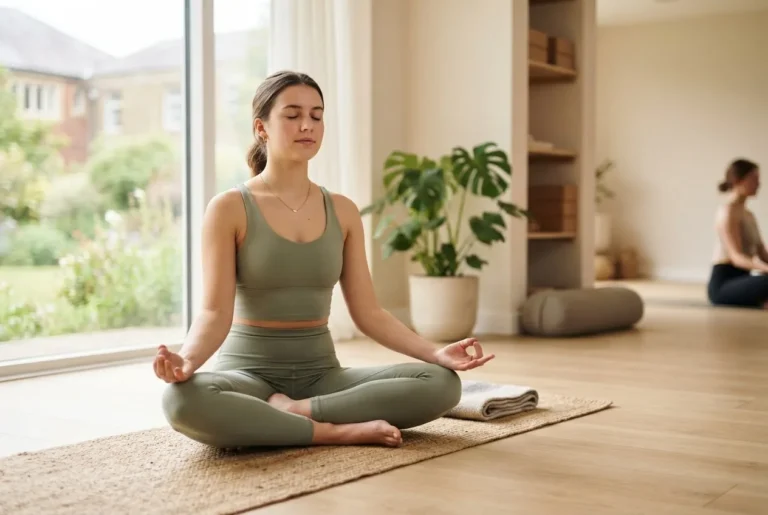
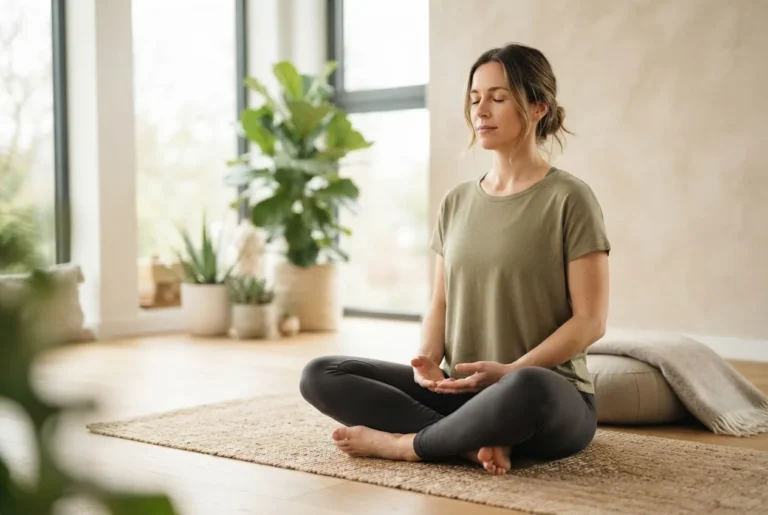
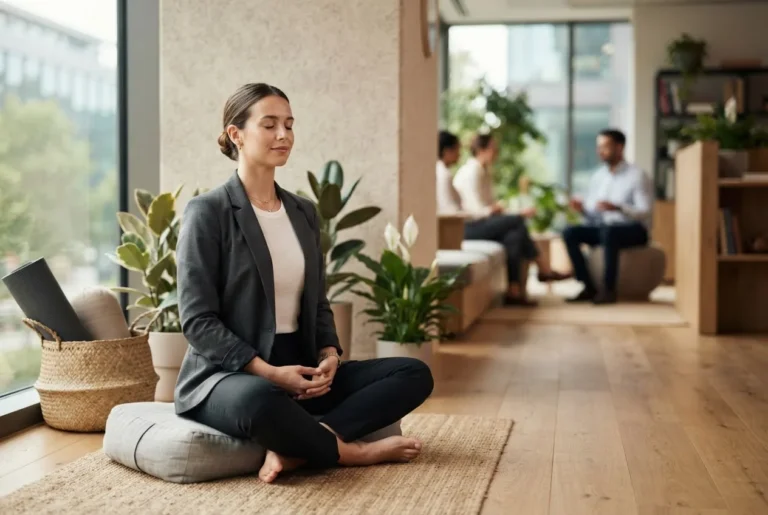
Peace in life is a practical, learnable condition you can steadily build. By the end of this hands-on guide you will have a step-by-step plan to reduce anxiety, create daily practices, and an evidence-informed routine to sustain peace; expect clear change in 4–12 weeks with consistent practice; skill level: beginner to motivated intermediate.
Before you start
Gather these prerequisites and tools so you can practice without interruption and measure progress.
- Time blocks: 10–30 minute slots, twice daily for first 4 weeks.
- Tools: a simple notebook (A5), a timer or phone app, a quiet chair or cushion, a mat for mindful movement.
- Environment: a low-distraction space where you can dim lights and sit for at least 10 minutes uninterrupted.
- Mindset: willingness to do short daily practices and to journal weekly; aim for 80% adherence not perfection.
- Support: contact details of a trusted professional if intense distress appears.
Understanding Peace in Life: Foundations and Importance
This section defines what you are building and why it matters practically and spiritually. Start by visualising—peace of mind is like a calm lake reflecting the sky: when the surface is still, you can see clearly. In working terms, peace of mind means consistent emotional regulation, minimal intrusive worry, and the capacity to act from choice rather than reactivity.
Peace in life integrates three domains:
- Mental calm: fewer racing thoughts and improved focus.
- Emotional balance: ability to notice emotions and let them move without getting swept away.
- Spiritual wellbeing: a sense of connection to values, purpose or something larger than the self.
Example: Maya, a 34-year-old teacher, had recurring evening anxiety that disrupted sleep and relationships. She combined a 10-minute evening breathing practice, weekly journaling, and one weekly nature walk. Within six weeks her intrusive worry dropped from an average of 6 hours/day to under 1 hour/day, sleep improved by 40% and she reported greater clarity in decision-making.
Research context: interventions that combine mindfulness and values-oriented practices tend to produce larger, sustained gains than single techniques alone. According to a 2022 meta-analysis in a peer-reviewed psychology journal, multi-component programs reduced anxiety symptoms by an average of 30–40% compared to control groups. For population-level reference, According to a 2023 WHO report on mental wellbeing, community-level supports and spiritual-care integration are linked to measurable improvements in wellbeing.

Why this foundation matters: when mental calm, emotional balance and spiritual wellbeing are addressed together, the stability of peace increases. Think of each domain as a support leg of a three-legged stool: if one leg weakens, the stool wobbles; strengthen all three and the stool holds through wind and weight.
Transition: Now that the foundation is clear, we’ll cover what typically gets in the way so you can identify obstacles early.
Common Barriers to Lasting Peace of Mind
Below are the most frequent, clear barriers people encounter, with practical flags to recognise each.
- Chronic stress triggers — constant high workload, unpredictable schedules, or ongoing family conflict. Flag: sleep under 6 hours and irritability most days.
- Anxiety roots — anticipatory worry about future threats. Flag: repeated “what if” loops lasting 20+ minutes per episode.
- Negative thought patterns — rumination, black-and-white thinking, catastrophising. Flag: “always/never” statements dominate self-talk.
- Unprocessed emotional pain — long-standing grief, unresolved betrayal, or suppressed anger. Flag: sudden reactivity on minor triggers.
- Mismatch of values and actions — living out of alignment (e.g., work that conflicts with core values). Flag: frequent regret after decisions.
- Poor lifestyle balance — irregular sleep, no exercise, unhealthy diet. Flag: energy dips mid-day and poor concentration.
- Spiritual disconnection — sense of meaninglessness or isolation from community or practice. Flag: activities feel hollow despite success.
- Perfectionism and control — attempting to control outcomes to feel safe. Flag: paralysis or burnout when plans deviate.
- Information overload — constant news/social scrolling. Flag: intrusive thoughts and difficulty focusing for >25 minutes.
- Underdeveloped coping skills — lack of emotional regulation strategies. Flag: reactive coping like substance use or avoidance.
Each barrier has a remediation path; some need immediate professional support (trauma, suicidal ideation). For practical remediation you’ll use mindset shifts, short practices, and lifestyle design — covered next.
How to Find Peace Within Oneself: Mindset and Attitude Shifts
This section runs as a hands-on sequence of clear steps you can enact today. Each step begins with an action-first bold phrase and includes precise practice suggestions.
-
Start with acceptance practice — notice and name emotions for 2–3 minutes daily
Procedure: Set a 3-minute timer. Sit comfortably, scan your body, and silently name what you feel (“anxious”, “tired”, “relief”). Do not change or judge; the goal is accurate observation. Frequency: once morning, once evening for 2 weeks. Threshold: if a feeling persists beyond 10 minutes of observation, write its triggers in the notebook.
Reflective prompt: use deep reflection questions (e.g., “What belief am I holding that keeps this feeling alive?”) once weekly.
-
Apply MBSR-style awareness — do a 10-minute body scan daily
Procedure: Lie or sit. Move attention slowly from toes to crown, pausing 5–10 seconds per region, noticing sensations without altering them. Time: 10 minutes. Outcome: reduces physiological arousal and builds capacity to tolerate discomfort. Evidence: MBSR frameworks (Mindfulness-Based Stress Reduction) have consistent support in psychological literature for anxiety reduction; see a primer at MBSR program resources.
-
Cultivate self-acceptance — write one forgiveness letter without sending it
Procedure: Spend 15 minutes writing a short letter forgiving yourself or another for a single event. Do not edit. Fold and store the letter for 24 hours, then re-read and notice emotional shifts. Frequency: once every two weeks. Purpose: builds self-compassion and reduces rumination.
-
Practice gratitude with specificity — log three precise things daily
Procedure: Each evening write three specific things that were good today (not generic). Include why it mattered. Time: 3–5 minutes. Evidence: targeted gratitude practices shift attention away from lack and help form a positive mindset.
-
Shift to present-moment awareness — use a 20-second grounding technique during stress spikes
Procedure: Use “5-4-3-2-1” grounding: name 5 things you see, 4 you feel, 3 you hear, 2 you smell, 1 you taste or breathe. Time: 20–40 seconds. Use whenever you notice escalation.
-
Balance acceptance with action — choose one small change monthly
Guideline: Acceptance does not mean passivity. Each month pick one measurable change (e.g., set a 30-minute non-work block after 7pm). Check it off and iterate. This balances inner calm with practical life improvement.
-
Explore connection signs — learn to recognise deep relational cues
Note: understanding deep soul connections helps you prioritise relationships that nourish peace. Look for consistent empathy, mutual vulnerability and a pattern of steady support as indicators.
Also review spiritual connection signs to notice when you’re being pulled toward restorative relationships or practices.
Transition: these mindset shifts prepare you to use targeted spiritual and wellness practices more effectively; the next section is the practical playbook.
Practical Spiritual and Wellness Practices to Gain Peace of Mind
This is the action section: hands-on, timed, and evidence-informed practices you should integrate weekly. Use the sequence below as your 4–12 week program. I recommend starting with Steps 1–3 for the first two weeks, adding Steps 4–6 as you stabilise.
-
Daily breathing anchor — 4-4-8 box breathing, 10 minutes, twice daily
Procedure: Sit upright. Inhale 4 seconds, hold 4 seconds, exhale 8 seconds, hold 4 seconds. Repeat for 10 minutes. Count each cycle; aim for 8–12 cycles per 10-minute session. Timing: morning within 30 minutes of waking; evening 30 minutes before bed. Rationale: paced breathing stimulates the parasympathetic nervous system, lowering heart rate and rumination.
Step-by-step walkthrough (practitioner): 1) Set timer to 10:00. 2) Close eyes, hands on thighs. 3) Inhale silently to 4 counts. 4) Hold quietly to 4. 5) Exhale slowly to 8. 6) Pause 4. 7) Repeat until timer ends. Track: heart rate should drop by several bpm after two weeks of daily practice; subjective calm should increase within sessions.
Evidence: randomized controlled trials report paced breathing reduces acute anxiety symptoms; see a related study indexed on PubMed at PubMed for breathing-based interventions reducing anxiety markers.
-
Guided meditation routine — 20-minute sequence using breath, body, and compassion
Procedure: 20 minutes total — 7 minutes breath focus, 8 minutes body scan, 5 minutes loving-kindness phrases. Morning or midday. Script: silently repeat “May I be safe; may I be peaceful; may I be wise” to cultivate self-soothing. Frequency: once daily, five days/week for 8 weeks.
Case example: Tom, age 45, used this sequence five times/week while tracking anxiety on a 0–10 scale. Baseline 7/10; after 6 weeks his average daily anxiety dropped to 3/10 and his capacity to pause before reacting improved.
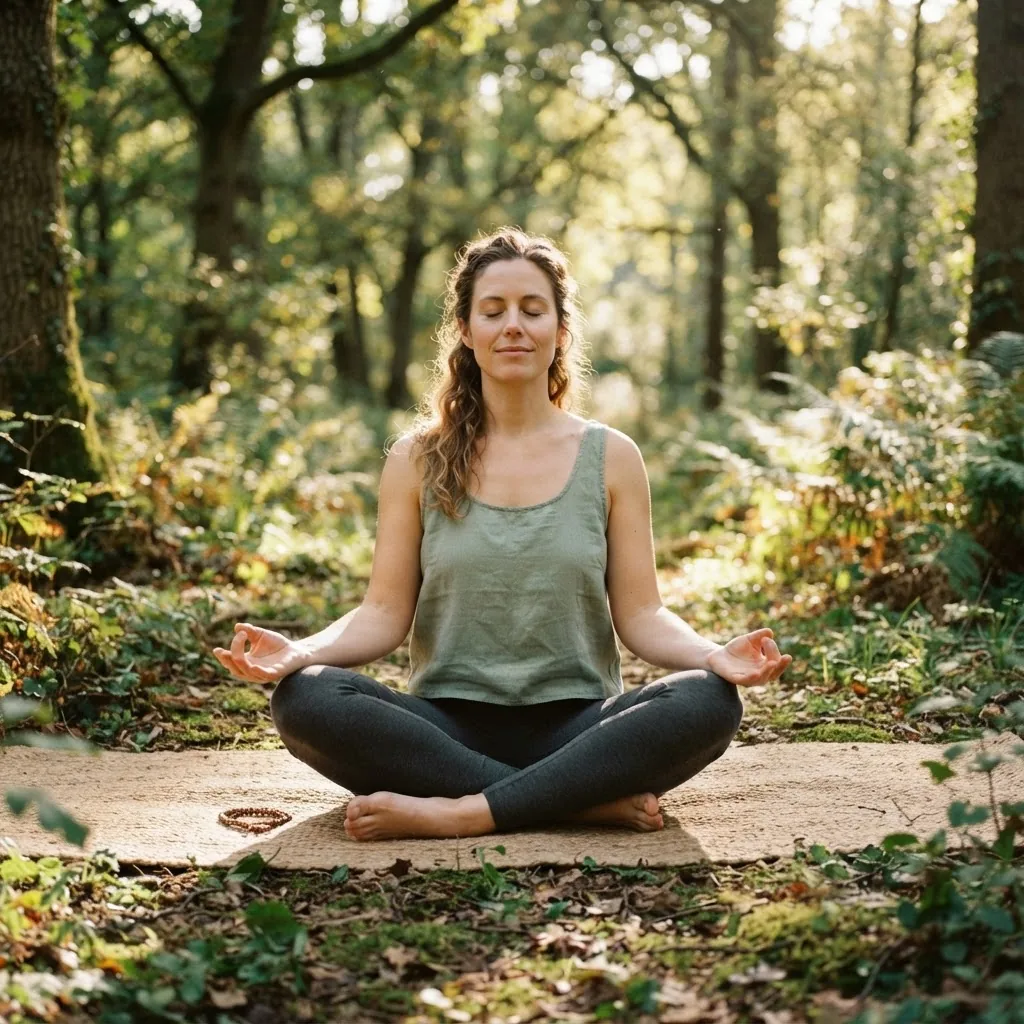
Tip: If intrusive thoughts emerge, label them (“thinking”) and return to breath. Duration targets: 20 minutes; if you can only do 10, do 10 consistently and increase by 2 minutes/week.
-
Journaling for processing — 15–20 minutes, three times weekly
Procedure: Use two prompts: (A) “What am I holding?” (B) “What small action would move my situation forward?” Alternate prompts across sessions. Include one sentence listing a concrete action (e.g., “Email X to request help, 10 minutes”). Track weekly themes and progress.
Purpose: converts rumination into explicit problems and next steps, reducing emotional looping.
-
Mindful movement — 30 minutes, three times weekly
Practice: gentle yoga, qi gong or walking meditation. Keep heart-rate moderate (60–70% of max) for 20–30 minutes to release stress hormones and integrate body awareness. Specific setting: before evening journaling works well for many people.
Explore varieties of spiritual practices to find approaches that fit your temperament—ritual, contemplative, communal or nature-based.
-
Nature connection ritual — 20–45 minute weekly nature walk
Procedure: Remove headphones, practice a slow sensory scan every 5 minutes, pause to breathe deeply for one minute at least three times. Duration: 20–45 minutes. Benefits: lowers cortisol, increases feelings of connectedness, and restores attention.
Evidence: population studies find nature exposure relates to improved mood and reduced stress markers; for large-scale stats see a government health reference such as WHO.
See spiritual benefits that commonly emerge from regular nature-based practices.
-
Values alignment check — 30 minutes monthly
Procedure: Use a values worksheet (pick top 5), then audit last month’s major decisions against each value. If mismatch >2 actions/month, plan two corrective actions next month. This builds sustained peace by aligning behaviour and meaning.
For guided exercises see discovering core life values.
Integration tip: keep a simple table (2 columns: practice / weekly minutes). Aim for 150–300 total practice minutes weekly by week 8.
Transition: with practices in place you need long-term structures so peace persists across life changes; read on for strategy design.
Building Long-Term Strategies for Sustained Peace in Life
Long-term peace is built with consistent systems, not only short-term bursts. Below are durable strategies with practical steps and examples.
- Design a durable daily routine — Example: Morning 20-minute breathing + 10-minute movement; Work blocks with 10-minute breaks every 90 minutes; Evening 10-minute reflection. Start: create this schedule in your calendar for 30 days then review.
- Set and protect boundaries — Example: use “Do Not Disturb” on devices 7–9pm and limit work emails to 30 minutes in the morning and 30 minutes post-lunch. Practical threshold: no work notifications outside two set windows.
- Build resilience through deliberate exposure — Example: expose yourself to mild stressors (public speaking practice, cold shower for 60 seconds) twice monthly to expand comfort zones and reduce reactivity.
- Prioritise consistent self-care — Example: sleep 7–8 hours, 150 minutes of moderate exercise weekly, two social connection sessions weekly (phone or in-person). Monitor monthly and adjust if energy dips.
- Address spiritual needs directly — Example: weekly worship, meditation group, or ethics study for 60–90 minutes. Identify which of your spiritual needs are unmet and schedule one focused action per month to address them.
- Systematise review and adjustment — Example: schedule a 60-minute monthly review: what worked, what didn’t, and one measurable tweak. Use a simple rubric: sleep, stress, relationships, meaning (rate 1–5).
- Create recovery rituals — Example: when you notice a stress spike over 7/10, run a two-step reset: 5-minute breath and a 10-minute walk. This reduces relapse duration.
- Maintain community accountability — Example: join or create a monthly peer-check group (4–6 people) where each person reports one practice goal and progress. Frequency: monthly calls of 45 minutes.
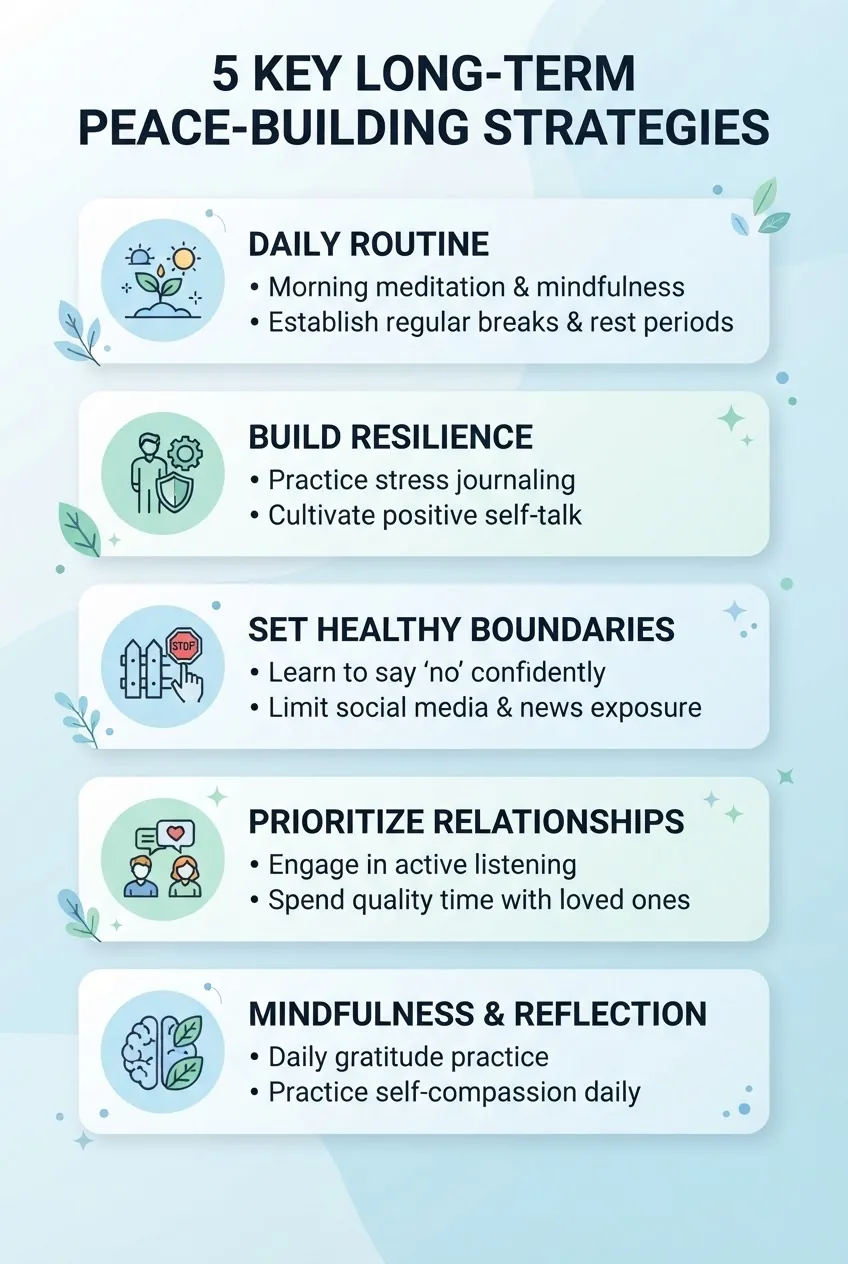
Practical example: a client-level system that worked — Elena scheduled her “sacred 60”: 20 minutes breath in the morning, 20 minutes movement mid-day, 20 minutes reflection and connection at night. She paired this with a weekly boundary audit. Over 6 months she reported sustained reductions in daily anxiety and a stronger sense of purpose.
Transition: purpose and meaning anchor these systems. The next section explains how purpose directly feeds lasting peace.
Role of Purpose and Meaning in Achieving Peace in Life
Purpose functions like a compass: it reduces the time spent on low-value reactivity and increases the resilience of peace during setbacks. Purpose is not always grand; it can be daily commitments that consistently reflect values.
Finding purpose supports peace through three mechanisms:
- Focus: purpose narrows attention to meaningful goals, reducing distractive worry.
- Motivation: purpose fuels persistence through difficult practice phases.
- Integration: purpose aligns daily actions with deeper values, creating coherence and reducing cognitive dissonance.
Practical steps to clarify purpose:
- Complete a “values-to-action” audit: list 8 values, rank top 3, then write one repeated action that expresses each value weekly.
- Test a pilot project for 3 months that expresses a value (e.g., volunteer 4 hours/month) and measure satisfaction.
- Adjust work/life rhythms to free 2–3 hours weekly for purpose-driven activity.
Explore the importance of spirituality and purpose as a long-term anchor for peace.
For practical exercises in clarifying a life path see finding your path in life and for identifying actionable goals use how to identify your values and goals.
Transition: even with purpose and daily systems, challenges appear. The next section answers common disruptions and how to maintain your course.
Troubleshooting and Maintaining Your Peace Journey Through Challenges
Below are concise troubleshooting entries in FAQ-style with direct tips and encouragement.
What to do when practices produce no change
Check adherence first: track minutes per week. If under 75% of planned minutes, increase consistency for 6–8 weeks. If consistent and no change, vary the modality (e.g., swap seated meditation for movement-based mindfulness) or consult a therapist.
What to do when old patterns return
Use the emergency reset (5-minute breathing + 10-minute walk), then journal 10 minutes to identify triggering context. Create one micro-behavioural intervention to prevent the trigger next time.
When emotions feel overwhelming
If emotions escalate to severe functional disruption, seek professional mental health support immediately. Use grounding and a trusted contact while scheduling help.
Motivation drops
Reconnect to small wins: review past 30-day progress and reduce goals by 50% for two weeks to rebuild habit momentum.
Hands-on Steps Summary (Core numbered plan)
This ordered plan is what I instruct clients to follow in the first 12 weeks. Each step is measurable and timed.
- Weeks 0–2: Daily 10 min breathing (2x), 3-min acceptance checks (2x/day), nightly 3-item gratitude list. Track minutes in notebook.
- Weeks 3–6: Add 20-minute guided meditation daily, 15-minute journal 3x/week, 2x 30-minute mindful movement sessions/week.
- Weeks 7–12: Add monthly values alignment check, weekly nature walk, join a monthly peer accountability group. Aim for 150–300 minutes/week of combined practice.
- Maintenance after 12 weeks: Keep core daily habits (breath + 20 min meditation), monthly reviews, boundary audit every quarter.
Common mistakes and how to avoid them
I often saw clients try to “do everything” on day one and burn out within two weeks. I now advise starting with two simple habits and increasing by one habit every two weeks. Another frequent error was measuring success by the depth of feeling in a single session; instead, I taught them to track weekly minutes and functional outcomes (sleep, reactivity).
Other observed failures and fixes (first person):
- I used to skip weekends—this broke the habit. Fix: schedule a lighter weekend practice (10 minutes) to keep routine intact.
- I once advised someone to “just be mindful” without a concrete script; they became frustrated. Fix: always give a short, repeatable script (e.g., 4-4-8 breathing) for early practice.
Checklist: Verify your progress
| Item | Target |
|---|---|
| Daily breathing practice | 10 minutes twice daily, 5+ days/week |
| Guided meditation | 20 minutes daily, 5 days/week by week 6 |
| Journaling | 15–20 minutes, 3x/week |
| Nature or reconnection | 20–45 minutes weekly |
| Monthly values audit | 1 session (30 minutes) monthly |
When to call in a professional
Consult a mental health professional if you experience any of the following: suicidal thinking, flashbacks or overwhelming trauma responses, severe functional impairment, prolonged insomnia beyond four weeks, or sudden worsening of symptoms despite adherence. For spiritual counselling or clergy connection for existential distress, contact an appropriate local spiritual care provider.
Summary and next step
By following the steps above you will create a personal ecosystem for peace of mind that integrates spiritual wellness, emotional regulation, and practical routines. Start with the breathing anchor and a simple 10-minute nightly routine. Reassess at 8–12 weeks: measure minutes, sleep quality, and reactivity. If you want guided daily scripts and a shorter starter program, explore the daily spiritual practices to deepen your peace-building routine.
Take the next step: choose one practice from Week 0–2 and schedule it in your calendar for the next 7 days. Track minutes and review results after one week.