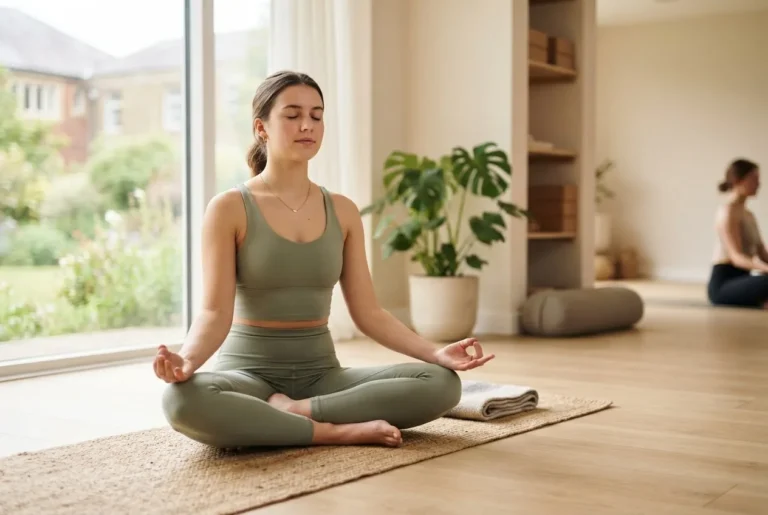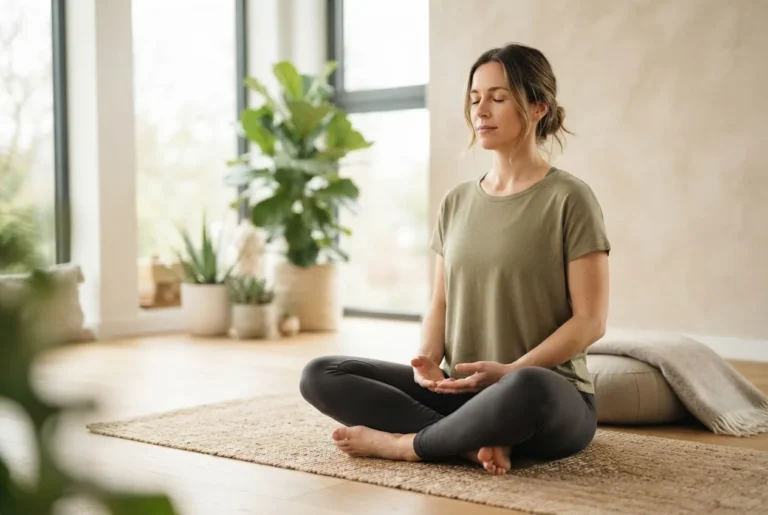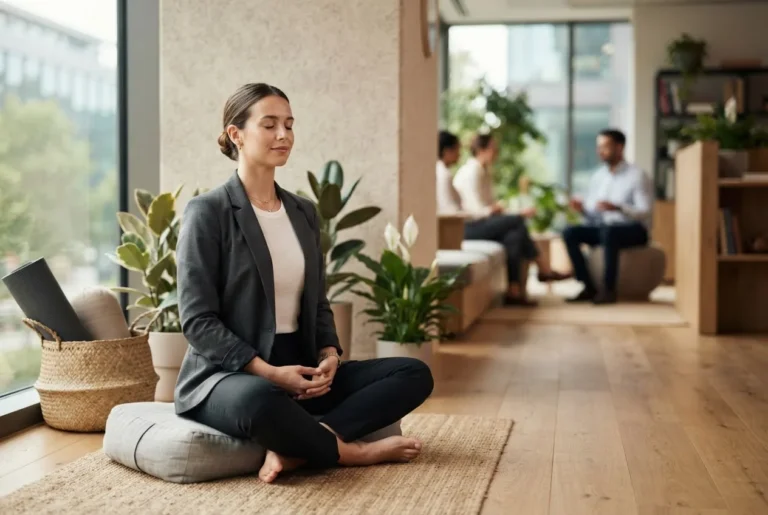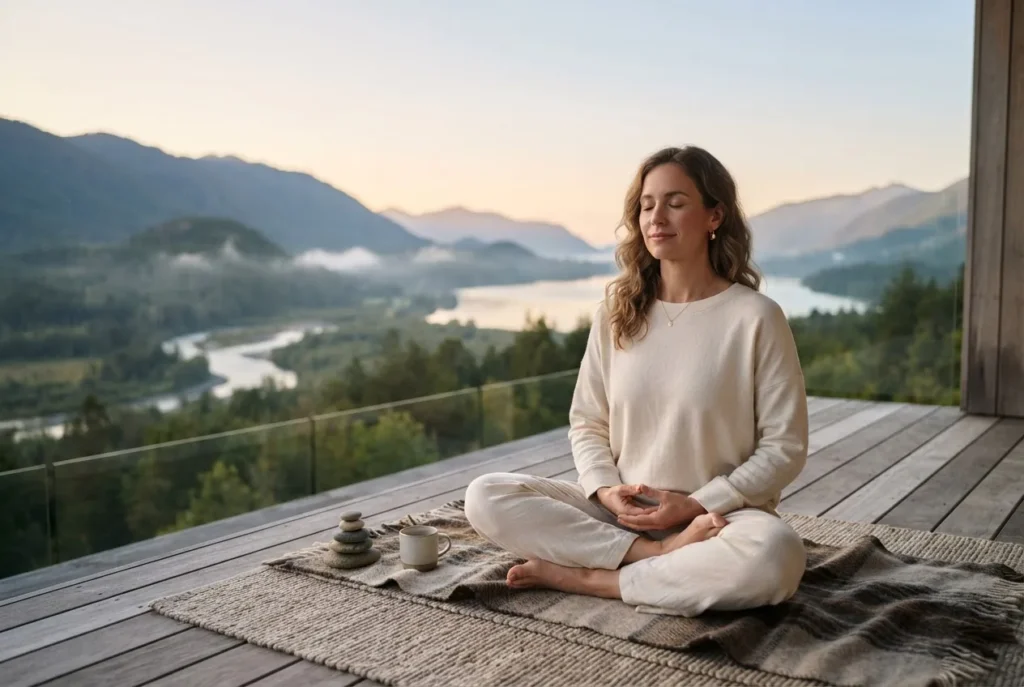
Personal peace definition: personal peace is a sustained state of emotional balance, mental calmness and acceptance that supports clear decision-making, resilience and a sense of harmony; it underpins spiritual wellness and practical wellbeing by aligning daily life with inner values and purpose.
Defining Personal Peace: A Clear Understanding
Answer: Personal peace is a lived condition of steady emotional balance and mental calmness that emerges when actions, values and self-awareness align, allowing you to respond to life rather than react to it.
Personal peace: a durable sense of internal equilibrium where emotional stability, acceptance and mindful presence reduce inner turmoil and foster harmonious living.
Personal peace combines aspects of personal tranquility, emotional balance, mental calmness and inner harmony. For example, after a difficult work week, someone practicing personal peace might pause, notice stress sensations, choose a calming rhythm of breath, set healthy boundaries for the weekend and return to work with clearer focus—demonstrating emotional balance and self-awareness rather than avoidance.
Personal peace is not passive quietism; it is active equilibrium: maintaining steadiness amid change. It looks like a calm lake reflecting the sky—still enough to see clearly, responsive enough to ripple when the wind comes.
Personal peace includes these practical qualities: regular self-awareness (noticing mood shifts), decisions guided by values (not impulses), and habits that reduce stress. Those components make it possible to live with harmony rather than chronic anxiety.
Transition: Understanding this clear definition primes us to compare personal peace with inner peace and see how they interrelate.
Inner Peace Explained: How It Relates to Personal Peace
Answer: Inner peace is the deeper, often spiritual or contemplative calm beneath thoughts and emotions; personal peace is the practical, day-to-day expression of that calm through behaviour, boundaries and emotional balance.
Inner peace: a foundational quietude or spiritual calm that remains when external circumstances change; often cultivated through mindfulness and meditation.
Inner peace and personal peace overlap: inner peace supplies a baseline of calm (like the lake’s stillness), while personal peace is how that stillness is expressed in relationships, work and daily choices. Mindfulness and meditation strengthen inner peace, which in turn supports emotional resilience and stress management in practical life.
| Feature | Personal Peace | Inner Peace |
|---|---|---|
| Scope | Daily behaviour, boundaries, relationships | Deep calm of mind and spirit |
| Cultivation | Through self-awareness and actions | Through mindfulness, meditation, spiritual practice |
| Role | Practical stability and harmony | Internal source of equanimity |
| Examples | Setting work boundaries, forgiving self | Sitting meditation, unshaken witness of thoughts |
For more targeted strategies that deepen inner calm, see inner peace techniques.
Transition: With the relationship clarified, we can explore the psychological and spiritual dimensions that shape personal peace.
The Psychological and Spiritual Dimensions of Personal Peace
Answer: Personal peace arises from both psychological wellbeing—emotional intelligence, stress reduction and resilience—and spiritual growth—meaning, connection and purpose—each supported by evidence-based practices like mindfulness and meditation.
Psychological wellbeing: mental health and emotional functioning that allow adaptive coping, clear thinking, and resilience.
Psychologically, personal peace depends on emotional regulation, cognitive flexibility and resilience. Research shows mindfulness-based interventions improve anxiety and mood regulation: a landmark meta-analysis in JAMA Internal Medicine found meditation programs reduce anxiety and depressive symptoms compared with no treatment (peer-reviewed research). For guidance on mental health approaches, the American Psychological Association offers resources on emotional balance and stress reduction: American Psychological Association.
Spiritually, personal peace is supported by practices and meanings that connect a person to a larger context—ritual, prayer, meditation or a felt sense of purpose. According to a 2023 industry report from the Global Wellness Institute, spiritual wellness remains a major driver of wellbeing choices for many adults globally, linking values and life satisfaction: Global Wellness Institute 2023 report.
Meeting spiritual needs—such as belonging, purpose and transcendence—supports both the emotional intelligence and the deeper calm required for personal peace; see an overview of common spiritual needs that often influence peace.
Methodologically, many clinical trials and mindfulness programs (e.g., MBSR) measure reductions in stress and improved emotion regulation after sustained practice. Mindfulness—paying attention, on purpose, in the present moment without judgment—is a psychological skill that supports spiritual growth and resilience.
Case study (experience example): A mid-career teacher experiencing chronic overwhelm started a structured eight-week mindfulness program and weekly reflective practice. Within three months they reported lower reactivity, better sleep and clearer values-based decisions; this illustrates how meeting psychological and spiritual dimensions together enabled practical personal peace.
Transition: Knowing these dimensions, we can list the specific components that characterize personal peace.
Key Components and Characteristics of Personal Peace
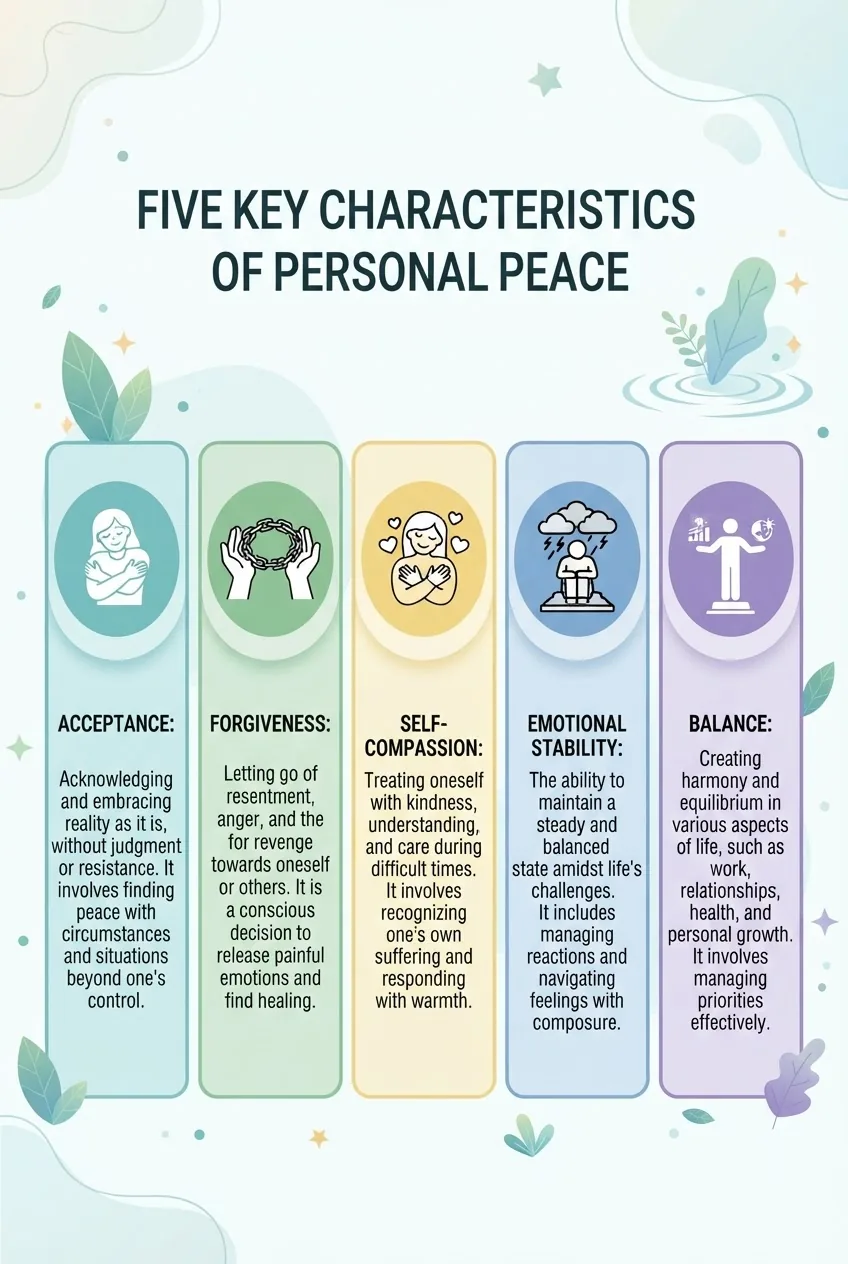
Answer: Personal peace is built from identifiable characteristics—emotional stability, acceptance, forgiveness, self-compassion and balance—which combine to produce steady wellbeing and harmonious living.
-
Emotional stability: steady affect regulation and capacity to respond rather than react; includes emotional intelligence skills such as labeling feelings and adjusting responses.
Explanation: Stable emotions allow clearer decisions under stress and reduce cycles of rumination.
-
Acceptance: acknowledging current reality without denial while choosing constructive actions.
Explanation: Acceptance reduces wasted energy resisting what cannot be changed and preserves resources for meaningful action.
-
Forgiveness: releasing persistent grievance toward self or others to restore inner balance.
Explanation: Forgiveness is not forgetting; it is freeing emotional space so personal peace can return.
Personal peace is strengthened when you live according to core life values, which make forgiveness and acceptance more sustainable.
-
Self-compassion: treating oneself with kindness during difficulty rather than harsh self-criticism.
Explanation: Self-compassion supports recovery from setbacks and preserves motivation for healthy change.
-
Balance: practical equilibrium across work, rest, relationships and purpose.
Explanation: Balance keeps you anchored so stressors do not unmoor your overall wellbeing.
These characteristics interact: for example, acceptance plus self-compassion speeds forgiveness; emotional stability makes balance possible. Cultivating each area incrementally builds resilient personal peace.
Transition: Misunderstandings can block lasting change—next are common misconceptions to watch for.
Common Misconceptions About Personal Peace and Inner Peace
Answer: Common myths include thinking peace is permanent, passive, or the same as emotional suppression; in reality it is a process, requires active skills, and coexists with healthy emotion.
- Myth: Personal peace means never feeling upset.
Reality: Peace permits moments of upset while reducing chronic reactivity and enabling recovery. - Myth: Inner peace is withdrawal from life.
Reality: Inner peace often deepens engagement and compassionate action, not escape. - Myth: Peace equals emotional suppression.
Reality: Suppression hides emotion; true peace includes awareness and healthy expression. - Myth: One technique fits all.
Reality: Personal variation matters; combine mindfulness, values work and practical habits to match your life. - Myth: Quick fixes produce lasting peace.
Reality: Peace grows through consistent practices, reflection and sometimes therapy or community support.
These misunderstandings create unrealistic expectations; framing personal peace as an active, evolving skillset removes pressure and encourages steady progress.
Transition: Below are practical, proven steps you can use to cultivate personal peace day-to-day.
Practical Ways to Cultivate Personal Peace in Daily Life
Answer: Cultivate personal peace with daily routines that build mindfulness, emotional regulation, breathing practices, reflective self-awareness and stress reduction strategies; combine short practices into sustainable rhythms.
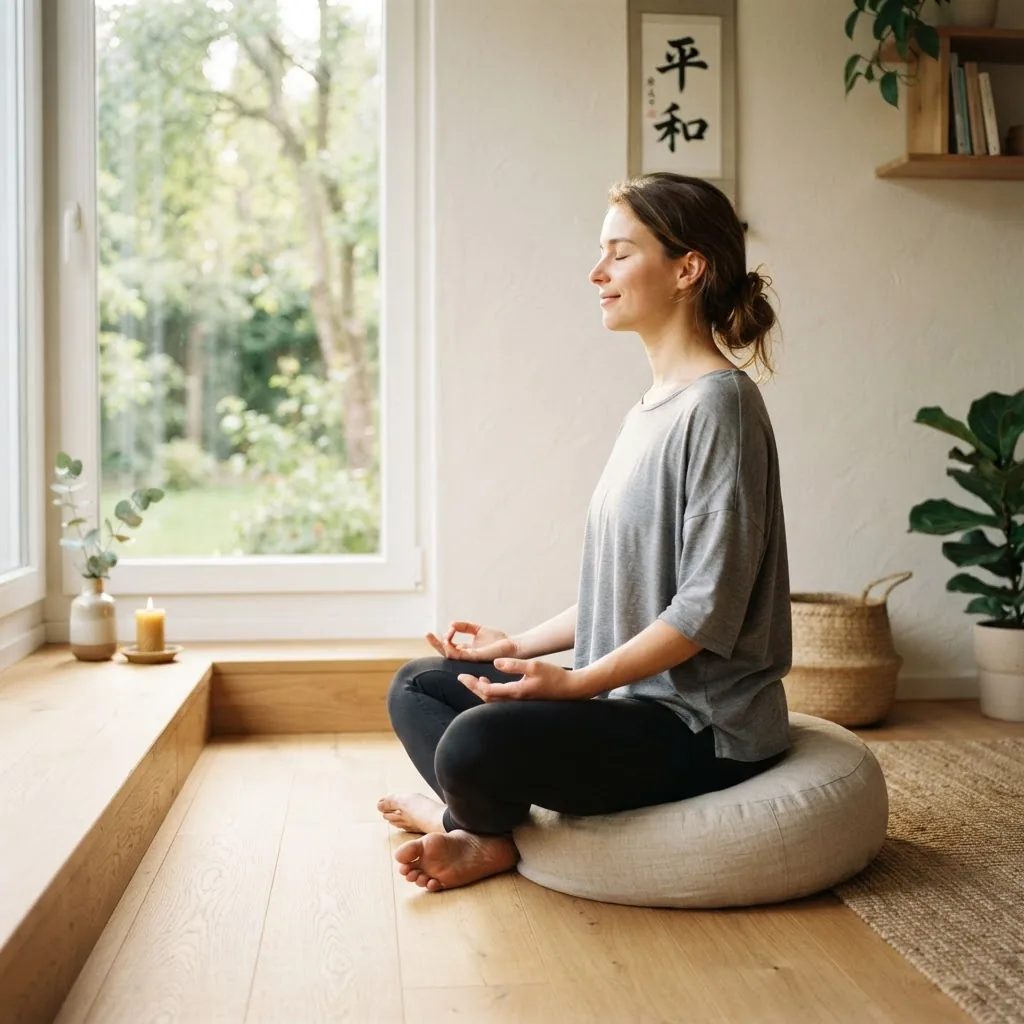
Start small and consistent. For structured mindfulness instruction, consider Mindfulness-Based Stress Reduction principles taught by established programs: UMass Center for Mindfulness (MBSR).
- One-minute grounding. Instruction: Stop, feet on floor, notice five sensations, breathe slowly for four counts in, six counts out, return to task. Purpose: breaks reactivity.
- Daily breath pause (formal practice). Instruction: Sit comfortably for 10 minutes. Follow breath sensation at nostrils. If mind wanders, label “thinking” then return. Purpose: builds attention and mental calmness.
-
Values check. Instruction: Once a week, list top three values and one action aligned with each for the coming week. Purpose: aligns behaviour with core values to strengthen personal peace.
Pair these with daily spiritual practices for cumulative effect.
- Compassionate self-talk. Instruction: When self-criticism arises, pause, place a hand over your heart and speak one supportive sentence aloud. Purpose: fosters self-compassion and reduces shame cycles.
- Boundary rehearsal. Instruction: Identify one small boundary to state this week; script it and practice in a mirror. Purpose: protects energy and preserves balance.
- Evening reflection. Instruction: Each night, note one moment you handled difficulty well. Purpose: strengthens resilience and highlights progress.
Practical notes: keep sessions brief and regular; integrate into routines (e.g., breath pause before meetings). If stress feels overwhelming, professional support can be combined with these steps.
Walkthrough (breathing exercise): Sit upright, inhale gently for 4 counts, hold 1 count, exhale for 6 counts; repeat 8 times. Effect: stimulates the parasympathetic nervous system, reducing heart rate and promoting calmness within minutes.
Experience vignette (short hypothetical): Maya, a nurse, used the one-minute grounding at shift handover and the evening reflection nightly for six weeks; she reported less carry-over stress and more consistent emotional stability—an example of how tiny habits create measurable personal peace.
For additional exercises and examples of spiritual support practices, explore spiritual practices.
Transition: Practicing these steps yields measurable wellbeing advantages; the benefits are outlined next with supporting data.
Benefits of Personal Peace for Overall Wellbeing and Spiritual Purpose
Answer: Personal peace improves mental clarity, emotional health, resilience and life satisfaction, and it supports clearer spiritual alignment and purpose-driven action.
Wellbeing benefits include reduced stress, better sleep, strengthened relationships and improved decision-making. According to a 2023 industry report from the Global Wellness Institute, people who prioritize spiritual and emotional practices report higher life satisfaction and wellbeing scores: Global Wellness Institute.
According to a 2014 meta-analysis in JAMA Internal Medicine, mindfulness meditation programs showed modest improvements in anxiety and depression—evidence that regular practice supports emotional balance (peer-reviewed research).
Stat block:
- Lowered perceived stress and anxiety — shown in clinical trials (peer-reviewed research)
- Improved sleep quality — reported in multiple intervention studies (academic journals)
- Greater life satisfaction — observed in wellness industry surveys (2023 industry report)
Personal peace also clarifies priorities, making it easier to pursue meaningful goals. For tools on clarifying life direction, consider resources on finding your life path and building meaning and balance.
Transition: As benefits accumulate, personal peace becomes a central support for spiritual wellness and purpose.
How Personal Peace Supports Your Spiritual Wellness Journey
Answer: Personal peace provides the emotional and mental clarity needed to pursue spiritual purpose, deepen connections and sustain growth; it makes spiritual practice more integrated and meaningful.
When personal peace is present, spiritual exploration is less reactive and more curious—allowing connection, discernment and consistent practice. This supports spiritual purpose and wellbeing benefits across life domains:
spiritual purpose and wellbeing benefits.
Personal peace also opens the heart to richer relationships and greater empathy; it can make deep soul connections more accessible by grounding emotional reactivity and increasing presence.
As you cultivate self-awareness and balance, you are better positioned to recognize and deepen spiritual connections that resonate with your path.
Caveat: spiritual experiences and the pace of growth vary greatly; personal peace is a process, not a fixed state. Honor individual differences and seek community or professional guidance when needed.
Transition: The final section ties these threads into a concise summary and next steps.
Summary: Personal Peace as the Foundation for Inner Peace and Spiritual Fulfillment
Answer: Personal peace is the practical expression of inner calm and the foundational platform for spiritual fulfillment; it supports harmonious living, clearer purpose and lasting peace of mind when cultivated intentionally.
In short: developing self-awareness, practicing mindfulness and breathwork, aligning actions with core life values, and cultivating self-compassion create a stable personal peace that supports inner peace and spiritual growth. For continued work toward sustained calm, explore resources on achieving lasting peace of mind.
Final takeaways: treat personal peace as skill development—practice short routines, respect personal variation, use evidence-based tools when needed, and link everyday choices to deeper purpose. If you’d like guided exercises, consider the linked practice guides and the MBSR resources noted above.
Call to action: Begin with one two-minute breathing pause today and a single values-aligned action this week; small, consistent steps lead to lasting personal peace and richer spiritual wellbeing.