
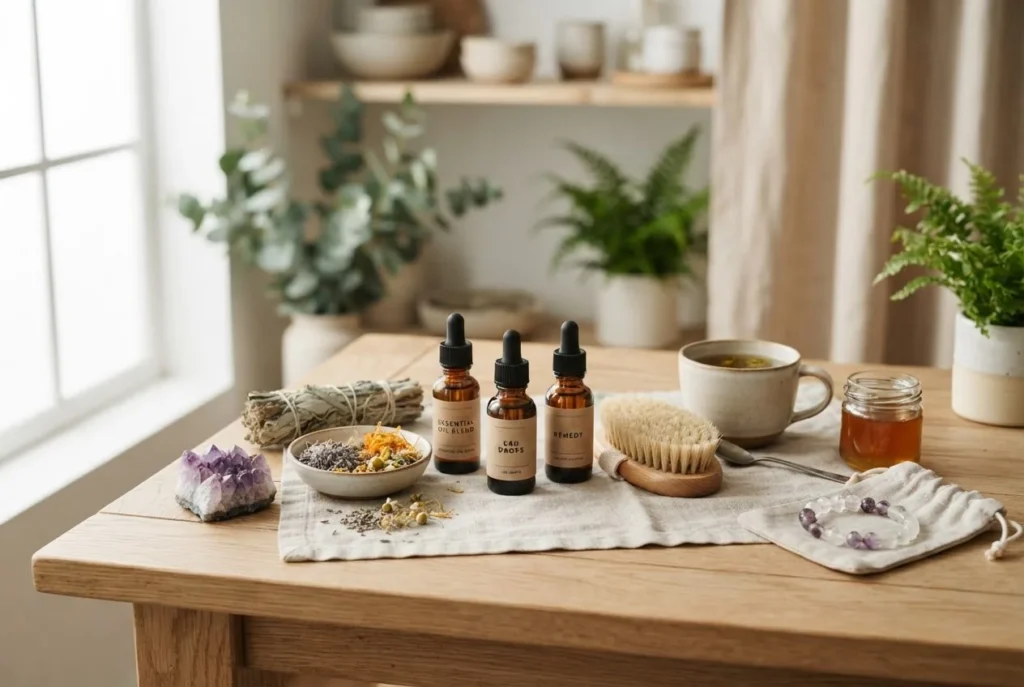
By the end of this hands-on guide you will have a clear, actionable plan to select, source and integrate holistic products into your daily routine; allow 3–5 hours to research and 2–8 weeks of trial use to evaluate effects. Skill level assumed: an engaged beginner to intermediate self-care practitioner.
Before you start
- Clear goals: list 3 wellness priorities (sleep, stress, skin, digestion, movement).
- Medical check: recent baseline blood tests or primary care clearance if on medication.
- Tools: notebook or app for tracking, measuring spoons, storage jars, a quiet space for testing aromatherapy or supplements.
- Budget: set monthly spend cap (suggested starter: AU$30–100/month depending on product mix).
Core steps: a practical, ordered routine
- Identify your top 3 wellness targets. Write them down and prioritise: e.g., reduce evening anxiety, improve skin barrier, and support immune resilience. Use simple measures: sleep duration, skin hydration notes, symptom frequency.
- Map product categories to targets. Match a category to each target: adaptogenic supplements for stress, organic skincare for skin barrier, probiotic or elderberry for immune support. Limit to 1–2 new products per target at a time.
- Screen for quality and certifications. Check ingredient lists, country of manufacture, and certifications (organic logos, third-party testing). Record batch numbers and expiry dates on your tracking sheet.
- Start with conservative dosing and single changes. Introduce one product every 7–14 days: follow label directions (e.g., ashwagandha 300 mg once daily, test for effects for 2–4 weeks).
- Pair products with routines. Build rituals: morning probiotic with water, evening oil-based moisturizer after shower, 5–10 minute aromatherapy ritual on waking or before sleep.
- Monitor outcomes with simple metrics. Use sleep hours, a 1–10 stress scale, skin photos weekly, symptom logs. Reassess at 4 and 8 weeks.
- Refine or stop based on results and reactions. If no benefit after 8 weeks or any adverse effect, taper and stop. Seek professional advice for serious reactions.
- Source sustainably and store correctly. Choose dark-glass bottles for oils, airtight containers for powders, and cool, dry storage away from sunlight.
- Document supplier claims and receipts. Keep labels and receipts for 6–12 months in case of recalls or authenticity checks.
- Review annually and iterate. Compare cost versus benefit and consolidate your essentials into a core routine.
Common mistakes and how to avoid them
I have often seen people add three new supplements at once and then blame one product when results don’t appear; instead, I now recommend adding only one product per 7–14 day window. I also watched a friend store essential oils by a sunny window—after rancidity and scent loss we learned to use dark, cool storage.
Compact checklist to verify your work
- Goals recorded and prioritised (3 items).
- One product per target selected and quality-screened.
- Introduction schedule set (1 product every 7–14 days).
- Storage, batch numbers and receipts saved.
- Monitoring measures in place (logs/photos).
When to call in a professional
Contact a qualified practitioner if you experience allergic reactions, severe side effects, interactions with prescription medication, pregnancy or breastfeeding, or if targeted conditions persist after 8–12 weeks. For coaching on lifestyle integration, consider formal training or local professionals.
Introduction to Holistic Products and Wellness Essentials
This guide explains practical selection and everyday use of holistic health products and holistic health supplies, ranging from natural supplements and organic skincare to mind-body tools. A holistic approach considers body, mind and environment together—learn to combine products and routines to support whole-person wellbeing.
These product choices sit alongside practices covered in our foundational pillar—see holistic healing methods guide to align products with modalities.
To ground terms used here, you may also define holistic view and consult the holistic definition guide for concise definitions of core concepts.
Transition: next we break down categories so you can match products to your goals quickly and confidently.
Categories of Holistic Products: A Comprehensive Breakdown
-
1. Herbal and Natural Supplements
Herbal and Natural Supplements include adaptogens, vitamins, minerals, botanical extracts and probiotic formulas. Typical uses: stress modulation, immune support, sleep regulation and digestive balance. Common examples: ashwagandha (adaptogen), turmeric/curcumin for inflammation support, magnesium glycinate for sleep, and multi-strain probiotics for gut health.
Practical dosing examples: ashwagandha 300 mg once or twice daily standardized to withanolides; turmeric 500 mg curcumin extract with piperine once daily; probiotics dosed at 1–10 billion CFU depending on strain. Track effects for 4–8 weeks before deciding.
For professional pathways related to nutritional guidance, explore holistic nutrition certification.
-
2. Organic and Natural Skincare Products
Organic and Natural Skincare covers cleansers, serums, moisturizers and sunscreens formulated without harsh synthetics. Typical uses: barrier repair, hydration, reducing irritation and supporting skin microbiome. Look for products with minimal ingredient lists and carrier oils like jojoba, squalane, and botanical extracts (e.g., green tea, chamomile).
Example routine: gentle cleanser (AM/PM), antioxidant serum (AM), moisturizing oil/cream (PM), and broad-spectrum physical SPF in morning. Replace one product at a time and photograph skin weekly to assess changes.
-
3. Aromatherapy and Essential Oils
Aromatherapy and Essential Oils are concentrated plant extracts used in diffusers, topical blends (diluted) and inhalation. Common uses: calming (lavender), respiratory support (eucalyptus), mental clarity (peppermint). Use a diffuser for 10–20 minutes in a ventilated room, or dilute to 1–2% in a carrier oil for topical use (6–12 drops per 30 mL carrier).
Safety note: avoid undiluted topical application, use caution with children and pets, and patch-test new blends.
-
4. Mind-Body Wellness Tools and Supplies
Mind-Body Tools include yoga mats, meditation cushions, grounding tools, bolsters, sound bowls and low-toxicity foam rollers. Typical uses: support posture, create dedicated practice spaces, and cue the nervous system for relaxation. Choose non-slip yoga mats (3–5 mm thickness), a meditation cushion 10–15 cm high, and a journal for 5–10 minute daily reflections.
For the role of products in mental health routines see holistic approach to mental health.
-
5. Natural Remedies and Topical Health Supplies
This category includes plant salves, herbal tinctures, clay masks, and mineral-based products like magnesium flakes for baths. Use topical balms for localized discomfort, tinctures for short-term symptom relief (follow extract dilution guidance), and baths (30–60 minutes with 1–2 cups magnesium flakes) for muscle relaxation.
-
6. Eco-Friendly Packaging and Refill Systems
Look for dark-glass bottles, recyclable paperboard, and refill systems where available. Choosing concentrated formats (e.g., solid shampoo bars, concentrated sprays) reduces packaging volume and shipping weight. Store refill packs in labelled containers and follow manufacturer reconstitution instructions.
-
7. Testing and Home Health Supplies
At-home test kits (vitamin D, microbiome, or allergy screening) can guide personalization. Use accredited labs and keep kits within expiry—follow collection windows and refrigeration instructions where required.
-
8. Energy and Traditional Tools
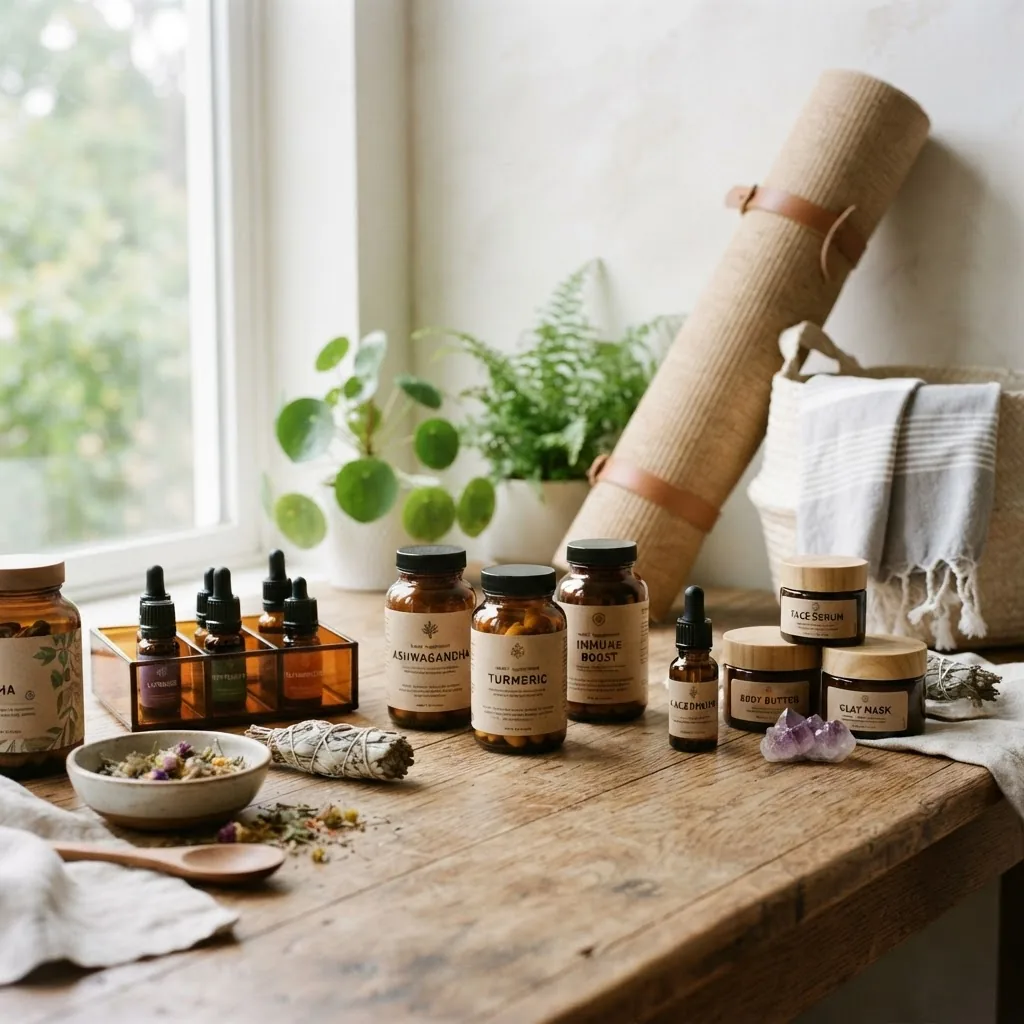
Items like crystals, tuning forks and smudging herbs are commonly used to support ritual and focus. Treat these as adjuncts to routines: 3–10 minute practices with clear intention can enhance mindfulness but should not replace evidence-based treatments.
Transition: having mapped categories, we next explore evidence-backed benefits and how these products commonly help daily wellbeing.
The Benefits of Using Holistic Health Products in Daily Wellness
Integrating holistic products can support stress reduction, sleep quality, skin health and immune resilience when used consistently and safely. For a deeper review of broader health advantages from an integrative perspective see benefits of holistic medicine.
Examples and evidence:
- Adaptogens such as ashwagandha and rhodiola have been associated with perceived stress reduction and improved resilience in randomized trials; according to a 2023 peer-reviewed review, consistent dosing over 4–8 weeks showed measurable changes in cortisol-related markers in some populations. Source: peer-reviewed review.
- Topical antioxidant serums (vitamin C) and physical sunscreens reduce photoaging risk when used daily; observational studies support cumulative benefits over months. According to a 2023 industry report, consumers who used daily SPF and antioxidant serums reported improved skin texture over 12 weeks (survey-based data).
- Diffused lavender and other calming essential oils can decrease subjective anxiety scores in short-term studies; for sleep rituals, a 10–20 minute pre-bed aromatherapy session is commonly recommended.
Case scenario: a 35-year-old with work-related anxiety introduced ashwagandha 300 mg nightly and a 5-minute evening lavender inhalation; after 6 weeks the individual reported sleep onset improved by 30 minutes and subjective stress dropped from 7/10 to 4/10 on a daily scale. Individual responses vary—track your own metrics and adjust.
Complementary background on patient-centred outcomes is available in our piece on holistic care patient wellness.
Transition: benefits are only meaningful when products are high quality—next we give a practical checklist to evaluate products before you buy.
How to Choose Quality Holistic Health Supplies: Key Considerations

- Check certifications first. Look for USDA Organic or equivalent (for Australia: Australian Certified Organic) logos, third-party testing seals, and batch COA (certificate of analysis). For organic standards reference official bodies such as USDA Organic and industry associations like Natural Products Association.
- Read the whole ingredient list. Avoid proprietary blends that hide dosages; favour products stating extract standardization (e.g., 2% withanolides). Note fillers and forms (e.g., magnesium oxide vs magnesium glycinate).
- Verify sourcing and traceability. Prefer suppliers that disclose botanical origin, harvest methods, and country of manufacture. Traceability reduces adulteration risk—record batch/lot numbers.
- Check expiry and storage requirements. Essential oils and fish oils may oxidise; seek dark-glass packaging and refrigerated storage instructions when applicable.
- Confirm testing for contaminants. For herbal and supplement products look for third-party testing for heavy metals, pesticides and microbial contamination in COAs.
- Assess price versus expected dose. Calculate cost per effective dose: (package price ÷ number of effective serving doses). Very low prices can indicate low potency or poor sourcing.
- Look for transparent customer support. Reliable suppliers list contact details, batch analytics on request and clear return/refund policies.
- Avoid exaggerated claims. Skip products promising cures; reputable suppliers describe supportive effects and suggest consulting providers for medical issues.
Transition: after vetting products, you need a practical way to integrate them into daily life—next section gives step-by-step integration guidance and coaching pathways.
Integrating Holistic Products into Your Wellness Routine
Use the following stepwise routine to build predictable habits around your chosen products.
- Set a 4–8 week trial plan. Define start date, product, dose, and primary outcome metric (e.g., sleep onset time). Add calendar reminders for check-ins at 2, 4 and 8 weeks.
- Create pairing routines. Attach the product to an existing habit: probiotic with breakfast, serum after cleansing, magnesium bath twice weekly for 20–30 minutes.
- Document daily. Use a 1–10 scale for mood and energy, plus a short note on side effects. Photograph skin weekly under the same lighting for objective tracking.
- Adjust dose carefully. If partial benefit but suboptimal effect, increase stepwise within recommended ranges (e.g., ashwagandha from 300 mg to 600 mg after 4 weeks). Keep changes to one variable at a time.
- Combine modalities thoughtfully. Pair supplements with lifestyle shifts: adaptogens plus 10 minutes daily breathwork, serum plus nightly sleep hygiene routine of screens off 60 minutes before bed.
- When to escalate to coaching or training. If you want structured support, consider formal education: online health coach certification or seek personalised guidance through holistic wellness coach training.
- Frame product use within a wellbeing model. Relate each product to nutrition, movement, sleep and relationships to maintain balance; for context see holistic approach to well being.
Transition: to use products safely, address common misunderstandings and follow evidence-based safety practices below.
Common Misconceptions and Safety Tips About Holistic Products
Natural does not automatically mean safe. Use these concise points to reduce risk.
- Misconception: “Herbal = harmless.” Reality: herbs can interact with prescription drugs (e.g., St. John’s wort reduces efficacy of many medications). Always check interactions with your health provider.
- Misconception: “More is better.” Reality: overdosing on fat-soluble vitamins and concentrated extracts can be harmful—follow label dosing and professional guidance.
- Dosage rules: Start at lower end of label ranges; for many herbs test for 2–8 weeks. For essential oils, topical dilution of 1–2% is standard for adults (6–12 drops per 30 mL carrier).
- Quality regulation: Regulation varies by country—According to a 2023 government report by the Australian Therapeutic Goods Administration, oversight of complementary medicines focuses on labelling and safety reporting rather than pre-market efficacy testing. Source: TGA.
- Allergy and sensitivity: Patch-test topicals for 48 hours; note any digestive upset or rashes and stop immediately if they occur.
- When to seek care: Stop and seek urgent care for breathing difficulty, facial swelling, severe rashes, or systemic symptoms. For ongoing concerns consult a licensed practitioner.
Transition: trusted vendors and sourcing reduce risk—next we cover where to buy and how to shop.
Where to Buy Holistic Products: Trusted Sources and Shopping Tips
Choose suppliers with transparent labelling, COAs on request, and clear return policies. Trusted places include established natural health stores, accredited online retailers, and reputable local apothecaries.
When you need local practitioner support for integration, consider finding alternative practitioners. For local centres that combine products with programs see holistic healing centers near me.
Shopping tips:
- Request COAs for supplements, especially botanicals and concentrated extracts.
- Prefer vendors that publish third-party lab results and batch traceability.
- Compare cost-per-effective-dose and factor shipping/storage costs for refrigerated products.
- Sign up for sample sizes when available to reduce initial expense.
For certification background check bodies such as USDA Organic and industry associations like Natural Products Association.
Conclusion and Encouragement for Holistic Wellness Lifestyle
You now have an evidence-informed, practical pathway to choose, test and integrate holistic products and holistic health supplies into daily life. Start with clear goals, choose one product at a time, and track measurable outcomes for 4–8 weeks. Sustainable changes compound—focus on consistency, quality sourcing and safety monitoring.
Ready to begin? Set your first 8-week trial today: pick one target, one product, and one measurable outcome. If you want structured professional training to support others, explore certification pathways referenced above or seek local guidance.