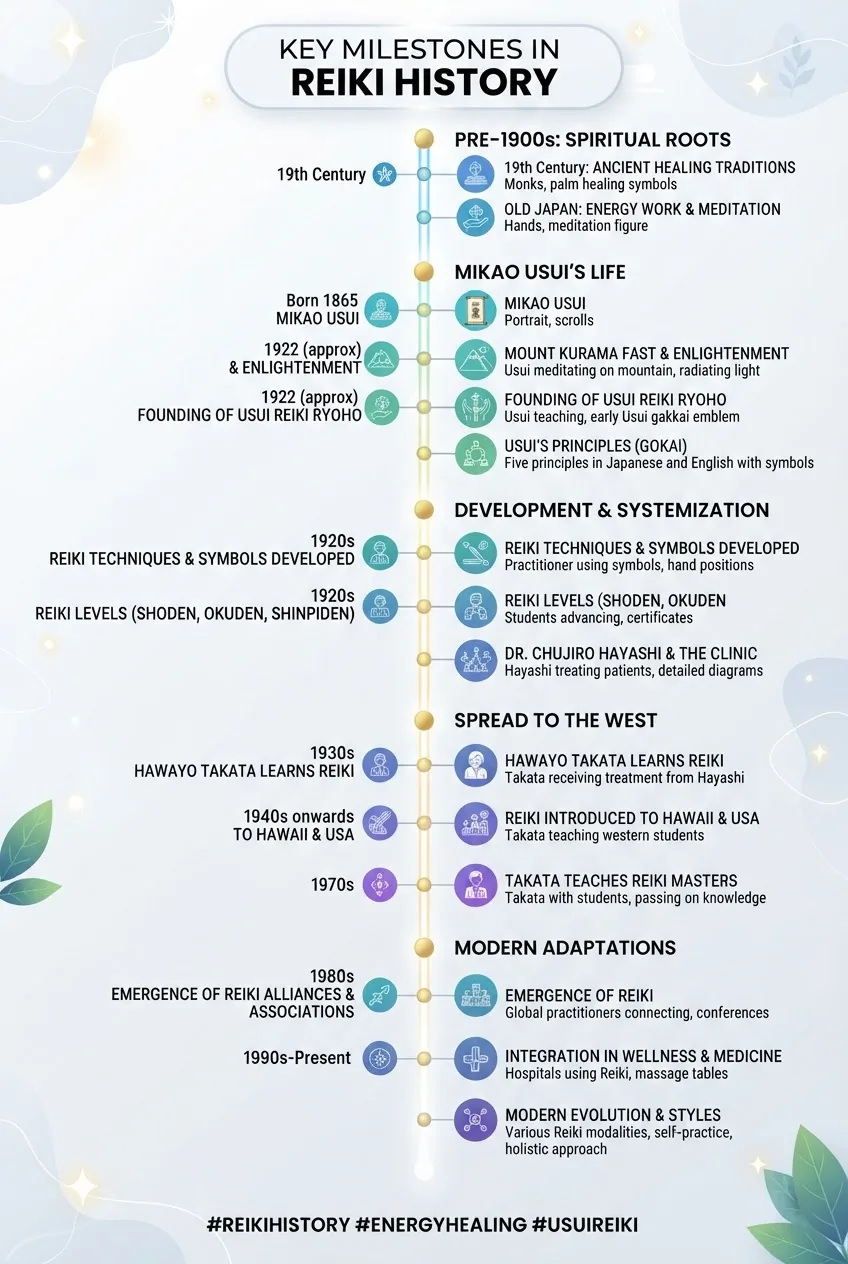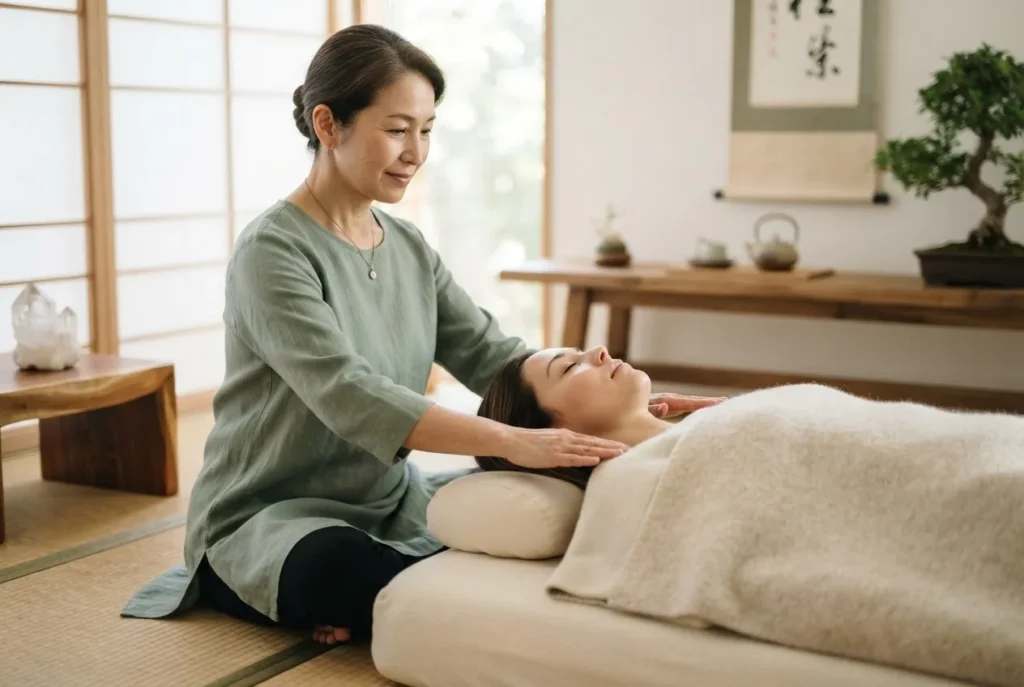
Answer: Reiki history describes a modern Japanese-origin energy healing system developed in the early 1900s by Mikao Usui; it combines Japanese spiritual practices, meditation and hand-based healing techniques, and later spread to the West, evolving into multiple lineages and teaching formats.
Introduction to Reiki History
Answer: Reiki history traces the codification of hand-based energy healing known as Usui Reiki Ryoho to early 20th-century Japan while acknowledging deeper roots in Japanese esoteric practices and pan-Asian energy healing ideas.
Reiki: a Japanese term meaning “universal life energy” and a system of hands-on and hands-off healing developed into a codified practice in the early 1900s.
The phrase reiki history signals inquiry into both the factual timeline and the cultural matrix that produced the practice. This introduction outlines the balance between documented events—such as Mikao Usui’s teachings and the establishment of early clinics—and the broader spiritual vocabulary of the period, including Shinto, Japanese Buddhism, and ki (vital energy) concepts that permeated medical and folk-healing thought.
Key points readers should expect in this guide:
- Chronological milestones from pre-1900s antecedents to modern Western lineages.
- Biographical facts about Mikao Usui and his students, drawing on archival material and federation histories.
- Cultural context linking reiki origin to Japanese spiritual practices and parallel energy modalities such as Qi Gong and acupuncture.
- Clarifications where history is oral, contested or mythologised.
This piece aims to be the most thorough historical narrative available online: grounded in documented records, informed by Reiki federation histories, and careful where evidence depends on oral tradition.
Transition: The next section locates Reiki within the spiritual landscape of early 20th-century Japan to explain how social, religious and healing traditions shaped its emergence.
The Origins of Reiki: Cultural and Spiritual Context in Japan
Answer: Reiki originated within a Japanese cultural environment where Buddhist and Shinto practices, esoteric meditation, court and folk healing, and the concept of ki converged; these traditions provided both language and techniques that informed Usui’s formulation of Usui Reiki Ryoho.
Ki: a term for vital energy in Japanese tradition (equivalent to Chinese “Qi” or “Chi”), understood as a life force circulating within and around the body that healing practices aimed to harmonise.
Japan at the turn of the 20th century saw rapid modernization alongside a conservative revival of native spiritual practices. Buddhist sects (especially Tendai and Shingon esoteric lineages) preserved ritual meditations and mantra-based methods tied to physical and mental well-being. Shinto practices emphasised ritual purity and a localized sacred geography, often connecting shrines to community healing rites.
Several strands fed into the intellectual and practical soil from which Reiki emerged:
- Esoteric Buddhism (Mikkyō): ritual visualisations, mantras, and meditative breathwork trained practitioners to direct attention and intention, concepts later echoed in hand-placement and meditative attunements within Usui Reiki Ryoho.
- Shinto healing and folk medicine: shrine rites, offerings and community healers practised techniques to restore balance to body and spirit, using symbolic gestures and blessings that presented models of non-invasive, intent-driven healing.
- Traditional Japanese clinical practices: kampo (herbology) and manual therapies coexisted with folk energy concepts; these disciplines offered pragmatic approaches to health that Usui’s students sometimes combined with Reiki techniques.
- Pan-Asian energy traditions: knowledge of Chinese medicine (meridians, Qi), and Chinese Qi practices such as Daoyin and early Qi Gong circulated via texts and cultural exchange, informing the vocabulary of ki and meridian-like thinking in Japan.
Historical records show Japanese society evaluating Western medicine alongside indigenous options; this plural medical marketplace allowed hybrid therapies to flourish. Usui’s system presented as a simple, accessible method aligning with popular spiritual aims—self-improvement, community service and alleviating suffering—making it easy to adopt in clinics and private practice.
Primary documentary traces for Reiki’s origin are limited; many details come from students’ memoirs and federation histories rather than contemporary academic reporting. According to an archival review by noted Reiki federations, much of the narrative surrounding early practices is oral and institutionalised through teaching lineages, which makes some claims difficult to verify independently.
Transition: With that cultural picture in place, we now examine the life of Mikao Usui—his biography anchors the modern reiki narrative.
Mikao Usui: The Founder of Modern Reiki
Answer: Mikao Usui (1865–1926) formalised what became Usui Reiki Ryoho after a series of spiritual studies, retreats and reported experiential insights; he taught in Tokyo and Kyoto, trained students, and left a fledgling practice that his disciples institutionalised.
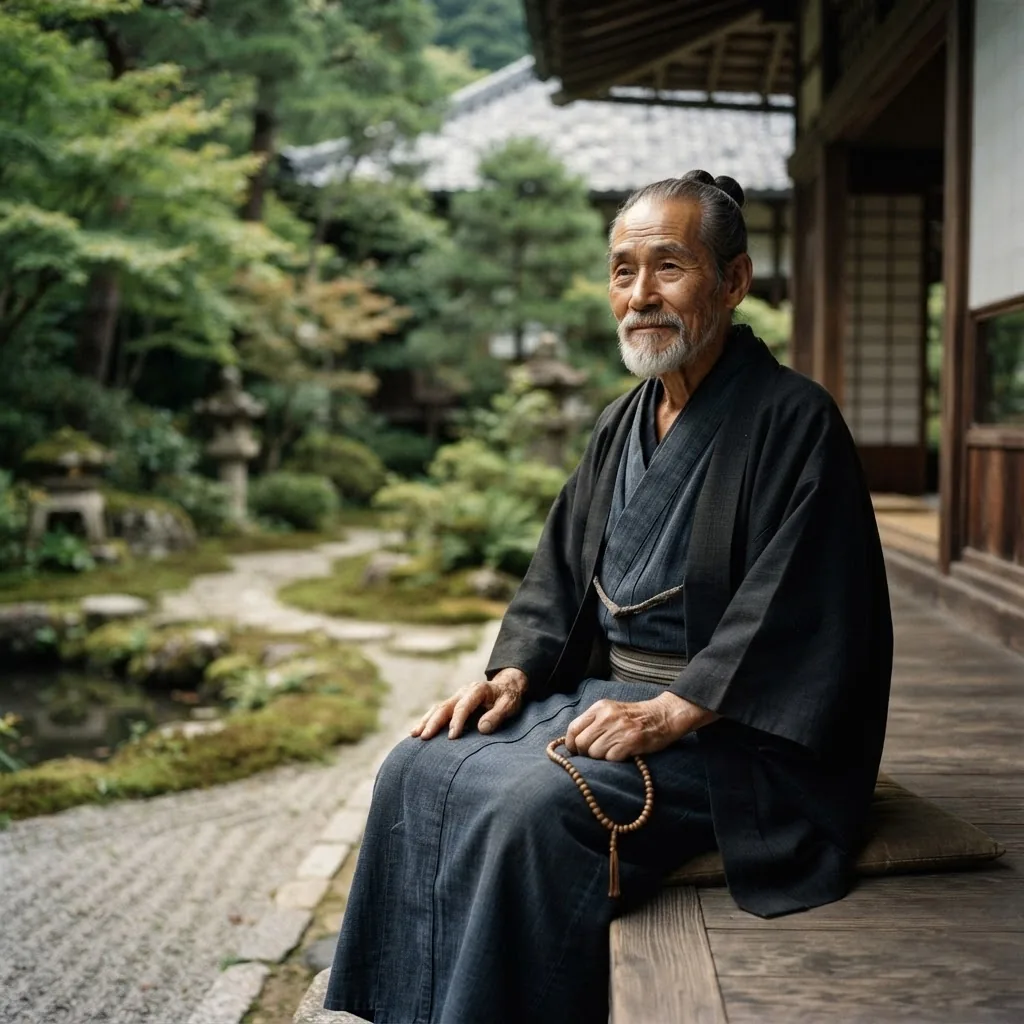
Usui Reiki Ryoho: literally “Usui’s Reiki healing method”—the name used by Mikao Usui and his immediate students to describe the system he taught.
Biographical timeline (chronological account):
- 1865: Mikao Usui was born (commonly cited date) into a Japan undergoing rapid social and political change following the Meiji Restoration. Family details and early education are variably reported in federation accounts and student memoirs.
- Late 1800s–early 1900s: Usui pursued studies in multiple disciplines, including medicine, Buddhist scriptures and motivational development. Sources describe him as a seeker of both spiritual and practical healing knowledge; historical records indicate he worked in business and education before focusing on healing.
- Early 1920s: Usui began teaching what he called Usui Reiki Ryoho in Tokyo and later in Kyoto. He established a small circle of students and conducted treatments and instruction sessions combining meditation, hand placement and ethical precepts.
- 1922–1926: Usui’s teachings consolidated into a recognizable protocol: attunements (empowerments), a set of ethical ideals, standardized hand positions and specific symbols were taught to students who would later become early masters.
- 1926: Usui’s death; posthumously, his students (most notably Chujiro Hayashi) formalised clinics and teacher-training practices that propagated the system beyond its founder’s immediate circle.
Primary sources about Usui’s life include student records, early handbooks, and federation histories. According to an historical overview published by established Reiki organisations, certain details—such as the exact nature of Usui’s “enlightenment” experience—are reported through oral accounts from early students rather than contemporaneous third-party documentation. Reiki.org history provides a federation-style chronology and reflections from practitioners.
Recorded examples of Usui’s practice:
- Clinic work in Tokyo and Kyoto where he offered healing sessions based on hand placement and meditative guidance.
- Training sessions that included attunements—ceremonial transmissions that students describe as opening a channel for healing energy.
- Ethical instruction (sometimes listed as the Five Principles) emphasising compassion, gratitude and right conduct as foundations for healing practice.
Usui’s students documented case histories of pain relief and psychological change; these anecdotal reports circulated in early 20th-century Japan and later became foundational testimony cited by Reiki federations. For scholarly overviews of clinical claims and the nature of evidence in energy therapies, see the NCCIH summary on Reiki. NCCIH Reiki overview.
Historical debate and gaps:
- Some scholars emphasise Usui’s role as synthesiser rather than inventor—he codified practices that had existed in fragmentary form.
- Claims about a single dramatic revelation (a mountain retreat enlightenment) derive from memoirs and may be hagiographical; available documentary evidence is uneven.
- After Usui’s death, student-led institutionalisation (notably by Chujiro Hayashi and later Hawayo Takata) shaped the version of Reiki that spread internationally, introducing modifications and pedagogical changes.
Transition: The following section details how early teachings and practices evolved into the systems taught by Usui’s immediate students and later teachers.
How Reiki Developed: Early Teachings and Practices
Answer: Reiki developed through identifiable phases: Usui’s initial codification, formal clinic practice under early students (including Chujiro Hayashi), and subsequent transmission and adaptation into teacher-training lineages that introduced symbols, attunements and a graded system.
Reiki symbols: graphical characters used historically in Usui-derived systems as focal points during attunements and healing; symbol use evolved as lineages diverged.
Development phases (sub-sections):
Phase 1 — Codification by Mikao Usui
Answer: Usui structured a set of hand positions, ethical precepts and meditative practices into a teachable method called Usui Reiki Ryoho; early materials focused on patient contact and spiritual development.
Usui’s original curriculum emphasised three levels of practice in many accounts: student, practitioner, and teacher, with increasing responsibility and transmission capacity. Early techniques were simple hand placements on or near the body, guided meditations and instruction in ethical living that supported healing work.
Phase 2 — Systematisation by Early Masters (Hayashi)
Answer: Chujiro Hayashi, a naval officer-turned-healer and close disciple, standardised clinic procedures, introduced more regimented hand positions and formalised documentation practices that made training more reproducible.
Hayashi is credited with establishing a physical clinic model, records of patient sessions, and a more clinical approach to treatments—features that assisted later Western transmission. His documented training of Hawayo Takata in the 1930s became a pivotal vector for Reiki’s spread to Hawaii and the continental United States.
Phase 3 — Transmission and Symbol Formalisation
Answer: As Reiki teachers multiplied, symbols and attunement rituals were introduced and refined; different lineages gave these symbols varying names, forms and uses, creating the multiple modern styles seen today.
Key technical developments included:
- Standardised attunement rituals that prepared students to channel Reiki energy—these ceremonies combined incantation, hand gestures and symbolic drawing.
- Symbols used as meditative tools, taught at intermediate levels and used in distance healing protocols.
- Graded curricula that included self-healing practices, client sessions, and finally teacher training—this structure helped reproduce the method across regions.
For a modern view on how certification standards emerged from these developments, see the historical overview in certification guides. Reiki Master Role and Certification
Phase 4 — Didactic Expansion and Diversification
Answer: After initial codification, Reiki diversified: teachers adapted practices to cultural contexts, created new teacher training formats, and emphasised different aspects (spiritual vs therapeutic), producing the contemporary diversity of Reiki schools.
Differentiation factors:
- Pedagogical emphasis: some lineages focus on spiritual development while others foreground therapeutic application.
- Symbol and ritual interpretation: meaning assigned to symbols varies between teachers and cultural contexts.
- Integration with other modalities: many modern practitioners combine Reiki with massage, counseling and complementary therapies.
Transition: With the internal development phases described, the next section covers how Reiki moved beyond Japan into global practice and how Western adaptations changed teaching and delivery.
Reiki’s Spread Beyond Japan: Western Transmission and Adaptations
Answer: Reiki reached the West primarily via Hawayo Takata in the mid-20th century, who taught a modified form to Western students; subsequent American and European teachers expanded, simplified, and systematised training to fit Western healthcare and spiritual markets.
Hawayo Takata: a pivotal figure (1900–1980) credited with bringing Reiki to Hawaii and the continental United States and training the first Western teachers, who further transmitted and adapted the practice.
Historical route and timeline:
- 1930s–1940s: Hawayo Takata trained in Japan under Chujiro Hayashi’s lineage and later returned to Hawaii, practising and teaching Reiki among Japanese-American communities.
- 1970s–1980s: Takata’s Western students established clinics and schools; they adapted teaching language, reduced emphasis on Japanese ritualism and framed Reiki in accessible Western spiritual-health terms.
- 1980s–present: Diverse Western lineages proliferated; professional associations, certification bodies and research into Reiki’s effects emerged, each shaping public perception and standards.
Adaptations introduced in the West:
- Language and translation: Japanese terms were simplified or translated to English; some lineages retained Japanese terminology for cultural continuity.
- Training structure: weekend courses and short certification programs suited modern adult learners and commercial markets.
- Integration with healthcare: Reiki began appearing in hospice, palliative care and integrative medicine settings as a complementary therapy.
Sources and evidence: historical accounts from practitioners and organisational archives document Takata’s role. For discussions that compare original Japanese practice to Westernised forms, professional federation histories and peer-reviewed integrative medicine reviews are instructive. British Reiki Federation and federation histories provide institutional perspectives.
Notable distinctions between Japanese-origin Reiki and Western Reiki:
| Aspect | Traditional Japanese (Usui/Hayashi) | Western Adaptations |
|---|---|---|
| Ritual complexity | Often more ritual and Japanese terminology | Simplified rituals, translated terminology |
| Training length | Longer, apprenticeship-style in some lineages | Shorter workshops and weekend courses |
| Clinical integration | Mostly private practice and small clinics | More presence in hospice and integrative clinics |
Transition: To appreciate where Reiki sits alongside other energy modalities, the next section compares principles, mechanisms and clinical contexts.
Reiki in Relation to Other Energy Therapies and Traditional Medicine
Answer: Reiki shares conceptual ground with other energy therapies—like Qi Gong and acupuncture—through the idea of vital energy (ki/qi) and energetic pathways, but differs in technique (hands-on non-insertive therapy) and training emphasis; it is often used as a complementary therapy alongside conventional medicine.
Energy healing principles: the theory that a subtle life force (ki/qi) underpins vitality and health, and that balancing or channeling this force can support well-being.
How Reiki complements other energy therapies:
- Reiki works with direct or near-body hand placements to influence energetic balance, while acupuncture uses needle insertion into defined meridian points.
- Qi Gong and Tai Chi cultivate and circulate qi through movement and breath; Reiki usually operates as an external transmission performed by a practitioner on a recipient.
- All three systems use the concept of meridian-like pathways and energetic blockages; practitioners often borrow language and frameworks across modalities to communicate mechanisms to clients.
Comparison table: core distinctions and overlaps
| Modality | Primary mechanism | Typical training |
|---|---|---|
| Reiki | Hands-on transfer/chanelling of ki | Multi-level attunement-based courses |
| Acupuncture | Needle stimulation of meridians/points | Professional clinical certification |
| Qi Gong | Movement, breath and intent to cultivate qi | Instructor courses and practice-based training |
Practical cross-references for readers interested in energy pathways and point work:
- 12 Meridians Chart PDF Guide — useful for understanding meridian mapping that informs many energy-healing explanations.
- acupressure points for stomach relief — an example of applied point therapy in complementary practice.
- knee pain acupressure points training — cross-reference for practical pain relief within energy-healing approaches.
- ankle acupressure points chart and guide — additional meridian point resources.
- energy healing techniques guide — broader modality overview related to Reiki.
- Acupuncture Acupuncturist Training and Certification Guide — explains formal acupuncture training and how Reiki can complement acupuncture in integrative settings.
Clinical perspective and evidence signalling: scientific research into Reiki’s mechanisms remains emergent. According to a 2024 integrative medicine review, evidence supports potential benefits for stress reduction and subjective well-being, but robust mechanisms remain under investigation. Where Reiki is used clinically, practitioners emphasise it as complementary, not a substitute for conventional medical care.
Transition: The following section answers common concise questions about Reiki’s age, origin and diffusion.
Common Questions About Reiki History and Origins
Answer: The most frequent inquiries—how old is Reiki, who founded it, where it originated, and differences between Japanese and Western forms—are best answered with specific timelines, founder biography and concise contrasts between lineages and modern adaptations.
Quick Q&A style clarifications (concise, bulleted answers):
- How old is Reiki? Reiki as a codified system emerged in the early 1900s (Usui’s active teaching period is usually dated to the 1920s); related energy-healing ideas predate this by centuries.
- Where did Reiki originate? Reiki originated in Japan; modern Reiki is linked to Usui’s teachings in Tokyo and Kyoto, though it draws on broader East Asian energy concepts.
- Who founded Reiki? Mikao Usui is recognised as the founder of the modern system (Usui Reiki Ryoho); his students, notably Chujiro Hayashi and Hawayo Takata, expanded and transmitted the practice internationally.
- Are origin stories factual? Some elements derive from oral tradition and student memoirs; several historical claims are institutional narratives consolidated by Reiki organisations and are debated among historians.
- How did it spread west? The principal transmission to the West occurred via Hawayo Takata in the mid-20th century, who taught Western students and established clinics in Hawaii and the US.
Transition: The final summary frames why understanding Reiki’s historical roots matters for practice and authenticity.
Summary and Importance of Understanding Reiki’s Historical Roots
Answer: Understanding reiki history clarifies what aspects of practice are original, which are adaptations, and how cultural context shapes therapeutic claims—this informs authentic training, ethical practice and appropriate integration into complementary health care.
Historical appreciation helps practitioners and clients differentiate:
- Core Usui-era elements (ethical precepts, hand positions, attunement ritual) from later Western modifications.
- Evidence-based clinical use versus spiritual practice emphasised differently across lineages.
- How to pursue further training responsibly through accredited courses and recognised teacher lineages.
For readers wanting to expand into complementary skillsets, consider formal acupressure and practitioner training to deepen understanding of energy systems; an example next step is the Acupressure Practitioner Course and Certification.
Final takeaway: Reiki history is a living combination of documented teacher lineages, spiritual influences and adaptive spread; appreciating its roots supports better-informed practice and respectful integration with traditional medicine.