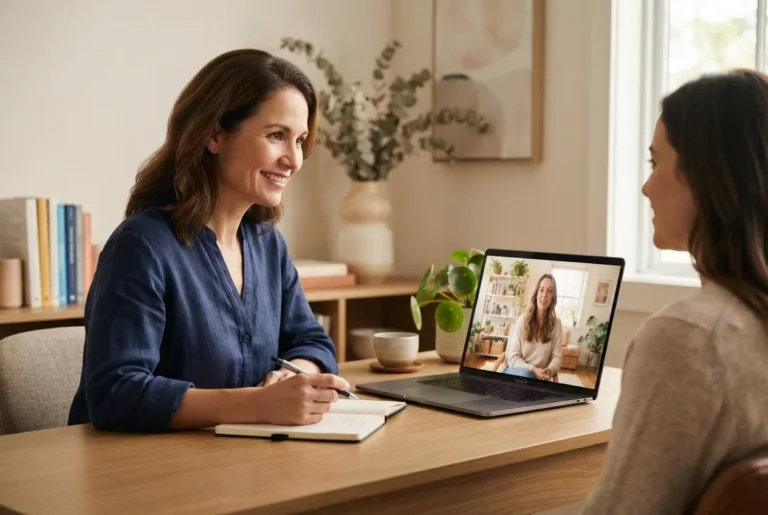
A telehealth visit is a remote medical consultation using video, phone or secure messaging that enables clinicians to deliver diagnosis, monitoring and integrative treatments without an in-person appointment. As remote medical treatment and virtual care solutions, telehealth connects patients to naturopaths, functional doctors and therapists for follow-ups and coordinated holistic care.
Introduction to Telehealth Visits in Alternative Medicine Context?
Answer: A telehealth visit in alternative medicine is a remote clinical session where integrative practitioners deliver consultations, assessments and care planning via secure video, phone or messaging, extending access to complementary therapies and coordinated holistic care.
Term: Telehealth visit — a remote medical interaction between a patient and clinician using electronic communication such as video, phone or secure messaging.
Telemedicine—often used interchangeably with telehealth—refers broadly to clinical services delivered remotely using telecommunications; virtual care solutions include the platform, devices and workflows that enable those services. Historically, telemedicine began as telephone consults and radiology image sharing; digital video and mobile apps accelerated adoption from the 2000s and jumped dramatically during the 2020 pandemic.
Within the framework of alternative and integrative care, telehealth visit models let practitioners deliver consults for nutrition, herbal protocols, mind‑body coaching, follow-ups for naturopathy and coordination with conventional providers. This expands reach for patients who rely on complementary approaches, rural clients, and those with mobility or immunocompromised conditions.
alternative terms for Western medical practices: CAM and integrative care provides deeper framing on where telehealth fits into the wider alternative and integrative medicine landscape.

Transitioning from how telehealth sits conceptually, the next section explains the technologies and platforms that make those visits possible.
Technologies and Platforms Enabling Telehealth Visits?
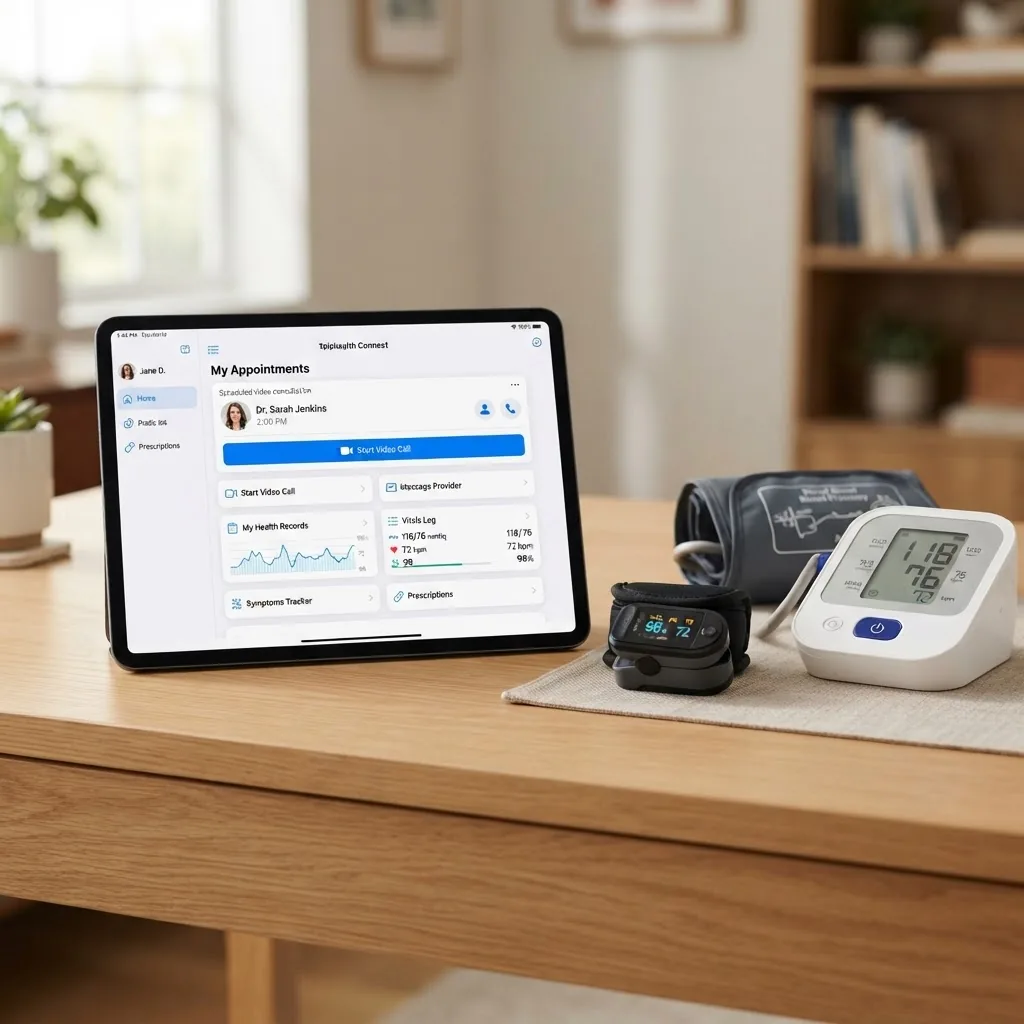
Answer: Telehealth visits run on a mix of secure video conferencing, dedicated telehealth apps, asynchronous messaging systems and remote patient monitoring devices that integrate into clinician workflows and electronic health records (EHRs).
Term: Remote monitoring devices — hardware (wearables, pulse oximeters, blood pressure cuffs) that record patient data and transmit it to clinicians for review.
Core technical components:
- Secure video platforms with end-to-end encryption for live consultations.
- Telehealth apps that schedule, intake and manage patient records and payments.
- Asynchronous messaging (store-and-forward) for photos, symptom logs and non-urgent provider replies.
- Remote patient monitoring (RPM) devices that stream vitals into clinician dashboards.
- Interoperability layers or APIs connecting telehealth platforms to EHRs and practice management systems.
Examples of platform types:
- Dedicated telehealth suites (video + charting + billing) used by clinics for synchronous visits.
- Lightweight consumer apps for booking and messaging between visits.
- RPM vendor solutions that bundle devices and analytics for chronic-condition management.
Practitioner education and credentialing increasingly reference digital competencies; prospective clinicians can explore formal training via alternative medicine degree programs online that include digital health modules and telehealth practice management.
Technology trade-offs include:
| Solution | Best for | Technical needs |
|---|---|---|
| Synchronous video | Real-time assessment, therapy, intake | Camera, broadband, secure platform |
| Asynchronous messaging | Follow-ups, photo review, non-urgent questions | App or portal, secure storage |
| Remote patient monitoring (RPM) | Chronic disease tracking, medication adjustments | Devices, connectivity, data dashboard |
Security standards and platform choice matter: clinical teams often choose vendors certified for health data protection and that offer audit trails, role-based access and integration into practice systems. For security best practices and policy background, consult authoritative sources such as CDC telehealth guidance and national health department recommendations.
Next, we list common telehealth treatments and how they apply in holistic practices.
Types and Uses of Telehealth Treatments in Holistic and Alternative Care?
Answer: Telehealth treatments in alternative care cover remote consultations, mental health teletherapy, nutritional and lifestyle counseling, chronic-condition monitoring, guided mind‑body practices, medication reviews and care coordination with conventional providers.
- Remote initial consultations for naturopathy and functional medicine: Virtual intake visits gather history, labs and lifestyle details to build individualized care plans; suitable for most initial assessments unless a hands-on exam is required. alternative medicine for prostate cancer treatment options
- Mental health teletherapy and counseling: Psychotherapists, mindfulness coaches and counselors offer video or phone sessions for anxiety, depression and stress management; effective for many patients and increases frequency of contact. mental health alternative treatments via telehealth
- Nutritional counseling and dietary coaching: Dietitians and functional nutritionists use telehealth for meal planning, lab review and behaviour change coaching, with follow-ups based on food logs and photos.
- Remote chronic-condition management: RPM supports asthma, diabetes and cardiovascular care through device data, virtual visits and clinician dashboards. alternative therapies for asthma and allergies
- Integrative pain management consults: Pain specialists and integrative therapists evaluate symptoms, prescribe non-opioid strategies, guide mind‑body techniques and coordinate physical therapy referrals. alternative therapies for pain management
- Herbal and supplement counseling: Practitioners review ingredients, interactions and dosing via telehealth; labs can be ordered remotely with local collection points.
- Guided complementary therapies (breathwork, meditation, biofeedback): Live sessions or pre-recorded modules deliver mind‑body training; clinicians monitor adherence and outcomes remotely.
- Remote cancer-care coordination and supportive therapies: Telehealth can coordinate integrative symptom management, diet, and adjunctive therapies alongside oncology care. alternative to radiation therapy and related supportive care resources reinforce shared decision-making.
- Asynchronous image or symptom review: Patients send photos, symptom diaries or lab results for provider review, enabling triage and rapid advice without a live visit.
- Group classes and workshops: Nutrition groups, stress-reduction classes and educational sessions run effectively via video for community support and self-management.
Clinical applicability varies by condition—telehealth is excellent for counseling, review and monitoring, often combined with periodic in-person exams when needed. For evidence on effectiveness, consult peer-reviewed syntheses and government adoption data; for example, a growing body of literature supports teletherapy outcomes comparable to in-person care for many mental health conditions.
Next we outline the benefits telehealth brings to patients and providers in alternative medicine.
Benefits of Telehealth Visits for Patients and Providers in Alternative Medicine?
Answer: Telehealth improves accessibility, convenience, continuity and care coordination for holistic patients and enables practitioners to scale services, reduce no-shows and maintain longitudinal relationships.
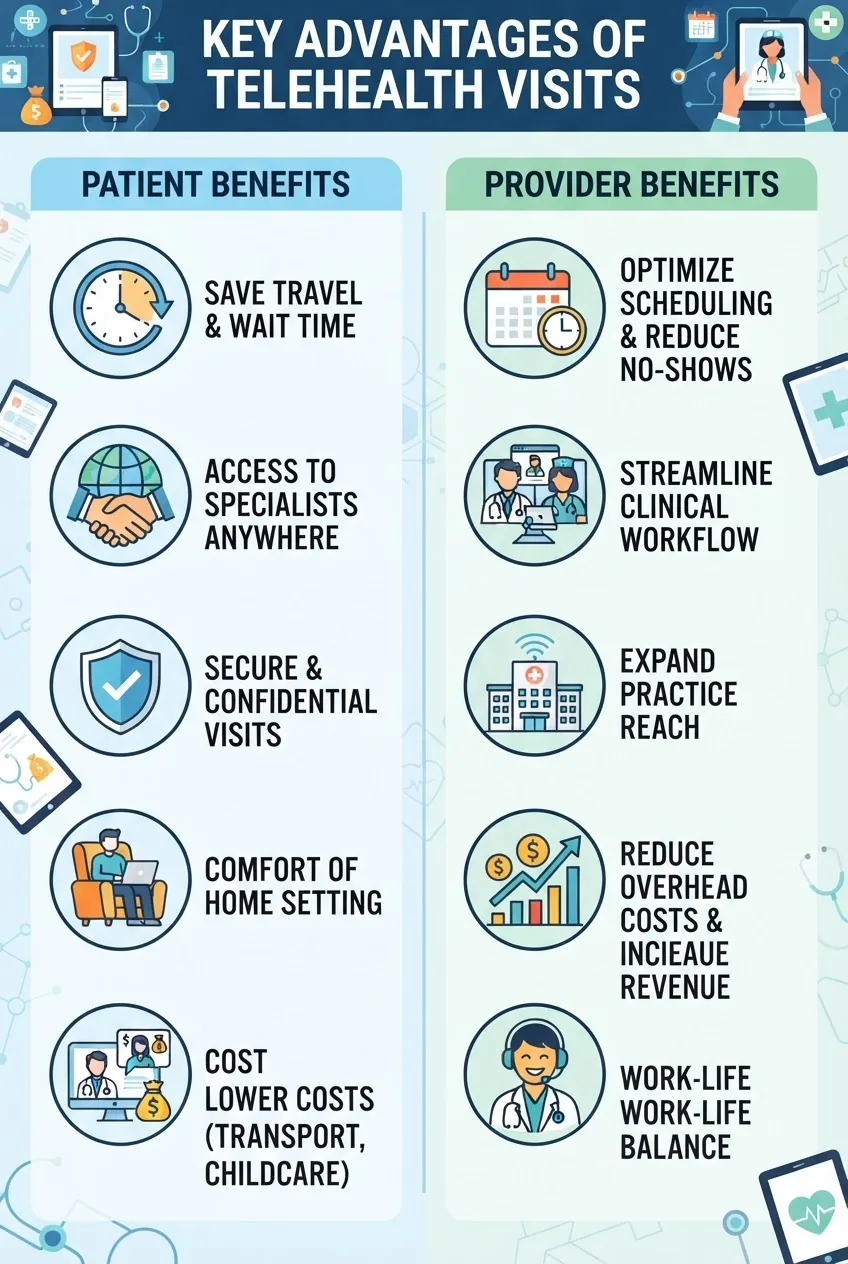
Key patient and provider benefits include:
- Patient accessibility: Remote visits remove travel barriers for rural, mobility‑limited or immunocompromised patients.
- Reduced travel and time costs: Fewer commutes and quicker follow-ups increase adherence to care plans.
- Continuity of holistic care: Easier scheduling supports regular check-ins for lifestyle and supplement adjustments.
- Improved patient engagement: Digital tools let patients log symptoms and receive tailored resources between visits.
- Provider flexibility and efficiency: Clinicians can triage via asynchronous messaging, cluster visits and use RPM data to prioritize high‑need patients.
Supporting figures and authority signals:
- According to a 2024 industry report, many outpatient providers report telehealth reduces no‑show rates by 20–30% and increases appointment availability for follow-ups.
- According to a 2023 CDC report, telehealth continues to account for a meaningful share of mental health visits, improving access in underserved communities.
For readers interested in how telehealth complements physical integrative centers and the services they offer, see the alternative health care center services and benefits overview.
Transitioning from benefits to practical limits, the following section addresses common challenges and how practices manage them.
Challenges and Limitations of Remote Medical Treatment through Telehealth?
Answer: Telehealth faces technology barriers, privacy and regulatory constraints, limits on physical examinations, reimbursement variability and digital literacy gaps that can restrict care delivery for certain cases.
Major challenges (numbered) and brief discussion:
- Technology access and connectivity: Patients without reliable broadband, devices or private spaces cannot fully benefit; clinics may offer phone visits when video is infeasible.
- Limitations of virtual physical exams: Telehealth cannot replace hands-on assessment for some conditions; providers must schedule in-person exams when palpation, auscultation or procedures are required.
- Privacy and data security concerns: Secure platforms and encrypted communications are essential to meet regulatory expectations; breaches damage trust and require incident response plans.
- Insurance reimbursement and policy variation: Coverage for telehealth varies by insurer and jurisdiction; inconsistent parity laws affect provider revenue and patient costs. According to a 2024 industry report, reimbursement policies remain the top operational concern for many small practices.
- Digital literacy and usability: Older adults or people with limited tech experience may struggle with setup and navigation, reducing appointment effectiveness.
- Clinical scope and quality assurance: Ensuring consistent standards, documentation and outcome monitoring across remote care requires additional workflows and training.
Mitigation strategies clinicians use include hybrid care models (alternating telehealth and in-person touchpoints), offering technical support, employing validated remote assessment tools, and selecting telehealth platforms that meet security and interoperability standards.
Next, practical steps patients can take to prepare and maximize their telehealth visits are described.
How to Prepare and Maximize Your Telehealth Visit Experience?
Answer: Prepare by testing your device and connection, securing a private, well-lit space, having medications and questions ready, and following pre-visit intake instructions to ensure a focused, productive telehealth visit.
Step-by-step patient preparation and execution:
- Confirm appointment details: Check the appointment time, platform link, and any forms or consent you must complete online before the visit.
- Technical checklist: Charge your device, test camera and microphone, confirm broadband or phone signal, and have a backup phone number available.
- Environment setup: Choose a quiet, private area with natural light so the clinician can observe nonverbal cues; keep notes and medication lists at hand.
- Gather documents and data: Have recent lab results, wearable device readings, symptom logs, and photos (if relevant) ready to share via the platform.
- Communication tips: Start with concise descriptions of chief complaints, mention whether you’ve tried therapies or supplements, and ask about next steps and red flags.
- Follow-up and documentation: Confirm how you’ll receive notes, prescriptions and referrals; schedule in-person follow-up if an exam or procedure is necessary.
Typical telehealth visit workflow from a practitioner’s perspective:
- Pre-visit: review chart, labs and RPM data; pre-populate templates for focused history-taking.
- Visit: conduct structured intake, observe patient visually, use validated remote assessment tools, and agree on a plan.
- Post-visit: send summary, order labs or supplies, schedule in-person checks as required, and document coding for billing.
Example case (real-world style): A 56-year-old patient with chronic insomnia consulted a functional medicine clinician via video; the clinician reviewed sleep logs, recommended a tailored sleep hygiene plan and melatonin protocol, and scheduled a follow-up video visit in two weeks—avoiding a long commute and enabling close monitoring via a sleep-tracking app.
Next, we look at future trends shaping virtual care in integrative medicine.
The Future of Virtual Care Solutions and Telehealth in Integrative Medicine?
Answer: Virtual care will expand through AI-assisted triage, tighter wearable integration, advanced remote diagnostics, group telehealth models and hybrid care pathways that blend in-person treatments with continuous digital support.
Key innovations and outlook:
- AI and decision support: AI will assist triage, symptom interpretation and suggest evidence-based integrative options, supporting clinician workflows while preserving clinician judgement.
- Wearables and biosensors: Continuous data from wearables will enable personalized lifestyle coaching, stress monitoring and early detection of physiological changes relevant to holistic care.
- Interoperable ecosystems: Better APIs and standards will let RPM, EHRs and telehealth platforms share structured data for coordinated care plans.
- Hybrid care models: Practices will combine periodic in-person therapies (e.g., hands-on bodywork) with routine telehealth follow-ups and digital self-care programs.
- Expanded group and community care: Virtual group classes for nutrition, pain management and mindfulness will scale preventive and supportive services.
According to a 2024 industry report, investment in digital health platforms and clinician-facing telehealth tools continues to grow, with emphasis on tools that prove outcomes and integrate with existing practice workflows.
Transitioning from innovation to regulation, the next section clarifies compliance and security essentials for telehealth.
Regulatory and Security Aspects of Medical Telehealth?
Answer: Telehealth providers must follow privacy and security regulations (such as HIPAA in the U.S.), ensure secure data transmission and storage, adhere to licensure and prescribing rules, and track changing telehealth policies in their jurisdiction.
Term: HIPAA — the U.S. Health Insurance Portability and Accountability Act, which sets standards for protecting patient health information.
Regulatory highlights and trust signals:
- Privacy frameworks vary by country—U.S. providers reference HIPAA standards; Australian providers reference national health privacy laws and guidance from health departments.
- For operational guidance and regulatory updates consult government sources such as CDC telehealth guidance and national health department pages like Australia’s telehealth guidance.
- Security controls expected from vendors include encrypted transport, secure authentication, audit trails and documented business associate agreements (BAAs) where relevant.
- Licensure and cross-jurisdiction practice: many regions require clinicians to be licensed where the patient is located; check local laws before offering remote services.
For research evidence on telehealth efficacy and safety across conditions, see literature summaries and reviews available via biomedical databases such as PubMed systematic reviews.
Limitations remain: telehealth should be supplemental to in-person care when physical examination or procedures are required. Practices must maintain informed consent, document limitations of remote assessment and have escalation protocols for urgent issues.
Final summary and next steps are below.
Telehealth visit models, when implemented with secure platforms and clear clinical pathways, expand access to alternative medicine while preserving quality through hybrid models, validated remote tools and clear regulatory compliance.
Conclusion — key takeaways and next steps: Telehealth visits are a practical, secure way to access remote medical treatment and a wide range of telehealth treatments across integrative and alternative care. Patients should prepare with a tech checklist and clear questions; practitioners should adopt secure platforms, hybrid care protocols and outcome monitoring. To explore deeper training options, consult relevant degree programs and evidence summaries, then schedule a telehealth appointment to experience a virtual integrative consultation.
Call to action: If you’re curious how a telehealth visit could fit your holistic care plan, book a video consultation with an integrative clinician or read more about practice services and evidence-based alternatives linked throughout this guide.