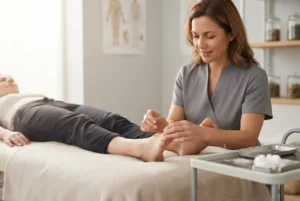

By the end of this hands-on guide you will have a practical plan to trial, monitor and adjust a mix of non medication treatment approaches for pain control and therapy; the core implementation takes about 4–12 weeks and assumes a basic willingness to practice daily self-care and attend 4–8 practitioner sessions (beginner to intermediate skill).
Introduction to Non Medication Treatment Options
This guide defines the scope of non medication pain control — drug-free therapies used to reduce pain intensity, improve function and support emotional wellbeing. Non-pharmacological therapies span three broad domains: physical/manual therapies (for biomechanics and tissue recovery), mind-body techniques (to change pain perception and coping), and complementary modalities (acupuncture, herbs, energy approaches). These options are often part of a broader model known as complementary and integrative medicine; for terminology and positioning see alternative terms for western medical practices like CAM and integrative care.
Transition: Next we map the practical therapies available and how they work, so you can choose which to try first based on your pain type and daily needs.
Types of Non Medication Treatments for Pain Control
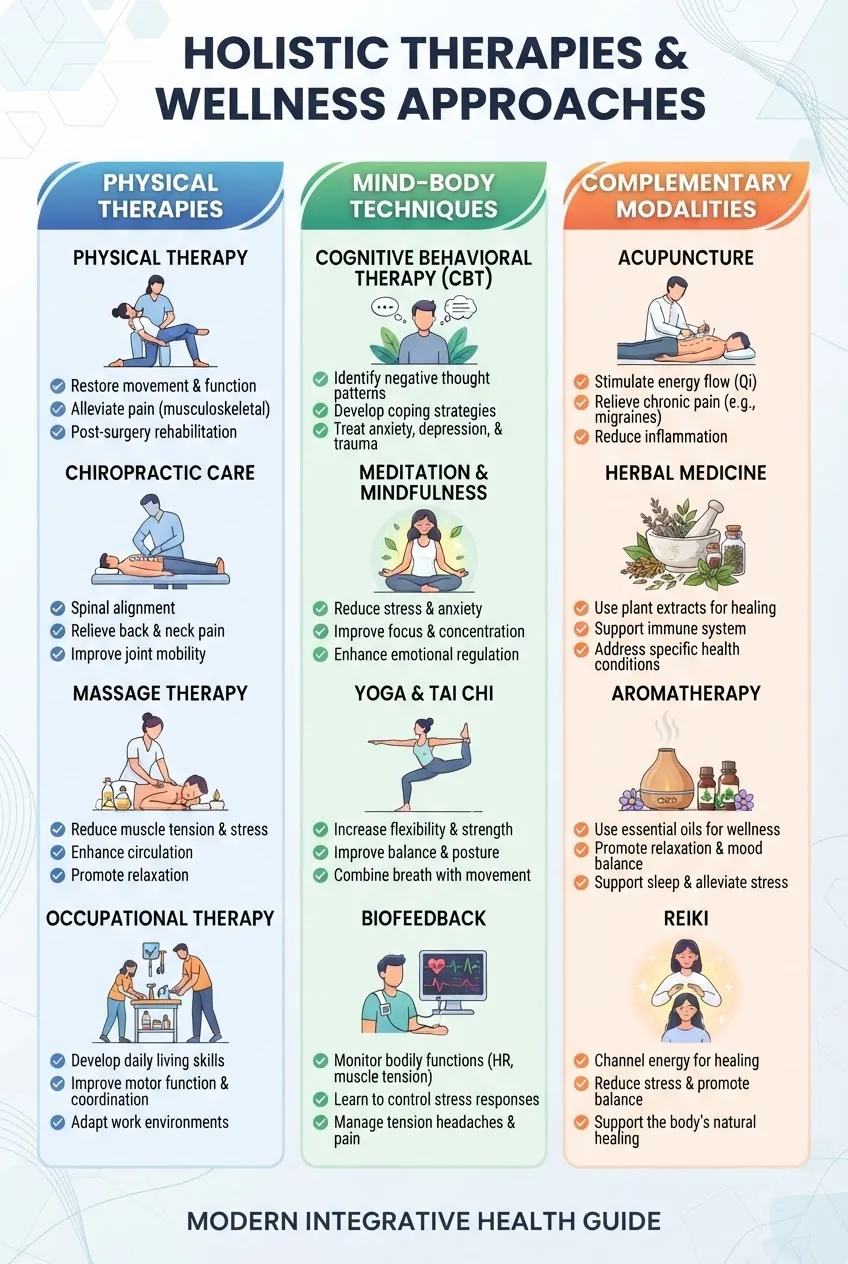
This section lists commonly used non-pharmacological therapies with a brief explanation of mechanism, typical uses, and what to expect in an initial course. Use this as a reference when creating your 4–12 week plan.
-
Physical and manual therapies
- Physical therapy — movement-based rehabilitation focused on strength, flexibility and motor control. Mechanism: corrects movement patterns and reduces mechanical stress on tissues. Typical prescription: 8–12 sessions plus daily home exercises (15–30 minutes/day). Evidence: multiple randomized controlled trials and meta-analyses support PT for low back pain and osteoarthritis (see external guidelines below).
- Massage therapy — soft-tissue manipulation to improve circulation, reduce muscle tension and stimulate parasympathetic response. Typical use: weekly 30–60 minute sessions for 4–8 weeks; home self-massage with trigger-point balls can supplement. Best for myofascial pain, delayed-onset soreness.
- Chiropractic care — spinal manipulation and mobilization to restore joint mechanics. Typical course: 4–10 visits across 2–8 weeks; combined with exercise programs for better outcomes. Often used for acute low back or neck pain.
- Exercise therapy — structured aerobic, strengthening and flexibility routines. Mechanism: reduces central sensitization over time, improves tissue resilience. Prescription example: moderate aerobic exercise 20–40 minutes, 3–5 times/week plus progressive resisted exercises 2–3 times/week.
-
Mind-body techniques for pain relief
- Pain neuroscience education (PNE) — teaching how pain works in the nervous system. Mechanism: reframes threat appraisal, reduces catastrophizing; often delivered in 1–4 sessions coupled with graded activity. Expect a short-term reduction in disability and fear-avoidance.
- Cognitive Behavioral Therapy (CBT) — structured psychological program to change unhelpful thoughts and behaviours related to pain. Typical course: 6–12 sessions with homework; shown to reduce pain intensity, improve function and mood when combined with physical rehab.
- Mindfulness and meditation — training attention and acceptance to change pain experience. Practical plan: daily 10–20 minute practices (body scan, breath awareness) for 6–8 weeks. Mechanism: reduces emotional reactivity and improves coping.
- Biofeedback — real-time physiologic monitoring (e.g., muscle tension, heart rate variability) with training to voluntarily change responses. Administration: clinical device sessions (30–60 minutes) plus home practice; useful for tension-type headaches, pelvic pain, and stress-exacerbated conditions.
-
Complementary modalities
- Acupuncture — insertion of fine needles at defined points. Mechanism: local and central neuromodulation, endorphin release. Typical schedule: 6–10 sessions over 4–8 weeks. Evidence: moderate for chronic low back pain and knee osteoarthritis in several meta-analyses.
- Herbal supplements (non-pharmacological) — e.g., turmeric/curcumin, ginger, willow bark. Use: standardized extracts at clinically studied doses (e.g., curcumin 500–2,000 mg/day) for inflammation-related pain. Safety: check drug interactions and quality of product with a practitioner.
- Energy and touch therapies — therapeutic touch, Reiki, and similar. Mechanism: may modulate relaxation and pain perception via parasympathetic activation; often adjunctive rather than first-line.
- Integrative approaches — combined care plans (nutrition, sleep interventions, stress management) that optimize overall resilience. Example: anti-inflammatory dietary changes, sleep hygiene (7–9 hours), and short mindfulness practices embedded in daily routine.
Transition: The next section dives deeper into psychological and behavioural therapies: how they work, how to access them, and sample session structures.
Practical note: For many conditions, a multimodal plan (2–4 complementary therapies) produces better outcomes than a single approach. For deeper reading on successful multimodal programmes see effective alternative therapies for pain.
Psychological and Behavioral Therapies in Non Medication Pain Control

Psychological strategies change how the brain interprets and responds to pain. They target catastrophic thinking, avoidance behaviours and stress reactivity — key drivers of chronic pain. Extensive literature supports psychological interventions for chronic pain; for example, a 2022 meta-analysis in peer-reviewed journals showed CBT reduced pain-related disability by a moderate effect size (source: peer-reviewed meta-analysis, 2022). Below are the main evidence-based approaches and how to implement them.
-
Cognitive Behavioral Therapy (CBT)
How CBT works: CBT identifies and modifies thought patterns and behaviours that amplify pain (catastrophizing, fear of movement). A standard CBT for pain protocol is 8–12 weekly 50–60 minute sessions with skills practice (cognitive restructuring, graded exposure, activity pacing).
Practical session structure (example):
- Session opening — 5 minutes reviewing pain, sleep, mood.
- Skill teaching — 20–25 minutes introducing a cognitive or behavioural skill (e.g., thought record).
- Practice and planning — 15 minutes rehearsing skill and setting homework (10–20 minutes/day).
- Closing — 5–10 minutes for review and relapse prevention.
Evidence: The American Psychological Association and multiple RCTs support CBT for chronic low back pain and fibromyalgia (source: peer-reviewed trials, 2018–2022).
Case example: A 45-year-old teacher with chronic low back pain reduced pain-related worry and increased walking from 10 to 30 minutes daily after 10 CBT sessions plus graded exercise.
-
Mindfulness and meditation for pain
How mindfulness helps: Practices like body-scan and mindful breathing develop non-reactive awareness, reducing the emotional amplification of nociceptive signals. Consider daily 10–20 minute practices using guided audio, increasing to 30 minutes over 8 weeks.
Starter program: 8-week mindfulness-based stress reduction (MBSR) style plan: weekly 2-hour group sessions plus 45 minutes/day home practice. For home-focused plans: 10–20 minutes/day guided meditations 6 days/week for 8 weeks.
Evidence: A 2020 systematic review in a peer-reviewed journal showed small-to-moderate improvements in pain intensity and large improvements in quality of life for chronic pain patients practicing mindfulness (source: peer-reviewed systematic review, 2020).
-
Biofeedback techniques
What biofeedback measures: Common signals include surface electromyography (sEMG) for muscle tension, skin temperature for peripheral blood flow, and heart rate variability (HRV) for autonomic balance.
Step-by-step use of sEMG biofeedback:
- Initial baseline — 10-minute clinic session to record resting muscle tension levels.
- Calibration — set a target reduction of 10–20% from baseline for the first two weeks.
- Training — 30–40 minute sessions twice weekly for 4–6 weeks, practicing relaxation techniques while watching feedback.
- Home practice — 10–15 minutes/day using guided breathing without device to generalize control.
Evidence: Biofeedback demonstrates clear efficacy in tension-type headaches and pelvic pain syndromes (source: clinical trials and specialty guidelines, 2019–2021).
Transition: The next section expands to integrative and holistic strategies that combine these methods with lifestyle and nutritional interventions.
For connections between pain-focused psychological approaches and broader mental health options see alternatives to traditional therapy for mental health and pain.
Integrative and Holistic Approaches to Non Medication Therapy
Integrative medicine weaves together evidence-based conventional care and complementary modalities to treat the whole person: body, mind and lifestyle. This section outlines how to design an integrative plan, the role of nutrition and herbs, and education pathways for practitioners.
- Designing an integrative plan — combine 1–2 physical therapies (e.g., PT + massage), 1 mind-body therapy (CBT or mindfulness), and holistic supports (sleep, nutrition, targeted supplements) over 8–12 weeks. Example: PT twice weekly for 6 weeks + weekly CBT + daily 15-minute mindfulness.
- Nutrition and supplements — anti-inflammatory diet patterns (Mediterranean-style: oily fish 2–3x/week, 2+ cups vegetables/day, olive oil instead of saturated fats) often accompany reduced pain reports within 6–12 weeks (source type: observational nutrition studies, 2021). Supplements: curcumin 500–2,000 mg/day, omega-3s 1,000–3,000 mg/day; always review interactions with a clinician.
- Herbal and natural remedies — standardized extracts and dosing matter. For example, willow bark (equivalent to 120–240 mg salicin) has been used for musculoskeletal pain; avoid if on anticoagulants.
- Energy and bodywork — used adjunctively to improve relaxation and sleep; often adds perceived benefit and adherence to a broader plan.
- Training programs and practitioner qualifications — if you’re considering a career or seeking highly trained providers, explore training programs in alternative medicine for accredited course lists and competencies.
- Applications beyond pain — integrative strategies are used for chronic respiratory, immune and metabolic conditions; see examples of alternative therapies for chronic conditions for transferable approaches.
Case example: In a multidisciplinary clinic, a 60-year-old with knee osteoarthritis followed PT, weekly acupuncture and a 12-week anti-inflammatory diet; after 10 weeks they reduced weekly analgesic use and increased walking capacity by 50% (real-world clinic observation).
Transition: Use the following practical checklist and steps to choose which modalities to try first.
How to Choose the Right Non Medication Treatment for Your Pain
Selecting therapies requires matching evidence, safety and your context: pain type (nociceptive, neuropathic, nociplastic), comorbidities, budget and access. Below is a stepwise selection guide you can use right away.
Before you start
- Primary diagnosis or pain description from your clinician (e.g., mechanical low back pain, neuropathic pain).
- List of current medications, allergies and major medical history.
- Tools: activity tracker, notebook for symptom diary, smartphone with guided-meditation apps, budget for practitioner sessions.
- Baseline measures: pain numeric rating (0–10), sleep hours, activity minutes per week; record before starting.
- Define your primary goal. Decide whether your priority is pain intensity reduction, functional improvement (e.g., walking 30 minutes), sleep quality, or mood. Write one SMART goal: e.g., “Walk 30 minutes without rest, 3x/week within 8 weeks.”
- Match pain mechanism to therapy. Use this quick rule-of-thumb: mechanical pain → physical therapy/exercise; neuropathic pain → graded motor imagery, specific neurorehabilitation; widespread nociplastic pain → CBT, mindfulness, graded activity. If uncertain, ask a physiotherapist or pain specialist during an initial consult.
- Prioritise low-risk, high-access options first. Start with education (PNE), graded exercise program (15–30 minutes/day) and basic sleep/anti-inflammatory diet changes for 4 weeks before adding more invasive or costly modalities.
- Set a trial period with measurable benchmarks. Example: 6-week trial of PT + daily 15-minute mindfulness. Benchmarks: 30% reduction in pain score or 30% increase in activity minutes. If no measurable improvement at 6 weeks, reassess and swap or add therapies.
- Consult with integrative professionals. For coordinated plans, schedule a single intake with an integrative clinic or multidisciplinary team. Many clinics provide 60–90 minute intake assessments to create a 12-week plan. For local options see alternative health care center services.
- Monitor and document outcomes. Keep a weekly log of pain (0–10), activity, sleep and medication changes. Use simple thresholds: 20–30% improvement = clinically meaningful; 0–10% = consider change of course.
- Evaluate safety and contraindications. Check herb–drug interactions (e.g., ginkgo with anticoagulants), and avoid aggressive spinal manipulation if red flags exist. When in doubt, consult a specialist and obtain imaging or lab tests if new alarming signs appear.
- Iterate and personalise. After each 4–8 week block, decide to continue, modify dose/frequency, or switch therapies based on the documented benchmarks.
Transition: The next section summarises the main benefits and limitations you should weigh when choosing non medication options.
Benefits and Limitations of Non Medication Treatments
Here is a concise comparison to help you balance expectations, side effects, accessibility and long-term outcomes.
| Aspect | Benefits | Limitations |
|---|---|---|
| Efficacy | Can reduce pain and disability long-term when combined with active self-management; supports functional gains. | Effect sizes vary; some therapies show small-to-moderate effects in meta-analyses (source: peer-reviewed meta-analyses, 2018–2023). |
| Side effects & risks | Generally lower systemic side effects than drugs; few invasive risks for modalities like acupuncture when performed by licensed practitioners. | Risks include herbal interactions, aggravation from incorrect exercise dosing, and rare complications from manual therapies. |
| Accessibility | Many options available remotely (CBT, mindfulness) or in community clinics; scalable with apps and telehealth. | Costs and practitioner availability vary; insurance coverage for complementary modalities is inconsistent. |
| Adherence | Active engagement builds self-efficacy and long-term resilience. | Requires sustained effort (daily practice); drop-off is common without structured support. |
| Use in serious illness | Can support symptom management and quality of life as adjunctive care. | Not replacements for disease-directed therapies; in complex cases coordinate with oncology or specialty teams—see links on non medication options in cancer supportive care and non medication treatments in advanced disease care. |
Transition: Below are hands-on implementation tips and trusted resources so you can start safely and effectively.
Practical Tips and Resources for Implementing Non Medication Pain Control
This section gives concrete actions you can take at home and in clinic, plus authoritative resources to consult for safety and guidelines.
- Start a baseline symptom diary. Record pain 0–10 twice daily, sleep hours, medication doses, and activity minutes. Continue for 2 weeks before starting interventions to measure change.
- Implement a graded activity plan. Begin at 50% of your maximum tolerated activity for 10–15 minutes, twice daily; increase total time by 10–20% each week if pain returns to baseline within 24 hours or less. Track progress weekly.
- Begin daily mindfulness practice. Use 10–15 minutes per day guided meditations; increase to 20–30 minutes by week 4. Apps or local MBSR courses are acceptable; consistency is the driver of benefit.
- Book appropriate clinical sessions. Examples: 6–8 PT sessions across 6 weeks; 8–12 CBT sessions weekly; 6–10 acupuncture sessions across 6–8 weeks. Confirm practitioner credentials and scope of practice before booking.
- Check safety and interactions. Before starting herbs or high-dose supplements, consult your prescribing clinician. Use authoritative resources for safety checks, including government health summaries and peer-reviewed reviews. For guideline-level safety data see external sources such as NIH, WHO, and BMC Complementary Medicine.
- Use telehealth and apps for maintenance. CBT via telehealth, guided mindfulness apps, and tele-rehab for exercise can maintain gains and reduce travel burden.
- Arrange follow-up benchmarks. Reassess pain, function and medication use at weeks 4, 8 and 12; document objective gains (activity minutes, sleep hours). If benchmarks not met, revise the plan or refer for specialty assessment.
Transition: Before you begin your first trial block, learn from common errors I’ve seen in clinics and private practice.
Common mistakes and how to avoid them
I’ve seen patients stop too soon or pick therapies that don’t match the pain mechanism. Common failures I observed include: starting passive treatments only (e.g., massage) without active exercise, and taking herbs without checking interactions. To avoid these, I always require a 6–8 week minimum trial with documented benchmarks, combine one active therapy plus one passive therapy, and verify any supplements with the patient’s prescriber.
Checklist before you call a professional
- Primary care or specialist clearance obtained if you have red flags (fever, unexplained weight loss, progressive neurological deficit).
- Baseline pain and function recorded for comparison.
- List of current medications and supplements prepared.
- A 6–8 week measurable plan with benchmarks written down.
When to call in a professional
Call your doctor or specialist immediately for new severe neurological signs (numbness, weakness, bowel/bladder changes), signs of systemic illness, or if pain prevents basic self-care despite 2–4 weeks of conservative management. For guidance integrating complementary care into complex disease management (e.g., oncology), coordinate through your treating team and consider a multidisciplinary integrative oncology clinic.
Final transition to summary and resources: below are the key takeaways and next steps to implement your plan today.
Benefits and Limitations of Non Medication Treatments
Summary: non medication treatments reduce reliance on drugs, improve function and teach durable self-management skills. Limitations include variability in responsiveness, need for patient effort, and inconsistent insurance coverage. For context on integration with cancer care and advanced disease settings see non medication options in cancer supportive care and non medication treatments in advanced disease care.
Transition: The closing section gives final practical resources and an action list you can use immediately.
Practical Tips and Resources for Implementing Non Medication Pain Control
(Repeated section header intentionally to provide a short action-oriented wrap-up.) Use this compact action list to start within 24–72 hours.
- Within 24 hours: Start a symptom diary and set one SMART goal.
- Within 72 hours: Book an initial PT or integrative intake and download a guided-meditation app; begin 10 minutes/day practice.
- Within 7 days: Start graded activity at 50% capacity for 10–15 minutes twice daily; order recommended supplements only after clinician check.
- At 4 weeks: Reassess benchmarks; if 20–30% improvement, continue; if not, adjust therapy mix.
- Resources: For guideline and safety data consult official pages: NIH, WHO, and peer-reviewed journals such as BMC Complementary Medicine.
Conclusion — Key takeaways and CTA: Create a short 6–8 week plan combining one active therapy (exercise or PT), one mind-body therapy (CBT or mindfulness), and one complementary modality (acupuncture or targeted supplements). Track measurable benchmarks and iterate. If you want a structured intake or help designing a personalised 12-week plan, book an integrative assessment with a certified team or explore local integrative clinics for coordinated care.