Answer: Herbology is the combined scientific and traditional study of medicinal plants—their identification, chemistry, preparation and therapeutic use. Herbalists apply plant-based therapies in clinical or community settings; herbologists focus on botanical research, taxonomy and analytical science. This guide clarifies definitions, legitimacy, and training paths for both professions.
What Is Herbology? Defining the Term and Its Scope
Answer: Herbology is the interdisciplinary field covering the study of medicinal plants, including their botany, bioactive constituents, traditional uses and clinical application.
Herbology: the study of plants used for medicine, spanning taxonomy, phytochemistry, cultivation and therapeutic preparation.
Herbology sits at the intersection of botanical science and traditional herbalism. It includes:
- Plant identification and taxonomy (knowing species and parts used).
- Phytochemistry and analytical methods (measuring active compounds).
- Preparation techniques (teas, tinctures, capsules, topical applications).
- Clinical application and safety (dosing, interactions, contraindications).
Terminology clarification on first use:
Herbalist: a clinician who prescribes and prepares plant-based remedies for clients.
Herbologist: a botanical scientist or researcher focused on plant properties, cultivation and analysis rather than clinical prescribing.
Common scopes within herbology:
- Ethnobotany and traditional knowledge—documenting folk uses.
- Pharmacognosy—laboratory analysis of plant compounds.
- Clinical herbalism—evidence-informed therapeutic use by trained practitioners.
- Quality assurance and manufacturing for supplements and medicines.
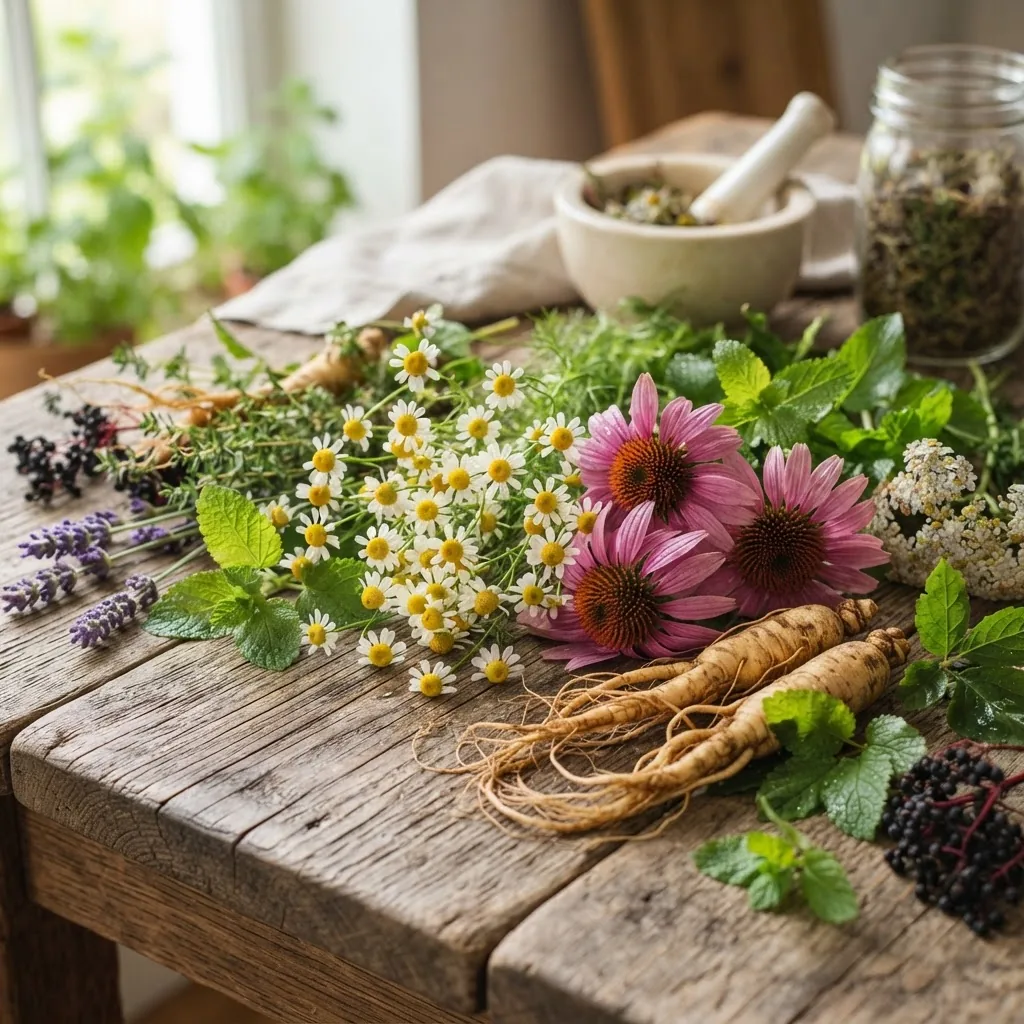
Herbology overlaps with naturopathy and integrative medicine when plant therapies are used alongside nutritional, lifestyle, or conventional treatments. For product-focused contexts, herbology research feeds into –>botanical dietary supplements and clinical formularies.
Where herbology appears in practice:
- Clinical consultations with herbalists.
- Laboratory research by herbologists and pharmacognosists.
- Product formulation for capsule and tincture manufacturers.
- Conservation and sustainable cultivation programs.
Herbology is both applied and academic: applied when making remedies and advising clients, academic when evaluating safety, efficacy and mechanisms.
Historical Context and Legitimacy: Is Herbology a Real Thing?
Answer: Yes—herbology is a real, long-standing field that combines centuries of traditional practice with modern botanical science; legitimacy varies by application and regulatory context.
Herbalism: traditional medicinal plant use documented across cultures for millennia.
Brief timeline (select highlights):
- Circa 3000–1500 BCE: Earliest recorded plant remedies in Sumerian and Egyptian texts.
- 2nd century CE: Dioscorides’ De Materia Medica codified Western herbal knowledge.
- Medieval–Renaissance: Herbals in Europe and Asia formalized plant therapeutics.
- 19th–20th century: Pharmacology arises; active constituents isolated from plants (e.g., morphine, quinine).
- Late 20th–21st century: Renewed interest in integrative medicine and phytopharmacology; scientific methods applied to traditional plants.
Myth-busting and legitimacy:
- Myth: All herbal claims lack scientific basis. Fact: many plant-derived drugs began as herbal remedies; modern trials and phytochemistry validate specific actions for some herbs (e.g., St. John’s wort, saw palmetto in specific contexts).
- Myth: Herbalists are unregulated hobbyists. Fact: many countries have certification boards, professional bodies and formal training programs; regulatory status differs by jurisdiction.
- Myth: “Herbology” is only folklore. Fact: herbology as a discipline includes rigorous botanical, analytical and clinical research.
Examples of traditional systems informing modern practice:
- Traditional Chinese Medicine informs modern phytopharmacology—see –>traditional Chinese herbal remedies.
- Ayurvedic, indigenous and medieval European herbals are sources of clinical hypotheses now tested in laboratories and trials.
Scientific basis: modern herbology uses analytical chemistry, clinical trials, and pharmacology. According to a 2024 industry report on complementary medicines, research investment in phytopharmaceuticals has grown annually, reflecting increased scientific attention to plant-based therapeutics.
Regulatory recognition varies: some nations treat herbal products as supplements with lighter oversight; others regulate them as medicines. The debate over legitimacy is best framed as: which parts of herbology are evidence-backed, and which remain traditional knowledge requiring further study?
Understanding the Role of a Herbalist
Answer: A herbalist is a practitioner who assesses clients, recommends plant-based therapies, prepares or prescribes herbal formulations, and manages safety and interactions in a clinical or community setting.
Herbalist: a trained practitioner applying herbs therapeutically through assessments, personalized formulas, and follow-up care.
Core duties of a clinical herbalist:
- Comprehensive client assessment (medical history, medications, allergies).
- Herbal formulation—selecting herbs, dosages and delivery forms (teas, tinctures, capsules, topical preparations).
- Monitoring outcomes, adjusting regimens, and referring to conventional care when needed.
Typical training outline for herbalists:
- Foundational botany and materia medica (study of individual herbs).
- Clinical assessment skills and case-taking.
- Herbal preparation and compounding techniques.
- Safety: toxicology, interactions, contraindications.
- Supervised clinical practice or apprenticeship.
Practical examples of herbalist work:
- Designing a tincture protocol for an anxious client, monitoring drug interactions and adjusting dosage.
- Providing botanical support for digestive disorders while collaborating with a dietitian or ND.
- Community workshops teaching safe home preparations—tea blends, topical salves.
Training models vary:
- Certificate courses (several months to a year) focusing on practical skills.
- Diploma programs (1–3 years) with clinical hours and supervised internships.
- Apprenticeships under experienced herbalists—often combined with formal coursework.
Case study (experience signal):
A student completed a 2-year diploma combining classroom materia medica with 300 clinical hours. Under supervision, they formulated tinctures and managed client follow-ups; after graduation they established a community clinic offering integrative herbal care and referrals to conventional providers when indicated.
Herbalists often practice within naturopathic clinics or operate private practices; they must be skilled in client communication, contraindication screening, and evidence interpretation. For practical symptom-focused applications, herbalists commonly draw on resources like –>natural symptom relief remedies.
Understanding the Role of a Herbologist
Answer: A herbologist is primarily a botanical scientist or researcher who studies plant taxonomy, phytochemistry, cultivation, and laboratory analysis rather than providing clinical treatments.
Herbologist: an expert in plant science focused on research, identification, cultivation and analytical study of medicinal plants.
Core activities of a herbologist:
- Plant taxonomy and accurate species identification.
- Phytochemical profiling using HPLC, GC-MS and other analytical tools.
- Controlled cultivation studies to optimize active constituent yields.
- Collaborative research with pharmacologists, toxicologists and clinicians.
Education and skill emphasis:
- Undergraduate degree in botany, plant science, or pharmacognosy is common.
- Laboratory skills: chromatography, spectrometry, extraction methods.
- Research methodologies: experimental design, statistics, peer-reviewed publication.
Distinctions from herbalists:
- Herbologists are less likely to consult patients; their output is evidence, analytical data and cultivation protocols.
- They often work in academic institutions, botanical gardens, industry R&D, or quality control labs for supplements and pharmaceuticals.
Example career activities:
- Conducting a phytochemical study to quantify active alkaloids in a medicinal species.
- Validating botanical authenticity to prevent adulteration in global supply chains.
- Publishing findings that inform clinical trial design and standardization of extracts.
Training commonly involves formal academic pathways—see options including –>botany and herbalism training—and advanced research degrees for laboratory leadership roles.
Herbalist vs Herbologist: Key Differences and Similarities
Answer: Herbalists and herbologists share plant knowledge but differ in focus: herbalists are clinical practitioners; herbologists are botanical researchers. They overlap in materia medica and safety standards but diverge in certification, daily duties and work settings.
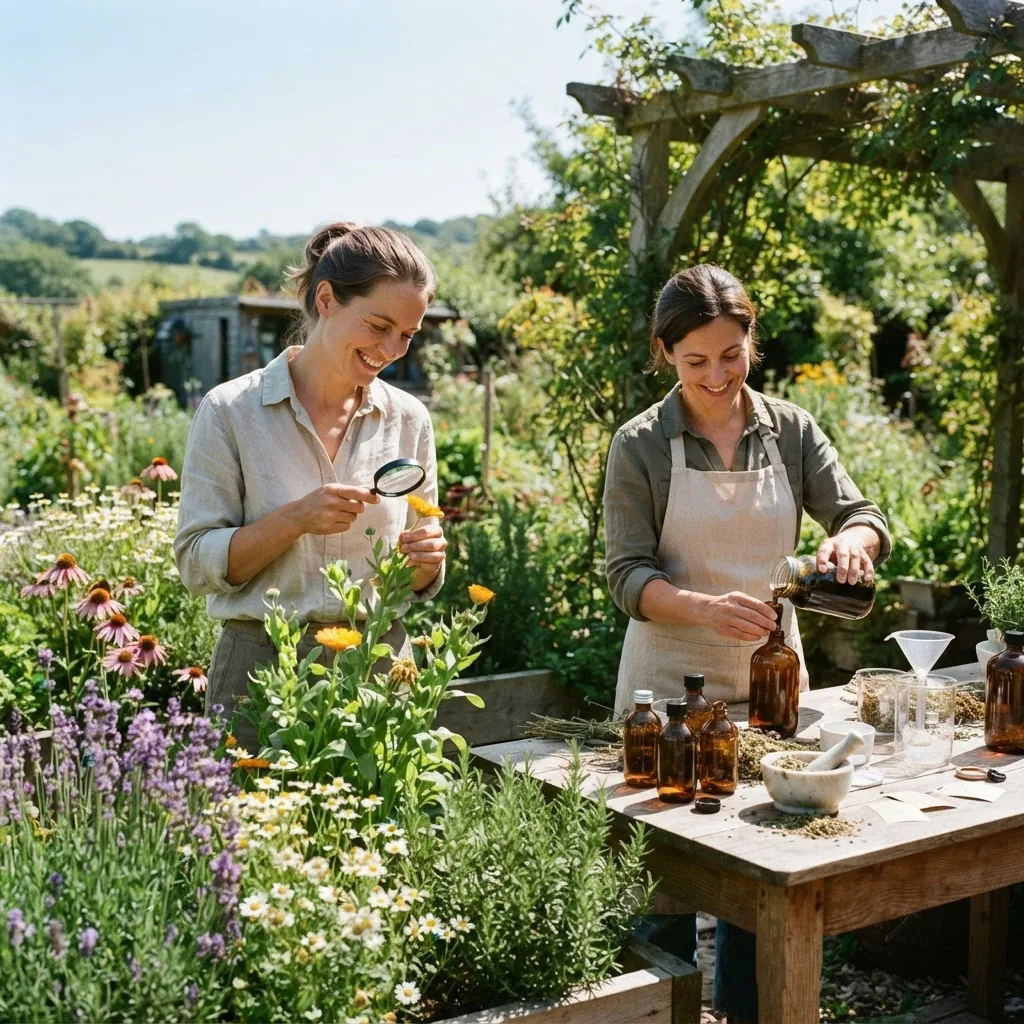
| Feature | Herbalist | Herbologist |
|---|---|---|
| Primary focus | Clinical care, personalized plant remedies | Botanical research, phytochemistry, taxonomy |
| Typical education | Diploma/certificates, apprenticeships, clinical hours | BSc in botany or pharmacognosy; MSc/PhD common |
| Work settings | Clinics, private practice, community health | Universities, labs, industry R&D, botanical gardens |
| Skills | Client assessment, formulation, compounding | Analytical chemistry, experimental design, species ID |
| Regulation & certification | Often certified by herbalist boards/associations | Academic degrees and industry certifications |
| Outcome focus | Patient outcomes and symptom relief | Scientific evidence, standardization, safety data |
Summary:
- Both roles require deep plant knowledge and respect for safety; collaboration between them strengthens product quality and clinical practice.
- Herbalists translate plant science into individualized care; herbologists generate the scientific data that underpin that care.
Training Pathways: How to Become a Certified Herbalist or Herbologist
Answer: Becoming a certified herbalist typically follows certificate/diploma plus clinical hours and association membership; herbologists usually follow academic botany or pharmacognosy degrees with laboratory training and research experience.
Two parallel pathways:
- Herbalist pathway: foundational courses → supervised clinical practice → certification or association membership.
- Herbologist pathway: undergraduate degree in botany/pharmacognosy → laboratory internships → postgraduate research or industry certification.
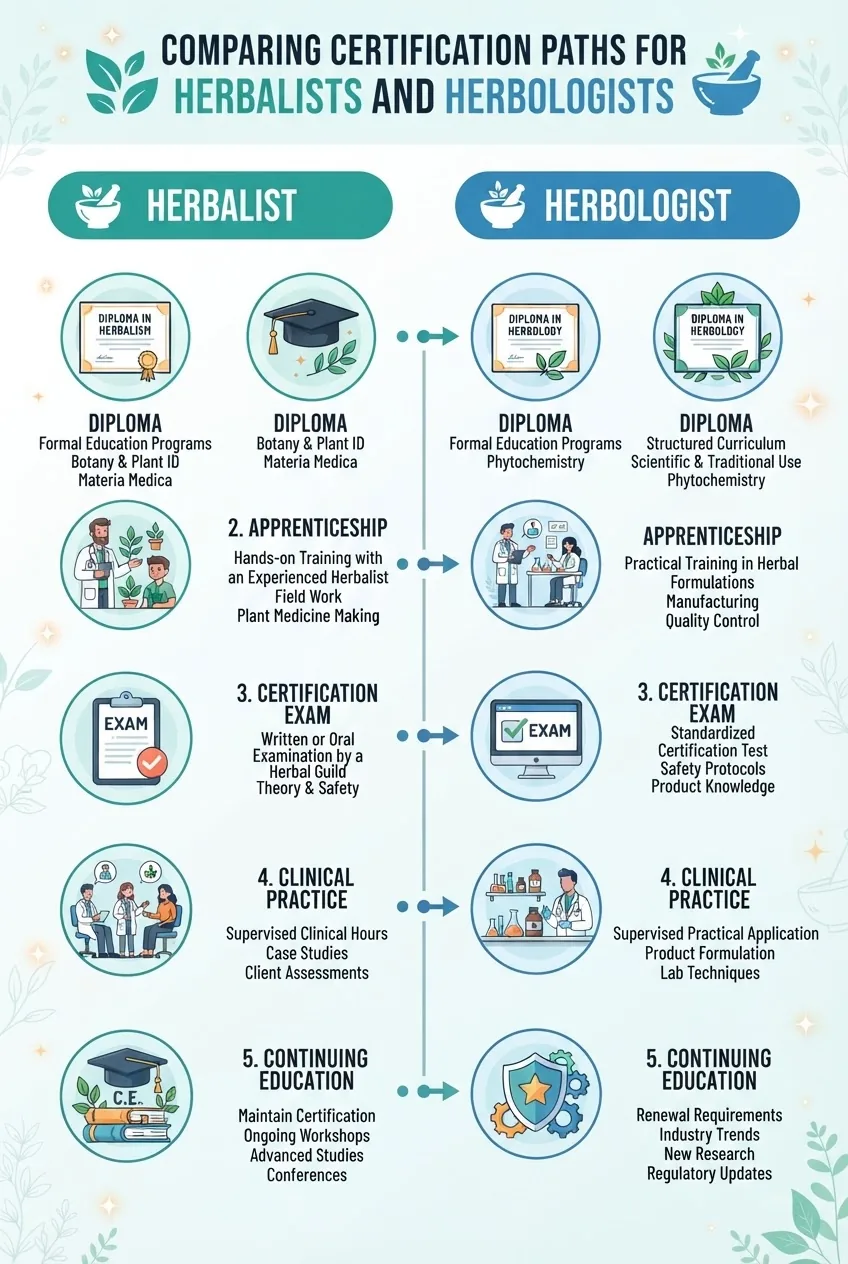
Numbered breakdown for herbalist certification options:
- Introductory courses (3–6 months): materia medica, basic botany, safety.
- Diploma or advanced certificate (1–3 years): clinical assessment, compounding, case management, supervised hours.
- Apprenticeship/mentoring: 200–500 supervised clinical hours in many models.
- Professional association membership and clinical standards: e.g., national herbalist bodies.
- Continuing education and specializations (women’s health, pediatrics, oncology support).
Numbered breakdown for herbologist career path:
- Bachelor’s degree in botany, plant science or pharmacognosy (3–4 years).
- Laboratory internships and research assistant roles (6–24 months).
- Master’s/PhD for research leadership (2–5 years); publications and peer-reviewed work.
- Industry certifications in analytical techniques (HPLC, GC-MS) and quality assurance.
- Ongoing professional development and collaboration with clinical researchers.
Certifying organizations and recommended programs (authority signals):
- American Herbalists Guild (AHG) — professional standards and apprenticeship mentorship recommendations; see public guidance. According to the 2023 American Herbalists Guild guidance, mentorship and clinical hours are central to professional competency.
- Academic programs in pharmacognosy and phytochemistry at accredited universities offering research degrees—consult university program pages for admission requirements.
- Government-regulated naturopathy programs affect scope—see regional guides such as –>Canada naturopathy certification for country-specific standards.
Sample accredited pathways (detailed outlines with experience signal):
- Diploma of Clinical Herbalism (2 years): 400+ clinical hours, coursework in pharmacology, toxicology, supervised clinic — recommended for practitioners entering private practice.
- BSc Plant Science → MSc Pharmacognosy: coursework in phytochemistry and 6–12 months laboratory thesis producing publishable data — recommended for herbologists targeting industry R&D.
How to choose:
- If your goal is clinical practice with clients, prioritize accredited herbalist diplomas and supervised clinical hours.
- If your goal is research, quality control, or industry formulation, prioritize academic degrees in botany/pharmacognosy and laboratory skill development.
Related educational resources and courses:
- botany and herbalism training
- Canada naturopathy certification
- Medical Herbalism Training and Herbal Science Certification Guide
Practical Skills and Tools Used in Herbology and Herbalism
Answer: Core practical skills include plant identification, safe herbal preparation (infusions, decoctions, tinctures, capsules), dosage calculation, and laboratory analysis for herbologists.
Plant identification: using dichotomous keys, herbarium samples, and field characteristics (leaf shape, venation, flowers, habitat).
Walkthrough: making a basic alcohol tincture (common herbology practice):
- Choose plant material: fresh or dried, identified by binomial name and authenticated specimen.
- Measure ratio: common ratio is 1:5 (1 part herb to 5 parts solvent) for dried roots or 1:2 for fresh herbs.
- Select solvent: 40–60% ethanol for many extracts; glycerin or vinegar for alcohol-free extracts when appropriate.
- Combine herb and solvent in a clean jar, label with plant name, ratio, date and your initials.
- Macerate for 2–6 weeks in a cool, dark place, shaking daily; strain through muslin and bottle with dropper or amber bottle.
- Record batch details for quality control and client safety (experience/walkthrough signal).
Common preparations and tools:
- Infusions (teas), decoctions, tinctures, syrups, topical salves, poultices.
- Tools: precision scales, graduated cylinders, amber glass bottles, filtration cloths, hotplates for decoctions.
- For herbologists: HPLC, GC-MS, spectrophotometers, centrifuges and lab-grade PPE.
Safety and dosing:
- Always cross-check medications for herb–drug interactions and contraindications using databases or an interaction checker—see internal resources such as Herbal Drug Interaction Checker Tool and Usage Guidelines.
- Use conservative initial dosing, document client responses, and escalate only when clinically justified.
- When producing capsules, follow compounding best practices found in guides like capsule-based herbal supplements.
Career Outlook and Professional Opportunities in Herbology and Herbalism
Answer: Career opportunities include clinical practice, research roles, product development, education and quality assurance; growth aligns with integrative health trends and supplement market expansion.
Market signals and jobs:
- According to a 2024 industry report, demand for qualified herbal practitioners and phytochemists increased with growth in integrative health services and botanical supplement markets.
- Typical roles: clinical herbalist, research botanist/herbologist, formulary scientist in supplement companies, quality control analyst, educator.
Specialty areas and tips:
- Specialize in areas like women’s health, oncology support, or mood disorders to differentiate practice; oncology-adjacent practice often requires careful collaboration with oncologists and evidence-based protocols—see resources on –>natural herbal cancer remedies.
- Network with naturopathic doctors, integrative clinics and research centers to gain referrals and collaborative projects.
Ethical Considerations and Regulatory Environment in Herbology
Answer: Ethical practice requires informed consent, accurate claims, quality assurance, and compliance with local regulations; practitioners must avoid unproven claims and coordinate with conventional healthcare providers.
Professional ethics include:
- Transparent disclosure of training, scope and limitations to clients.
- Accurate, evidence-based claims—avoiding promises of cures for serious diseases without clinical support.
- Referral to conventional care when conditions exceed scope.
Regulatory environment (authority signals):
- In the U.S., dietary supplements are regulated as foods under the FDA’s framework; see guidance at https://www.fda.gov for safety reporting and labeling rules.
- Professional associations such as the American Herbalists Guild provide competency frameworks and practice guidelines; see https://www.americanherbalistsguild.com.
- Academic standards and peer-reviewed research inform safe practice—consult botanical science literature via portals such as https://pubmed.ncbi.nlm.nih.gov/.
Legal distinctions affecting practice:
- Scope of practice for prescribing and diagnosing depends on jurisdiction and overlaps with naturopathic licensing—investigate local laws and licensing boards.
- naturopathic prescribing rights influence how herbalists collaborate with licensed naturopaths and MDs.
- Adhere to manufacturing and labeling standards when producing products; national regulatory agencies (FDA, TGA, European regulators) issue specific rules and adverse-event reporting requirements.
Consumer protection and safety checks:
- Implement batch testing, supplier verification and traceability; adulteration and mislabeling are real risks addressed by analytical herbology and regulatory audits.
- Keep clear records of client consent, contraindication screening and adverse-event follow-up.
Summary and Next Steps: Choosing Your Path in Herbology and Herbalism
Answer: Decide whether you want clinical practice (herbalist) or botanical research/product science (herbologist), then follow the aligned training pathway: diploma and supervised hours for clinicians; academic degrees and lab experience for researchers.
Actionable next steps:
- Clarify career goal: practitioner vs researcher vs industry professional.
- Audit course offerings: look for programs with clinical hours or lab placements depending on your path.
- Join a professional body (e.g., AHG) to access mentorship and standards.
- Start hands-on skills: plant identification, safe preparation techniques and a basic compounding starter kit—see practical courses like Herbalist Starter Kit Guide for Beginning Herbal Remedy Makers.
- Remain evidence-focused: track relevant research, consult peer-reviewed sources and regulatory updates.
If you want a broad survey of herbal products and their clinical uses as part of your decision-making, review the pillar resources like Herbal Supplements Guide with Benefits and Natural Medicine Uses.
Final note: herbal practice blends tradition and science—choose training that gives you both practical competence and an evidence-based approach. To get started, compare diploma syllabi, seek apprenticeships, and review certification standards from recognized bodies such as the American Herbalists Guild.