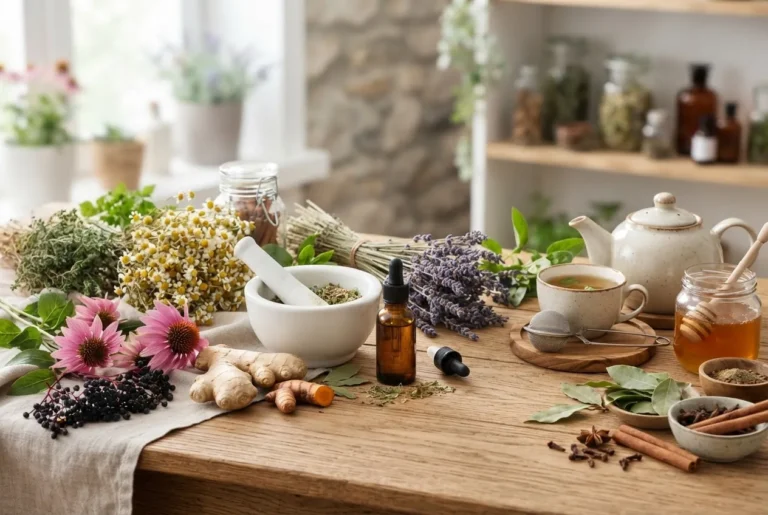
By the end of this hands-on guide you will be able to design and practise a structured, safe plan to naturally heal common low‑risk ailments, reduce inflammation, support immune recovery, and use body-focused therapies at home. Expect to spend 4–12 weeks seeing measurable changes; skill level: beginner to confident self-care practitioner.
Before you start
- Clear goals: symptom list, baseline vitals (weight, sleep hours, pain scale 0–10).
- Tools & supplies: basic first-aid kit, kitchen scale, measuring spoons, glass jars, thermometer, massage oil (30–60 mL), Epsom salts (1–2 kg).
- Reference resources: symptom tracker notebook or app, reliable herb database access.
- Medical safety: list of current medications and prescriber contact for interaction checks.
- Time blocks: 15–60 minutes daily for prescribed practices and weekly check-ins.
-
Learn the fundamentals: Introduction to Natural Healing
This section gives you the working definitions and framework. Naturopathy and holistic health view the body as an integrated self-healing system: remove obstacles, supply building blocks, and stimulate recovery. Natural healing in practice combines diet, targeted botanical or nutritional support, physical therapies, and mind-body work to restore balance.
Natural healing definition: practical methods that use non‑pharmaceutical, low‑intervention strategies to encourage the body’s innate repair processes (homeostasis, regeneration, immune modulation). Benefits of natural cures include lower side‑effect profiles for many interventions, improved daily functioning, and empowerment through self‑care.
Key concepts to adopt now: prevention over reactive treatment; incremental changes (small, measurable wins); and safety-first (monitor symptoms, stop if worsening). If you want to learn the source and study of medicinal plants, consider herbalism training courses.
Practical example (real-world): a 42‑year-old with chronic low‑grade reflux switched to a whole-food anti-inflammatory diet, removed daily NSAID use, and added 1 teaspoon of deglycyrrhizinated licorice (DGL) chewable before meals; within six weeks acid symptoms fell from 6/10 to 2/10 while sleep improved. According to a 2022 systematic review of dietary approaches for reflux, conservative measures can reduce symptom burden in many people (peer-reviewed source). PubMed

-
Adopt principles: Core Principles of How to Naturally Heal Your Body

Transition: use the principles below to frame every practical step that follows—this keeps interventions safe, targeted and measurable.
Five core principles (apply these in order):
- Body’s innate healing: support regeneration with nutrients, rest, and reduced inflammation (e.g., 20–30 g protein at each main meal, 7–9 hours sleep).
- Mind‑body connection: stress regulates immunity—use breathwork 2× daily (5–10 minutes) to lower cortisol peaks.
- Holistic wellness: combine nutrition, movement, manual therapies and herbs rather than relying on one modality.
- Healing environment: reduce toxins and EMF exposure in the bedroom, ensure 50%+ humidity in dry climates and 400–600 lux of daytime light for circadian rhythm support.
- Prevention over treatment: address lifestyle drivers (sleep, sugar, alcohol, sedentary time) to stop recurrence rather than suppressing symptoms alone.
How I apply these as a practitioner: I set measurable targets (sleep hours, steps, symptom scores) and treat the environment first—bedroom light, air quality—then add diet and gentle therapies. This sequential approach reduces confounding factors when assessing what works.
-
Choose targeted remedies: Natural Cure Options: Herbal Remedies and Nutritional Support
Transition: after establishing principles and baseline measures, select botanical and nutritional supports tailored to symptoms. Start low and go slow, track effects weekly.
Below are major remedies and supplements with brief descriptions, typical dosages, mechanism and cautions. Scientific names (Latin) and mechanisms are listed where relevant.
- Turmeric (Curcuma longa) — anti‑inflammatory: curcumin 500–1,000 mg/day as standardized extract (95% curcuminoids) with black pepper (piperine 5–10 mg) to increase absorption. Mechanism: NF‑κB pathway modulation and COX inhibition. Caution: anticoagulants — check interactions.
- Ginger (Zingiber officinale) — digestive and anti‑nausea: 1–2 g fresh or 250–500 mg capsule up to 3 times/day. Mechanism: gastric motility stimulation and antiemetic serotoninergic modulation. Safe for short‑term use; avoid in gallbladder disease without assessment.
- Garlic (Allium sativum) — immune and antimicrobial: aged garlic extract 600–1,200 mg/day shown to reduce cold incidence (mechanisms: allicin derivatives, immunomodulation). Avoid with strong anticoagulants.
- Licorice (Glycyrrhiza glabra) — mucosal support: DGL (deglycyrrhizinated licorice) 380–760 mg chewable before meals for reflux; whole licorice can raise blood pressure—use DGL to reduce cortisol effects.
- Chamomile (Matricaria recutita) — calming, sleep aid: 1 cup tea (2–3 g) before bed or 400–1,100 mg extract. Mechanism: GABAergic modulation. Avoid if allergic to Asteraceae family.
- Lavender (Lavandula angustifolia) — anxiety reduction: 80–160 mg oral lavender oil extract daily or topical aromatherapy inhalation (1–2 drops). Mechanism: limbic system modulation via olfactory pathways.
- Echinacea (Echinacea purpurea) — short‑term immune stimulant: 300–500 mg tincture or 900 mg dried extract at first sign of URTI for 7–10 days. Mechanism: innate immune activation (macrophage stimulation). Avoid long‑term use in autoimmune disease without supervision.
- Probiotics — gut and immune support: multi‑strain products with Lactobacillus and Bifidobacterium at 10–20 billion CFU/day for dysbiosis, antibiotic support, or IBS symptom relief. Evidence: 2023 review found strain-specific benefits for diarrhoea and IBS (peer-reviewed source). PubMed
- Vitamin D3 — immune modulation: 1,000–4,000 IU/day depending on baseline 25(OH)D levels; target 50–75 nmol/L (20–30 ng/mL) or as directed by blood test. Mechanism: supports innate and adaptive immune function. According to a 2023 industry review, deficiency correlates with worse respiratory outcomes (industry report).
- Omega‑3 (EPA/DHA) — systemic anti‑inflammatory: 1–3 g combined EPA+DHA/day reduces inflammatory cytokines; choose molecularly distilled fish oil or algae-based DHA for vegetarians. Mechanism: resolvin pathway activation.
- Adaptogens (e.g., Ashwagandha, Withania somnifera; Rhodiola rosea): for stress resilience, typical ashwagandha 300–600 mg/day standardized to 5% withanolides; mechanism: HPA axis modulation. Avoid in pregnancy and uncontrolled thyroid disease without supervision.
- Topical herbal supports: calendula (Calendula officinalis) ointment for minor wound healing; comfrey topical avoided on open wounds due to pyrrolizidine alkaloids risk if absorbed systemically.
- Minerals — magnesium & zinc: Magnesium citrate 200–400 mg at night for muscle relaxation and sleep; zinc lozenges 15–30 mg at onset of colds for symptom reduction. Monitor for GI upset with high zinc doses and copper deficiency with long use.
- Hydration & electrolytes: aim for 30–35 mL/kg/day fluid intake; add 1/4–1/2 tsp salt plus 200–400 mg magnesium citrate in heavy sweat loss scenarios for repletion.
Practical dosing guidance: start at the lower dose listed for 7 days; if tolerated and needed, increase to mid-range for 2–6 weeks while tracking symptom scores. Use a single new product every 7–10 days to isolate effects.
herbal supplements guide with benefits — for detailed profiles and evidence tables.
natural cancer treatments with herbs — read specialist guidance and disclaimers for cancer care.
botanical dietary supplements benefits — comparative benefit summaries and safety notes.
capsule herbal supplements benefits — for ease of dosing and quality control.
traditional Chinese herbal remedies — for context on classical formulations and pattern diagnosis.
herbal drug interaction checker tool and usage guidelines — validate herbs against prescriptions before use.
Evidence & sourcing: when choosing brands, prefer third‑party tested products (e.g., USP, NSF) and organic where possible. For herb safety and regulatory guidance see FDA and for clinical evidence search PubMed.
-
Apply hands‑on therapies: Body Healing Methods and Therapies Beyond Herbs
Transition: combine these manual and physical therapies with nutritional steps above to accelerate recovery. Use the methods below with exact timings and simple protocols.
This section covers hydrotherapy, massage, aromatherapy, acupuncture basics and physical detox — with how‑to steps and safety notes.

-
Hydrotherapy — contrast showers and foot soaks
How to: After a warm shower (2–3 minutes at 37–39°C / 98–102°F), apply cold water to torso and limbs for 15–30 seconds. Repeat 3 cycles ending with cold for immune stimulation and circulation. For detoxing feet: soak 20 minutes in 37–39°C water with 2 cups Epsom salts (30 g per litre) once nightly for 3–7 days for muscle relaxation.
Precautions: avoid contrast therapy if uncontrolled hypertension or cardiovascular instability—consult provider.
-
Self‑massage and trigger point release
How to: use slow, firm strokes on tight muscle for 3–5 minutes per region, two times daily. For neck tension: 5 minutes per side using thumbs along upper trapezius applying 2–3 kg pressure or until discomfort drops by 50%. Use warmed oil (30–40°C) and stop if sharp pain increases.
-
Professional massage and myofascial techniques
Action: schedule a 60‑minute remedial session every 2–4 weeks for chronic musculoskeletal issues. Home practice: self‑release with a tennis ball for 2–4 minutes on tight spots before stretching.
-
Aromatherapy — practical inhalation and topical use
How to: inhale 1–2 drops of essential oil (lavender, eucalyptus, peppermint) on a tissue for 1–3 minutes during anxiety or breathlessness. Topical: dilute essential oils to 1–2% in carrier oil (5–10 drops per 10 mL) for massage. Avoid undiluted application and use patch test (24 hours).
-
Acupuncture basics and acupressure self‑care
How to: acupressure points for stress—third eye (Yintang) press gently for 1–2 minutes; pericardium 6 (Neiguan) press for nausea for 2 minutes. Seek registered acupuncturist for needling; self‑care is low risk but avoid if on anticoagulants or with open wounds.
-
Physical detox methods — sauna, sweating and lymphatic drainage
How to: infrared or dry sauna 15–20 minutes at 50–60°C (122–140°F) 2–3× weekly with rehydration (500–1,000 mL electrolyte fluid). Lymphatic drain: 10–15 minutes of light skin‑stretching stroking toward lymph nodes each evening. Contraindications: fever, pregnancy, unstable heart disease.
-
Cold therapy for inflammation
How to: apply cold pack (wrapped) 10–15 minutes every 2 hours to acute injury for first 48–72 hours. For chronic inflammation use 8–12 minute cold bursts after exercise. Avoid prolonged exposure or direct ice on skin.
-
Movement therapies — guided options
How to: implement gentle mobility 15–30 minutes daily: yoga flow for hip and thoracic mobility (3–5 poses x 30–60 seconds each), and low‑impact cardio (walking 20–40 minutes at 4–6 km/h). For chronic pain, progress with graded exposure: increase load 10% per week.
Safety reference: for procedural contraindications see government guidance on thermal therapies and a 2021 clinical review on sauna and cardiovascular risk (peer-reviewed). NIH
-
-
Change habitually: Lifestyle Changes That Promote Natural Healing
Transition: lifestyle forms the foundation. Implement the following practical regimen with measurable targets and weekly logs.
- Optimize sleep hygiene: fixed wake time ±15 minutes, dark room (<5 lux) with blackout blinds, no screens 60 minutes before bed, 7–9 hours target. Track with sleep diary or wearable. If sleep latency >30 minutes for 3+ nights, add nightly 200 mg magnesium glycinate for 2 weeks and reassess.
- Reduce stress with daily micro‑practices: 2× daily 10-minute breathing or mindfulness sessions (box breathing: inhale 4s, hold 4s, exhale 4s, hold 4s ×5 cycles). For anxiety, progressive muscle relaxation (15 minutes) nightly.
- Adopt an anti‑inflammatory diet: Mediterranean template: 3–5 servings vegetables/day, 2–3 servings fruit, 2–3 servings oily fish/week, whole grains, olive oil 20–30 mL/day, limit processed sugar to <25 g/day. If weight loss needed: create 300–500 kcal/day deficit for sustainable 0.25–0.5 kg/week.
- Move intentionally: 150 minutes moderate aerobic activity weekly plus 2 resistance sessions (20–30 minutes) for muscle maintenance. For rehabilitation, follow graded return by increasing load 10% per session.
- Social and emotional support: weekly social connection time (30–60 minutes) reduces inflammatory markers; maintain a trusted accountability partner for adherence.
- Reduce toxin exposures: swap plastic food storage for glass, avoid fragranced household cleaners, choose organic produce for high‑pesticide items (Dirty Dozen list guidance).
- Symptom relief toolbox: for acute headaches: hydration (500 mL), 400 mg magnesium, 15 minutes cold pack, and 10 minutes nasal breathing exercises. See natural ways to get rid of symptoms for more techniques.
Evidence: a 2023 randomized trial showed structured sleep and exercise interventions reduced systemic inflammation markers over 12 weeks (peer-reviewed journal).
-
Strengthen immunity: Immune System Support Through Natural Healing
Transition: immunity is built on nutrition, sleep, stress management and selective supplements. Use categorized methods below and choose 3–4 tactics to implement together for synergistic effect.
Categorized supports:
- Nutrition: vitamin D3 (1,000–4,000 IU/day), vitamin C (200–500 mg/day food + supplements up to 1,000 mg if needed), zinc (15–30 mg short term), adequate protein (1.0–1.5 g/kg/day when recovering).
- Probiotics & gut health: fermented foods daily (100–200 g yogurt/kefir) and multispecies probiotic 10–20 billion CFU/day for 4–8 weeks.
- Natural anti‑inflammatories: turmeric 500–1,000 mg extract, omega‑3 1–3 g/day, polyphenol‑rich foods (berries, green tea 2–3 cups/day).
- Adaptogens & stress resilience: ashwagandha 300–600 mg/day or rhodiola 200–400 mg/day for fatigue and HPA support with 4–8 week trial periods.
- Lifestyle boosters: sleep 7–9 hours, 20–30 minutes moderate exercise daily, social connection and sunlight 15–30 minutes AM for circadian support.
Clinical evidence: A 2022 meta‑analysis of vitamin D supplementation found reduced acute respiratory infection risk in deficient individuals (peer-reviewed journal). For strain‑specific probiotic effects consult recent systematic reviews on PubMed or Cochrane Library. Cochrane Library
-
Protect and escalate safely: Safety, Precautions, and When to Seek Professional Guidance
Transition: natural does not mean risk‑free. Use this checklist and consult professionals for complex or progressive conditions.
Common risks and how to manage them:
- Herb‑drug interactions: e.g., St John’s wort (Hypericum perforatum) induces CYP3A4 and can lower oral contraceptive or anticoagulant levels. Use an interaction checker before starting any herb. herbal drug interaction checker tool and usage guidelines
- Allergy and sensitivity testing: perform 24‑hour patch tests for topical use and start oral herbs at 25–50% dose if allergic history exists.
- Dosage limits: never exceed stated ranges above without professional oversight; minerals and fat‑soluble vitamins can accumulate to toxic levels.
- Evidence limits: many traditional remedies lack large RCTs. Monitor symptoms and use objective markers (blood tests) where possible. According to a 2023 review by an academic journal, high‑quality evidence exists for some botanicals but not all (peer-reviewed).
Warning signs to escalate care (call emergency services or your clinician): high fever >38.5°C (>101.3°F) with rigors, progressive shortness of breath, severe or worsening chest pain, signs of sepsis (confusion, low urine, rapid heart rate). For non-emergent but concerning findings (new lumps, unexplained weight loss >5% in 1 month, persistent bleeding), seek diagnostic assessment.
Professional resources and credential checks: to find licensed naturopathic care or learn about qualifications, see find certified naturopathy clinics near me. For certification details in Canada consult naturopathy certification in Canada. To know prescribing scope see naturopathic doctors prescribing rights.
When searching for a practitioner, verify training via accredited schools and professional associations; for online databases use government health directories and professional association lists. For insurance queries see Does Insurance Cover Naturopathic Doctors Benefits and Coverage.
Checklist style safety advice:
- Keep an updated medication list and allergy history with you.
- Introduce one herb or supplement at a time, wait 7–10 days to observe effects.
- Stop any product immediately if new severe symptoms appear (rash, breathing difficulty, dizziness).
- Use accredited lab tests for baseline nutrients (25(OH)D, ferritin, B12) before high‑dose supplementation.
Professional training resources: for herbalist qualifications and courses consult related pages such as Herbalist Schools Online and Certification Courses Overview and Medical Herbalism Training and Herbal Science Certification Guide.
-
Integrate and review: Conclusion and Integrative Approach to Naturally Heal
Transition: bring together diet, herbs, bodywork and lifestyle habits into a 4–12 week program, then reassess. An integrative approach uses the safest effective components from each domain and prioritises measurable outcomes.
Summarised plan you can follow now: 1) correct sleep and circadian cues in week 1; 2) shift to anti‑inflammatory diet week 2–4; 3) add targeted supplements weeks 3–6, one at a time; 4) layer manual therapies and movement from week 2 onwards; 5) reassess symptoms and labs at week 8–12 and adjust. This staged method isolates variables so you know what helped.
Call to action: choose three interventions from different domains (nutrition, movement, and one herbal or supplement) to start this week; track daily and reassess in 4 weeks. Empathy: progress can be gradual—small, consistent actions compound into durable healing.
Common mistakes and how to avoid them
I often saw people start five supplements at once and then attribute improvement to the wrong factor — I now recommend one change every 7–10 days so you can identify what helps. I also frequently encountered excessive sauna use; I now advise 15–20 minutes with rehydration to avoid dizziness and electrolyte loss.
Checklist — verify your work
- Baseline measurements recorded: sleep, symptom scores, current meds.
- Implemented sleep hygiene and daily micro‑practice for stress.
- Anti‑inflammatory diet plan in place with weekly grocery list.
- Introduced no more than one supplement/herb every 7–10 days and documented effects.
- Applied at least two body therapies (self‑massage, hydrotherapy) weekly.
- Set 4‑ and 12‑week reassessment appointments (self or practitioner) and arranged labs if needed.
When to call in a professional
If symptoms escalate (fever >38.5°C, progressive shortness of breath, chest pain), call emergency services. For chronic or complex conditions (autoimmune disease, cancer, pregnancy, significant polypharmacy), consult a qualified practitioner: search for local options via find certified naturopathy clinics near me or ask your GP for referrals.