
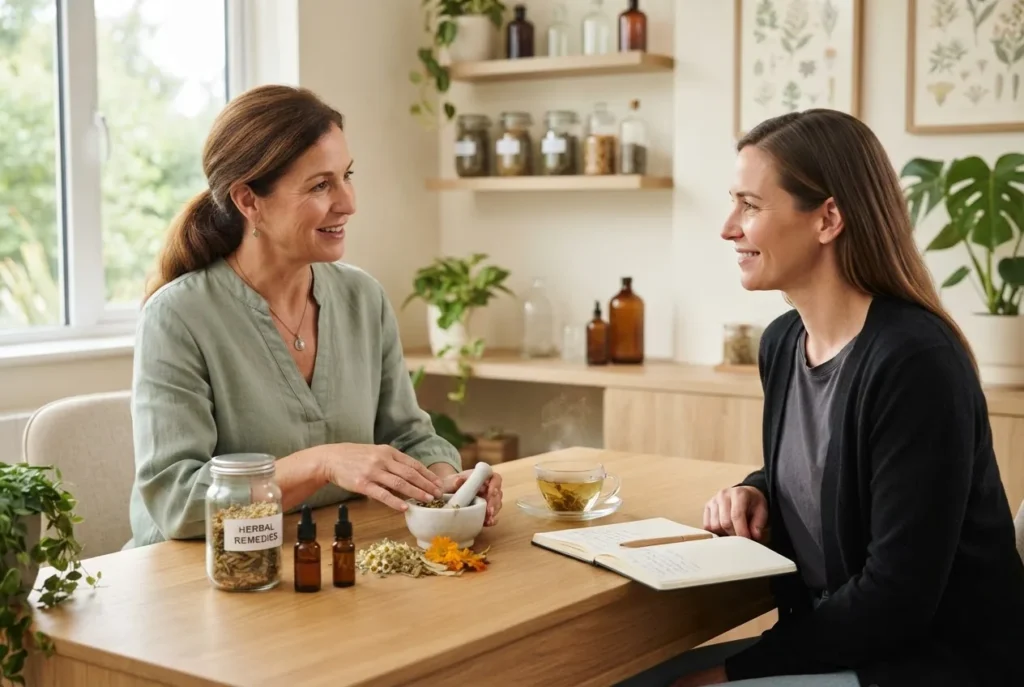
Natural remedies for leukemia — by the end of this hands-on guide you will have a practical, safety-first plan to support conventional leukemia care using evidence-informed herbal, dietary and lifestyle strategies. Expect to invest 3–8 weeks to set up and begin monitoring a tailored integrative plan; skill level: motivated patient or carer with clinician oversight.
Before you start
- Clear diagnosis and staging from your oncologist (type of leukemia, cytogenetics, current counts).
- List of current medications, chemotherapy schedule, and recent labs (CBC, liver, kidney).
- Access to a naturopath or medical herbalist experienced in oncology care for consultation.
- Basic supplies: high-quality single-herb extracts (tinctures/standardised capsules), certified organic whole foods, digital scale, symptom diary notebook.
- Contact details for your oncology clinic for urgent advice and scheduled follow-up.
Understanding Leukemia and Its Conventional Treatments
Leukemia is a group of blood cancers originating in the bone marrow and blood-forming tissues. It includes acute and chronic forms and several lineages: acute lymphoblastic leukemia (ALL), acute myeloid leukemia (AML), chronic lymphocytic leukemia (CLL) and chronic myeloid leukemia (CML). Presentation can include fatigue, bruising, frequent infections, and abnormal blood counts; tumor masses are uncommon but extramedullary disease can occur.
What the types mean
“Acute” leukemia (ALL, AML) means rapid onset with immature blast cells dominating blood and marrow; urgent treatment is often needed. “Chronic” leukemias (CLL, CML) tend to progress more slowly and may be managed with watchful waiting or targeted oral therapies.
Conventional treatment goals and common modalities
Treatment aims to induce remission, eradicate malignant clones and support normal blood production. Standard approaches include:
- Chemotherapy: cytotoxic regimens to reduce blast burden; timing and agents depend on leukemia subtype.
- Targeted therapy: tyrosine kinase inhibitors for CML (e.g., imatinib) or other targeted agents guided by molecular markers.
- Immunotherapy: monoclonal antibodies, CAR-T in certain indications to enhance anti-leukemic immunity.
- Bone marrow / stem cell transplant: curative-intent in some high-risk or relapsed cases.
- Supportive care: transfusions, antimicrobials, growth factors (G-CSF), and symptom control.
Clinical decision-making is based on cytogenetics, molecular markers and patient fitness. According to the National Cancer Institute (NCI) treatment overviews (2024), personalized regimens and monitoring are central to outcomes — always use oncology guidance for medication timing and blood-monitor thresholds.
Transition: With medical treatments clarified, the next section explains how to approach natural medicine safely alongside these therapies.
Natural Remedies for Leukemia: Overview and Safety Considerations
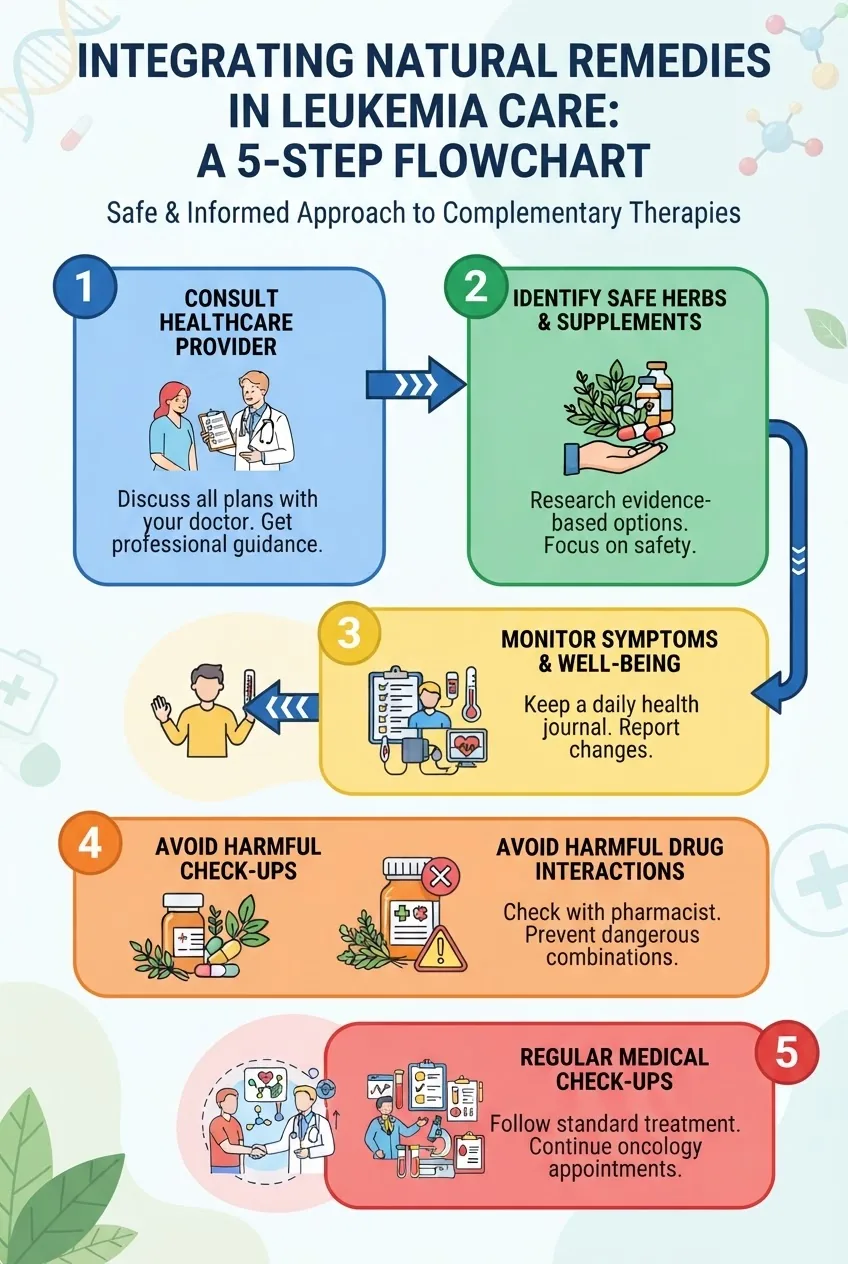
Natural medicine for leukemia should be framed as supportive, not curative unless proven by controlled trials; it aims to reduce treatment side effects, support marrow recovery and modulate immunity. Safety, timing and interactions with chemotherapy, targeted agents, immunotherapies or transplant conditioning are the primary concerns.
Principles for safe integration
- Share full herb/supplement list with your oncology team before starting anything new.
- Prioritise interventions with human data or strong preclinical rationale and known safety profiles in immunocompromised patients.
- Avoid immunostimulants immediately before or during intense immunotherapy or transplant conditioning unless supervised.
- Start one intervention at a time and monitor bloodwork and symptoms weekly initially.
Common interaction types and red flags
Herbs can affect blood clotting, liver metabolism (cytochrome P450 enzymes), bone marrow function, or immune activity. Examples: St. John’s wort induces CYP3A4 and can reduce levels of many targeted cancer drugs; high-dose antioxidants may interfere with ROS-dependent chemotherapy mechanisms in some settings. For authoritative interaction checks, consult databases and professional resources such as the National Cancer Institute and peer-reviewed pharmacology reviews.
herb databases guide for natural medicine can help you confirm botanical safety and known interactions before administration.
Screening method example used in integrative practice
Use this 6-point screening checklist before adding any herb/supplement:
- Confirm current chemotherapy/immunotherapy schedule and drug list.
- Check for CYP interactions or platelet/coagulation effects in published literature.
- Review organ function (ALT/AST, creatinine) — avoid hepatotoxic herbs if LFTs elevated >2x ULN.
- Estimate infection risk: avoid immune-boosting herbs in severe neutropenia (ANC <500/µL).
- Decide stop-window: typically stop herbal immunostimulants 7–14 days before transplant or CAR-T infusion.
- Document dose, batch, supplier and patient consent in clinical notes.
External sources to consult for authoritative guidance include the NCI patient information pages and PubMed clinical reviews; for example, evidence summaries on herbal anticancer research are published in peer-reviewed journals (PubMed).
Transition: With integration and screening in place, we can examine specific plants commonly used in leukemia care, their bioactive constituents and evidence strengths.
Key Herbs and Plants Used in Leukemia Care
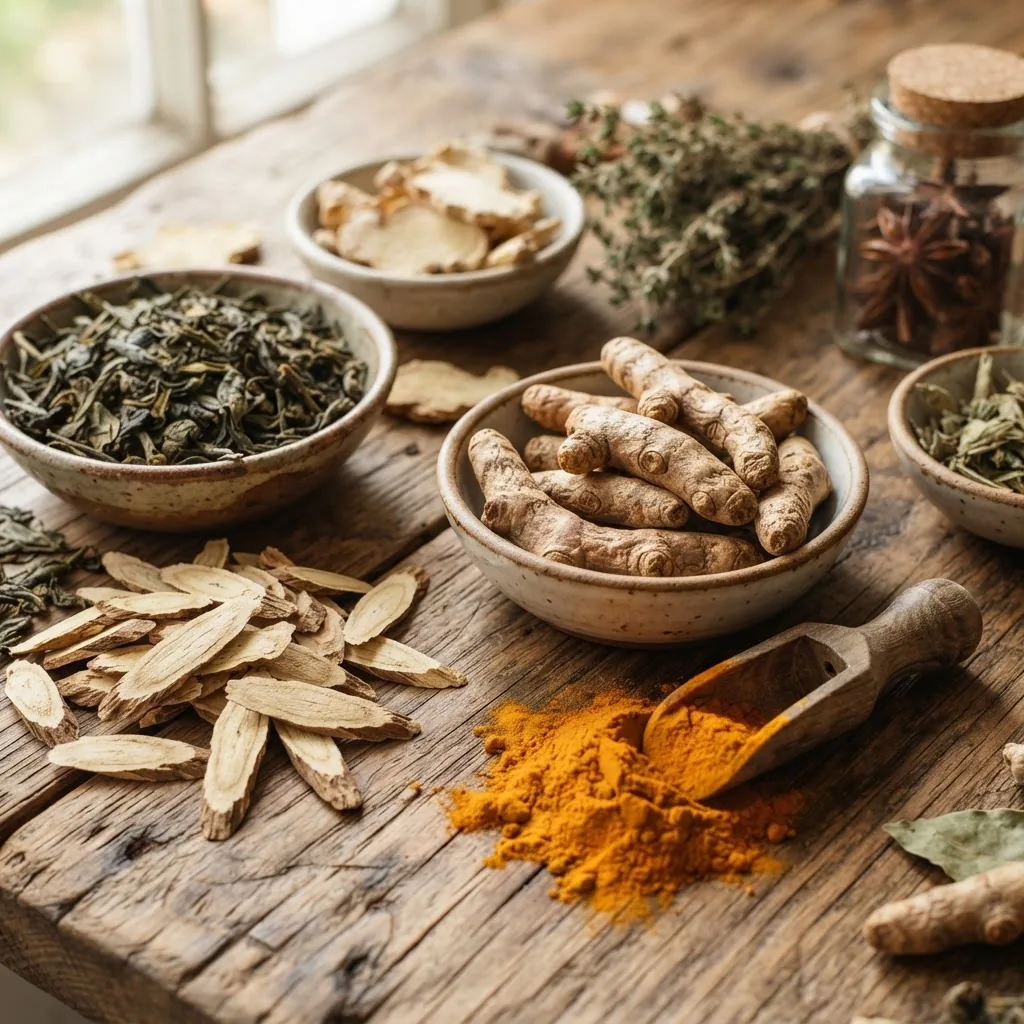
This section lists herbs selected for leukemia-relevant actions: cytotoxic or pro-apoptotic activity in preclinical models, immune modulation, marrow support and symptom relief. Use the herbal supplements guide with benefits and natural medicine uses framework to cross-check dosing and standardisation.
herbal supplements guide with benefits and natural medicine uses
- Astragalus (Astragalus membranaceus) — active compounds: astragalosides, polysaccharides. Traditional use: immune tonic and marrow support. Evidence: small clinical studies suggest improved neutrophil recovery when used adjunctively with chemotherapy; preclinical data show immunomodulatory and hematopoietic effects. Typical use: 500–2,000 mg extract daily or 2–3 g dried root as decoction; contraindications include uncontrolled autoimmune disease and caution with immunotherapy. See clinical review on immunomodulation in integrative oncology (PubMed).
- Turmeric / Curcumin (Curcuma longa) — active compounds: curcuminoids (curcumin). Mechanisms: anti-inflammatory (NF-κB inhibition), pro-apoptotic and anti-proliferative in many cancer cell lines including some leukemia models. Typical use: 500–1,500 mg standardised curcumin extract daily with black pepper (piperine 5–10 mg) to enhance absorption; intravenous or high-dose formulations should only be used under clinical trials. Safety: mild GI upset possible; may affect anticoagulants. See meta-analyses of curcumin adjuncts in oncology (2019–2023 summaries).
- Green tea / EGCG (Camellia sinensis) — active compound: epigallocatechin gallate (EGCG). Actions: antioxidant, pro-apoptotic and cell-cycle effects in leukemia cell lines; human data mixed. Typical use: 2–3 cups/day of brewed green tea or 300–600 mg EGCG extract; monitor platelets and liver enzymes with high-dose extracts. Interaction: potential interaction with bortezomib and other proteasome inhibitors (in vitro); discuss with oncology team.
- Medicinal mushroom blends (e.g., Trametes versicolor / Coriolus, Cordyceps) — actives: beta-glucans, polysaccharides. Purported benefits: immune modulation (enhanced NK and T cell activity) and improved tolerance to chemo in some trials (noted in solid tumours; limited for leukemias). Typical: standardised extracts 2–6 g/day equivalent or 1–3 capsules (follow product dosing). Avoid unpasteurised extracts in severe neutropenia.
- Scutellaria baicalensis (Baikal skullcap) — actives: baicalin, baicalein. Evidence: strong preclinical pro-apoptotic effects in AML cell lines; limited human data. Use: standardised extracts at practitioner doses; caution with liver enzyme elevation. Consult liver tests regularly if used with hepatically metabolised chemotherapeutics.
- Withania somnifera (Ashwagandha) — actives: withanolides. Use: adaptogen with potential to reduce chemotherapy fatigue and support stress response; preclinical anti-cancer effects reported. Typical dosing: 300–600 mg standardised root extract once or twice daily. Avoid high immunostimulatory contexts pre-transplant.
- Artemisia annua / Artemisinin derivatives — actives: artemisinin and derivatives. Evidence: in vitro cytotoxicity in multiple leukemia cell lines; early-phase human data insufficient. Use requires caution: potent interactions and variable dosing; reserved for clinical-trial contexts or under specialist supervision.
- Garlic (Allium sativum) — actives: allicin, organosulfur compounds. Benefits: mild antiplatelet activity, immune support and possible chemo-sensitisation in preclinical models. Typical use: 600–1,200 mg aged garlic extract daily; avoid around invasive procedures due to antiplatelet effects.
- Ginseng (Panax ginseng) — actives: ginsenosides. Role: reduce fatigue, potentially support immune function. Dosing: 200–400 mg standardised extract daily. Use cautiously with stimulatory medications and in patients with hypertension or insomnia.
- Milk thistle (Silybum marianum) — active: silymarin. Use: hepatoprotective adjunct during hepatotoxic chemotherapy; typical: 140–420 mg silymarin/day in divided doses. Monitor liver function tests and discuss with oncology pharmacist.
Evidence note: for most herbs the strongest data are preclinical or small adjunctive clinical studies; systematic reviews highlight promising mechanisms but call for larger controlled trials (PubMed). Use conservative dosing and clinical monitoring.
healthy herbs guide offers further profiles on general medicinal herbs you may consider for supportive care.
Transition: strategic dietary support amplifies herb benefits; the next section lays out a practical nutrition plan for people with leukemia.
Cancer-Fighting Foods and Nutritional Support for Leukemia
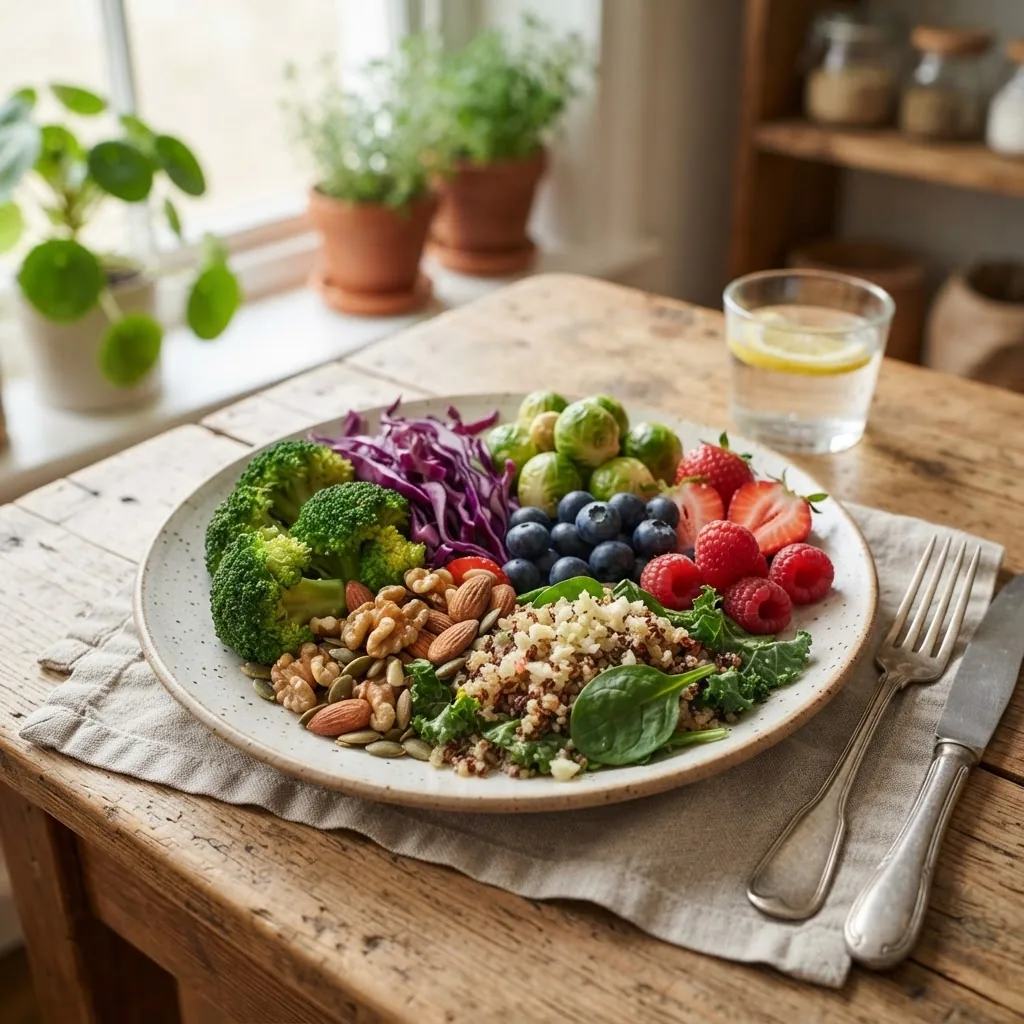
Nutrition in leukemia focuses on maintaining weight, supporting marrow and immune function, managing treatment-related nausea or mucositis, and providing phytochemicals that have shown anti-cancer activity in vitro or in observational studies. This numbered how-to guide gives daily targets and specific foods.
- Prioritise protein for marrow repair: Aim for 1.2–1.5 g/kg body weight per day. Examples: 100 g cooked oily fish (22–25 g protein), 150 g tofu (16 g), or 2–3 servings of legumes daily. If appetite is poor, use fortified oral nutrition supplement providing 15–20 g protein per serving.
- Daily cruciferous vegetables: Eat 1–2 cups cooked crucifers (broccoli, Brussels sprouts) 4–7 times weekly to access glucosinolates; these yield isothiocyanates with anti-proliferative activity in lab models. Steam lightly for 3–5 minutes to preserve enzymes.
- Include berries and colourful produce: 1 cup blueberries or mixed berries daily for anthocyanins and antioxidant support. Freeze-dried powders (1–2 tsp) are acceptable if fresh fruit intake is limited.
- Use culinary turmeric: Add 1–2 g turmeric powder daily (½–1 tsp) combined with a pinch of black pepper; or standardised curcumin 500 mg twice daily if better absorption and standardisation are required.
- Prioritise omega-3 fats: 1,000–2,000 mg combined EPA+DHA daily from fish oil or 2 serves of oily fish weekly to modulate inflammation and support appetite. Check platelet counts and bleeding risk with high-dose fish oil if platelets <50,000/µL.
- Prebiotic fibre and fermented foods: 10–15 g/day of soluble fibre (oats, psyllium) plus daily small servings of yoghurt or kefir for gut microbiome support; avoid raw fermented products in severe neutropenia. According to a 2023 nutrition review, gut health influences chemotherapy tolerance and immune recovery.
- Garlic and onions: Include 2–4 cloves garlic weekly or ½–1 small raw red onion 3–4 times per week for organosulfur compounds that show chemo-sensitising effects in preclinical studies.
- Micronutrients to monitor and supplement judiciously: Maintain vitamin D 25(OH)D >50 nmol/L (supplement 1,000–2,000 IU/day as needed and retest every 3 months); ensure B12/folate adequacy (supplement if deficient); iron only if iron-deficiency proven — avoid routine iron supplements in functional iron overload or during active infection. For antioxidant supplements, avoid high-dose single antioxidants during specific ROS-dependent regimens unless advised by oncology (consult evidence on a case-by-case basis).
- Hydration and mucosal care: Sip 1.5–2 L/day total fluids unless fluid restrictions apply. For mucositis: use warm saline/soda mouth rinse 3–4 times daily, and cool pureed foods to soothe inflamed mucosa.
- Supplement frameworks: When needed, use standardised botanical supplements as adjuncts: medicinal mushroom extracts 1–3 g/day, curcumin 500–1,000 mg/day, and astragalus 500–2,000 mg/day, matching doses to product standardisation. For detailed supplement selection and bioavailability strategies, consult the botanical dietary supplements guide.
Practical meal plan sample (24-hour): Breakfast — fortified porridge with 30 g oats, 1 tbsp ground flaxseed, ½ cup blueberries, 1 scoop protein powder (20 g). Lunch — steamed salmon 100 g, 1 cup mixed crucifers, quinoa ½ cup. Snack — plain yoghurt with 1 tsp turmeric-honey mix. Dinner — lentil stew with turmeric, garlic and steamed greens.
Transition: nutrition pairs with lifestyle practices that reduce toxicity and support recovery; the following section outlines practical home remedies and daily strategies.
Home Remedies and Lifestyle Strategies to Support Leukemia Care
This section provides stepwise, practical lifestyle steps and symptom-relief home remedies; it also contrasts common home approaches used for solid tumours (e.g., home remedies for breast tumor) to highlight differences in blood cancers.
- Manage nausea and appetite loss: Use ginger (500 mg ginger extract or 1–2 g fresh ginger) 30 minutes before meals, sip clear broths and try small, frequent high-calorie snacks (every 2–3 hours). For persistent chemo nausea, combine with prescribed antiemetics — do not replace them.
- Soothing mucositis at home: Rinse with 1 tsp salt + ½ tsp baking soda in 250 mL warm water 3–4 times daily. Apply 1–2 teaspoons honey (medical-grade if available) topically to sore oral patches if no neutropenia-related infection is suspected.
- Infection prevention at home: Maintain hand hygiene, avoid fresh-squeezed juices and raw sprouts with neutropenia. Use boiled and cooled water for mouth rinses in higher-risk periods. For wound care, clean with sterile saline and seek clinic review at first sign of infection.
- Fatigue management and graded activity: Start with 10–15 minutes of light walking or chair-based movement daily, increasing by 5 minutes every 3–4 days as tolerated; schedule rest windows and prioritise protein and sleep hygiene.
- Stress management and sleep: Practice 10 minutes of daily breathing exercises (box breathing 4-4-4-4) and consider adaptogenic herbs like ashwagandha 300 mg at night to support sleep, unless interacting with medications. Use cognitive-behavioural strategies for insomnia.
- Detox support — practical steps: Focus on liver-supporting foods (leafy greens, beetroot, milk thistle 140 mg 2–3x/day if LFTs elevated) and avoid alcohol during active treatment. There is no evidence for “detox” regimens that replace oncologic care.
- Skin and wound care: Use hypoallergenic moisturisers for dry skin from chemo; apply sterile dressings for breaks in skin and consult nursing for low platelets (<50,000/µL) management of bleeding risk.
- Comparing home remedies for tumors like breast tumor: For solid tumours, topical and local compresses may be used for symptomatic relief; with leukemia, systemic immune and marrow effects are the priority, so topical remedies have limited impact on disease burden.
- Symptom diary and thresholds: Keep daily logs of temperature, stools, bleeding, breathlessness and new pain. Seek urgent care for: fever >38°C (100.4°F), sudden bruising or bleeding, severe shortness of breath or confusion.
better remedies guide for natural symptom relief has additional home strategies for symptom control that can be adapted safely for cancer contexts.
Hypothetical integrated case example
Case: a 58-year-old with CLL receiving targeted kinase inhibitor therapy experienced fatigue and mild neutropenia (ANC 800/µL). Under oncologist approval, we added low-dose astragalus 500 mg twice daily, curcumin 500 mg twice daily, a mushroom extract 1 g/day and a supervised dietary plan (1.2 g/kg protein, daily crucifers). Weekly CBCs for 6 weeks showed stable counts, improved fatigue scores and no drug interaction signals. This example is illustrative, not prescriptive.
Transition: integrative frameworks formalise how these elements combine into care plans; next we discuss models and patient experiences.
Integrative and Alternative Cancer Care Approaches for Leukemia
Integrative oncology combines evidence-based natural therapies with standard cancer care to improve quality of life and potentially support treatment tolerance. Naturopathic oncology frameworks emphasise safety screening, phased implementation and ongoing outcome measurement (symptoms, labs, QoL scales).
Model of care — staged integrative plan
- Assessment phase (week 0): Complete medication review, baseline labs, nutrition assessment, and patient goals mapping.
- Stabilisation phase (weeks 1–4): Start conservative supportive measures (diet, hydration, turmeric 500 mg daily, mushroom extract) and monitor weekly labs.
- Optimization phase (weeks 4–12): Titrate botanicals based on response; consider targeted herbs for fatigue or marrow support; coordinate any chemotherapy windows and plan stop-windows before procedures.
- Maintenance and surveillance: Transition to long-term lifestyle and periodic supplement cycles; continue oncology follow-up.
Integrative care frequently uses case conferences between oncologists, pharmacists and naturopathic practitioners to manage complex interactions. For comparative herbal approaches in other cancers, see the adenocarcinoma herbal remedy guide.
Patient empowerment strategies
Encourage patients to: maintain a shared medication/supplement list, track objective outcomes (CBC, transfusion needs), and use validated symptom scales. Coordination with the oncology team and access to supportive services (dietitian, psychosocial care) improves adherence and safety.
Transition: monitoring is essential — the next section gives explicit monitoring checklists and red flags.
Monitoring Progress and When to Seek Medical Advice
Ongoing monitoring ensures natural strategies remain safe and effective. Use the checklist below to evaluate progress and define warning signs.
Monitoring checklist
- Baseline and weekly CBC during initial 4–8 weeks of any herb/supplement introduction; then monthly if stable.
- Liver and kidney function every 4–8 weeks when using hepatically metabolised herbs (curcumin, baicalin, milk thistle exceptions noted).
- Symptom diary entries: daily temperature, bleeding, new pain, appetite score, fatigue scale (0–10).
- Medication interaction review every time new oncology agents are started.
Red flags — seek immediate care if any of the following occur
- Fever >38°C (100.4°F) or chills — possible neutropenic sepsis.
- Sudden unexplained bleeding, massive bruising, or petechiae — may indicate thrombocytopenia.
- Shortness of breath, chest pain, new focal neurological deficits.
- Rapid rise in liver enzymes (ALT/AST >2x baseline) after starting an herb.
Screening example for drug-herb interactions: compile current drug list, use an interaction database, flag CYP3A4, CYP2C9 and P-gp substrates; if an herb shows potential induction/inhibition, either adjust timing, choose an alternative, or consult pharmacy for monitoring recommendations. This is the method I use in clinic to prevent adverse events.
Transition: the final section summarises and gives a balanced closing message.
Conclusion: Holistic Natural Remedies as a Complement to Conventional Leukemia Care
Natural remedies for blood cancer can meaningfully support symptom control, improve quality of life and assist recovery when integrated responsibly with standard leukemia treatment. The strongest recommendations are for diet, careful use of select herbs (astragalus, curcumin, medicinal mushrooms) and rigorous monitoring. Avoid replacing conventional therapy with unproven “alternative cures for leukemia”; current evidence supports adjunctive, not substitutive, use.
Final practitioner guidance: start small, document everything, consult oncology and pharmacy, and prioritise interventions with favourable safety profiles and human data. For an ongoing plan, return to the staged model above and reassess labs at 4 and 12 weeks.
Common mistakes and how to avoid them
I once started a patient on high-dose EGCG without checking their targeted therapy; their drug levels became subtherapeutic due to an unrecognised interaction. Now I always run a CYP and drug-transporter screen before any herbal addition and document stop-windows before major procedures.
I have also seen overenthusiastic antioxidant use during ROS-dependent chemotherapy causing unclear outcomes. I now avoid high-dose single antioxidants unless coordinated with the oncologist.
Practical checklist before you finish
- Diagnosis and treatment plan confirmed with oncologist.
- Complete medication and supplement list shared with oncology and pharmacist.
- Baseline CBC, LFTs, renal function recorded and schedule for monitoring set.
- Selected herbs/supplements chosen with documented dosing and supplier batch numbers.
- Symptom diary template in place and emergency contact numbers available.
When to call in a professional
Contact an integrative oncology-trained naturopath or medical herbalist when you need personalised dosing, complex interaction review or when planning peri-transplant or peri-immunotherapy herbal stop-windows. Always call your oncologist for any red-flag symptoms or abnormal labs.
If you want a step-by-step personalised plan, book a consultation with a licensed integrative practitioner who will audit your meds, propose staged herbal additions, and set monitoring milestones. For trustworthy further reading, refer to government resources such as the National Cancer Institute overview and recent meta-analyses on herbal adjuncts in oncology (PubMed).