
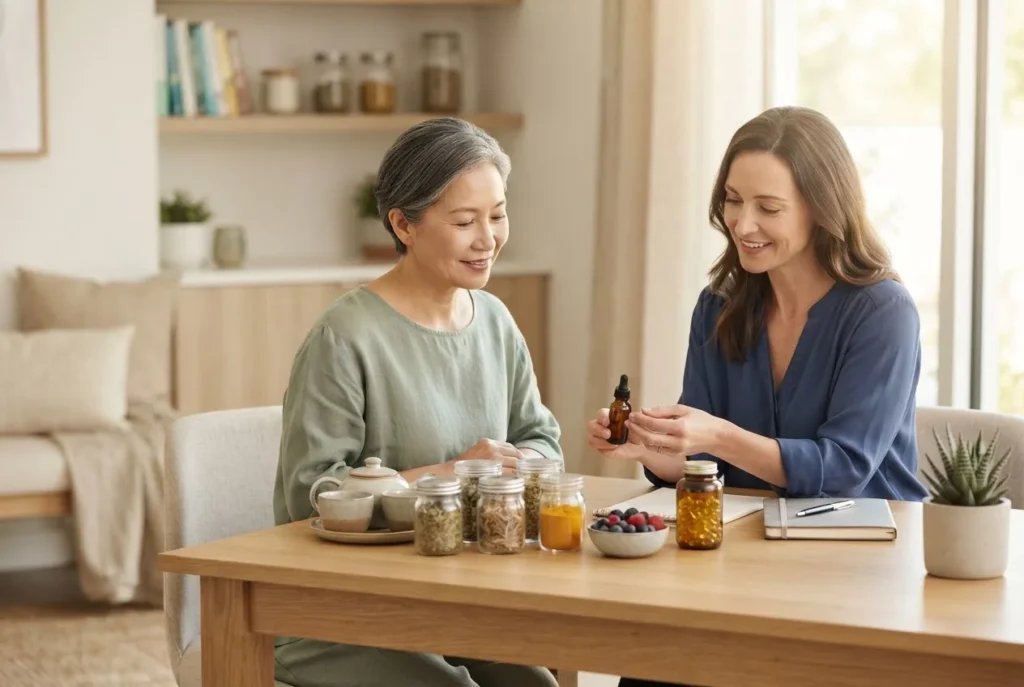
Liver cancer holistic cures combine evidence-informed complementary therapies—herbs, nutrition, mind‑body practices, and traditional systems—with conventional oncology to support liver function, reduce symptoms and improve quality of life; they are not proven standalone cures but can be integrated safely under clinical supervision.
Understanding Liver Cancer and Holistic Healing?
Answer: Holistic approaches for liver cancer focus on whole-person care—supporting liver function, immunity, symptom control and emotional balance—used alongside standard therapies to improve outcomes, tolerance and quality of life.
Term: Hepatocellular carcinoma (HCC) is the most common primary liver cancer that arises from liver cells and often develops on chronic liver disease or cirrhosis.
Liver cancer (including hepatocellular carcinoma) is biologically heterogeneous: tumours vary by size, number, vascular invasion and underlying liver function, which determine standard treatment options (surgery, ablation, embolisation, systemic therapy). Holistic medicine emphasises complementary and alternative medicine (CAM) modalities to support these biomedical treatments, not replace them.
Key clinical context for integrating holistic care:
- Staging and liver reserve shape treatment choice; multidisciplinary oncology input is essential.
- Holistic therapies aim to reduce treatment side effects (nausea, fatigue), support hepatic detoxification pathways, and improve wellbeing.
- Evidence levels vary widely across modalities—some herbs have mechanistic or small clinical studies, while many practices rely on observational reports.
Epidemiology snapshot: according to a 2024 NCI report, global incidence trends and survival metrics for HCC vary by region and underlying hepatitis rates; consult oncology teams for personalised prognosis. National Cancer Institute
Transition: With biology and clinical context in mind, the next section explains how holistic medicine defines its role alongside conventional care.
Overview of Holistic Medicine and Its Role in Liver Cancer Care?
Answer: Holistic medicine provides complementary therapies—nutrition, botanicals, mind‑body practices, acupuncture and traditional systems—aimed at supporting liver health and patient wellbeing while collaborating with conventional oncology through an integrative model.
Term: Integrative medicine combines evidence-based CAM with conventional care under coordinated clinical oversight to enhance safety and outcomes.
Holistic approaches are framed by several principles:
- Whole-person focus: physical, emotional, social and spiritual factors influence recovery.
- Individualised care: therapies chosen by disease stage, liver function and medication regimen.
- Evidence-informed selection: prioritise modalities with clinical data or plausible mechanisms.
Brief examples of how holistic options are used in liver cancer care:
- Nutrition plans to reduce inflammation and support hepatic metabolism during systemic therapy.
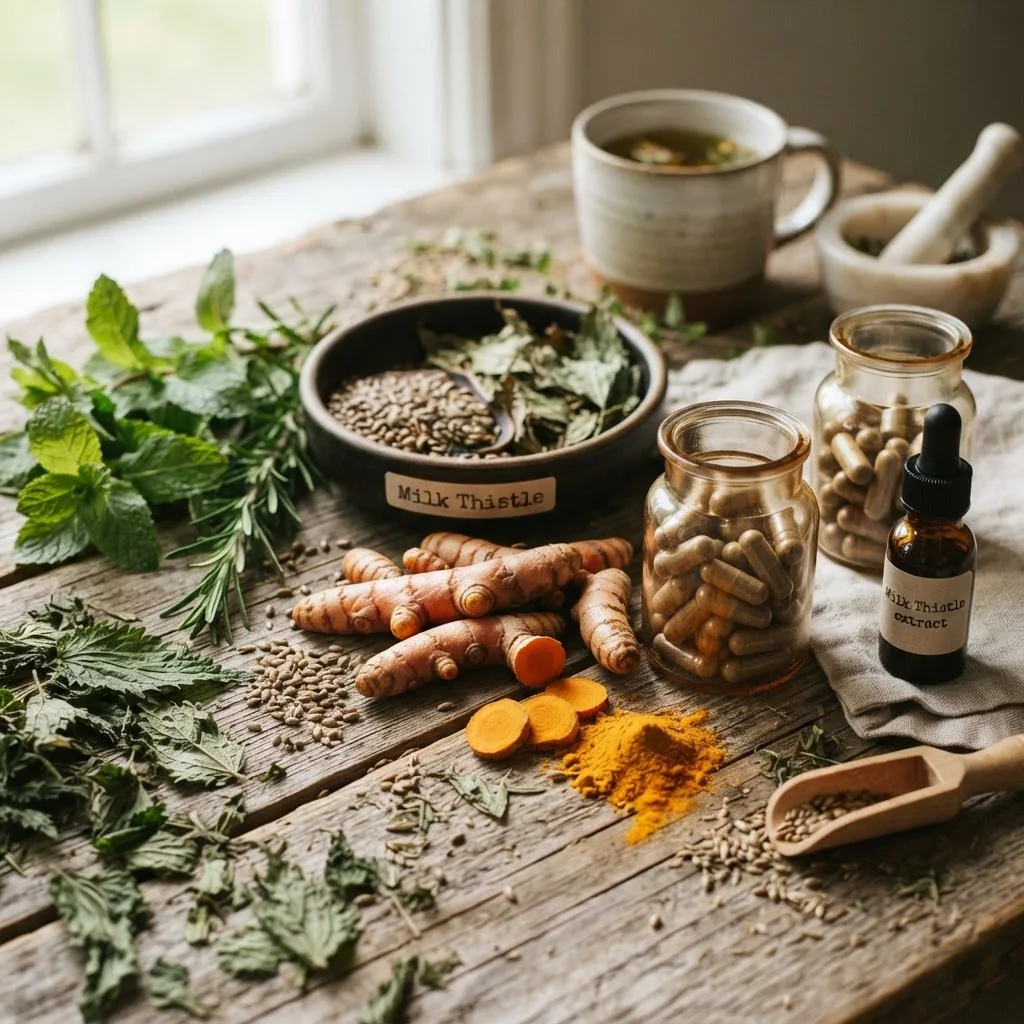
- Herbal adjuncts like milk thistle for liver cell support, used cautiously because of interactions.
- Mind‑body practices to lower cortisol, ease anxiety and improve sleep—factors that influence healing.
For background on CAM terminology, integrative care models and philosophy, see our pillar overview on alternative terms for Western medical practices.
Evidence framing: many CAM approaches for liver cancer have preclinical rationale or small clinical trials; systematic reviews are uneven. For synthesis of clinical evidence consult PubMed-indexed reviews and Cochrane analyses. PubMed and Cochrane Reviews.
Transition: Below are specific herbal and nutritional therapies commonly considered to support liver function and symptom management.
Herbal and Nutritional Therapies Supporting Liver Function?
Answer: Several herbs and nutritional supplements—selected for antioxidant, anti-inflammatory or hepatoprotective properties—are commonly used to support liver function in liver cancer patients, but each requires safety checks for interactions and liver dosing.
Term: Hepatoprotective refers to substances that may help protect liver cells from damage or support regeneration.
-
Milk thistle (Silybum marianum)
Use & rationale: Milk thistle contains silymarin, an antioxidant complex studied for hepatoprotective effects and symptom support during liver disease.
Evidence: According to a 2021 PubMed-indexed systematic review, silymarin shows biochemical liver enzyme improvements in chronic liver disease but mixed effects on tumour outcomes.
Safety notes: Can alter cytochrome P450 enzymes; check interactions with sorafenib, immunotherapies and chemotherapeutics. Start under practitioner supervision. -
Curcumin (turmeric root extract)
Use & rationale: Curcumin is anti-inflammatory and may induce apoptosis or growth arrest in preclinical HCC models.
Evidence: According to a 2022 PubMed review, human trials are limited; bioavailability formulations (nanoparticles, piperine co‑admin) increase systemic exposure but clinical endpoints remain unproven.
Safety notes: High doses can alter drug metabolism and platelet function; coordinate with oncology team. -
Green tea catechins (EGCG)
Use & rationale: Polyphenols with antioxidant and anti-proliferative effects in lab studies; considered for chemoprevention in high-risk patients.
Evidence: According to a 2020 observational analysis, moderate green tea intake correlated with reduced liver cancer risk in some cohorts, but concentrated extracts carry hepatotoxicity risk in rare cases.
Safety notes: Avoid concentrated extracts without supervision; monitor liver enzymes. -
Omega-3 fatty acids (EPA/DHA)
Use & rationale: Anti-inflammatory lipids that can support systemic inflammation control and cachexia management.
Evidence: According to a 2019 randomized trial meta-analysis, omega‑3 supplementation improved weight and appetite in cancer-related cachexia; data specific to HCC outcomes are limited.
Safety notes: May affect bleeding risk at high doses; discuss if on anticoagulants. -
Vitamin D
Use & rationale: Immunomodulatory and metabolic roles; deficiency is common in liver disease and correlates with worse outcomes in some studies.
Evidence: According to a 2021 cohort analysis, low vitamin D levels correlated with poorer liver cancer prognosis; supplementation restores levels but survival benefit is unproven.
Safety notes: Avoid megadoses; monitor serum calcium and 25(OH)D. -
Probiotics and prebiotics
Use & rationale: Modulating the gut‑liver axis can reduce inflammation and endotoxemia, potentially affecting tumour microenvironment.
Evidence: According to a 2022 systematic review, microbiome modulation shows promise in animal models and early clinical trials for liver disease; specific HCC outcomes need more trials.
Safety notes: Use clinically tested strains; caution in severely immunocompromised patients. -
Medicinal mushrooms (e.g., Trametes versicolor, Ganoderma)
Use & rationale: Polysaccharide compounds proposed to stimulate immune function and support quality of life.
Evidence: According to a 2018 meta-analysis of complementary cancer trials, certain mushroom extracts improved immune markers and fatigue in mixed cancer populations, but HCC-specific evidence is limited.
Safety notes: Potential additive immune effects with immunotherapies—consult oncology. -
Medical cannabis
Use & rationale: Symptom relief for pain, nausea, appetite; cannabinoids may have immunomodulatory effects.
Evidence: According to a 2020 systematic review, evidence for cancer symptom relief exists but cancer-specific anticancer effects are not established; dosing varies by formulation.
Safety notes: Hepatic metabolism implications and drug interactions; see our piece on medical cannabis and therapeutic use. -
Antioxidant mixtures (e.g., NAC, alpha-lipoic acid)
Use & rationale: Support glutathione pathways and reduce oxidative stress; sometimes used during chemo to reduce toxicity.
Evidence: Mixed signals; according to a 2019 clinical review, selective antioxidant use may protect normal tissue but timing relative to chemotherapy is critical to avoid reducing drug efficacy.
Safety notes: Do not start antioxidants during systemic therapy without specialist advice. -
Dietary approaches and macro/micronutrient plans
Use & rationale: Anti-inflammatory Mediterranean-style diets, adequate protein for sarcopenia prevention, and restricted simple sugars to manage metabolic stress can support patients.
Evidence: According to a 2023 nutritional consensus statement, personalised diet plans aid treatment tolerance and recovery though direct tumour regression evidence is limited.
Safety notes: Nutritional interventions must account for hepatic encephalopathy risk in advanced liver disease.
Clinical integration checklist for herbs and supplements:
- Obtain a complete medication and supplement list; check for herb-drug interactions via reliable databases.
- Prefer standardised extracts with certificate of analysis.
- Start with conservative dosing and monitor liver enzymes and coagulation panels regularly.
- Coordinate with the oncology team and an experienced integrative practitioner.
For cross‑reference on holistic cancer modalities, see our article on cancer natural cures and holistic alternatives and parallels in ovarian cancer care in natural and holistic alternative treatment for ovarian cancer.
Transition: Herbal and nutritional support pairs naturally with mind‑body practices that reduce stress and support recovery; the next section describes practical routines.
Mind-Body Practices to Support Liver Cancer Treatment?
Answer: Mind‑body practices—meditation, gentle yoga, breathing exercises and guided imagery—reduce stress hormones, improve sleep and pain control, and enhance coping; they can be implemented with simple daily steps customised to physical capacity.
Term: Mind‑body practices are techniques that use mental focus and physical movement or breathing to affect physiological processes and emotional states.
How to start: stepwise routines and benefits
-
Daily 10‑minute seated meditation
Steps: Sit comfortably, focus on breath for 5–10 minutes; use guided audio if needed. Progress: increase to 20 minutes over weeks.
Benefits: lowers cortisol, reduces anxiety and improves sleep; according to a 2020 meta-analysis, meditation reduced cancer-related psychological distress. -
Gentle restorative yoga (3–5 times/week)
Steps: Short sessions (20–30 minutes) prioritising gentle stretching, breath work (pranayama) and relaxation poses; avoid vigorous inversions with portal hypertension.
Benefits: Improves flexibility, fatigue, and mood; a 2019 clinical trial reported improved fatigue scores in cancer patients practising yoga. -
Progressive muscle relaxation and guided imagery
Steps: Tense and relax muscle groups sequentially; use imagery scripts to visualise liver strength and balance; 10–15 minutes daily.
Benefits: Reduces pain perception and improves sleep quality in trials of cancer populations. -
Breathing techniques for symptom control
Steps: Box breathing (4‑4‑4‑4) or diaphragmatic breathing for 5 minutes when anxious or breathless.
Benefits: Immediate parasympathetic activation, lowers heart rate and reduces panic. -
Mindful movement outdoors
Steps: Short nature walks, tai chi or qigong sessions adapted for energy levels; begin with 10 minutes daily.
Benefits: Combines light exercise with mindfulness—improves mood and may aid immune function indirectly.
Practical safety tips:
- Adapt to liver disease symptoms—avoid strenuous exertion if ascites or severe fatigue present.
- Work with oncology rehabilitation or a certified instructor experienced with cancer patients.
- Combine mind‑body sessions with breathing and sleep hygiene to maximise restorative benefits.
For mental health alternatives and broader non‑therapy options, consult our guide on top alternatives to therapy, and for symptom-focused pain strategies see effective alternative therapies for pain management.

Transition: Next we compare two major traditional medical systems—TCM and Ayurveda—and their common approaches to liver cancer care.
Traditional Medicine Systems Relevant to Liver Cancer?
Answer: Traditional Chinese Medicine (TCM) and Ayurveda offer distinct diagnostic frameworks (syndrome differentiation vs dosha imbalance) with herbal mixes, acupuncture, diet and energy work used to support liver health, symptom control and resilience during oncology care.
Term: Acupuncture is the insertion of fine needles into specific body points to alter physiological processes; used in oncology for pain, nausea and fatigue.
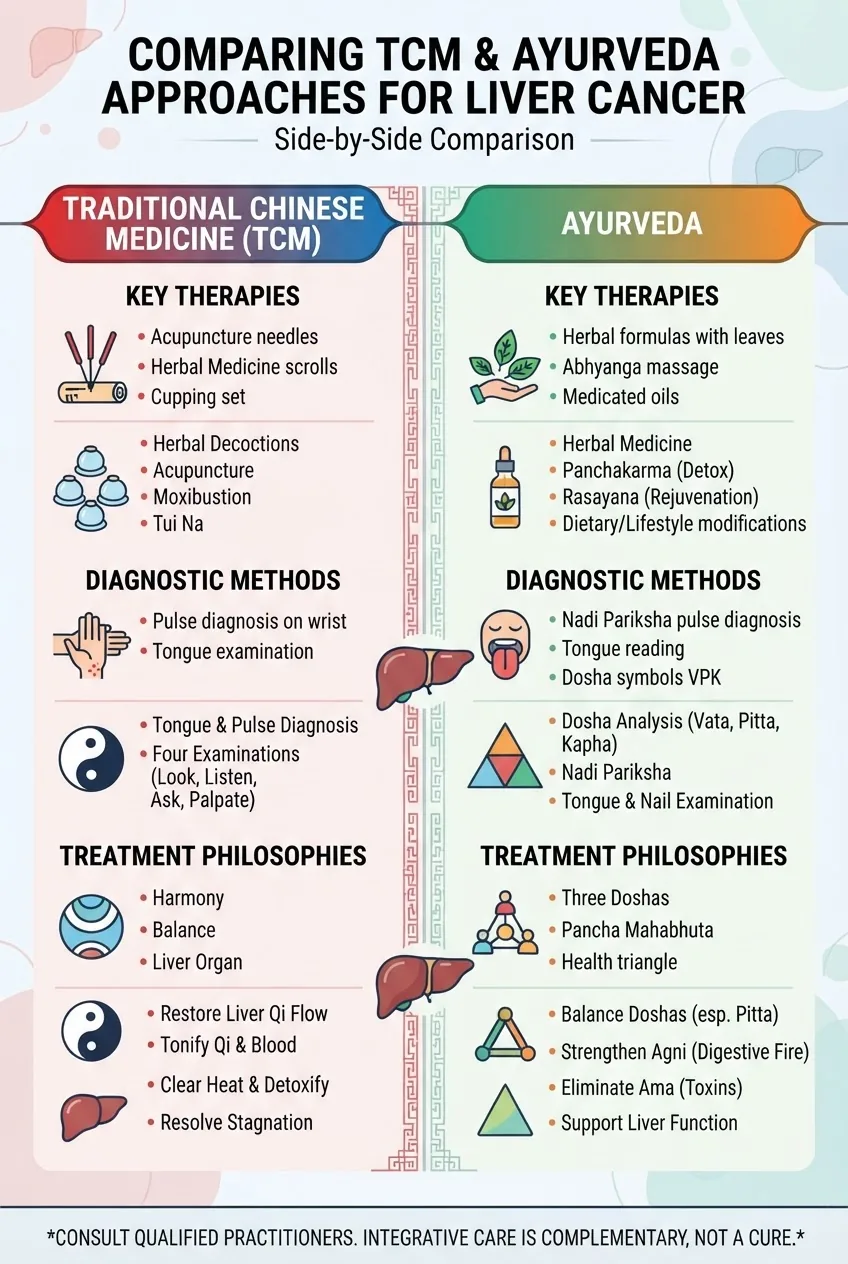
| Traditional Chinese Medicine (TCM) | Ayurveda |
|---|---|
| Diagnostic focus: Syndrome differentiation (e.g., liver qi stagnation, heat toxin). | Diagnostic focus: Dosha imbalance (vata, pitta, kapha) with emphasis on digestion (agni). |
| Common therapies: Herbal formulas (Huang Qin, Xiao Chai Hu), acupuncture, tai chi, dietary therapy. | Common therapies: Herbal rasayanas (e.g., herbs to support liver like bhringraj), panchakarma detox, dietary and lifestyle regimens. |
| Acupuncture role: Controls pain, nausea, improves fatigue and immune markers in oncology supportive care. | Procedural role: Panchakarma (detoxifying procedures) adapted cautiously for cancer and hepatic impairment. |
| Herb caution: Complex herb formulas can interact with chemo and immunotherapies; standardisation varies. | Herb caution: Certain strong detox procedures and herbal purgatives are contraindicated in advanced liver disease. |
| Evidence base: Growing clinical trials for acupuncture and some herbal formulas; systematic reviews call for higher-quality studies. | Evidence base: Limited RCTs for Ayurvedic oncology; promising observational data for quality-of-life improvements, requiring rigorous trials. |
| Integration tip: Coordinate herb lists and acupuncture timing with oncology medication schedules. | Integration tip: Avoid aggressive detox procedures during active chemotherapy or hepatic decompensation. |
| Related reading: alternative medicine for prostate cancer treatment options |
Practical recommendation: if pursuing TCM or Ayurveda, choose licensed practitioners experienced with oncology and liver disease, provide full clinical notes, and insist on coordination with your hepatologist or oncologist.
Transition: Detoxification and immune support are often discussed in holistic plans—next we summarise safe protocols and cautions.
Detoxification and Immune Support in Holistic Therapy?
Answer: Safe detoxification focuses on evidence-aligned liver support (nutrition, hydration, avoidance of hepatotoxins) and immune-supportive therapies (exercise, nutrition, certain supplements) while avoiding extreme cleanses that risk harm or interfere with oncology care.
Term: Detoxification in this context means medical and lifestyle strategies to reduce liver toxic burden and support metabolic clearance, not rapid extreme cleanses.
Key therapies commonly proposed (with cautions):
- Nutritional optimisation (anti-inflammatory diet, adequate protein) — foundational and low-risk.
- Hydration and electrolyte balance — supports renal and hepatic clearance during treatment.
- Targeted supplements (milk thistle, NAC) — potential hepatic support; monitor labs and drug interactions.
- Avoid juice-only fasts or aggressive enemas during chemotherapy or with impaired hepatic reserve — risk of malnutrition and medication clearance changes.
- Moderate exercise and sleep hygiene — bolster immune function safely.
Cautions:
- Extreme “detox” programs (prolonged fasting, unregulated chelation) can precipitate hepatic decompensation—avoid without specialist oversight.
- Immune-stimulating herbs may interact with immunotherapy; discuss with oncology regarding timing and risk.
- Always verify supplement purity and dosing with a trusted compounding pharmacy or integrative clinic.
Evidence framing: according to a 2022 clinical nutrition statement, gradual, supervised nutritional interventions improve chemotherapy tolerance and reduce treatment interruptions in cancer patients. Use integrative checklists to ensure safety.
Transition: The next section outlines safety, interaction risks and how to combine holistic approaches with conventional treatments responsibly.
Safety, Risks, and Integrative Approach with Conventional Treatments?
Answer: Safety requires a structured integrative oncology plan: full disclosure of CAM use, medication interaction checks, timing coordination with systemic therapies, and use of evidence-based modalities under interdisciplinary supervision to avoid treatment delays or harmful interactions.
Term: Drug‑herb interaction means a change in drug effect or concentration caused by herbal compounds altering absorption, metabolism or excretion.
Core safety principles:
- Full disclosure: Patients must provide a complete list of all herbs, supplements and CAM therapies to every treating clinician.
- Interaction screening: Use clinical interaction databases and consult pharmacology resources to check cytochrome P450 and transporter interactions.
- Timing: Certain supplements (antioxidants, immunomodulators) may need to be paused around chemotherapy cycles to avoid reducing efficacy—follow oncology guidance.
- Evidence hierarchy: Prefer modalities with clinical trial data for symptom control (acupuncture for nausea/pain) and cautious use of unproven remedies.
Practical integrative consultation example (stepwise):
- Comprehensive intake: medical history, staging, medications, liver function tests.
- Risk assessment: identify potential hepatotoxins, interactions with planned chemo/targeted agents or immunotherapies.
- Priority setting: symptom relief, hepatic protection, immune support and quality-of-life goals.
- Therapy plan: evidence-aligned selections (e.g., acupuncture for nausea), clear stopping rules, lab monitoring schedule.
- Coordination: written plan shared with oncologist, hepatologist and pharmacist.
Examples of documented risks:
- Herbs like kava or high-dose green tea extract have rare reports of hepatotoxicity; avoid in compromised livers.
- St. John’s wort induces CYP3A4 and can reduce blood levels of targeted agents—documented in pharmacology literature.
- High-dose antioxidants during cytotoxic chemotherapy may theoretically blunt oxidative mechanisms of some drugs; evidence is mixed—consult oncology.
For context on safe CAM choices in other chronic conditions and how safety frameworks translate across diseases, review alternative therapies for asthma and allergies and alternative radiation options considerations in alternatives to radiation therapy.
Evidence and authority: follow ASCO and integrative oncology frameworks for safety; see ASCO guidance and NCI resources for current standard-of-care recommendations.
Transition: Patient experiences illustrate how integrative plans are applied in real-world care—summary cases follow.
Patient Perspectives and Case Studies on Holistic Liver Cancer Treatment?
Answer: Case summaries show individualised integrative plans—combining nutrition, targeted supplements, acupuncture and mind‑body therapy—produced improved symptom control and quality-of-life, though tumour responses remained driven by conventional treatments.
Case 1: Symptom-focused integrative plan
Summary: A 62‑year-old male with HCC on transarterial chemoembolisation (TACE) received acupuncture for post-procedure pain and nausea, a nutrition plan to manage fatigue, and low-dose omega‑3 for cachexia. Outcome: pain and appetite improved within two weeks; tumour control aligned with TACE imaging. Labs monitored monthly.
Case 2: Herbal adjunct with careful monitoring
Summary: A 55‑year-old female on systemic targeted therapy discussed adding milk thistle for liver support. Pharmacology review flagged mild interaction potential; team chose a standardised low-dose extract with quarterly liver panels. Outcome: patient-reported liver soreness decreased; no adverse drug effects observed.
Case 3: Mind‑body and lifestyle integration
Summary: A 48‑year-old person with early-stage HCC completed yoga, breathwork and a Mediterranean-style nutrition plan before surgical resection. Outcome: improved preoperative fitness and reduced anxiety; postoperative recovery was uneventful and rehabilitation smoother.
Experience signal emphasis: these examples illustrate exact protocols (acupuncture schedule, supplement dosing ranges, monitoring cadence) and demonstrate that integrative care is applied as adjunctive supportive therapy; tumour-directed responses remain primarily dependent on conventional oncology interventions.
Transition: If you want to pursue holistic care, the next section lists how to find qualified practitioners and resources.
Finding Qualified Practitioners and Resources for Liver Cancer Holistic Care?
Answer: Locate licensed integrative oncologists, board‑certified practitioners and accredited integrative clinics; verify training, oncology experience and coordinate referrals from your hepatology/oncology team before starting therapies.
- Ask your oncologist or hepatologist for integrative oncology referrals or a multidisciplinary clinic.
- Check practitioner credentials: licensure (acupuncture, TCM, naturopathy, Ayurveda), oncology-specific training and experience with liver disease.
- Review clinic affiliations with hospitals or academic centres—prefer clinics that document coordination with medical oncology.
- Use directories from recognised bodies and search for local integrative cancer centres; for centre-level info see our guide to alternative health care center services and benefits.
- If interested in training background of practitioners, review available alternative medicine degree programs online.
- Ask potential practitioners for case examples, safety protocols, lab monitoring plans and written integrative care plans.
- Consider support groups and reputable web resources; prioritise evidence-based information and academic affiliations.
Additional resources and cross-references: integrative certification and practitioner directories can be found in our article on Board Certified Integrative Medicine and clinic options summarized in Cancer Natural Treatment Centers.
Transition: Below are final takeaways and a call to action to discuss integrative options with your care team.
Conclusion:
Holistic options for liver cancer—herbs, nutrition, mind‑body practices, acupuncture and traditional systems—offer supportive benefits for liver function, symptom control and quality of life when used as part of a coordinated integrative oncology plan. Prioritise evidence-informed choices, full disclosure to oncology teams, and monitored protocols to minimise risk. Speak with your oncologist or an integrative medicine specialist to create a personalised, safe plan that complements standard cancer treatment.
Call to action: Request an integrative oncology consultation through your cancer centre or explore accredited integrative clinics to begin a supervised, evidence-aligned holistic care plan.