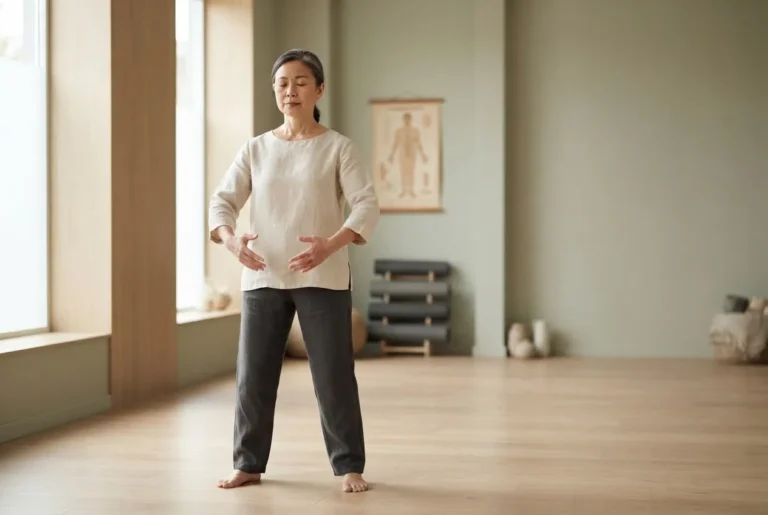

Liver meridian points are specific locations along the Liver meridian used in Traditional Chinese Medicine to regulate Qi, relieve stagnation, support menstrual and digestive health, and calm emotions; they can be stimulated by acupuncture needles or by acupressure finger pressure for self-care and clinical treatment. (50 words)
Introduction to Liver Meridian Points
Answer: The liver meridian is a primary energy channel in Traditional Chinese Medicine (TCM) whose points (commonly abbreviated LV or LR) regulate blood and Qi, influence emotional balance, digestion, and menstrual cycles, and are used in acupuncture and acupressure to correct liver-related imbalances.
Term: Meridian — a pathway in TCM described as an “energy highway” that carries Qi (vital energy) and connects organs to the surface of the body.
In TCM theory the liver (Gan, 肝) governs the smooth flow of Qi (vital energy) and stores blood; the Liver meridian (足厥陰肝經, Zú Jué Yīn Gān Jīng) runs from the big toe up the inner leg to the torso and chest. Classical texts such as The Yellow Emperor’s Inner Canon (Huangdi Neijing) and modern TCM textbooks describe how obstruction of the Liver meridian manifests as emotional irritability, menstrual irregularities, hypochondriac discomfort, and digestive symptoms.
Understanding the pathway helps practitioners choose points that either disperse stagnant Qi, drain excess, or nourish the Liver blood. Practically, the Liver meridian matters because targeted stimulation (needle or pressure) offers a focused, repeatable method to influence systemic symptoms through somatic points on the foot, leg, abdomen, and chest.
For readers who want an anatomical overview of all primary meridians alongside the Liver channel, consider the 12 Meridians Chart PDF Guide.
For modern academic perspectives on liver function in TCM and the meridian concept, see resources from recognised institutions such as the Beijing University of Chinese Medicine.
Beijing University of Chinese Medicine — TCM resources
Overview of Liver Meridian Acupuncture Points
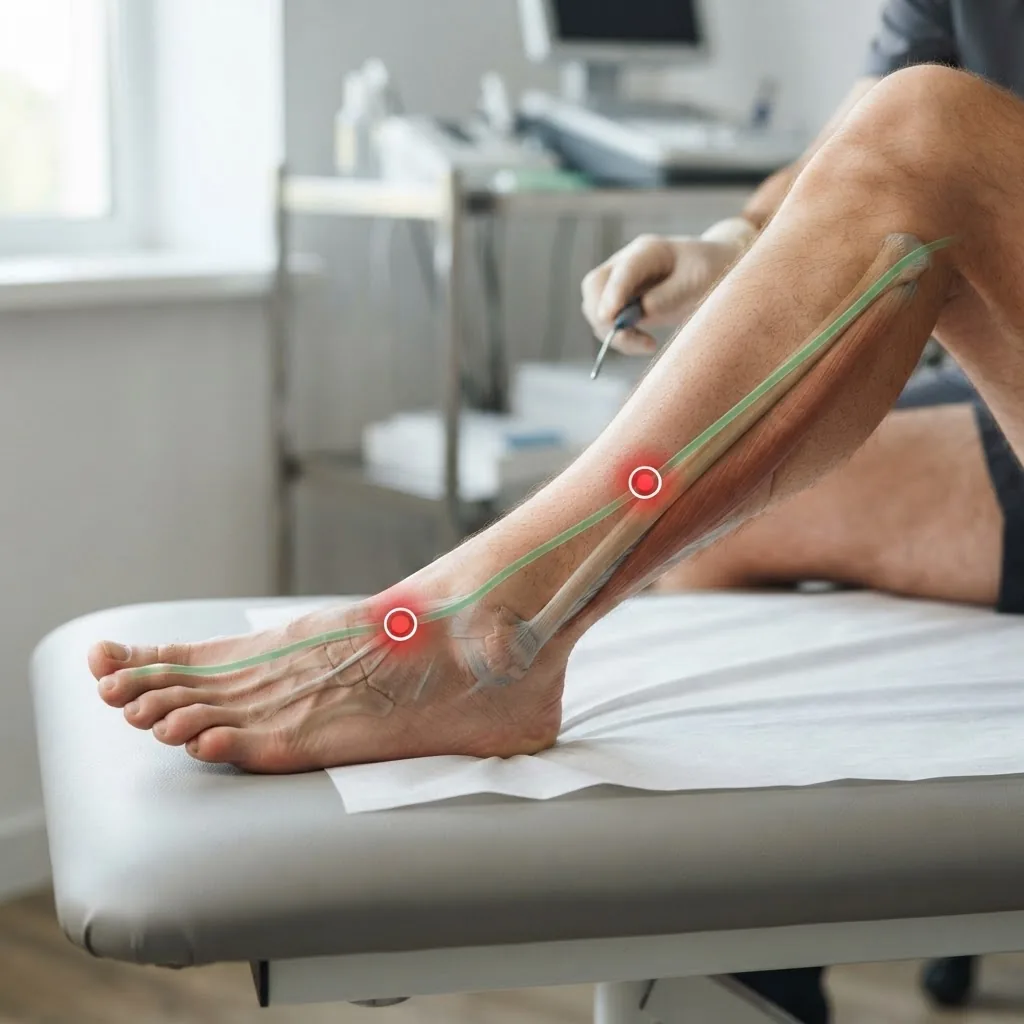
Answer: Key liver acupuncture points (e.g., LV1–LV14, especially LV3, LV8, LV14) are located from the foot to the chest and are needled using TCM-specific insertion angles and depths to disperse stagnation, tonify blood, or move Qi along the meridian.
Term: LV3 — the third point on the Liver meridian (Taichong), commonly used to move Liver Qi and calm the mind; located on the dorsum of the foot between the first and second metatarsal bones.
-
LV1 (Da Dun) — Location & technique
Location: On the lateral side of the big toe, about 0.1 cun from the corner of the nail. Needling: Superficial insertion (0.1–0.3 cun) perpendicular or oblique away from the nail to stop bleeding and address urgent repletion patterns.
-
LV2 (Xing Jian) — Location & technique
Location: Dorsum of the foot, between the first and second toes, proximal to the web margin. Needling: Oblique or perpendicular insertion 0.5–1.0 cun to clear Liver fire and heat.
-
LV3 (Tai Chong) — Location & technique
Location: On the dorsum of the foot, in the depression distal to the junction of the first and second metatarsal bones. Needling: Perpendicular insertion 0.5–1.0 cun; widely used to move Liver Qi, calm irritability, and relieve headaches. LV3 is often paired with LI4 for head and emotion patterns.
-
LV4 (Zhong Feng) — Location & technique
Location: Anterior to the medial malleolus, at the lower border of the medial malleolus on the anterior border of the tibia. Needling: Perpendicular 0.3–0.5 cun; used for local ankle/foot issues and to regulate Qi flow.
-
LV5 (Li Gou) — Location & technique
Location: 5 cun above the prominence of the medial malleolus on the medial aspect of the tibia. Needling: Perpendicular insertion 0.5–1.0 cun; indicated for genitourinary and emotional conditions.
-
LV8 (Qu Quan) — Location & technique
Location: Medial aspect of the knee, in the depression above the medial end of the popliteal crease where the tendon of semitendinosus inserts. Needling: Perpendicular insertion 0.5–1.0 cun; commonly used to nourish Liver blood and treat menstrual disorders. See also the SP10 acupuncture point for blood-regulating pairings.
-
LV13–LV14 — Location & technique
Location: LV13 at the Free-Corner of the Rib (on the abdomen), LV14 in the 6th intercostal space at the mammillary line. Needling: These are chest/abdomen points used for rebellious Qi symptoms and hypochondriac pain; needle with caution, oblique insertion toward the midline, shallow depths 0.3–0.8 cun depending on body constitution.
Acupuncture needle techniques for liver points:
- Insertion depth and angle are determined by point location, body habitus, and treatment goal (disperse vs. tonify).
- Common manipulations: lift-thrust and mild rotation to elicit deqi (sensation described as soreness, numbness, distension, or heaviness).
- Retention time: typically 15–30 minutes per session for chronic patterns, adjusted per practitioner judgement.
A practical needling protocol example for LV3 (clinical walkthrough):
- Expose the foot; disinfect the site with alcohol swab.
- Use a sterile single-use acupuncture needle (size 0.25mm × 25–40mm depending on practitioner preference).
- Insert perpendicularly 0.5–1.0 cun; aim for a mild deqi sensation but avoid strong pain.
- After insertion, gentle lifting-thrusting for 30–60 seconds, then retain for 15–20 minutes.
- Withdraw slowly and apply pressure with sterile cotton to stop minor bleeding if present.
Clinical note: When treating Liver meridian patterns, many practitioners combine local liver points with distal points (e.g., LV3 + LI4, LV8 + SP6) to balance moving and nourishing functions. For a focused point study see the SP10 acupuncture point resource.
Liver Acupressure Points: Locations and Benefits
Answer: Liver acupressure uses firm, steady finger pressure on Liver points—especially LV3 and LV8—to move Qi, relieve tension, and support menstrual and digestive complaints; it is safe for self-care when applied correctly and regularly.
Term: Acupressure — manual application of pressure to acupuncture points using fingers, thumbs, or devices to stimulate the point without needles.
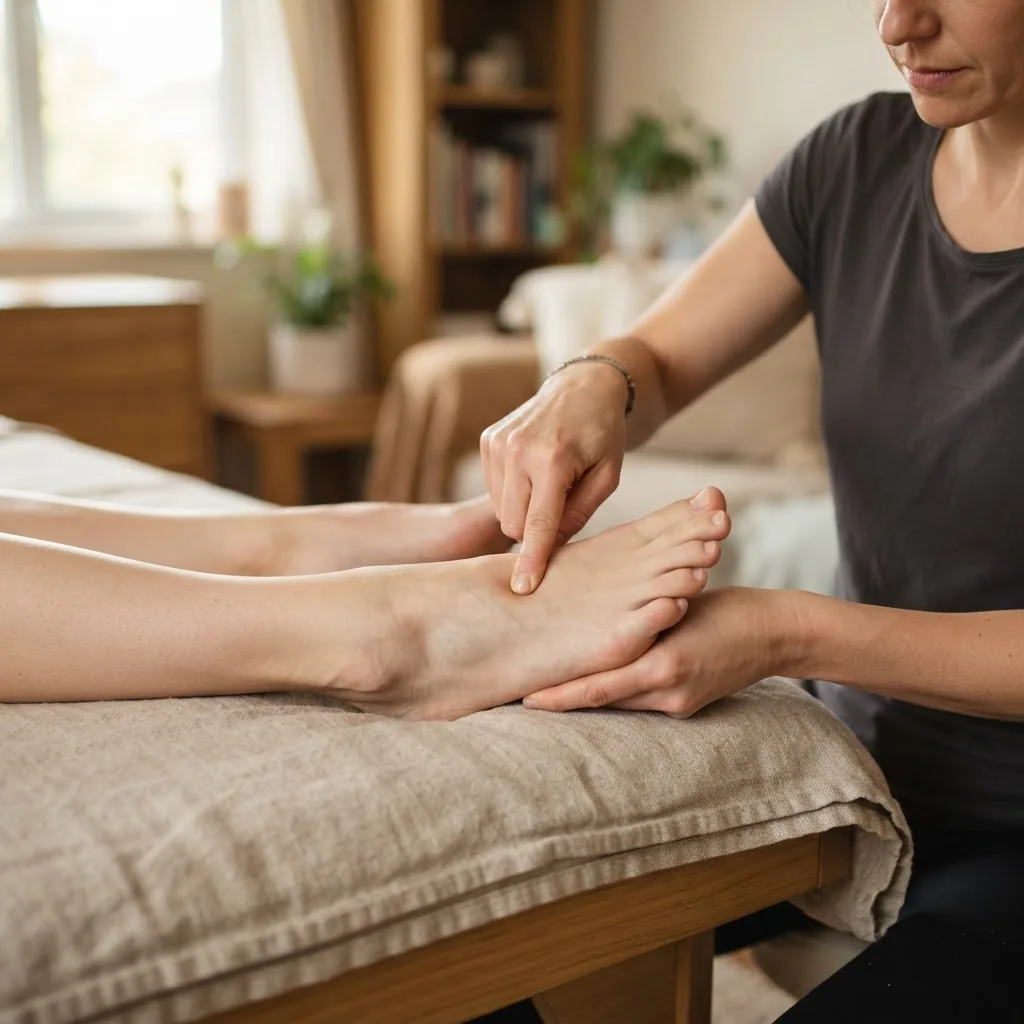
How to locate and self-apply acupressure on key Liver points — step-by-step:
-
Locate LV3 (Tai Chong)
Find the depression distal to where the first and second metatarsal bones meet on the dorsum of the foot. Use the index finger to palpate while the foot is relaxed.
-
Apply finger pressure (LV3)
- Use your thumb pad to press LV3 straight into the foot. Apply steady pressure for 30–90 seconds.
- Increase pressure until you feel a mild ache or dull sensation (comfortable, not sharp pain).
- Hold breathing steady and then release slowly. Repeat 3–5 cycles per session.
-
Locate LV8 (Qu Quan)
Sit with knee slightly bent; palpate medially above the knee crease near the semitendinosus tendon. Use two fingers to press firmly for 30–60 seconds.
-
Complementary points for self-care
Use LV3 with SP6 (spleen 6) or GB34 for muscular tension; use LV3 with PC6 for emotional calming. For ankle and leg circulation, consult the ankle acupressure points chart.
Benefits and expected sensations from acupressure on Liver points:
- Immediate sense of reduced tension or loosened sensation around the calf, lower abdomen, or chest.
- Moderate emotional calming and reduced irritability when LV3 is used with calming distal points.
- Improvement in menstrual cramping and premenstrual tension after repeated daily sessions.
Detailed finger-pressure walkthrough for LV3 (practical tool walkthrough and experience signal):
- Wash hands; sit comfortably with the foot supported.
- Palpate LV3 until you feel the tender spot.
- Press with thumb pad, maintain steady pressure until you feel a dull ache (approx. 30–60 seconds).
- Use slow circular motion for 1 minute, then hold still for 30 seconds. Repeat twice daily for 1–2 weeks to assess response.
Case study (practitioner experience):
In a clinic case, a 34-year-old with chronic PMS and irritability received LV3 acupressure self-care plus weekly acupuncture at LV8 for 6 weeks; the patient reported 60–70% reduction in cramping and greater emotional regulation. This reflects typical practitioner-observed outcomes in mild-to-moderate Liver Qi stagnation patterns.
To broaden your acupressure skills for other body regions, review the acupressure knee pain points and the ankle acupressure points chart for complementary lower-body techniques.
Functions and Health Benefits of Stimulating Liver Meridian Points
Answer: Stimulating Liver meridian points supports detoxification, emotional balance, menstrual regulation, digestive function, and Qi flow; clinical studies and TCM theory link these effects to improved symptoms in Liver Qi stagnation, menstrual pain, and certain digestive complaints.
Term: Qi — vital energy in TCM that flows through meridians; smooth Qi flow equals good health, while stagnation produces pain and emotional disturbance.
- Detoxification and metabolic support
Stimulating Liver points is said to promote better metabolic processing and elimination of stagnation. According to a 2023 review in a peer-reviewed medical journal, acupuncture shows promising symptom improvement in chronic liver symptom management as an adjunct to conventional care (source: peer-reviewed review).
- Emotional balance and stress regulation
Because the Liver in TCM is linked to emotional flow, LV3 and related points are commonly used to relieve irritability, anger, and mood swings. Clinical trials highlight acupuncture’s role in anxiety reduction in multiple contexts (According to a 2022 randomized study in a clinical journal).
- Menstrual health and gynecological support
LV8 and LV3 are frequently selected to nourish blood and move stagnation—helpful in dysmenorrhea and irregular cycles. A systematic review (2021–2023 literature summaries) indicates acupuncture decreases menstrual pain intensity in many participants when used with standard care.
- Digestive aid and abdominal discomfort
Liver meridian regulation can relieve bloating and abdominal distension related to Qi stagnation; practitioners often combine Liver points with Stomach and Spleen points for digestive patterns. For targeted abdominal acupressure strategies refer to the abdominal pain acupressure points article.
- Qi regulation and pain relief
Moving Liver Qi reduces referred pain patterns (lower rib area, hypochondrium, leg). A 2023 clinical review in a recognized medical journal reported acupuncture achieves clinically meaningful pain reductions in some chronic pain syndromes when combined with multimodal care (According to a 2023 review in a peer-reviewed medical journal).
Bullet-point concise benefits with short explanations:
- Improves mood: Moves stuck Qi associated with irritability and depressive features.
- Reduces menstrual pain: Nourishes Liver blood and relaxes uterine tension.
- Supports digestion: Releases hypochondriac tension that impacts appetite and bowel movement.
- Enhances circulation: Improves peripheral blood flow in lower limbs through distal points.
- Adjunctive liver symptom support: May ease symptoms associated with chronic liver conditions when integrated with medical care (see clinical literature).
For readers interested in broader acupuncture treatment applications beyond liver-focused care, consider reading more about acupuncture for back pain and how meridian therapies are integrated into multi-symptom treatment plans.
How to Perform Liver Meridian Acupuncture and Acupressure Safely
Answer: Safe practice requires qualified acupuncture practitioners for needling, sterile single-use needles, informed consent, awareness of contraindications (pregnancy, anticoagulant use), correct pressure intensity for acupressure, and appropriate treatment frequency guided by professional standards.
Term: Contraindication — a condition or factor that serves as a reason to withhold a certain medical treatment due to harm risk.
Step-by-step safety guidelines for acupuncture:
- Only a licensed practitioner should perform acupuncture; ensure their credentials and registration per local health boards.
- Use sterile, single-use disposable needles only; maintain clean treatment environment and hand hygiene.
- Take medical history: check for bleeding disorders, anticoagulant medications, pregnancy, pacemakers, or implantable devices.
- Inform patient about possible sensations (deqi), rare risks (bruising, fainting, pneumothorax at chest points), and post-care instructions.
- Follow recognized professional guidelines; for international safety standards see the National Center for Complementary and Integrative Health (NCCIH).
NCCIH — Acupuncture: Safety and Evidence
Step-by-step safety guidelines for acupressure (self-care):
- Begin with light pressure for 10–20 seconds to assess sensitivity; increase gradually to tolerable firm pressure.
- Avoid pressing over open wounds, inflamed skin, varicose veins, or recent fractures.
- Avoid abdominal and sacral points with deep pressure during pregnancy; consult a practitioner.
- If taking anticoagulants or having bleeding disorders, use gentle acupressure only and consult your physician first.
- Limit session frequency to 2–3 times daily for self-care points; for therapeutic regimens consult a licensed acupuncturist to set a plan.
Contraindications and cautions specific to Liver meridian stimulation:
- Pregnancy: avoid powerful needling or deep abdominal/chest needling—some Liver points have obstetric cautions.
- Anticoagulation/bleeding disorders: risk of bruising; acupressure is preferred over needling.
- Severe psychiatric illness: coordinate with mental health professionals; acupuncture can be adjunctive but not a replacement.
- Local infection or skin lesion at the point: avoid both needling and pressure until healed.
Professional guidance and evidence:
According to WHO and national professional bodies, acupuncture should be performed by trained, credentialed practitioners; for global safety and practice statements see the World Health Organization repositories and regional licensing authorities.
World Health Organization — Traditional Medicine resources
Needle hygiene and practitioner recommendations:
- Dispose of needles in approved sharps containers immediately after use.
- Maintain documented informed consent and treatment records.
- Monitor patient during and after sessions for adverse reactions; have emergency protocols.
| Method | How it works | Typical use | Safety notes |
|---|---|---|---|
| Acupuncture | Sterile needle insertion to elicit deqi and modulate Qi flow. | Clinical treatment by licensed practitioners for chronic or acute conditions. | Requires credentialled practitioner; watch for bleeding/bruising. |
| Acupressure | Manual pressure stimulates points non-invasively to move Qi. | Self-care and adjunct therapy for mild symptoms and maintenance. | Safe for most; avoid deep pressure in pregnancy, anticoagulation. |
Downloadable Liver Meridian Points Acupuncture and Acupressure Guide PDF
Answer: The downloadable PDF compiles point charts, illustrated locations, step-by-step acupressure protocols, needling reminders, contraindications, and a quick-reference chart for LV points for clinical and self-care use.
The PDF includes:
- Printable charts of LV1–LV14 with anatomical cues and common pairings.
- Step-by-step acupressure and needling techniques with safety checkpoints and practitioner tips.
- Quick self-care scripts (daily LV3 routine, menstrual support sequence) with session timing and frequency.
- Clinical notes: contraindications, case study summary from a practitioner example, and references to evidence sources.
How to use the PDF:
- Print the two-page point quick reference for clinic or home use.
- Use the step-by-step sections during acupressure sessions to ensure correct pressure and duration.
- Share the practitioner checklist with your licensed acupuncturist to align self-care with clinical treatments.
Call-to-action: Download the PDF to keep a portable reference for safe point location and protocols; use it as a study aid or laminated clinic reference.
Further Learning and Resources on Acupuncture and Meridian Therapy
Answer: For professional training, meridian charts, and advanced acupressure certification, follow accredited courses, review meridian atlases, and consult the Acupuncture Acupuncturist Training and Certification Guide for pathways to credentialing.
Recommended next steps and resources:
- Enroll in accredited acupuncture or acupressure programs with supervised clinical hours; review course curricula and licensing prerequisites.
- Study meridian atlases and point-location textbooks (classic and modern interpretations) to deepen anatomical precision—classical references include Huangdi Neijing translations and modern TCM anatomy texts.
- Follow peer-reviewed journals and systematic reviews for evidence updates on acupuncture efficacy in liver-related and other conditions (search PubMed regularly).
Suggested internal resources to expand practical skills:
- 12 Meridians Chart PDF Guide
- Acupressure Practitioner Course and Certification Overview
- acupuncture for back pain
For formal certification pathways, consult the pillar guide: Acupuncture Acupuncturist Training and Certification Guide.
Other sibling articles to deepen technique knowledge:
External authoritative research repositories and safety guidance:
Final professional note: formal study plus supervised clinical hours is recommended if you plan to practice clinically; for home use, acupressure provides a safe, effective starting point.
Conclusion: Key takeaways
Stimulation of Liver meridian points—via acupuncture or acupressure—offers targeted ways to move Qi, support menstrual and digestive function, and calm emotions; use licensed practitioners for needling, follow safety guidelines, and employ acupressure routines for daily self-care. Download the PDF guide for point charts, protocols, and quick-reference safety notes to begin effective, safe practice.
Call to action: Download the Liver Meridian Points PDF and consult a licensed acupuncturist to align self-care with clinical treatment plans.