An ayurvedic doctor near me is a qualified Ayurvedic physician who provides dosha-based diagnosis and individualized care—herbal medicines, Panchakarma detox, therapeutic massage, and lifestyle/diet plans—at local clinics, hospitals, or via teleconsultation; verify AYUSH registration, clinic credentials, patient reviews, and medicine quality before booking.
What are Ayurvedic doctors and what role do they play?
Answer: An Ayurvedic doctor is a trained physician who assesses a patient’s dosha (constitutional energy), performs diagnostic methods (pulse, tongue, questionnaire) and prescribes individualized plans that include herbal medicine, therapies like Panchakarma, diet and lifestyle modifications to restore balance and treat chronic and acute conditions.
Term: Ayurvedic doctor — a clinician trained in Ayurveda who applies classical and modern knowledge to assess and manage health using personalized herbal, procedural and lifestyle treatments.
Ayurvedic doctors, often called Vaidyas or Ayurvedic physicians, combine classical knowledge from Ayurveda with contemporary clinical training. They diagnose using traditional methods (including pulse diagnosis) and translate findings into treatment plans aimed at correcting imbalances in the three main doshas: vata, pitta and kapha.
Term: Dosha — a core Ayurvedic concept describing biological energies (vata, pitta, kapha) that determine physiology, temperament and susceptibility to disease.
Training pathways vary by country: many practitioners hold formal degrees (e.g., BAMS in India) and national registration (see credential section). Experienced Ayurvedic doctors integrate diet, herbs, procedural therapies (like Panchakarma), and patient education, often coordinating with conventional clinicians for complex conditions.
For readers who want primary texts behind treatments, see our Comprehensive guide to Ayurvedic texts.
Experience note: Many Ayurvedic doctors emphasize lifestyle changes and slow, measurable progress—think of Ayurveda as personalized preventive and restorative medicine, not a one-off fix.
Transition: If you’ve decided to explore local options, the next section explains how to find a qualified practitioner nearby.
How can I find an Ayurvedic doctor near me?
Answer: Use a step-by-step search: research certified practitioners, compare clinics and hospitals, verify credentials, read patient reviews, confirm medicines and booking options, then schedule an initial consultation in-person or online.
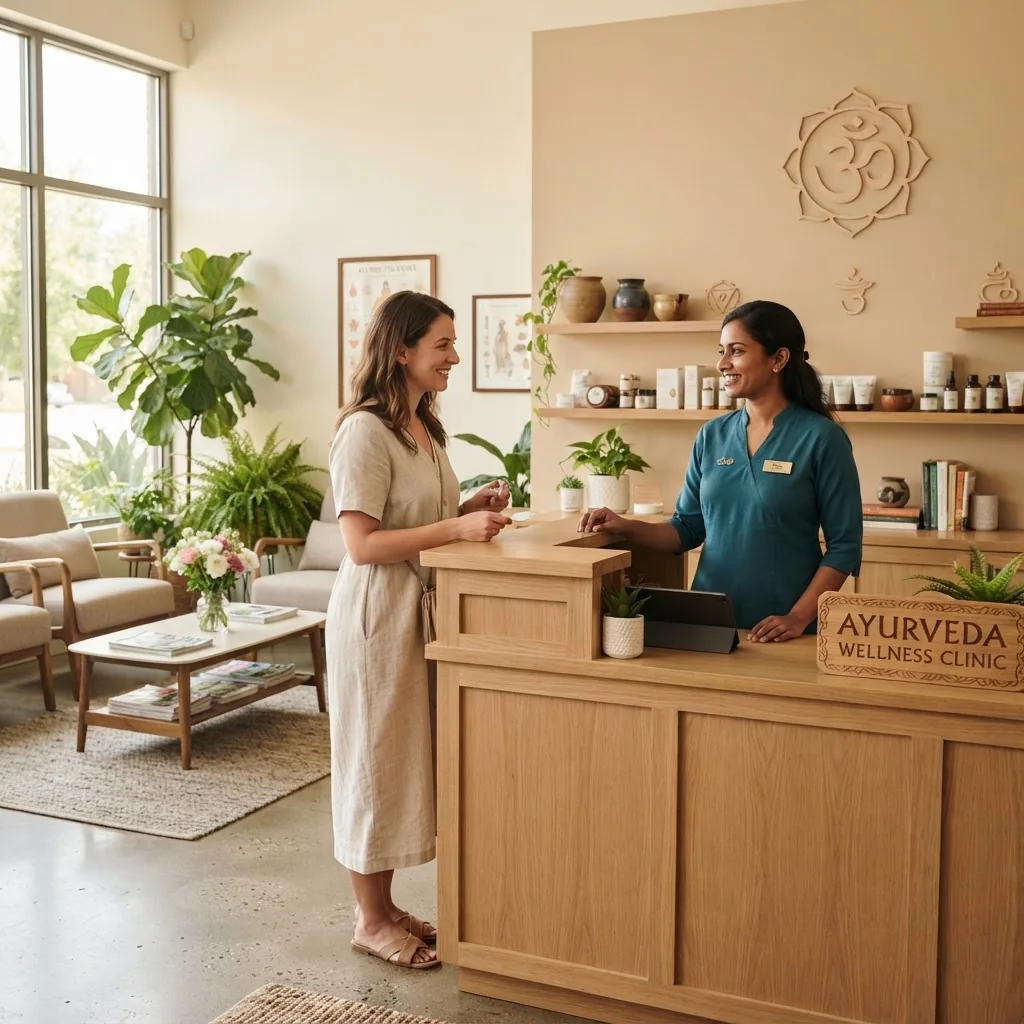
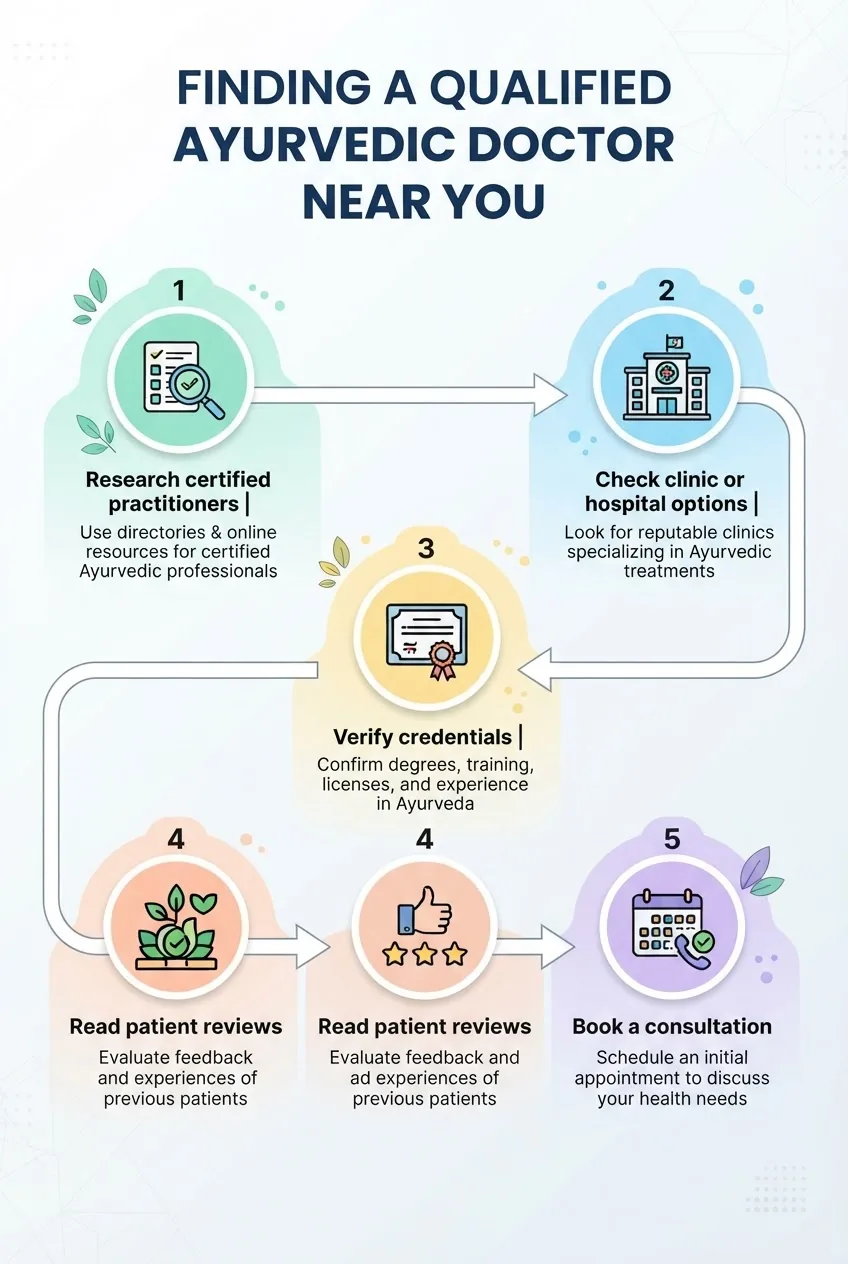
- Start with verified professional listings. Search national or state AYUSH registers where available and local clinic directories. Use clinic websites, professional registries and healthcare platforms that list AYUSH-certified practitioners.
- Check clinic type and services offered. Identify if the clinic is a private Ayurvedic practice, a Panchakarma centre, or an integrated hospital offering multi-disciplinary care (see comparison table below).
- Read patient reviews and testimonials. Look for consistent themes (scheduling ease, practitioner communication, treatment outcomes). Prioritize verified reviews over anonymous praise.
- Verify credentials and training. Confirm degrees (e.g., BAMS), local registration, and any postgraduate training. For online verification, consult regulatory sites.
- Confirm medicine and pharmacy availability. Ask if the clinic dispenses prescribed Ayurvedic medicines, sources herbs from GMP-certified manufacturers, and provides quality assurance reports.
- Ask about consultation formats and costs. Confirm whether the clinic offers in-person exams with pulse diagnosis, teleconsultations for follow-up, and clear pricing for initial consult and typical therapies.
- Book an initial consultation and prepare questions. Use the consultation to assess communication style, diagnostic approach, and whether the doctor offers a personalized plan with measurable goals.
Useful search anchors: “ayurvedic doctor near me,” “ayurvedic clinic near me,” and “ayurvedic hospital” combined with your suburb or postcode yield local results and map listings. If you prefer broader wellness settings, try Find Ayurveda center near me for wellness.
Transition: After identifying candidates, compare clinic types to match your needs—outpatient therapy, intensive Panchakarma, or integrated hospital care.
What types of Ayurvedic clinics and hospitals are offered near me?
Answer: Local Ayurvedic services typically include single-practitioner clinics, specialty Panchakarma centres, wellness and spa-style clinics, and Ayurvedic departments within larger hospitals—each differs in scope, oversight, and suitability for acute versus chronic care.
| Type | Services | Pros | Cons |
|---|---|---|---|
| Private Ayurvedic clinic | Consultations, herbal prescriptions, minor therapies, follow-ups | Personalized care, continuity with one practitioner | Limited inpatient or intensive detox facilities |
| Panchakarma / Detox centre | Full Panchakarma packages, therapeutic massages, supervised detox | Intensive, structured programs with on-site monitoring | Higher cost, requires time commitment |
| Wellness / spa-style centre | Relaxation therapies, basic herbal treatments, short packages | Comfortable setting, good for stress relief | May lack deep clinical expertise for chronic disease |
| Ayurvedic hospital / integrated centre | Inpatient care, multidisciplinary teams, diagnostic labs | Best for complex cases and co-ordinated care with conventional medicine | Less personalized one-on-one time; larger institution protocols |
Use the comparison to match your goal: choose a clinic for ongoing chronic care, a Panchakarma centre for structured detox, a wellness centre for stress and relaxation, or an integrated hospital if you need medical oversight. Transition: next, learn the common treatments you’ll encounter locally.
What common Ayurvedic treatments are available locally?
Answer: Common local Ayurvedic treatments include herbal medicine, Panchakarma detox procedures, therapeutic massage, Shirodhara oil therapy, internal herbal formulations, and lifestyle/diet prescriptions tailored to the patient’s dosha and condition.
Term: Panchakarma — a set of five classical Ayurvedic cleansing procedures (including Vamana, Virechana, Basti, Nasya and Raktamokshana) designed to remove deep-seated toxins under supervision.
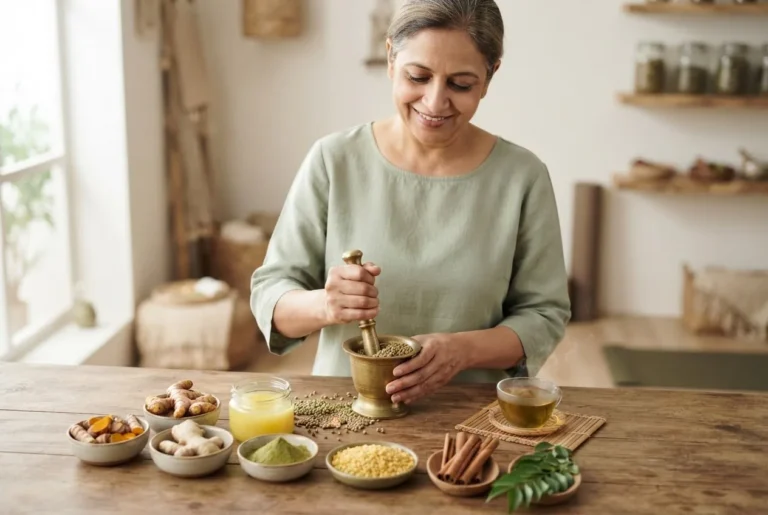
- Herbal therapy (Rasayana and classical formulations): Prescribed single herbs or proprietary combinations to address digestion, immunity, inflammation and metabolic balance.
- Panchakarma (detoxification): Multi-day programs using preparatory oleation, internal cleanses, and elimination therapies to reset digestion and metabolism.
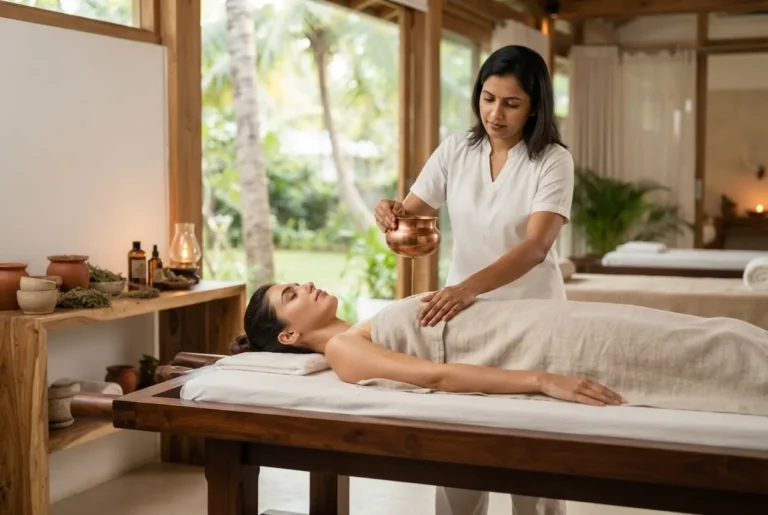
- Shirodhara: A calming therapy where warm medicated oil flows on the forehead to aid stress, sleep and neurological balance. Term: Shirodhara — forehead-stream therapy used for calming the nervous system.
- Abhyanga (therapeutic oil massage): Daily medicated oil massage to improve circulation and reduce vata-related stiffness.
- Nasya and Kati Basti: Localized oil therapies for sinus, head and lower-back conditions.
- Diet and lifestyle prescriptions: Individualized meal plans, routines, and behavioural adjustments aligned with dosha balance.
Clinical evidence: systematic reviews have found positive signals for specific Ayurvedic interventions in chronic conditions such as osteoarthritis and IBS, though evidence strength varies; see peer-reviewed reviews for details. For example, a 2022 peer-reviewed review in a clinical journal summarized efficacy signals and safety data for classical formulations and Panchakarma protocols — consult primary studies when assessing a treatment plan. Read a peer-reviewed review.
For deeper protocols on detox and Panchakarma, read our Complete Ayurveda detox and Panchakarma guide. For locating massage therapies like Shirodhara, see Locate Ayurveda massage and Shirodhara therapy.
Transition: Understanding treatments helps you prepare for your first visit—next section outlines that visit step-by-step.
What should I expect during my first Ayurveda consultation?
Answer: Expect a thorough intake—medical history, lifestyle, diet, pulse and tongue diagnosis—followed by a personalized treatment plan with medicines, therapies, diet guidance and scheduled follow-ups; first visits commonly last 45–90 minutes depending on complexity.
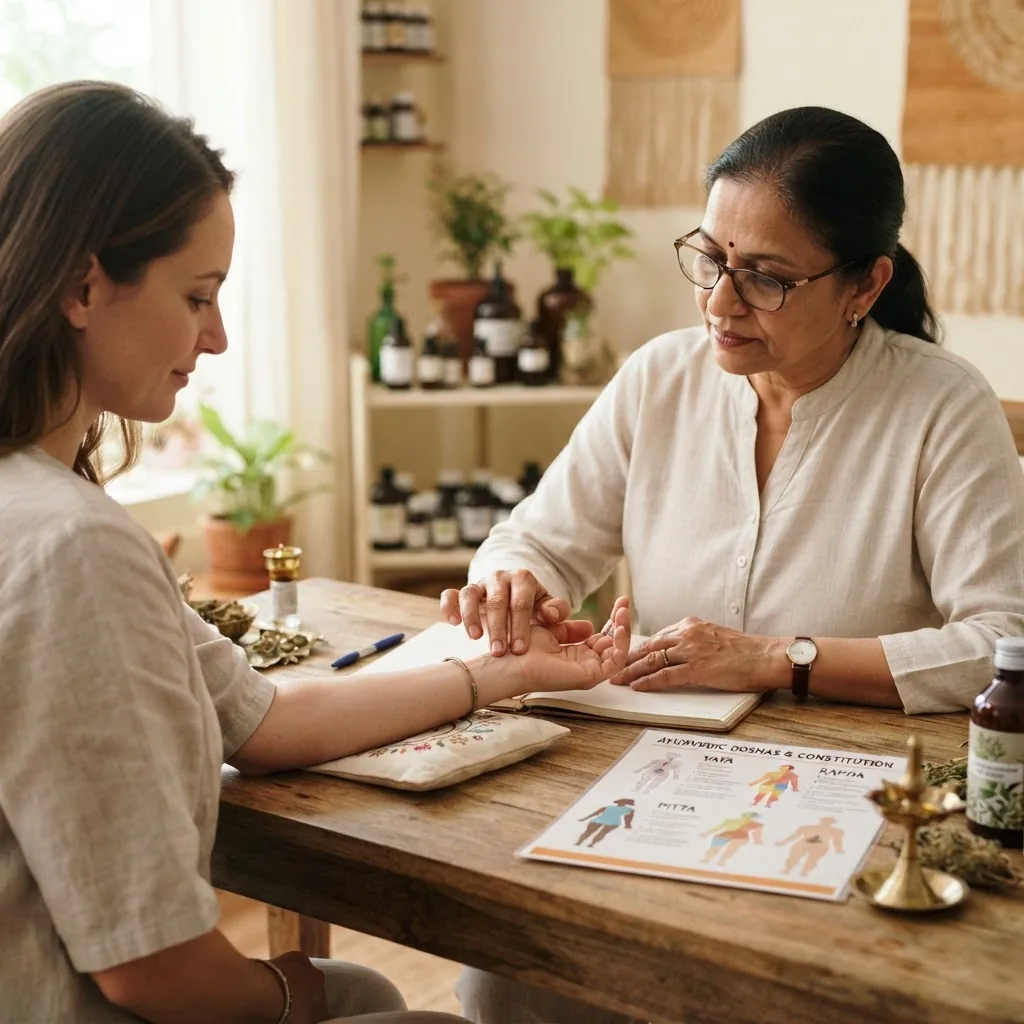
Step-by-step walkthrough (what happens):
- Pre-consultation form: You may complete a health questionnaire covering symptoms, medical history, medications, diet, sleep and stress—this frames the consultation.
- Initial discussion (10–20 mins): The doctor asks targeted questions to clarify history, severity, and treatment goals.
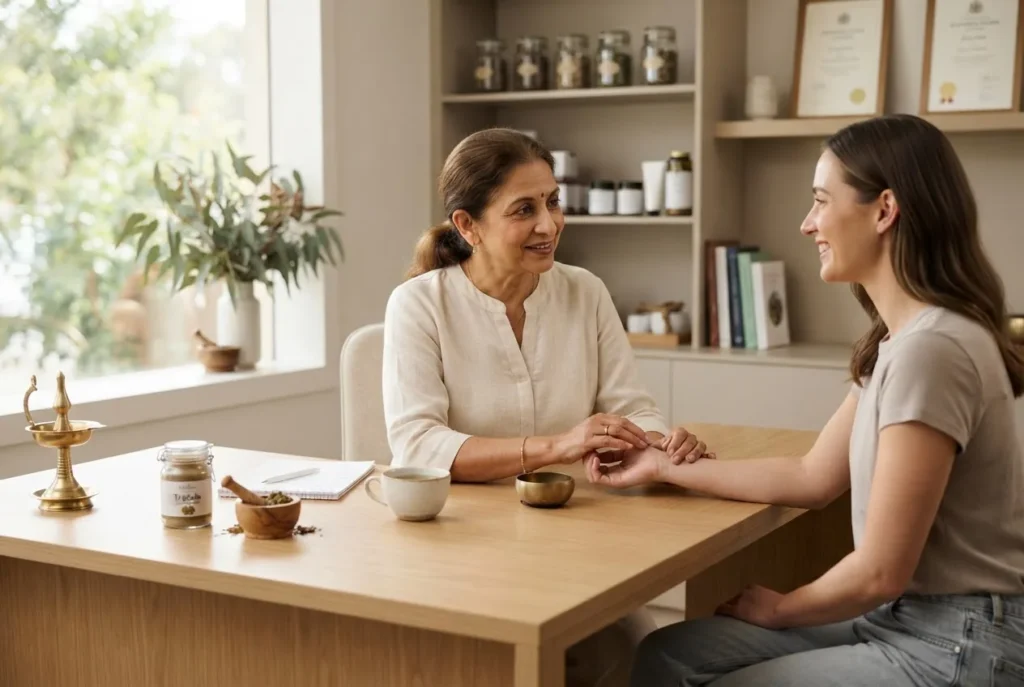
- Pulse diagnosis (Nadi Pariksha): The practitioner takes your radial pulse to assess dosha balance and systemic state—this is a classical diagnostic method used alongside questions and observation.
- Tongue and physical exam: Visual observation of tongue, nails, skin and specific palpation to identify signs of imbalance.
- Diagnosis and explanation: The doctor explains dosha findings, underlying patterns, and how they relate to symptoms in plain language.
- Personalized treatment plan: Written plan with medicines, therapies (e.g., Abhyanga, Shirodhara), diet, daily routine, expected timeline, and follow-up schedule.
- Consent and safety briefing: Risks, expected side effects, and medication interactions (especially with conventional drugs) are discussed.
- Follow-up booking: Clear next steps for in-person therapies or teleconsultation follow-ups are arranged.
Practical tips: bring a current medication list, recent lab results, and a clear statement of your goals. Typical first-consult fees vary by clinician experience and location—see the cost section later for ranges.
Transition: Knowing what to expect is vital, but verifying credentials and clinic quality ensures safety—see the next section for practical checks.
How do I verify Ayurvedic doctor credentials and clinic quality?
Answer: Verify practitioner education (e.g., BAMS or equivalent), national or state AYUSH registration, clinic licensing, adherence to good manufacturing practice for medicines, and check for professional memberships and transparent patient-safety policies.
Term: AYUSH — a government department or regulatory authority in some countries (e.g., India) responsible for traditional medicine systems including Ayurveda, Yoga, Unani, Siddha and Homeopathy.
Checklist to verify quality:
- Confirm academic credentials and licenses (ask to see certificate or registration number).
- Check registration with local AYUSH authority online or via the clinic—this confirms recognized training.
- Ask about clinic sanitation, emergency procedures, and infection control policies.
- Verify medicine sourcing: ask for GMP certification or batch testing for herbal formulations.
- Look for clear informed consent forms and documented follow-up plans.
- Check for complaints or disciplinary records with regulatory bodies.
Government resource: many countries publish practitioner registries—consult the national AYUSH or equivalent authority to confirm registration. AYUSH official site provides regulatory and training information. For training options and certification context, see Ayurveda certification and training courses.
Regulatory note: According to a 2023 AYUSH report (government report), practitioner registration and standardised curricula are primary levers for patient safety and professional accountability. Always consult licensed professionals and report adverse events to the relevant authority.
Transition: Once credentials and clinic quality are verified, confirm how medicines are dispensed near you—details follow.
Where can I get Ayurvedic medicine near me and what are the guidelines?
Answer: Ayurvedic medicines are available through clinic pharmacies, certified dispensaries, and licensed online pharmacies; always obtain prescribed formulations from reputable sources with GMP certification and batch testing to ensure authenticity and safety.
Clinics often dispense their own preparations or supply medicines from certified manufacturers. Over-the-counter herbal supplements are widely available, but clinical prescriptions should be provided by a registered Ayurvedic doctor after assessment.
For patients wanting detailed background on herbal formulations, see the pillar resource Ayurvedic Supplements and Herbal Medicine Explained Guide.
Quality assurance checklist for purchasing Ayurvedic medicine locally:
- Buy from registered clinic pharmacies or licensed dispensaries.
- Request manufacturer details and batch numbers for single-herb and compound formulations.
- Prefer products with Good Manufacturing Practice (GMP) certification and third-party testing.
- Avoid self-prescribing proprietary mixtures without a clinician’s evaluation.
Safety reference: for evidence summaries about herbal medicine efficacy and risk profiles, consult peer-reviewed sources and trusted healthcare sites. For general guidance on complementary medicine standards, see the NHS overview on complementary therapies: NHS: Complementary and alternative medicine.
Transition: With medicines and clinics understood, the next section helps you choose the best practitioner and treatment for your goals.
How do I choose the right Ayurvedic treatment and practitioner?
Answer: Match practitioner experience and clinic type to your goals, check communication and treatment transparency, compare costs and timelines, confirm compatibility with your lifestyle, and prioritise safety and credential verification.
Use this practical checklist when choosing:
- Define your goals: symptom relief, chronic disease management, weight loss, stress reduction or detox—clarify outcomes and timelines.
- Match clinic capabilities: choose Panchakarma centres for detox programs, hospitals for complex cases, clinics for ongoing care.
- Evaluate experience: years of practice, case types handled, and patient testimonials matter more than marketing language.
- Assess communication: good practitioners explain rationale, expected results and alternatives clearly.
- Compare treatment cost and duration: ask for itemised pricing for consultations, therapies and medicines.
- Confirm integration approach: if you take conventional medications, ensure the Ayurvedic doctor coordinates with your GP or specialist.
- Dietary support: confirm whether diet plans are included—see our Ayurvedic diet principles for wellness for nutrition context and Ayurvedic diet tips for weight management when weight loss is the goal.
Case example (anonymized): Patient A, a 48-year-old with chronic digestive issues, improved symptom frequency by 60% after a 12-week plan combining herbal formulations, dietary shifts and two short Panchakarma cycles—monitored with labs and coordinated with a gastroenterologist.
Trust tip: prioritise transparent pricing, documented plans, and multidisciplinary collaboration when choosing a practitioner.
Transition: Many patients ask how Ayurveda fits with modern medical care—next section explains safe integration.
How can I integrate Ayurvedic care with conventional medicine?
Answer: Integrate by sharing full medical history and medications with both clinicians, coordinating treatment plans, monitoring for interactions, and using Ayurveda as complementary care—never as a substitute in emergencies or for acute life-threatening conditions.
Practical integration examples:
- Co-managed chronic care: an Ayurvedic plan for lifestyle, diet and herbs can run alongside conventional medications, with scheduled lab monitoring for safety.
- Pre-/post-operative support: some hospitals use Ayurvedic protocols to support recovery; always inform surgical teams of herbal use prior to procedures.
- Medication interactions: certain herbs can affect blood thinners, liver enzymes or blood sugar—clinicians should check interactions before starting prescriptions.
Authority guidance: complementary medicine best-practice guidelines recommend open clinician communication, documented informed consent, and laboratory monitoring where herbs or procedures may affect physiological parameters — see an overview at the NHS page for coordination best practices: NHS complementary medicine guidance.
Safety reminder: Ayurveda should not replace emergency or acute medical care; if symptoms are severe (chest pain, shortness of breath, sudden neurological deficits), seek immediate conventional medical attention.
Summary and next steps
To find an ayurvedic doctor near me: prioritise verified credentials, match clinic type to your health goals, verify medicine sources, and book an initial consultation to confirm communication style and treatment plan. If you’re ready, schedule a verified consultation and ask for written plans and safety monitoring before starting therapy.
Final call-to-action: Start by shortlisting 2–3 AYUSH-registered practitioners, read verified reviews, and book an initial visit to compare approaches—take the first step toward personalised Ayurvedic care today.