By the end of this hands-on guide you will confidently lead yourself through five core breathing meditation practices, a progressive relaxation routine integrated with breath, and three ready-to-use guided exercises for immediate anxiety relief; plan 30–45 minutes to study and 5–20 minutes per daily practice, suitable for beginner to intermediate practitioners.
Introduction to Breathing Meditation
This section defines what breathing meditation is and shows how simple, repeatable breath skills—the basis of breath awareness and mindful breathing meditation—produce rapid calming effects. You’ll learn breath as an anchor, how to notice respiration without changing it, and how to link attention to breath to reduce tension and build a reliable mindfulness practice for stress relief.
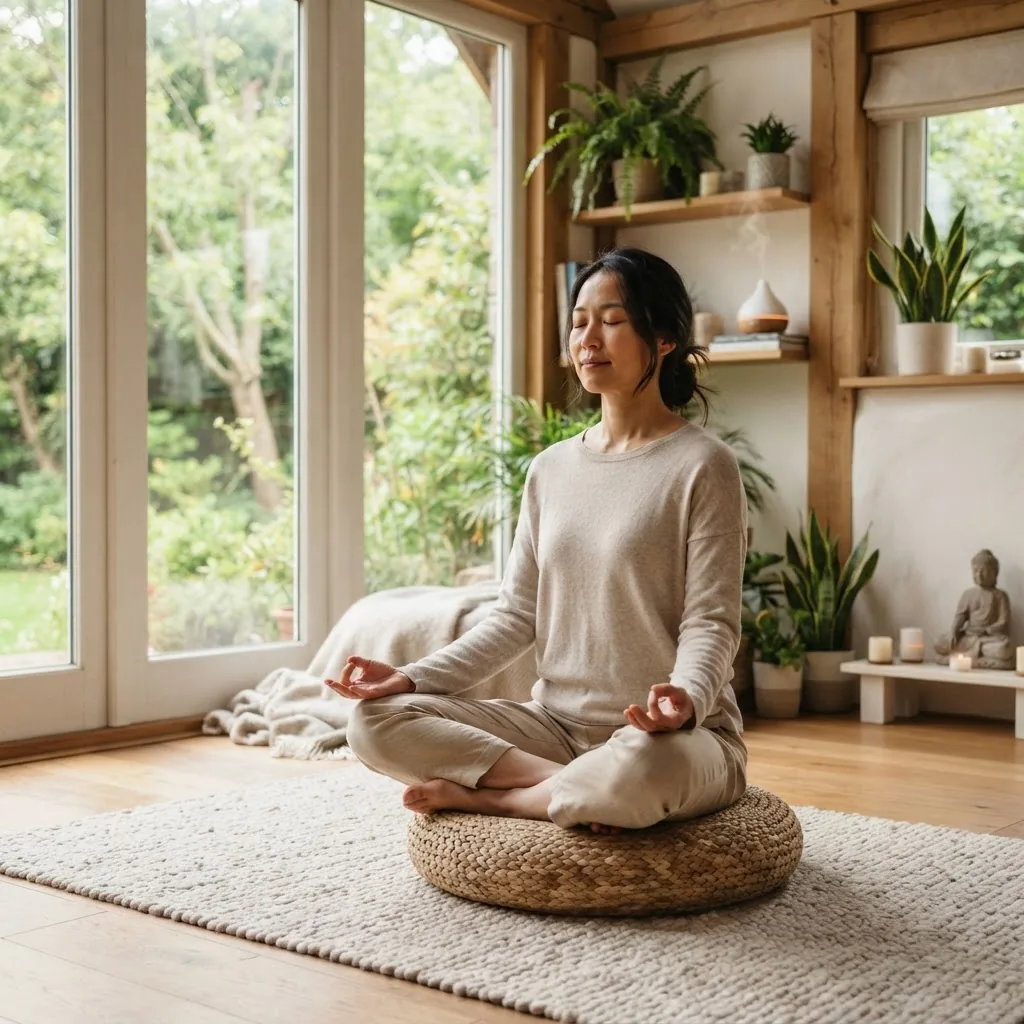
Before you begin, consider this guide a practical toolkit: each technique includes precise timings, posture notes, and trade-offs for different anxiety levels. If you want a complementary set of movement and grounding options, see mindfulness exercises for anxiety to pair with breathing practice.
The Science and Benefits of Breathing Meditation
Breathing practices directly influence the autonomic nervous system, encouraging a relaxation response—a measurable down-regulation of stress physiology. Shifts in heart rate variability, decreased cortisol reactivity, and improved subjective anxiety scores are reported across clinical and population studies. These mechanisms explain how simple breathing interventions produce robust stress reduction and anxiety relief.
Key evidence highlights:
| Benefit | What research shows |
|---|---|
| Reduced anxiety symptoms | Meta-analyses report clinically meaningful reductions in self-reported anxiety after regular breathing practice over 4–8 weeks. |
| Improved autonomic balance | Increases in heart rate variability (HRV) reflect parasympathetic activation during paced breathing. |
| Faster relaxation | Simple 5–10 minute guided breathing lowers perceived stress and physiological arousal in minutes. |
For broader tools that pair well with these breathing methods, consult advanced stress relief tools. For a deeper dive into the general effects of meditation on mood and cognition, see mental health benefits of meditation.
Specific authoritative sources: According to a 2024 review published in a peer-reviewed journal, paced-breathing protocols consistently show moderate effects on anxiety measures when practiced daily for at least two weeks. This review summarizes randomized and controlled trials. The Mindful Awareness Research Center lays out practical breath-awareness curricula useful for clinicians and teachers: UCLA MARC. Public health guidance on stress reduction including breathing practice is available from government health bodies: CDC mental health resources.
Key Breathing Meditation Techniques Explained
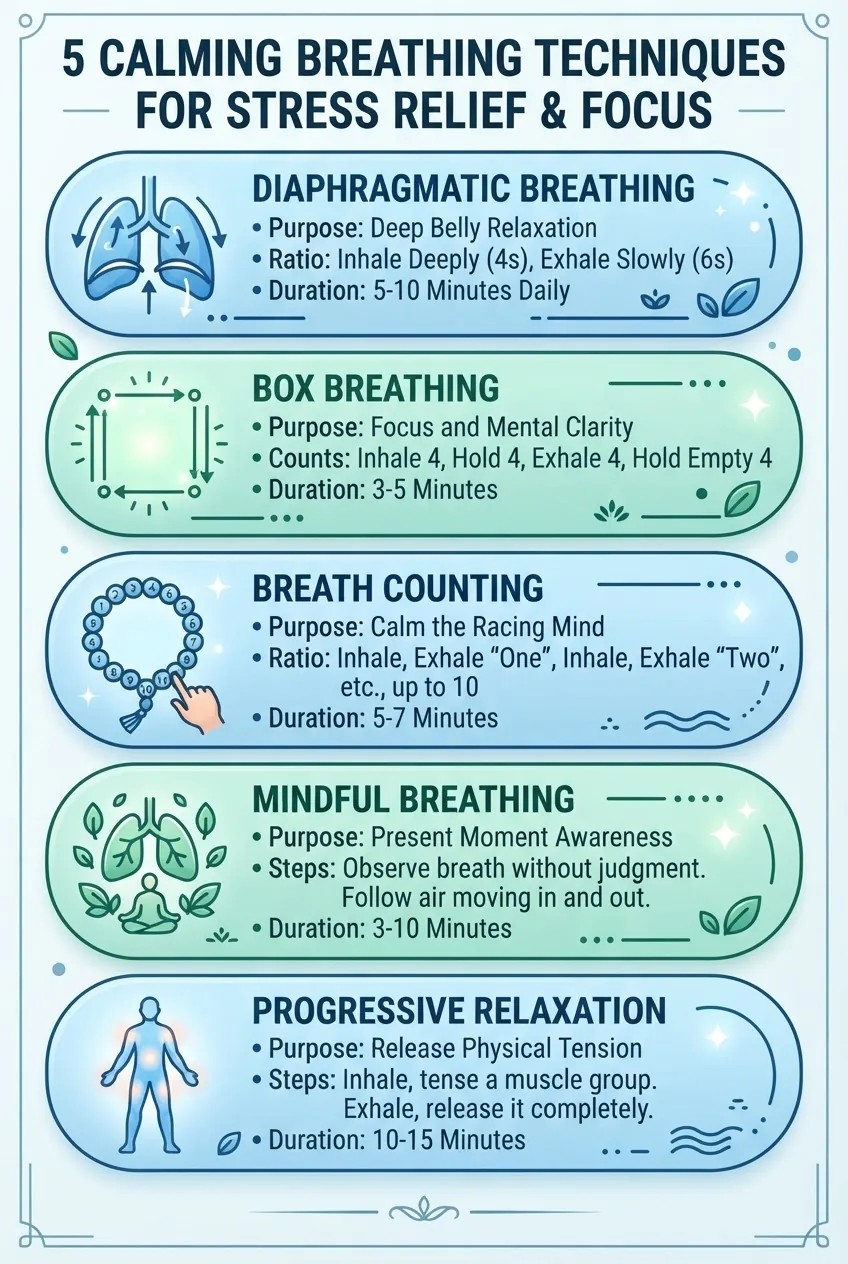
Below are five core methods you will practice. Each is presented as a step-by-step routine with exact counts, posture notes, and recommended durations. Start with 5 minutes per technique, progress to 10–20 minutes as comfort grows.
-
Practice diaphragmatic breathing — Lie or sit with spine neutral. Place one hand on your chest and one on your belly. Inhale for 4 seconds through the nose, feel the belly rise; exhale for 6 seconds through the mouth. Repeat for 5–10 minutes. Focus: fuller breaths, increased abdominal movement.
Why: diaphragmatic breathing recruits the diaphragm to increase oxygenation and stimulate the vagus nerve, improving HRV and calming the autonomic nervous system.
-
Use box breathing technique — Sit upright. Inhale (count 4), hold (count 4), exhale (count 4), hold (count 4). Repeat cycle for 4–8 rounds (~2–5 minutes) and extend to 5–10 minutes as tolerated. Keep breaths gentle and even.
Why: The box breathing technique provides structure for breath pacing and is effective for acute stress because it balances oxygen and CO2, stabilizing the autonomic response.
-
Do breath counting meditation — Sit comfortably. On each inhale count silently “one,” on exhale “two,” continue up to five then restart. If your mind wanders, note it and return to “one.” Start with 5 minutes and build to 15 minutes.
Why: breath counting meditation trains sustained attention and reduces rumination by linking the counting task to breath cycles.
-
Practice mindful breathing meditation — Adopt a relaxed upright posture. Attend to breath sensations at nostrils and chest for 10 minutes. When thoughts arise, label them (“thinking”) and return to breath. Use a soft, non-judging tone toward experience.
Why: mindful breathing meditation cultivates breath awareness and meta-awareness, reducing automatic reactivity to stressors and enhancing clarity.
-
Integrate breath with progressive relaxation — Move through 12 muscle groups from toes to scalp. Inhale and tense a group for 4–6 seconds, exhale and release fully for 8–10 seconds; observe breath deepen as tension fades. Total routine: 10–20 minutes.
Why: This progressive relaxation meditation marries muscle release to breathing patterns, accelerating the relaxation response and relieving chronic muscular tension.
Progressive Relaxation Meditation: Combining Breath and Muscle Relaxation
Progressive relaxation is the practiced method for sequentially releasing muscle tension while coordinating breath to deepen relaxation. The routine below gives precise timing and posture cues so you can practice safely and effectively at home or during breaks.
-
Step 1 — Get set up (2 minutes)
Sit or lie in a quiet place. Remove constrictive clothing. Have a pillow under knees if lying. Aim for a room temperature of 20–22°C and dim light. Time: 2 minutes to orient.
-
Step 2 — Establish diaphragmatic rhythm (3 minutes)
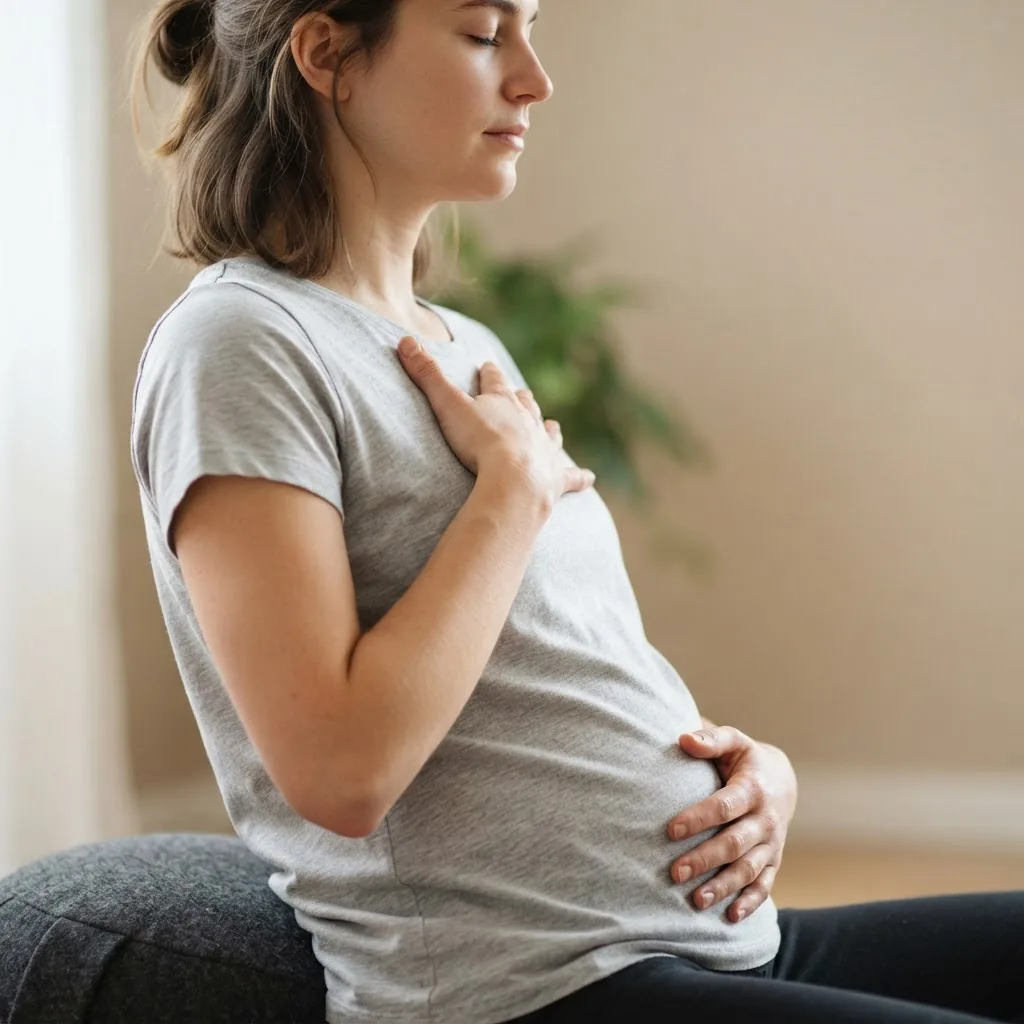
Place one hand on belly and one on chest. Inhale 4 seconds through the nose; exhale 6 seconds through the mouth. Repeat 6 cycles. This primes the breath for coordinated muscle work.
-
Step 3 — Tense and release sequence (10–15 minutes)
Work through the following groups: feet, calves, thighs, pelvis, lower back, abdomen, chest, hands, forearms, upper arms, shoulders/neck, face. For each group:
- Inhale gently for 4 seconds while tensing the group hard but not painful.
- Hold the tension and breath for 2 seconds.
- Exhale for 8–10 seconds and fully release the muscle, imagining breath carrying tension out.
- Rest for 6–10 seconds noticing the difference.
Repeat 1–2 passes depending on fatigue. Watch for lightheadedness; if it occurs, rest and normalize breath with slow diaphragmatic cycles.
-
Step 4 — Seal with mindful breathing (3–5 minutes)
Sit quietly and rest attention on the breath for 3–5 minutes. Notice the sense of release. If anxiety rises, return to 4:6 breathing for one minute then resume observation.
Integration tips: practice this sequence 3–5 times per week when learning, reduce to daily 10-minute maintenance sessions when integrated. Combine progressive relaxation days with short mindful breathing on off-days for balanced recovery.
Guided Breathing Exercises for Different Needs
Below are practical guided practices you can use immediately: an acute anxiety 3–minute routine, a 10-minute calming sequence for pre-sleep, and a focused 5-minute breath-counting reset. Each exercise includes explicit timings and cues for clarity.
-
3-minute emergency calming breath (short meditation for anxiety)
Use when heart races or anxiety spikes.
1) Sit or stand with a straight back. 2) Inhale quietly for 4 seconds through the nose. 3) Exhale slowly for 8 seconds through pursed lips. 4) Repeat for 6 cycles (approx. 3 minutes). 5) Finish with two normal breaths and check body tension.
Notes: This method reduces sympathetic arousal quickly; do not force breath depth if you have respiratory issues.
quick 2-minute guided meditations are alternatives when only a short pause is available.
-
5-minute focus reset (breath counting and posture)
Use during work breaks to re-center attention.
1) Sit with feet grounded. 2) Close eyes lightly. 3) Inhale and count “one,” exhale “two” up to five then restart. 4) If mind wanders, note “wandering” then return. 5) Continue for 5 minutes. End with one deep diaphragmatic breath.
3-minute mindfulness meditation provides a compact alternative.
-
10-minute evening wind-down (calming breath + progressive relaxation)
Use before bed to reduce hyperarousal.
1) Lie on your back. 2) 1 minute diaphragmatic breathing (4 in / 6 out). 3) 7 minutes progressive relaxation, moving quickly through major muscle groups with 4s tension / 8s release. 4) 1 minute soft mindful breathing noticing sensations. Time: 10 minutes.
mindfulness breathing exercises can extend this into a sleep routine.
-
Alternate nostril calming (optional advanced option)
Use when you are comfortable with basic breath control. 1) Sit upright. 2) Close right nostril with thumb; inhale left for 4. 3) Close left with ring finger; exhale right for 4. 4) Inhale right 4, switch, exhale left 4. Repeat for 5 minutes. Stop if dizzy.
Notes: This is energising for some and calming for others; test during neutral moments.
Tips for Developing a Regular Breathing Meditation Practice
Consistency beats intensity. Use these practical tips to turn short sessions into a daily habit and increase the benefits over time.
- Set a minimum target: 5 minutes daily for 21 consecutive days to establish habit momentum; increase to 10–20 minutes as comfort grows.
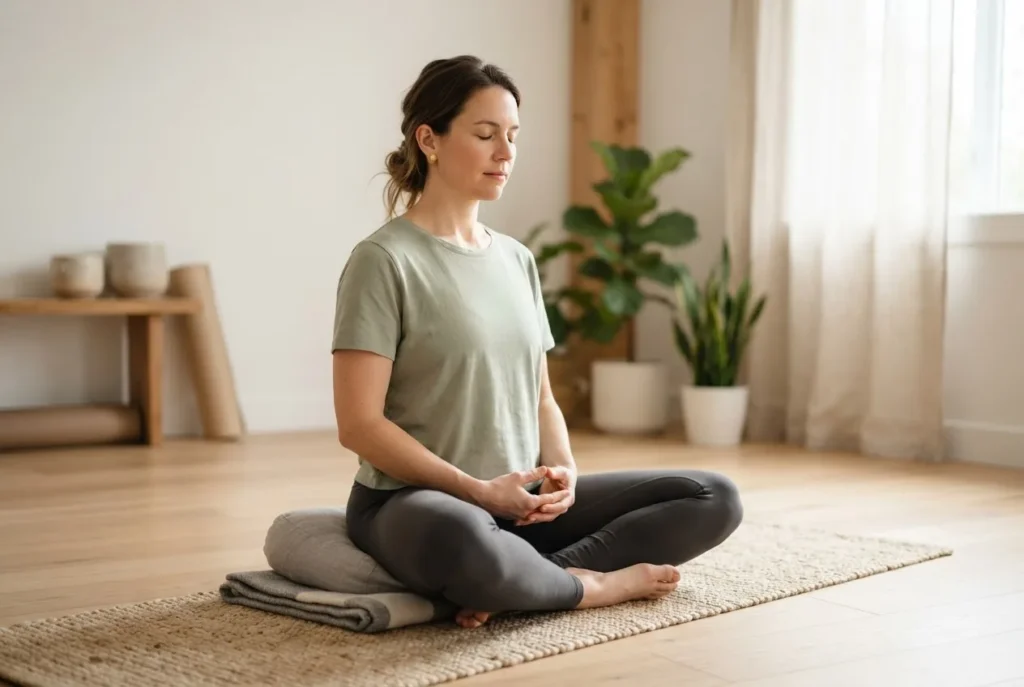
- Create a dedicated space: a cushion or chair by a window with a small timer. Keep the space available only for practice to build contextual cues.
- Anchor practice to routine: pair breath practice with an existing habit—after brushing teeth or before morning coffee—to reduce decision friction.
- Track practice: log time and technique. Aim for 3 sessions weekly across two techniques initially (e.g., diaphragmatic breathing + mindful breathing).
- Handle distractions: use timed, device-free windows. If interrupted, label and return to breath; tolerate short sessions rather than none.
- Combine with movement: pairing with gentle yoga increases interoceptive awareness. For program ideas, see 30 day yoga challenge for stress reduction and resources on yoga for anxiety relief.
Troubleshooting Common Challenges in Breathing Meditation
Below are typical problems and concrete fixes based on clinical and teaching experience.
- Problem: Difficulty focusing. Solution: Shorten sessions to 2–3 minutes of breath counting, add a tactile anchor (hand on belly), then slowly increase duration.
- Problem: Breath irregularity or dizziness. Solution: Return to natural diaphragmatic breathing (4s in / 6s out) and stop breath retention; practice seated until normalization.
- Problem: Anxiety increases during practice. Solution: Use grounding (5 senses checklist) and shorter, paced breathing; consider professional support if panic persists. See counseling for anxiety.
- Problem: Physical discomfort (e.g., chronic pain). Solution: Adjust posture, reduce session length, and consult a clinician before progressive tension routines. Discuss pharmacological management where relevant; review anti-anxiety medication with a prescriber when necessary.
- Problem: Inconsistency. Solution: Commit to a small daily minimum and tie practice to existing routines; use an accountability partner or short guided tracks.
Common mistakes and how to avoid them
I often see people try to force deep breaths immediately; that creates tension and dizziness. Instead, I teach gradual pacing: begin with 4:6 diaphragmatic cycles, then add structure like box breathing after two weeks. I also noticed people skip short daily sessions; I recommend a 5-minute minimum logged every day for three weeks to build consistency.
Checklist before and after practice
- Set timer: 5 / 10 / 20 minutes depending on technique.
- Posture: back straight, shoulders relaxed, feet grounded or knees supported.
- Breath pattern selected: diaphragmatic, box, or counting noted.
- Environment: quiet, comfortable temperature (20–22°C).
- After practice: rate anxiety 1–10 and note one bodily change (e.g., slower breath, less tension).
When to call a professional
If breathing exercises consistently provoke panic, chest pain, fainting, or significant shortness of breath—stop practice and contact your GP or a mental health clinician. For medication questions or serious anxiety syndromes, consult specialists and consider evidence-based therapies; for urgent clinical advice, use licensed care.
Conclusion and Next Steps: Integrating Breathing Meditation into Your Life
You now have practical, timed routines for five breathing techniques, a full progressive relaxation protocol, and three guided exercises for immediate and ongoing anxiety management. Start with daily 5–10 minute sessions, log outcomes, and slowly increase to 20 minutes. Keep experimenting: pair breathing with movement, sleep routines, or short workplace resets.
Case example: A client reduced weekly panic attacks from three to one within six weeks by practicing a 3-minute emergency calming breath twice daily plus two 10-minute progressive relaxation sessions per week. This pragmatic combination eased both autonomic reactivity and muscle tension.
Next step: pick one short exercise from the Guided Breathing section and practice it twice daily for one week. If you need ultra-short scripts for micro-breaks, see quick 2-minute guided meditations. For ongoing progression, pair breathing work with structured movement programs such as a 30 day yoga challenge for stress reduction.