What you will achieve: By the end of this hands-on guide you will be able to identify, evaluate, select and safely use premium herbal treatments and high-grade plant-based herbal supplements for targeted health goals. Expect to spend 4–8 hours learning and applying the evaluation steps; ongoing monitoring takes weeks. Skill level: intermediate (some health literacy, no lab experience required).
This guide is written as a practitioner-to-practitioner manual so you can take immediate, practical steps—harvested from clinical practice, lab protocols and certified sourcing frameworks.
Before you start
- Prerequisites: basic understanding of herbal names and current medications list.
- Tools & materials: magnifying loupe (10x), digital scale (0.01 g), notebook, access to product Certificate of Analysis (CoA), and a consultation channel with a certified naturopath or pharmacist.
- Data access: internet access to read CoAs, pharmacopeial monographs, and peer-reviewed studies (PubMed or equivalent).
- Time: 4–8 hours to evaluate two products fully (sourcing, CoA review, bioavailability assessment, risk check).
Understanding Premium Herbal Treatments
This section explains what makes a herbal product “premium” and situates quality in clinical use. Think of a premium herb like a single-origin coffee — consistent terroir, careful processing and a transparent lab report that shows what’s actually in the cup. Here we define standards, show examples, and link foundational reading.
Definition: a premium herbal treatment combines high-grade raw plant material (organic or responsibly wildcrafted), controlled extraction and formulation (to preserve active phytochemicals), third-party verification (Certificate of Analysis), and good manufacturing practices (GMP). Premium does not only mean higher price — it means measurable phytochemical potency, reproducible dosing, and sustainable sourcing.
Why this matters clinically: potency and consistency affect both efficacy and safety. For example, standardized extracts where a key phytochemical is quantified allow predictable dosing; whole-plant preparations can offer synergy but are harder to standardize. You need both concepts in your toolkit.
Quick example: an anti-inflammatory herbal product standardized to 10% curcuminoids (turmeric extract) will produce more consistent plasma exposure than a bulk turmeric powder at variable curcumin levels. In practice, I chose a 10% standardized turmeric extract for a patient with inflammatory arthralgia and saw a meaningful symptom reduction within six weeks when combined with diet changes and physical therapy.
For foundational background on broad supplement uses, see the Herbal Supplements Guide with Benefits and Natural Medicine Uses.
Transition: with that framing, we now examine the defining characteristics of plant-based supplements so you can differentiate extraction methods, dosage forms and measurable markers of quality.
Key Characteristics of Plant-Based Herbal Supplements
Below are the practical characteristics I check for every premium botanical product. Each point includes what to look for, why it matters, and quick checks you can do without a lab.
- Botanical identification and nomenclature: Confirm Latin binomial, part used (root, leaf, flower), and chemotype. Mislabelled species are common; require Latin name on label.
- Source and provenance: Prefer organic certification or documented responsible wildcrafting regions with harvest dates. Ask suppliers for harvest batch numbers.
- Extraction method (solvent, ratio, and strength): Extracts are typically water, ethanol, glycerin or CO2; solvent choice affects what phytochemicals are extracted. CO2 is ideal for non-polar constituents; 50–70% ethanol extracts a broader spectrum. Check extraction ratio (e.g., 4:1) and solvent concentration.
- Standardization: Look for standardized extracts (e.g., 10% standardized curcuminoids, 4% standardized bacosides). Standardized extracts indicate quantified active phytochemicals and are essential for reproducible dosing.
- Whole herb vs standardized extract: Whole herb offers broader phytochemical diversity; standardized extract targets a specific constituent. Choose based on clinical goal — e.g., standardized glycyrrhizin for consistent adrenal support vs whole licorice for synergistic GI benefits.
- Dosage form: Capsules, tinctures, teas, powders have very different bioavailability profiles—see capsule vs tincture vs tea discussion below.
- Bioavailability enhancers: Some products include piperine, phospholipid complexes (phytosome), or nanoparticle technologies to boost absorption. Evaluate risk-benefit and interactions (piperine affects drug metabolism).
- Third-party testing: Certificates of Analysis (CoAs), heavy metal screens, microbiology and pesticide screens are minimum requirements for premium products. I look for batch-specific CoAs covering identity, potency and contaminants.
- Stability and shelf-life: Check expiration dates, storage recommendations (e.g., refrigerated after opening for tinctures), and antioxidant protection for oils and extracts.
- Formulation synergy and excipients: Premium products avoid unnecessary fillers; excipients should be listed and clinically acceptable for the patient (e.g., vegan capsules vs gelatin).
Additional reading on dosage forms and product classes is available in the botanical dietary supplements guide. For more on capsule options see capsule-form herbal supplements.
Practical note on extraction (analogy): consider extraction like brewing coffee. A short hot-water steep (tea) extracts different compounds than a long cold maceration (tincture). Ethanol acts like espresso — pulls out oils and alkaloids that water misses.
Transition: with product characteristics understood, next we map common premium treatments to clinical uses and compare dosage forms for real-world selection.
Common Types of Premium Herbal Treatments and Their Uses
This section lists commonly used premium herbal categories, their active phytochemicals, evidence-informed uses, and a practical comparison of tinctures, capsules and teas for each. For deeper herb profiles, see the top medicinal herbs.
| Category | Common Herbs (examples) | Key Phytochemicals | Clinical Uses | Preferred Dosage Form |
|---|---|---|---|---|
| Adaptogens | Ashwagandha, Rhodiola, Eleuthero | Withanolides, rosavins, eleutherosides | Stress resilience, fatigue, HPA support | Standardized extract capsules or tinctures |
| Anti-inflammatory | Turmeric, Boswellia, Ginger | Curcuminoids, boswellic acids, gingerols | Arthritis, chronic inflammation, gut inflammation | Phytosome or piperine-enhanced extracts (capsules) |
| Immune-modulating | Echinacea, Astragalus, Medicinal mushrooms | Polysaccharides, caffeic acid derivatives, beta-glucans | Support during colds, immune resilience | Extracts (standardized) and tinctures |
| Nervines & sleep | Chamomile, Passionflower, Valerian | Apigenin, valerenic acids, harmala alkaloids | Sleep support, anxiety reduction | Teas for acute use; tinctures or standardized capsules for chronic use |
| Hepatoprotective | Milk thistle, Dandelion root | Silymarin flavonolignans, taraxasterol | Liver support, toxin clearance adjunct | Standardized extract capsules |
Notes on tincture vs capsule vs tea:
- Tea (infusion/decoction) — fast, gentle, best for polar constituents and acute use; lower concentration, variable dose. Brew 2–3 g herb per 250 mL water; decoct roots for 10–20 minutes.
- Tincture — concentrated liquid extract using alcohol/glycerin; higher extractability for both polar and non-polar compounds depending on solvent; approximate adult dosing 1–5 mL two to three times daily depending on extract strength (e.g., 1:5 50% ethanol).
- Capsule/tablet — convenient, often standardized; consider fill weight (e.g., 300–600 mg extract per capsule), and whether the product is an extract or powdered herb.
Clinical evidence examples:
– For chronic knee osteoarthritis, several randomized trials using standardized curcumin extracts at 500–1,000 mg/day showed symptomatic benefit (see peer-reviewed meta-analyses). PubMed is a good starting point for sourcing studies.
For specialized indications like oncology support, read targeted guides such as natural cancer herbal therapies and coordinate with oncology teams.
Transition: after selecting candidate herbs, quality verification and certifications confirm whether a product truly merits the “premium” label.
Quality Factors and Certification Standards of Premium Herbal Supplements
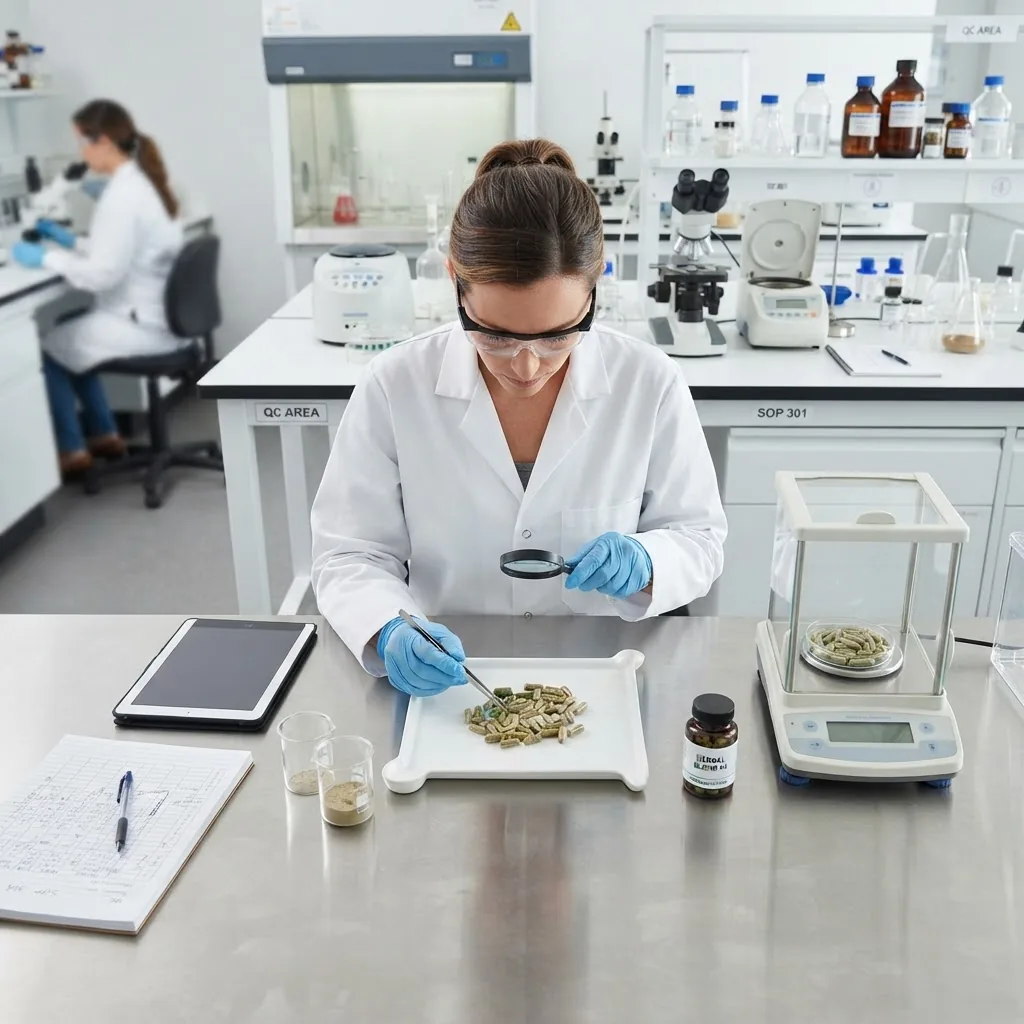
This section lists the objective quality criteria I enforce when selecting premium products, the certifications to expect, and the tests that appear on a CoA. Where relevant, I reference regulatory guidance.
Core quality components:
- Good Manufacturing Practices (GMP): facility audits, validated processes, traceability. Look for GMP certification on labels and supplier documentation. For regulatory context see the U.S. FDA’s dietary supplement GMP guidance FDA Dietary Supplements.
- Organic certification or documented wildcrafting standards: USDA/ACO/ACO-equivalent certifications reduce pesticide risk. Wildcrafted herbs require documentation of harvest area and sustainability practices.
- Batch-specific Certificates of Analysis (CoA): must include identity testing (HPTLC, LC-MS), potency (quantified active phytochemicals), heavy metals (lead, arsenic, cadmium, mercury), pesticide residues, residual solvents and microbial limits (total plate count, yeast & mold, E. coli, Salmonella).
- Pharmacopeial compliance: adherence to recognized monographs (e.g., WHO monographs, European Pharmacopoeia, United States Pharmacopeia) for identity and purity standards.
- Sustainability and traceability: chain-of-custody documentation, harvest maps and supplier audits demonstrating regenerative practices.
How I read a CoA — step-by-step walkthrough:
- Confirm batch number and date: match label batch to CoA batch number and harvest/analysis dates.
- Identity test: check HPTLC or LC-MS fingerprint. Ensure the test method and chromatogram are present; compare retention times to reference standard.
- Potency quantification: find exact mg/g or % of target phytochemical (e.g., 10% curcuminoids). If potency is missing, treat product as non-standardized.
- Contaminants: ensure heavy metals are <100% of regulatory limits (e.g., lead < 10 ppm depending on jurisdiction) and microbial counts are within pharmacopeial limits.
- Solvent/residual chemicals: verify solvents used in extraction are below ICH limits; a clear listing of solvents/levels is required for premium extracts.
- Certificate authenticity: confirm the lab is accredited (e.g., ISO/IEC 17025) and that the CoA is digitally signed or provided by a recognized third-party lab.
Mini case study — quality improvement example:
A clinic switched from a mass-market turmeric powder to a supplier providing 95% curcuminoid extract (phytosome-formulated) with batch CoAs. Within three months, patients titrated to 500 mg twice daily reported consistent pain relief and fewer GI complaints. Lab testing showed heavy metals reduced from measurable traces in powder to non-detectable in the extract, demonstrating the impact of sourcing and processing controls.
For readers interested in formal training on sourcing and identification, see herbal botany and quality training.
Regulatory context: in Australia reference the Therapeutic Goods Administration (TGA) for regulatory guidance on natural health products — see TGA. According to a 2024 industry report, demand for certified organic and third-party tested botanicals rose sharply, increasing the availability of batch CoAs (source: 2024 industry report).
Transition: with quality confirmed, next we cover safe selection, dosage and monitoring strategies.
How to Choose and Use Premium Herbal Treatments Safely
This section is a step-by-step safe-use workflow with a full checklist. It also includes legal scope guidance and tools to manage interactions.
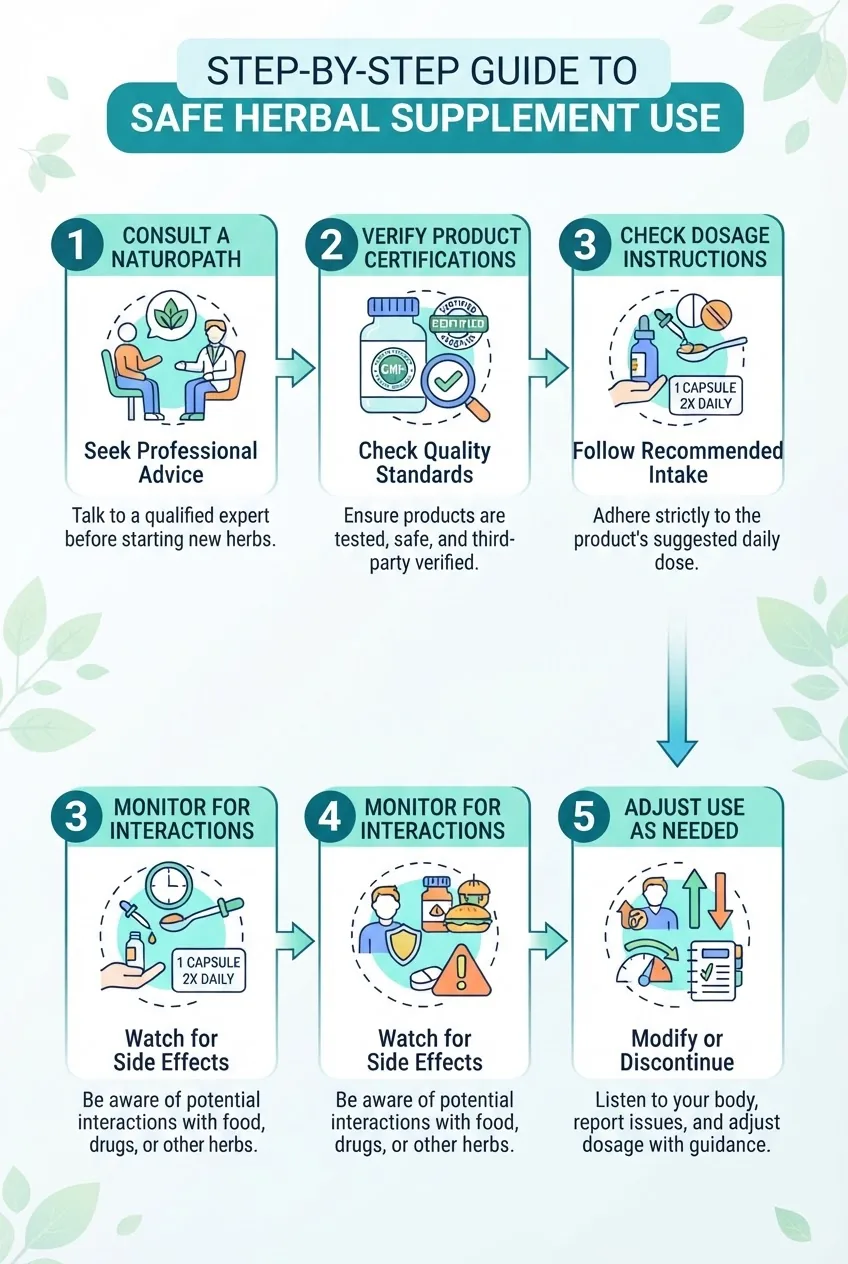
- Gather medical and medication history: list all prescription drugs, OTCs, supplements, pregnancy status and liver/kidney disease. Note doses and timing (morning/evening).
- Screen for interactions: cross-reference each herb with known interactions using authoritative sources. I always run a check through a dedicated tool such as the herbal drug interaction checker. For legal scope questions see naturopath prescription guidelines.
- Choose formulation based on bioavailability and clinical need: e.g., use phytosome turmeric for systemic inflammation (500 mg twice daily), tincture for rapid symptom relief (1–3 mL three times daily) or tea for short-term GI soothing (2–3 g/250 mL infusion).
- Verify product CoA and batch details: confirm identity and potency match your dosing plan. If CoA is missing, request it from the supplier or select another brand.
- Start low and titrate: begin at 25–50% of the target dose for 3–7 days if interactions or sensitivities are possible, then increase by 25% every 3–7 days to target dosing while monitoring symptoms and labs.
- Monitor objective markers: for liver-sensitive herbs check baseline LFTs and repeat at 6–8 weeks for herbs with known hepatic load (e.g., kava, high-dose comfrey). Record standardized outcome metrics (e.g., pain scale, sleep diary).
- Document and report adverse events: report any unexpected reactions to the supplier and regulatory body as applicable (e.g., TGA or FDA adverse event reporting portals).
- Review insurance and professional care options: check coverage before prescribing or recommending paid consultations. See naturopathic treatment insurance coverage and find local practitioners via finding certified naturopathic clinics.
Checklist before recommending a premium product:
- Confirm CoA batch number and identity tests.
- Confirm potency consistent with therapeutic target.
- Ensure contaminants within jurisdictional limits.
- Check for interactions with current medications.
- Plan objective monitoring and timeline (e.g., 6–12 weeks).
For symptom-focused readers looking for adjunct approaches, see natural symptom relief strategies.
Legal scope and when to escalate: if medication adjustments are needed, coordinate with the prescribing physician. Check local guidelines on naturopathic prescribing and liaise accordingly (see naturopath prescription guidelines).
Transition: after safe selection and initial monitoring, premium herbs are most effective when integrated into a broader naturopathic plan.
Integrating Premium Herbal Treatments into a Holistic Naturopathic Approach
Integration means using herbs as part of a personalized protocol that includes diet, lifestyle, targeted nutraceuticals and conventional care when necessary. Below are practitioner-level principles and real-world examples.
Principles:
- Personalization: dose and herb selection matched to constitution, labs and medication regimen.
- Synergy: combine herbs and nutrients to support mechanisms (e.g., curcumin + omega-3 for inflammation).
- Time-limited trials: set objective review points at 6–12 weeks with measurable outcomes.
- Interdisciplinary communication: document plans for sharing with medical specialists when care overlaps.
Example 1 — Chronic fatigue protocol:
– Baseline labs (CBC, TSH, ferritin, cortisol rhythm), a low-dose adaptogen trial (ashwagandha 250 mg standardized withanolides, 1 capsule at bedtime), adrenal support nutrients, sleep hygiene and graded exercise. Reassess in 8 weeks and titrate adaptogen dose to 500 mg if tolerated.
Example 2 — Integrative oncology support (practical boundaries):
– Use immune-modulating extracts (standardized mushroom polysaccharide extract) as adjunctive support with oncology team consent, avoid herbs with strong CYP interactions during chemotherapy, and refer to targeted resources on herb use in cancer care such as Herbs for Cancer Guide. For comprehensive protocol strategies see integrative supplement resources integrative herbal and dietary supplements.
For practitioners seeking formal education to safely integrate premium treatments, consider certified naturopathy programs that include pharmacology and herbal therapeutics.
Transition: finally, we look forward to how premium herbalism is evolving and what to watch for.
Future Trends in Premium Herbal Treatments and Plant-Based Supplements
The premium herbal sector is rapidly innovating across sustainability, formulation science and personalized medicine. Below I highlight current forecasts and what they mean for practice.
Key trends:
- Sustainable harvesting & traceability: blockchain and GPS harvest maps are becoming standard for high-value wildcrafted herbs; expect broader adoption in the next 3–5 years (industry forecast: 2024–2029).
- Biotechnology-enabled extracts: enzymatic fractionation, microbial fermentation to increase specific phytochemical yields, and phyto-pharmaceutics like phytosomes will gain market share.
- Personalized herbal protocols: integration of genomics, microbiome profiling and pharmacogenomics to guide herb selection and dosing — pilot projects are underway in integrative clinics (according to a 2024 industry report).
- Clinical research expansion: more randomized controlled trials focusing on standardized extracts and defined endpoints; look for growing evidence bases in metabolic health and mood disorders.
Forecast stat block:
- Market trajectory: premium botanical products expected to grow 6–8% annually (source: 2024 industry report).
- Testing adoption: projected 90% of premium brands will publish batch CoAs by 2026 (source: trade analysis 2024).
- Clinical trials: number of registered RCTs for standardized herbal extracts increased by 20% between 2020–2023 (source: PubMed/trial registries 2024).
Transition to practitioner closure: after these steps and trends, the final sections give hands-on practice cautions and a verification checklist.
Step-by-step practitioner checklist (core steps consolidated)
- Identify clinical target and desired phytochemical (e.g., anti-inflammatory = curcuminoids 500 mg/day).
- Request CoA and verify identity (HPTLC/LC-MS) and potency; confirm lab accreditation.
- Screen for interactions against complete medication/supplement list using a tool or database.
- Select formulation for bioavailability (phytosome, piperine) and patient preference (capsule vs tincture).
- Start low and monitor with pre-defined markers (symptom scales, liver tests if indicated) at 6–8 weeks.
- Adjust dose or discontinue based on response or adverse events; report events to supplier/regulators when needed.
Common mistakes and how to avoid them
I’ve seen these failures repeatedly in practice; here’s how I prevent them now:
- Mislabel acceptance: I once recommended a popular turmeric powder without verifying a CoA. Patients had variable responses; I now require batch CoAs before recommendation.
- Over-relying on “natural” as safe: I previously underestimated piperine’s CYP3A4 effects; after a near-interaction with a statin, I instituted mandatory drug-herb interaction screening.
- Ignoring extraction ratios: Early in my practice I equated 1,000 mg powder with 1,000 mg extract; after inconsistent results I started documenting extract ratios (e.g., 4:1) and using standardized extracts for predictable dosing.
Compact verification checklist
- CoA present and batch-matched
- Identity test: HPTLC/LC-MS included
- Potency quantified (mg/g or %)
- Heavy metals & microbial tests within limits
- Manufactured in GMP facility
- Sourcing documented (organic or wildcraft trace)
- Interaction check completed
- Monitoring plan and review date set
When to call in a professional
- Complex polypharmacy (more than 3 prescription drugs) — consult pharmacist or integrative physician.
- Severe organ impairment (child-Pugh B/C liver disease, eGFR <30) — refer to specialist before herbal use.
- Cancer patients undergoing active chemotherapy or radiation — coordinate with oncology and an integrative oncology specialist.
- Suspected herb-drug interaction or adverse reaction — stop herb and seek clinical review immediately.
Final practitioner note: premium herbal practice is an evidence-informed craft — combine reproducible product selection, patient-centred titration and interdisciplinary communication to get the best outcomes.