
Holistic medicine for colon cancer refers to complementary and integrative therapies used alongside conventional treatment to support patients’ physical, emotional and immune health; it does not replace standard cancer care but can reduce side effects, improve quality of life and target inflammation or nutritional status when supervised by oncology teams.
Understanding Colon Cancer and Conventional Treatment Overview
Answer: Colon cancer (also called colorectal cancer when rectum involvement is included) is treated primarily by surgery, chemotherapy, radiation and targeted immunotherapies based on stage; holistic approaches are adjunctive and focus on symptom control, recovery and resilience.
Term: Colon cancer is a malignant growth in the large intestine that may progress through defined stages (0–IV) and spread (metastasize) if untreated.
Colon cancer symptoms commonly include changes in bowel habits, rectal bleeding, abdominal pain, unexplained weight loss and anemia; symptom presentation varies by tumour location and stage. Staging (0–IV) guides prognosis and treatment decisions: localized tumours (stage I–II) often require surgery, stage III typically adds adjuvant chemotherapy, and stage IV may require systemic therapy plus localized interventions.
Standard medical treatments are:
- Surgery — removal of the primary tumour and regional lymph nodes to achieve clear margins.
- Chemotherapy — systemic cytotoxic agents (e.g., 5‑FU, oxaliplatin, irinotecan) used adjuvantly or for metastatic disease.
- Radiation therapy — commonly used for rectal cancer or palliation.
- Targeted therapy & immunotherapy — monoclonal antibodies and checkpoint inhibitors when biomarkers indicate benefit.
According to a 2023 National Cancer Institute (NCI) summary, survival and treatment selection depend on stage and molecular markers (source type: government cancer agency report).
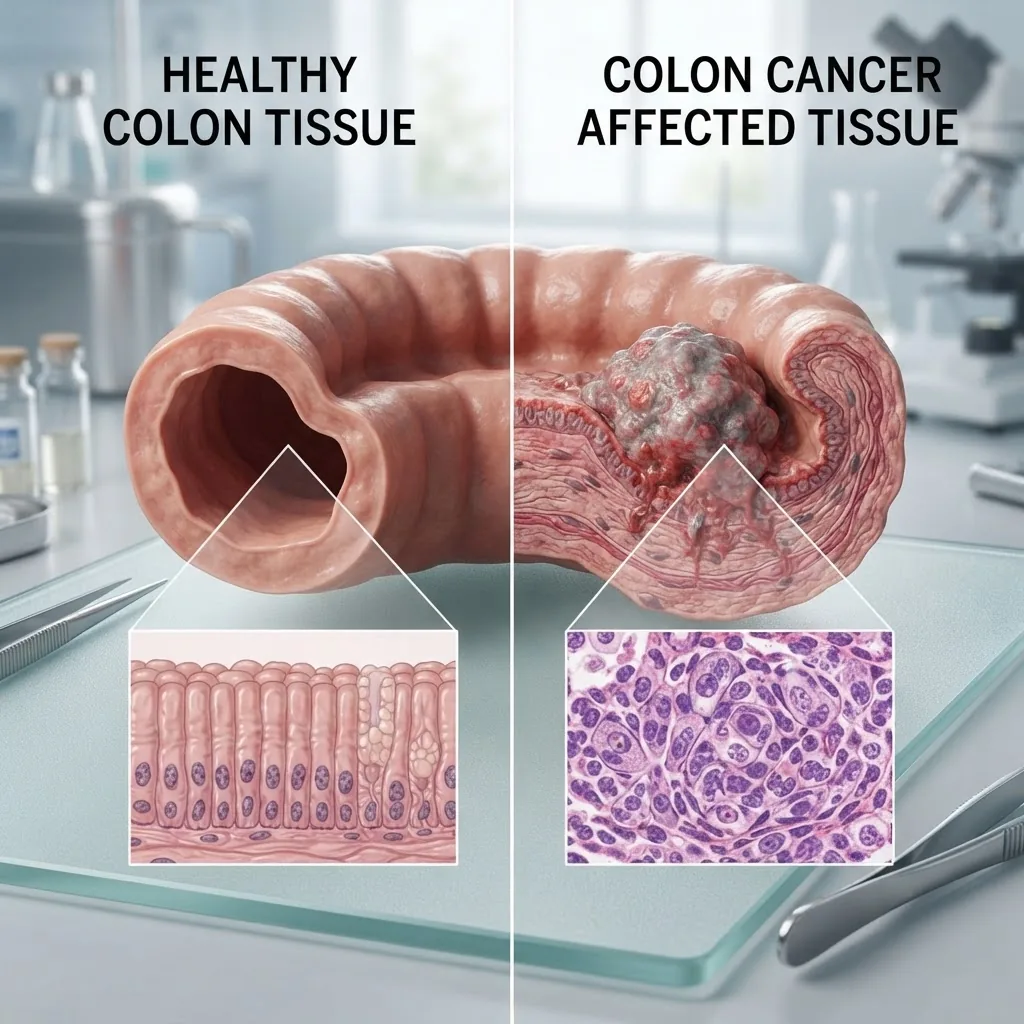
Conventional agents can be curative in early stages but cause side effects such as nausea, neuropathy, fatigue and immunosuppression; holistic strategies are typically proposed to manage these effects, improve nutrition and restore function while oncologic treatments address tumour control.
Transition: With that clinical baseline, the next section explains what holistic medicine means specifically for colon cancer patients.
What is Holistic Medicine in the Context of Colon Cancer?
Answer: Holistic medicine for colon cancer is a patient-centered, whole-person approach that combines conventional oncology with evidence-informed complementary therapies—aiming to support physical, emotional, nutritional and immune health to improve outcomes and quality of life.
Term: Integrative oncology is a discipline that blends standard cancer treatments with complementary modalities in a coordinated, evidence-based way.
Holistic health principles emphasize the mind-body connection, lifestyle modification, and individualized plans that address not only the tumour but sleep, nutrition, stress, social support and spiritual needs. Unlike purely alternative cure claims, integrative or holistic care is collaborative: it supports oncologic treatments rather than replacing them.
To understand terminology and how clinicians describe these practices, see alternative terms for Western medical practices for a concise glossary and distinctions used in practice.
Holistic medicine frameworks typically include the following core elements:
- Patient-centered assessment and shared decision-making with the oncology team.
- Symptom-directed complementary therapies (e.g., acupuncture for nausea, mind‑body techniques for anxiety).
- Nutrition and lifestyle prescriptions to support resilience and recovery.
- Care coordination, safety checks for herb‑drug interactions and quality assurance for supplements.
Transition: Below is a practical list of common holistic approaches used by colon cancer patients, with descriptions and typical goals.
Common Holistic Medicine Approaches for Colon Cancer
Answer: Common holistic approaches—nutrition therapy, herbal medicine, acupuncture, mind‑body practices, detox support, exercise and immunomodulatory lifestyle strategies—are used to reduce symptoms, support treatment tolerance, and improve recovery when integrated safely with oncology care.
Below are numbered therapies commonly offered, with concise descriptions of purpose, typical delivery and practical considerations.
-
Nutritional Therapy and Diet Modifications
Purpose: Address malnutrition, maintain weight, reduce inflammation and manage treatment side effects such as diarrhea or constipation.
Common approaches include individualized macronutrient plans, high-protein prescriptions during chemotherapy, soluble-fiber strategies for bowel regulation, and targeted supplements (e.g., vitamin D if deficient). A registered dietitian experienced in oncology designs plans to meet caloric needs and avoid contraindicated supplements during chemotherapy.
-
Mind‑Body Therapies (meditation, guided imagery, yoga)
Purpose: Reduce anxiety, depression, and stress-related inflammation; improve sleep and pain tolerance.
Delivery: Short guided meditations, MBSR (Mindfulness-Based Stress Reduction), gentle restorative yoga adapted for fatigue and neuropathy. Evidence shows measurable improvements in quality of life and stress biomarkers in cancer populations.
-
Acupuncture and Traditional Chinese Medicine (TCM)
Purpose: Symptom control for chemotherapy-induced nausea, neuropathy, pain and fatigue.
Delivery: Licensed acupuncturists provide point stimulation; TCM may include herbal formulas (see cautions later). Clinical trials support acupuncture for chemotherapy-related nausea and some neuropathic pain reduction when provided by trained practitioners.
-
Herbal and Botanical Supplements
Purpose: Anti-inflammatory, antioxidant or immunomodulatory support; examples include curcumin (turmeric), green tea extracts, milk thistle, and medicinal mushrooms.
Considerations: Quality varies widely; doses can interact with chemotherapy or anticoagulants. Always coordinate with the oncology pharmacist before starting herbs.
-
Detoxification Support and Liver Health
Purpose: Support hepatic metabolism, reduce toxin load, and assist recovery during and after chemo.
Common elements: hydration protocols, medical nutrition therapy to support phase I/II liver detox pathways, monitored use of chelators only in specific settings. “Detox” is often misused—medical supervision is required to avoid electrolyte imbalance or undermining drug clearance.
-
Immunomodulation and Nutraceuticals
Purpose: Support innate and adaptive immune function to improve tolerance and possibly augment response to therapy.
Examples: vitamin D correction, omega‑3 fatty acids for anti-inflammatory effects, and specific mushroom extracts (e.g., polysaccharide compounds) with preliminary immune-stimulating data. Evidence ranges from preclinical to moderate clinical; rigorous trials are limited.
-
Physical Activity and Rehabilitation
Purpose: Preserve muscle mass, reduce fatigue, and improve functional recovery after surgery or during systemic therapy.
Programs: Oncology-tailored resistance and aerobic exercise plans supervised by physiotherapists or exercise physiologists; shown to reduce recurrence risk markers and improve QoL metrics.
-
Pain Management and Non-Medication Modalities
Purpose: Short-term and chronic pain control using acupuncture, massage, TENS (transcutaneous electrical nerve stimulation) and therapeutic touch.
Coordination with oncology analgesia regimens prevents undertreatment; non-pharmacologic methods often help reduce opioid reliance.
-
Psychosocial and Supportive Care
Purpose: Address anxiety, depression, body-image concerns and social isolation with counseling, peer support groups and expressive therapies.
Delivery: Licensed counselors and integrative social work integrated into oncology clinics deliver best outcomes when aligned with medical care.
-
Complementary Therapies (music therapy, aromatherapy)
Purpose: Symptom relief and emotional comfort during procedures or palliative care.
Often low-risk and useful adjuncts; choose accredited practitioners and hospital-based programs where possible.
holistic alternative treatments for ovarian cancer
Transition: The next section compares specific alternative options and summarizes the strength of clinical evidence for each.

Specific Alternative Treatment Options and Their Evidence Base
Answer: Individual alternative treatments range from well-supported (acupuncture for nausea, exercise for fatigue) to poorly supported (claims of herbal “cures”); evidence levels vary from high (randomized controlled trials) to low (preclinical studies or anecdote).
Term: Complementary and alternative medicine (CAM) includes practices used together with conventional treatment (complementary) or instead of it (alternative); integrative oncology endorses complementary use with medical oversight.
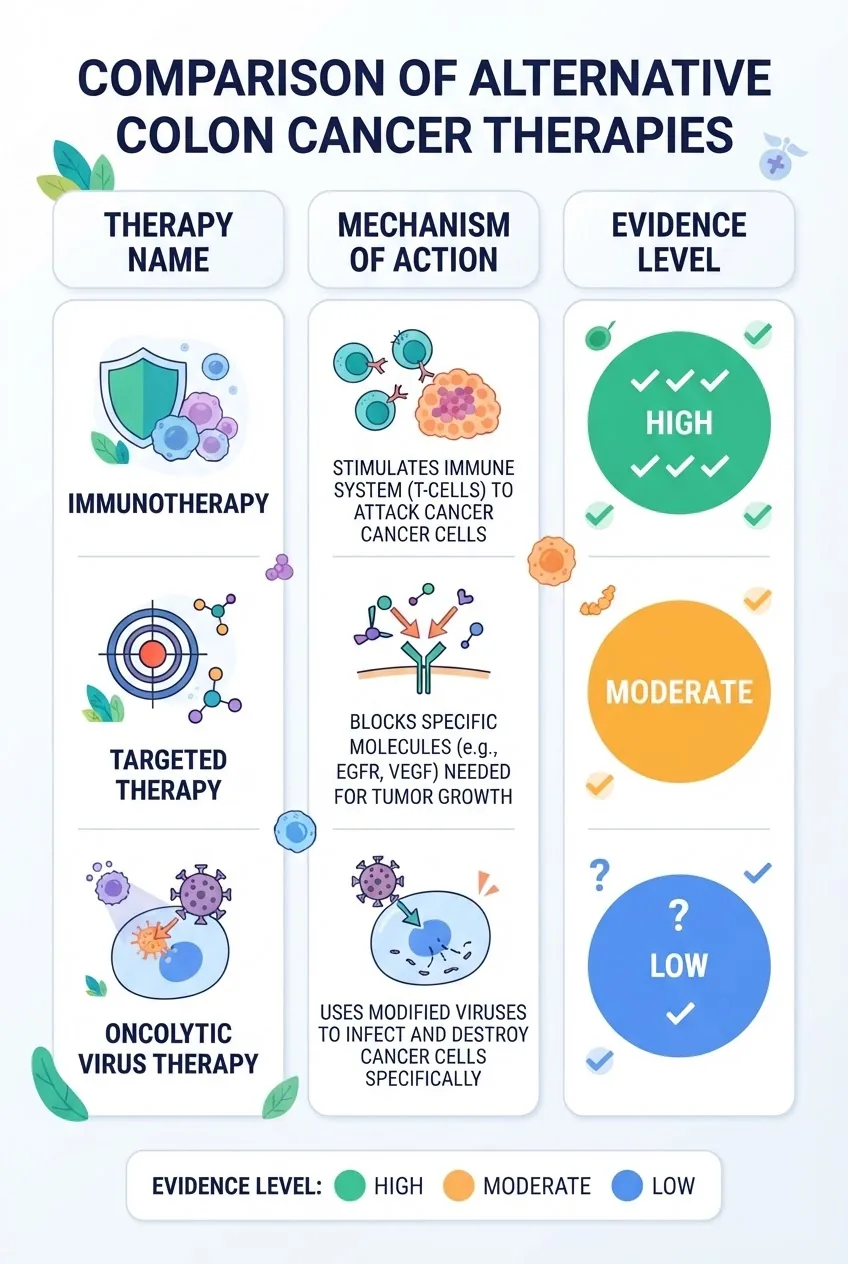
The table below summarizes common therapies, proposed mechanisms, and the current evidence level with example study types. Evidence levels are generalized: High = multiple randomized controlled trials (RCTs) or meta-analyses; Moderate = single RCTs or well-designed cohort studies; Low = case reports, preclinical studies or inconsistent findings.
| Therapy | Proposed Mechanism | Evidence Level | Representative Findings / Notes |
|---|---|---|---|
| Acupuncture | Neuromodulation, endogenous opioid release, autonomic regulation | High | RCTs show reduced chemo-induced nausea and some neuropathy benefit (source type: peer-reviewed trials). |
| Oncology Exercise Therapy | Improves cardiorespiratory fitness, muscle mass, metabolic health | High | Multiple trials show reduced fatigue and improved QoL; potential recurrence-risk marker benefits. |
| Mind‑body (MBSR, CBT) | Stress reduction, HPA axis modulation, improved sleep | Moderate-High | Consistent QoL and mood benefits across cancer types in RCTs and meta-analyses. |
| Curcumin (turmeric) | Anti‑inflammatory, NF‑κB pathway modulation | Moderate | Preclinical anticancer signals; small human trials show biomarker changes but inconsistent clinical endpoints. |
| Medicinal Mushrooms / Polysaccharides | Immune cell activation, cytokine modulation | Low-Moderate | Early clinical data suggest improved immune markers and QoL; standardization issues remain. |
| High‑dose Vitamin C (IV) | Pro-oxidant at high concentrations, potential chemo‑synergy in vitro | Low-Moderate | Limited clinical trials; safety concerns with renal impairment and some chemotherapies. |
| Herbal “Cures” (unproven formulas) | Variable; often claims of cytotoxic or immune effects | Low | Anecdotal; potential for dangerous interactions and delays in curative therapy. |
| Dietary Patterns (e.g., Mediterranean) | Anti-inflammatory, improved metabolic profile | Moderate | Epidemiologic evidence links healthy diets to reduced recurrence risk markers; intervention trial data are growing. |
| Immunotherapy (medical) | Checkpoint inhibition for mismatch repair‑deficient tumours | High | If tumour biomarkers qualify, immunotherapy is evidence-based standard care (source type: clinical oncology guideline). |
Where evidence is moderate or low, careful clinical trials are necessary. For referencing peer-reviewed analyses on CAM and oncology, see representative literature and reviews (source type: peer-reviewed clinical journals):
- NCI: Colorectal Cancer Overview (government cancer agency).
- WHO: Traditional, Complementary and Integrative Medicine (international public health agency).
- Representative PMC review on integrative oncology interventions (peer-reviewed literature).
Transition: Below are practical steps to integrate these modalities safely with ongoing cancer care.
Additional resources comparing non-radiation options are available in specialist summaries such as alternative to radiation therapies.
Note: For related alternative therapy use in other conditions, see summaries such as alternative therapies for asthma and allergies which illustrate cross-condition evidence translation.
Integrating Holistic Medicine with Conventional Cancer Care
Answer: Integration requires a coordinated plan: disclose all complementary therapies to your oncology team, obtain pharmacist review for interactions, choose credentialed practitioners, and schedule modalities to avoid interfering with surgery, chemotherapy or immunotherapy.
Term: Coordination of care means deliberate communication and documented plans between oncologists, integrative practitioners and primary care to align treatment timing and safety checks.
Practical step-by-step integration guidance:
- Disclose and document. Inform your oncologist, surgeon and pharmacist about every supplement, herb and therapy you plan to use.
- Obtain specialist input. Request consultation with an integrative oncologist or oncology pharmacist to evaluate drug–herb interactions and timing (e.g., avoiding antioxidant supplements around radiation or certain chemotherapies).
- Prioritize evidence-based modalities. Prioritize therapies with high or moderate evidence for symptom control (e.g., acupuncture for nausea; exercise programs), and be skeptical of unproven “cures.”
- Credential and quality-check practitioners. Use licensed acupuncturists, oncology-trained dietitians and occupational therapists; verify credentials and clinic hygiene protocols.
- Schedule around treatment cycles. Time invasive or immune-modulating therapies with oncology input—e.g., avoid high-dose herbal immunostimulants immediately before immune checkpoint inhibitors without specialist advice.
- Monitor outcomes and labs. Track symptom scores, weight, blood counts and metabolic panels; stop or modify therapies that produce adverse lab changes or clinical events.
- Document goals and exit plans. Set measurable goals (e.g., reduce neuropathy score by X, regain baseline weight) and time-limited trials to evaluate benefit.
Coordinate pain management plans; complementary approaches can reduce opioid requirements and improve function—see targeted resources about alternative therapies for pain management for non-pharmacologic strategies and referral guidance.
Evidence signals to relay to your care team include clinical trial quality, reproducibility, and whether a modality impacts survival endpoints versus symptom endpoints. For example, immunotherapy is applied when biomarkers indicate benefit, whereas many nutraceuticals affect surrogate biomarkers without survival proof.
Transition: Next we outline specific risks and cautions to consider when choosing holistic treatments.
Risks, Limitations, and Considerations When Choosing Holistic Treatments
Answer: Holistic therapies carry risks including drug–herb interactions, delayed curative therapy, toxicity from unregulated supplements, and financial cost; careful vetting, medical supervision and evidence appraisal reduce harm.
Term: Treatment interactions are pharmacologic or physiologic effects where an alternative therapy alters the safety or efficacy of a prescribed cancer treatment.
Key cautions and considerations:
- Potential interactions: St. John’s wort induces CYP enzymes and can reduce chemotherapy levels; high-dose antioxidants may interfere with radiation-induced oxidative damage mechanisms (source type: pharmacology literature).
- Quality variability: Supplements are inconsistently regulated; contamination, variable active ingredient levels, and adulteration occur.
- Delays in care: Relying on alternative “cures” instead of guideline-based treatment is linked to worse outcomes in retrospective analyses (source type: peer-reviewed observational studies).
- Immunomodulation timing: Some immune-stimulating herbs taken with checkpoint inhibitors could theoretically alter immune-related adverse event profiles; specialist guidance is essential.
- Financial and emotional cost: Out-of-pocket therapies can be expensive and emotionally burdensome when benefits are unproven.
- Legal and regulatory issues: Practitioner licensing and malpractice protections vary by jurisdiction; choose accredited centers where possible.
Practical safeguards:
- Always consult your oncology team before starting supplements or herbs.
- Use third‑party tested supplements (USP, NSF) and verify lot testing where possible.
- Maintain a single medication/supplement list and review it at each oncology visit.
- If a therapy causes new symptoms or abnormal labs, discontinue and notify providers immediately.
If considering unregulated clinics or high-dose protocols, seek second opinions and demand clear risk/benefit explanations and follow-up plans—authoritative guidance is available from sources such as the National Cancer Institute and the World Health Organization on safe CAM practices (source types: government agencies).
Transition: Practical lifestyle strategies that patients can adopt safely are provided next.
Patient Lifestyle and Wellness Strategies to Support Colon Cancer Treatment
Answer: Evidence-based lifestyle strategies—balanced anti-inflammatory diet, tailored exercise, sleep hygiene, stress reduction, and social support—improve treatment tolerance, recovery and overall survival markers when combined with medical care.
Term: Sleep hygiene is a set of behaviors (consistent sleep schedule, reduced evening stimulants and screen time) that support restorative sleep.
Core lifestyle tips:
- Diet: Emphasize a Mediterranean-style pattern—vegetables, legumes, whole grains, healthy fats and lean protein; correct deficiencies (e.g., vitamin D) under medical supervision. Avoid untested restrictive diets that may cause weight loss during treatment.
- Exercise: Aim for individualized progressive resistance plus moderate aerobic activity; even short daily walks reduce fatigue and preserve function.
- Sleep: Prioritize 7–9 hours when possible; manage insomnia with CBT‑I and sleep hygiene rather than sedative overuse.
- Stress management: Regular mindfulness, breathwork, or gentle yoga lowers cortisol and improves coping; refer to supervised oncology programs when available.
- Social and emotional support: Join support groups, cancer counseling or family therapy to reduce isolation and improve adherence to care.
- Substance moderation: Avoid smoking and limit alcohol; both raise recurrence risks and interact with treatment tolerability.
Additional specific tips:
- Work with an oncology dietitian to manage chemo-related taste changes, diarrhea or constipation.
- Use graded exercise prescriptions after surgery to prevent deconditioning and reduce thromboembolic risks.
- Consider professional mental health alternatives and adjuncts described in resources on mental health alternative treatments for coping strategies tailored to cancer stressors.
Transition: The final substantive section identifies practical ways to find trusted holistic medicine practitioners and programs.
Resources and How to Find Trusted Holistic Medicine Practitioners
Answer: Locate trusted holistic practitioners by seeking integrative oncology centers, oncology-trained practitioners, verified credentials, third-party supplement testing, evidence-based program descriptions and referrals from your oncology team.
Where to look and what to check:
- Hospital-based integrative oncology centers: Many major cancer centers host integrative programs that coordinate with oncology—this is the safest route for combined care.
- Certified practitioners: Look for licensed acupuncturists, oncology-certified dietitians (RDs), credentialed integrative physicians, and exercise physiologists with oncology experience.
- Accreditation and testing: For supplements, prefer USP, NSF or Bureau of Chemistry testing and transparent sourcing.
- Patient support groups and peer reviews: Use moderated groups tied to major cancer organizations to find vetted referrals.
- Education and training resources: If you’re exploring practitioner qualifications, review alternative medicine degree programs for curricula that describe competency standards.
- Service directories and center guides: Consult a practical directory such as alternative health care center services to understand program offerings and referral workflows.
- Second opinions and referrals: Always request a second opinion from a board-certified oncologist if a proposed alternative treatment suggests foregoing standard care.
- Cost and insurance: Confirm which services are covered by insurance and obtain written treatment plans with expected outcomes.
If you are considering courses or training, see institutional program guides and accreditation standards before enrolling in practitioner training—these resources help verify legitimate credentials and practice standards.
Transition: The article ends with a focused summary and next-step recommendations.
Conclusion
Answer: Holistic medicine for colon cancer can safely complement conventional therapy when evidence-based modalities are selected, coordinated with oncology, and monitored for interactions; prioritize symptom relief, nutritional support, exercise and accredited practitioners rather than unproven “cures.”
Key takeaways:
- Holistic approaches aim to support whole-person health, not replace standard surgical, chemotherapy or radiation treatments.
- Evidence varies by therapy; prioritize high/moderate‑evidence options for symptom control and recovery.
- Coordinate all complementary treatments with your oncology team and consult oncology pharmacists for interaction checks.
If you or a loved one are exploring holistic options, start by discussing them with your oncology team and seek referrals to hospital-based integrative oncology programs or credentialed practitioners; for practical next steps, request an integrative consult and a documented plan that includes safety monitoring.
Ready to explore integrative support safely? Ask your oncologist for a referral to an accredited integrative oncology clinic or accredited oncology dietitian to develop a personalized, evidence-aligned plan.