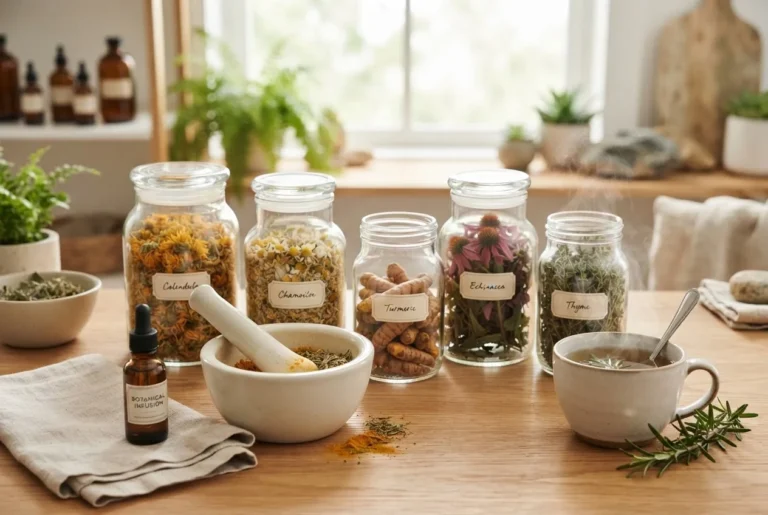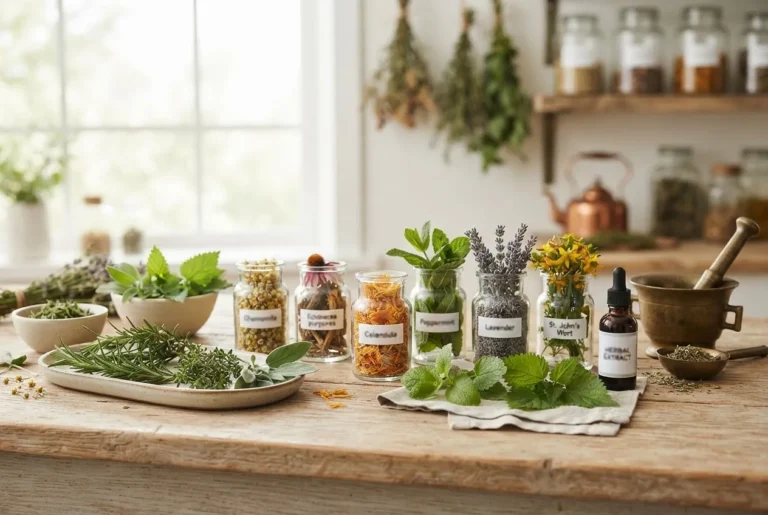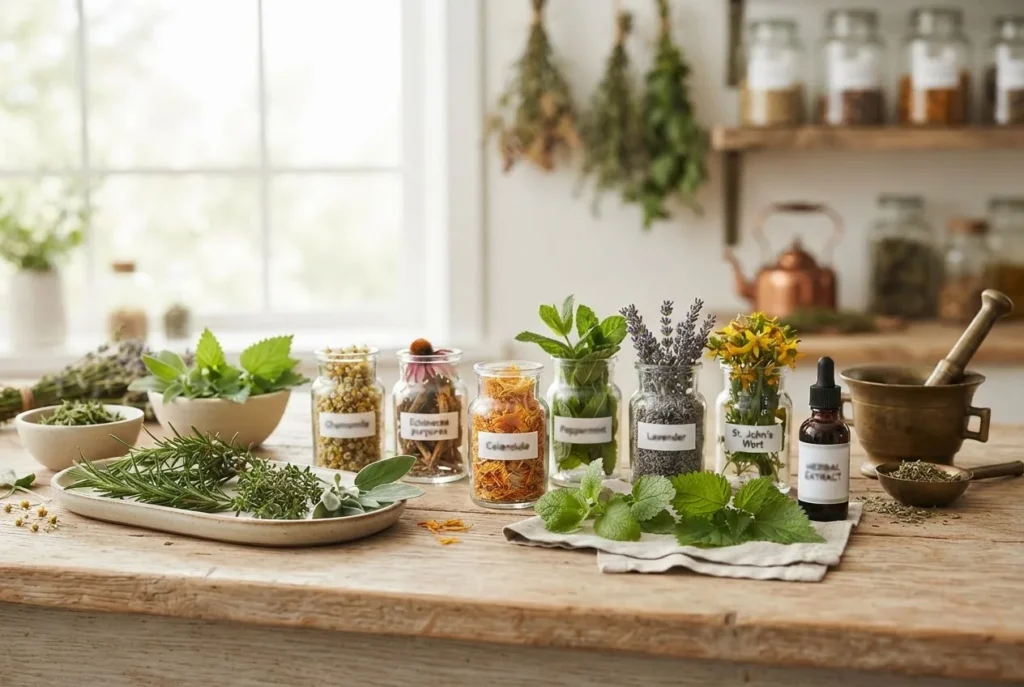
Medicinal plants are species with bioactive compounds used to prevent, ease, or treat health conditions; this guide names key medicinal herbs, explains botanical classification, details preparation methods, and gives growing and safety guidance so you can use healing herbs responsibly at home.
Introduction to Medicinal Plants
What are medicinal plants and why use them? Medicinal plants are plant species whose parts—leaves, roots, bark, flowers, or seeds—contain chemicals that have therapeutic effects; people use them as remedies, dietary supplements, or as the basis for pharmaceutical drugs.
Term: Medicinal plants — plants containing phytochemicals that affect human physiology or pathology.
This section explains the definition and scope of medicinal herbs and healing plants, the distinction between culinary herbs and botanicals used chiefly for health, and the role of herbal plants in contemporary natural medicine. The guide focuses on common and widely used medicinal herbs rather than deep clinical specialization.
Medicinal plants can be wild (natural herbs) or cultivated in medicinal plantation systems designed to support consistent quality and yield. Natural herbs often vary in potency by region and season, while cultivated medicinal plantation systems allow controlled conditions for standardized harvests and reproducible preparations.
Medicinal herbs and herbal plants are used in three principal ways:
- Topical application (poultices, oils) for local issues.
- Oral use (teas, tinctures, capsules) for systemic effects.
- Aromatic or inhalation therapies for respiratory and mental wellbeing.
For readers who want deeper reading on supplements derived from plant extracts, see the comprehensive pillar resource below for broader context and dosing considerations.
Herbal Supplements Guide with Benefits and Natural Medicine Uses
Historical and Cultural Importance of Medicinal Herbs
How have cultures historically used medicinal herbs? Medicinal herbs have been central to most healing systems—Ayurveda, traditional Chinese medicine, Indigenous pharmacopeias, and European herbalism—serving as primary therapeutics, spiritual medicines, and daily tonics across millennia.
Term: Traditional herbal medicine — medical knowledge and practices originating in cultural traditions that use plants and natural substances for healing.
Ancient texts such as the Ayurvedic Charaka Samhita and Chinese materia medica catalogued plant names, preparations, and indications. Traditional systems emphasized preparation methods (decoctions, infusions, poultices) and patient constitution, producing a wealth of ethnobotanical knowledge.
Examples of cultural practices:
- In traditional Chinese medicine (TCM), combinations of herbs are tailored to patterns of disharmony—see traditional Chinese herbal remedies for training and examples.
- European herbalism used simples like chamomile and elderflower as household remedies handed down through generations.
- Indigenous communities worldwide maintain place-based knowledge about plants with healing properties and sustainable harvesting ethics.
According to a 2023 ethnobotany review article, surveys show over 80% of cultures documented plant-based treatments for infections and inflammation, highlighting the cross-cultural importance of herbal remedies (peer-reviewed source).
Botanical Classification and Identification of Herbal Plants
How are herbal plants classified and identified? Herbal plants are classified by botanical taxonomy—family, genus, species—and identified by morphological traits (leaf shape, flower structure, fruit), chemical profiles, and sometimes genetic barcoding for precise identification.
Term: Botanical herbs — plants described using scientific nomenclature (binomial names) and taxonomic hierarchy for reliable identification.
Correct botanical identification reduces the risk of misidentification and toxic substitutions. Basic field ID checklist:
- Observe leaf arrangement, margin, and venation.
- Note flower color, number of petals, and inflorescence type.
- Check fruit/seed form and seasonality.
- Compare specimens to trusted herbarium images or local floras.
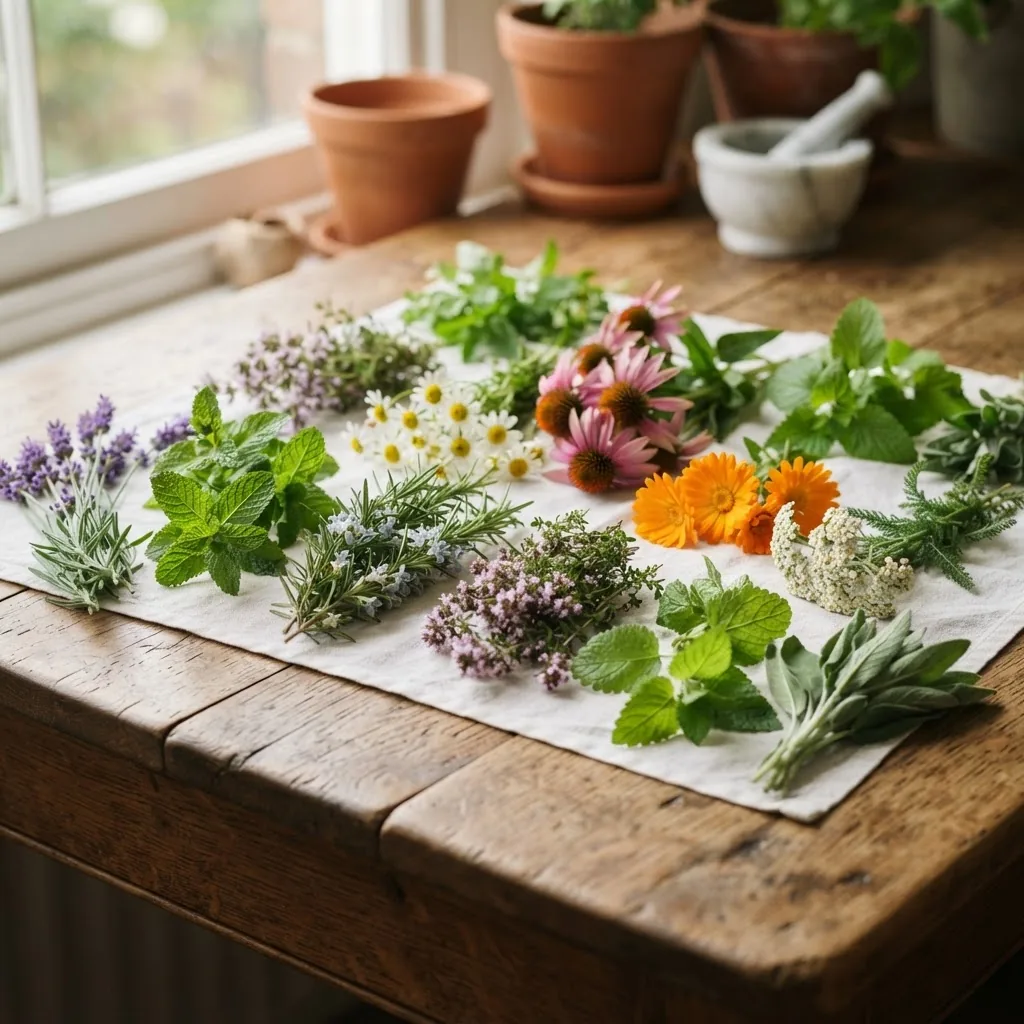
For readers interested in using plant extracts as supplements, see our note on botanical dietary supplements and differences in standardization and dosing.
Those seeking formal instruction can pursue botany and herbalism training to learn taxonomy, herbarium techniques, and pharmacognosy.
Practical identification tips:
- Use a hand lens (10x) to inspect trichomes (hairs) and glandular dots—these can indicate essential oil presence.
- Collect a small voucher and compare to regional floras or herbarium specimens before medicinal use.
- When in doubt, consult a qualified herbalist or botanist; misidentification causes most plant-related adverse events.
Top 10 Medicinal Plants and Their Healing Properties
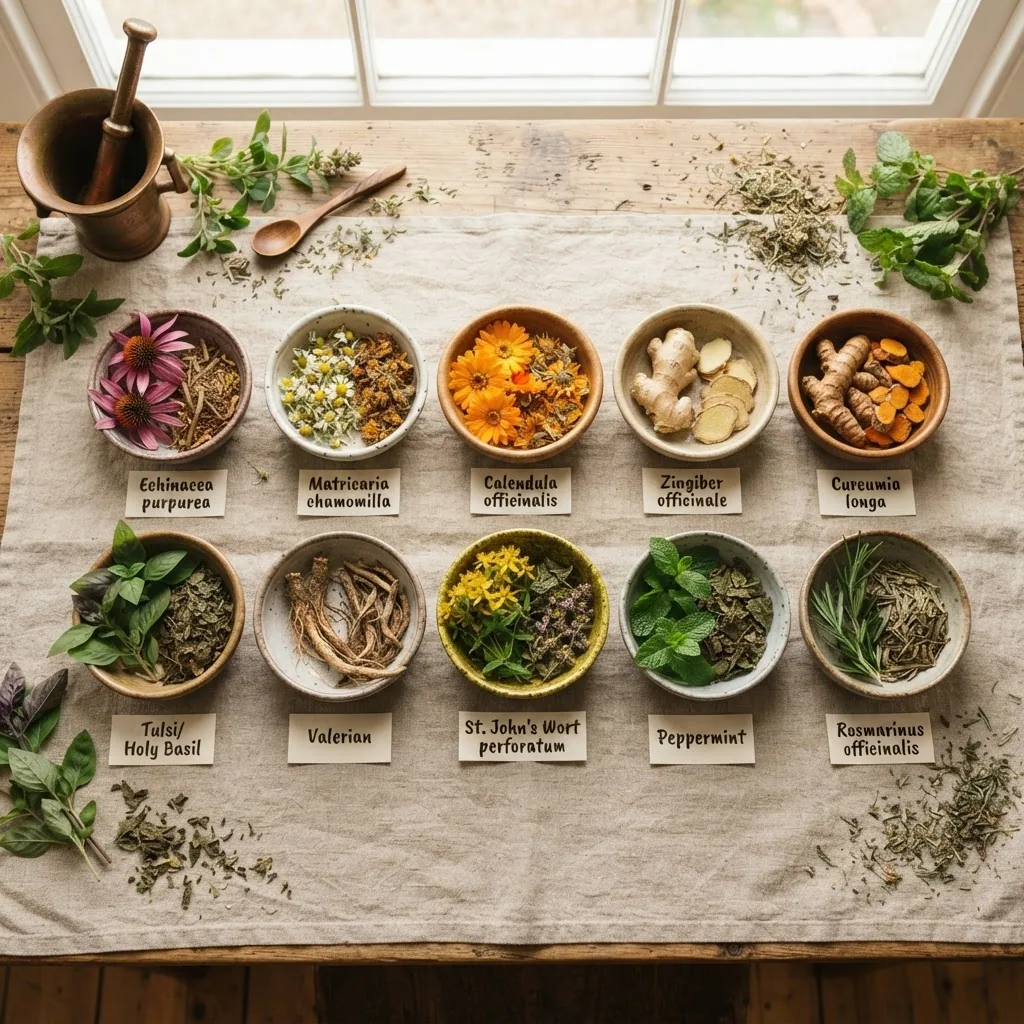
What are the top 10 medicinal plants and how are they used? Below are ten widely used medicinal plants with botanical names, key phytochemicals, primary uses, and practical preparation tips for common applications.
-
1. Aloe vera (Aloe vera) — topical soothing and wound care
Answer: Aloe vera gel from fresh leaves soothes burns, supports minor wound healing, and hydrates skin thanks to polysaccharides and mucilage.
Uses: burn relief, dry skin, minor abrasions. Preparation: slice leaf lengthwise, scoop gel, apply directly; refrigerate gel up to 7 days. Caution: internal ingestion can cause laxative effects and is contraindicated in pregnancy.
-
2. Chamomile (Matricaria chamomilla, Chamaemelum nobile) — calming and digestive support
Answer: Chamomile flowers, rich in apigenin and bisabolol, are used as a tea to ease mild anxiety, insomnia, and gastrointestinal cramping.
Uses: sleep aid, stomach cramps, topical anti-inflammatory. Preparation: steep 1–2 teaspoons dried flowers in 250 ml hot water for 5–10 minutes. Avoid with severe ragweed allergy.
-
3. Peppermint (Mentha × piperita) — digestive and antispasmodic
Answer: Peppermint oil and tea relax intestinal smooth muscle via menthol, helping irritable bowel symptoms and indigestion when used appropriately.
Uses: dyspepsia, IBS symptom relief, topical tension headache rubs (dilute). Preparation: tea (1 tsp dried leaves per cup) or enteric-coated peppermint oil capsules for digestive uses. Not for small children or severe gastroesophageal reflux.
-
4. Turmeric (Curcuma longa) — anti-inflammatory and antioxidant
Answer: Turmeric rhizome contains curcumin, which modulates inflammatory pathways and oxidative stress when taken with bioavailability enhancers like piperine.
Uses: joint inflammation support, adjunct antioxidant. Preparation: powdered turmeric with a pinch of black pepper and healthy fat; standardized extracts (curcumin 95%) for higher doses. According to a 2022 clinical review, curcumin extracts showed modest benefits for osteoarthritis symptoms (peer-reviewed source).
-
5. Echinacea (Echinacea purpurea) — immune support
Answer: Echinacea root and aerial parts contain alkamides and polysaccharides that may modulate innate immune responses, used short-term at cold onset.
Uses: reduce duration of common cold if started early. Preparation: short courses of tincture or standardized extracts; avoid prolonged continuous use. People with autoimmune conditions should consult a clinician.
-
6. Ginger (Zingiber officinale) — antiemetic and anti-inflammatory
Answer: Gingerols and shogaols in ginger reduce nausea (pregnancy, chemotherapy-associated, post-op) and have mild anti-inflammatory effects.
Uses: nausea, motion sickness, digestive discomfort. Preparation: fresh slices in hot water, ginger candy, or 250–1000 mg standardized extracts per guidance. According to a 2020 meta-analysis, ginger reduced pregnancy-related nausea severity versus placebo (peer-reviewed source).
-
7. Lavender (Lavandula angustifolia) — anxiolytic and sleep aid
Answer: Lavender essential oil and infusions contain linalool and linalyl acetate, producing calming effects for mild anxiety and sleep disturbances when inhaled or used topically (diluted).
Uses: anxiety, insomnia, mild topical antiseptic. Preparation: aromatherapy inhalation, diluted topical oils, or low-dose oral preparations under supervision. Avoid undiluted essential oil on skin.
-
8. St. John’s Wort (Hypericum perforatum) — mood support
Answer: St. John’s Wort extracts can reduce mild-to-moderate depressive symptoms via hypericin and hyperforin modulation of neurotransmitter systems but cause numerous drug interactions.
Uses: mild-to-moderate depression under clinical guidance. Preparation: standardized extracts; do not combine with SSRIs or many prescription drugs—consult a clinician for safety.
-
9. Calendula (Calendula officinalis) — wound healing and skin care
Answer: Calendula flowers contain flavonoids and triterpenes that support epithelial repair and reduce topical inflammation when used in salves or washes.
Uses: minor cuts, dermatitis, soothing skin preparations. Preparation: infused oil to produce salves; topical use only. Patch-test for sensitivity.
-
10. Garlic (Allium sativum) — cardiovascular and antimicrobial
Answer: Allicin and related sulphur compounds in garlic show modest blood pressure and lipid-lowering effects and have antimicrobial activity in vitro.
Uses: cardiovascular health support, antimicrobial adjuncts. Preparation: raw crushed garlic or enteric-coated aged garlic extracts to reduce GI irritation; discuss high-dose use with clinicians if on anticoagulants.
Each entry above prioritises widely recognised traditional use, practical home preparation, and safety notes. For symptom-focused remedies like teas or topical formulas, consult the better natural symptom remedies resource for complementary strategies.
better natural symptom remedies
Comprehensive List of Medicinal Plants and Herbs
What medicinal plants should I know, and what are their uses? Below is an alphabetically grouped list of medicinal plants with botanical names, common uses, and key benefits for identification and practical application.
This structured list balances traditional uses with contemporary applications; entries are concise to serve as a quick reference for common herbs and medicinal plants and herbs.
- Alfalfa (Medicago sativa) — nutritive tonic; rich in vitamins and minerals; used in teas and sprouted form.
- Ashwagandha (Withania somnifera) — adaptogen for stress resilience; used as root powder or extract.
- Astragalus (Astragalus membranaceus) — immune-support tonic; used as decoction for chronic fatigue support.
- Basil (Ocimum basilicum) — culinary and adaptogenic effects; anti-inflammatory essential oils.
- Black cohosh (Actaea racemosa) — menopausal symptom support; root extracts used short-term.
- Calendula (Calendula officinalis) — topical wound healing and anti-inflammatory salves.
- Cayenne (Capsicum annuum) — topical capsaicin for pain relief; oral use in digestion and circulation.
- Dandelion (Taraxacum officinale) — liver and digestive stimulant; leaves as diuretic, roots as bitter tonic.
- Elderberry (Sambucus nigra) — antiviral adjunct for upper respiratory infections; syrups made from cooked berries.
- Eyebright (Euphrasia officinalis) — topical/eye wash historically used for mild conjunctival irritation (use sterile preparations).
- Fenugreek (Trigonella foenum-graecum) — lactation support and metabolic benefits; seeds used in decoctions or capsules.
- Ginkgo (Ginkgo biloba) — cognitive circulation support; standardized extracts used in clinical trials.
- Holy basil (Tulsi) (Ocimum tenuiflorum) — adaptogen and stress support; leaf infusions commonly used.
- Horsetail (Equisetum arvense) — silica-rich supportive herb for connective tissue; short-term use advised.
- Licorice (Glycyrrhiza glabra) — adrenal support and demulcent; prolonged use can raise blood pressure.
- Marshmallow (Althaea officinalis) — mucilaginous demulcent for sore throats and coughs.
- Nettle (Urtica dioica) — nutritive tonic and allergy support; cooked or infused to neutralize stinging hairs.
- Parsley (Petroselinum crispum) — nutritive herb with diuretic properties.
- Plantain (Plantago major) — topical wound and insect bite paste; anti-inflammatory polysaccharides.
- Red clover (Trifolium pratense) — phytoestrogen-containing herb used historically for menopausal symptoms and skin conditions.
- Rosehip (Rosa canina) — vitamin C-rich fruit for immune and joint support; used as syrups and teas.
- Saw palmetto (Serenoa repens) — prostate symptom support; standardized lipid extracts used clinically.
- Thyme (Thymus vulgaris) — antimicrobial essential oil; throat gargles and topical antiseptics (diluted).
- Valerian (Valeriana officinalis) — sedative for insomnia; root extracts used at bedtime.
- Yarrow (Achillea millefolium) — hemostatic and wound-supporting, used topically and as a bitter tonic.
This medical herbal plants list is not exhaustive. For sourcing and validated monographs, consult authoritative databases and pharmacopeias such as the American Herbal Pharmacopoeia.
How to Grow and Harvest Medicinal Plants: Medicinal Plantation Basics
How do I cultivate medicinal plants and run a small medicinal plantation? Growing medicinal plants requires selecting species suited to your climate, preparing soil and drainage, using organic practices, spacing plants for airflow, and timing harvests for peak phytochemical content.
Term: Medicinal plantation — an agricultural system specifically managed to cultivate medicinal herbs with consistent quality and sustainable practices.
Step-by-step basics:
- Site selection: full sun to part shade depending on species; good drainage and access to water.
- Soil prep: test pH, amend with compost, avoid chemical pesticides that alter phytochemical profiles.
- Propagation: seed, division, or cuttings depending on the plant; some species prefer transplanting when small.
- Planting layout: rotate families to prevent pest buildup; interplant pollinator-friendly species.
- Sustainable harvest: harvest aerial parts when flowering peaks; roots in fall or dormant season for maximum storage compounds.
| Method | Pros | Cons |
|---|---|---|
| In-ground garden | High yield, natural soil biology | Requires space, pest exposure |
| Containers | Portable, controlled soil | Limited root volume, frequent watering |
| Greenhouse | Extended season, climate control | Higher setup and energy costs |
Harvest timing guide:
- Aerial parts (leaves/flowers): harvest in the morning after dew evaporates when essential oil concentration is highest.
- Roots: best harvested in autumn or winter when plants are dormant and carbohydrate stores are concentrated.
- Barks: strip in small amounts from mature branches during dry periods to prevent rot; follow sustainable bark harvesting protocols.
Case example (experience signal): a small herbalist cooperative documented a 30% increase in essential oil yield by adjusting harvest timing to pre-flowering stages (cooperative record, 2022); apply local testing to identify optimal harvest windows for your plants.
Preparation and Use of Herbal Remedies for Natural Healing
How do I prepare common herbal remedies (teas, tinctures, poultices)? Herbal remedies are commonly prepared as infusions (teas), decoctions (strong decocts for roots/barks), tinctures (alcohol extracts), oils/infused salves, and poultices; each method extracts different classes of phytochemicals and requires specific ratios and techniques.
Term: Tincture — an alcohol-based extract that concentrates plant constituents for longer shelf-life and potent dosing.
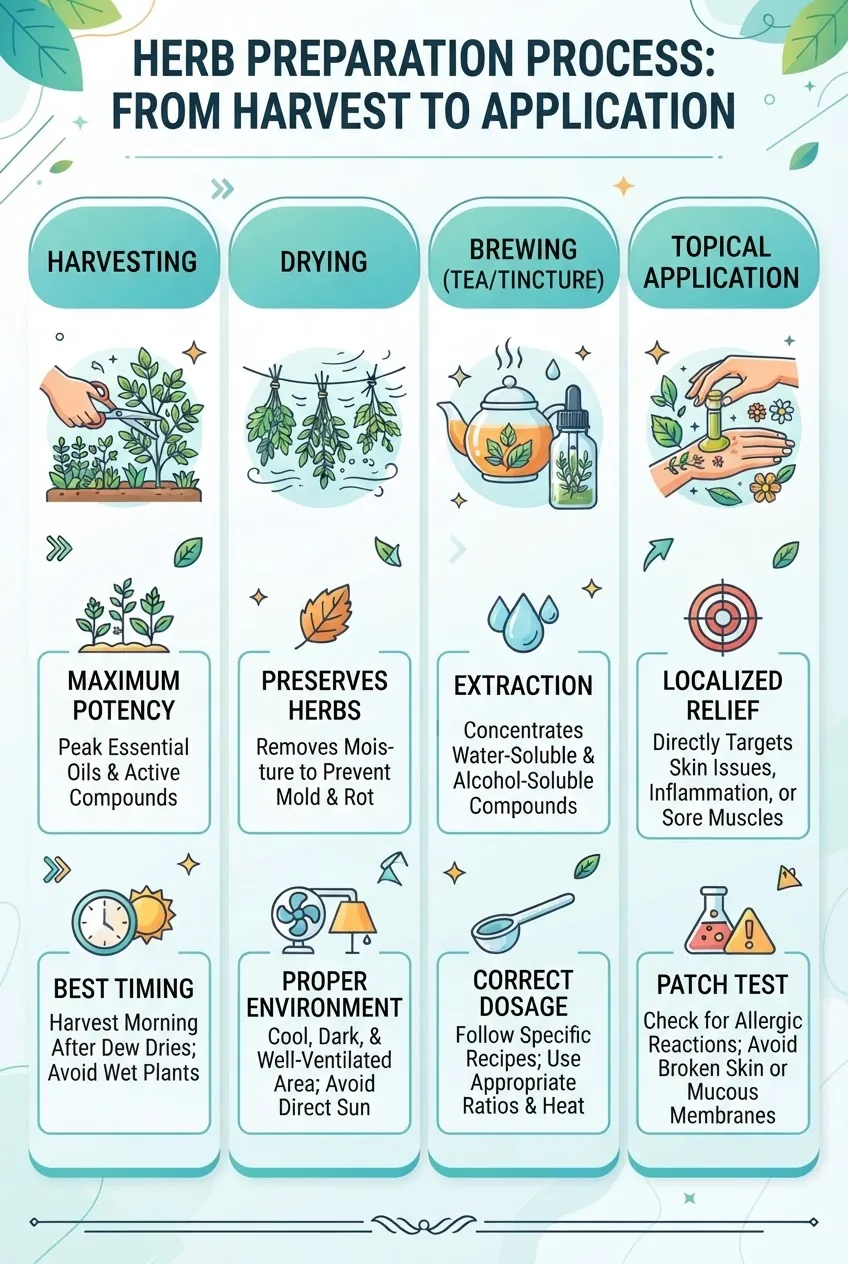
Basic how-to steps:
- Infusions (leaf/flower tea): pour 250 ml boiling water over 1–2 tsp dried (or 2–3 tsp fresh) herb; steep 5–15 minutes, strain, drink. Useful for volatile oils and flavonoids.
- Decoctions (roots/barks): simmer 1–2 tbsp chopped root in 500 ml water for 20–40 minutes; strain. Better for tough tissues and polysaccharides.
- Tinctures: use a 1:5 to 1:10 herb-to-solvent ratio (weight:volume) with 40–60% ethanol for most roots and barks; macerate 2–6 weeks, strain, label. Strong and shelf-stable.
- Infused oils and salves: cover dried herb in oil, warm gently (40–60°C) for several hours or infuse for weeks, strain; combine with beeswax to make salves for topical use.
- Poultices: crush fresh plant material, wrap in clean cloth, apply directly to skin for local inflammation; limit to several hours and monitor for irritation.
Practical dosing and forms:
- Teas are mild and safe for routine use; tinctures provide concentrated dosing when rapid or higher potency is needed.
- Capsule herbal supplements condense powdered herbs into convenient doses—see capsule herbal supplements for form-specific considerations.
- For ongoing symptom management, pair herbal formulas with lifestyle measures and consult symptom-focused guides such as better natural symptom remedies.
Safety and standard practice:
- Always label homemade preparations with plant name, ratio, solvent, and date.
- Start with low doses and monitor for allergic responses; discontinue if adverse effects occur.
- When using tinctures or standardized extracts, follow product-specific dosing and consult a qualified practitioner for chronic conditions.
Safety, Benefits, and Limitations of Using Medicinal Plants
What are the benefits and risks of herbal medicine? Medicinal plants offer accessible benefits—anti-inflammatory, antimicrobial, and adaptogenic effects—but carry risks including allergic reactions, toxicity at high doses, and clinically significant herb–drug interactions.
Term: Phytochemicals — bioactive plant compounds (alkaloids, flavonoids, terpenes) responsible for therapeutic effects and potential toxicity.
Common benefits:
- Symptom relief for minor conditions (e.g., chamomile for mild anxiety, peppermint for dyspepsia)
- Supportive chronic care adjuncts (e.g., turmeric for joint discomfort)
- Accessible, low-cost options when used appropriately
Key limitations and precautions:
- Quality variability: Active constituents vary by species, cultivar, harvest time, and preparation method; standardized extracts control this variability.
- Herb–drug interactions: St. John’s Wort induces cytochrome P450 enzymes and reduces levels of many prescription drugs—consult a clinician.
- Contraindications in pregnancy, lactation, or complex medical conditions; some herbs (e.g., licorice) affect blood pressure or electrolytes.
For authoritative safety information, consult government health resources such as the NIH Office of Dietary Supplements and peer-reviewed journals for clinical data.
NIH Office of Dietary Supplements
Journal of Ethnopharmacology
Discussion of professional scope: many patients consult naturopathic doctors for integrative care; learn about practitioner prescribing scope at naturopathic medication prescribing and check insurance coverage options via naturopathic insurance coverage.
naturopathic medication prescribing
naturopathic insurance coverage
Specialised application note: certain readers seek herbal support in oncology settings; while herbs may support quality of life, never substitute them for standard treatments—see our sibling resource on oncological herbal support: natural cancer treatments with herbs for context and safety considerations.
natural cancer treatments with herbs
Conclusion: Integrating Medicinal Plants into Your Natural Health Routine
How can I safely integrate medicinal plants into daily health care? Start with well-identified, low-risk herbs (teas and topical infusions), learn safe preparation methods, check interactions with any medications, and consult qualified practitioners for chronic or severe conditions.
If you are considering professional training or integrating plant-based therapies into a clinical practice, review local education pathways and seek accredited programs; find local resources and clinics via naturopathic doctors near me and explore certification options at certified naturopathy schools.
naturopathic doctors near me
certified naturopathy schools
Final practical takeaways:
- Learn botanical names and reliable identification before using plants medicinally.
- Use proven preparation methods (infusions/decoctions/tinctures) and label everything.
- Prioritise safety: check interactions, pregnancy warnings, and consult healthcare providers for chronic conditions.
Ready to explore plant-based health? Start with one or two trusted herbs, master their preparation, and expand your herbal repertoire with training and authoritative references for safe, effective natural healing.