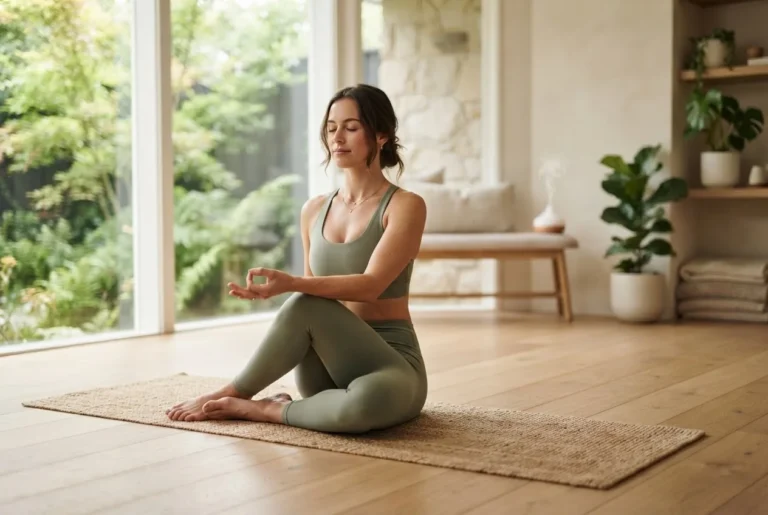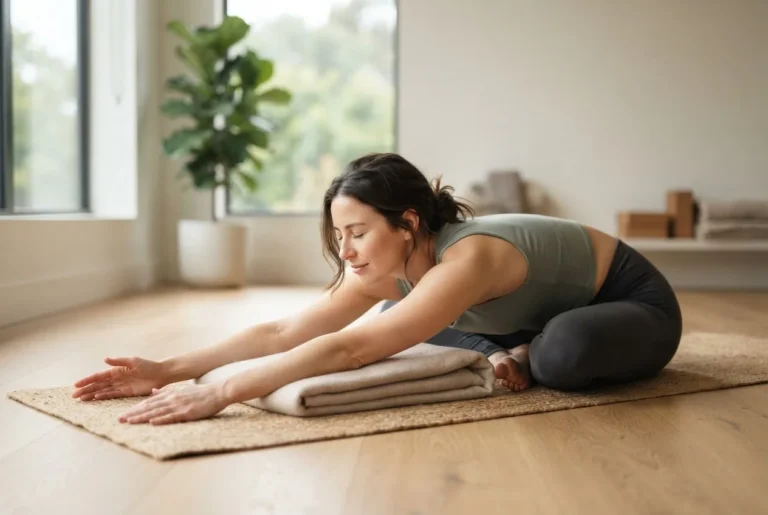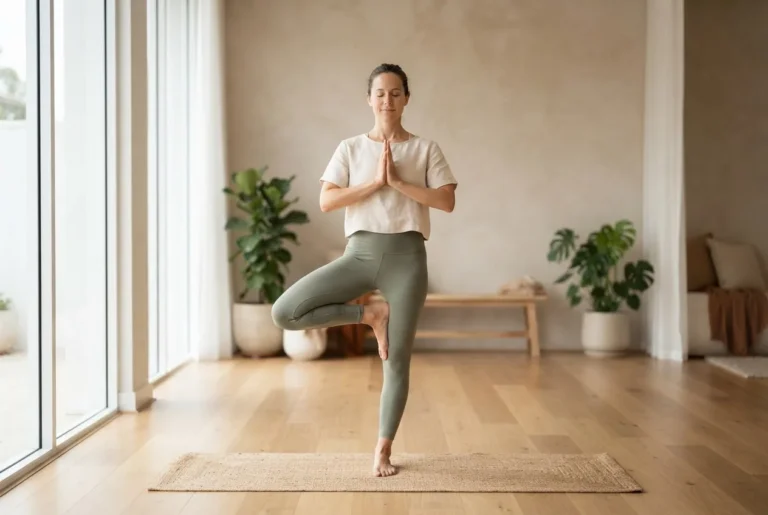
By the end of this guide you’ll have a personalised tension reduction toolbox you can use in 30 seconds to 30 minutes, and a clear daily plan to reduce cumulative stress. Expect to spend 45–90 minutes reading and practising the key techniques; skill level required: beginner to experienced (no prior training needed).
Before you start
- Quiet space or comfortable chair (for breathing and progressive muscle relaxation).
- Smartphone with a timer and one or two apps installed, a small notebook or journal, and a pen.
- Simple physical aids: stress ball, small towel for self-massage, and an essential oil or diffuser if available.
- Optional: wearable that tracks heart rate variability (HRV) or a basic pulse oximeter for biofeedback.
Core steps: A hands-on sequence to reduce tension now and over time
- Notice and name the trigger. Pause and label the sensation for 10–20 seconds: “tight chest”, “racing thoughts”, “shoulder tension.” Naming interrupts automatic escalation and begins the relaxation response.
- Drop into a 60-second breathing reset. Sit upright, inhale 4 seconds, hold 1–2 seconds, exhale 6–8 seconds. Repeat 6 times. This shift lengthens exhalation to stimulate the parasympathetic nervous system and lower heart rate.
- Use progressive muscle relaxation (PMR) for 6–10 minutes. Starting at the feet, tense each muscle group for 5–7 seconds then release for 15–20 seconds. Move upward through calves, thighs, glutes, abdomen, hands, forearms, shoulders, neck, face. PMR reduces physical tension and aids sleep when practised nightly.
- Ground with the 5-4-3-2-1 technique when thoughts spin. Name 5 things you can see, 4 you can touch, 3 you can hear, 2 you can smell, 1 you can taste (or a positive memory). Complete in 60–90 seconds to re-anchor attention.
- Move for 2–10 minutes. Do brisk walking, marching on the spot, or 2 rounds of 20 bodyweight squats. Physical movement releases endorphins and dissipates adrenaline; set a timer for 3–10 minutes and commit to the full duration.
- Apply a sensory tool for immediate calming. Use aromatherapy (one drop lavender on a tissue), a stress ball squeezed for 30 seconds, or a calming playlist for 3–5 minutes. Sensory cues change physiological arousal quickly.
- Journal a 5-minute brain dump. Set a 5-minute timer and write everything on your mind without editing. Then circle one next action you can take in 10–30 minutes. This converts rumination into action and reduces perceived load.
- Use a short guided audio if you need structure. Pick a 2–3 minute guided practice or breathing meditation to follow through. These work well when your attention is thin and you need a scaffolded reset.
- Connect socially for 5–15 minutes. Call or text someone supportive, join a quick group walk, or share a brief check-in. Social connection often reduces threat perception and helps you reframe stress.
- Plan a tiny win for the next 24 hours. Pick one realistic lifestyle step (sleep earlier by 20 minutes, 10-minute morning walk, no screens 30 minutes before bed). Schedule it and mark it complete to build consistency.
- Review and adapt your toolbox weekly. Once per week, spend 10–15 minutes testing tools, discarding what doesn’t work, and adding new options (apps, journals, group classes).
Common mistakes and how to avoid them
I used to rush through breathing exercises thinking “any breathing will do.” That produced minimal change. Fix: slow the exhale to 6–8 seconds and time it—do 6 cycles. Another error I saw was over-relying on one method; rotate methods so the nervous system has multiple cues to down-regulate.
Checklist before finishing this session
- Completed at least one 60-second breathing reset.
- Practised one 3–10 minute movement or PMR session.
- Added or updated one stress relieving tool (app, journal, diffuser).
- Scheduled one tiny lifestyle win for tomorrow.
When to call a professional
If tension regularly prevents you from carrying out daily tasks, causes panic attacks, suicidal thoughts, or lasts several weeks despite self-help, seek clinical help. For clinical treatment options and medication information, see the guide on medications for anxiety and stress. For therapy options, see therapy options for stress management.
Understanding Tension and Stress: Causes and Effects
Tension reduction begins with understanding what stress is and how it shows up. Physiologically, stress triggers the sympathetic nervous system and releases adrenaline and cortisol. Common stress triggers include workload spikes, sleep loss, interpersonal conflict, and perceived threats. Typical stress symptoms range from muscle tightness and headaches to irritability, trouble concentrating, and disturbed sleep.
When stress is brief and proportionate, it can be adaptive—helping performance and focus. However, chronic stress keeps the body in a higher state of arousal. The persistent release of cortisol can impair immune function, digestion, and memory encoding. According to a 2024 industry report on workplace stress, sustained stress is associated with increased sick leave and reduced productivity, and simple self-care routines can lower perceived stress levels within weeks (source: 2024 industry report).
Physically, tension often collects in three places: jaw and face, neck and shoulders, and the chest/upper back. Feeling a “knot” under the shoulder blade is a classic sign of accumulated muscle contraction. Emotionally, stress can present as persistent worry, low tolerance for setbacks, or avoidance behaviour.
It’s useful to track your personal pattern. Keep a simple log for 7–14 days noting: trigger, physical sensation, thought pattern, and the strategy used to respond. Over time you’ll see consistent links and can select targeted stress relief activities that work best for your physiology and context.
Mindfulness forms a foundational skill set for noticing tension without judgment and creating space to choose a response. If you want a structured, practical set of practices focused on anxiety, consult Mindfulness exercises for anxiety for stepwise guidance.
Clinical options are available when self-help isn’t enough. Medication, prescribed by a clinician, can reduce symptoms for some people and create breathing room to learn long-term strategies. See the referenced medication guide above for details and risks. For authoritative frameworks on stress and mental health, review materials from national organisations such as the Australian Psychological Society and government health guidance: Australian Psychological Society and Australian Department of Health.
Understanding the relaxation response—the physiological opposite of stress—helps explain why simple tools work. The relaxation response lowers heart rate, reduces muscle tension, and supports clearer thinking. Building frequent micro-practices (short, repeatable actions) trains your system to access this response faster over time.
Transition: With a clearer sense of causes and bodily effects, the next section gives step-by-step, immediate techniques you can use when tension spikes.
Quick and Effective Destressing Activities for Immediate Relief
-
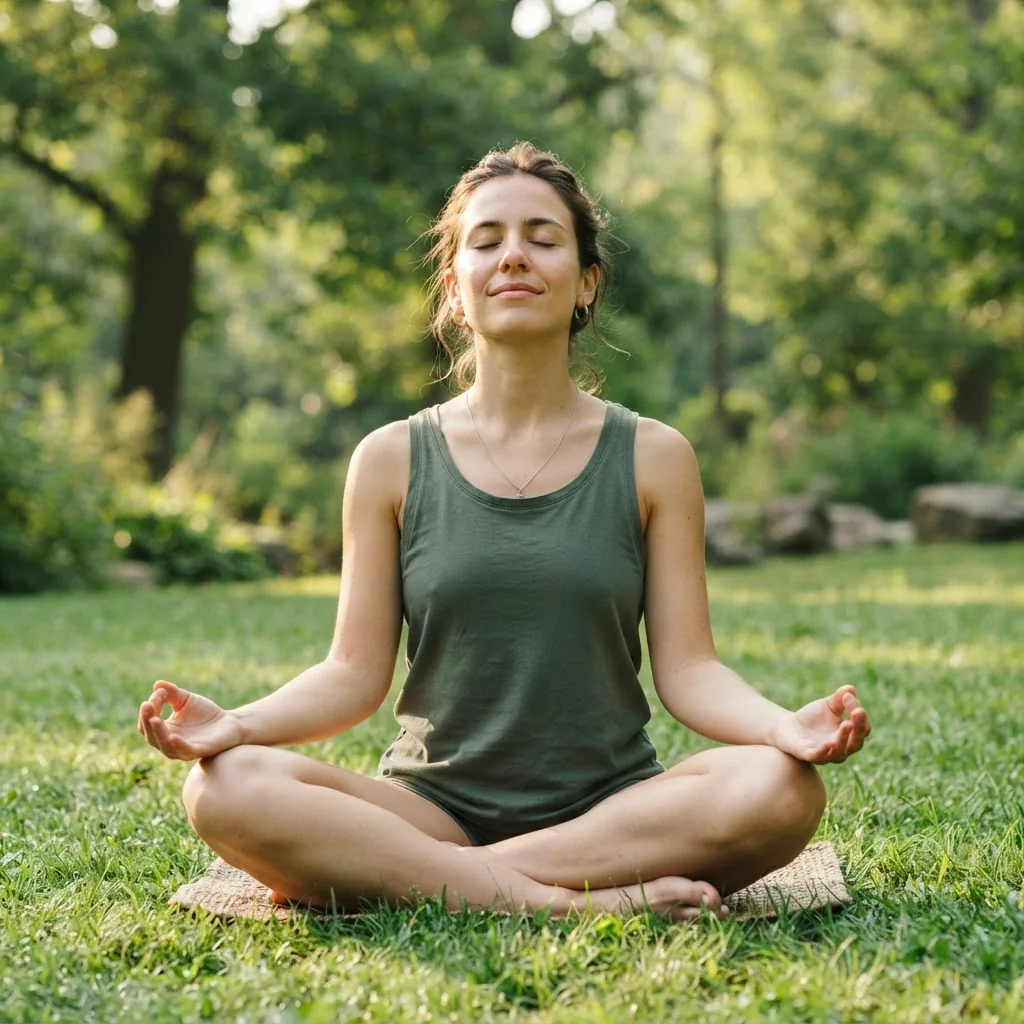
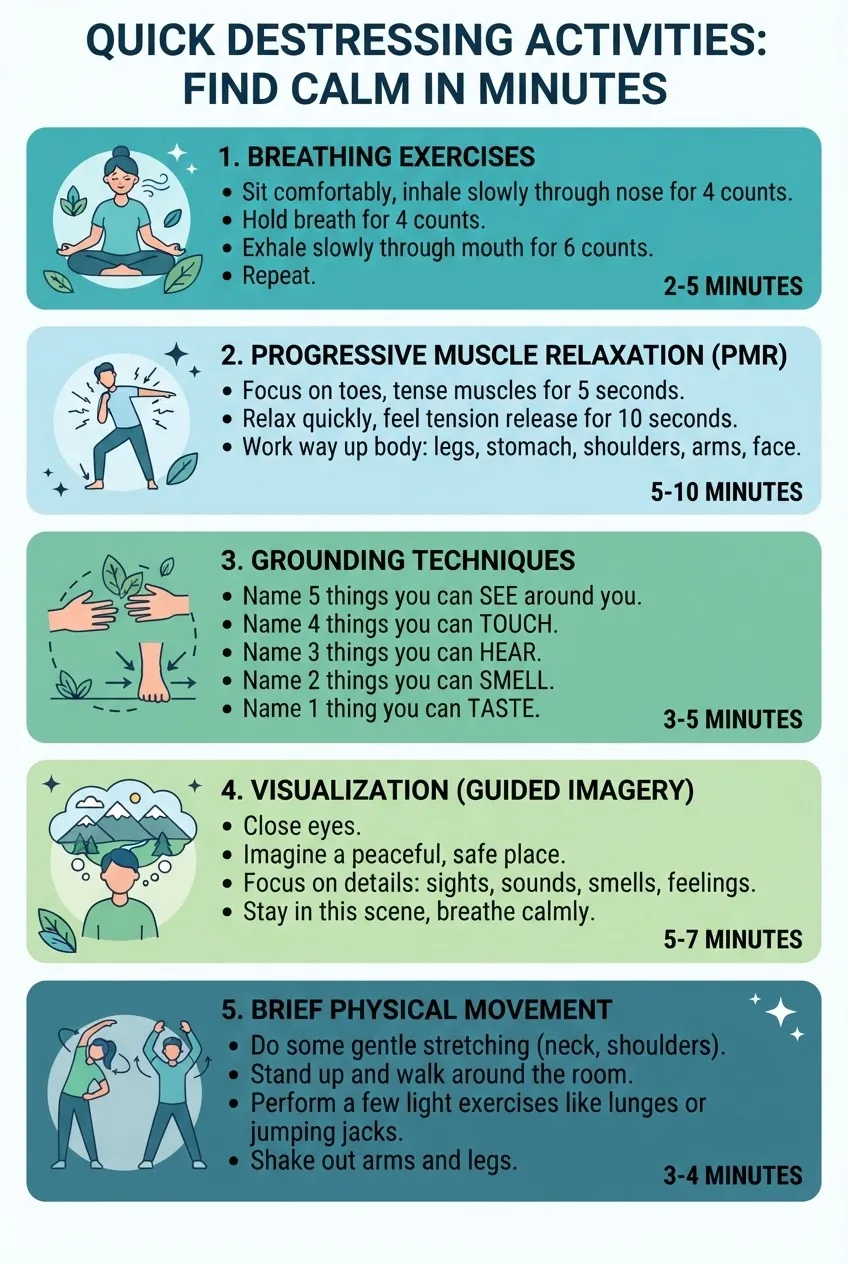
60-second diaphragmatic reset
- Sit upright or lie down. Put one hand on your chest and one on your belly.
- Inhale for 4 seconds through the nose, ensuring your belly rises more than your chest.
- Hold 1–2 seconds, then exhale for 6–8 seconds through slightly parted lips.
- Repeat 6 cycles (about 60–90 seconds). Use this when you need to de-escalate quickly.
Example: A client used this technique in the bathroom before a presentation and reported heart-rate reduction and clearer focus within one minute (practitioner case example).
-
Progressive muscle relaxation (PMR) micro-session
- Find a seated or lying position and set a timer for 6 minutes.
- Sequentially tense each major muscle group for 5–7 seconds, then relax for 15–20 seconds.
- Move feet → calves → thighs → glutes → abdomen → hands → forearms → shoulders → neck → face.
- Finish by scanning the body for lingering tightness and breathe into those areas for 2–3 breaths.
Note: progressive muscle relaxation is a method of systematically tensing and releasing muscles to ease stress; it can reduce sympathetic arousal and improve sleep when repeated nightly.
-
5-4-3-2-1 grounding
- Name 5 things you can see (look around and say them out loud).
- Name 4 things you can touch (press fingers into fabric or wood).
- Name 3 things you can hear, 2 things you can smell, and 1 thing you can taste or imagine tasting.
This technique shifts attention from internal loops to present-moment sensory data and takes 60–120 seconds.
-
Box breathing for rapid regulation
- Inhale 4 counts → hold 4 → exhale 4 → hold 4. Repeat 4 cycles (about 1.5–2 minutes).
- If 4 counts feel long, use 3–3–3–3 and work up to 4–4–4–4.
For structured routines, consider quick guided scripts such as quick guided meditation scripts or the breathing-focused resources at breathing meditation exercises.
-
3-minute visualization refresh
- Close eyes for 90–180 seconds and imagine a calming scene in vivid sensory detail: sounds, textures, smells.
- Anchor it with a two-word cue (e.g., “Calm Shore”) to trigger the image later for 10–20 seconds.
Visualization can produce rapid mood shifts and primes the relaxation response; use it before stressful calls or meetings.
-
Brief physical release
- Do 30 seconds of shoulder rolls and 30 seconds of neck stretches, followed by 1 minute of brisk walking.
- If seated, stand and do 10 bodyweight squats or 30 seconds of marching in place.
Short movement reduces adrenaline pooling and gives the nervous system immediate kinetic feedback that helps let go of stress.
-
Sensory anchoring
- Smell: inhale lavender or citrus for 20–30 seconds.
- Touch: squeeze a stress ball for 30–60 seconds and then relax the hand.
- Sound: 90 seconds of a calming track at moderate volume (60–70% of max).
These tools are portable and work when you can’t change your environment. Use them as a bridge to longer practices.
-
Mini journaling and action planning
- Set a 5-minute timer and do a brain dump; then pick one small action you can complete within 30 minutes.
- Recording the action reduces perceived load and helps the mind let go of intrusive planning loops.
-
Use quick biofeedback or app-guided cues
- If you have an HRV-capable wearable, perform a 2-minute paced breathing sequence and watch HRV increase as a positive reinforcement loop.
- Otherwise, use an app with guided timers and visual feedback for pacing breath and relaxation.
For technology-focused options beyond basics, see advanced stress relief tools.
Transition: Those immediate techniques help in the moment. The next section explores natural treatments and practices that supplement quick destressing and build long-term resilience.
Natural Stress Relief Treatments and Practices
This section outlines commonly used natural stress relief treatments—how they work, when to use them, and evidence or caveats. Use these as adjuncts to quick destressing techniques and daily stress management activities.
Aromatherapy
How it works: Aromatic compounds interact with olfactory receptors and can influence limbic system activity related to mood. Typical applications: diffuse 2–4 drops of essential oil (lavender, bergamot) for 10–30 minutes, or inhale directly from a tissue for 30–60 seconds. Evidence: systematic reviews show aromatherapy may reduce anxiety symptoms in the short term, though effects vary and high-quality evidence is mixed (see peer-reviewed summaries). Use caution: avoid undiluted topical application and consult a clinician if pregnant or on medication. For safety guidance, consult health bodies such as Australian Department of Health.
Herbal and nutritional approaches
Common options: chamomile tea (1 cup, steeped 5–10 minutes), lemon balm (200–600 mg extracts in trials), magnesium supplementation (200–400 mg nightly) and adaptogenic herbs like ashwagandha (typical trials use 300–600 mg/day). Benefits may be modest; look for standardised extracts and third-party testing. Discuss with a GP or pharmacist before combining with prescription medications.
Progressive muscle relaxation (PMR)
Procedure: Tense each muscle group for 5–7 seconds, release for 15–20 seconds, moving up the body. Duration: 6–20 minutes depending on depth. Frequency: nightly practice for 2–4 weeks can produce measurable reductions in tension and improve sleep onset. As a natural stress relief treatment, PMR trains the body to recognise and drop chronic holding patterns.
Mindfulness-based micro-practices
Mindfulness and grounding are foundational: short, repeated mindful moments—three 3-minute sessions per day—strengthen attentional control and reduce reactivity. If you want a fast structured version, try the 3-minute meditation practice and explore broader evidence about meditation benefits at benefits of meditation for stress.
Breathing-based relaxation
Technique specifics: Slow, controlled breathing (6–10 breaths/minute) lowers cortisol and increases vagal tone. Practice 2–10 minutes once or twice daily to build baseline regulation. For guided options and variations, consider resources on breathing meditation exercises.
Cold exposure and contrast therapies
Short cold face splashes (5–10 seconds) or cool showers can briefly activate the parasympathetic-reflex pathway and reset autonomic balance. Use gently and avoid if you have cardiovascular issues without medical approval.
Evidence and safety: Many natural treatments “may help”—they are commonly used and supported by clinical trials of varying sizes. For systematic reviews and to check current evidence, consult peer-reviewed literature such as recent meta-analyses on PMR and aromatherapy (NIH PubMed summaries) and national guidance from recognised organisations like the Australian Psychological Society.
Transition: Natural treatments support daily routines. Next, integrate stress management activities into your life so benefits compound over time.
Stress Management Activities to Incorporate Into Daily Life
Long-term tension reduction relies on repeatable stress management activities that shift baseline reactivity. Use the following how-to steps and examples to design a daily routine. Aim for micro-practices (1–10 minutes) 3–5 times per day plus 20–60 minutes of exercise most days.
Morning reset (10–20 minutes)
- Wake and hydrate: Drink 300–400 ml water within 30 minutes of waking to support cortisol rhythm.
- 10-minute movement: Brisk walk, dynamic stretching, or a short bodyweight circuit (2 rounds of 10 squats, 10 push-ups, 20-second plank).
- 2–3 minute mindful check-in: Use an app or timer to perform a short centring breath sequence to set intention for the day.
Workday micro-breaks (3–10 minutes each)
- Hourly micro-break: Stand and move for 60 seconds; do neck rolls and shoulder circles.
- Focused breathing mid-afternoon: 4–6 breath cycles (inhale 4, exhale 6) for 90 seconds to combat the slump.
- Midday mindful lunch: Eat away from screens and notice 3 flavours and textures to anchor presence.
Evening wind-down (30–60 minutes)
- Digital curfew: Cease screens 30–60 minutes before bedtime; read or do light journaling instead.
- Progressive muscle relaxation or gentle stretching: 8–12 minutes before bed to lower muscle tone.
- Sleep hygiene: Keep bedroom cool (18–20°C), dark, and quiet; aim for consistent sleep/wake times within ±30 minutes.
Journaling and cognitive reframing
Technique: use a 5-minute morning gratitude and a 5-minute evening reflection. For acute planning, use the “one action” rule: pick one task to complete the next day and write the first three steps. This reduces rumination and helps in letting go of stress.
Physical activity for stress relief
Aim for 150 minutes of moderate-intensity exercise weekly or 75 minutes of vigorous exercise as per government guidelines. Short high-intensity interval sessions (10–20 minutes) can deliver rapid mood benefits; longer moderate sessions (30–45 minutes) improve sleep and resilience. Include strength work twice weekly for hormonal balance and confidence.
Example daily schedule: morning 10-minute walk + midday 3-minute breathing reset + evening 10-minute PMR + weekly 45-minute exercise session. Track adherence for 2–4 weeks and adjust based on energy and sleep data.
Transition: Consistent practice is supported by tools. Next section compares devices and apps to help you choose.
Stress Relieving Tools: Devices, Apps, and Physical Aids
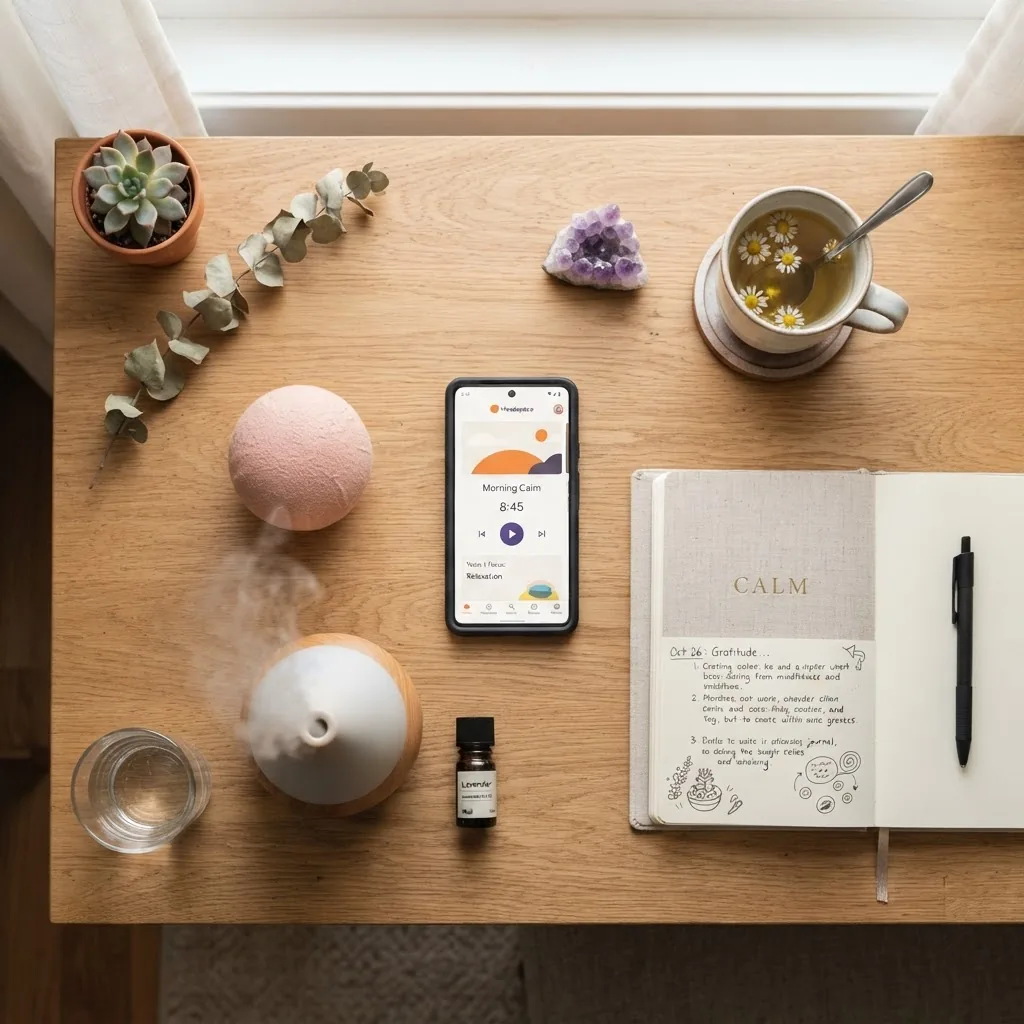
Below is a practical comparison of common stress relieving tools. For readers interested in more sophisticated technology options, consult advanced stress relief tools.
| Tool | How to use | Pros | Cons |
|---|---|---|---|
| Stress relief apps (meditation, breathing) | Daily 2–10 min guided sessions; reminders; timers | Portable, low-cost, structured | Subscription costs; variable quality |
| Weighted blanket | Use nightly, choose 7–12% of body weight | Improves sleep onset and calm | Not for people with respiratory or circulatory issues |
| Stress ball / fidget tool | Squeeze sets of 30–60 seconds during spikes | Cheap, portable, immediate tactile relief | Limited long-term effect alone |
| Essential oil diffuser | Diffuse 10–30 minutes with diluted oils | Creates calming environment; non-intrusive | Allergies, sensitivity, and inconsistent evidence |
| Biofeedback devices / HRV wearables | Short paced breathing with HRV feedback (2–5 min) | Objective feedback, reinforces practice | Costly; learning curve; varying accuracy |
How to choose: pick based on your typical context. If you destress at work, a stress ball and a mobile app are useful. For sleep-related tension, a weighted blanket and nightly PMR are stronger choices. If you want data and training, choose an HRV device but expect to invest $100–$350 and 2–4 weeks of regular use to interpret trends.
Transition: Technology and individual tools are useful, but social structures amplify resilience—see group options next.
Stress Management Group Activities for Social Support
Group stress management activities leverage social connection to reduce threat perception and build accountability. Below are examples with implementation notes for groups of 2–12 people.
Structured peer check-ins (10–20 minutes)
Format: Twice-weekly 15-minute meetings where each participant has 3 minutes to name one stressor and one concrete action they plan to take. The group offers one supportive suggestion each. Benefits: externalises worry, creates accountability, and increases shared problem-solving. Use a timer to keep the session brief and focused.
Guided group grounding or breathing sessions (5–15 minutes)
Format: An experienced facilitator or recorded script leads 5–12 minutes of paced breathing, PMR micro-sequence, and a brief grounding exercise. These are effective as a pre-meeting ritual or a mid-day reset. Online or in-person formats both work—keep sessions consistent (same time twice a week) to form habit.
Activity-based groups (30–90 minutes)
Examples: walking groups, community gardening, group art sessions, or team sports. Shared physical activity releases endorphins and builds connection. Implementation tip: keep first sessions light and social—avoid high-pressure performance goals to make them inclusive.
Peer-led skill workshops (60–90 minutes)
Format: Rotate facilitation so members teach a short stress-management skill (journaling prompts, breathing technique, self-massage routine). This increases ownership and encourages trying diverse techniques.
Support groups and therapy groups
Clinical groups led by a therapist provide structured interventions for anxiety and chronic stress and are appropriate for people with moderate-to-severe symptoms. For information about professional therapy formats and benefits, see the counselling guide referenced earlier: therapy options for stress management.
Safety and etiquette: set confidentiality norms, capacity limits, and clear start/stop times. Encourage people to use “I” statements and make space for quieter members. Track attendance and follow up with absent members to maintain connection.
Transition: Alongside group activity, lifestyle adjustments make the individual practice stick. The following section focuses on lasting changes.
Lifestyle Changes and Tips for Long-Term Tension Reduction
Letting go of stress over the long term requires structural changes in your day and consistent habits. Below are evidence-based lifestyle tips you can implement with concrete measures and thresholds.
Sleep hygiene
Goal: 7–9 hours nightly. Steps: lights off by your target bedtime; reduce caffeine after 2 pm; stop screens 30–60 minutes before bed; use a cool room (18–20°C). Track sleep with a diary or wearable for 14 days to assess improvements.
Nutrition and hydration
Steps: eat three balanced meals including lean protein and vegetables, avoid blood-sugar dips by including protein or healthy fats at each meal, and maintain 1.5–2 litres of water daily. Reduce high-caffeine or high-sugar patterns that escalate physiological arousal.
Regular exercise
Target: 150 minutes moderate or 75 minutes vigorous weekly and two strength sessions. Use short 10–20 minute high-intensity sessions if time-limited. Movement reduces baseline anxiety and improves sleep quality.
Time management and boundaries
Techniques: schedule “focus blocks” of 60–90 minutes with single-tasking and a 10-minute break; set clear communication windows for email (e.g., 9–11 am and 2–4 pm); learn to say no to one discretionary commitment per week to reduce overload.
Social and recreational balance
Plan at least one social or playful activity per week (30–90 minutes). Recreation replenishes resources and makes work stress less consequential.
Mindful integration
Small, repeated acts of presence—two 3-minute mindful pauses daily—help maintain lower reactivity. If you’re curious about a structured yoga pathway to support these changes, consider a guided program like the 30 day yoga challenge for stress relief or explore whether yoga suits you at yoga for anxiety relief.
Small habit scale: start with one 10-minute habit for two weeks (e.g., nightly PMR) before adding another. Track adherence and perceived stress weekly. According to a 2023 Australian Psychological Society report, consistent small habits reliably reduce perceived stress over 6–12 weeks (source: 2023 Australian Psychological Society report).
Transition: Now summarise and give you a checklist to build your own toolbox.
Summary and Next Steps: Building Your Personal Tension Reduction Toolbox
This guide covered immediate quick destressing techniques, natural treatments, daily stress management activities, tools, and group options. To build your personalised plan, follow the checklist below and commit to a weekly review.
Action checklist
- Practice a 60-second breathing reset twice daily for 7 days.
- Complete a 6–10 minute PMR session nightly for 2 weeks.
- Install one stress relief app and schedule 3 micro-practices per day.
- Join or start a weekly peer check-in or walking group.
- Choose one lifestyle change (sleep, exercise, or nutrition) and track it for 30 days.
Next steps: start with the 60-second breathing reset and the 5-minute brain dump today. Keep a simple log and review weekly to refine your toolbox. If techniques are not reducing your symptoms after consistent use, consider professional assessment.
Final CTA: Build your toolbox now—pick two actions from the checklist and schedule them into your calendar for the next 7 days.