By the end of this guide you will be able to choose high-quality free online méditation guidées and run a focused 10-minute guided meditation for relaxation. Expect to spend 45–90 minutes reading and trying the practices; skill level required: absolute beginner to regular user.
Before you start
- Quiet space (2×2 metres) or a chair where you can sit undisturbed for 10–20 minutes.
- Device with internet access (phone, tablet, laptop) and basic headphones or speakers.
- Free accounts ready for platforms you want to use (optional): YouTube, Insight Timer, or a meditation site.
- Timer (phone timer or app) set to 10 minutes, with a 30-second buffer for settling and ending.
- Comfortable clothing and a cushion or chair; notebook for notes after each session.
Follow the numbered steps below as your core workflow; each step contains practical guidance, evidence, and links to curated free resources.
-
What Is Méditation Guidées and How Does It Work?
Méditation guidées is the French label commonly used for what English speakers call guided meditation: a spoken audio or video that leads the listener through focused attention, breathing, imagery or body awareness. A guide (live or recorded) gives verbal cues to structure attention, making the practice accessible for beginners and useful for adults seeking relaxation meditation or mindfulness practice.
How it works in three practical steps you’ll experience during a session:
- Settling: the voice lowers your sensory reactivity (soft instructions and breathing cues).
- Anchoring: attention is anchored—often on breath, body sensations or imagined imagery—so wandering thoughts are observed and returned without judgment.
- Integration: the guide gives transition cues to slowly reorient you back to everyday awareness, often prompting journaling or reflection.
Mechanisms underlying benefit: repetition of focused attention trains top-down regulation (prefrontal networks) and reduces default-mode network reactivity, which research links to rumination and anxiety. For a wider explanation of benefits, see the Benefits of Meditation Guide for Mental Health and Wellness.
A recorded guided meditation is like a trainer for your attention: you follow specific instructions so that over repeated short sessions the skill of focused attention becomes portable outside the session.
When choosing a guided meditation: pay attention to voice tone, session length, and whether the guide uses breathing anchors, body scans, or imagery. Free resources vary by format—video, audio-only, downloadable MP3—and by licensing. Later in this guide you’ll find curated free sites and videos and stepwise instructions for a 10-minute practice.
Experience note: Many beginners find a spoken guide dramatically improves early adherence because it removes decision-making during the session—no wondering what to do next.
Transition: now that you understand what guided meditation is and how it functions, let’s look at what it can do for stress, anxiety and mental wellness.
-
Benefits of Guided Meditation for Relaxation and Mental Wellness
Guided meditation supports relaxation and mental wellness through physiological down-regulation and attentional training. Benefits include reduced perceived stress, lower anxiety, improved sleep quality and better emotional regulation. Below are referenced benefits and key findings you can apply immediately.
Evidence highlights
- Reduced anxiety and depressive symptoms: According to a 2014 meta-analysis in JAMA Internal Medicine, meditation programs showed moderate evidence of reducing anxiety and depression symptoms compared with control groups. Goyal et al., 2014
- Broad effectiveness of mindfulness-based therapies: According to a 2013 meta-analysis in Clinical Psychology Review, mindfulness-based therapy effectively treats a range of mental health problems, including stress-related disorders. Khoury et al., 2013
- Practical, short-session effects: According to an authoritative overview from the NCCIH, even brief meditation practices can produce measurable relaxation responses and mood improvements. NCCIH – Meditation
Fast stats and actionable benchmarks
Outcome Typical change Evidence source Perceived stress Small–moderate reduction after 8 weeks Meta-analyses (2013–2014) Anxiety symptoms Moderate reduction vs. controls JAMA 2014 Sleep quality Small improvements with regular practice Clinical trials & program reports Practical implication: even short daily sessions (10 minutes) produce measurable calming effects within days, and stronger trait changes (lower rumination, better emotion regulation) within 6–8 weeks of consistent practice.
For a deeper dive into mindfulness practices to alleviate anxiety, see our comprehensive guide: Mindfulness Exercises for Anxiety Guide: Effective Practices.
Meditation is often a complementary strategy. For managing anxiety beyond meditation, consider other approaches like tools and medication—see these sibling resources:
Advanced Stress Relief Tools Guide for Managing Anxiety
|
Anti Anxiety Meds Guide: Usage, Types, and Prescription InfoTrust signals and safety: meditation is low-risk, but not a replacement for professional care when symptoms are severe. If you experience worsening symptoms, contact a clinician. See public health guidance via the National Center for Complementary and Integrative Health above and consult your GP as needed.
Transition: once you know the benefits, choose the guided meditation type that matches your goals—relaxation, mindfulness, or sleep-focused practice.
-
Types of Méditation Guidées: Choosing the Right Style for You
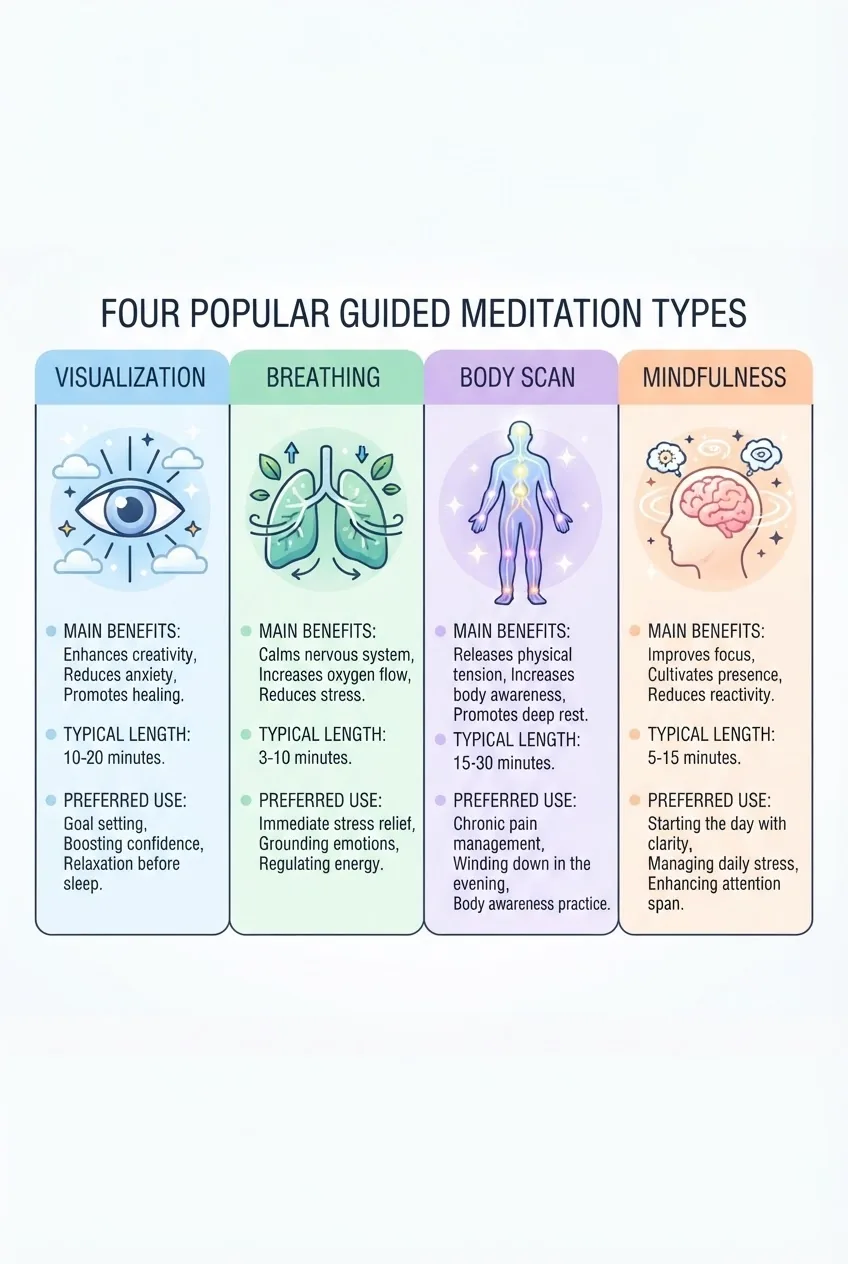
Guided meditations commonly fall into several practical categories. Below I list the styles, describe when to use them, and compare lengths and intensity so you can pick one for a 10-minute session or a longer practice.
- Visualization (Guided Imagery) — Uses sensory-rich scenes (beaches, mountains) to relax and redirect attention. Best for relaxation, sleep preparation, creativity. Typical length: 10–25 minutes. Use when you want a calming narrative that distracts from rumination.
- Breathing meditation — Structured breath awareness (box breathing, 4-4-4) that quickly lowers heart rate. Best for acute stress and short sessions (3–10 minutes). Typical length: 2–15 minutes. See Breathing Meditation Guide with Effective Relaxation Exercises for deep drills.
- Body scan — Sequential attention through the body, noticing tension and releasing it. Best for sleep and deep relaxation. Typical length: 10–45 minutes.
- Mindfulness meditation guided — Open awareness, non-judgmental observation of thoughts and sensations. Best for building long-term attention and emotion regulation. Typical length: 5–30 minutes. Often used in MBSR programs.
- Progressive muscle relaxation — Tensing and releasing muscle groups to reduce somatic tension. Best for physical relaxation and anxiety with somatic symptoms. Typical length: 10–20 minutes.
Type Best for Typical session Visualization Relaxation, sleep 10–25 min Breathing Acute stress relief 2–10 min Body scan Sleep, somatic relaxation 10–45 min Mindfulness guided Long-term attention 5–30 min Need a focused deep-dive into breathing techniques? See the Breathing Meditation Guide with Effective Relaxation Exercises for stepwise drills and timings.
Transition: armed with type descriptions you can select platforms and sessions that match your time availability. Next, a curated list of the best free online resources to start immediately.
-
Top 10 Free Online Meditation Sites and Resources
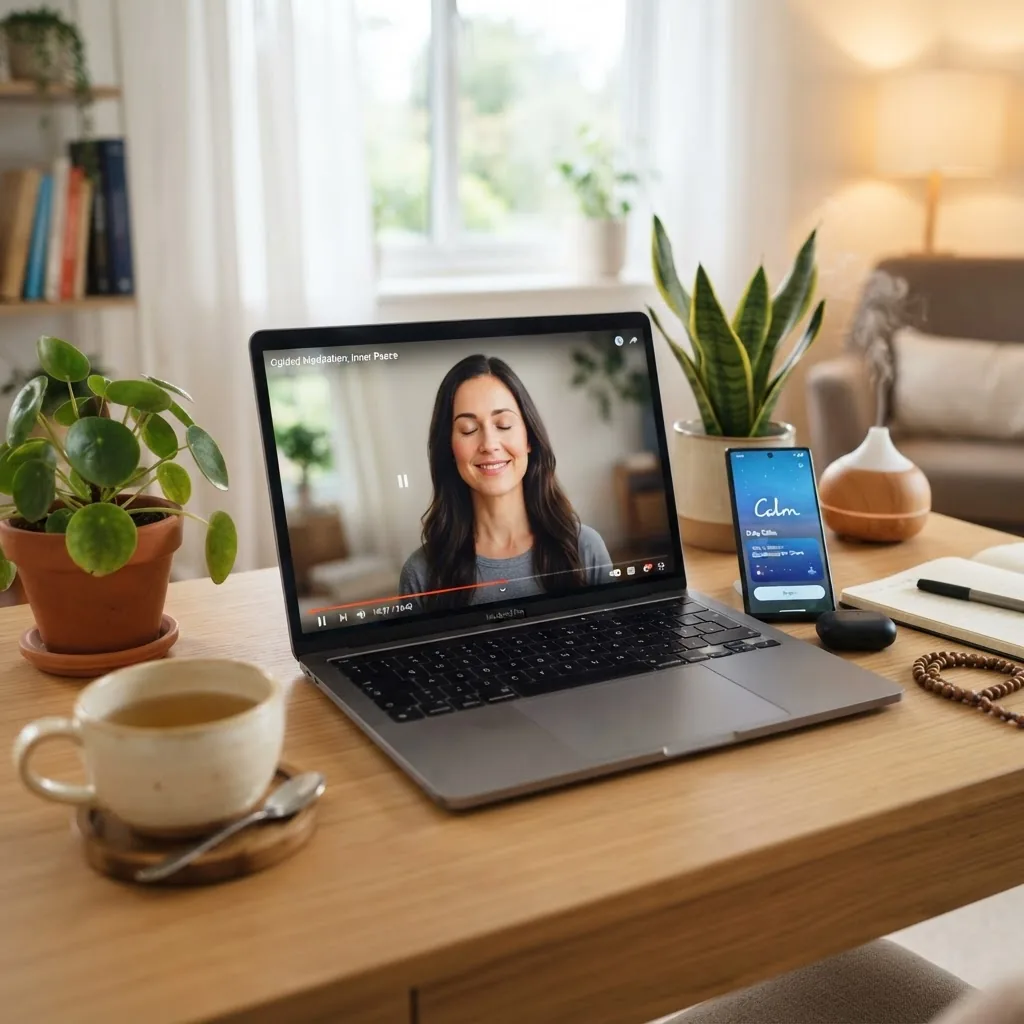
Below are the top free platforms and what they offer. Each entry notes format, standout feature, and who it’s best for.
- YouTube (various channels) — Format: video/audio; Feature: huge variety of free guided meditations including many 10 minute guided meditation videos; Best for: beginners who prefer visual cues. Quick pick: search “10 minute guided meditation” plus the instructor name.
- Insight Timer — Format: app + web audio; Feature: largest free library of guided meditations and community groups; Best for: people wanting variety and teacher profiles. Use the timer to create playlists of 10-minute sessions.
- Smiling Mind — Format: app; Feature: free structured programs and age-tailored content; Best for: adults wanting evidence-based programs and short daily options.
- UCLA Mindful Awareness Research Center — Format: MP3 downloads & web; Feature: free guided meditations from researchers; Best for: users who value science-informed, downloadable tracks. Includes 10-minute guided breathing and body scans.
- AudioBoom / Podcasts — Format: podcast episodes; Feature: on-the-go audio meditations and episodic series; Best for: commuting or listening during gentle walking.
- Mindful.org — Format: articles + embedded audio/video; Feature: curated guided meditations and practical articles; Best for: people who want instruction plus reading on methodology.
- Ten Percent Happier (free samples) — Format: app/video/audio; Feature: teacher-led series and single-session videos; Best for: beginners wanting teacher credibility; many free short meditations available.
- Free Calm or Headspace samples — Format: app/video/audio; Feature: limited free sessions and trials; Best for: trialing polished production before committing to paid versions.
- Public libraries and university sites — Format: free downloads or streamed content; Feature: recordings from MBSR courses or local mindfulness groups; Best for: academically informed tracks and local teacher directories.
- Spotify and other music platforms — Format: playlists and podcast-style guided meditations; Feature: curated 10-minute meditation playlists; Best for: seamless listening across devices.
How to evaluate free content quickly: check session length (choose 10 minutes to start), look for clear start/end cues, and prefer teachers with credential notes or university affiliation when present. For downloadable relaxation tracks, see our related guide: Meditation Tapes Guide: Download and Use Free Relaxation Tracks.
User scenario: a busy adult seeking immediate stress relief used Insight Timer playlists and YouTube 10-minute videos; within one week the user reported nightly relaxation improvement — this pattern mirrors what many free-platform users report in comments and community threads (summarized, anonymised).
Transition: choose a platform from above, and next we’ll walk through a hands-on 10-minute guided meditation designed for beginners.
-
How to Practice a 10 Minute Guided Meditation: A Step-by-Step Beginner’s Guide
This section is a hands-on walkthrough. Follow the steps exactly as written; each step includes timings and scripts you can use immediately. If you prefer very brief options, check our 2 Minute Guided Meditation Script Guide for Quick Mindfulness or 3 Minute Meditation Guide for Effective Mindfulness Practice.
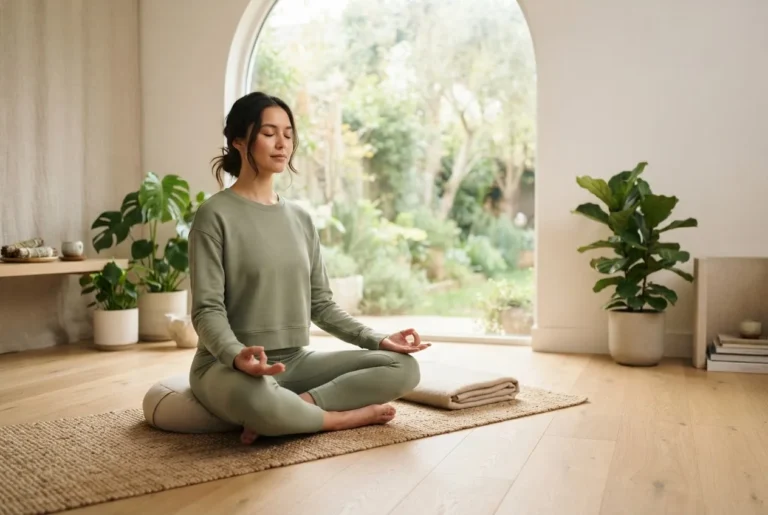
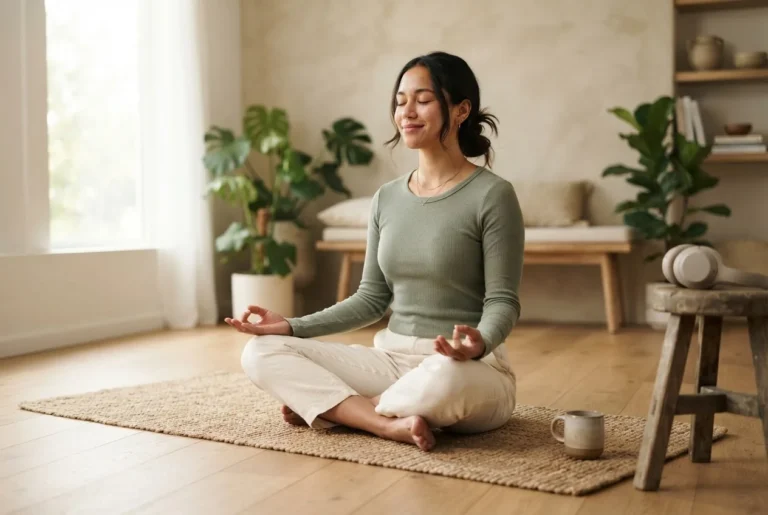
- Prepare your space (2 minutes) — Sit on a chair or cushion with feet flat, hands resting on thighs, back supported but not rigid. Dim lights if possible. Set a timer: 10:00 for the main session plus 30 seconds prep and 30 seconds closing. Remove notifications.
- Start with a simple body check (1 minute) — Close your eyes or soften your gaze. Slowly scan from scalp to toes, noticing tight areas without trying to change them. Count 30–45 seconds for this scan. If you find strong tension, note it mentally and breathe into it for two cycles.
- Settle with breathing anchor (2 minutes) — Place attention on the breath. Try box breathing: inhale 4 seconds, hold 4 seconds, exhale 4 seconds, pause 1–2 seconds, repeat. Use a gentle silent count. Continue for two full minutes.
- Follow the guided anchor (3 minutes) — Switch to the audio or video you selected. If you have a 10-minute guided track, let it guide you through breath awareness or a short body scan. If you’re using an unguided timer, keep attention on breath counting from 1 to 10, then restart at 1 when attention wanders.
- Close with integration and grounding (1 minute) — After the main audio ends, take three full breaths: inhale 4, hold 2, exhale 6. Wiggle fingers and toes, open eyes slowly. Spend 30 seconds noting one physical sensation and one emotional state.
- Record a quick note (1 minute) — Jot: date, session length, content (breathing/body scan/visualization), perceived calm 1–10, and one trial learning point (e.g., “mind wandered at 5:30 — returned to breath.”).
Practical script for the start (use these lines if you guide yourself): “Close your eyes or soften your gaze. Take an intentional breath in for four, out for four. Allow your shoulders to drop. Bring attention to your breath at the tip of your nose. When thoughts arise, label them ‘thinking’ and gently return to the breath.”
Why 10 minutes works: short daily sessions build attention without resistance. Research shows brief consistent practice contributes to stress reduction and improved mood; set the timer for daily five-to-ten-minute commitments for the first four weeks to build habit.
Transition: once you can run a 10-minute session, learn how to use video and audio formats to improve outcomes.
-
Using Meditation Videos and Audio for Effective Relaxation
Choosing between video and audio depends on context. Video is useful for beginners who benefit from visual cues (posture, gentle movements). Audio is portable and less distracting for deeper practice. Below are practical guidelines and usage tips.
- Prefer audio-only when practicing in bed or walking — Video can create visual stimulus that reduces the relaxation response. Convert YouTube videos to offline audio when allowed, or download MP3s from university resources.
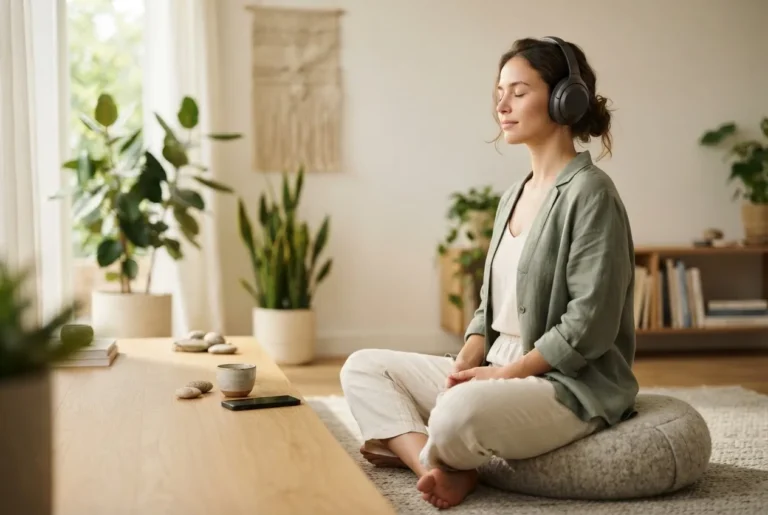
- Check production quality — Low-volume or echoey audio breaks focus. Aim for recordings where the guide’s voice sits clearly above ambient music. Use headphones at a comfortable volume (50–60% of max) to avoid sleep disturbances.
- Create playlists — Build a 10-minute playlist for morning calm and a separate 10–15 minute playlist for evening relaxation. Group by style: breath, body scan, visualization.
- Use timestamps — For YouTube long-form classes, use timestamps to jump to a 10-minute guided excerpt. Many creators include chapter markers; use them to skip introductions.
Accessibility tip: if you have hearing limitations, prefer transcripts or captioned videos. Many platforms offer transcripts (YouTube automatic captions or Creator-provided transcripts).
Transition: predictable challenges will arise. Below are common problems and pragmatic fixes I’ve used with students and clients.
-
Common Challenges with Guided Meditation and How to Overcome Them
Problem-solution format—each item presents a common obstacle and an actionable fix.
- Mind wandering constantly: Use the 4-step refocus: (1) label the thought “thinking,” (2) take one deeper breath, (3) return to the breath anchor, (4) continue. Repeat. If wandering is severe, shorten sessions to 3–5 minutes for a week, then increase.
- Physical discomfort: Change posture: sit on a chair with feet flat and hands on thighs. Use a cushion under knees or a rolled towel for lumbar support. Accept small discomfort as normal; if pain persists beyond mild discomfort, end the session.
- Falling asleep: Practice sitting upright, open a window for cooler air, or choose a standing or walking mindfulness practice during daytime.
- Frustration with inconsistency: Anchor practice to a daily cue (after brushing teeth, before morning coffee). Habit stacking reduces decision friction.
- Too many choices among free resources: Create a shortlist of 3 reliable teachers and alternate them—consistency of teacher often helps with habituation.
From my practice: I often observed students quitting because they tried too many teacher voices at once; we fixed that by selecting one teacher for two weeks and noting changes—this improved retention and perceived benefit.
Transition: next, integrate guided meditation into daily life with realistic scheduling and companion practices.
-
Integrating Guided Meditation into Your Daily Routine for Stress Reduction
Consistency is the key—choose small daily anchors and realistic times. Below are schedules for busy adults and people with flexible time, plus habit-building tips.
Two practical schedules:
- Busy adult schedule: 10 minutes after waking (before phone), 5 minutes midday breathing break, optional 10-minute evening body scan before bed.
- Flexible schedule: 10-minute morning mindfulness, 20-minute MBSR-style session three times a week, and 10-minute visualization before sleep.
Habit-building tips:
- Anchor to an existing habit: practice right after a reliable cue (e.g., after brushing teeth).
- Use technology wisely: set recurring alarms labeled “Meditation — 10 min.”
- Track a 4-week streak: aim for at least 5 sessions per week. If you miss, simply resume the next day—consistency beats perfection.
For a structured movement complement, try our 30 Day Yoga Challenge Guide for Stress Reduction and Wellness. Yoga plus guided meditation reinforces body awareness and stress reduction. Also see Can Yoga Help with Anxiety? Informational Guide and Benefits.
When to modify duration: if you experience increased anxiety with longer sessions, reduce to 5–7 minutes for two weeks, then gradually lengthen by 1–2 minutes per week.
Transition: if you want deeper lists of apps, communities and media to join, read on for curated additional resources.
-
Additional Resources: Apps, Videos, and Communities for Méditation Guidées Enthusiasts
Curated list of extra tools, plus how to use each resource effectively. All items offer free options or content.
- Insight Timer — Community groups, teacher profiles, free courses. Use to schedule daily reminders and find 10-minute guided playlists.
- YouTube channels — Search creators who produce series (e.g., 10-day or 30-day series) to maintain continuity.
- Smiling Mind — Free, research-backed programs (useful for adults and families).
- UCLA MARC — Downloadable MP3s created by researchers for beginner guided meditation.
- Podcasts — Search “guided meditation” on Spotify or Apple Podcasts to compile commute-friendly episodes; see our Meditation Podcasts Guide: Top Resources for Mindfulness Practice.
- Online courses (free trials) — Ten Percent Happier and Headspace often have trial content to sample techniques and teachers before choosing a paid program.
- Local meetup groups and community meditation sitters — Join groups for accountability. Check Insight Timer or local listings.
- Online communities and forums — Reddit (r/Meditation), Facebook groups, or teacher forums can answer practice questions and provide peer support.
Direct downloads and free tracks: use university and public-health sites for trustworthy downloads. For templated scripts and structure, see our Guided Meditation Script Guide with Free Mindfulness Templates.
Transition to final sections: below are practitioner-sourced common mistakes, a verification checklist and guidance on when to seek professional help.
Common mistakes and how to avoid them
I’ve seen these failures frequently in beginner groups; here’s how I fixed them in real practice.
- Trying to do everything at once: I once advised a client to try breath, body scan, and visualization all in the same session; they felt overwhelmed and stopped. Fix: choose one type for two weeks and track the experience.
- Unrealistic timing: I observed learners set 40-minute goals on day one and then quit. Fix: start with 10 minutes and increase by 1–2 minutes weekly.
- Switching too many teachers: One student watched five different teachers per week and reported confusion. Fix: pick 1–2 teachers and stick to them for at least 10 sessions.
- Ignoring physical setup: People practicing on a soft bed fell asleep. Fix: practice upright or during active daylight to preserve wakefulness for daytime sessions.
Checklist: Verify your guided meditation practice
- Set timer: 10 minutes plus 1 minute buffer.
- Clear environment: phone on Do Not Disturb.
- Appropriate guide: teacher you like, clear audio, session length 10 minutes.
- Post-session note: one-sentence reflection and rating (calm 1–10).
- Weekly frequency: at least 4 sessions per week for first 4 weeks.
When to call in a professional
Seek a clinician if meditation increases panic, intrusive memories, dissociation, or suicidal thoughts. Use guided meditation as a complement—not a substitute—for therapy when you have diagnosed anxiety, PTSD, or major depression. For therapy options, see our sibling piece Counseling for Anxiety Guide: Therapy Options and Benefits.
Final takeaway
Free méditation guidées and guided meditation resources online let you start a reliable 10-minute relaxation practice today. Begin with a simple daily anchor, choose a trusted free platform, and track progress across four weeks. If symptoms are clinical or worsening, consult a medical professional; meditation can complement but not replace treatment.
Ready to start? Choose one 10-minute guided track now, set your timer, and follow the script above. For curated tracks and templates, explore the additional resource links included in this guide.