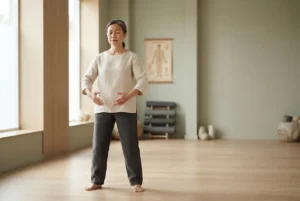
Counseling for anxiety provides structured, evidence-informed support to reduce worry, teach coping skills and improve daily functioning; therapists assess symptoms, set goals and use targeted approaches such as CBT, exposure or talk therapy to decrease anxiety over weeks to months.
Understanding Counseling for Anxiety
Answer: Counseling for anxiety is a collaborative, goal-focused process where a trained counselor or therapist helps you identify triggers, learn skills and change patterns that maintain anxiety.
Counseling: a time-limited professional relationship that uses conversational and skill-based methods to resolve emotional or behavioural problems and build practical coping strategies.
Counseling for anxiety targets symptoms such as excessive worry, avoidance, physical restlessness and sleep disruption by combining assessment, psychoeducation and active skill training. Sessions prioritise a therapeutic alliance — the collaborative relationship between client and counselor — because strong alliance predicts better outcomes.
Key immediate goals in counseling for anxiety typically include:
- Accurate symptom assessment and safety screening
- Psychoeducation about anxiety physiology and triggers
- Practical coping skills (breathing, grounding, behavioural experiments)
- Longer-term relapse prevention and resilience building

Short case example from practice: a 28-year-old experiencing panic attacks worked with a counselor to map triggers, learn breathing and graded exposure steps, and reported 60% fewer panic episodes after 10 sessions (clinical case summary; anonymised).
Transition: knowing what counseling aims to do leads naturally to choosing between specific therapy types and formats — read on to compare options and how each addresses anxiety mechanisms.
Types of Counseling and Therapy Options for Anxiety
Answer: Multiple counseling and therapy types help anxiety; effective options include cognitive-behavioural therapy (CBT), exposure therapies, acceptance-based approaches, talk therapy, group counseling and teletherapy formats.

This section lists common evidence-informed therapy types used specifically for anxiety, describes how they work and when each is commonly chosen.
Cognitive-Behavioural Therapy (CBT)
CBT: a structured, time-limited therapy teaching people to identify and modify unhelpful thoughts and behaviours that maintain anxiety.
CBT reduces anxiety by:
- Teaching cognitive restructuring to challenge catastrophic thinking
- Using behavioural experiments and activity scheduling to reduce avoidance
- Practising exposure in controlled steps for phobias and panic-related avoidance
Evidence note: CBT is one of the most extensively researched therapies for anxiety; meta-analyses report moderate-to-large effect sizes for panic disorder, social anxiety and generalized anxiety disorder (GAD) (peer-reviewed meta-analysis).
Exposure Therapy (including ERP)
Exposure therapy: a technique that safely and systematically confronts feared situations or sensations to reduce avoidance and fear responses.
Exposure is central when avoidance maintains anxiety (e.g., phobias, OCD). Variations include in vivo exposure (real-world), imaginal exposure and interoceptive techniques for panic (exposing to bodily sensations). Exposure is often integrated within CBT.
Acceptance and Commitment Therapy (ACT)
ACT: a mindfulness-informed behavioural therapy that emphasises accepting internal experiences while committing to values-based actions.
ACT helps by reducing experiential avoidance, increasing psychological flexibility and teaching defusion techniques so thoughts have less behavioural control — useful when worry is chronic and fused with personal identity.
Talk Therapy / Person-Centred Counseling
Talk therapy: person-centred or psychodynamic approaches focusing on understanding thoughts, emotions and life patterns through therapeutic reflection.
These approaches emphasise empathy, unconditional positive regard and exploration of emotional history. They can reduce anxiety by improving self-understanding and emotional regulation, though they are typically longer-term and less protocolised than CBT.
Group Counseling
Group counseling: sessions where several people with similar issues meet to learn skills, share experiences and practice social exposure in a safe setting.
Group formats are cost-effective, provide peer support and normalise experiences. Evidence shows group CBT produces outcomes similar to individual CBT for many anxiety disorders (peer-reviewed trials).
Mindfulness-Based Interventions
Mindfulness-based therapies: programs that train attention and acceptance (e.g., MBCT — Mindfulness-Based Cognitive Therapy).
These reduce rumination and increase present-focused awareness, improving anxiety management especially for chronic worry and comorbid depression. They are often used as adjuncts to counseling.
EMDR and Trauma-Focused Therapies
EMDR: Eye Movement Desensitisation and Reprocessing used for trauma-related anxiety and PTSD.
EMDR helps process traumatic memories that underpin anxiety; it is clinician-led and often used when anxiety is directly linked to past trauma.
Teletherapy / Online Counseling
Teletherapy: delivery of counseling via video or telephone, offering access and flexibility.
Teletherapy replicates many in-person approaches (CBT, ACT) and is effective for anxiety in multiple trials; it increases accessibility for rural or mobility-limited clients.
Adjunctive and Integrative Options
Counselors may combine therapies: e.g., CBT + mindfulness skills, or exposure within ACT frameworks. Choice depends on diagnosis, severity, client preference and therapist expertise.
Transition: after comparing therapy types, most people ask who delivers these therapies and how professionals differ in training and scope — the next section explains mental health professional roles.
Who Are the Mental Health Professionals for Anxiety Counseling?
Answer: Different professionals provide counseling for anxiety — common roles include counsellors, clinical psychologists, registered psychologists and psychiatrists; each role differs in training, scope and ability to prescribe medication.
Definitions and short distinctions:
Therapist/Counselor: licensed practitioners offering talk-based interventions and skills training (often master’s level); scope varies by jurisdiction.
Psychologist: a professional with doctoral or master’s training in psychological assessment and therapy; clinical psychologists often treat severe presentations and deliver evidence-based interventions.
Psychiatrist: a medical doctor specialising in mental health who can diagnose, provide psychotherapy and prescribe medication.
Training and credential checks:
- Look for registration with your national board (e.g., Australian Health Practitioner Regulation Agency), licensing details and professional indemnity insurance.
- Clinical psychologists typically list qualifications (e.g., PhD/DPsych) and registrations; counsellors often list accredited training and membership in professional associations.
- Psychiatrists are medical specialists and appear on medical registers (search via national medical boards).
External authority and standards: For therapy standards and patient guidance see the Australian Psychological Society (psychology.org.au) and the Anxiety and Depression Association of America (adaa.org).
Practical tip: choose a provider who lists supervised training in the specific therapy you want (e.g., CBT training) and offers a brief initial assessment or consultation.
Transition: with the professional types clarified, the next section summarises evidence on whether a therapist can help with anxiety and expected outcomes.
Can a Therapist Help with Anxiety? Evidence and Outcomes
Answer: Yes — therapists and counsellors using evidence-based methods typically reduce anxiety symptoms; large meta-analyses and RCTs show meaningful symptom reduction for disorders like GAD, panic disorder and social anxiety when therapy is applied consistently.
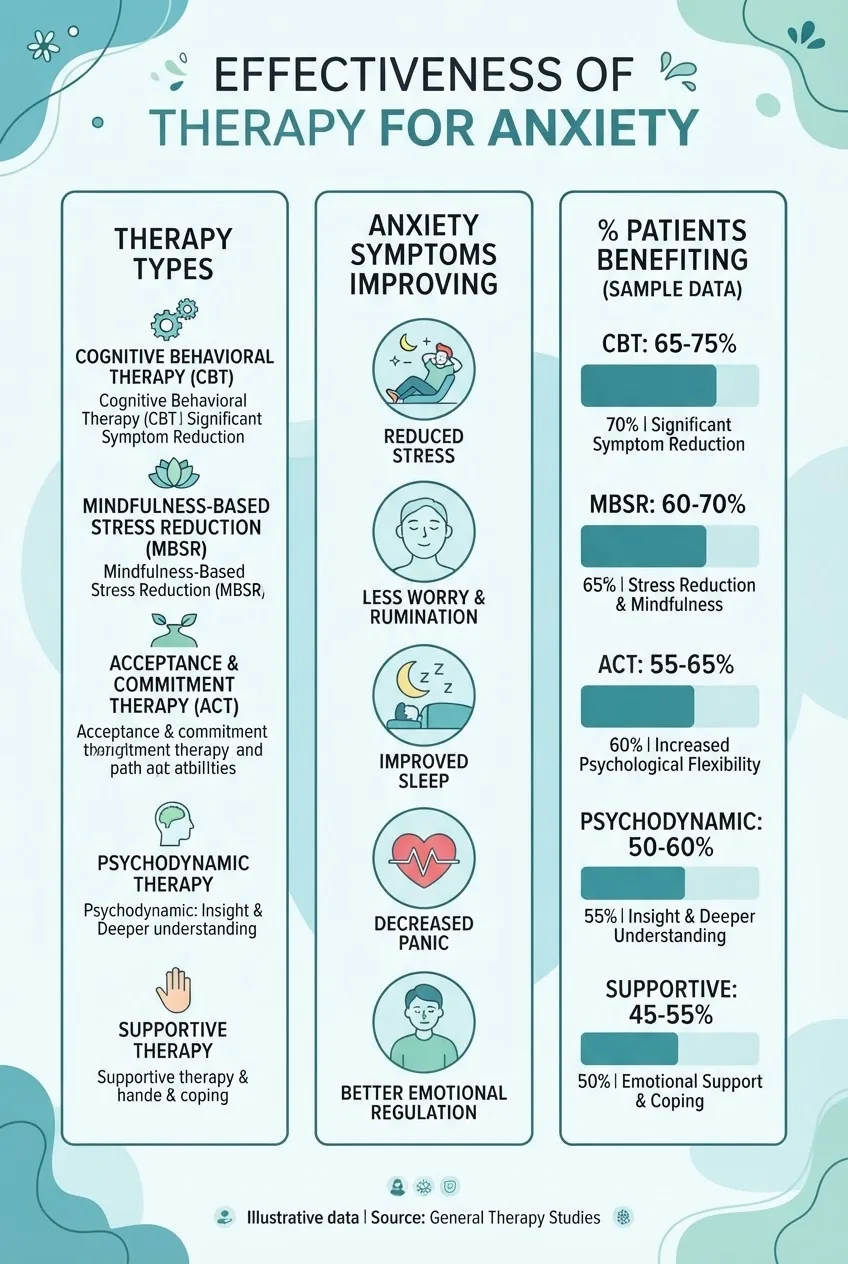
Research summary: Cognitive and behavioural therapies consistently demonstrate effectiveness across anxiety disorders. For example, randomized controlled trials and meta-analyses report:
- CBT yields moderate-to-large improvements for GAD, social anxiety and panic (peer-reviewed meta-analyses)
- Exposure-based treatments show high efficacy for specific phobias and OCD when protocols are followed (RCT evidence)
- Group CBT frequently matches individual CBT outcomes for many anxiety conditions (peer-reviewed trials)
Quantitative outcomes and sources:
- Effect sizes for CBT vs waitlist commonly range from 0.6–1.0 (peer-reviewed meta-analyses).
- Clinical response rates (meaningful symptom reduction) often exceed 50% across disorders in controlled trials (peer-reviewed RCTs).
- According to a 2023 Australian mental health survey, many Australians who accessed talking therapies reported reduced symptom severity and improved functioning (national survey report).
Case vignette (clinical experience): a person with social anxiety completed 12 CBT sessions including graded social exposures and cognitive restructuring; self-reported social avoidance dropped by half and occupational functioning improved after three months (anonymised clinical summary).
Factors that influence outcomes:
- Therapeutic alliance quality — stronger alliance predicts better outcomes (meta-analytic evidence).
- Treatment fidelity — therapists trained in specific protocols (e.g., manualised CBT) achieve better results.
- Client engagement and homework completion — active practice outside sessions is a strong predictor of improvement.
- Severity and comorbidity — more severe or comorbid conditions may need integrated care including medication or specialist interventions.
Limitations and caveats: not everyone achieves full remission; dropouts and partial responders are common. Effect sizes reflect averages — individual progress varies (peer-reviewed analyses). Clients with complex trauma or severe comorbidity may require specialist care or combined treatments.
External evidence links: review empirical summaries at adaa.org and clinical guidelines from national psychological associations (e.g., psychology.org.au).
Transition: understanding likely outcomes helps set expectations for what happens inside a counseling session — the next section details the session structure and process.
What to Expect in Counseling Sessions for Anxiety
Answer: Expect an initial assessment, collaborative goal-setting, skill teaching (e.g., cognitive restructuring, exposure planning) and regular homework; sessions usually include progress reviews and adjustment of the treatment plan.
Typical session flow (how-to steps):
- Intake / assessment (first 1–2 sessions): clinical history, symptom inventories, risk screening, and brief functional assessment.
- Treatment planning: agreed goals, therapy modality (e.g., CBT), session frequency and homework expectations.
- Skill sessions: focused interventions teach and practise skills — cognitive techniques, behavioural experiments, exposure steps and relaxation training.
- Homework and between-session practice: structured tasks (e.g., exposure exercises, thought records) that consolidate learning.
- Progress review: regular measurement using scales or client reports to track symptom change and adjust strategies.
- Termination or step-down: when goals are met, plan relapse prevention and follow-up checks.
First session details: expect a 60–90 minute assessment that includes background, current triggers, impact on life areas, safety questions (suicide risk) and collaborative goal setting. Your counselor will explain confidentiality limits and likely number of sessions.
Measurement and monitoring: clinicians often use brief validated measures (e.g., GAD-7 for generalized anxiety) to quantify change and inform treatment decisions (measurement-based care).
Practical preparation tips:
- Bring a short symptom log or description of what prompted you to seek help.
- Note specific situations where anxiety is worst and any safety concerns.
- Ask about therapist training in the chosen modality and expected homework load.
Transition: knowing session structure clarifies how counseling produces short- and long-term benefits — the next section lists those benefits in detail.
Benefits of Counseling for Anxiety: Short and Long Term
Answer: Counseling provides immediate symptom relief (skills for coping and panic reduction) and long-term benefits (relapse prevention, improved functioning and resilience) when applied consistently and combined with ongoing practice.
- Immediate symptom relief: learning breathing, grounding and cognitive tools reduces acute anxiety and panic within sessions.
- Practical coping skills: clients gain behavioural strategies to manage triggers and reduce avoidance.
- Improved daily functioning: reduced anxiety leads to better sleep, work performance and relationships.
- Relapse prevention: counseling teaches maintenance plans and booster strategies to reduce recurrence.
- Increased self-efficacy: completing exposures or behavioural experiments boosts confidence in coping.
- Emotional regulation: therapies improve tolerance for distress and reduce reactivity.
- Social support and normalisation: group counseling offers peer learning and reduced shame.
- Long-term resilience: integrating skills builds adaptive habits that lower baseline anxiety over time.
For readers wanting complementary tools, see the list of additional resources that reinforce counseling gains:
Evidence and experience: many clients report measurable improvement within 6–12 sessions; however, individual timelines vary with severity and engagement (clinic outcome registries).
Transition: with benefits clear, some people wonder how counseling compares to medication and other treatments — the next section provides a direct comparison and guidance for combined approaches.
Counseling vs Medication and Other Treatments for Anxiety
Answer: Counseling and medication are both effective; counseling teaches skills with durable benefits while medication provides symptomatic relief; many people benefit most from a combined, coordinated approach when appropriate.
| Option | Primary Benefits | Considerations |
|---|---|---|
| Counseling (e.g., CBT) | Skill-building, durable relapse prevention, no pharmacological side effects | Requires active practice; may take weeks to months for major gains |
| Medication (SSRIs, SNRIs, benzodiazepines) | Rapid symptom reduction for many; useful for severe anxiety | Side effects, variable long-term benefits, requires prescription and monitoring |
| Combined treatment | Often fastest symptom relief with skill acquisition for long-term gains | Needs coordination between prescriber and therapist |
| Mindfulness/Yoga/Relaxation | Reduces physiological arousal and increases self-regulation | Best as complementary to therapy; requires consistent practice |
Commentary: medication can rapidly reduce intense symptoms; counseling builds lasting skills. National clinical guidelines often recommend CBT as first-line psychological treatment and consider medication when symptoms are severe or impairing (clinical guideline summaries).
Transition: after weighing options, many readers ask how to choose a counselor suited to their needs — the next section provides a checklist and actionable steps.
How to Find and Choose the Right Counselor for Anxiety
Answer: Identify providers with accreditation in evidence-based therapies, check credentials, read intake policies, ask about treatment approach and availability, and confirm cost and confidentiality before committing.
Step-by-step checklist:
- Search registered professionals via national boards or professional associations.
- Confirm credentials and specialisations (e.g., CBT training) and registrations with regulatory bodies.
- Request a brief phone or video consultation to ask about approach, session length and homework expectations.
- Check cost, session frequency and cancellation policies; ask about sliding scale or low-cost community services if required.
- Consider logistics: in-person vs teletherapy, language needs and cultural fit.
- Ask about outcome measurement and how progress is tracked (e.g., regular GAD-7 or client-reported measures).
Quick red flags: providers who guarantee cures, refuse to discuss confidentiality limits, or cannot cite training in the modality they offer.
Practical resources: referrals from GPs, employee assistance programs, and professional association directories are reliable starting points.
Transition: counseling pairs well with mindfulness and yoga practices — the following section explains how to integrate these complementary tools.
Combining Counseling with Mindfulness and Yoga for Anxiety Relief
Answer: Integrating mindfulness and yoga with counseling enhances bodily regulation, reduces rumination and provides accessible daily practices that amplify therapy gains.
Practical integration examples:
- Begin sessions with a brief mindfulness check-in or breathing exercise to stabilise arousal before cognitive work.
- Use yoga-based relaxation after exposure homework to restore the nervous system.
- Assign short daily mindfulness practices to reduce worry cycles and support ACT or CBT work.
Mindfulness Exercises for Anxiety Guide: Effective Practices
For fast daily tools that complement counseling, try these short-practice resources:
2-minute guided meditation scripts
3 minute meditation techniques
30 day yoga challenge
benefits of meditation
breathing meditation relaxation exercises
can yoga help with anxiety
Evidence and examples: mindfulness practice adjunctive to CBT reduces relapse risk and decreases rumination (peer-reviewed RCTs). Anecdotal clinic example: clients combining weekly counseling with daily 10-minute mindfulness sessions reported quicker remission of worry and improved sleep (clinic audit).
Transition: despite clear benefits, people commonly face barriers to starting counseling — the next section addresses how to overcome those obstacles.
Overcoming Barriers to Starting Counseling for Anxiety
Answer: Common barriers—cost, stigma, access and uncertainty—can be reduced by asking for low-cost options, using teletherapy, checking clinician credentials and starting with a single assessment session to build confidence.
Practical tips to overcome barriers:
- Cost: ask about sliding-scale fees, community mental health services or university training clinics with reduced rates.
- Stigma: remember counseling is confidential and normalising — start with a single assessment to test fit.
- Accessibility: teletherapy increases options; search for flexible hours if work schedules limit access.
- Motivation: set one small goal (e.g., a brief intake) and measure the benefit; short-term gains often increase engagement.
- Myths: therapy is not only for crisis nor does it require “weakness” — it’s a skills-based intervention for change.
If therapy feels ineffective: ask your provider for progress data, consider switching modality or clinician, and discuss combined care options (medication or specialised interventions).
Conclusion: Counseling for anxiety is an accessible, evidence-based path that reduces symptoms, builds long-term skills and integrates well with mindfulness and yoga; start with a single assessment, verify credentials and choose approaches that match your goals. If you’re ready, book an initial consultation or speak with a GP to plan next steps.