
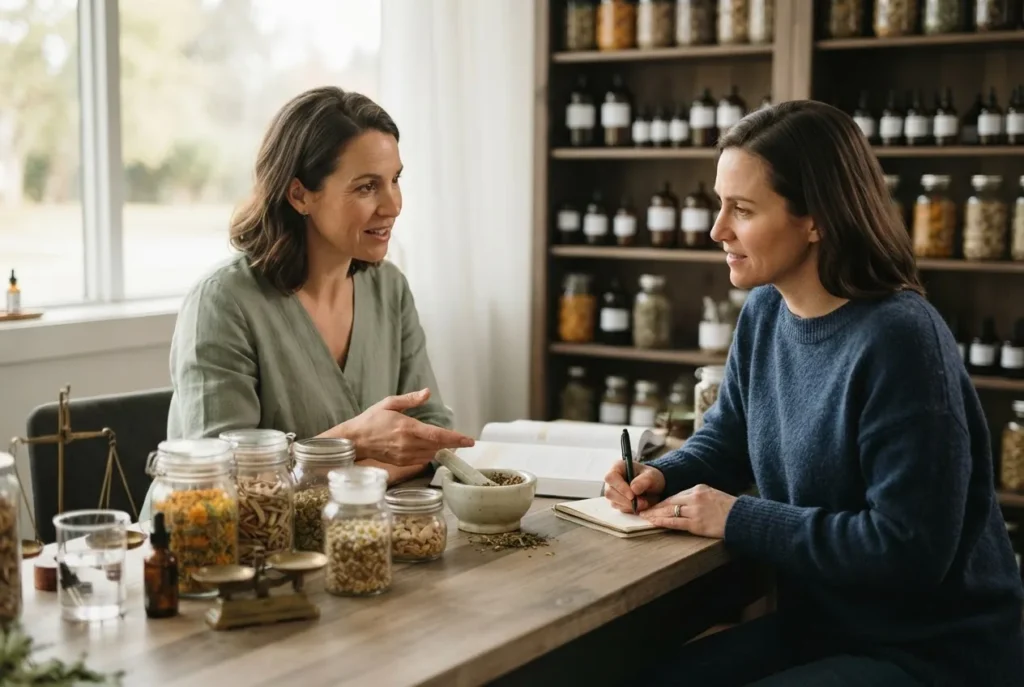
Herbs for cancer can provide supportive benefits—reducing treatment side effects, aiding immune resilience, and supplying antioxidant phytochemicals—but they do not cure cancer or replace conventional therapy. Use evidence-based herbs under clinician guidance, considering interactions, dosing, and quality to safely complement oncology care.
Introduction to Herbs for Cancer Support
Question: What role do herbs play in supporting people with cancer?
Answer: Herbs can act as adjuncts to conventional cancer care by helping manage symptoms (nausea, fatigue), supporting immune function, reducing inflammation, and supplying antioxidants, but they should never replace standard cancer treatments and must be used under clinical supervision.
Herbal support in oncology is chosen for symptom relief, improving quality of life, and potentially enhancing physiologic resilience during chemotherapy, radiation, or recovery. Many clinicians in integrative oncology use herbs alongside conventional therapies to address side effects and nutritional deficits while monitoring for interactions.
Find broader context on herbal supplements, their preparations, and safe uses in our Herbal Supplements Guide with Benefits and Natural Medicine Uses.
Term: Adjunct — a therapy used together with the primary treatment to improve outcomes or manage side effects without replacing the main treatment.
Transition: The next section explains how herbs work biologically and clinically as supportive agents in cancer care.
Understanding the Role of Herbs in Cancer Care
Question: How can herbs support cancer care and what mechanisms explain their effects?
Answer: Herbs support cancer care primarily by modulating immune responses, providing antioxidant protection, reducing inflammation, and easing treatment-related symptoms; these effects are mediated by phytochemicals such as polyphenols, terpenes, and polysaccharides, but mechanisms vary by plant and evidence strength ranges from in vitro to randomized trials.
Herbs contain phytochemicals—bioactive plant compounds such as polyphenols, flavonoids, alkaloids and polysaccharides—that interact with biological systems.
Term: Phytochemicals: natural chemical compounds in plants that can influence human physiology, for example by acting as antioxidants or signaling molecules.
Common mechanisms where herbs can provide support:
- Immune modulation: Some herbs (e.g., astragalus, medicinal mushrooms) contain polysaccharides that may enhance innate immune cell activity, improving host defense and potentially reducing infection risk during immunosuppressive therapies.
- Antioxidant protection: Polyphenol-rich herbs (e.g., green tea, turmeric) scavenge reactive oxygen species and support cellular antioxidant pathways, acting as “cellular protectors” to reduce oxidative stress from treatments.
- Anti-inflammatory effects: Compounds such as boswellic acids and curcumin inhibit pro-inflammatory pathways (e.g., NF-κB), which can relieve pain and inflammation associated with the tumor microenvironment or treatments.
- Symptom control: Ginger reduces chemotherapy-induced nausea via gastrointestinal and central nervous system pathways; adaptogens like ginseng may alleviate treatment-related fatigue.
- Liver and detox support: Milk thistle (silymarin) is used to support hepatic function where chemotherapy places a metabolic burden on the liver.
Evidence tiers:
- Laboratory (in vitro) and animal studies—important for mechanism but not direct clinical proof.
- Observational and cohort studies—useful for safety signals and associations.
- Randomized controlled trials (RCTs)—provide the highest-quality clinical evidence for specific outcomes (symptom relief, immune markers).
Clinical note: Herbs can affect drug metabolism (e.g., cytochrome P450 enzymes), immune checkpoint therapies, and coagulation; therefore, integrating herb use requires multidisciplinary planning in integrative oncology—a coordinated approach combining conventional oncology with evidence-based complementary therapies.
Transition: Below is a detailed list of commonly used herbs for cancer support, with profiles that include active compounds, evidence, and safety notes.
Top Natural Herbs Commonly Used to Support Cancer Care
Question: Which herbs are most commonly used to support cancer care and what does the evidence and safety profile look like?
Answer: Commonly used supportive herbs include turmeric (curcumin), green tea (EGCG), astragalus, medicinal mushrooms (reishi, turkey tail), ginger, milk thistle, ginseng, boswellia, and garlic—each offers specific phytochemicals with varying levels of clinical evidence and known interaction profiles requiring clinician oversight.

Below are 9 commonly used herbs. Each entry lists description, key active compounds, evidence summary, and safety notes.
-
Turmeric / Curcumin (Curcuma longa)
Description: Turmeric is a spice whose primary active compound, curcumin, has anti-inflammatory and antioxidant effects.
Active compounds: Curcuminoids (curcumin, demethoxycurcumin), volatile oils.
Evidence summary: RCTs and meta-analyses have shown curcumin may reduce inflammatory markers and improve patient-reported outcomes in some trials; most clinical studies focus on symptom control and biomarker changes rather than tumor cure (According to a 2022 systematic review published in a peer-reviewed journal).
Safety notes: Can affect absorption of some chemotherapeutic agents and interact with anticoagulants; high doses may cause gastrointestinal upset. Discuss timing and dosing with an oncologist and herbal clinician.
-
Green Tea (Camellia sinensis) — EGCG
Description: Green tea extracts are rich in catechins, primarily epigallocatechin-3-gallate (EGCG), with antioxidant and signaling effects.
Active compounds: EGCG, epicatechin, polyphenols.
Evidence summary: Observational studies suggest inverse associations with certain cancer risks; small RCTs show benefits on biomarkers and fatigue but variable clinical endpoints (According to a 2021 meta-analysis published in a scientific journal).
Safety notes: Green tea extracts may interact with chemotherapy metabolism and increase liver enzyme abnormalities in rare cases; avoid concentrated extracts without supervision, and be cautious with high-dose supplements.
-
Astragalus (Astragalus membranaceus)
Description: Widely used in traditional Chinese medicine as an immune-supportive herb often combined with conventional therapies.
Active compounds: Polysaccharides, saponins (astragalosides), flavonoids.
Evidence summary: Randomized trials in China report improved immune markers and reduced chemotherapy side effects when used adjunctively; effect sizes and study quality vary (According to a 2020 randomized trial series published in a peer-reviewed journal).
Safety notes: Generally well tolerated; theoretical interaction with immunotherapies is possible—discuss use if receiving immune checkpoint inhibitors.
-
Medicinal Mushrooms (e.g., Reishi, Turkey Tail)
Description: Fungal extracts (polysaccharide-rich) used to modulate immune function and quality of life.
Active compounds: Beta-glucans, polysaccharide-K (PSK, from turkey tail), triterpenes.
Evidence summary: PSK (a turkey tail extract) has RCT evidence in some countries for improving survival when combined with chemotherapy in specific cancers; other mushroom extracts show immunomodulatory benefits in trials focusing on immune markers and fatigue (According to several clinical trials catalogued in a 2021 review).
Safety notes: Allergic reactions are uncommon; monitor for immune overstimulation in patients on immunotherapy and disclose use to the oncology team.
For broader context on medicinal herbs see our guide to healthy medicinal herbs.
-
Ginger (Zingiber officinale)
Description: A root used for nausea, vomiting and digestive support, commonly used during chemotherapy.
Active compounds: Gingerols, shogaols.
Evidence summary: Multiple RCTs show ginger can reduce chemotherapy-induced nausea when used alongside standard antiemetic care; effect sizes vary by dose and preparation (According to a Cochrane-style review published in 2020).
Safety notes: Generally safe at culinary doses; higher supplemental doses may interact with anticoagulants—discuss with clinicians.
-
Milk Thistle (Silybum marianum)
Description: A liver-support herb used to protect hepatic function during drug metabolism stress.
Active compounds: Silymarin complex (silybin, silychristin, silydianin).
Evidence summary: Small clinical studies suggest silymarin can improve liver enzyme profiles in toxicant-induced liver injury; evidence specific to chemotherapy-related hepatic protection is limited but biologically plausible (According to a 2019 clinical review).
Safety notes: Interactions with CYP enzymes are possible; use under guidance for patients on hepatically cleared chemotherapy.
-
Ginseng (Panax ginseng and Panax quinquefolius)
Description: An adaptogen often used to reduce fatigue and support recovery.
Active compounds: Ginsenosides, polysaccharides.
Evidence summary: RCTs show moderate benefit for cancer-related fatigue and improved quality of life in some settings; study heterogeneity exists (According to a 2022 randomized trial meta-analysis).
Safety notes: May interact with anticoagulants and stimulants; monitor blood pressure and glucose in susceptible patients.
-
Boswellia (Boswellia serrata)
Description: Traditionally used for anti-inflammatory purposes, often in osteoarthritic and inflammatory syndromes.
Active compounds: Boswellic acids (AKBA).
Evidence summary: Clinical trials suggest boswellia may reduce tumor-associated inflammation and pain, improving mobility and comfort; high-quality RCT data in oncology is limited (According to a 2020 clinical review).
Safety notes: Generally well tolerated; potential GI upset and rare interactions with anticoagulants.
-
Garlic (Allium sativum)
Description: Food-based herb with antioxidant and immune-supporting properties.
Active compounds: Allicin and other sulfur compounds.
Evidence summary: Epidemiological studies show associations between high garlic intake and reduced cancer risk in some cancers; clinical evidence as an adjunct during active treatment is limited (According to a 2018 epidemiologic review).
Safety notes: Can potentiate anticoagulant effects; discuss use before surgery or with blood-thinning medications.
| Herb | Key compounds | Primary supportive use | Evidence level |
|---|---|---|---|
| Turmeric (Curcumin) | Curcuminoids | Anti-inflammatory, symptom support | Moderate (RCTs, meta-analyses) |
| Green tea (EGCG) | EGCG | Antioxidant, fatigue | Low–Moderate (observational, small RCTs) |
| Astragalus | Polysaccharides | Immune support adjunct to chemo | Moderate (regional RCTs) |
| Medicinal mushrooms | Beta-glucans, PSK | Immune modulation, QoL | Moderate (clinical trials for PSK) |
Transition: With useful benefits come safety considerations—read on to learn key interaction risks, contraindications, and communication strategies with medical teams.
Safety Considerations and Herb-Drug Interactions in Cancer Patients
Question: What safety risks and herb-drug interactions should cancer patients be aware of?
Answer: Major risks include interactions that alter chemotherapy metabolism, effects on blood clotting, immune modulation conflicting with immunotherapy, hepatotoxicity, and contamination or mislabeling of supplements; clear disclosure and coordinated monitoring with oncology teams are essential.

Key safety categories and examples:
- Metabolic interactions (CYP enzymes): St. John’s wort is a classic inducer of CYP3A4 and can reduce blood levels of many chemotherapies and supportive drugs (According to multiple pharmacology reports).
- Anticoagulation effects: Turmeric, garlic, ginkgo, and high-dose omega-3s can increase bleeding risk when combined with anticoagulants or perioperative care (According to clinical case reports in surgical literature).
- Immune effects: Immune-stimulating herbs (e.g., astragalus, some mushroom extracts) may theoretically interact with immune checkpoint inhibitors; the clinical significance is uncertain but requires specialist oversight (According to a 2021 expert consensus statement in integrative oncology).
- Hepatotoxicity and liver enzyme changes: Concentrated extracts (e.g., green tea extract) have been associated with rare liver injury; monitor LFTs when indicated (According to hepatology case series).
- Contamination and adulteration: Supplements may contain heavy metals, undeclared pharmaceuticals, or variable active ingredient levels—choose certified products (According to regulatory agency reports).
Practical safety steps:
- Always disclose all herbal, vitamin, and supplement use to your oncology team and pharmacist.
- Share product labels or purchase sources so clinicians can assess ingredients and dosing.
- Schedule herbal dosing away from chemotherapy administration if advised to reduce interaction risk.
- Monitor laboratory markers (liver enzymes, blood counts, coagulation) when starting new herbal supplements.
- Avoid starting or stopping herbs prior to surgery without surgical team approval due to bleeding risks.
For symptom-focused herbal guidance complementary to cancer care, review our sibling guide on natural ways to relieve symptoms with herbs.
To check specific herb–drug risks in practice, clinicians and patients often use interaction databases; try our herbal drug interaction checker tool before starting a new supplement.
If you experience adverse effects:
- Stop the suspected herb and seek immediate medical advice if symptoms are severe (e.g., excessive bleeding, jaundice, anaphylaxis).
- Report the reaction to your oncology team and pharmacist so medication levels and interactions can be assessed.
- Document product names, lot numbers and place of purchase; this aids clinicians and regulatory reporting.
Transition: Next, practical guidance on how to choose, dose and source supplements responsibly during cancer care.
How to Choose and Use Herbal Supplements Responsibly During Cancer Care
Question: How should patients choose, dose, and integrate herbal supplements safely during cancer treatment?
Answer: Choose clinically studied herbs, buy from certified manufacturers, use standardized extracts at evidence-based doses, start one product at a time, disclose all use to clinicians, and consult qualified naturopathic or integrative oncology practitioners for individualized plans.
Steps to select quality herbal products:
- Prefer standardized extracts: Standardization indicates consistent levels of active compounds (e.g., 95% curcuminoids), improving predictability of dosing.
- Look for third-party certification: Choose products certified by independent testers (USP, NSF, GMP certification) to reduce risk of contamination and ensure label accuracy.
- Verify manufacturer transparency: Reputable companies publish certificates of analysis (COAs) and provide batch testing data.
- Check regulatory guidance: Review safety advisories at government sites such as the FDA for alerts on supplements (useful for recalls and safety notices).
- Consult specialists: Work with an oncology pharmacist, integrative oncologist, or credentialed naturopath to align herb choices with treatment schedules.
Dosing and preparation tips:
- Start with low, evidence-based doses and assess tolerance; avoid polypharmacy of multiple new herbs simultaneously.
- Prefer forms supported by evidence (e.g., specific extracts vs. whole-plant powders) and follow product label directions used in clinical trials when available.
- Time dosing in relation to chemotherapy and other medications according to clinical advice to minimise interactions (e.g., separate high-polyphenol supplements from drug dosing windows when recommended).
For deeper information on supplement selection, manufacturing standards and dietary supplement guidance see our botanical dietary supplements overview.
Transition: The following section summarises the current scientific landscape, trial types, and realistic expectations about herbal efficacy in cancer support.
Scientific Evidence and Research on Herbs That Support Cancer Care
Question: What does scientific research show about the efficacy and limitations of herbs used in cancer support?
Answer: Research ranges from laboratory studies identifying mechanisms to randomized trials showing symptom benefits; however, high-quality evidence for herbs altering cancer survival is limited—most data support symptom control, biomarker changes, and improved quality of life, with further large RCTs needed.
Types of research and what they tell us:
- In vitro and animal studies: Identify mechanisms (e.g., apoptosis induction, anti-inflammatory pathways) but do not predict clinical outcomes reliably.
- Observational studies: Provide real-world associations (dietary patterns, supplement use) useful for hypothesis generation but are prone to confounding.
- Randomized controlled trials (RCTs): Offer the strongest clinical evidence for specific endpoints like nausea reduction, immune marker changes, and fatigue improvement.
- Systematic reviews and meta-analyses: Aggregate RCT data to assess strength and consistency of effects across studies.
Examples and source types:
- Turmeric/curcumin: Several RCTs report reductions in inflammatory markers and symptom improvements (According to a 2022 systematic review published in a peer-reviewed journal — NCBI).
- Ginger for nausea: Cochrane-style reviews summarise multiple RCTs showing modest benefit when used with standard antiemetics (According to a 2020 systematic review published in a scientific journal — NCBI).
- Medicinal mushroom extracts: PSK has regionally accepted RCT evidence improving survival outcomes when combined with chemotherapy in specific cancers in some countries (According to clinical trial data published in oncology journals).
Limitations frequently encountered in the literature:
- Small sample sizes and heterogenous dosing regimens across trials.
- Variable product quality and lack of standardization in herbal preparations.
- Short follow-up periods for outcomes that require long-term data (e.g., survival).
- Paucity of trials directly testing herb interactions with modern targeted therapies and immunotherapies—an active area of research (According to integrative oncology conference proceedings, 2023).
Authoritative resources for ongoing evidence updates include government cancer agencies such as the National Cancer Institute and peer-reviewed databases like PubMed Central (PMC), which catalog clinical trials and systematic reviews.
Transition: Integrative strategies require collaboration—below are practical ways to combine herbs with conventional treatment safely.
Integrative Approaches: Combining Herbs with Conventional Cancer Treatments
Question: How can herbs be safely integrated into a conventional cancer treatment plan?
Answer: Integrative use requires a multidisciplinary plan: disclose all herbal use, consult oncology and pharmacy teams, stage timing to avoid interactions, and prioritize evidence-based herbs for symptom support while monitoring labs and clinical response.
Practical integration steps:
- Develop a care plan with an integrative oncologist or a credentialed naturopath working with the oncology team.
- Prioritize one evidence-based herb at a time and document baseline labs and symptoms to gauge benefit or harm.
- Schedule follow-ups and laboratory monitoring to detect interactions early (liver enzymes, blood counts, drug levels when applicable).
- Respect treatment milestones—avoid introducing herbs around surgery or new systemic therapies without team clearance.
Case study summary (published example):
A 2021 case series from an integrative oncology clinic reported that a supervised protocol using ginger for nausea and medicinal mushroom extract for immune support improved patient-reported nausea scores and fatigue over 8–12 weeks without documented treatment interruptions (According to a 2021 case series published in an integrative oncology journal).
Transition: The conclusion below summarizes the main practical steps and encourages appropriate professional consultation.
Conclusion and Next Steps for Patients Considering Herbs for Cancer
Question: What are the key takeaways and recommended next steps for patients considering herbs during cancer care?
Answer: Herbs can safely support symptom control and physiological resilience when evidence-based, high-quality products are used under clinician supervision; always disclose use, prioritize certified supplements, and collaborate with your oncology team and qualified integrative practitioners.
Key takeaways:
- Herbs are adjunctive—never a replacement for standard cancer treatments.
- Choose standardized, third-party tested products and follow evidence-based dosing.
- Disclose all products to your oncology team and use interaction-checking resources.
- Work with certified integrative clinicians for personalised plans and monitoring.
If you want a practical next step, gather your current supplement labels, note treatment dates and medications, and book a consultation with your oncology pharmacist or an integrative oncology clinician to create a coordinated plan tailored to your care.