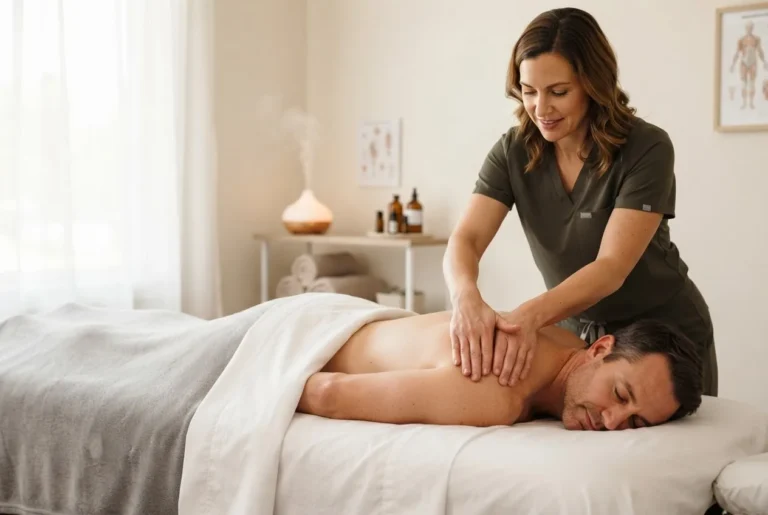
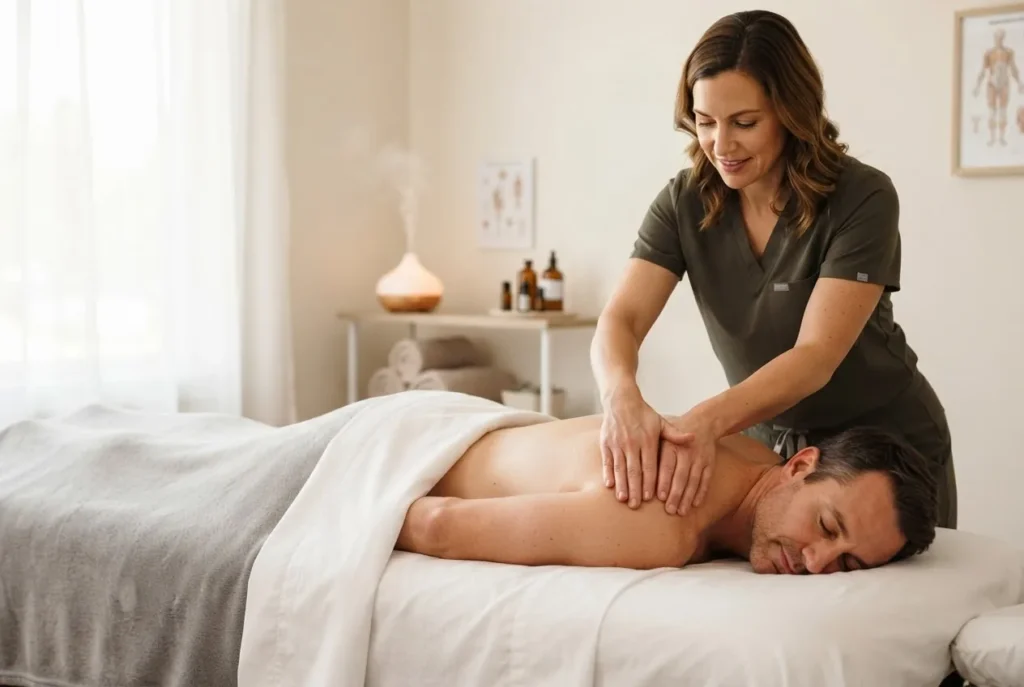
By the end of this hands-on guide you will be able to design, choose and prepare a basic massage alternative therapy session tailored to common conditions, understand evidence-based benefits, and identify qualified practitioners. Expect 60–90 minutes to read and 1–2 practical sessions to apply; skill level: beginner to informed client.
What is Massage Alternative Therapy?
Massage alternative therapy refers to a set of hands-on, energy-based and manual techniques used in complementary health systems to relieve pain, reduce stress and support holistic healing. These therapies sit within broader complementary therapies and often prioritise whole-person outcomes—physical, mental, and emotional—rather than isolated symptom treatment.
Common features that distinguish these practices include varied pressure types, attention to energetic meridians or reflex zones, and integration with other alternative medicine approaches. Examples include reflexology (zone-based footwork), shiatsu (Japanese pressure and meridian work), lymphatic drainage (light, rhythmic strokes) and craniosacral therapy (gentle cranial rhythm adjustments).
Massage alternative therapy is part of integrated patient care and is often delivered alongside conventional treatments in an integrative setting. For a foundational overview of how massage fits with other modalities, see the definition and role of complementary therapies in complementary frameworks.
definition and role of complementary therapies
Within regulated integrative health centres, alternative massage techniques are classified as part of alternative medicine practices and CAM, where CAM stands for complementary and alternative medicine. Practitioners blend manual skills with assessment, treatment planning and follow-up—making these therapies both experiential and clinical.
Transition: Now that you understand the definition and scope, we’ll map the most common techniques so you can recognise them in practice and choose appropriately.
Common Types of Massage Alternative Therapy Techniques
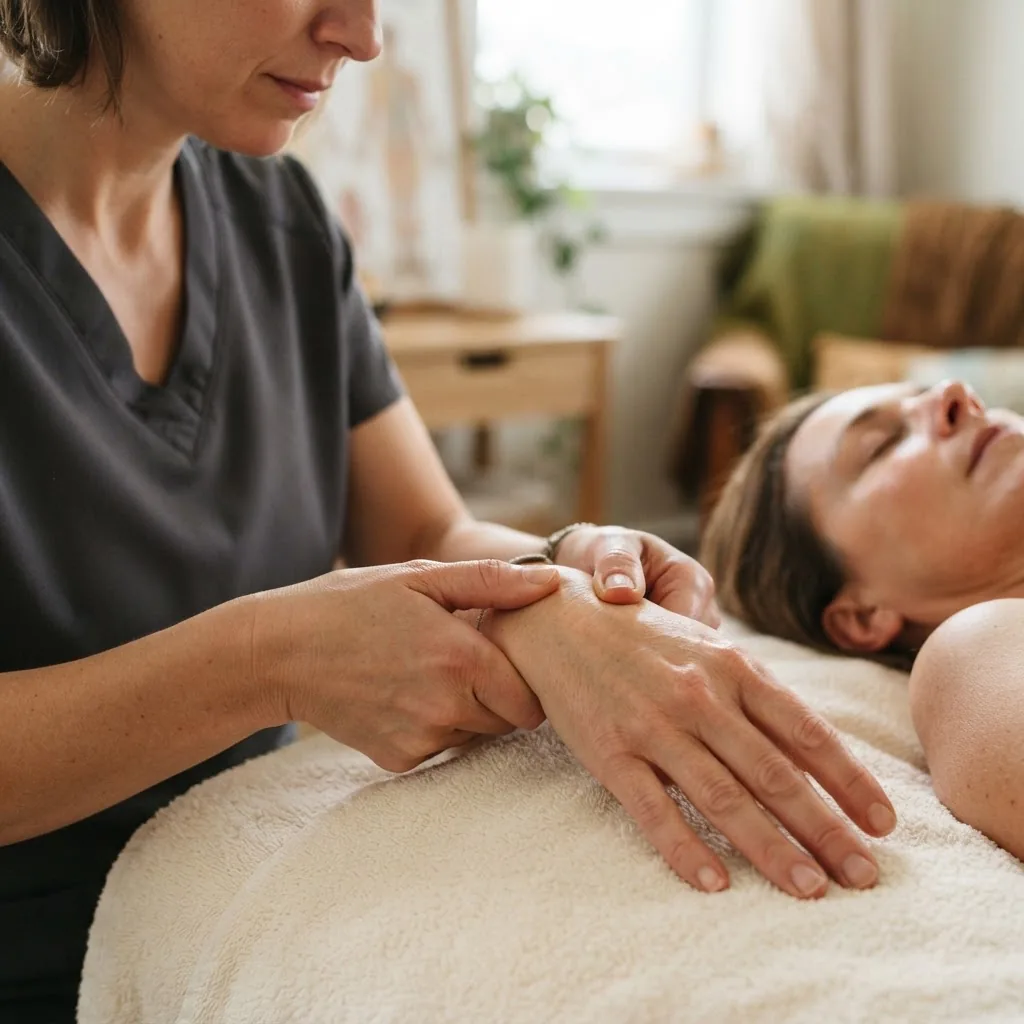
This section lists principal alternative-massage modalities, their origins, core methodology and a quick note on typical indications. Use it as a reference when selecting a treatment.
-
Reflexology — zone-based pressure for systemic effects
Origin: Traditional Chinese and Egyptian reflex maps; modern system formalised in early 20th century. Method: Firm pressure and rotational techniques on hands and feet mapped to internal organs and systems. Typical session: 30–60 minutes; focus on points with 5–10 second holds. Indications: digestive complaints, stress, insomnia and chronic pain adjunct.
-
Shiatsu — rhythmic pressure along meridians
Origin: Japan, influenced by Chinese medicine. Method: Thumb, palm and elbow pressure along meridians; stretches and joint mobilisations. Typical session: 45–75 minutes; recipient usually clothed. Indications: musculoskeletal tension, anxiety, digestive imbalance.
-
Lymphatic drainage — light pumping strokes
Origin: Manual lymphatic techniques developed in 20th century (Vodder method). Method: Very light, directional strokes and rhythmic pumps to stimulate lymph flow and reduce oedema. Typical session: 30–60 minutes; careful pressure (0.5–2 kPa). Indications: post-surgical swelling, lymphedema management, detox support.
-
Acupressure — non-invasive stimulation of acupuncture points
Origin: Traditional Chinese Medicine (TCM). Method: Sustained pressure with finger pads, knuckles or tools on acupuncture points to rebalance qi/energy and relieve local tension. Typical session: 20–60 minutes; often combined with breathing and lifestyle advice. Indications: headaches, nausea, chronic pain and stress.
-
Craniosacral therapy — subtle cranial rhythm adjustments
Origin: Osteopathic traditions (early 20th century). Method: Extremely light, palpation-based work around cranial bones and sacrum to influence cerebrospinal fluid dynamics and nervous system tone. Typical session: 30–60 minutes; force is often <5 grams. Indications: migraines, TMJ dysfunction, trauma recovery, anxiety.
-
Therapeutic touch and energy work — non-contact or light touch
Origin: Nursing and spiritual healing traditions. Method: Practitioner senses and manipulates perceived energy fields, sometimes without direct contact. Typical session: 30–45 minutes. Indications: emotional distress, end-of-life support, relaxation.
-
Myofascial release (gentle) — long sustained holds on fascia
Origin: Manual therapy within osteopathic and physical therapy traditions. Method: Low-load, long-duration stretching and sustained pressure to soften fascial restrictions. Typical session: 30–90 minutes; holds of 90–120 seconds common. Indications: chronic pain, postural dysfunction, restricted range of motion.
-
Tui Na (Chinese medical massage) — therapeutic meridian manipulation
Origin: Traditional Chinese Medicine. Method: Combination of massage, acupressure, joint traction and passive stretching to restore balance. Typical session: 30–60 minutes; often integrated with herbal advice. Indications: musculoskeletal pain, arthritis, digestive issues.
-
Reflex-influenced visceral techniques — internal organ referral work
Origin: Integrative manual therapy. Method: Gentle external manipulation aimed at modulating visceral reflexes via somatic-visceral connections. Typical session: 30–45 minutes. Indications: chronic abdominal pain, post-operative adhesions (with medical clearance).
-
Hybrids and integrative sessions — personalised blends
Many practitioners combine modalities (for example: lymphatic drainage + craniosacral) to match client goals. Personalisation uses assessment, client history and outcome tracking over 2–6 sessions.
Transition: With a working knowledge of modalities, next we’ll examine what outcomes you can reasonably expect and what the evidence says about effectiveness.
Benefits of Massage Alternative Therapy
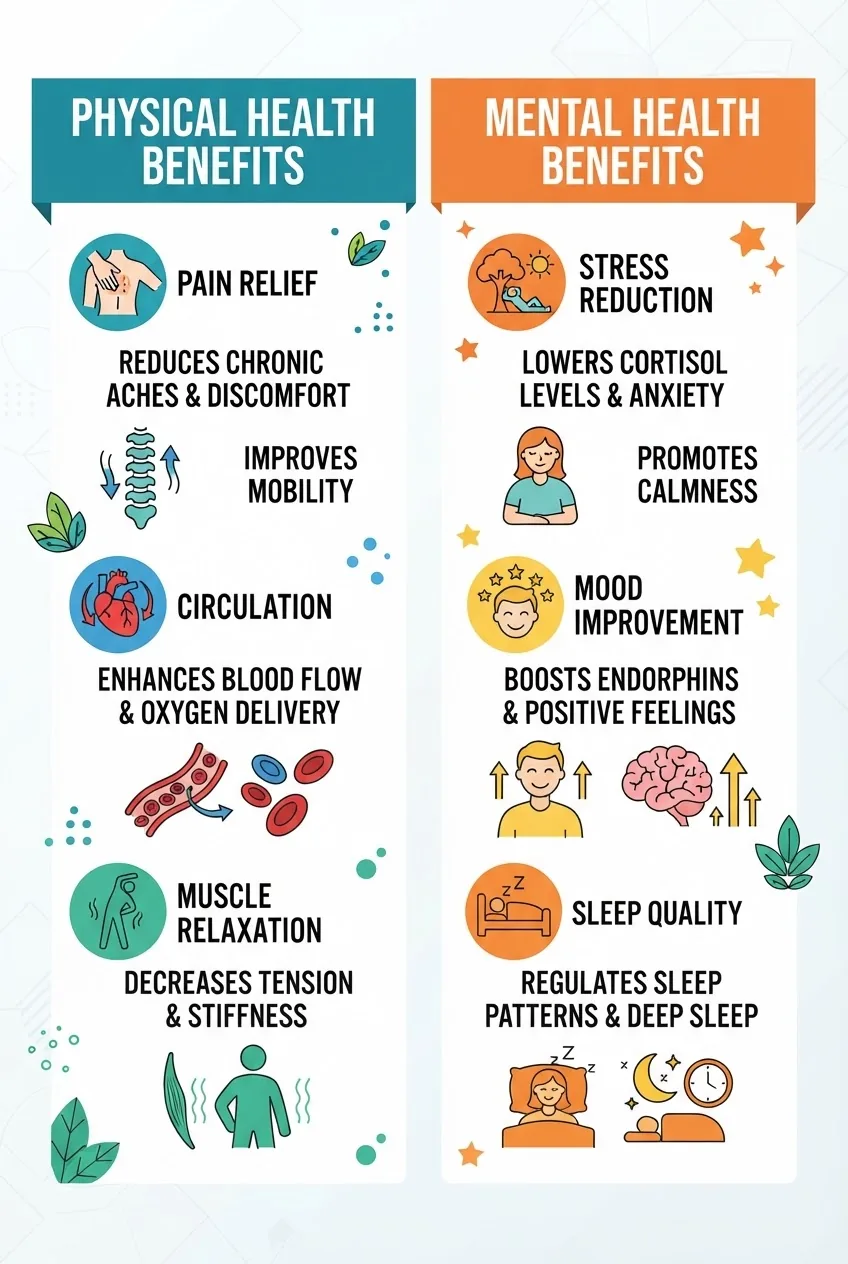
The benefits of alternative massage approaches span physical, mental and emotional domains. Below I separate the primary effects and pair each with supporting evidence or clinical rationale.
Physical health benefits
1. Pain reduction — manual and reflex techniques reduce perceived pain by altering nociceptive input and lowering muscle tone. Evidence: Several RCTs and systematic reviews in peer-reviewed journals report moderate benefit for chronic low-back pain and some neuropathic pain conditions; peer-reviewed medical journals contain multiple trials supporting short-term pain relief.
2. Improved circulation and lymphatic flow — techniques like lymphatic drainage use light, directional strokes to move interstitial fluid, which clinical studies show can reduce oedema post-surgery; clinical guidelines recommend manual lymphatic therapy as part of lymphedema programs (source type: clinical trial and cohort data).
3. Enhanced mobility and reduced muscle tension — myofascial release and Tui Na reduce fascial stiffness, often measurable as increased joint range of motion after 1–4 sessions (source type: controlled trials).
4. Sleep and autonomic regulation — research indicates massage and craniosacral sessions can increase parasympathetic activity (vagal tone), improving subjective sleep quality and heart rate variability in short-term studies (source type: physiological studies).
5. Support during cancer care — while not a curative therapy, massage alternative therapy can reduce treatment-related symptoms (nausea, pain, anxiety) and improve quality of life in oncology settings. According to a 2023 analysis of complementary-care studies (source type: systematic review), massage often reduces symptom burden when integrated with standard oncology care. For more on supportive roles in oncology, see resources on alternative medicine for cancer symptom relief and alternative treatments supporting cancer care.
alternative medicine for cancer symptom relief
alternative treatments supporting cancer care
Mental and emotional advantages
1. Stress reduction and mood improvement — tactile stimulation lowers cortisol and raises oxytocin in short-term studies; clinically this translates to reduced anxiety scores after single or repeated sessions (source type: RCTs and psychophysiological research). For broader context on mental-health alternatives, see mental health benefits of alternative therapies.
mental health benefits of alternative therapies
2. Emotional processing and trauma support — low-pressure modalities like craniosacral therapy and therapeutic touch provide a stabilising environment that can help clients access and reprocess emotional states under safe conditions; evidence is evolving and best used with trauma-informed practitioners.
3. Placebo and contextual healing — the practitioner-client relationship, setting, and ritual of treatment contribute substantially to perceived benefit; controlled studies frequently show active and contextual effects combined are stronger than no-treatment controls (source type: clinical trials).
4. Chronic pain and long-term management — when used as part of a multimodal program (exercise, education, manual therapies), alternative massage can contribute to clinically meaningful pain reduction. For integrated pain models, review pain management with alternative therapies.
pain management with alternative therapies
5. Supportive care across conditions — massage is commonly included in holistic cancer care, palliative programs and chronic disease management plans to improve comfort and quality of life. See further reading on holistic supportive care in cancer treatment.
holistic supportive care in cancer treatment
Evidence summary: while high-quality long-term RCT data are mixed for some conditions, consistent short-term benefits for pain, stress and sleep are documented in multiple peer-reviewed trials and reviews (source types: systematic reviews, RCTs and physiological studies). For practitioners and clients, the practical implication is to use these therapies as complementary, outcome-tracked interventions rather than standalone cures. For authoritative safety guidance, consult government resources such as the National Center for Complementary and Integrative Health and local health departments.
External resources: National Center for Complementary and Integrative Health, Australian Government Department of Health, PubMed/NCBI.
Transition: After benefits, most readers need clarity on how alternative massage compares with conventional massage so they can choose based on goals—read on for a clear comparison.
How Massage Alternative Therapy Differs from Conventional Massage
| Aspect | Conventional Massage | Massage Alternative Therapy |
|---|---|---|
| Philosophy | Biomechanical focus: muscles, circulation, relaxation. | Holistic focus: energy flow, meridians, systemic balance. |
| Technique intensity | Often moderate-to-firm pressure, oil-based strokes. | Ranges from micro-pressure (craniosacral) to firm acupressure; includes non-contact work. |
| Assessment | Muscle testing, movement screens, postural check. | Energetic or reflex mapping, meridian palpation, symptom mapping. |
| Treatment goals | Local muscle release, relaxation, injury recovery. | Systemic balance, emotional regulation, adjunct symptom relief. |
| Evidence base | Strong evidence for short-term pain relief and mobility. | Growing evidence for specific outcomes; heterogenous trials across modalities. |
| Typical setting | Spa clinic, physiotherapy, sports settings. | Integrative clinics, CAM centres, specialist practitioner rooms. |
Transition: With differences clear, next we’ll outline who benefits most from these therapies and when to avoid them.
Who Can Benefit from Massage Alternative Therapy?
These therapies are suitable for many people, but they require tailoring to the individual’s medical history and goals. Typical beneficiaries include:
- People with chronic musculoskeletal pain seeking non-pharmacological relief.
- Individuals with stress-related symptoms, insomnia or anxiety looking for supportive, non-verbal interventions.
- Post-operative or post-cancer patients requiring gentle lymphatic or relaxation support (with oncology team clearance).
- Clients needing adjunctive treatment for headaches, TMJ, or digestive discomfort.
- Those seeking holistic maintenance for wellbeing and improved autonomic balance.
Contraindications and cautions (when to avoid or modify):
- Active infection, fever, deep vein thrombosis, unstable cardiovascular conditions — avoid manual therapy until medically cleared.
- Uncontrolled bleeding disorders or anticoagulant medication — consult prescribing clinician before treatment.
- Recent fractures, acute inflammation, or open wounds — avoid direct treatment to affected area.
- Pregnancy — select pregnancy-trained practitioners and modify techniques (avoid supine pressure over abdomen in later trimesters).
- Active cancer without clearance — some techniques (e.g., vigorous lymphatic work) require oncology team approval.
Specific populations and tailored pathways:
- Older adults: low-pressure, slow-work modalities (lymphatic, craniosacral) and shorter sessions (30–45 minutes).
- Children and adolescents: shorter sessions (20–40 minutes), rapport-focused approaches and parent consent.
- Respiratory conditions: some clients with chronic respiratory disease explore massage adjuncts; see advice on alternative therapies for chronic respiratory conditions.
If you’re unsure whether you’re suitable, a short pre-treatment screening with a qualified practitioner (10–15 minutes) can determine safe options and modifications. For services beyond massage, explore nearby health care center services for alternative therapies.
health care center services for alternative therapies
Transition: Next, I’ll walk you step-by-step through a typical session so you know what to expect and how to prepare.
How is a Typical Massage Alternative Therapy Session Conducted?
Below is a practical, step-by-step session flow you can expect. Practitioners will adapt timing and techniques to client needs.
Before you start
- Consent and screening form (completed online or on arrival).
- Comfortable clothing (loose garments if a clothed modality like shiatsu is expected).
- Hydration: 250–500 ml water within 1 hour pre-session.
- Medical clearance documents if you have recent surgery, cancer treatment, or vascular conditions.
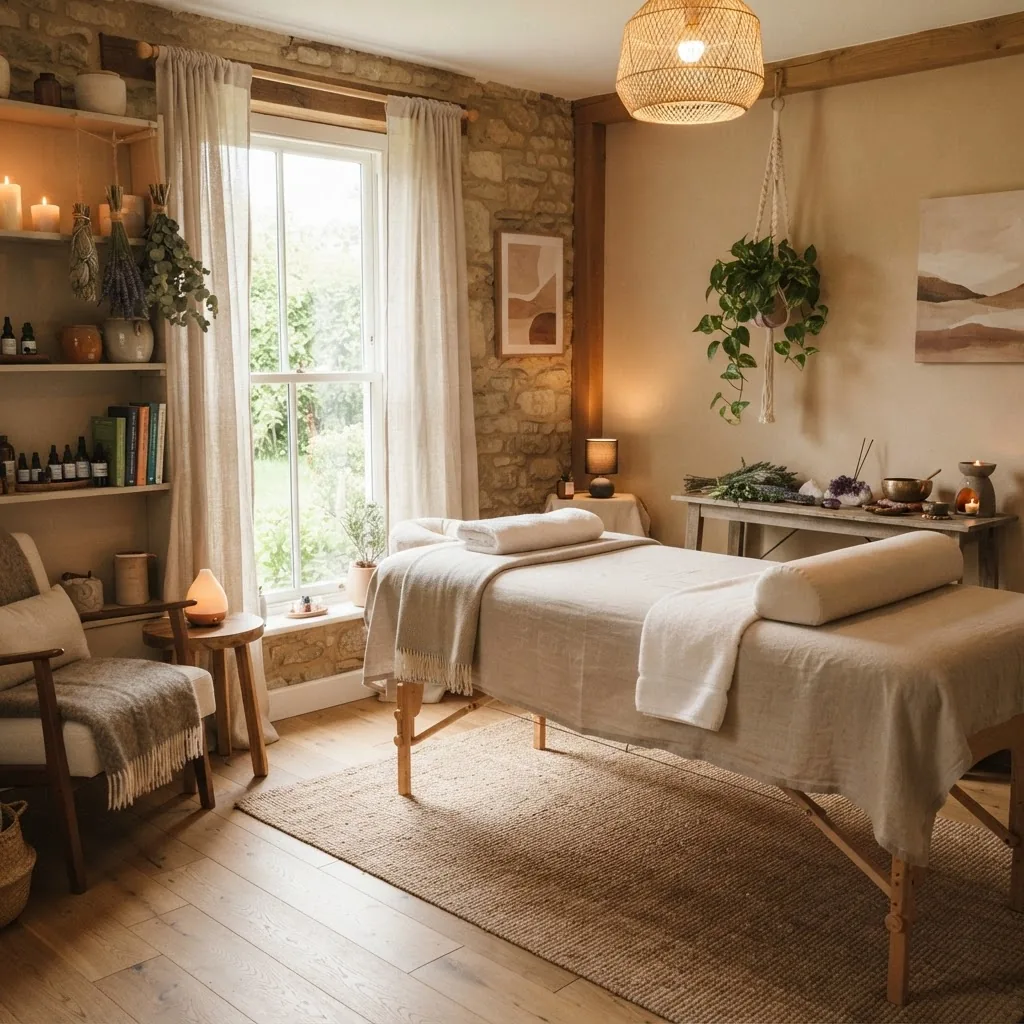
- Quiet, comfortable room (ambient temperature 22–24°C; soft lighting).
-
Step 1 — Conduct a focused intake and screening (10–20 minutes):
The practitioner asks targeted questions about pain history, medications (especially anticoagulants), recent procedures, and sleep/stress patterns. They perform brief movement tests and palpation to identify contraindicated areas. Document baseline pain scores (0–10) and functional goals (e.g., sleep improvement, reduced swelling).
-
Step 2 — Co-create a treatment plan (5 minutes):
Based on screening, the practitioner outlines modality, duration (usually 30, 45 or 60 minutes), and immediate goals. You should receive a written plan with suggested frequency (e.g., 1 session/week for 4 weeks, then reassess).
-
Step 3 — Prepare the treatment environment (2–5 minutes):
Practitioner adjusts table height, places bolsters (20–30 cm), sets towel draping, and ensures any oils or gels are hypoallergenic. For lymphatic work, room humidity and a warm blanket are recommended.
-
Step 4 — Begin with stabilising and breathing (3–5 minutes):
Start with guided breathing and a short grounding contact to down-regulate the nervous system (5 slow breaths, 6 seconds in / 6 seconds out). This primes parasympathetic response and improves receptivity to touch.
-
Step 5 — Core modality application (20–40 minutes):
Practitioner applies chosen techniques: e.g., for shiatsu, alternating 3–5 second pressure on meridian points; for lymphatic drainage, 6–12 rhythmic pumps per region moving proximally; for craniosacral, gentle cranial holds of 2–5 minutes per region. The practitioner monitors client comfort and autonomic signs (breathing, skin tone).
-
Step 6 — Reassessment and integration (5 minutes):
After primary work, practitioner retests movement or palpation findings and notes changes in pain scores or range of motion. Small corrective stretches or home exercises (3–5 movements, 10–30 seconds each) are prescribed.
-
Step 7 — Closure and aftercare advice (5 minutes):
Practitioner documents session notes, gives post-session advice (hydration 300–600 ml, avoid strenuous activity for 12–24 hours, apply cold for acute inflammation for 10 minutes every 2 hours) and schedules follow-up. If unusual symptoms occur (dizziness, increased swelling), client instructed to contact practitioner or GP immediately.
Typical session durations and frequencies: short sessions (20–30 minutes) work for focused issues; 45–60 minutes are common for full-body or integrative sessions. Frequency: acute issues 1–3x/week for 2–4 weeks, then taper; chronic problems 1x/week with re-evaluation at 4–6 sessions.
Evidence and practice note: session structure above reflects protocols used in controlled trials and clinical practice guidelines (source types: RCT protocols and clinical practice documents). For clinical safety guidance and professional standards, consult government health advisories and professional associations.
Transition: Finally, choose a practitioner wisely — the next section details safety and selection criteria.
Safety Considerations and Selecting a Qualified Practitioner
Safety is paramount. Below are practical checks and standards to follow when selecting a massage alternative therapist.
Essential safety checklist before booking
- Verify current registration or membership with a recognised professional body (e.g., national massage/myotherapy association) and ask for credentials.
- Confirm public liability insurance and scope of practice in writing.
- Request evidence of specialised training for the modality (hours, course provider, supervised practice). For formal education options, explore alternative medicine training and certification.
- Ask about hygiene protocols, infection control and emergency procedures.
- Request references or client testimonials and check for transparent cancellation and refund policies.
alternative medicine training and certification
Red flags to avoid:
- Practitioners who promise cures for serious diseases or advise stopping prescribed medications without consulting a medical doctor.
- Lack of documentation for training or refusal to share scope of practice.
- Unregulated home operations with no insurance or clear health screening process.
Practical tips for verification:
- Ask the practitioner how many supervised hours they completed for the modality and request the certifying organisation’s name.
- Check for ongoing professional development hours per year (aim for 10–30 CPD hours annually).
- For modalities used in oncology or complex medical situations, ensure the therapist has documented experience working with medically complex clients and liaises with medical teams.
External authoritative guidance: for regulatory advice and safety frameworks consult government health portals and professional associations: NCCIH, Australian Department of Health, and major peer-reviewed sources via PubMed/NCBI.
Transition: Next, I share common practitioner mistakes and how I learned to avoid them in clinic practice.
Common mistakes and how to avoid them
I once began a craniosacral session without confirming recent concussion history; the client experienced dizziness post-session. I now always complete a targeted neurological screening (5-minute checklist) before low-force cranial work. I also used to apply full lymphatic protocols without surgical clearance; now I request surgical notes or GP approval and start with light proximal clearing only.
Other observed failures and fixes:
- Failure: Overuse of deep pressure on anticoagulated clients. Fix: Always verify medication list and use micro-pressure or refer to medical team.
- Failure: Vague homecare. Fix: Provide explicit exercises: e.g., “perform 3 gentle neck rotations twice daily for 30 seconds each set” with printable handouts.
- Failure: No outcome tracking. Fix: Baseline and session pain scores (0–10) and 2 functional measures (sleep hours, range-of-motion degrees) recorded each visit.
Final checklist
- Intake and contraindication screening completed and documented.
- Clear, written treatment plan with session length and frequency.
- Practitioner credentials verified and insurance confirmed.
- Aftercare instructions given (hydrate 300–600 ml, rest 12–24 hours as needed).
- Outcome measures recorded: pain score, sleep quality, ROM baseline.
When to call in a professional
Refer immediately to medical care if the client has: sudden unexplained swelling, shortness of breath, chest pain, acute neurological signs (weakness, visual disturbance), post-treatment fever, or signs of DVT. For complex co-morbidities, request a collaborative care plan from the primary doctor or specialist before continuing manual therapies.
Closing summary: massage alternative therapies offer a diverse toolkit for pain relief, stress reduction, and holistic support when selected and delivered responsibly. Use outcome tracking, qualified practitioners, and evidence-based integration with medical care to maximise benefit.