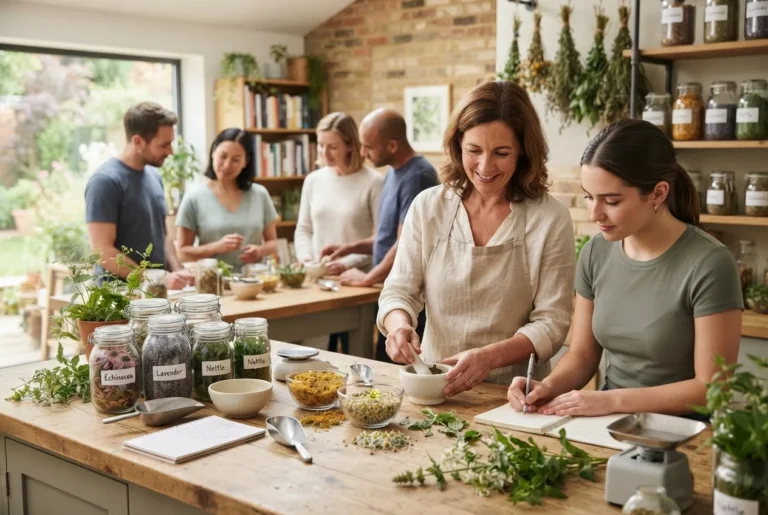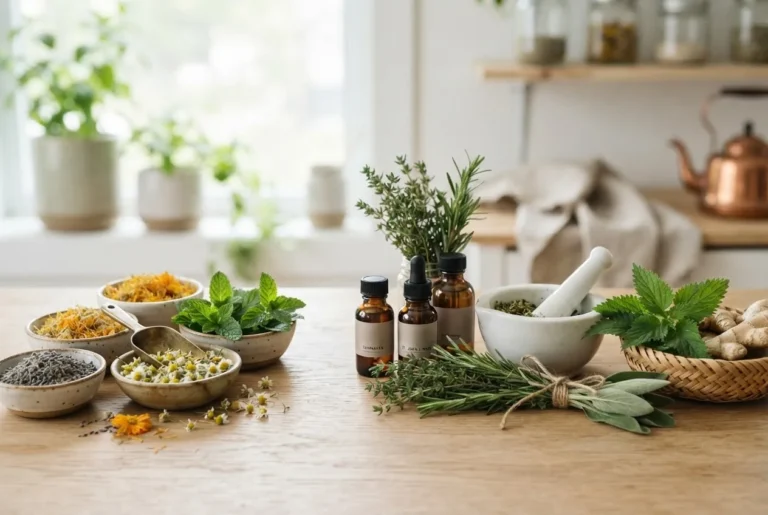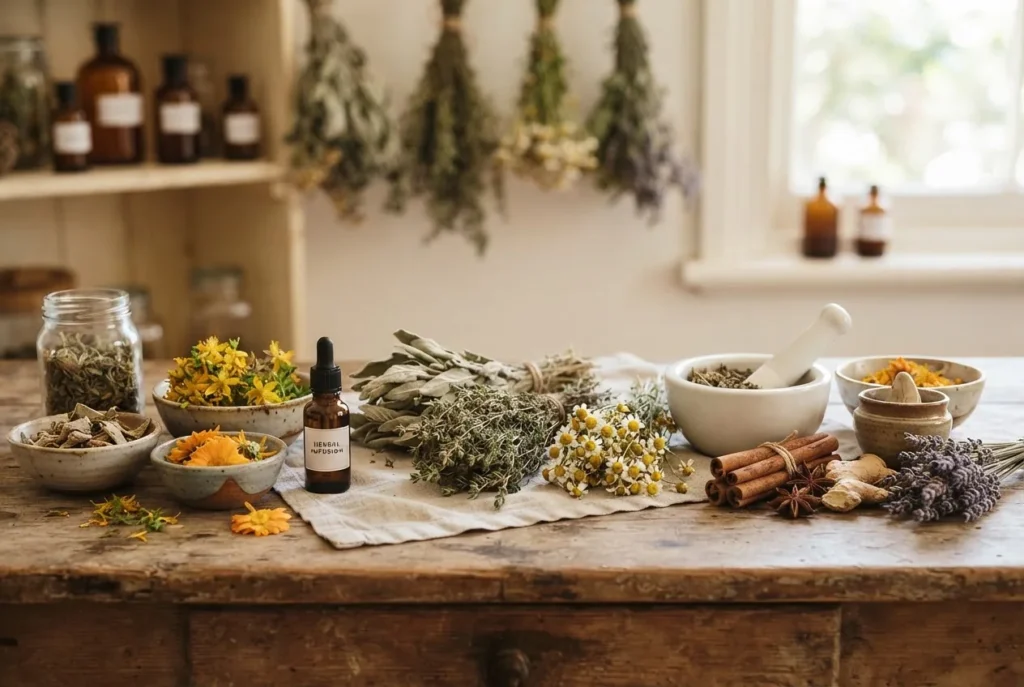
What you will achieve: By the end you will have a structured, culturally sensitive survey of folk medicine remedies, clear definitions, categorized types, global examples, roles of traditional healers, safety and efficacy context, and an evidence-informed comparison with pharmaceutical remedies. Time required: 2–3 hours of careful reading with references for deeper follow-up. Skill level: beginner to informed layperson; useful for practitioners building cultural competence.
Folk medicine remedies are living health practices embedded in cultural medicine and traditional healthcare systems; this guide explains what they are, how they fit within ethnomedicine, and how they contrast with pharmaceutical remedies.
Before you start
- Curiosity about cultural medicine, willingness to read primary sources and WHO/NCCIH guidance
- Access to the internet and at least one recent review article or WHO report (print or digital)
- Notebook or digital document for notes, and a method to record source links
- Respect for cultural intellectual property—do not extract or commercialize traditional knowledge without consent
Follow the numbered steps below. Each step begins with a bold action-first phrase and contains the corresponding explanatory H2 section required by the outline.
-
Step 1 — Understand the landscape:
Introduction to Folk Medicine Remedies
Folk medicine remedies refer to health practices, remedies, and beliefs developed within communities over generations. These practices include herbal remedies, rituals, manual techniques, dietary strategies and spiritual healing, and they function within what many cultures call traditional healthcare or cultural medicine. Historically, folk remedies arose where formal medical systems were limited or as complementary knowledge alongside temple- or clinic-based care. Ethnomedicine documents how communities perceive causes of illness, often linking social, spiritual and environmental factors rather than isolating biological mechanisms alone.
This section surveys the historical background: in many regions, oral transmission preserved remedies and healer training; artifacts and early texts record practices (for example Ayurvedic manuscripts in South Asia and materia medica in classical Chinese texts). According to a 2023 WHO report, many countries maintain active traditional health care practices and are developing policies to regulate them; this reflects the deep social role of folk remedies in primary healthcare.
We will treat folk medicine as a living, culturally embedded set of practices that coexist with, influence, and sometimes conflict with formal healthcare. This introductory frame sets expectations: we describe breadth, not step-by-step preparation or dosing (those belong in practical how-to resources).
Transition: Now that you know what folk remedies broadly mean and why they persist, we’ll define core concepts precisely and give concrete examples.
-
Step 2 — Define key terms and examples:
Defining Traditional Medicine and Folk Remedies
Precise definitions help separate overlapping terms. Below are concise definitions and examples useful for practitioners and readers assessing sources.
- Traditional medicine definition: Systems of knowledge and practice—rooted in cultural beliefs and practices—used to maintain health and treat illness. This includes codified systems (see below) and unwritten folk practices.
- Folk remedies examples: Locally used preparations such as poultices of crushed leaves, steam inhalations, bone-setter manipulations, and ritualized ceremonies to restore balance.
- Traditional healthcare: The social and professional structures (healers, midwives, herbalists) that provide care within communities outside or alongside biomedical institutions.
- Examples of traditional medicine:
- Ayurveda (India): herb-based formulas, dietary regimens, and panchakarma cleanses in a codified system.
- Traditional Chinese Medicine (TCM): herbal formulas, acupuncture, moxibustion, and qi concepts.
- Indigenous medicine systems: community-specific plants, songs, and ceremony-based healing.
- Traditional cure: A specific remedy or ritual aimed at curing a named condition in a cultural context—for example, a plant-based decoction for digestive complaints in West Africa.
These definitions clarify the range from individualized folk remedies to institutionalized traditional medical systems. Ethnomedicine—the study of these practices—helps document both clinical reports and cultural meaning.
Transition: With definitions in place, next we categorize the many types of folk medicine remedies so you can recognise them in practice.
-
Step 3 — Categorize common types:
Types and Categories of Folk Medicine Remedies
Below is a practical, numbered taxonomy of folk medicine categories so you can identify and compare approaches in the field.
- Herbal remedies — plant-based medicines: leaves, roots, barks, resins, and oils used as teas, poultices, tinctures, or topical pastes. Examples: willow bark (traditional analgesic), ginger for nausea, and many regional adaptogens. Herbal remedies overlap with pharmacognosy research and ethnobotany studies.
- Spiritual and ritual healing — ceremony, prayer, divination, or spirit work to address illnesses perceived as spiritually caused. Practices vary widely; they can include singing, smudging, or offerings. These are often guided by cultural healers who mediate between the patient and social-spiritual forces.
- Manual and physical therapies — bone-setting, massage, cupping, joint manipulation, or moxibustion. These physical therapies target musculoskeletal complaints, respiratory conditions, or circulation using hands-on techniques and instruments.
- Dietary and lifestyle prescriptions — prescriptive diets, fasting, detoxification rituals, and sleep or exercise regimes that are framed as curative or preventive. Ayurveda and TCM include dietary rules tied to constitutional types.
- Topical applications and poultices — compresses, plastering, and balms applied externally for wounds, inflammation, or pain relief. Historically common where sterile dressings were unavailable.
- Minor surgical procedures and physical interventions — traditional suturing, suction, cauterization, and tooth extraction performed by community practitioners in low-resource contexts.
- Psychosocial and community-based healing — group therapy-like rituals, storytelling, and social reintegration ceremonies addressing mental and social dimensions of illness. These practices overlap with modern community mental health in intent.
- Substance-based therapies — use of animal products, minerals, and fermented substances in prescriptions; regulated differently across cultures and often subject to conservation or ethics concerns.
- Integrative hybrid approaches — combinations of herbal, physical, and spiritual methods tailored by traditional healers and sometimes incorporated into primary care clinics.
- Emergent and adaptive practices — novel folk solutions developed in response to modern conditions (e.g., locally produced antiseptics, adapted herbal formulations).
Many of these categories intersect: a healing session may include herbal medicine, dietary advice, hands-on therapy and spiritual work. This repertoire is central to traditional health care, and practitioners should learn to recognise each category.
mental health alternative treatments and alternative therapies for pain management are examples where folk categories map directly onto modern clinical needs.
Transition: Having sorted types, we now examine region-specific, concrete folk remedies and the cultural stories behind them.
-
Step 4 — Survey global examples by region:
Common Examples of Folk Medicine Remedies Around the World
This section presents region-specific examples to build practical recognition of folk medicine cures and indigenous medicine practices. Each subsection includes an explanatory cultural context and example remedies; these are illustrative, not prescriptive.
Native American and First Nations
Context: Indigenous medicine emphasizes relational healing—community, land, and spirit. Common remedies include sweat lodges for purification, herbal smudging, salves from local plants, and ceremonial song. Traditional healers (medicine people) combine plant knowledge with narrative and ritual.
African Traditional Medicine
Context: African folk remedies often blend herbal pharmacopoeia with divination and spirit work. Examples of traditional cures include decoctions from bark and roots for fevers, aloe based topical treatments, and ritual cleansing. Ethnomedicine studies document community-based diagnostic methods and healer roles.
South Asia (Ayurveda)
Context: Ayurveda is a codified traditional health care system with diagnostic classification (doshas), herbal formulations, and procedural therapies like panchakarma. Common remedies include triphala (digestive/herbal formula), turmeric for inflammation, and oil massage (abhyanga).
East Asia (Traditional Chinese Medicine)
Context: TCM integrates herbal formulas, acupuncture, and dietary strategies around qi and meridian concepts. Examples include herbal formulas for respiratory conditions, acupuncture for pain, and moxibustion for circulation.
Pacific Islands and Aboriginal Australian Practices
Context: Strong ties between land and health; remedies use local flora, bone-setting, and ceremony. Knowledge often held by elders; practices include topical plant applications and ritual healings tied to community laws.
European Folk Remedies
Context: Medieval and rural European remedies include herbal poultices, honey for wound care, and folk surgical methods. Many modern pharmacological compounds were first isolated from plants used by folk healers.
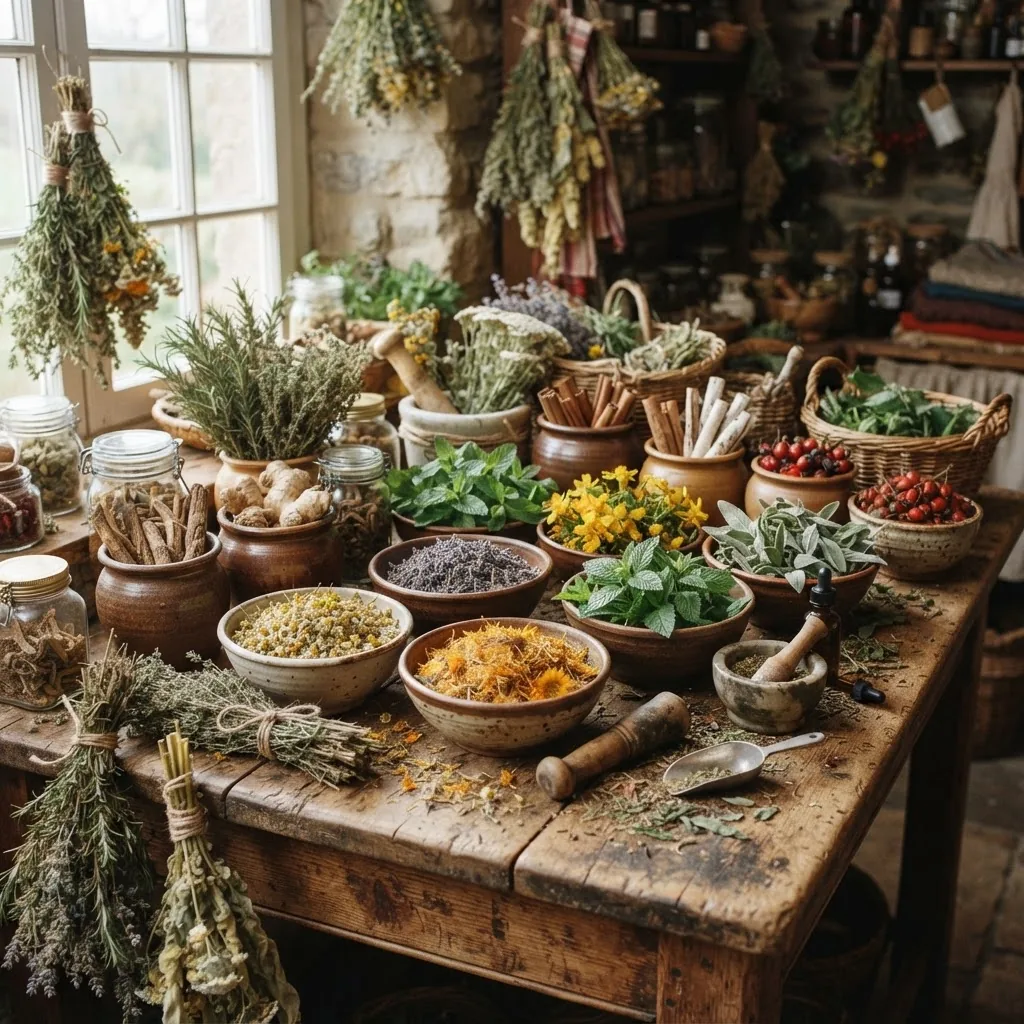
Cross-cutting example: respiratory care—many cultures employ steam inhalation with local herbs, expectorant teas, and topical rubs. See alternative therapies for asthma and allergies for treatment-focused overlaps between folk and modern care.
Another cross-cutting area is women’s health; traditional support networks use herbal tonics, dietary adjustments, and midwifery skills. For recognized integrative resources on women’s oncology contexts see natural and holistic alternative treatment.
Transition: Next we examine the people who practice these therapies—the traditional healers—and how they function in communities.
-
Step 5 — Learn about healers and roles:
Traditional Healers and Their Roles in Folk Medicine
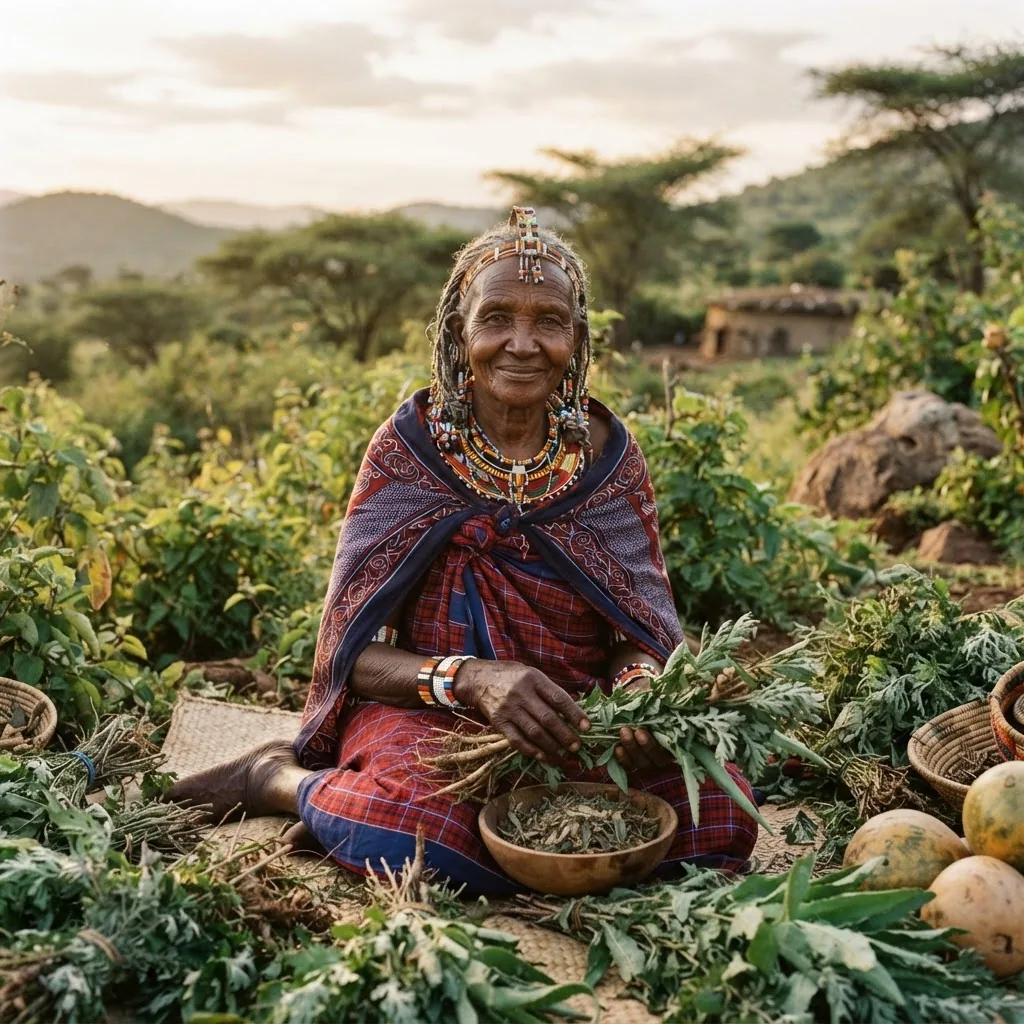
Traditional healers are community members recognized for knowledge and skills in diagnosis, treatment, spiritual mediation, and social counselling. Roles include herbalists, midwives, bone-setters, shamans, and elder counselors. Healer qualifications vary: some follow formal apprenticeships, others seniority-based learning or family lines. Documentation in ethnomedicine shows healer practices range from plant identification to complex ritual sequences.
Case study: a West African herbalist may perform divination to determine social causes of illness, prescribe plant decoctions, and supervise a ritual cleansing. Another example: an Ayurvedic physician trains through long apprenticeships, learns classical texts, and uses standardized herbal formulations.
Advice for practitioners: respect credentialing norms in each culture. For those seeking formal education in complementary fields, see alternative medicine degree programs that map traditional knowledge to structured curricula.
Transition: Understanding who provides care helps frame comparisons between folk approaches and pharmaceutical remedies, the subject of the next step.
-
Step 6 — Compare approaches side-by-side:
Comparing Folk Medicine Remedies with Pharmaceutical Remedies
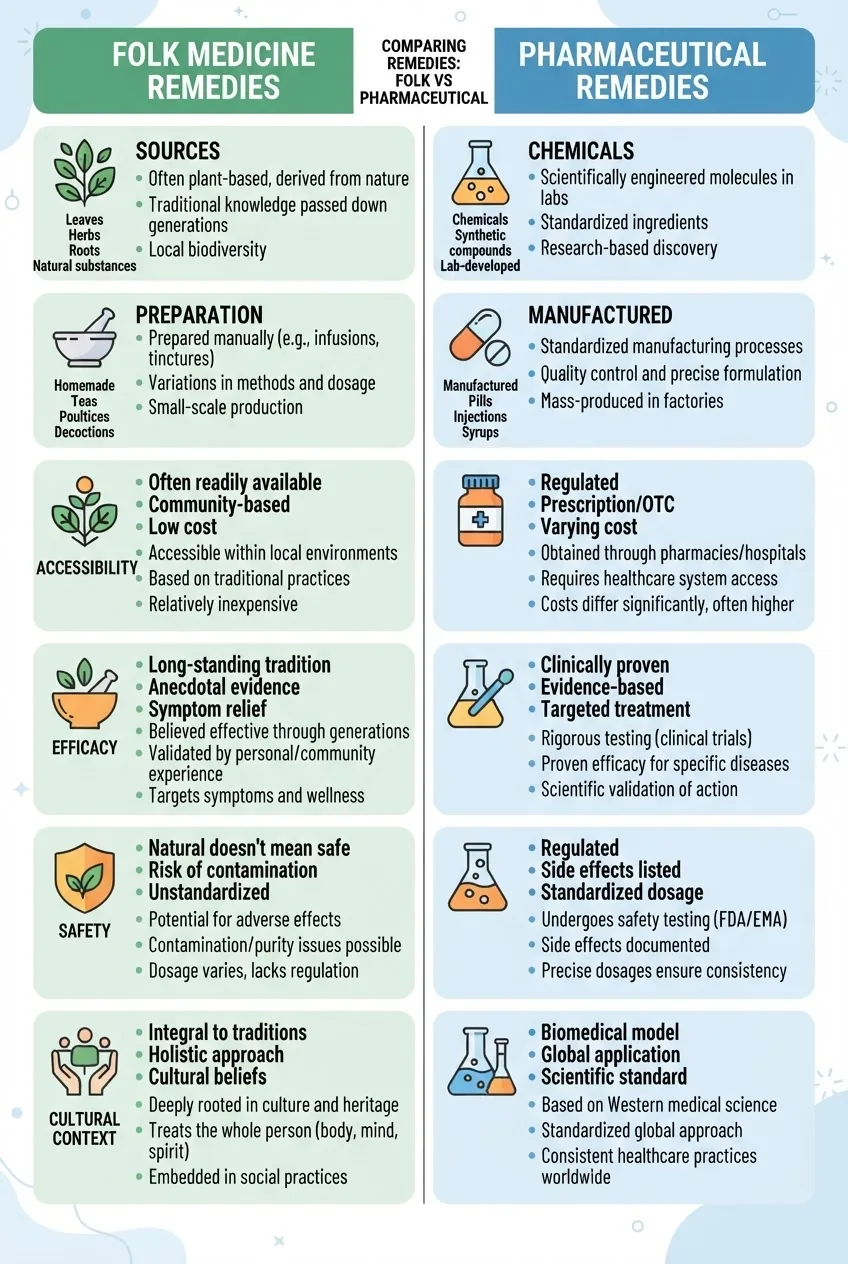
Below is a concise comparison table followed by a practitioner-focused summary. The table highlights typical differences and overlaps; rows use zebra striping for readability.
Feature Folk Medicine Remedies Pharmaceutical Remedies Source Plants, minerals, animal products, rituals, community knowledge Synthetics or purified natural compounds produced under GMP Preparation Local methods: decoctions, poultices, rituals; variable standardization Standardized dosing, labelled formulations Accessibility Often locally available and low-cost Requires prescription or purchase; may be costly Efficacy evidence Some remedies supported by ethnopharmacology; overall variable trial data Evaluated via randomized controlled trials and regulatory review Safety Potential for interactions, contamination, or toxicity if misused Known side-effect profiles; monitored pharmacovigilance systems exist Cultural context Embedded in social and spiritual life; often strengthens social support Clinical, disease-focused paradigm Summary: Folk medicine remedies often provide culturally congruent care and accessible treatments with variable evidence. Pharmaceutical remedies typically offer standardized dosing and stronger regulatory safety data. In serious illnesses such as cancer, folk approaches are sometimes used adjunctively rather than as sole treatments; for integrative perspectives see alternative medicine for cancer treatment and alternatives to radiation therapy.
Transition: With that direct comparison, we next assess safety, effectiveness and how science evaluates traditional remedies.
-
Step 7 — Evaluate safety and evidence:
Safety, Effectiveness, and Scientific Perspectives on Folk Medicine
Scientific evaluation of folk medicine remedies follows evidence-based medicine methods: observational studies, phytochemical analysis, in vitro and animal testing, and randomized clinical trials where feasible. Many historically used plants have yielded active compounds (for example, salicin from willow bark leading to aspirin). However, the majority of folk remedies lack large-scale randomized evidence.
Safety considerations for practitioners and patients include: contamination (heavy metals, pesticides), adulteration (hidden pharmaceuticals), incorrect identification of plant species, dosage variability and interactions with prescription drugs. Reported adverse events are tracked in pharmacovigilance systems in some countries; in settings without monitoring, risk recognition relies on community reporting and case series.
According to a 2024 industry report on integrative practice trends, interest in scientifically studying traditional remedies has increased, but quality-controlled clinical trials remain comparatively few. For official guidance and safety frameworks, consult the World Health Organization: WHO documentation on traditional medicine and research summaries from the National Center for Complementary and Integrative Health: NCCIH research articles. For ethnobotanical method references see the Journal of Ethnopharmacology: Journal of Ethnopharmacology.
Best-practice safety checklist I use as a practitioner:
- Confirm plant identification using at least two sources or herbarium records.
- Check for known interactions with current pharmaceuticals via reliable databases.
- Prefer products with third-party quality testing (GMP, heavy metal screens).
- Document dose, duration and observed effects in a patient chart.
Transition: With safety practices in place, examine how traditional and modern systems can integrate responsibly.
-
Step 8 — Review integration methods:
Integration of Traditional and Modern Healthcare Systems
Integration ranges from co-location of services to formal referral networks and educational exchange. Integrative models include primary clinics offering herbal consultations beside conventional care, hospitals with accredited traditional medicine departments, and collaborative protocols for perioperative herbal use.
Examples of integration methods:
- Standardized intake protocols that record traditional remedy use before prescribing pharmaceuticals.
- Collaborative case conferences where traditional healers and biomedical clinicians discuss care plans.
- Accredited training for biomedical practitioners in cultural medicine competencies.
For clinicians looking to expand services, consider linking to resources on alternative health care center services and pursuing credentials such as board certified integrative medicine. To study integration at an academic level, review the pillar on alternative medicine practices.
Transition: Finally, we look ahead to research directions and likely trends influencing folk medicine practices globally.
-
Step 9 — Track future research and trends:
Future Trends and Research in Folk Medicine Remedies
Research trends point to three converging areas: rigorous clinical trials of high-use herbal remedies, genomic and metabolomic analyses of traditional formulations, and community-led research partnerships that protect indigenous knowledge. According to a 2024 industry report, funding for integrative trials grew in the preceding three years, particularly in chronic pain and mental health domains.
Emerging innovation includes:
- Standardised herbal extracts designed to meet regulatory quality standards.
- Digitised ethnobotanical databases combining geolocation, sustainability data and efficacy summaries.
- Community-based participatory research frameworks ensuring benefit-sharing and IP protection.
Practitioner note: when evaluating new studies, prioritise randomized controlled data, transparent adverse event reporting, and community-authored research that respects traditional ownership of knowledge.
Transition: The practical guidance above is summarised below with common mistakes, a checklist, and referral guidance.
Common mistakes and how to avoid them
I once accepted a herbal product at face value because it was “traditional” and later discovered it was contaminated; since then I always verify third-party testing and provenance. I’ve also seen practitioners assume a remedy is safe because it’s “natural” — I now check interactions with pharmaceuticals every time before recommending co-use.
Checklist: Verify your understanding and practice
- Have I documented the cultural context and intended use of the remedy?
- Have I checked species identification and sourcing records?
- Are there published safety alerts or contraindications for co-medication?
- Is the remedy standardized or variable in dose? If variable, have I noted that?
- Have I discussed expectations and timelines with the patient and documented consent?
When to call in a professional
Refer immediately to licensed biomedical professionals when encountering severe or acute symptoms (chest pain, severe bleeding, acute respiratory distress), signs of systemic toxicity (confusion, seizures), or suspected interactions that could reduce efficacy of life-saving pharmaceuticals. For integrating folk remedies into cancer care or critical illness planning, consult oncologists and evidence-based integrative medicine specialists and consider alternatives to radiation therapy or alternative medicine for cancer treatment resources.
Conclusion
Folk medicine remedies and traditional medicine remain vital components of global health systems. This hands-on guide has equipped you with definitions, categories, global examples, healer roles, a clear comparison to pharmaceutical remedies, safety checks, and directions for integration. Use the checklist, consult WHO and NCCIH resources for policy and evidence, and prioritise collaborative, respectful practices. If you want to deepen clinical integration skills, explore accredited training and local partnership opportunities.
Call to action: Start by reviewing the WHO guidance on traditional medicine and the NCCIH research summaries, then document one local folk remedy in detail using the checklist above to build your practice’s cultural competence.