
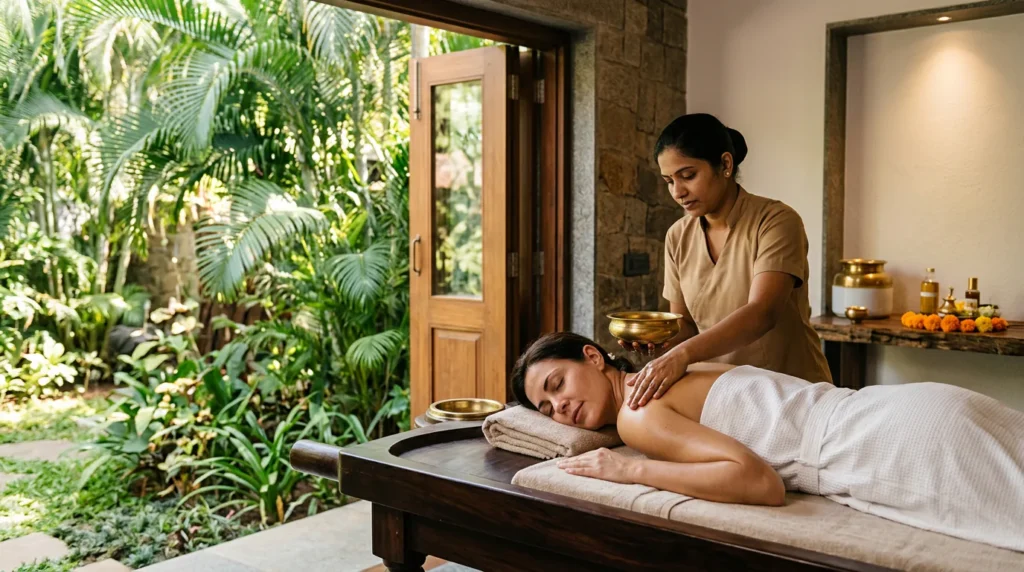
Panchakarma retreat — planning one can feel overwhelming: therapies, timing, costs and safety questions all matter. This guide breaks down the full retreat experience, from core treatments and pre-retreat steps to realistic cost comparisons and recovery plans, with an Australian focus while covering USA and “Ayurvedic retreat near me” search needs.
What is a Panchakarma Retreat?
Panchakarma literally means “five actions” in classical Ayurvedic texts and refers to a structured sequence of therapies designed to remove deep-seated toxins (ama) and restore physiological balance. A Panchakarma retreat packages these traditional purification techniques into a residential programme delivered by trained Ayurvedic practitioners, combining diet, lifestyle guidance, daily therapies and follow-up plans to produce sustained change.
Traditionally described in foundational works such as the Charaka Samhita and Sushruta Samhita, Panchakarma aims to correct imbalances in the body’s subtle humours and channels through warming, oleation (snehana), fomentation (swedana), elimination therapies and rejuvenation (rasayana). Retreats adapt these classical protocols to modern settings while preserving therapeutic intent: to mobilise and expel accumulated impurities and reset digestion, immunity and mental clarity.
A typical retreat emphasises three integrated pillars: (1) preparatory phases that gently loosen toxins, (2) core elimination therapies tailored to individual needs, and (3) restorative post-procedures and reintegration. Retreats vary from short 3–7 day “introductory” programmes focusing on massage and detox-supporting routines, to authentic 21-day-plus cycles that follow full classical sequences.
In practice, a retreat is more than a set of treatments — it’s a therapeutic container. Participants receive an initial Ayurvedic assessment, a personalised plan, continuous monitoring by practitioners, a simplified sattvic diet, and educational sessions that teach sustainable lifestyle shifts. For many Australians seeking an immersive reset, a local retreat provides the balance of tradition and accessibility while exchanges with overseas centres (notably in the USA or India) remain useful for specialised protocols.
For readers who want deeper background before committing to a retreat, consult essential Ayurvedic medicine resources and consider basic practitioner training outlines via certified Ayurvedic practitioners.
Transition: Now that you understand the retreat concept, the next section details the core therapies you’ll commonly encounter.
Common Panchakarma Treatments Offered at Retreats
-
Vamana (Therapeutic Emesis)
Vamana is controlled therapeutic vomiting used mainly to clear excess Kapha from the upper digestive and respiratory channels. It follows days of internal and external oleation and fomentation to mobilise toxins toward the GI tract. Administered in-clinic under supervision, Vamana requires pre-screening — it’s contraindicated in pregnancy, severe cardiac disease and advanced age unless cleared.
-
Virechana (Purgation)
Virechana uses purgatives to expel toxins primarily through the small intestine and colon. After preparatory oleation and steam, the practitioner gives herbal laxatives in calibrated doses. Common indications are Pitta disorders like inflammatory skin conditions, hepatic congestion and digestive hyperacidity. Expect several days of monitoring for fluid and electrolyte balance.
-
Basti (Medicated Enema Therapies)
Basti is a cornerstone therapy in classical Panchakarma, particularly effective for Vata-related conditions. It includes oil-based (Anuvasana) and decoction-based (Niruha) enemas containing herbal formulations. Delivered by experienced therapists in a clinical setting, Basti treats chronic musculoskeletal pain, constipation, neurological complaints and many systemic imbalances.
-
Nasya (Nasal Administration)
Nasya involves administering medicated oils or herbal drops into the nostrils to clear the head region, sinuses and upper respiratory tract. It’s used for chronic sinusitis, headaches, voice issues and certain neurological complaints. Nasya is gentle but should be performed by a qualified practitioner after assessing sinus health and surgical history.
-
Raktamokshana (Blood Letting) and Minor Purificatory Techniques
Raktamokshana traditionally denotes controlled bloodletting using leech therapy or venesection to remove impure blood, useful in select dermatological and circulatory conditions. Modern retreats may offer leech therapy with strict sterility protocols. These are less common and require rigorous clinical oversight and informed consent.
-
Abhyanga (Herbal Oil Massage)
Abhyanga is a daily therapeutic oil massage used across all Panchakarma programmes to loosen toxins and soothe the nervous system. Oils are warmed and selected for dosha influence; massage techniques stimulate circulation, lymphatic flow and improved tissue perfusion. Expect 60–90 minute sessions in most retreats.
-
Shirodhara and Other Pouring Therapies
Shirodhara pours a steady stream of warm oil or herbal decoction onto the forehead to calm the mind and endocrine rhythms. Often paired with Abhyanga, it supports sleep, anxiety reduction and cognitive clarity. While soothing, Shirodhara is a monitored procedure and part of the broader retreat daily schedule.
-
Swedana (Herbal Steam Therapy)
Swedana follows Abhyanga to induce sweating and assist toxin mobilization via heat. Methods include steam tents, potali (herbal boluses) and local fomentation. Swedana is tailored for circulatory status and can be adapted for those with heat sensitivity.
-
Dietary Therapies and Herbal Interventions
Retreat diets are typically simplified, warm, spiced and easy to digest; herbal decoctions and specific formulations support elimination phases. While not the main focus here, these supportive regimens are essential to Panchakarma efficacy and are personalised by the practitioner.
-
Supportive Clinical Monitoring
Skilled practitioners monitor vitals, hydration, symptoms and emotional responses throughout. Many centres include gentle physiotherapy, yoga, pranayama and counselling to integrate processes safely.
For a deeper technical dive on the detoxification rationale and traditional sequencing, see the comprehensive Panchakarma cleanse and treatments.
Transition: With therapies defined, preparing your body and mind before you arrive is the next critical step.
How to Prepare for a Panchakarma Retreat
Preparation reduces risks, improves outcomes and speeds post-retreat recovery. Below is a step-by-step, practical plan to follow 8–4–2–0 weeks before a retreat, with tips drawn from practitioner experience and retreat protocols.
-
8–6 Weeks Out: Initial Assessment and Medical Clearance
Book an initial consultation with the retreat’s Ayurvedic practitioner and, if you have chronic conditions, your GP. Provide a full medical history, current medications and recent lab results. If you live in Australia and want objective guidance on complementary medicine safety, review government resources such as the Australian Department of Health and academic advisories; overseas readers can consult national bodies like the US NCCIH for safety guidance.
Notify the practitioner about anticoagulants, insulin, recent surgeries, pregnancy, active infections, cancer treatment or severe psychiatric history — these may require modifying or postponing Panchakarma.
-
6–4 Weeks Out: Begin Gentle Lifestyle Adjustments
Start unwinding stimulants and heavy substances: reduce alcohol, recreational drugs and excessive caffeine. Introduce earlier bedtimes and gentle movement like walking, basic yoga, and daily oiling of the body if advised. Aim to stabilise sleep and digestion two weeks before travel.
Consider reducing intense exercise to avoid high systemic stress during the preparatory phase.
-
4–2 Weeks Out: Dietary Transition
Shift toward easily digestible meals: warm, cooked vegetables, kichari (mung and rice mix), light soups and small meals spaced evenly. Avoid heavy dairy, fried foods, nightshades (if sensitive), and cold/raw meals that impair Agni (digestive fire). For practical guidelines, review general Ayurvedic diet principles.
If you have a known dosha predominance, personalise this phase using resources on Ayurvedic body types (Vata, Pitta, Kapha) to tailor foods and routines. This helps the therapist select oils, herbs and procedures suited to you.
-
2 Weeks Out: Medication Review and Adjustments
Under practitioner and GP supervision, review prescription regimens. Some medications (e.g., certain antihypertensives, anticoagulants) interact with aggressive eliminative therapies or may need temporary modification. Do not stop any medication without medical oversight.
-
1 Week Out: Logistics and Mindset
Confirm travel, accommodation details, and any pre-arrival forms the retreat requires. Pack comfortable clothing, a reusable water bottle, simple toiletries and copies of medical records. Mentally prepare: set realistic intentions (e.g., improved sleep, digestion, stress resilience) rather than demanding results.
-
48–24 Hours Before: Light Eating and Hydration
Eat light meals, maintain hydration, and avoid heavy social obligations. Aim to arrive well-rested. If travelling long distances, allow a buffer day to settle before therapies commence.
-
Day Before: Arrival and Orientation
Attend the practitioner intake: panchakarma protocols are personalised; provide honest symptom reporting. Expect a basic physical exam, pulse and tongue assessment and a clearly documented daily plan. Ask about emergency protocols and practitioner qualifications to ensure confidence in care.
Practical insider tips from seasoned retreat practitioners:
- Bring simple comfort items (eye mask, soft pillow) and any favourite light snacks for recovery days.
- Expect emotional processing: establishing a journaling habit before arrival helps integrate experiences.
- Prepare your home for re-entry: plan light duties for 1–2 weeks post-retreat to avoid abrupt stressors.
Transition: With preparations in place, the next section walks you through what a typical day and week look like during a Panchakarma retreat.
What to Expect During a Panchakarma Retreat
Retreat structures vary by centre and programme length, but the therapeutic flow follows a predictable rhythm: morning routines, treatment blocks, rest and scheduled meals. Below is a detailed walkthrough of a typical daily schedule in a 14–21 day residential retreat and descriptions of key practitioner roles.
A Typical Day (Walkthrough)
07:00 — Wake, warm water and gentle self-abhyanga (if advised) or supervised oil massage preparation.
07:30 — Light pranayama/yoga session (20–30 minutes) focused on gentle movement and breathwork.
08:00 — Warm, easily digestible breakfast (e.g., kichari, herbal tea).
09:00 — Morning therapy block: Abhyanga followed by Swedana; therapists prepare oils and herbal steam. Practitioner assesses response and adjusts oil blends.
11:00 — Rest period with supervised hydration and temperature monitoring.
12:30 — Lunch (sattvic, warm, spiced to individual needs).
14:00 — Core therapy block: depending on phase, this may include Nasya, Virechana administration, or Basti procedures. When a purge is scheduled, the day is mostly clinical monitoring and rest.
16:00 — Short consultation with Ayurvedic practitioner, documentation of progress and symptoms.
17:00 — Gentle movement, restorative practices or counselling; optional Shirodhara sessions on selected days.
18:30 — Light dinner, early to aid digestion.
20:00 — Evening routine: relaxation, journaling and lights-out earlier than usual.
Example practitioner roles:
- Ayurvedic Doctor/Practitioner: Provides diagnosis, prescribes sequence and herbs, and oversees safety. Look for practitioners with formal training and clinical experience; certification standards vary by country.
- Therapists/Therapist Team: Carry out Abhyanga, Basti, Shirodhara and other hands-on therapies. Skilled therapists follow hygiene and treatment protocols and report outcomes to the supervising practitioner.
- Clinical Nurse or First Responder: Manages vital checks, IVs or emergency transfers if needed.
- Nutritionist/Cook: Prepares therapeutic meals aligned to the plan.
Weekly Timeline and Phases
Preparatory Phase (First 3–7 days): Focuses on internal and external oleation (snehana) and Swedana to mobilise toxins. This period reduces tissue rigidity and prepares for eliminative procedures.
Elimination Phase (Core days): May include Vamana, Virechana and Basti in sequences determined by the practitioner. These days are clinically intensive; expect reduced mobility, close monitoring and rest.
Rejuvenation Phase (Final days): After elimination, the focus shifts to rasayana therapies, light strengthening exercises, tailored herbal tonics and diet to rebuild tissues and restore metabolic balance.
Symptoms and Expected Responses
Mobilising deep toxins can produce transient effects often called detox symptoms: mild fatigue, headaches, variable bowel movements, temporary sleep changes and emotional shifts. Most symptoms subside quickly with hydration, rest and practitioner adjustments. According to a 2024 health review, monitored Panchakarma under qualified supervision shows low serious adverse event rates when contraindications are observed (source type: 2024 health review in peer-reviewed literature).
Case example (anonymised): A 52-year-old Melbourne participant with chronic eczema completed a 21-day Panchakarma retreat focused on Virechana and topical therapies. Over three months she reported reduced flare frequency and improved sleep; interim lab markers for inflammation trended lower in her follow-up with a GP (mini case study based on anonymised clinical programme data).
Practical inside knowledge: Retreats will vary the intensity of elimination based on age, baseline strength and comorbidities. Don’t assume more intense equals better; quality centres prioritise tailoring over intensity.
Transition: Knowing daily rhythm and potential symptoms helps contextualise the financial and logistical considerations discussed next.
Panchakarma Retreat Cost: What You Need to Know
Costs vary widely depending on location, accommodation standard, programme length and included services. Below is a comparative breakdown for common retreat models in Australia and the USA, with typical inclusions and exclusions.
| Region / Programme | Typical Duration | Price Range (AUD) | Common Inclusions | Common Exclusions |
|---|---|---|---|---|
| Australian local retreat (basic) | 7–10 days | 1,500–3,500 | Daily Abhyanga, shared accommodation, meals, basic consults | Specialist procedures (Basti/Virechana), transfers, supplements |
| Australian mid-range | 14–21 days | 3,500–8,000 | Full Panchakarma sequence, private/shared rooms, daily consults, herbs | Airfare, some specialised tests, extended follow-up |
| Australian luxury/retreat resort | 7–28 days | 8,000–20,000+ | Private villa, integrated spa, blood tests, personalised herbs | Premium extras, cosmetic add-ons |
| USA integrative wellness centres | 7–21 days | 3,500–18,000 (USD to AUD conversion varies) | Full sequences, medical oversight, lab work | Travel, certain inpatient medical costs |
| Short introductory programmes (AU/US) | 3–5 days | 500–1,800 | Massage, Shirodhara, dietary guidance | True Panchakarma eliminations |
Cost drivers explained:
- Programme length — full classical Panchakarma typically spans 14–21+ days and therefore costs more due to repeated procedures and extended practitioner time.
- Procedure intensity — Vamana and Basti require more clinical oversight and materials (medicated oils, decoctions), raising costs.
- Accommodation and location — remote resorts or luxury options carry premium pricing; city clinics with basic lodging are less expensive.
- Inclusions — confirm whether herbal medicines, lab tests, airport transfers and aftercare consultations are included.
- Practitioner qualification — programmes led by senior Ayurvedic doctors or teams with medical oversight generally cost more but improve safety and personalised care.
Payment models and tips:
- Many centres require a deposit with the balance due before or on arrival; ask about cancellation policies and insurance coverage.
- Some clinics offer modular pricing (per-treatment rates) allowing shorter stays to be customised, which may suit budget-conscious travellers.
- When comparing quotes, request a written itinerary and itemised list of inclusions so you can compare “apples to apples.”
Regulatory and safety cost considerations: certified centres often invest more in sterility, testing and staff training. This increases price but reduces risk—an important trade-off, especially where invasive procedures like leech therapy or Virechana are offered.
According to a 2024 industry report, average full-course Panchakarma costs rose regionally due to increased clinical staffing and compliance requirements (source type: 2024 industry report).
Transition: With costs clearer, the next section helps you pick the right retreat—nearby or overseas—based on validated selection criteria.
Finding the Right Panchakarma Retreat: Australia, USA, and Nearby Options
Choosing a retreat requires balancing proximity, practitioner credentials, programme authenticity and your budget. Below are selection criteria and how to find local (Australian) and US options, plus tips for “Ayurvedic retreat near me” searches.
Selection Criteria
- Practitioner qualifications: Verify training and clinical experience. Where available, prefer practitioners with recognised certifications or degrees in Ayurveda and clinical experience. For practitioner training context, see Ayurvedic practitioner training.
- Clear intake and medical screening: Reputable centres require GP clearance for significant medical histories and explain contraindications plainly.
- Hygiene and clinical protocols: Check on infection control, especially for blood-related therapies or leech use.
- Inclusion transparency: Request an itemised itinerary and a written list of what’s included (herbs, tests, post-care).
- Aftercare follow-up: Good centres include at least one post-retreat consultation to support reintegration.
- Reviews and referrals: Look for verified reviews, ask for references and consider practitioner-sourced case studies.
Finding Australian Retreats
Search local directories, wellness listings and targeted queries like “Ayurvedic retreat near me” combined with town/state names. For convenience, explore accredited wellness centres that publish practitioner CVs and treatment protocols. If you need a closer clinic, local searches for Ayveda center near me can be helpful for shorter programmes and follow-up care.
Finding USA Options
In the USA, established integrative centres often combine Ayurvedic doctors with medical oversight. Search for “panchakarma retreat USA” to identify centres that explicitly offer full sequences. Verify practitioner memberships and standards via professional bodies such as the National Ayurvedic Medical Association (NAMA).
Using “Ayurvedic retreat near me” Effectively
When using that query, prioritise search results that show practitioner profiles, explicit procedure lists, and local reviews. Contact centres directly to ask about medical screening, sample daily schedules and aftercare. For personalised medical coordination, consider first a local consultation with an Ayurvedic practitioner (see consult an Ayurvedic doctor).
Red Flags to Avoid
- Centres that refuse medical history or insist on full payment without clear cancellation terms.
- Unclear practitioner qualifications or no clinical oversight for invasive procedures.
- Overpromises (e.g., guaranteed cures) — classical and modern evidence support benefits but not blanket guarantees.
Transition: With selection criteria in hand, let’s summarise the proven benefits attendees commonly report.
Benefits of Attending a Panchakarma Retreat
Panchakarma retreats are designed to produce system-wide effects across digestion, immunity, respiration and mental health. Benefits vary with individual conditions and programme fidelity, but common outcomes reported in clinical programmes and participant surveys include:
- Improved digestive regularity and reduced bloating due to restored Agni (digestive fire).
- Reduced chronic inflammation and clearer skin, often following Virechana protocols.
- Mental clarity, lower anxiety and improved sleep — especially after Shirodhara and regular abhyanga.
- Enhanced resilience to stress and improved energy rhythms from combined diet and lifestyle resets.
- Support for weight management when paired with ongoing Ayurvedic diet and lifestyle changes.
- Targeted improvement in Vata or Kapha complaints depending on therapy selection; see resources on balancing your doshas and specific guides for balancing Kapha dosha.
Mechanisms: Traditionally, Panchakarma is thought to restore homeostasis by removing obstructive metabolic residues and normalising tissue function. Modern clinical reviews indicate potential benefits for certain chronic conditions and quality of life metrics (source type: peer-reviewed studies; see curated literature on peer-reviewed research).
Practical note: Benefits are maximised when Panchakarma is followed by sustainable practices. For guidance on daily routines that reinforce retreat outcomes, consult Ayurveda for wellness principles.
Transition: After experiencing a retreat, maintaining gains requires careful aftercare—outlined in the next section.
Post-Retreat Care and Maintenance
Post-Panchakarma care is essential: the body is in a receptive rebuilding phase and requires gradual reintegration, targeted nutrition and possibly herbal support. Follow these steps and resources to protect and extend benefits.
-
Immediate 1–7 Day Aftercare
Rest and avoid strenuous activity. Continue sipping warm, easily digested meals and follow practitioner diet recommendations. If your retreat provided herbs, take them exactly as instructed. For supplement decisions, refer to our Ayurvedic supplements guide to learn safe sourcing and dosing.
-
Week 2–4: Gradual Reintegration
Slowly reintroduce more complex foods while monitoring digestion and sleep. Reinforce routines such as daily oiling or Abhyanga as recommended. For specific dietary plans by dosha, consult the Vata dosha diet guidelines and Pitta pacifying diets resources.
-
Months 1–3: Ongoing Support
Schedule a follow-up with the retreat practitioner to review outcomes and adjust herbal regimens. If additional therapies are indicated (e.g., maintenance Abhyanga, occasional Basti), integrate them based on clinical advice. Consider periodic short retreats or local clinic visits for tune-ups.
-
Herbal and Supplement Strategy
Where appropriate, specific formulations support tissue rebuilding and immunity. Review safe options with a practitioner and consult our list of common Ayurvedic herbs and formulations and the herbal powder safety and uses guidance for safe sourcing and dosing.
-
Lifestyle and Daily Routine
Maintain gentle movement, consistent sleep, mindful eating and stress-reduction techniques. For hair and external care recommendations after oil therapies, see Ayurvedic hair care routines.
Practical tip: Keep a recovery journal tracking sleep, stools, skin, mood and energy for the first four weeks — this helps the practitioner tailor follow-up care.
Further reading: For a safety-first perspective on supplements and best sourcing practices, consult our full Ayurvedic supplements guide and the common Ayurvedic herbs and formulations.
Transition: While many benefit from Panchakarma, it’s not safe for everyone—read the next section to learn about contraindications and safety precautions.
Safety, Contraindications, and When to Avoid Panchakarma
Panchakarma can be powerful but carries risks when applied inappropriately. Centres should insist on thorough screening and informed consent. Major contraindications include:
- Pregnancy and immediate postpartum period (typically 6 months)
- Active infections, uncontrolled diabetes, severe cardiac disease and late-stage cancer unless cleared by specialists
- Recent major surgery or unstable psychiatric disorders
- Use of certain medications such as high-dose anticoagulants without medical oversight
Safety precautions and best practices:
- Medical screening: Obtain ECGs, blood tests or imaging when indicated. A reputable centre will request recent labs for participants over 50 or with chronic disease.
- Qualified supervision: Ensure interventions like Virechana, Basti and Raktamokshana are overseen by an experienced Ayurvedic doctor and clinical team.
- Informed consent: You should receive a written plan, expected benefits, likely side effects and emergency procedures before treatment.
- Integration with conventional medicine: Coordinate with your GP for medication adjustments and ongoing monitoring.
If you have chronic health conditions, consult both your medical doctor and an Ayurvedic practitioner prior to booking. For regulated guidance in your country, check national health advisories (example: NCCIH for US readers).
Case caution (anonymised mini-case): A participant on anticoagulant therapy required postponement of Basti and certain purgative therapies; the retreat substituted supportive massage and nasya until medical clearance was provided. This approach avoided complications and preserved therapeutic momentum.
Transition: For quick reference, the next section answers common questions people ask before booking a retreat.
Frequently Asked Questions
Below you’ll find concise answers to the most common practical questions about choosing, preparing for and recovering from Panchakarma retreats. For fuller answers and clinic-specific policies, contact the retreat directly.
Transition: The article ends with final guidance and a clear next step.
Conclusion and next steps
Panchakarma retreats offer a comprehensive pathway to deep cleansing and systemic recalibration when delivered by qualified teams and supported with appropriate preparation and aftercare. For Australians seeking local options, prioritise centres with transparent intake, clinical oversight and clear aftercare; for US-based travellers, verify practitioner memberships through recognised bodies. If you’re ready to explore retreat options, start with a local consultation to establish suitability and a customised plan.
Ready to plan? Begin by booking an initial Ayurvedic consultation and download sample itineraries from shortlisted centres. For hands-on aftercare tools and safe supplement advice, consult our Ayurvedic supplements guide.
Frequently Asked Questions
What is a Panchakarma retreat and how does it work?
A Panchakarma retreat is an immersive Ayurvedic programme combining preparatory oleation, targeted elimination therapies (Vamana, Virechana, Basti, Nasya), daily therapeutic massages, a sattvic diet and practitioner supervision to mobilise and expel deep-seated toxins and restore systemic balance.
How do Panchakarma treatments differ from regular Ayurvedic therapies?
Panchakarma is a structured detoxification sequence emphasising preparatory oleation, targeted elimination and rejuvenation; regular Ayurvedic therapies (massage, herbal tonics) may support health but do not follow the coordinated, multi-phase purificatory protocols unique to Panchakarma.
How should I prepare my body and mind before attending a Panchakarma retreat?
Begin with medical clearance, reduce stimulants, transition to warm, easily digestible meals, start gentle daily routines and consult an Ayurvedic practitioner about medication changes; arrive rested and with clear intentions for the retreat.
How long does a typical Panchakarma retreat last and what is the daily schedule?
Typical retreats range 7–21+ days; a full classical Panchakarma often lasts 14–21 days. Daily schedules include morning routine, Abhyanga and Swedana, core therapies (e.g., Basti, Virechana), rest periods, therapeutic meals and evening restorative practices.
How much does a Panchakarma retreat usually cost in Australia or the USA?
Costs vary: short introductory programmes can be AUD 500–1,800, mid-range 3,500–8,000, and luxury retreats 8,000–20,000+. USA centre prices vary similarly; verify inclusions like herbs, tests and aftercare when comparing quotes.
What are common side effects or detox symptoms during Panchakarma?
Common transient effects include fatigue, headache, altered bowel patterns, sleep changes and emotional shifts as toxins mobilise; experienced practitioners monitor and manage these to minimise discomfort and risk.
How can I find a reputable Ayurvedic retreat near me?
Search for centres that publish practitioner qualifications, require medical intake, provide itemised itineraries and offer post-retreat follow-up. Use local queries like “Ayurvedic retreat near me” and consult an Ayurvedic doctor for referrals.
Is Panchakarma safe for people with chronic health conditions?
Panchakarma can be adapted for many chronic conditions but requires medical clearance and coordination with healthcare providers; certain conditions (pregnancy, unstable cardiac disease, active infections) are contraindications for core eliminative procedures.