
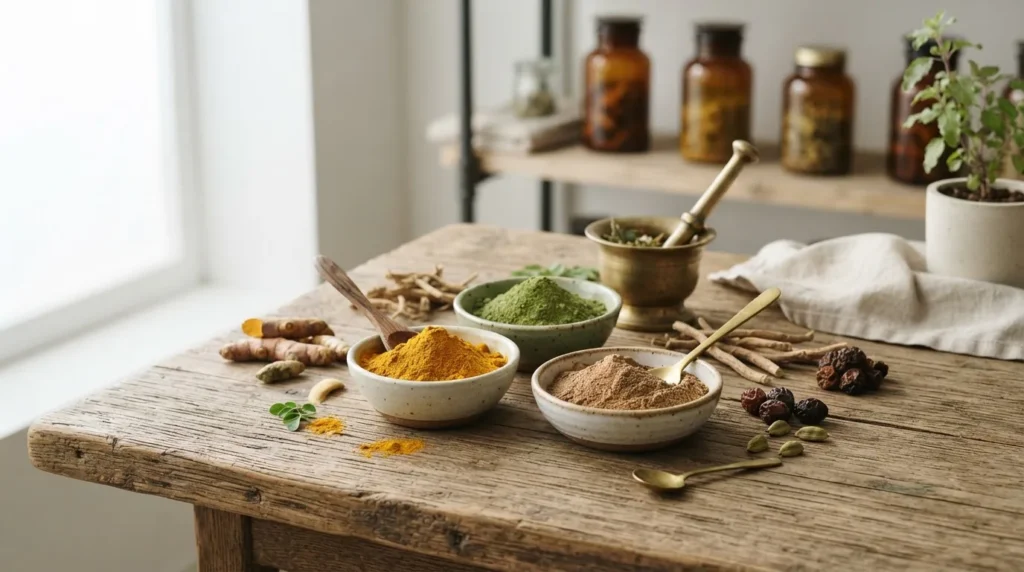
ayurvedic herbs powder can be a versatile, natural way to support health, beauty and daily routines when chosen and used correctly. This guide explains what bulk and blended Ayurvedic herbal powders are, how to use them safely, and exactly where to source high-quality products in Australia and online.
Below you’ll find practical, evidence-aware guidance tailored for curious, health-conscious readers: common powders and their applications, strict safety and sourcing checks, preparation methods, storage tips, and links to local resources and professional care. Read on to learn how to integrate powders reliably into your wellness routine without guesswork.
Introduction to Ayurvedic Herbs Powder
Ayurvedic powders are dried, ground parts of medicinal plants formulated either as single-ingredient powders (e.g., turmeric powder) or multi-herb blends (e.g., Triphala). Traditional Ayurvedic powders, also called churna when blended, are used in decoctions, pastes, mixed into food, or applied topically. The powder form offers benefits such as longer shelf stability compared with fresh herbs, easy dosing, and flexibility across therapeutic, cosmetic, and culinary uses.
Powdered herbal formulations bridge traditional practice and modern convenience: they allow you to prepare simple decoctions (kashaya), warm milk or ghee infusions, or make topical pastes for skin and hair. Because powders concentrate plant material, understanding sourcing, authenticity and quality control is crucial—especially for bulk powders and blended formulations where the risk of adulteration or contamination rises.
This guide focuses explicitly on powders (not capsules or proprietary tablets), emphasising practical steps for choosing, handling and integrating them safely. Expect clear, actionable advice: how to verify supplier testing, interpret certificates, and combine powders responsibly in daily routines while avoiding common safety pitfalls.
Transition: Now that you understand what Ayurvedic herbal powder is and why people use it, let’s review the most common powders you’ll encounter and what they are traditionally used for.
Common Ayurvedic Herbs Used in Powder Form
- Ashwagandha powder (Withania somnifera) — Adaptogenic root powder used for stress support, sleep quality and energy balance. Commonly taken as 300–600 mg extract equivalents daily in clinical trials, or 1–3 g of whole root powder in traditional use for tonic effects.
- Turmeric powder (Curcuma longa) — Anti-inflammatory culinary and medicinal spice. Used topically as a paste for minor skin conditions and internally with black pepper (piperine) and fat to improve curcumin absorption. Typical traditional doses: 1–3 g of powder; standardised extracts vary.
- Triphala powder — A classic three-fruit blend (Amalaki, Bibhitaki, Haritaki) used for gentle digestive support, bowel regularity and ocular health in Ayurveda. Often taken as 1–2 teaspoons at night or as per practitioner.
- Neem powder — Leaf powder used externally for skin, scalp and dental applications; also used internally in short courses under guidance for detoxification protocols.
- Shatavari powder (Asparagus racemosus) — Traditionally used for female reproductive support and digestive tonic; commonly mixed into warm milk or ghee.
- Gotu Kola powder — Used for cognitive and circulation support; often taken as a tea or added to smoothies.
- Licorice (Yashtimadhu) powder — Demulcent used for throat, gastric mucosa and adaptogenic support; long-term use requires caution due to potential blood pressure effects.
- Haritaki powder — One component of Triphala, used alone for digestive cleansing and bowel tone.
- Ginger (Sonth) powder — Widely used for digestion, nausea and circulation; culinary-grade powder is common.
- Amalaki (Amla) powder — High in vitamin C, used for antioxidant support, digestion and hair/skin formulations.
Each of these appears in single-ingredient powders and as part of blended preparations. When selecting powders, check if the label names the botanical species (e.g., Withania somnifera) and the part used (root, leaf, fruit) — that specificity helps verify authenticity and intended use.
Transition: Understanding which powders are common helps, but knowing how they are used — therapeutically, topically and in the kitchen — is essential to safe integration.
Uses and Benefits of Ayurvedic Herbs Powder
Ayurvedic herbal powder has wide-ranging uses across therapeutic, cosmetic and culinary domains. The same powder can serve multiple roles depending on preparation: a decoction for digestion, a ghee infusion for nourishment, or a paste for topical care. Below are practical uses with examples and cautions.
- Therapeutic (internal): Powders like Ashwagandha and Triphala are taken with warm water, milk or honey. Example: 1 g–3 g of Ashwagandha root powder in warm milk at night for sleep and stress support. For evidence context, clinical studies often use standardised extracts; traditional powders differ in concentration and should be dosed conservatively.
- Digestive support: Ginger, Triphala and fennel powders are common to aid digestion, bloating and appetite. They’re often used as short-term remedies or part of daily digestive routines.
- Cosmetic/topical: Turmeric, neem, amla and mult-herb mixes are used as face masks, scalp pastes and hair rinses. For example, a 1:1 mix of amla and shikakai powder can be made into a paste for hair conditioning.
- Culinary integration: Culinary powders like turmeric and ginger are staples; medicinal powders may be added in small amounts to smoothies, warm milk or soups to increase palatability and absorption.
- Supportive therapies: Powders are used before or after Ayurvedic treatments—Triphala for bowel preparation or shatavari as part of sukhapana (postnatal support).
Practical examples
- Daily morning tonic: 1/2 tsp amla powder in warm water for antioxidant support.
- Evening restful blend: 1 tsp Ashwagandha + 1/2 tsp licorice in warm milk (short courses for most people).
- Topical clay mask: 1 tbsp turmeric + 2 tbsp kaolin clay + water for brightening, used weekly.
Dosage and administration notes
- Start low and go slow: begin with 1/4–1/2 traditional teaspoon (≈500–1000 mg) for strong powders and monitor response for 7–10 days.
- Match preparation to purpose: decoctions are water-based extractions for digestion; warm milk or ghee extractions suit nourishing, adaptogenic herbs.
- Use heat and fats strategically: curcumin in turmeric is fat-soluble—pair turmeric powder with a small amount of oil or milk and a pinch of black pepper.
Ayurvedic formulation basics: Powders are often combined into churna (digestive blends), kwath (decoctions), or lehyam (herbal jams). Formulation logic considers herb tastes (rasa), post-digestive effect (vipaka) and energy (virya) — traditional principles that help practitioners tailor blends for individual needs.
How powders interact with body types: Herbal choice and dosing may be influenced by constitution. See the Ayurvedic body types guide for how powders can be matched to constitutional tendencies.
Complementary diet and routines
- Combine powders with dietary changes for best results (see Vata dosha diet guide for examples relevant to digestion and calm).
- For weight-related goals, certain powders can support metabolism alongside lifestyle changes; learn how in Ayurveda and weight loss guide.
Supportive therapies and retreats
- Herbal powders can prepare you for detox or retreat protocols and are often recommended before Panchakarma; consult the Panchakarma retreat guide for timing and roles.
- Topical treatments such as medicated oils are commonly used alongside powders—see options in Ayurveda massage near me guide.
Transition: With clear benefits in mind, it’s crucial to follow safety best practices—powders are concentrated botanicals and can interact with medications, conditions and life stages.
Safety Considerations When Using Ayurvedic Herbal Powders
Using powdered herbs safely requires attention to dose, interactions, product quality and personal risk factors. This section provides numbered safety tips, references to regulation, and when to seek professional support.
- Consult before starting: If you have chronic conditions, take prescription medication, are pregnant or breastfeeding, consult a qualified practitioner. For local options, see the Ayurvedic doctor near me guide or an Ayveda center near me guide.
- Check for interactions: Some herbs (licorice, guggul, turmeric at high dose) can alter blood pressure, blood sugar or interact with blood thinners. Consult clinical resources—peer-reviewed studies highlight known interactions; for example, see published safety reviews on specific herbs on PubMed for evidence-based interaction data. Relevant clinical review.
- Start with conservative dosing: Because powders vary in potency, begin with low doses (1/4–1/2 tsp) and increase slowly while monitoring for adverse effects such as gastrointestinal upset, rash or headaches.
- Watch for contaminants: Heavy metals, pesticides and adulterants have been reported in some imported Ayurvedic products. Look for supplier testing (see How to Choose). The Australian Therapeutic Goods Administration provides regulatory safety standards and alerts; check TGA guidance for updates. Therapeutic Goods Administration (TGA).
- Pregnancy, breastfeeding and children: Many Ayurvedic powders lack safety data for pregnancy or pediatrics—avoid unnecessary use and seek specialist advice.
- Allergies and hypersensitivities: If you have plant allergies (e.g., ragweed), test a tiny amount first. For topical applications, do a patch test on inner forearm 24–48 hours before wider use.
- Label transparency: Avoid powders without clear botanical names, batch numbers or expiry dates. Reputable suppliers provide Certificates of Analysis (COA) and third-party testing records.
- Professional support: For personalised protocols, consult trained practitioners. See the Ayurvedic practitioner training page for information on practitioner qualifications if you want to verify credentials.
- Document and report adverse effects: Keep notes on products, batch numbers and symptoms. Report serious events to your healthcare provider and local regulator (TGA in Australia) so data informs safety monitoring.
- Cross-check claims: Be wary of powders marketed as cure-alls. Look for balanced, evidence-informed product descriptions and avoid suppliers making unsubstantiated medical claims.
ayurvedic supplements guide: Benefits, safety, and sourcing tips
Transition: Safety begins with product selection—next we’ll walk through how to choose high-quality Ayurvedic herbal powders with a practical buying checklist and testing checks.
How to Choose High-Quality Ayurvedic Herbs Powder
Choosing trustworthy powders requires a combination of label literacy, supplier vetting and awareness of testing standards. Below are step-by-step actions and a practical buying checklist you can use when evaluating both local retailers and online suppliers.
- Verify botanical identity and part used: Labels should state the Latin binomial (e.g., Withania somnifera) and the plant part (root, leaf, fruit). Generic names like “Ashwagandha” without botanical detail are red flags.
- Look for batch numbers and expiry dates: Reliable suppliers list batch codes and a best-before date—essential for traceability.
- Request Certificates of Analysis (COA): Ask for third-party test reports for heavy metals (lead, arsenic, cadmium, mercury), microbiology (salmonella, E. coli), pesticide residues and, when relevant, identity testing (HPTLC or DNA barcoding).
- Check manufacturing standards: Prefer products manufactured in Good Manufacturing Practice (GMP) facilities. ISO or other quality marks add confidence.
- Prefer organic certification for certain herbs: Organic reduces synthetic pesticide exposure, though organic certification is not a guarantee of purity—testing is still necessary.
- Evaluate supplier transparency and reviews: Companies that publish sourcing origins (farm cooperative names, regions), processing methods and lab reports are preferable. Independent customer reviews and trade reputations matter.
- Assess packaging and storage: Airtight, opaque packaging with desiccant packs reduces oxidation and moisture—important for shelf life and potency.
- Compare single-ingredient vs. blends: Blends require more scrutiny, as adulteration risk increases with more components. Verify each component’s identity and testing where possible.
- Price vs. value: Extremely low prices can indicate adulteration or poor sourcing. Balance cost with transparency and testing evidence.
- Supplier location considerations: Local Australian suppliers may offer easier returns, traceability and compliance with Australian standards; imports require extra scrutiny for testing and regulatory status.
Certification and standards comparison
| Certification/Standard | What it shows | When it matters |
|---|---|---|
| GMP | Manufacturing controls and hygiene | Always important for finished powders |
| ISO (e.g., ISO 9001) | Quality management systems | Supplier reliability and process control |
| Australian Certified Organic / USDA Organic | No synthetic pesticides/fertilizers used | Important if pesticide exposure is a concern |
| Third-party COA (HPTLC, heavy metals) | Identity and contaminant testing | Essential for high-risk/imported products |
External authority and testing
Regulatory frameworks and independent science underpin best practices. For Australian regulatory standards and reporting processes, consult the Therapeutic Goods Administration (TGA). For scientific safety data and clinical trial evidence, peer-reviewed literature is a key resource; see representative reviews on PubMed. When evaluating organic claims, refer to recognised organic certification bodies such as Australian Certified Organic for criteria.
Ayurveda certification online course
Practical buying checklist (printable)
- Botanical name + plant part listed
- Batch number + expiry date
- COA available and recent (heavy metals, microbiology, identity)
- Manufactured in GMP facility
- Clear sourcing (origin country/region)
- Transparent processing and storage instructions
Transition: Once you’ve selected quality powders, the next question is where to buy them locally in Australia or online while managing import and regulatory considerations.
Where to Source Ayurvedic Herbal Powder in Australia and Online
Trusted sourcing balances product quality, supplier transparency and regulatory compliance. Options include specialised Australian herbal suppliers, established online Ayurvedic retailers, local health-food stores, and reputable international suppliers that publish COAs. Below are curated sourcing tips and examples to help you find authentic powders.
Retail options and pros/cons
- Local Australian herbal stores and naturopaths: Good for immediate inspection, returning products and asking questions about sourcing. Look for stores that stock tested, certified lines.
- Specialist Ayurvedic suppliers in Australia: Suppliers focusing on Ayurvedic herbs often provide batch information and practitioner support—preferred for formulation guidance.
- Online retailers: Offer broad selection and bulk-buy options. Prioritise those that publish COAs, have clear refund policies and list botanical names and processing info.
- Direct-from-grower/cooperative: Buying from reputable Indian or Sri Lankan cooperatives may provide origin transparency; ensure independent testing is available before purchase in Australia.
Import considerations for Australian buyers
- Certain products may be subject to import restrictions or regulatory oversight—check the TGA and Australian Border Force guidance for herbal imports.
- Imported powders should come with third-party testing to satisfy Australian safety expectations—retain COAs in case of queries.
- Watch shipping conditions: prolonged heat or moisture can degrade powders; choose fast, tracked shipping and inquire about temperature-controlled handling for sensitive herbs.
Tips for vetting online suppliers
- Request batch COAs before purchase for high-risk items.
- Check for a physical business address and phone support in Australia.
- Prefer suppliers that explain extraction methods (if selling extracts) and provide storage guidance.
- Use small test purchases to confirm packaging, aroma and efficacy before committing to bulk buys.
Transition: After sourcing quality powders, store and prepare them correctly to preserve potency and ensure safety.
Best Practices for Storing and Preparing Ayurvedic Herbal Powders
Proper storage and preparation preserve potency, reduce contamination risk and improve safety. Think of powder storage like preserving spices: keep them dry, cool and protected from light.
- Storage conditions: Store powders in airtight, opaque containers away from heat, moisture and light. Glass jars with tight seals are preferable; resealable pouches are acceptable if kept airtight.
- Temperature: Room temperature (15–25°C) is suitable for most powders; avoid kitchen shelves near ovens. Refrigeration can help for very humid climates but check label guidance.
- Humidity control: Use desiccant packs for bulk powders; moisture increases microbial risk and clumping.
- Shelf life: Whole herb powders typically last 12–24 months if stored correctly; ground root powders may lose volatile constituents earlier. Always follow supplier dates and smell/visual checks before use.
- Preparing decoctions and infusions: – Decoction (kwath): boil 1–2 tsp of coarser powder in 2–3 cups water until reduced by half, strain and drink warm. – Milk infusion: simmer powder in milk for fat-soluble constituents (e.g., turmeric with a pinch of black pepper and a fat source).
- Topical pastes: Mix powders with water, yogurt, oil or rose water to create a smooth paste. Do a 24-hour patch test before facial application.
- Mixing and dosing hygiene: Use clean, dry utensils; avoid introducing moisture into powder containers; label homemade blends with date and contents.
- Bulk handling: For bulk powders, decant small daily-use amounts into a smaller container and keep the bulk sealed. This reduces repeated exposure to air and humidity.
Preparing safe, effective home remedies
- Follow recipe precision: many traditional preparations specify exact proportions—use scales for accuracy when possible.
- Combine herbs thoughtfully: avoid mixing many strong botanicals without practitioner input.
- Monitor for changes: if aroma, colour or texture changes markedly, discard the powder.
Transition: With selection, sourcing and handling covered, here are final considerations for integrating powders into your everyday wellness plan.
Conclusion and Integrating Ayurvedic Herbs Powder into Daily Wellness
Ayurvedic herbal powders are practical, flexible tools for natural health when selected and used responsibly. Key takeaways: choose suppliers who publish transparent testing and botanical details; start with low doses; store powders like spices in airtight, cool, dry conditions; and consult qualified practitioners for personalised guidance.
Begin by selecting one well-documented powder (e.g., turmeric or amla) and practising simple preparations—warm milk infusions, gentle decoctions or topical pastes—while tracking effects in a short diary. For deeper, structured learning and lifestyle alignment, explore resources on Ayurveda principles and daily routines to integrate powders sustainably; see the Ayurveda for wellness guide.
Ready to start? Choose a reputable supplier, request COAs, begin with conservative doses, and if in doubt, seek professional advice. Thoughtful sourcing and consistent, informed use unlock the benefits of Ayurvedic herbs powder while minimising risk.
Frequently Asked Questions
What is Ayurvedic herbs powder and how is it used?
Ayurvedic herbs powder is dried, ground plant material used internally (teas, milk infusions, mixed in food) or topically (pastes, masks). Single herbs and blended formulations serve digestive, tonic, cosmetic and supportive roles depending on preparation and dosing.
How does Ayurvedic herbs powder differ from capsules or tablets?
Powders are minimally processed, offering flexible dosing and traditional preparation options; capsules/tablets provide convenience and standardised doses. Powders require more attention to sourcing and preparation but allow tailored formulations and culinary use.
Which Ayurvedic herbal powders are best for common ailments?
Ashwagandha is commonly used for stress and sleep, Triphala for digestive regularity, and turmeric for inflammation and topical skin uses; selection depends on goals and individual factors—start with single powders and consult a practitioner for blends.
How do I safely incorporate Ayurvedic herbal powder into my daily routine?
Begin with low doses (¼–½ tsp), use suitable preparations (decoction, milk infusion), monitor effects for 7–10 days, check for interactions with medications, and consult a qualified practitioner if you have health conditions or pregnancy.
Where can I find authentic and organic Ayurvedic herbs powder in Australia?
Source from Australian specialist Ayurvedic suppliers, reputable online retailers that publish COAs, or local herbal stores with traceable batches; prefer manufacturers with GMP and third-party testing and clear botanical labelling.
How long does Ayurvedic herbs powder last once opened, and how should I store it?
Most powders last 12–24 months unopened; once opened, store in airtight, opaque containers with desiccants, away from heat and humidity, and use within 6–12 months depending on aroma and potency.
What should I do if I experience side effects from Ayurvedic herbal powder?
Stop the product immediately, document batch details, seek medical advice for severe symptoms, and report the event to your healthcare provider and the TGA if in Australia; keep the product sample for testing.
Are there certifications or quality marks I should look for when buying Ayurvedic powder?
Look for GMP manufacturing, third-party COAs (heavy metals, microbiology, identity), and recognised organic logos (e.g., Australian Certified Organic) depending on pesticide exposure concerns; always request batch testing for imported powders.