Home is more than just a physical shelter; it is a repository of our habits, our memories, and our personal boundaries. It is the place where we are entirely ourselves, free from the expectations of the outside world. But when an injury, a progressive condition, or the simple progression of age begins to limit our physical independence, that sense of sanctuary can feel threatened. The realisation that you need assistance with the most intimate details of your day, such as showering, dressing, or preparing a meal, can bring a quiet, heavy vulnerability. It is a transition that is rarely captured in the sterile language of clinical brochures, yet it is one of the most significant emotional shifts a person can experience.
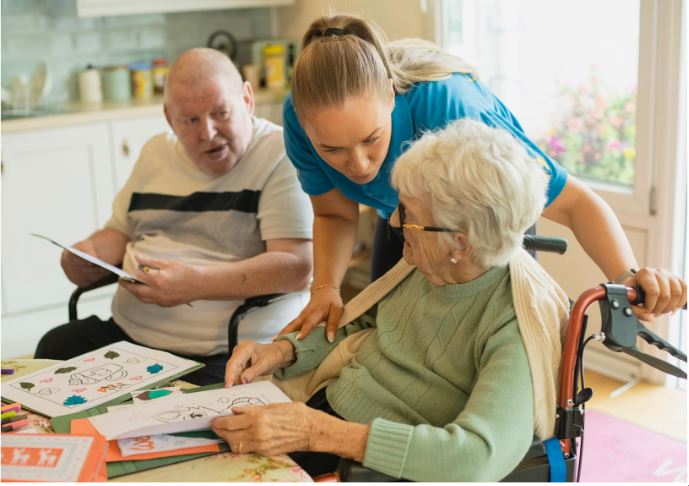
The initial instinct for many is to resist bringing outside help into this private domain. There is an understandable fear that welcoming a support worker means surrendering control or admitting defeat. However, when you partner with the right team, the reality is quite the opposite. Accessing dignified personal care services early in this transition is not about giving up your independence; it is about protecting it. Instead of letting physical limitations dictate the boundaries of your world, professional support acts as a scaffolding that allows you to maintain your established routines. The goal is to find a rhythm where the assistance feels less like a clinical intervention and more like a natural, quiet extension of your own daily life.
True quality in home support is rarely found in the major, dramatic gestures; it exists in the tiny, microscopic details of daily life. It is found in a support worker knowing exactly how you prefer your morning tea, which way you like your pillows arranged, or the specific sequence of your morning routine. These seemingly small preferences are actually the very foundation of personal dignity. When a support plan is built around these individual nuances, it respects your right to make your own choices. It ensures that even when physical tasks require assistance, the decisions directing those tasks remain entirely yours.
Building this kind of relationship takes time, patience, and a high level of emotional intelligence. It requires support workers who understand that they are entering someone else’s sanctuary, not just a workplace. This means showing up with a quiet, respectful presence, knowing when to offer a warm conversation and when to step back and allow for quiet space. When this chemistry works, the dynamic shifts from a transactional set of checklist duties into a partnership built on mutual trust. You are no longer managing an intrusive disruption to your day; you are working with someone who respects your home, your schedule, and your boundaries.
This support also plays a vital role in relieving the invisible pressure that often falls on families. When a partner, sibling, or adult child takes on the role of a primary caregiver, the existing relationship dynamic inevitably changes. The natural warmth of being a husband, wife, or daughter can easily get buried under the stress of physical transfers, medication schedules, and sleepless nights. By handing over these complex physical tasks to professional support teams, families are allowed to return to their original, most important roles. It gives them back the space to simply spend quality time together, sharing stories and laughing without the constant shadow of caregiver burnout.
Ultimately, the real impact of personalised support is measured by what it allows you to do once the morning routine is finished. When the physical effort of getting ready for the day is managed smoothly, safely, and with dignity, your mental energy is preserved for the things that actually bring joy and meaning to your life. Whether that means returning to study, visiting a favourite local cafe, spending time in the garden, or simply enjoying the peace of your own living room, you are free to look outward. You are no longer exhausted by the logistics of daily survival, allowing you to focus on living your life on your own terms.