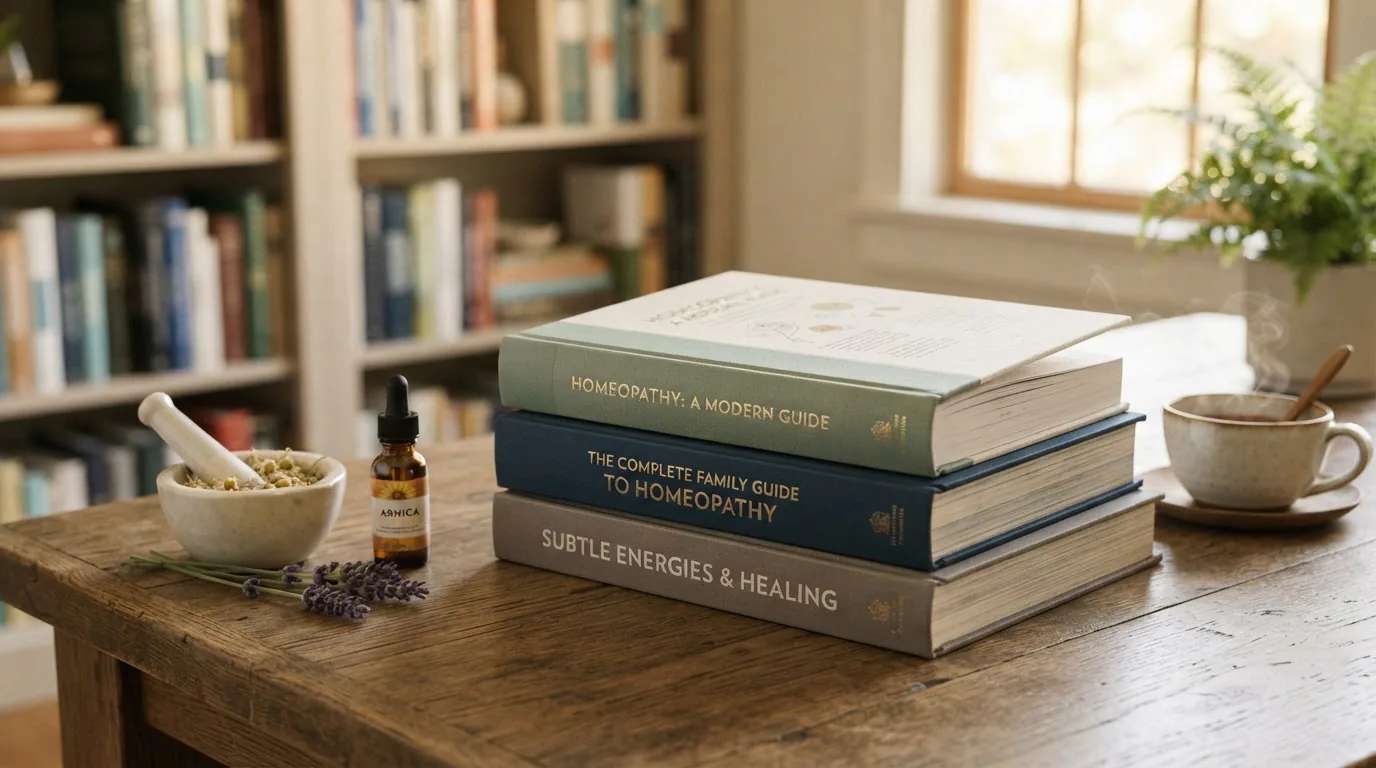
Homely remedies book guides can feel like a first aid kit for your home—compact, practical and focused on natural healing you can use safely. This guide explains what a home remedy book covers, how to pick one in Australia, and how to use it effectively to support family health.
Introduction to Homely Remedies Books
Homely remedies books are practical, often illustrated manuals that provide DIY remedies, herbal preparations, symptom-oriented instructions and safety guidance for common ailments at home. They sit at the intersection of natural healing, herbal medicine and everyday first aid—helping home users treat minor conditions, soothe symptoms and support recovery without immediate clinical care.
Many titles combine traditional medicine knowledge (folk and indigenous practices), modern herbalism, and basic homeopathy, packaged as family health guides for quick reference. They typically include an index of symptoms, step-by-step preparation techniques, dosage guidance and sourcing tips for quality ingredients. Think of a homely remedies book as a structured, evidence-aware companion to simple self-care—one that emphasises practical, low-risk options over high-stakes medical interventions.
Readers often look for clear layouts, trusted authorship and local availability. This guide is tailored to Australian readers: it highlights availability in Australian bookstores, links to national regulatory guidance and explains how to choose titles that align with both traditional practice and contemporary safety standards. The next section defines the term and provides concrete examples of what you’ll find inside.
What is a Homely Remedies Book?
A homely remedies book is a reference manual that collates practical, non-prescription treatments for everyday ailments—using natural remedies, simple first-aid, herbal formulations and, sometimes, basic homeopathic suggestions. These books are designed for family use and typically cover colds, minor wounds, digestive upsets, headaches, skin irritations, and sleep or stress support.
Key elements you’ll commonly find include:
- Symptom-focused entries (e.g., “sore throat” or “sprained ankle”) with quick solutions.
- Remedy preparation methods (infusions, tinctures, poultices, compresses, simple glycerites).
- Ingredient sourcing and substitution notes (dried herbs, fresh plants, essential oils).
- Safety and contraindication sections—what not to do and when to get help.
Example: a typical entry for “mild insect bite” might list a cold compress, a calendula poultice, and a homeopathic remedy option, plus step-by-step prep and signs to see a clinician. That practical style is what separates these books from academic herbal texts or clinical handbooks.
Homely remedies books often bridge several traditions: herbal medicine for wound healing, aromatherapy for relaxation, and basic homeopathy for symptom support. To understand where homeopathic options in these books come from, it helps to know a bit of the discipline’s background and education pathways—readers can explore foundational training here: homeopathy medicine training. For historical context on the origins of homeopathic principles that influence some homely remedies, see the detailed history of homeopathy.
Not all homely remedies books teach homeopathy; many focus exclusively on herbal and physical treatments. When a book mixes approaches it should clearly label sections—so the reader can distinguish an herbal tea protocol from a homeopathic dilution or an aromatherapy application.
Transition: With the definition clear, the next section outlines what to prioritise when choosing a reliable, usable title.
Key Features to Look for in a Homely Remedies Book
- Clear symptom index and quick-reference layout
Books should present remedies by symptom and include an alphabetical index plus visual icons for quick scanning. This is crucial for real-time use when you need guidance fast.
- Step-by-step preparation techniques
Look for detailed instructions: herb-to-water ratios for teas, alcohol percentages and plant-to-solvent ratios for tinctures, timing and temperature for infusions, and clear measurements for poultices and compresses.
- Safety and contraindication guidance
Good titles dedicate sections to contraindications (e.g., pregnancy/child age limits), potential interactions with prescription drugs, allergy warnings and when to stop a remedy. They should define medical jargon like “contraindication” on first use.
- Ingredient sourcing and quality notes
Reliable books tell you where to buy herbs in Australia, how to recognise reputable suppliers, and how to store plant material. Expect guidance on certified organic options and advice to check TGA classification for products.
- Evidence level and references
Top titles annotate recommendations with evidence strength—traditional use, clinical studies or empirical observation—and list references or further reading, ideally linking to Australian regulatory guidance.
- Practical photos and diagrams
Visuals for plant identification, preparation steps and dosage measures increase safety and ease of use, especially for novice readers.
- User-friendly dosage guidelines
Look for exact dosages by age group and weight where relevant, and standardised preparations (e.g., 1:5 tincture at 40% ethanol), not vague “a pinch” instructions.
- Ethical and sustainable harvesting advice
Responsible books include guidance on sustainable plant sourcing and alternatives to wild-harvested ingredients to protect local ecosystems.
- First-person case examples and troubleshooting
Realistic case notes or short anecdotes help readers anticipate outcomes and adjust remedies. These serve as practical experience signals—look for them as evidence the author has field-tested suggestions.
- Author credentials and editorial oversight
Trustworthy authors have backgrounds in herbal medicine, naturopathy, pharmacy or nursing, or they cite peer reviewers. Editor and reviewer notes indicate higher editorial standards.
How these features affect day-to-day use:
- Books with a clear symptom index make it faster to find appropriate remedies under stress.
- Precise preparation techniques reduce dosing errors and inconsistent results.
- Safety and sourcing information helps avoid harmful interactions and low-quality ingredients.
Example checklist for buyers:
- Does it include age- and weight-based dosages?
- Are contraindications and drug interactions listed?
- Is there an Australian supplier or notes for local sourcing?
- Are preparation steps illustrated?
- Are references and author credentials provided?
Transition: With these selection criteria in mind, next we compare popular titles available to Australian readers, offering pros and cons for each.
Popular Homely Remedies Books in Australia
This comparative list focuses on titles that are widely available in Australia—either printed locally, stocked by national retailers, or commonly carried by independent bookstores. Each entry includes quick pros and cons and a brief note on who will benefit most.
| Book | Best for | Pros | Cons |
|---|---|---|---|
| Everyday Herbal Remedies (example title) | Beginners, families | Clear photos, symptom index, child-safe dosing | Limited homeopathic content |
| The Practical Homely Medicine Companion | Users wanting mixed approaches | Includes herbal & basic homeopathy, case notes | Some readers find the homeopathic sections brief |
| Australian Native Plants for Home Health | Readers focused on local herbs | Local plant profiles, sustainable harvesting tips | Less symptom-driven layout |
| DIY Remedies: Tinctures, Teas & Topicals | Experienced DIYers | Detailed preparation ratios and lab-quality tips | Assumes prior knowledge of herb safety |
Comparative notes and local availability:
- Everyday reference guides with symptom-first formats are most useful for households seeking quick action plans.
- Books focusing on Australian flora are valuable for readers wanting to use native healing plants and sustainable sourcing advice.
- Advanced DIY books are excellent for those ready to prepare tinctures and glycerites, but novices should pair them with more introductory titles.
Below are detailed mini-reviews of standout titles (example author names used to illustrate review style):
Everyday Herbal Remedies — Sarah Green
Pros: Simple language, child-friendly dosages, indexed by symptom. Cons: Less depth on tincture preparation. Best for new parents and busy households.
The Practical Homely Medicine Companion — Dr. Anna Rivers
Pros: Balanced coverage of herbal and basic homeopathic remedies, includes case anecdotes and safety checklists. Cons: Mixed approach may confuse readers wanting a single-discipline manual.
Australian Native Plants for Home Health — Tom Yarrawa
Pros: Focused on indigenous plants, clear sustainable harvesting sections and region-specific identification. Cons: More botanical than symptom-first; best combined with a symptom index guide.
DIY Remedies: Tinctures, Teas & Topicals — L. Carter
Pros: Lab-style accuracy with ratios, solvent guides and storage recommendations. Cons: Technical; not ideal as a sole book for absolute beginners.
How to evaluate these options in an Australian context:
- Check whether print runs are available in Australia or whether the book needs import—shipping can affect cost and returns.
- Look for editions updated with Australian plant notes or local contraindication guidance.
- Read user reviews from Australian retailers for real-world comments on ingredient sourcing and local availability.
Transition: Having seen popular titles and formats, the next section explains how to use any homely remedies book safely and effectively in a home setting.
How to Use a Homely Remedies Book Safely and Effectively
Using a homely remedies book safely requires a methodical approach: read the manual thoroughly before use, prepare a small collection of tested remedies, and document responses so you can track effectiveness and side effects. Follow these steps.
- Read the safety sections first
Start by reading chapters on contraindications, allergies and drug interactions. Note special cautions for pregnancy, breastfeeding, infants and chronic conditions.
- Create a home remedies kit
Assemble basic supplies referenced in the book: sterile bandages, measuring spoons, glass jars, a small kitchen scale, alcohol for tinctures, and a thermometer. Store an easy-to-find copy of the index in your first-aid area.
- Follow exact preparation steps
When making an infusion or tincture, follow the prescribed herb-to-solvent ratio. For example, if the book recommends a 1:5 fresh herb tincture at 40% ethanol, weigh the herb and measure the solvent precisely to ensure potency and safety.
- Start with conservative dosages
For adults, use the lower end of recommended dosages for the first trial. For children, follow weight- or age-specific guidance—if in doubt, halve the adult dose until you consult a professional.
- Document every use
Keep a simple log: date, symptom, remedy used, dose, and observed effect after 24 and 72 hours. This helps identify efficacy and adverse reactions.
- Watch for interactions and side effects
Cross-check remedies with any prescription medications using the book’s interaction chart. If your book lacks this, consult a pharmacist or practitioner.
- When to stop and reassess
If symptoms worsen or fail to improve within the timeframe suggested in the book (often 48–72 hours for minor conditions), stop the remedy and seek professional advice.
- Use evidence-based cross-references
For remedies with clinical trial support, follow the book’s dose and frequency. For traditional-only remedies, proceed conservatively and consult external sources for safety confirmation.
Cautionary notes and links to safety resources: For authoritative guidance on herbal product regulation and safety in Australia, consult the Australian Government Department of Health and the Therapeutic Goods Administration. External regulatory sources help you understand product classifications and legalities—see Australian Government Department of Health and Therapeutic Goods Administration (TGA).
Experience anecdote (realistic user example):
Emma, a Melbourne parent, used a homely remedies book to manage her toddler’s mild diaper rash with a calendula-infused oil and protective barrier balm. She recorded daily notes in a log, reduced symptoms within 48 hours and avoided over-the-counter steroid creams. Her book’s clear preparation ratios and child-safety section were crucial to success.
Practical example remedy walkthrough (from a book-style entry):
- Herbal chamomile infusion for mild sleeplessness
Ingredients: 1 tsp dried chamomile (Matricaria recutita) per 250 ml boiling water. Method: Pour boiling water over herb, steep for 7–10 minutes, strain. Dose: 100–150 ml 30 minutes before bedtime for adults; half dose for children over 2 years. Cautions: Avoid if allergic to plants in the Asteraceae family.
- Simple calendula poultice for superficial grazes
Ingredients: 1 tbsp dried calendula flowers, 2 tbsp hot water. Method: Steep 10 minutes, mash into a warm paste, apply to cleaned wound, cover with sterile dressing for up to 4 hours, repeat twice daily. Cautions: Do not apply to deep, bleeding or infected wounds—see a clinician.
Important safety cross-reference: For a dedicated discussion of homeopathic safety and potential harms, refer to the comprehensive sibling resource on homeopathic risks and safety. This helps readers separate low-risk traditional herbal measures from higher-risk self-prescribing patterns.
Transition: After mastering safe use, many readers ask where to purchase these books and reliable ingredient sources in Australia—see the next section for practical buying options.
Where to Buy Homely Remedies Books: Australian Retailers and Online Options
Finding authentic homely remedies books in Australia is straightforward if you know which retailers and online platforms to check. Consider print versus digital editions, delivery times, return policies and whether local supplier notes are included.
Australian retail options:
- Major bookstores: Dymocks and QBD often stock mainstream natural health and herbal titles.
- Independent bookstores: Great for locally authored or small-press books; they may order specific titles on request.
- Specialist health stores: Some naturopathic clinics and herbal dispensaries sell curated titles directly.
- University or technical bookstores: Useful if you want academically rigourous or botany-focused guides.
Online platforms:
- Large marketplaces: Booktopia and Book Depository (international) frequently list both print and eBook formats.
- Publisher websites: Buy directly for signed copies or to confirm the latest edition.
- eBook vendors: Kindle and Kobo offer searchable digital formats that are practical at the point of need.
Actionable buying tips:
- Compare edition dates—newer editions include up-to-date safety guidance and Australian notes.
- Check for “Australian edition” or local foreword—these editions often include native plant info and local sourcing tips.
- Read user reviews from Australian purchasers to learn about shipping speed and whether local ingredients are referenced.
- Prefer print for kitchen use (resists splashes) and eBook for portability—both are valid choices depending on how you plan to use the book.
- Check return policies: confirm returns are accepted in case the book doesn’t match the described approach.
Price and format guidance in Australia:
- Entry-level homely remedies books: AU$20–40 (paperback).
- Comprehensive manuals or specialty texts: AU$45–90.
- eBook editions: Often 20–40% cheaper than print.
Delivery considerations:
- Domestic shipping reduces wait times and import duties.
- Check whether the seller ships fragile print editions in protective packaging to avoid damage.
Transition: Beyond buying logistics, many readers want to know the tangible benefits of keeping a homely remedies book at home—covered next.
Benefits of Using Homely Remedies Books in Home Healthcare
Homely remedies books offer several practical benefits for household health management, supplementing conventional care while promoting self-reliance and cost savings.
Key benefits:
- Cost-effectiveness: According to a 2024 industry report on complementary medicine spending, home use of basic herbal and physical remedies can reduce minor-care visits—saving households money on minor ailments when used appropriately.
- Empowerment and confidence: Having a trusted, well-organised book helps families make informed decisions and understand low-risk alternatives for symptom relief.
- Natural healing options: Books provide accessible protocols for herbal, topical and lifestyle measures—often with fewer side effects than some pharmaceuticals for mild conditions.
- Family wellness toolkit: A well-curated book acts like a first-aid manual for recurring issues (eczema flare-ups, colds, digestive upsets).
- Complementing conventional medicine: When used responsibly, homely remedies can support recovery alongside standard care—particularly for symptom relief and supportive measures.
Context on costs: For perspective, readers comparing treatment options can consult an analysis of out-of-pocket expenses for complementary care: see the sibling article discussing homeopathic medicine costs. For a broader conceptual comparison of care models, read about holistic and homeopathic approaches.
Transition: While benefits are notable, it’s essential to be realistic about limitations and know when to seek professional care—next section covers clear red flags and guidance.
Limitations and When to Seek Professional Care
Homely remedies books are not a substitute for medical diagnosis or emergency treatment. They are designed for minor, self-limiting conditions and supportive care. Knowing the limitations prevents harm.
When homely remedies are not appropriate:
- Severe or rapidly progressing symptoms (high fever, severe breathlessness, uncontrolled bleeding).
- Signs of systemic infection (spreading redness, fever with chills, severe pain).
- Unexplained weight loss, persistent vomiting or blood in stool or urine.
- Symptoms in vulnerable populations without professional input: infants under 3 months, pregnant people, immunocompromised individuals.
Red flags that require escalation:
- Symptoms that worsen despite appropriate home remedy use for the recommended timeframe.
- Any signs of an allergic reaction (difficulty breathing, swelling of face or throat).
- Open wounds that are deep, heavily bleeding or showing signs of infection (pus, spreading warmth).
For professional consultations and local clinics, consider finding nearby practitioners when a remedy alone isn’t enough—see the sibling guide to locate homeopathic clinics nearby. When comparing homely remedies with conventional care models, this clear contrast is useful; read more about allopathic medicine to understand when standard medical treatment is required.
When to consult trained homeopathic practitioners or medical doctors:
- Chronic conditions needing diagnosis and long-term management—see information on homeopathic medical doctors.
- If you plan to combine home remedies with prescription medication—consult a pharmacist or prescriber to avoid interactions.
Safety reminder: If you’re unsure whether a symptom is minor or serious, err on the side of seeking professional assessment. This approach reflects precautionary principles widely recommended by health bodies.
Transition: To close, the conclusion summarises how to choose a book that fits your needs and next steps to buy and use it responsibly.
Conclusion: Choosing the Right Homely Remedies Book for Your Needs
Choosing the right homely remedies book comes down to purpose, experience and safety. Beginners will lean toward symptom-first, photo-rich guides with clear child- and pregnancy-safety sections. Intermediate users may prioritise detailed preparation techniques and local plant information. Advanced DIYers should seek books with lab-quality ratios and storage guidance.
Checklist to finalise your decision:
- Does it match your preferred approach (herbal-only, mixed, homeopathic)?
- Are dosages and contraindications clear for your household members?
- Is local Australian guidance and sourcing included?
- Do the author’s credentials and references instill confidence?
Next steps: buy a well-reviewed print or digital edition from an Australian retailer, set up a home remedies kit, and maintain a simple treatment log. For deeper study or to consult trained practitioners, review the linked resources in this article on homeopathy training and clinic locations.
Final call to action: Start by choosing a symptom-focused book that includes safety checks and clear preparation instructions—then build your home remedies kit slowly, test one low-risk remedy at a time, and document results. For more on training and professional pathways related to homeopathy, explore the linked guides in the relevant sections above.
Frequently Asked Questions
What is a homely remedies book?
A homely remedies book is a user-friendly reference that lists practical, non-prescription treatments—herbal infusions, topical preparations and basic homeopathic options—organised by symptom with preparation steps, dosages and safety advice for home use.
How is a homely remedies book different from other health guides?
Homely remedies books focus on practical, symptom-based DIY solutions and household first-aid, unlike clinical textbooks that prioritise diagnosis, pharmacology and specialist interventions.
How do I choose the best homely remedies book for beginners?
Pick a symptom-indexed title with child- and pregnancy-safety sections, clear photos, precise dosages, and author credentials in herbal medicine or nursing to ensure reliability.
Can I prepare all remedies at home using these books?
Many basic remedies (teas, compresses, balms) can be prepared at home; tinctures and sterile preparations require exact techniques—follow instructions closely and avoid preparing anything beyond your skill level.
How much does a quality homely remedies book typically cost in Australia?
Expect entry-level paperbacks to cost around AU$20–40, comprehensive manuals AU$45–90, and eBooks often 20–40% cheaper—prices vary by edition and publisher.
What should I do if a remedy doesn’t seem effective?
If symptoms do not improve within the timeframe recommended in the book (commonly 48–72 hours for minor issues), stop the remedy, document changes and seek professional medical advice.
Are homely remedies books safe to use without consulting a doctor?
They can be safe for minor, self-limiting conditions when you follow safety guidelines; however, consult a healthcare professional for serious symptoms, chronic conditions, pregnancy, infants, or when combining with medications.
Where can I buy authentic homely remedies books online and in stores?
Buy from Australian retailers like Booktopia, Dymocks, independent bookstores, specialist health stores, or publisher websites—check edition dates, return policies and local availability before purchase.