
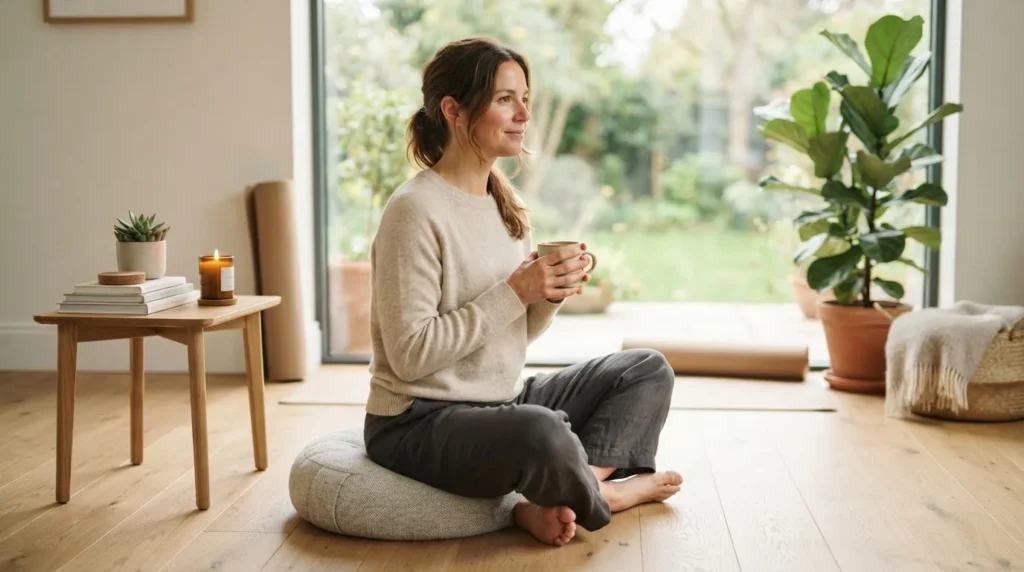
meaning of holistic living describes a lifestyle and worldview that nurtures the whole person—mind, body and spirit—rather than treating isolated symptoms. This guide explains what holistic living means in everyday life and offers practical steps to bring integrative wellness into daily routines.
What is Holistic Living? Understanding the Meaning
The phrase holistic lifestyle meaning refers to an approach that considers a person’s physical health, emotional wellbeing, mental patterns and spiritual life as interconnected. Rather than focusing on a single symptom or organ, holistic living emphasises balance and context: relationships, environment, nutrition, movement, sleep, beliefs and daily habits all shape wellbeing.
At its core, holistic living is a wellness philosophy and a practical set of daily choices. Think of it like tuning an orchestra: each instrument (sleep, food, movement, social connection, stress regulation) must be tuned and played in harmony for the whole piece to sound right. When one section is out of tune, the music suffers; similarly, when one area of life is neglected, overall health declines.
Examples make this concrete. Consider Emma, a 42-year-old teacher who struggled with chronic fatigue. Instead of only seeking medication for symptoms, she assessed sleep hygiene, reduced processed foods, introduced gentle yoga and breathwork, checked her workplace ergonomics, and reconnected with supportive friends. Over months, her energy improved because multiple lifestyle levers were adjusted together—an emblematic holistic intervention.
Holistic living is not prescription-only: it’s adaptable. For a busy parent, it may mean prioritising short sleep-improving practices and nutrient-dense meals; for a retiree it might focus on community engagement and movement. The approach is responsive and person-centred rather than one-size-fits-all.
Language nuance matters. “Holistic” comes from the Greek ‘holos’ meaning whole; the term overlaps with concepts like whole-person approach and integrative wellness but retains a philosophical emphasis on interconnectedness. For deeper language and examples, see holistically meaning definition guide with examples and use.
Transition: With a clearer definition in place, the next section outlines the core principles that guide holistic living in practice.
Core Principles of Holistic Living
-
Mind–Body–Spirit Connection
Holistic living recognises that thoughts, emotions and beliefs influence physiology, and vice versa. Practices that integrate mental health (therapy, mindfulness), physical health (exercise, sleep) and spiritual needs (meaning, purpose) create resilience. This principle underpins many holistic frameworks such as the whole-person approach to care; for further reading, see holistic approach to well being wellness model and guide.
-
Balance and Natural Harmony
Balance means seeking homeostasis across lifestyle domains—nutrition, activity, work–rest cycles, and social life. Natural living practices (seasonal eating, reduced chemical exposure, time in nature) support biological rhythms and ecological harmony.
-
Preventative and Proactive Care
Rather than waiting for problems to escalate, holistic living focuses on prevention: regular movement, stress management, and a diet that supports long-term health. This preventative mindset reduces the need for reactive interventions and fosters longevity.
-
Individualised, Person-Centred Approach
No two people have identical needs. Holistic living values personalised assessments, listening to the body’s signals, and tailoring practices to one’s life stage, culture and values. This distinguishes it from standardised protocols.
-
Integration with Safe Conventional Care
Holistic living complements rather than rejects conventional medicine. It supports collaboration between different care approaches—medical, nutritional, psychological—so that interventions are safe, evidence-informed and coordinated. For distinctions and care models, see holistic care focuses on patient care approach and guide.
-
Energy Balance and Flow
Many holistic traditions use the idea of energy—Qi, prana, biofield—as a metaphor and practical framework for health. Techniques like breathwork, qigong, tai chi and therapeutic touch aim to balance energy flow to support physical and emotional function. Energy concepts are used alongside physiological explanations to broaden treatment options.
-
Emotional and Mental Wellbeing as Health Foundation
Emotional regulation, secure relationships, meaning-making and mental skills are central. Holistic living builds skills such as emotional literacy, stress resilience and cognitive reframing to support long-term health.
-
Environmental Harmony and Sustainability
Holistic living extends beyond personal choices to environmental stewardship: reducing toxic exposures, minimising waste, and fostering green spaces. A healthy environment supports healthy people—and vice versa.
-
Evidence-Informed, Experiential Knowledge
Holistic practitioners combine scientific evidence, clinical experience and client preferences. This triangulated approach values high-quality research while acknowledging lived experience and traditional knowledge. For comprehensive modality overviews and training options, consult the holistic healing methods guide to modalities and training.
-
Ethics, Informed Choice and Safety
Clients must be supported with transparent information, realistic expectations and clear boundaries. Holistic practices should prioritise safety, avoid harm and integrate with conventional care when needed.
Transition: Now that the foundational principles are clear, we’ll compare holistic living to other wellness approaches to highlight where it overlaps and where it is unique.
How Holistic Living Differs from Other Wellness Approaches
Holistic living overlaps with several wellness models—integrative health, naturopathy, and conventional medical care—but the emphasis, scope and application differ. The table below summarises distinctions and practical implications for someone choosing a wellness path.
| Approach | Primary Focus | Typical Methods | How Holistic Living Differs |
|---|---|---|---|
| Holistic Living | Whole-person balance: mind, body, spirit, environment | Daily lifestyle choices, mindfulness, nutrition, movement, community, energy practices | Philosophy-driven lifestyle emphasis; integrates varied tools and personal values across life domains |
| Integrative Health | Combines conventional medicine with complementary approaches | Coordinated clinical care, evidence-informed complementary therapies | Often clinic-based coordination of care; holistic living can be broader and more community- and home-based. See integrated health meaning definition and training guide for training context. |
| Naturopathy | Natural remedies, botanicals, diet and lifestyle | Herbal medicine, nutrition, hydrotherapy, physical modalities | Shares preventative and natural focus; naturopathy is a formal clinical/training pathway, while holistic living is a broader lifestyle philosophy |
| Conventional Medical Care | Diagnosis and treatment of disease, often organ-specific | Pharmaceuticals, surgery, specialist interventions | Holistic living emphasises prevention and system-level balance; it complements rather than replaces necessary medical care |
In short, holistic living is distinguished by its breadth (daily life, environment, relationships) and philosophical emphasis on interconnection. Integrative health aligns closely but tends to operate in clinical settings with explicit coordination between modalities; for more on those overlaps and training, visit integrated health meaning definition and training guide.
Transition: With distinctions clarified, the next section offers practical, step-by-step practices you can adopt daily.
Practical Holistic Living Practices for Everyday Life
This section gives concrete how-to steps and lifestyle tips across the major domains of holistic living: self-care routines, nutrition, movement, mental and emotional practices, rest, natural remedies and environmental adjustments. Use these as a modular toolkit—pick what fits your life and build gradually.
1. Morning and Evening Routines (Daily Anchors)
-
Morning anchor (10–30 minutes): hydrate, gentle movement (e.g., stretching or 10-minute yoga), sunlight exposure, and a brief mindfulness or intention-setting practice. This sequence primes circadian rhythm, mood and focus.
-
Evening wind-down (30–60 minutes): reduce screens, dim lights, calming ritual (bath, herbal tea), and 10–15 minutes of journaling or guided relaxation to support restorative sleep.
2. Nutrition: Whole-Food, Contextual Eating
Holistic nutrition values whole foods, variety, and attention to how food interacts with lifestyle and environment. Practical steps:
- Prioritise minimally processed foods: vegetables, legumes, whole grains, quality proteins and healthy fats.
- Use regular meal patterns and mindful eating to improve digestion and satiety cues.
- Consider seasonal and local produce to support environmental harmony and nutrient density.
- When appropriate, consult a qualified practitioner for personalised dietary adjustments; see programs in the exclusive holistic nutrition guide to programs and certification.
3. Movement, Rest and Physical Care
Movement supports circulation, mood and sleep. Combine strength, cardio, flexibility and restorative practices:
- At least 150 minutes of moderate activity weekly, tailored to ability.
- Incorporate functional movement and mobility work, plus shorter daily walks.
- Use restorative options—yoga, tai chi, qigong—to balance energy and nervous system tone.
4. Mindfulness, Meditation and Emotional Regulation
Short daily practices have outsized benefits. How to start:
- Begin with 5-minute breath-awareness sessions, building to 10–20 minutes over months.
- Use body scans and grounding exercises during stress spikes.
- Learn acceptance and cognitive reframing techniques to reduce rumination.
For guided spiritual and mindfulness practices, or training in spiritual techniques, explore resources such as spiritual healing techniques guide to practices and training.
5. Natural Remedies and Complementary Self-Care
Natural remedies can supplement lifestyle changes but require informed use. Examples:
- Herbal teas (chamomile, lemon balm) for sleep and relaxation.
- Topical magnesium or epsom baths for muscle tension.
- Aromatherapy (lavender) for mild anxiety—use sparingly and with attention to sensitivities.
If you’re considering regular use of herbs or supplements, consult a qualified professional and local guidance. For expectations around sessions and how they can supplement lifestyle changes, see holistic healing sessions guide what to expect and cost.
6. Sleep Hygiene and Circadian Health
Prioritise consistent bed and wake times, optimise bedroom environment (temperature, light), and limit late stimulants. Small shifts—consistent wake time, 30–60 minutes of morning daylight—improve sleep timing and mood.
7. Social, Purpose and Community Practices
Meaning and healthy relationships are preventive medicine. Practical tips:
- Schedule regular connection (family meals, friend check-ins).
- Volunteer or pursue activities that align with values to build purpose.
- Join supportive groups—walking clubs, creative classes, or community gardens.
For those seeking local community spaces offering classes and services, check the holistic wellness center near me services and cost guide and local listings for suitable options. If you want local healing services to complement your routine, see holistic healing near me centers, services and cost guide.
8. Environmental and Home Practices
Reduce chemical load and create restorative spaces:
- Choose low-toxin cleaning products and fragrance-free household items.
- Create a nature corner—plants, natural light, and textures—to reduce stress.
- Reduce clutter and create simple rituals that support calm, such as a dedicated meditation spot.
9. Preventative Health Mindset and Screening
Maintain regular check-ups and screenings recommended for your age and risk factors. Holistic living complements preventive medicine by reducing risk through lifestyle but does not replace evidence-based screening and acute care.
10. How to Use Holistic Sessions and Practitioners
Holistic sessions (massage, naturopathy, counselling, energy work) can accelerate change but are most effective when paired with daily lifestyle habits. For what to expect and cost, or to decide whether sessions fit your plan, consider reading holistic healing sessions guide what to expect and cost and how local centres operate in the holistic wellness center near me services and cost guide.
11. Energy Practices and Simple Routines
Energy practices—breathwork, qigong, and simple grounding—are easy to integrate:
- Daily 3-minute diaphragmatic breathing for nervous system regulation.
- Weekly 20–30 minute qigong or tai chi session for energy flow and balance.
- Short “reset” rituals: stand outside barefoot for a minute, or practice alternate nostril breathing when anxious.
12. Tracking Progress and Adapting
Use simple metrics to track changes: sleep hours, mood ratings, energy levels, and frequency of movement. Small objective wins fuel motivation. If you want guided coaching for forming habits, explore local professionals via wellness coach near me services, qualifications and training.
Transition: Having practical tools is useful; next we examine measurable benefits and what evidence supports holistic choices.
Benefits of Adopting a Holistic Lifestyle
Adopting a holistic lifestyle offers a range of benefits spanning physical health, emotional balance, stress reduction and longevity. Selected evidence and real-life case examples are summarised below.
Stat block
- Improved stress resilience: According to a 2023 systematic review in peer-reviewed journals, mindfulness and mind–body practices reduce perceived stress in community samples by moderate effect sizes (peer-reviewed journal)
- Better sleep and energy: According to a 2024 industry report, people who adopted consistent sleep and morning routines reported a 20–30% improvement in daytime energy (industry report)
- Mental health gains: According to a 2022 peer-reviewed meta-analysis, integrative approaches combining psychotherapy and lifestyle interventions lead to better depression outcomes than psychotherapy alone in several trials (peer-reviewed journal)
Case example: Mark, a 58-year-old with prediabetes, combined daily walks, a Mediterranean-style diet, improved sleep and brief stress-management routines. Over 12 months, his fasting glucose improved and he avoided progression to type 2 diabetes. While individual outcomes vary, such multi-domain interventions align with prevention-focused evidence and clinical guidelines.
Evidence overview and authoritative guidance: According to a 2025 report from the Australian Department of Health, preventive lifestyle interventions—nutrition, movement, sleep, and tobacco cessation—are foundational to reducing chronic disease burden (government health agency). For peer-reviewed perspectives on nursing and integrative approaches, resources such as the Journal of Holistic Nursing provide clinical insights and case series (peer-reviewed journal).
Mental health benefits can be particularly notable. Holistic approaches that combine lifestyle modification with therapeutic support show improvements in mood, stress regulation and quality of life. For clinical pathways and treatment integration, refer to the holistic approach to mental health treatment and care guide.
Limitations and realistic expectations: Benefits accrue over time and often require consistent lifestyle change. Short-term symptom relief is possible (e.g., reduced anxiety after a single mindfulness session), but enduring changes typically follow months of integrated practice. According to a 2024 industry report, most lifestyle shifts require at least 8–12 weeks to produce measurable changes in biometrics or persistent mood improvements (industry report).
Transition: Despite clear benefits, adopting a holistic lifestyle can present barriers. The next section addresses common misconceptions and challenges with balanced clarifications.
Challenges and Common Misconceptions about Holistic Living
Holistic living is often misunderstood. Below are frequent misconceptions and balanced responses that preserve credibility while encouraging informed adoption.
Misconception 1: Holistic means anti-science or rejects medicine.
Clarification: Holistic living is compatible with evidence-based care. It emphasises prevention and integration; it does not recommend avoiding urgent or proven medical treatments. Where scientific evidence exists, holistic approaches should adopt it.
Misconception 2: Holistic equals expensive boutique wellness.
Clarification: Many core holistic practices—walking, sleep hygiene, home-cooked meals, social connection and mindfulness—are low- or no-cost. While some services (therapies, classes) have fees, the philosophy supports scalable, accessible choices.
Misconception 3: ‘Energy’ claims are unscientific.
Clarification: Energy concepts are used variably—some as metaphors for autonomic balance or subjective states, others as distinct traditional frameworks. Evidence supports many practices associated with energy work (breathwork, tai chi) even if mechanisms are described differently across systems.
Misconception 4: Results are immediate.
Clarification: Short-term symptom relief is possible, but durable change generally requires sustained practice. Lifestyle shifts are cumulative; expect incremental improvements over weeks to months.
Challenge: Integrating practices into busy lives.
Strategy: Prioritise small, high-impact habits (sleep timing, 10-minute walks, five-minute mindfulness) and layer additional practices gradually. Use habit stacking—attach new behaviours to established routines—to increase adherence.
Challenge: Evaluating quality and safety of practitioners.
Strategy: Check qualifications, ask about evidence and safety, request referrals, and ensure clear communication about how sessions complement conventional care. Trusted registries and professional associations can help verify credentials.
Challenge: Skepticism from family or community.
Strategy: Use clear language, share evidence for specific practices, and invite others to low-commitment activities (short walk, shared meal) to model benefits without confrontation.
Scientific evidence and critical appraisal: Some holistic practices have robust evidence (mindfulness, exercise, certain nutritional patterns), while others are less researched. According to resources such as the National Center for Complementary and Integrative Health, evaluating evidence quality is essential before adopting treatments for serious conditions (external authority). Use reputable sources and professional guidance when in doubt.
Transition: Having covered misconceptions and manageable strategies, the final major section outlines a practical step-by-step transition plan.
Getting Started: How to Transition to a Holistic Lifestyle
Transitioning to holistic living works best when approached as a structured, personalised process. Below is a step-by-step guide with actionable advice, habit-formation strategies and community support ideas to help you move from intention to sustained practice.
Step 1 — Clarify Your Why and Outcome Goals (Week 0)
- Define motivating purposes (e.g., more energy, better mood, prevention).
- Set 2–3 measurable, realistic goals (sleep 7–8 hours nightly, 20-minute walk five times weekly, reduce processed food intake to X times per week).
- Write them down and note why each matters to you personally.
Step 2 — Audit Your Current Routine (Week 0–1)
Spend a week tracking sleep, movement, mood, meals and stressors. Identify one high-impact area to improve first (sleep or movement often unlock other gains).
Step 3 — Choose One Starter Habit and Use Habit Stacking (Weeks 1–4)
For example, if sleep is the priority, create a two-part habit: set a strict wake time and a ten-minute pre-bed wind-down ritual. Link the new habit to an existing cue (e.g., after brushing teeth, do journaling). Small wins build momentum.
Step 4 — Build a Weekly Structure (Month 1)
Design a simple weekly plan that includes:
- 3–4 movement sessions (mix of brisk walks and mobility work)
- 3–5 mindfulness/breathwork check-ins (5–20 minutes)
- One social or creative activity
- Meal prepping to support whole-food choices
Step 5 — Add Complementary Practices and Learnings (Months 2–4)
Introduce one new element every 2–4 weeks: a gentle strength routine, a weekly restorative practice (yoga/tai chi), or a structured nutrition experiment (e.g., increasing vegetables). Keep changes incremental to avoid overwhelm.
Step 6 — Use Accountability and Community
Find social support—accountability partners, group classes or online communities. If you prefer professional guidance, consider a wellness coach; for local coaches and qualifications, consult wellness coach near me services, qualifications and training. Coaches can help tailor plans, track progress and maintain motivation.
Step 7 — Integrate Preventive Healthcare and Screenings
Coordinate lifestyle changes with routine medical care. Share your plan with primary care providers, especially if you have chronic conditions or are taking medications. Holistic living complements, and should not replace, necessary medical oversight.
Step 8 — Learn to Evaluate Interventions
When exploring new modalities—supplements, therapies, energy work—ask these questions: What evidence supports this? What are risks and interactions? Is the practitioner qualified? Use reputable sources and professional registries to verify claims.
Step 9 — Track Progress and Adjust (Ongoing)
Use simple tracking tools—sleep logs, energy ratings, mood journals and objective measures (blood pressure, weight if relevant). Reassess quarterly and adjust goals based on results and life changes.
Step 10 — Scale Practices to Life Transitions
Life events (parenthood, job change, ageing) require adaptation. Keep core habits flexible and revisit priorities. Holistic living is iterative—goals and practices should evolve with your life.
Practical Tools and Templates
- 5-minute breath routine: 4 seconds inhale, 6 seconds exhale, repeat 6–8 times.
- 10-minute morning mobility flow: neck rolls, shoulder circles, hip openers, calf stretch, gentle spinal twist.
- Weekly planning template: list three non-negotiable health anchors (sleep, movement, social) each week.
When to Seek Professional Help
If you have persistent symptoms, complex medical conditions, or need medication management, involve qualified medical professionals promptly. Holistic lifestyle change is a complement, not a replacement, for needed medical care. For guidance on combining sessions with your plan, consider the holistic healing sessions guide what to expect and cost and local centre options available through the holistic wellness center near me services and cost guide.
Building a Sustainable Holistic Plan — Practical Timeline
- 0–1 month: establish one core habit and baseline medical checks
- 1–3 months: add movement and nutrition targets; measure small wins
- 3–6 months: deepen mindfulness practices and social integration
- 6–12 months: review outcomes, refine goals, and plan next cycle
Transition: With a structured plan, readers can begin implementing holistic changes; the final short section summarises key takeaways and invites action.
Frequently Asked Questions
What is the meaning of holistic living in simple terms?
Holistic living means caring for the whole person—physical health, emotions, mind and spirit—by making daily choices that support balance and interconnected wellbeing rather than treating isolated symptoms.
How does holistic living differ from integrative or conventional health?
Holistic living is a broad, lifestyle-focused philosophy emphasising prevention and whole-person balance; integrative health coordinates conventional and complementary care clinically, while conventional health focuses on diagnosis and targeted medical treatment.
What are the core practices involved in a holistic lifestyle?
Core practices include balanced nutrition, regular movement, quality sleep, mindfulness or meditation, stress management, supportive relationships, environmental health and evidence-informed natural remedies adapted to the individual.
How can I start living a holistic lifestyle step-by-step?
Begin by clarifying your goals, auditing current habits, implementing one starter habit (sleep or movement), building a weekly routine, adding practices gradually, tracking progress and seeking community or professional support as needed.
How long does it take to see benefits from holistic living practices?
Some benefits like reduced stress or improved mood can appear within days to weeks; durable physiological and behavioural changes typically emerge over 8–12 weeks or longer depending on consistency and the practices used.
What are common challenges when adopting holistic living and how to overcome them?
Common challenges include time constraints, skepticism and overwhelm; overcome them by prioritising small, high-impact habits, using habit-stacking, seeking social support, and relying on evidence-based resources and professionals.
Is holistic living safe, and how do I ensure quality practices?
Holistic living is generally safe when evidence-based practices are used and professional advice is sought for medical conditions; verify practitioner credentials, check interactions for supplements and coordinate with your medical provider.
Can holistic living help with mental health and emotional wellbeing?
Yes. Integrated lifestyle changes—regular exercise, sleep, nutrition, mindfulness and social support—consistently show benefits for mood, stress regulation and overall emotional wellbeing when applied consistently.