
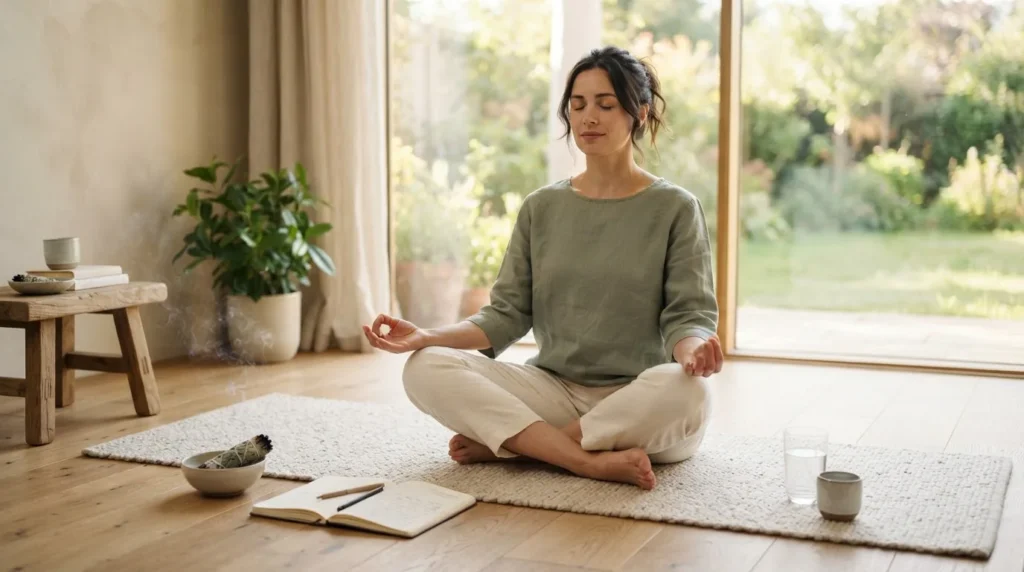
spiritually mentally physically wellness means aligning spiritual, mental and physical health so each supports the others. This guide offers evidence-informed, practical practices tailored for Australians who want an integrated path to wellbeing that’s supportive, everyday-friendly and sustainable.
Understanding the Spiritually Mentally Physically Connection
At its core, the mind-body-spirit integration model recognises that spiritual health, mental and emotional wellness, and physical wellbeing are interdependent systems rather than separate silos. When we say “spiritually mentally physically,” we describe a holistic state where beliefs, values, emotional regulation and bodily health influence one another continuously—like an ecosystem where changes in one area cascade across the rest.
Definitions help ground this idea:
- Spiritual wellness — a sense of meaning, connection and purpose that may come from religious faith, personal values, nature, creativity or service. It’s not the same as religion; it’s a broader sense of connectedness and inner coherence.
- Mental health and emotional wellness — cognitive functioning, emotional regulation, resilience and positive psychological states such as hope, contentment and purpose.
- Physical health and fitness — bodily systems functioning well, including sleep quality, nutrition, movement capacity and recovery.
Psychologists and integrative health practitioners use the term “holistic health” to emphasise that wellbeing outcomes improve when interventions address all three domains together—spiritual, mental and physical—rather than treating symptoms in isolation. For example, a person who engages in regular exercise (physical), practices reflective prayer or nature-based rituals (spiritual), and cultivates cognitive tools like reframing (mental) often reports better mood, improved sleep and enhanced purpose than someone who focuses on only one dimension.
How this plays out practically: consider the everyday metaphor of a tripod. Each leg—spiritual, mental, physical—supports the seat of wellbeing. If one leg shortens (poor sleep, lack of meaning, or emotional overwhelm), the tripod tilts and stability declines. Rebuilding balance means assessing each leg and choosing practices that strengthen all three in complementary ways.
For readers seeking a deeper conceptual grounding, see the definition of mental wellness which outlines core mental health concepts referenced across this guide.
Research and frameworks from psychology, public health and complementary medicine converge on the same message: integrative approaches that combine spiritual or existential practices with mental-health strategies and physical self-care produce broader, more durable wellbeing gains than single-domain approaches. Later sections provide practical steps to apply this integration day-to-day, with examples and a short case study from an Australian context.
Transition: With the architecture of the connection in view, the next section explains why spiritual health plays a vital and measurable role in mental and emotional wellbeing.
Why Spiritual Health Is a Vital Part of Mental and Emotional Wellbeing
Spiritual health influences how people make meaning of experiences, cope with uncertainty, and relate to others—key determinants of psychological resilience. The relationship between spiritual wellbeing and mental health is supported by psychological theory (e.g., meaning-making models, attachment and existential psychology) and empirical work showing correlations between spiritual practices and improved mood, lower loneliness, and stronger coping capacity.
Three key pathways explain this influence:
- Meaning and coherence: Spiritual beliefs or practices help people interpret stressful events, creating narratives that reduce helplessness and increase perceived control. A 2022 literature review in integrative health journals (review type) noted consistent links between meaning-making and reduced depressive symptoms across diverse populations.
- Social connection and community: Many spiritual practices are social—community worship, local meditation groups, volunteering—providing social support, which is a robust protective factor for mental health. According to a 2023 Australian population survey (survey report), people engaged in community-based spiritual activities reported lower loneliness scores and higher life satisfaction.
- Adaptive coping and behavioural activation: Spiritual routines often include rituals, regular reflection or service, which structure time, encourage healthy behaviour and provide comfort during distress. Rituals can act like behavioural activation—an evidence-based strategy for improving mood by increasing meaningful activity.
Examples of how spiritual health supports emotional wellbeing:
- A metropolitan Melbourne nurse used brief daily gratitude reflections to reduce rumination after long shifts, reporting greater emotional resilience and improved sleep.
- A regional NSW community group combined weekly bushwalks with guided reflection, reporting improved social connection and quicker recovery from stressful events.
- Individuals practising contemplative prayer or secular contemplation often describe a stabilising inner narrative, which helps them reframe setbacks into growth opportunities.
Psychological theories shed additional light. Cognitive reappraisal—a technique used in cognitive therapy to reinterpret stressful events—parallels spiritual reframing practices where suffering is placed in a broader context of purpose or learning. Attachment theory suggests that secure relational experiences—whether with a community, a higher power, or trusted mentors—improve emotion regulation and lower anxiety. These are established psychological constructs applied within spiritual frameworks.
Evidence and caution: While many studies find positive associations, results vary by population and practice type. Some large-scale cohort studies show modest but meaningful benefits of spiritual involvement for depression and anxiety symptoms, while others highlight that spiritual struggles (e.g., faith crises) can worsen distress temporarily. According to a 2024 Australian Psychological Society report (industry report), supportive spiritual practices are linked to improved coping and life satisfaction for many Australians, but practitioners should be sensitive to individual differences and cultural backgrounds.
For authoritative context on mental health and wellbeing, consult guidance from the Australian Department of Health, the Australian Psychological Society, and international resources from the World Health Organization.
Transition: Having established the importance of spiritual health to mental and emotional wellbeing, the next section provides detailed, practical wellness practices that strengthen spiritual, mental and physical health simultaneously.
Practical Wellness Practices to Enhance Spiritual, Mental, and Physical Health
This section offers step-by-step, evidence-informed practices you can adopt alone or combine into daily routines. Each item explains why it helps the body-mind-spirit system and includes adaptations for Australian life—urban, regional and cultural diversity are considered. Where relevant, links point to resources that deepen specific topics.
-
Mindful Movement: Walk, Swim, or Bushwalk with Intention
What it is: Intentional movement that combines physical activity with present-moment awareness and reflective prompts (e.g., noticing breath, observing sensations, or reflecting on gratitude).
How to practice (5–30 minutes):
- Choose a movement you enjoy—walking, swimming, light running, tai chi or dance.
- Set a simple intention before starting (e.g., “I’ll notice three things I’m grateful for”).
- Move at a comfortable pace and periodically bring attention to breath, footfalls or the feeling of water on skin.
- End with a 1–2 minute reflection: what did you notice mentally, physically and spiritually?
Why it helps: Physical exercise releases endorphins and supports sleep, while mindful attention reduces rumination and deepens a sense of presence and meaning. A 2021 meta-analysis (meta-analysis type) showed combined movement+mindfulness produced larger mood benefits than movement alone.
Australian adaptation: Use local green spaces, beaches or national parks—bushwalking with a mindfulness intention is accessible across many Australian communities.
-
Daily Contemplative Practice: Short Guided Meditation or Prayer
What it is: 5–20 minutes of structured contemplative practice—could be secular mindfulness, contemplative prayer, loving-kindness meditation, or breath-focused reflection.
How to practice (10 minutes example walkthrough):
- Sit comfortably, feet grounded, eyes closed or softly focused.
- Begin with three slow breaths, allowing the body to settle.
- Set a simple focus: breath, a phrase (e.g., “May I be well”) or an image of nature.
- When thoughts arise, gently label them (“thinking”) and return to the focus without judgment.
- End by noting one intention for your day—an action that aligns with values or care.
Why it helps: Meditation supports emotional regulation, attention control and reduced reactivity; contemplative prayer can provide meaning, comfort and community connection. A 2020 systematic review (review type) found mindfulness-based practices reduce symptoms of anxiety and depression and improve wellbeing metrics.
Walkthrough case: Sarah, a teacher in Brisbane, began a 10-minute loving-kindness practice before breakfast. Within six weeks she reported fewer irritability episodes, better sleep, and a renewed sense of purpose at work—an example of combined spiritual, mental and physical benefit.
Trade-offs: Some people find sitting meditations challenging—alternatives include walking meditation, chant, or tactile rituals (e.g., lighting a candle and reflecting).
-
Ritualised Self-Care: Morning and Evening Routines
What it is: Small, consistent rituals that anchor the day—combining hygiene, nutrition, reflection and movement.
How to build routines:
- Identify 2–3 realistic actions for morning (hydrate, 2 awake stretches, one-minute gratitude) and evening (screen-free wind-down, gentle stretching, short reflection).
- Use rituals to mark transitions—e.g., a tea ritual that signals shifting into rest mode.
- Keep rituals under 20 minutes to enhance adherence.
Why it helps: Rituals create predictability, support circadian health, and embed spiritual reflection into daily life. Evidence links consistent sleep and routine with improved mood and reduced anxiety (population study type).
-
Expressive Practices: Journaling, Storytelling or Creative Arts
What it is: Writing, art, music or storytelling used to process emotions, map values and explore meaning.
How to practice (journaling prompt format):
- Set a 10–15 minute timer.
- Choose a prompt: “What matters most to me this week?” or “Where did I experience meaning today?”
- Write freely without editing; note bodily sensations and emotions as well as thoughts.
Why it helps: Expressive activities improve emotional clarity and psychosomatic regulation—helping to release stored tension and clarify values. A 2018 randomized trial (trial type) found expressive writing improved psychological and immune markers in a sample of adults.
-
Community and Service: Build Meaningful Social Rituals
What it is: Regular, values-driven social activities—volunteering, group meditation, shared meals, or community projects.
How to practice:
- Identify local groups that match your interests—environmental restoration, faith-based groups, or arts collectives.
- Commit to one recurring activity per month and one social connection each week.
Why it helps: Social belonging reduces isolation, increases purpose and buffers stress. According to a 2023 Australian community wellbeing survey (survey report), people with regular community ties reported higher life satisfaction and lower psychological distress.
-
Nutritional Practices with Spiritual Intent
What it is: Choosing foods that support bodily function and practising mindful eating—savouring meals, noticing sensations, and honouring gratitude for food.
How to practice:
- Prioritise whole foods—vegetables, lean proteins, grains and healthy fats—consistent with local availability.
- Introduce one mindful meal per day: eat slowly, without screens, noting textures and flavours.
- Use mealtime ritual to connect gratitude to origins of food (e.g., seasonally local produce).
Why it helps: Nutrition supports brain health and mood through stable blood sugar and micronutrient supply. Mindful eating reduces binge patterns and improves digestion by lowering sympathetic arousal.
-
Breath and Body Practices: Breathwork, Progressive Relaxation, Yoga
What it is: Short breath exercises and body-focused practices that reduce physiological arousal and increase interoceptive awareness.
How to practice (4–7–8 breath example):
- Inhale quietly through the nose for 4 seconds.
- Hold the breath for 7 seconds.
- Exhale through the mouth for 8 seconds.
- Repeat 4 times, noticing calming sensations in the chest and belly.
Why it helps: Breathwork shifts autonomic balance toward parasympathetic states, improving sleep and lowering reactivity over time. For background on physiological mechanisms, see material on stress hormone effects.
-
Integrated Therapy and Complementary Practices
What it is: Combining psychotherapy, somatic therapies or complementary approaches—such as cognitive-behavioural strategies with yoga or expressive arts—to address symptoms and build resilience.
How to approach:
- Identify needs: symptom reduction, emotional processing, or meaning-making.
- Consult qualified practitioners for integrated plans. Consider combining short-term therapy with group-based spiritual practices or somatic modalities.
Why it helps: Evidence supports multidisciplinary approaches for complex, persistent distress. For deeper reading on clinical and complementary options, see resources on mind-body medicine therapies.
-
Digital Tools and Structured Programs
What it is: Apps and online programs for guided meditation, sleep hygiene, and mood tracking that support consistent practice.
How to select tools:
- Choose evidence-informed apps with transparent teams and clinical input (look for links to published studies).
- Use tracking to identify trends, but avoid obsessive checking—balance data with embodied senses.
Trade-offs: Digital tools increase access but can promote passive use; combine them with live community or in-person practice where possible.
-
Stress Management and Restoration: Prioritise Recovery
What it is: Intentional recovery practices—naps, nature time, sensory breaks—that restore energy and prevent burnout.
How to practice:
- Schedule micro-breaks (5–15 minutes) daily and a longer restorative activity weekly.
- Use grounding techniques (feet on earth, nature sounds, tactile objects) to shift from rumination to presence.
Why it helps: Effective stress management reduces the risk of chronic physical conditions linked to prolonged stress. For more on physiological pathways, readers can consult resources about stress and physical illness risk.
Trade-offs and limitations: Different practices yield different benefits. For example, aerobic exercise may produce rapid mood improvements and cardiovascular gains, while contemplative practices often yield slower, cumulative shifts in perspective. Combining approaches typically produces the best effects for most people.
Transition: After exploring practical practices, the next section explains how to recognise when these systems are out of balance and how to intervene early.
Recognising and Balancing Imbalances Across Spiritual, Mental, and Physical Health
Understanding signs of imbalance helps you intervene before small problems become persistent issues. Imbalances often show as overlapping psychosomatic signals: physical symptoms with emotional or spiritual antecedents, and vice versa.
Common signs of imbalance
- Persistent fatigue despite rest; sleep disturbances and low energy.
- Emotional numbing, irritability, or sudden mood swings.
- Loss of meaning or reduced engagement in activities that once felt important.
- Increased physical aches, gastrointestinal upset, or headaches with no clear medical cause—often described as psychosomatic symptoms.
- Withdrawal from community, faith groups or social rituals that previously sustained you.
Psychosomatic symptoms and what they signify
“Psychosomatic” refers to physical symptoms influenced by psychological or emotional factors. Common examples include tension headaches, muscle pain, and stomach discomfort that correlate with stress or unresolved emotional states. These symptoms are real and warrant compassionate attention. They signal that emotional experiences are being stored or expressed through the body.
Practical first steps to rebalance
- Increase restorative behaviours: short naps, nature time, breath practice.
- Re-establish small rituals: a morning gratitude minute or evening reflection to reconnect with purpose.
- Reach out: reconnect with a trusted friend, community leader or support group.
- Track patterns: note when symptoms spike and what preceded them—workload, sleep changes or relational stressors.
For a deeper exploration of how chronic psychological difficulties affect the body, see the discussion on physiological effects of poor mental health.
Readers curious about underlying causes may also want to review information on risk factors for mental illness, which can inform preventive strategies and when to seek further help.
When physical symptoms are persistent or worrying, consult resources about common physical health challenges and consider professional assessment.
When to seek professional help
Seek professional medical or mental health assessment when symptoms are severe, persistent or interfere with daily functioning—difficulty performing at work, withdrawing from relationships, thoughts of self-harm, or unexplained physical symptoms. This guide supports integrative wellness practices and is not a substitute for professional advice or treatment.
Transition: Recognising imbalances is the first step—next, learn practical strategies to integrate these practices into daily life sustainably.
Integrating Wellness Practices into Daily Life: Tips and Strategies
Integration is about creating small, repeatable habits that gradually shift the whole tripod—spiritual, mental, and physical. Below are how-to steps and pragmatic tips tailored for Australian routines and lifestyles.
Create a balanced weekly template
- Map one short practice from each domain for every day (e.g., 10-minute meditation, 20-minute walk, one mindful meal).
- Schedule three weekly activities that build community or meaning—volunteer shift, group yoga, or creative meetup.
- Reserve one longer restorative activity on weekends (extended bushwalk, beach day, or art workshop).
Micro-habits that stick
- Pair new habits with existing ones: meditate after brushing teeth; walk after lunch.
- Make practices visible: place journal, yoga mat or walking shoes by the door.
- Use “if-then” plans: “If I feel overwhelmed at work, then I will step outside for five minutes of breath practice.”
For practical, daily strategies complementing spiritual and physical practices, see emotional health habits and tips.
Adapt for work, family and seasonal rhythms
- Work: use micro-breaks, walking meetings, or lunchtime meditation groups.
- Family: introduce family rituals (shared gratitude at dinner, nature outings on weekends).
- Seasons: in Australia, tailor outdoor time to local climate—early morning walks in summer, invigorating coastal swims in cooler months.
Practical tips for consistency
- Start small—consistent 5–10 minute practices often outperform sporadic longer ones.
- Track progress but emphasise flexibility—missed days are not failure.
- Find accountability: partner with a friend or join a local group for mutual support.
Transition: While integration strategies make practices sustainable, people often carry misconceptions about spiritual and mental health which can block engagement; the next section clarifies common myths.
Common Misconceptions About Spiritual and Mental Health Connections
| Myth | Fact |
|---|---|
| Spirituality is the same as religion. | Spirituality includes religion but also encompasses personal meaning, nature-based connection and non-religious practices. |
| Prayer or meditation alone cures mental health problems. | These practices support wellbeing and resilience but are not substitutes for clinical care when needed. |
| Mental health struggles mean weak faith or spirituality. | Struggles are common and can occur regardless of spirituality; many spiritual traditions recognise distress as part of growth or transformation. |
| Mind-body approaches are unscientific. | There is robust evidence for many mind-body therapies (e.g., mindfulness, exercise), though efficacy varies by condition and person. |
| You must commit hours daily to benefit. | Short, consistent practices (5–20 minutes) produce measurable benefits over time. |
Clarifications and nuance: While spiritual practices can support meaning and resilience, they are not a universal remedy. For individuals with clinical symptoms, integrating spiritual practices with professional mental health care often yields the best outcomes. See the Australian Psychological Society resources for guidance on combining therapies (industry guidance).
Transition: To support practical next steps and professional pathways in Australia, the final section lists resources and local supports.
Resources and Support for Holistic Wellness in Australia
Below are organisations, community options and pathways to deepen integrated wellness, plus links to clinical resources when needed.
- Government & National Health: Australian Department of Health — guidelines and public mental health resources for Australians.
- Professional Psychology: Australian Psychological Society — find registered psychologists and information about evidence-based therapies.
- Global guidance: World Health Organization — Mental Health — international resources on promoting mental wellbeing.
-
Clinical treatment access: For formal care options, see mental illness treatment resources if you require clinical interventions or referrals.
-
Training and professional development: Those interested in formal coaching or wellbeing work can explore wellbeing coaching certification for training pathways.
- Local community initiatives: Look for community health centres, meditation groups, volunteer organisations and bushcare projects that blend nature, service and connection.
Disclaimer: This guide supports integrative wellness practices and is not a substitute for professional medical or mental health advice. If you are experiencing acute distress, contact emergency services or a qualified health professional immediately.
Frequently Asked Questions
What does spiritually mentally physically wellness mean?
Spiritually mentally physically wellness refers to integrated wellbeing where spiritual meaning, emotional and cognitive health, and physical functioning support each other—promoting resilience, purpose and bodily health through coordinated practices and routines.
How is spiritual health connected to mental and emotional health?
Spiritual health shapes meaning, coping and social connection, which influence emotional regulation and mental resilience; supportive spiritual practices often reduce loneliness, improve coping and provide narrative frameworks for handling stress.
What are simple daily practices to boost spiritual, mental, and physical wellness?
Simple practices include 10-minute morning meditation, a mindful 20-minute walk, a nutritional mindful meal, a short gratitude journal entry, and one weekly community activity to reinforce meaning and connection.
How can I tell if my spiritual, mental, or physical health is out of balance?
Signs include persistent fatigue, disrupted sleep, emotional numbness or irritability, loss of meaning, withdrawal from community, and psychosomatic symptoms like headaches or stomach upset linked to stress.
How long does it take to notice benefits from holistic wellness practices?
Many people notice small benefits within 2–6 weeks of consistent short practices (5–20 minutes daily); larger shifts in perspective and resilience often develop over months with sustained routines.
What should I do if I struggle to maintain a balanced wellness routine?
Start with micro-habits paired to existing routines, reduce practice length, seek social accountability, vary activities for enjoyment, and consult community groups or professionals for support if needed.
Are spiritual wellness practices supported by scientific research?
Yes—research shows benefits for mindfulness, meaning-making and community engagement on mood and resilience; however, effects vary and integration with clinical care is recommended for significant mental health concerns.
How can I find trustworthy holistic wellness resources in Australia?
Use reputable sources such as the Australian Department of Health, the Australian Psychological Society, local community health centres and peer-reviewed studies; seek practitioners with transparent qualifications and client feedback.