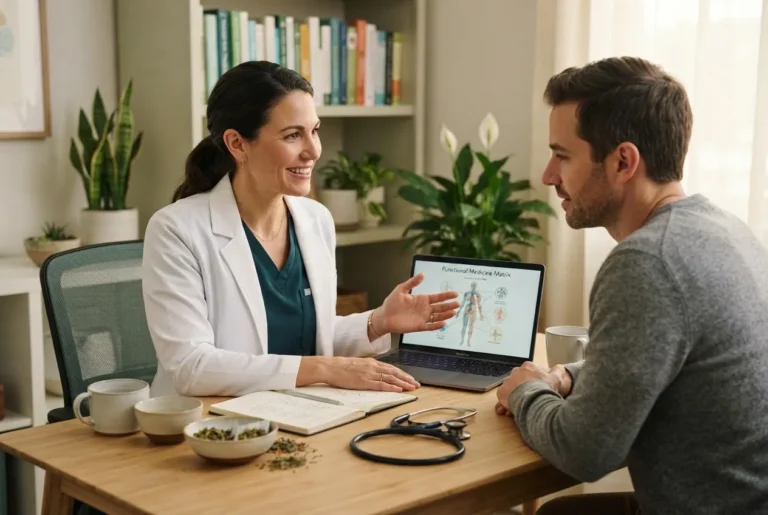

Traditional and holistic approaches to treating breast cancer combine standard medical care—surgery, chemotherapy, radiation—with supportive mind-body, nutritional and complementary therapies to improve outcomes, manage side effects and support quality of life; integrative care is not a substitute for evidence-based oncology but can be coordinated safely with medical teams.
What is breast cancer and what are the established traditional treatments?
Answer: Breast cancer is a malignant growth of breast tissue cells; established treatments include surgery to remove tumors, systemic chemotherapy to target cancer cells body-wide, endocrine and targeted drug therapies, and radiation therapy to eliminate local residual disease.
Term: surgery — a medical procedure that removes cancerous tissue; can be breast-conserving (lumpectomy) or complete removal (mastectomy).
Term: chemotherapy — drugs that kill rapidly dividing cells systemically.
Term: radiation therapy — focused high-energy beams that destroy cancer cells at the tumor site.
Conventional oncology prioritises tumor control and survival using modalities proven in randomized controlled trials and clinical practice guidelines. Typical treatment selection depends on tumour stage, receptor status (estrogen, progesterone, HER2), patient health and preferences. According to a 2023 American Cancer Society report on breast cancer care, multimodality treatment (surgery plus adjuvant therapy) remains the most common pathway for early-stage disease (source: professional society report, 2023).
Common goals of traditional care:
- Remove or reduce tumor burden (surgery, radiation).
- Reduce recurrence risk (adjuvant chemo, endocrine therapy).
- Treat metastatic disease to prolong survival and control symptoms.
- Provide symptom control and palliative care when needed.
Side effects and tradeoffs are central to decision-making: short-term effects (nausea, hair loss, fatigue), medium-term recovery (wound healing, lymphedema) and long-term sequelae (cardiotoxicity from some chemotherapies, secondary cancers from radiation). According to a 2024 industry report on oncology outcomes, patient-reported quality-of-life measures are improved when supportive care is integrated early (source: industry report, 2024).
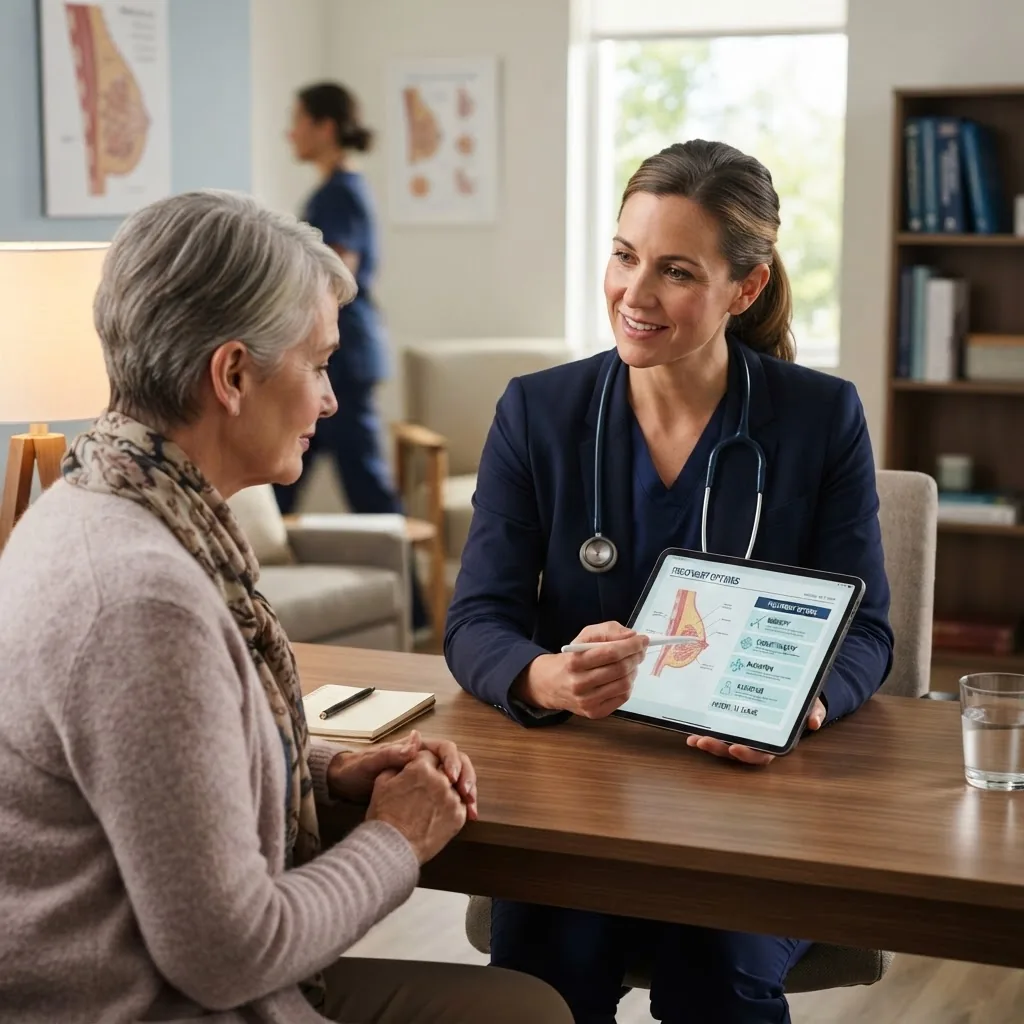
How those treatments are chosen:
- Diagnostic staging (imaging, biopsy, molecular profiling).
- Multidisciplinary tumour board recommendations (surgeon, medical oncologist, radiation oncologist).
- Patient values, comorbidities and fertility/appearance priorities.
- Evidence from clinical trials and guideline recommendations (NCI/ACS guidance).
What does a holistic approach to breast cancer care involve?
Answer: A holistic approach addresses physical, emotional, social and spiritual needs alongside cancer-directed therapies, using nutrition, stress-management, complementary therapies and coordinated care to improve tolerance of treatment and wellbeing, not to replace curative medical interventions.
Term: integrative oncology — the coordinated use of evidence-based complementary therapies with conventional cancer care to improve symptom control and wellbeing.
Holistic care recognises mind-body connections and seeks to reduce stressors that may influence recovery. Practices commonly included are nutrition counselling, exercise prescription, meditation and relaxation training, acupuncture for symptom relief, psychosocial support and patient education. Many centres now offer integrative programs operating within oncology clinics to ensure safety and coordination.
If you want to understand the language used by practitioners and researchers describing these models, review the foundational framework on alternative terms for Western medical practices including CAM and integrative care.
Key components of holistic breast cancer care:
- Mind-body therapies (meditation, yoga, guided imagery) to reduce anxiety and improve sleep.
- Dietary and lifestyle optimisation to support immunity, weight management and recovery.
- Symptom-focused complementary treatments (acupuncture for nausea, massage for pain relief).
- Psychological therapies (CBT, counselling, peer support) and spiritual care.
Clinical evidence for integrative approaches varies: systematic reviews and Cochrane-level analyses support acupuncture for chemotherapy-induced nausea and some measures of pain, and mindfulness-based programs for distress reduction (source: peer-reviewed meta-analyses, 2019–2022). However, many nutritional and herbal interventions lack high-quality randomized trial evidence for tumor control, so they are used primarily for supportive care.
Training and credential awareness: readers interested in practitioner credentials or careers can learn more about alternative medicine education and training.
What are the common traditional treatments, and how do their methods, benefits and limitations compare?
Answer: The main traditional treatments—surgery (lumpectomy/mastectomy), chemotherapy, radiation—each offer distinct benefits for tumor control and survival but differ in side effects, recovery timelines and functional impact; selection balances disease biology with patient priorities.
Below is a comparison table summarising methods, pros, cons and typical outcomes for each primary modality.
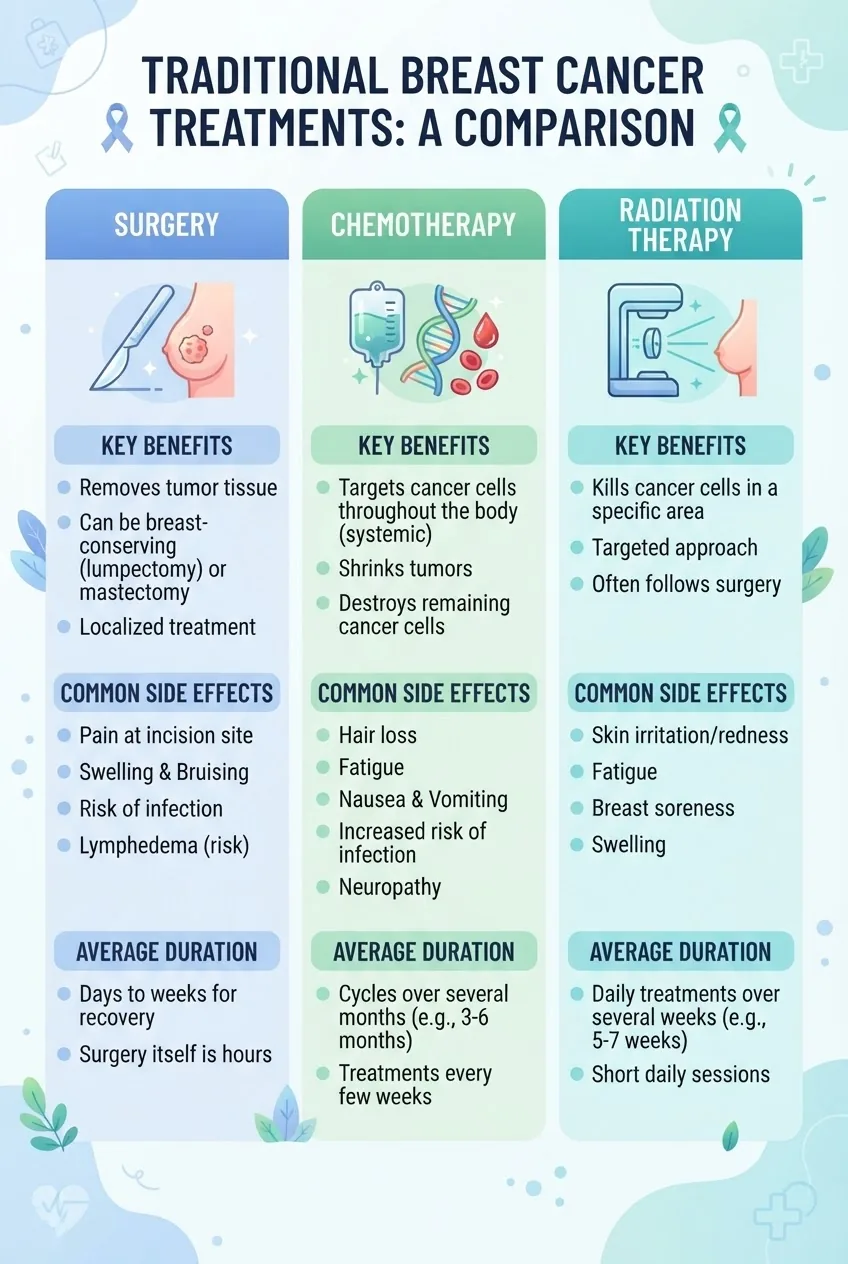
| Treatment | How it works | Benefits | Limitations / Risks | Typical timeline |
|---|---|---|---|---|
| Lumpectomy (breast-conserving surgery) | Removes tumor with margin, preserves most breast tissue. | Spares breast appearance; effective for early-stage disease when combined with radiation. | Requires radiation; risk of local recurrence; wound-related recovery. | Surgery day + weeks for healing; radiation for 3–6 weeks if indicated. |
| Mastectomy | Removes entire breast tissue; options for reconstruction. | Lower local recurrence risk in some settings; choice for multifocal disease. | Longer surgical recovery; psychosocial impact; possible lymphedema. | Surgery and weeks to months for recovery, if reconstruction performed may extend timeline. |
| Chemotherapy | Systemic drugs that kill/divide cancer cells throughout the body. | Reduces recurrence risk, treats micrometastases, essential for some subtypes (triple-negative). | Nausea, hair loss, neutropenia, cardiotoxicity (with some agents), fatigue. | Cycles over 3–6 months typical; some regimens longer. |
| Radiation therapy | High-energy beams directed at breast or chest wall to eradicate residual cells. | Decreases local recurrence after lumpectomy; often used after mastectomy in high-risk cases. | Skin irritation, fatigue, rare long-term heart/lung risks depending on field. | Daily sessions for 3–6 weeks typically; hypofractionated options shorten course. |
| Targeted & Endocrine Therapies | Drugs directed at hormone receptors or specific molecular drivers (e.g., HER2). | High efficacy in receptor-positive tumours; oral or infusion forms available. | Side effects vary (hot flashes, cardiac monitoring for some agents); long-term adherence needed. | Months to years depending on agent (e.g., endocrine therapy often 5–10 years). |
Surgical details: Term: lumpectomy — tumor excision with margin; mastectomy — removal of the whole breast. Recovery timelines vary by procedure and reconstruction choices.
Alternatives to radiation in select cases may include omission in older, low-risk patients or use of accelerated partial-breast irradiation when criteria are met; learn more about technical and clinical options at alternatives to radiation therapy.
What popular holistic and alternative therapies are used for breast cancer, and what does the evidence say?
Answer: Common holistic therapies—acupuncture, herbal supplements, meditation, dietary protocols, massage and mind-body practices—are primarily used to manage symptoms and improve wellbeing; evidence quality varies from strong (for acupuncture in nausea/pain) to insufficient (for many herbs claiming tumor regression).
Term: acupuncture — insertion of fine needles at specific body points to modulate physiology and symptoms.

-
Acupuncture
Evidence: Moderate-quality randomized controlled trials and meta-analyses support acupuncture for chemotherapy-induced nausea, some types of pain and hot flashes (source: peer-reviewed meta-analysis, 2020).
Safety notes: Low complication rate when provided by trained licensed practitioners; avoid over areas of radiation or recent surgery without provider clearance.
-
Mindfulness, meditation and yoga
Evidence: Numerous trials show reduced anxiety, improved sleep and better patient-reported quality-of-life measures; effects are generally modest but consistent (source: randomized trials, 2018–2022).
Safety notes: Low-risk; tailor physical activity to energy levels and consult physiotherapists for lymphedema-safe movements.
-
Dietary approaches and nutritional support
Evidence: Diets that maintain healthy weight, reduce alcohol intake and emphasise whole foods correlate with lower recurrence risk in observational studies; no diet alone is proven to cure breast cancer (source: cohort studies, 2015–2021).
Safety notes: Beware of extreme diets that cause malnutrition; coordinate supplements with oncology team to avoid interactions with drugs.
-
Herbal medicines and supplements
Evidence: Limited high-quality evidence; certain compounds show laboratory anticancer activity but lack reliable human efficacy trials. Examples include green tea polyphenols and curcumin with mixed clinical data (source: clinical trial summaries, 2016–2022).
Safety notes: Significant potential for herb-drug interactions (e.g., St John’s Wort reduces some chemotherapy levels); always check with an oncologist or pharmacist.
-
Massage, manual therapies and touch-based care
Evidence: Randomized studies show reduced pain, anxiety and some fatigue; massage is effective for short-term symptom relief (source: randomized controlled trials, 2014–2019).
Safety notes: Avoid deep tissue work near active tumour sites or over radiation burns; prefer therapists experienced with cancer patients.
-
Energy therapies and spiritual support
Evidence: Mixed and often qualitative; spiritual counselling and accredited pastoral care consistently improve coping and meaning-making in longitudinal studies (source: observational studies, 2017–2021).
Safety notes: Use as adjunctive support; ensure practitioners are transparent about limitations regarding tumor treatment.
-
Exercise therapy and physical rehabilitation
Evidence: Strong evidence supports structured exercise for reducing fatigue, improving physical function and possibly reducing recurrence risk in observational cohorts (source: cohort studies and RCTs, 2015–2022).
Safety notes: Tailor regimens for lymphedema risk and surgical recovery; consult physiotherapy specialists.
-
Cannabis and symptom relief
Evidence: Emerging research supports cannabis for chemotherapy-related nausea, neuropathic pain and appetite stimulation in some patients (source: clinical trials and systematic reviews, 2019–2023).
Safety notes: Legal status varies; possible cognitive effects and interactions with other CNS depressants.
Alternative Weed Therapy: Medical Cannabis and Therapeutic Use
-
Complementary interventions extrapolated from other chronic diseases
Evidence: Many techniques used for other chronic conditions (e.g., acupuncture for asthma-related symptoms) show transferable symptom management principles; see comparisons in alternative therapies in handling chronic conditions for crossover techniques and safety frameworks.
Where to find rigorous evidence: authoritative summaries are available at the National Cancer Institute (NCI) and the American Cancer Society (ACS), and for meta-analyses consult Cochrane Reviews (external authority resources).
Additional context: alternative therapies for cancer treatment have parallels across tumour types; for comparative frameworks see alternative therapies for cancer treatment which outlines shared evidence principles.
Are there safe non-surgical or natural breast cancer treatment options that avoid surgery?
Answer: For select very early or indolent lesions, active surveillance or image-guided local therapies may be options, but complete avoidance of surgery for invasive breast cancer is generally not supported by evidence; natural therapies alone are not proven to cure invasive breast cancer.
Realistic patient scenarios (anonymised):
-
Case A: A 72-year-old woman with a small, hormone-receptor-positive tumour and significant comorbidities opted for endocrine therapy alone after multidisciplinary review; outcome: disease control for 3+ years with close monitoring (anonymised clinical scenario; illustrative).
-
Case B: A 48-year-old patient declined immediate surgery and pursued a naturopathic regimen plus systemic endocrine therapy; imaging at 6 months showed tumour stability but not regression; the patient later underwent delayed surgery with no compromise in surgical options (anonymised scenario emphasising risk of delay).
Non-surgical options and contexts:
- Primary endocrine therapy can control some estrogen-receptor-positive cancers temporarily, particularly in frail or elderly patients (source: randomized trials and cohort analyses, 2010–2020).
- Ablative local therapies (cryoablation, radiofrequency ablation) are investigational or limited to clinical trials for selected small tumors; they are not standard curative alternatives for most invasive cancers (source: clinical trial reports, 2018–2022).
- Active surveillance is used for ductal carcinoma in situ (DCIS) or indolent lesions in research settings; it is not universally appropriate for invasive disease.
Natural remedies often promoted online—specific herbs, high-dose vitamin protocols or detox regimens—lack consistent clinical trial evidence for tumour eradication. If patients pursue complementary natural treatment, integration with oncology care and careful monitoring is essential to avoid delayed definitive care and dangerous interactions.
Clinical trial access: Patients seeking non-surgical options should consult their oncology team about trials; registry searches via ClinicalTrials.gov can identify investigational protocols.
How can patients integrate traditional and holistic approaches safely?
Answer: Integrate by communicating clearly with your oncology team, using evidence-based complementary therapies within coordinated care plans, checking all supplements against potential drug interactions, and selecting accredited practitioners linked to cancer centres where possible.
Practical integration steps:
- Assemble a care team: include surgeon, medical/radiation oncologist, primary care, pharmacist and accredited integrative practitioner.
- Document every supplement, herb and complementary therapy and discuss potential interactions with a clinical pharmacist.
- Prioritise evidence-based interventions for symptom relief (e.g., acupuncture for nausea, exercise programs for fatigue).
- Agree on monitoring: establish imaging/follow-up schedule to detect progression early if non-standard approaches are used.
- Use shared decision-making to balance tumour control goals and quality-of-life preferences.
If pain or side effects are concerns, consider alternative therapies for pain management integrated with analgesic regimens and physical rehab.
Emotional and psychological supports are core to integration—explore mental health alternative treatments such as group mindfulness, art therapy and peer-support programs for coping strategies during treatment.
Medication-supplement interaction example: St John’s Wort reduces plasma levels of some chemotherapies and targeted agents by inducing cytochrome P450 enzymes; this kind of interaction can reduce treatment efficacy (source: pharmacology reviews and clinical case reports, 2017–2021).
Coordinated documentation: request that integrative practitioners share treatment notes with your oncology team; if an integrative centre is affiliated with a hospital, that reduces fragmentation and supports safety.
Are there alternatives to chemotherapy for breast cancer and how effective are they?
Answer: Alternatives to chemotherapy depend on tumour biology: for hormone-receptor-positive tumours, endocrine therapies and targeted agents are effective alternatives; for some HER2-positive cancers, targeted anti-HER2 therapies may reduce or replace some chemotherapy components, but chemotherapy remains essential in many subtypes.
Q&A style clarifications:
- Q: Can targeted therapy replace chemo? A: In specific molecular contexts (e.g., HER2-positive with dual HER2 blockade), research shows some regimens can reduce chemo exposure, but decisions depend on stage and risk (source: randomized trials, 2018–2022).
- Q: Are immunotherapies alternatives? A: Immune checkpoint inhibitors are approved for certain metastatic and triple-negative settings; they are not universally applicable and often used with chemo for synergy (source: clinical trial results, 2019–2023).
- Q: Do natural cures replace chemo? A: No high-quality evidence supports natural cures replacing chemotherapy for invasive breast cancer; natural approaches serve supportive roles (source: systematic reviews, 2015–2021).
Comparative context with ovarian cancer: research into natural treatment for ovarian cancer shows similar themes—supportive integrative therapies can improve symptoms, but evidence for tumoricidal natural cures is lacking; cross-cancer learning helps set realistic expectations.
If considering chemotherapy alternatives, always quantify absolute recurrence risk reduction of proposed conventional regimens versus the unproven benefits of alternatives; ask your oncologist for numeric risk estimates and evidence citations (e.g., hazard ratios from trials).
What should patients do if holistic treatments cause side effects or interact with oncology drugs?
Answer: Stop the suspected agent, notify your oncology team immediately, and consult a clinical pharmacist or integrative medicine oncologist to assess interactions and perform necessary monitoring; report adverse events to your clinician so adjustments can be made quickly.
Action checklist:
- Cease the supplement or therapy if it is suspected to cause harm.
- Document product name, dose and source (including batch or vendor if relevant).
- Contact your oncology clinic and pharmacist promptly to check for interactions and perform lab or clinical monitoring.
- Report severe events to national pharmacovigilance or complementary medicine registries when applicable.
Clinical note: some herbal products can alter clotting or liver enzymes, affecting surgery safety or drug metabolism; prior to any procedure, disclose all complementary products to the surgical team.
How do patients ensure the quality and safety of alternative therapies for cancer?
Answer: Choose licensed practitioners, use products with third-party testing, integrate therapies with your oncology team, prioritise evidence-based modalities, and avoid any treatment claims promising guaranteed cures for cancer.
Practical quality checks:
- Verify practitioner credentials and cancer-specific training; prefer those affiliated with recognised centres.
- Seek supplements with independent testing seals (e.g., USP, NSF) and verified ingredients.
- Be skeptical of anecdotal “miracle cure” claims; ask for peer-reviewed evidence and trial data supporting any tumor-directed claims.
- Use institutional integrative programs when possible to reduce fragmentation of care.
If you are evaluating a centre, compare services and read published outcome data; for practical facility information see the guide on alternative health care center services and benefits.
Conclusion — What should you take away and what next steps help you make safe, informed choices?
Answer: Combine evidence-based traditional treatments with selected holistic therapies for symptom control and wellbeing under coordinated care; avoid substituting unproven natural cures for standard oncology treatments, and always discuss complementary approaches with your cancer team.
Key takeaways:
- Traditional modalities (surgery, chemo, radiation) are the foundation for curative intent in most invasive breast cancers.
- Holistic and integrative therapies offer meaningful support for symptoms, mental health and recovery but are not proven replacements for standard cancer treatments.
- Safety depends on communication, credentialled practitioners and checking for herb-drug interactions.
- When considering non-surgical routes or chemotherapy alternatives, prioritise multidisciplinary assessment and, where available, evidence from clinical trials.
If you or a loved one is navigating treatment choices, request a multidisciplinary review, ask for numeric estimates of benefit and risk from your oncologist, and seek accredited integrative services for supportive care. For more practical guides on complementary therapy definitions and evidence, explore our site resources and speak to your healthcare team to form a personalised, safe plan.
Call to action: Talk to your oncology team about integrating supportive holistic therapies into your care plan and ask for referrals to accredited integrative practitioners to ensure safe coordination.