
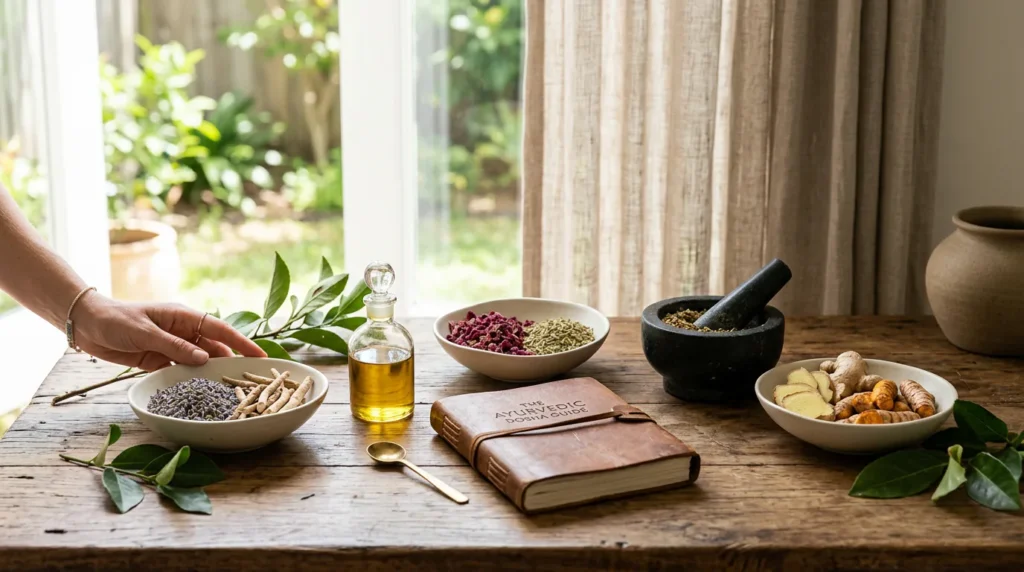
Vata Pitta Kapha are the three fundamental biological forces — or dosha — in Ayurveda that describe mind‑body constitution and function. This guide explains what each dosha means, how combinations form your unique tendencies, and practical ways to keep them balanced in daily life in Australia.
Introduction to Vata Pitta Kapha Dosha
In classical Ayurvedic theory, a dosha (from Sanskrit, meaning “that which can cause disease or imbalance”) is a functional principle that governs physiology, psychology and resilience. The three doshas — Vata, Pitta and Kapha — arise from combinations of the five elements (ether, air, fire, water and earth) and guide how energy moves, digests and structures the body.
Understanding these basic principles gives a framework for daily wellness: each person has a primary constitution (prakriti) and a changing state (vikriti) influenced by diet, lifestyle, seasons and environment. Ayurveda’s aim is to preserve balance so that Agni (digestive/metabolic fire) functions optimally, tissues remain healthy, and the mind is clear.
Key concepts to keep in mind:
- Prakriti — your inherent dosha constitution at birth.
- Vikriti — your current doshic state that may differ from prakriti.
- Agni — digestive/metabolic function central to health.
- Dinacharya — daily routines recommended to maintain balance.
This introduction sets the scene for deeper profiles of each dosha, how they combine, signs of imbalance, and practical, contemporary strategies to restore harmony.
Transition: Next, we’ll profile each dosha so you can recognise core qualities and how they show up in body and mind.
Understanding the Three Doshas: Vata, Pitta, Kapha
Ayurveda divides physiological and psychological functions into three categories or dosha types. Each dosha has distinct qualities (gunas), elements (mahābhūtas), and primary roles. Below are concise profiles to help you recognise a dominant or mixed constitution.
Vata — movement and communication
Vata is primarily composed of the elements ether (space) and air. Its qualities are light, dry, cold, mobile, subtle and changeable. Vata governs movement: breath, nervous system signalling, circulation, elimination and creativity. When balanced, Vata yields quick thinking, adaptability, and light physical frame; when aggravated, it causes anxiety, insomnia, dryness and irregular digestion.
- Core functions: nervous system regulation, respiration, elimination, subtle energy flow.
- Typical body type: slender, variable appetite, quick metabolism when balanced.
- Mental tendencies: imaginative, quick learning, sometimes scattered under stress.
Pitta — transformation and metabolism
Pitta combines fire and water, so its qualities are hot, sharp, light‑to‑moderate, oily and penetrating. Pitta governs transformation: digestion, metabolism, enzymatic activity and clarity of perception. Balanced Pitta supports strong digestion, focused intellect and confident leadership. Imbalance shows as inflammation, irritability, heartburn, or skin rashes.
- Core functions: Agni (digestive fire), intelligence, hormonal balance, vision.
- Typical body type: medium build, good muscle tone, warm body temperature.
- Mental tendencies: direct, incisive, achievement‑oriented; prone to impatience under stress.
Kapha — structure and lubrication
Kapha is made of earth and water, with qualities heavy, slow, steady, cold, oily and dense. Kapha provides physical structure, joint lubrication, emotional stability and immunity. When balanced, Kapha gives endurance, calmness and strong tissues; when aggravated, it can lead to weight gain, congestion, lethargy and attachment.
- Core functions: tissue formation, moisture retention, immune resilience and stability.
- Typical body type: broader frame, slower metabolism, steady energy when rested.
- Mental tendencies: patient, nurturing, sometimes resistant to change when imbalanced.
How dosha body type appears in everyday life
Most people are a combination of two doshas or have one dominant dosha with secondary influences. For example, a Vata‑Pitta person may be creative yet driven, with variable digestion; a Kapha‑Pitta person may be calm but prone to weight or sluggishness when Pitta is low. To identify tendencies and practical points of balance, many readers follow an assessment process.
Vata Pitta Kapha test explained
Note: the above link connects to a deeper body type guide — helpful if you want a structured questionnaire and body‑type analysis.
Transition: With those base profiles in mind, the next section explains how doshas combine and influence one another in mixed constitutions.
Combinations of Doshas: Vata Pitta, Pitta Kapha, Vata Kapha
Most people are not purely Vata, Pitta or Kapha; instead, two doshas typically dominate while the third is less pronounced. These dual combinations each create a unique pattern of strengths and vulnerabilities.
Vata‑Pitta (Vata Pitta dosha)
Vata‑Pitta people blend movement with transformation. They are dynamic communicators and often creative leaders. Strengths include flexibility paired with drive; vulnerabilities include digestive irregularity (Vata) paired with inflammatory tendencies (Pitta), producing cycles of unpredictable appetite and occasional acidity.
Pitta‑Kapha (Pitta Kapha dosha)
Pitta‑Kapha types combine metabolic consistency with structural steadiness: reliable digestion, good endurance, and capacity for focused work. When imbalanced, they may develop water retention, slow inflammation, congestion or a tendency to overheat in emotion or body.
Vata‑Kapha (Vata Kapha dosha)
Vata‑Kapha individuals combine mobility and stability. They may present with a generally steady build but periods of changeability—dryness (Vata) that alternates with stagnation (Kapha). This mix often needs routines that support regularity while preventing stagnation.
| Combination | Key strengths | Common challenges | Everyday focus |
|---|---|---|---|
| Vata‑Pitta | Creativity, energy, quick thinking | Digestive swings, irritability, anxiety | Grounding routines, gentle cooling practices |
| Pitta‑Kapha | Endurance, steady work capacity | Congestion, weight gain, low‑grade inflammation | Stimulating activity, anti‑inflammatory foods |
| Vata‑Kapha | Stability with creativity | Alternating constipation and congestion, stiffness | Regular movement, warm nourishing meals |
Example: A Melbourne nurse with a Vata‑Pitta constitution reported creative problem solving but chronic mid‑day acidity and disrupted sleep. Introducing a regular warm breakfast, midday cooling herbs, and a calming evening routine reduced mid‑day heartburn and improved sleep within six weeks. This real‑world case shows how simple rhythm and targeted practices can rebalance combined doshas.
Transition: Now that you know how dosha combinations manifest, the next section details specific signs and symptoms when doshas are out of balance.
Signs and Symptoms of Dosha Imbalance
Each dosha has characteristic imbalance patterns affecting body and mind. Below are clear signs to observe so you can self‑assess whether Vata, Pitta or Kapha is aggravated. Use everyday observations — sleep, digestion, mood, skin and energy — to recognise change.
Signs of Vata imbalance
- Dry skin, chapped lips or brittle nails.
- Irregular appetite, bloating, constipation or variable digestion (Agni fluctuation).
- Insomnia, scattered thoughts, increased anxiety or worry.
- Frequent coldness or poor circulation; tremors or restless movements.
- Sudden weight loss or variable weight.
Signs of Pitta imbalance
- Acid reflux, heartburn, loose stools or strong appetite fluctuations.
- Inflammatory skin issues (rashes, acne), redness or excessive sweating.
- Irritability, impatience, intense or critical thinking.
- Overheating, sensitivity to hot weather, excessive thirst.
- Frequent headaches centered around temples or eyes.
Signs of Kapha imbalance
- Persistent mucous, sinus congestion or sluggish digestion.
- Weight gain or difficulty losing weight, slow metabolism.
- Lethargy, excessive sleep, attachment or low motivation.
- Oily skin and hair, slow thinking or memory lapses.
- Fluid retention and heaviness in limbs.
When multiple symptom clusters appear, the dominant presenting dosha is often the cause of current problems (vikriti), though underlying prakriti may differ. For persistent or severe symptoms, consult a qualified practitioner.
find an Ayurvedic doctor near me
Self‑assessment walkthrough (everyday observations):
- Track three days of sleep, stools, appetite and mood — note extremes or variability.
- Observe skin and mucus patterns (dry vs oily vs congested).
- Note seasonal or weather triggers — e.g., winter heaviness suggests Kapha; summer heat suggests Pitta; windy, changeable conditions suggest Vata.
- Compare observations to the symptom lists above to identify the most active imbalance.
Transition: With signs and symptoms identified, you can apply foundational balancing principles — the next section explains practical, actionable steps.
Basic Principles to Balance Vata, Pitta, and Kapha
Balancing doshas naturally relies on three pillars: daily routine (Dinacharya), sensible environmental adjustments, and supportive diet and lifestyle measures tuned to your constitution. Below are practical, contemporary guidelines for Australian readers that emphasise natural medicine principles and safe self‑care.
General balancing framework
- Restore rhythm: regular sleep, consistent meal times and gentle daily routines steady Vata and Kapha and moderate Pitta.
- Support Agni: warm, easily digestible food in appropriate portions promotes balanced metabolism across doshas.
- Mind‑body practices: breathwork (pranayama), short daily meditation, and moderate exercise align nervous system and hormonal balance.
- Environment: match clothing, home humidity and activity to seasonal and local climate to reduce dosha aggravation.
Vata‑calming basics
Goal: ground movement and warmth. Prioritise warmth, routine and lubrication.
- Daily routine: consistent wake/sleep times, morning oil massage (abhyanga) with warm sesame or almond oil, followed by a warm shower.
- Meals: warm, cooked, slightly oily and nourishing meals; avoid cold raw foods in excess. (For deeper guidance see Vata dosha diet and calming practices.)
- Movement: gentle, grounding exercise — brisk walking, restorative yoga, tai chi.
- Sleep: early to bed, avoid late night stimulation; soothe the nervous system in the evening with calming rituals and warm milk or caffeine‑free herbal tea.
Vata dosha diet and calming practices
Pitta‑pacifying basics
Goal: cool heat and reduce intensity. Prioritise moderation, cooling foods and calming routines.
- Daily routine: regular meals and mid-day rest when possible, shade and sun protection in hot climates (especially relevant in Australian summers).
- Meals: favour cooling, mildly astringent and bitter tastes; avoid hot spicy foods, excess alcohol and caffeine. For more specifics see Pitta Ayurveda diet tips.
- Movement: moderate exercise avoiding peak heat times; swimming and evening walks are helpful.
- Mental cooling: mindfulness, breathwork (sheetali pranayama), and time in green, shaded spaces.
Kapha‑reducing basics
Goal: stimulate metabolism and movement. Prioritise warmth, dryness and uplifting activity.
- Daily routine: get moving early in the morning, maintain lightness in meals and avoid daytime napping.
- Meals: lighter, spiced, and smaller portions; emphasise bitter and astringent tastes to stimulate digestion (refer to common Ayurvedic herbs and formulations for options).
- Movement: vigorous cardio or interval training, energetic yoga sequences or group sports to raise metabolism.
- Home environment: reduce humidity, increase warmth and light, and prefer stimulating scents like ginger or eucalyptus.
common Ayurvedic herbs and formulations
Practical Dinacharya (daily routine) templates
Simple daily patterns help maintain balance across seasons and life stages:
- Morning (Vata‑oriented): wake before sunrise if possible, practice gentle movement, hydrate with warm water, short oil massage for Vata types.
- Midday (Pitta‑oriented): main meal when Agni is strongest, moderate exertion during cooler hours.
- Evening (Kapha‑oriented): lighter dinner, calming activities, go to bed early to prevent Kapha stagnation and Vata insomnia.
Environment and seasonal adjustments
Climate influences which dosha is prone to aggravation. Australia’s varied climates mean tailoring practices regionally:
- Hot, humid coastal regions: greater Pitta and Kapha tendencies — emphasise cooling foods, light exercise and dehumidified spaces.
- Cool, dry inland areas: Vata can increase — prioritise warmth, oiling and grounding routines.
- Transitional seasons (spring and autumn): watch for increases in Vata due to wind and changeability; in late summer watch for Pitta spikes.
Mental and emotional balancing practices
Mental dosha balance matters as much as physical balance:
- Vata: steadying meditation practices, grounding mantra or body‑scan; limit overstimulation.
- Pitta: cooling breathing techniques, compassion practices and time in nature to reduce intensity.
- Kapha: energising breathwork, uplifting affirmations, social engagement and goal‑setting to counter inertia.
Ayurvedic supplements and herbs — brief overview
Herbs and supplements can support dosha balance but should be chosen based on current imbalance, not just constitution. Common herbs used in supportive roles include:
- Vata: warming and grounding herbs such as ashwagandha and licorice (used judiciously).
- Pitta: cooling herbs like coriander, aloe vera and brahmi for mental cooling.
- Kapha: stimulating herbs such as ginger, turmeric and trikatu blends to increase metabolism.
Ayurvedic supplements guide: Benefits, safety, and sourcing tips
Safety note: consult a qualified practitioner before starting herbs or concentrates, especially during pregnancy, with chronic illness, or when taking pharmaceuticals. Australian regulatory guidance available from national health bodies provides local safety context.
Lifestyle trade‑offs and nuanced choices
Balancing doshas often requires trade‑offs. For example, frequent vigorous exercise can pacify Kapha but aggravate Vata if rest and nourishment are inadequate. Cooling diets reduce Pitta but risk increasing Kapha if meals become too heavy. Thoughtful, incremental adjustments — and monitoring response — are the safest approach.
common Ayurvedic herbs and formulations
Transition: To place these principles in a broader natural medicine context and connect to safe sourcing and evidence, read the next section on integration with natural medicine.
Integrating Vata Pitta Kapha with Ayurveda and Natural Medicine
Ayurveda offers a holistic framework that integrates well with general natural medicine principles: personalised assessment, lifestyle modification, herbal support, manual therapies and patient education. Practitioners combine classical Ayurvedic diagnostics (pulse, tongue, prakriti/vikriti analysis) with modern safety assessments to design pragmatic plans.
How modern natural medicine complements Ayurveda:
- Evidence‑informed selection: Integrative clinicians cross‑reference classical indications with contemporary safety and pharmacology data before recommending herbs or supplements. According to integrative medicine reviews, combining traditional knowledge with modern safety evaluations improves patient outcomes and reduces adverse interactions (source: integrative medicine literature review).
- Stepwise care: begin with low‑risk lifestyle and dietary measures, progress to targeted herbs or supplements, and reserve intensive interventions (like Panchakarma) for trained clinics.
- Collaborative care: Ayurvedic practitioners often work alongside GPs, naturopaths and allied health to ensure medication safety and coordinated care.
Classical reference and modern context: Ayurveda’s foundational texts such as the Charaka Samhita and Sushruta Samhita describe dosha theory and treatment logic used for millennia. For a general overview of classical frameworks, see Charaka discussions in historical sources.
Research context: Contemporary reviews in integrative medicine journals discuss dosha relevance for personalised care and note emerging evidence for certain herbal preparations and lifestyle practices in chronic health management. Integrative medicine reviews summarise this evolving evidence base.
Australian regulatory and safety context: For product quality, labelling and practitioner standards, consult national regulatory bodies such as the Therapeutic Goods Administration.
Therapeutic Goods Administration
Practical clinician methods (experience signal): In clinical consultations, experienced Ayurvedic practitioners typically:
- Start with an intake: medical history, lifestyle, work and stressors, sleep, bowel patterns and current medications.
- Assess prakriti and vikriti using pulse, tongue, and observational signs; surface testing is often repeated over weeks to gauge response.
- Prioritise non‑invasive first‑line steps: routine, diet modifications and mind‑body tools before herbs or procedures.
- Follow up at intervals to adjust plans and ensure compatibility with conventional treatments.
Real‑world example (experience signal): A Sydney office worker with persistent sinus congestion (Kapha symptoms) and an over‑active inner critic (Pitta) used a staged plan: morning nasal cleansing (jala neti), warm spiced breakfasts, and a regimen of daily brisk walks. Over eight weeks, congestion and irritability reduced; practitioner follow‑up adjusted herbs to maintain momentum. This demonstrates typical consultations and stepwise care.
Supplements and sourcing (brief): When herbs or supplements are appropriate, quality matters. For in‑depth guidance on safe sourcing, standardisation, and contraindications, consult the comprehensive pillar page on supplements.
Ayurvedic supplements guide: Benefits, safety, and sourcing tips
Trust and safety signals: Ayurveda is complementary and should not replace urgent medical care. If you have serious or worsening symptoms — severe abdominal pain, unexplained weight loss, chest pain, rapidly changing moles, or acute psychiatric symptoms — seek conventional medical assessment promptly.
Transition: Below are concise FAQs that address common questions readers have about the doshas and balancing them in real life.
Frequently Asked Questions About Vata Pitta Kapha Dosha
See the end of the article for a full FAQ block and structured data for search engines.
Conclusion: Understanding your vata pitta kapha tendencies provides a clear, actionable foundation for natural, daily practices that support digestion, mental balance and resilience. Small, consistent adjustments to routine, environment and movement typically yield measurable improvements. If symptoms persist or are complex, seek a qualified Ayurvedic practitioner or medical professional for personalised care.
Call to action: Start by observing your daily rhythms for one week — sleep times, bowel patterns, mood shifts and responses to weather — and use this guide to identify one or two simple changes to implement. For deeper guidance on supplements or a full dosha assessment, consult a trained practitioner or explore our detailed resources.
Frequently Asked Questions
What is a dosha in Ayurveda?
A dosha is a functional biological principle in Ayurveda—Vata, Pitta and Kapha—each formed from elemental qualities that govern movement, transformation and structure in body and mind, shaping constitution (prakriti) and current imbalance (vikriti).
How do vata, pitta, and kapha doshas differ from each other?
Vata (air/ether) governs movement and variability, Pitta (fire/water) governs digestion and metabolism, and Kapha (earth/water) governs structure and lubrication; each has distinct physical and mental qualities and imbalance patterns.
What are the main signs that my doshas are out of balance?
Look for clusters of symptoms: Vata imbalance—dryness, irregular digestion, anxiety; Pitta—inflammation, heartburn, irritability; Kapha—congestion, lethargy, weight gain. Note patterns across sleep, digestion and mood for self‑assessment.
How can I balance vata pitta kapha naturally through lifestyle changes?
Use daily routine (Dinacharya): consistent sleep and meal times, warming or cooling food choices per dosha, appropriate exercise, oiling for Vata, cooling practices for Pitta and stimulating activity for Kapha, plus breathwork and mindfulness.
Are there specific herbs or supplements recommended for balancing each dosha?
Certain herbs support dosha balance—ashwagandha for Vata, brahmi and coriander for Pitta, ginger and turmeric for Kapha—but selection should be personalised; consult a practitioner and refer to quality sourcing guidance before use.
How long does it typically take to restore dosha balance using Ayurvedic practices?
Recovery time varies: minor imbalances may improve in days to weeks with consistent routines, while deeper chronic patterns can take months; progress depends on adherence, severity and lifestyle factors.
What should I do if Ayurvedic dosha balancing doesn’t seem to work for me?
If practical changes don’t help within a reasonable period, seek a qualified Ayurvedic practitioner or conventional medical assessment to rule out underlying conditions, adjust the plan, and review interactions with medications.
How can I ensure the quality and safety of Ayurvedic products used for dosha balance?
Choose products from reputable suppliers with third‑party testing, clear ingredient lists and Good Manufacturing Practice; check Australian regulatory guidance and consult a practitioner if you take prescribed medicines.